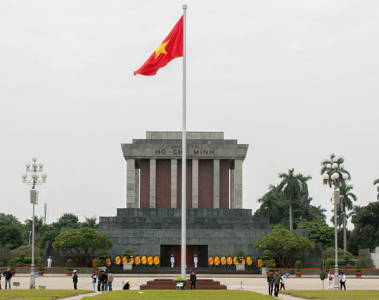


When planning your first journey to this captivating country, the most important question to answer is how many days in Vietnam is enough? For a comprehensive first-time experience, a duration of 10 to 14 days is ideal to seamlessly explore the highlights from North to South. Meanwhile, short trips of 5 to 7 days are best suited for a single region, and extended travels of over three weeks offer the perfect pace for slow travel. This article will guide you through the best itineraries for each timeframe.
1. Factors That Determine How Many Days You Need
When planning your journey, understanding the layout of the country and your own preferences is essential. Several key elements will directly influence your itinerary and dictate exactly how long you should stay to get the most out of your visit.
1.1 The Geography and Travel Distance
Vietnam stretches over 1,600 kilometers from north to south, making travel times between regions significant. For example, traveling from Hanoi to Ho Chi Minh City takes about 2 hours by plane, but more than 30 hours by train. Therefore, the physical distance between destinations is a major factor in deciding how many days you need.
1.2 Your Travel Style
Your personal approach to exploring new places also plays a massive role in shaping your schedule. Fast-paced travelers can see the main highlights in 7-10 days, while those who prefer a balanced or slower pace should aim for 2 to 3 weeks. Choosing between a packed sightseeing checklist and a relaxed, immersive experience will ultimately determine the ideal length of your trip.
2. How Many Days in Vietnam? A Quick Duration Guide
To help you choose the right itinerary for your trip, here is a quick breakdown of what you can realistically achieve based on your length of stay:
- Under 7 Days: A quick introduction to one specific region. It is best to stick to either the North (Hanoi and Ha Long Bay) or the South (Ho Chi Minh City and Mekong Delta) to avoid spending all your time at airports.
- 7 to 10 Days: Enough time to explore the highlights of two regions comfortably. A popular combination for first-time visitors is connecting the cultural charm of the North with the historical landmarks of Central Vietnam.
- 10 to 14 Days: The sweet spot for a complete North-to-South journey. This duration allows you to see the classic highlights, from Hanoi and Ha Long Bay down to Hoi An, Hue, and Ho Chi Minh City – without feeling rushed.
- 2 to 3 Weeks: In-depth exploration, including mountain trekking and island hopping. This timeframe is perfect for slow travel, giving you the freedom to tackle adventures like the Ha Giang Loop, trek through Sapa, or unwind on pristine beaches like Phu Quoc.

3. 5 to 7 Days in Vietnam: The Single-Region Focus
If you only have a week, do not try to see the whole country. Attempting to rush between the North and South in such a short window will result in more time spent in transit than actually enjoying your vacation. Instead, focus entirely on one area to truly absorb its unique culture and scenery.
Below are the two best options for a highly rewarding, single-region trip:
3.1 Option A (Northern Highlights)
- Hanoi (1-2 Days): Immerse yourself in the energetic charm of the bustling streets, stroll around Hoan Kiem Lake, and sample legendary street food like bun cha or rich egg coffee.
- Ha Long Bay (2 Days): Board an overnight cruise to drift among dramatic limestone karsts, visit spectacular caves, and enjoy kayaking or bamboo boat rides through serene lagoons.
- Ninh Binh (1-2 Days): Explore the breathtaking limestone karst landscapes often called “Ha Long Bay on land”. Take a peaceful rowboat ride through the caves of Trang An or Tam Coc and hike up Mua Cave for panoramic countryside views.

3.2 Option B (Southern Escape)
- Ho Chi Minh City (2 Days): Discover the rich history of Vietnam’s most dynamic metropolis. Visit iconic French colonial landmarks like the Notre-Dame Cathedral and Central Post Office, gain deep insights at the War Remnants Museum, and take a half-day trip to explore the historic Cu Chi Tunnels.
- Mekong Delta (2 Days): Head into the countryside to experience authentic river culture, drift past vibrant floating markets, and witness the calm, earthy rhythms of local life along the winding waterways.
- Local Cuisine: Throughout your southern journey, indulge in iconic regional dishes such as com tam (broken rice), banh xeo (crispy savory pancakes), and fresh seafood at bustling night markets.

4. 10 to 14 Days in Vietnam: The Classic North-to-South Route
This is the quintessential itinerary for first-time visitors. Two weeks provides the perfect balance, giving you enough time to experience the country’s diverse cultural, historical, and natural landmarks from end to end without feeling rushed.
The classic progression is broken down into three regional chapters:
4.1 Days 1 – 4 (The North)
- Hanoi: Start your journey in Vietnam’s ancient capital. Spend your time exploring the narrow alleys of the Old Quarter, wandering around Hoan Kiem Lake, and immersing yourself in the rich street food culture.
- Ha Long Bay: Travel east from Hanoi to experience an overnight cruise among thousands of dramatic limestone karsts. Spend your days kayaking through hidden lagoons and watching the sunset from the deck.

4.2 Days 5 – 9 (The Center)
- Hue: Fly from Hanoi into Central Vietnam to dive into the country’s royal past. Tour the majestic Imperial Citadel – the former political and cultural heart of the Nguyen Dynasty, and visit peaceful imperial tombs.
- Da Nang & Hoi An Ancient Town: Take a scenic coastal drive down to Da Nang to enjoy its beautiful beaches. From there, spend a few days wandering through the beautifully preserved, lantern-lit streets of Hoi An, sampling local dishes like cao lau, and visiting traditional tailor shops.

4.3 Days 10 – 14 (The South)
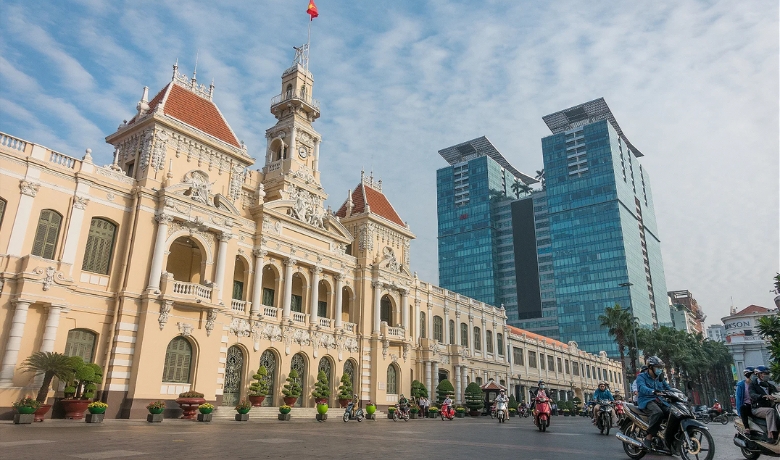
- Ho Chi Minh City: Fly south to Vietnam’s most dynamic metropolis. Explore iconic historical landmarks like the Notre-Dame Cathedral, the Saigon Central Post Office, and the War Remnants Museum.
- Mekong Delta: Take a day trip out of the city to experience the calm, earthy rhythms of the delta. Drifting down the winding waterways gives you an intimate look at local river culture and rural scenery before your final departure.
> See tour: The Very Best of Vietnam
5. 3 Weeks in Vietnam: The Ultimate Slow Travel Experience
With three weeks, you avoid the rush and can add off-the-beaten-path destinations to your itinerary. This extended timeframe allows you to fully immerse yourself in local culture, minimize travel fatigue, and venture into remote regions that short-term visitors often have to skip.
Here are the top deep-dive destinations you can seamlessly integrate into your journey:
5.1 Additions in the North
- Sapa: Add 3 – 4 days to trek through the iconic, cascading rice terraces, visit remote ethnic minority villages, and experience the refreshing mountain climate.
- Ha Giang Loop: Spend a few days riding the dramatic mountain roads of the far north. This loop offers some of the most jaw-dropping karst landscapes and deep canyon views in Southeast Asia.

5.2 Additions in the Center/South
- Phong Nha-Ke Bang National Park: Explore the massive caves hidden within this spectacular UNESCO World Heritage site, which houses some of the largest and most pristine underground cavern systems in the world.
- Da Lat: Visit the cool highlands of the South. Known for its pine forests, lakes, and French colonial villas, it offers a peaceful, refreshing contrast to the tropical heat of the lowlands.
- Phu Quoc Island: Relax on the white-sand beaches of this tropical escape. It is the perfect place to unwind with island-hopping, snorkeling, and fresh seafood at the end of a long journey.

6. When is the Best Time to Visit Vietnam?
Because Vietnam stretches across multiple climate zones, different regions experience completely different weather patterns throughout the year. To maximize your journey, it is best to align your travel dates with the optimal seasons for each area:
- Northern Vietnam: Best from October to April when it is cool and dry. This period is ideal for trekking the mountains or cruising the bays without the intense summer heat.
- Central Vietnam: Best from February to August for sunny weather and calm seas. Traveling during these months allows you to enjoy the historic towns and coastal beaches before the autumn monsoon and flood season begin.
- Southern Vietnam: Best from December to April, offering warm, dry weather ideal for exploring the delta and beaches. This window ensures clear skies and manageable humidity for your city tours and island escapes.

If you are planning a multi-region trip that spans the entire country, transitional months like March to April or October to November generally offer the most balanced weather across all three zones.
> Read more: Best Time To Visit Vietnam
7. Frequently Asked Questions (FAQs)
Yes, but you should stick to just one region (North, Central, or South) to avoid spending most of your 7 days on airplanes or sleeper buses. Limiting your scope ensures you actually experience the culture rather than rushing through transit hubs. 10 days is enough to see the major highlights of two regions, typically combining Hanoi and Ha Long Bay in the North with Hoi An and Da Nang in the Center. This creates a balanced, comfortable flow for first-time visitors. The fastest way to cover the 1,600 km distance is by domestic flights (e.g., Hanoi to Ho Chi Minh City). For shorter distances, VIP sleeper buses or the Reunification Express train are budget-friendly and scenic options.Can I do Vietnam in 7 days?
Is 10 days in Vietnam enough?
How do I travel between cities in Vietnam?
8. Conclusion
Choosing how many days in Vietnam ultimately depends on your personal interests, travel pace, and preferred destinations. Whether you opt for a focused one-week regional escape or a comprehensive three-week journey, this country promises unforgettable memories at every turn. If you want a seamless, tailor-made experience that balances travel time and regional highlights perfectly, let the experts at Asia Pioneer Travel help you design your dream itinerary today.