

Vietnamese Water Puppetry serves as a captivating introduction to the country’s rich agricultural heritage and creative spirit. This traditional art form features a stage made of water where wooden dragons rise from the mist to tell ancient folk tales. For modern travelers, these performances offer a perfect one-hour cultural immersion that fits easily into any busy itinerary in Hanoi or Ho Chi Minh City. This guide explores the fascinating history of the craft and provides practical advice on where to watch the best shows. You will learn how to choose the most advantageous seats and discover insider tips to enhance your viewing experience.
1. What Is Vietnamese Water Puppetry and Why Is It Performed on Water?
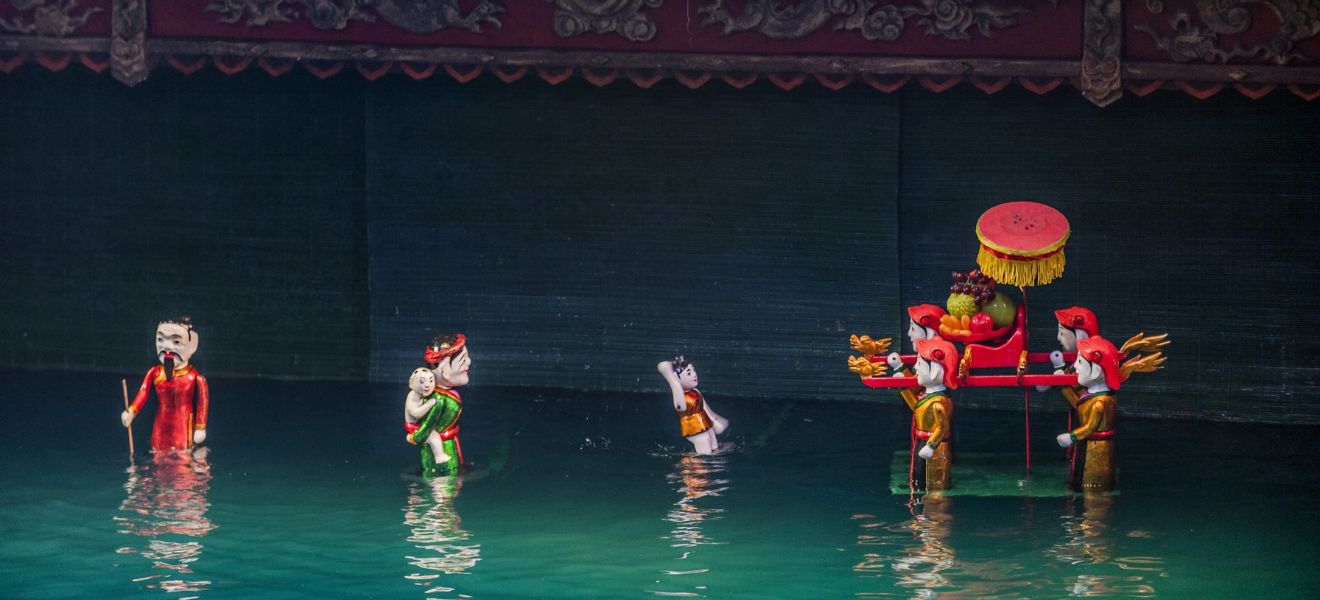
Vietnamese Water Puppetry, or Múa rối nước, is a unique folk performance that originated in the villages of the Red River Delta in Northern Vietnam. Unlike traditional theater, this art form utilizes a waist-deep pool of water as its primary stage. Historically, farmers created these shows in flooded rice paddies to celebrate successful harvests and provide communal entertainment during the rainy season.
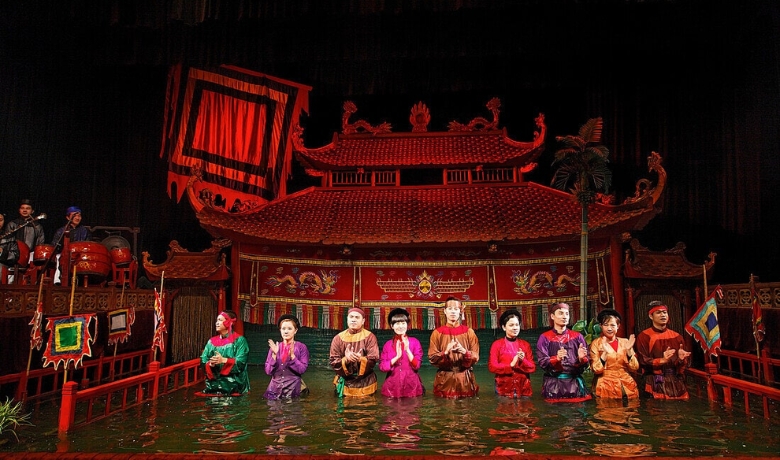
The water serves several critical functions beyond mere aesthetics. It acts as a liquid stage that conceals the complex bamboo poles and string mechanisms used by puppeteers standing behind a split-Bamboo screen. Furthermore, the water provides a natural canvas for illusion and symbolism; it creates reflections, ripples, and splashes that make the wooden puppets appear to swim, dive, or even “breathe” fire. When dragons rise from the mist, the surface of the water amplifies the mystical atmosphere of the performance.
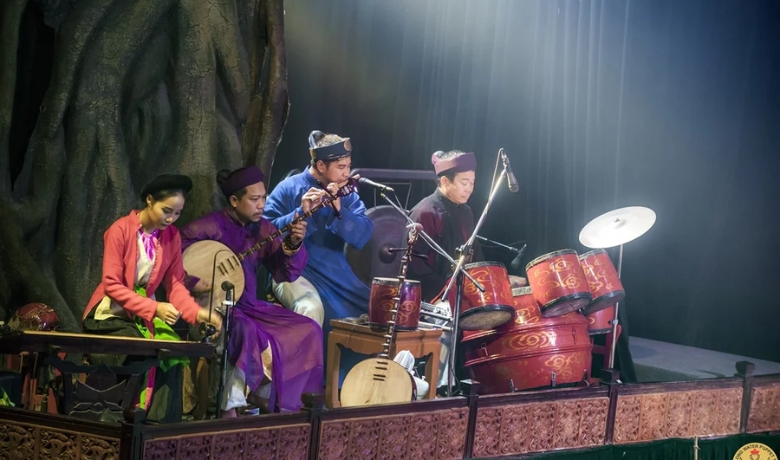
A live traditional orchestra accompanies every show, featuring instruments such as the monochord, cymbals, drums, and wooden bells. Singers perform Chèo (Northern folk opera) to narrate the stories, often engaging in witty banter with the puppets. The wooden characters themselves, typically carved from fig wood, represent cultural symbols like sacred dragons, hardworking farmers, and playful water buffaloes, reflecting the daily realities of ancient village life.
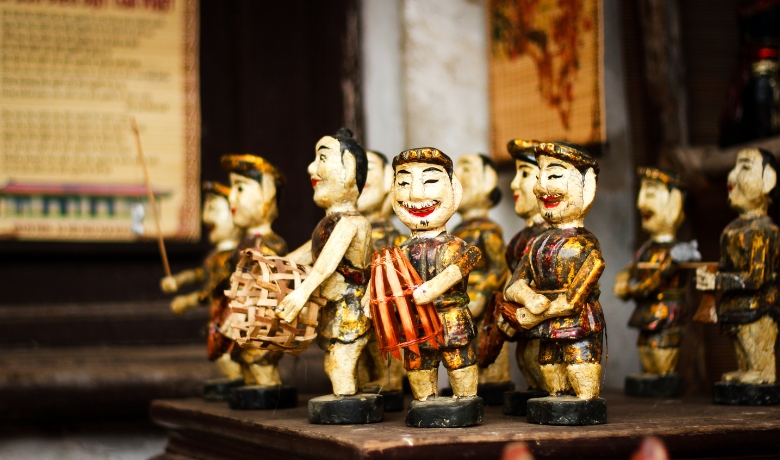
Vietnamese Water Puppetry has survived centuries of wars and rapid modernization because it remains a core pillar of national identity. Although it dates back at least to the 11th century (as recorded on the Sùng Thiện Diên Linh stele from 1121 AD), its ability to adapt while preserving its rustic charm has kept it relevant for both locals and international travelers today.
While many Asian cultures, such as China, Japan, and Indonesia, possess world-renowned land puppetry traditions (like the Wayang Kulit shadow puppets or Bunraku), Vietnam’s tradition is a global outlier.
- Surface interaction: In land puppetry, the stage is a static background. In Vietnam, the “stage” is a dynamic element that creates ripples, splashes, and reflections that interact with the characters.
- Acoustics: Land-based shows rely on vocal projection in open air; water puppetry uses the water’s surface to amplify the sound of drums and wooden clappers, creating a resonant, booming atmosphere that mimics a village pond.
- The “weight” of performance: While land puppets focus on delicate finger or limb movements, water puppets emphasize grand, sweeping gestures and “hydro-stunts,” such as disappearing underwater only to resurface in a different location.
> Read more: How to Plan the Perfect Northern Vietnam Tour: Culture, Nature & Local Charm
2. Where Can You Watch the Best Vietnamese Water Puppetry Shows?
Vietnamese Water Puppetry shines brightest in its birthplace, Northern Vietnam. But travelers can now enjoy high-quality performances across the country’s major urban hubs.
2.1 Thang Long Water Puppet Theatre in Hanoi
Hanoi is widely regarded as the cradle of water puppetry. The art form emerged in the flooded rice fields of the nearby Red River Delta during the 11th century as entertainment for farming communities. Today, Hanoi remains the most prestigious location to witness this tradition.
The Thang Long Water Puppet Theatre is the premier choice for travelers. Located at 57B Dinh Tien Hoang Street, the theater sits directly across from Hoan Kiem Lake in the heart of the Old Quarter. This central location makes it easy to reach on foot from most major hotels.
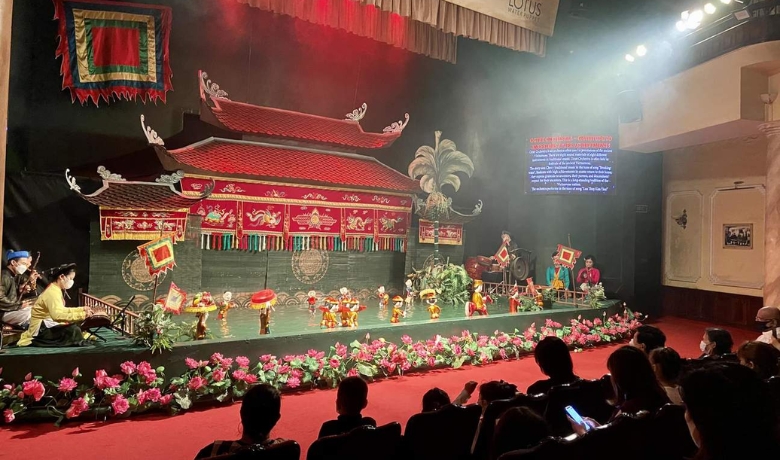
- Show duration and schedule: Performances typically last 45 to 50 minutes. There are multiple daily shows, typically starting at 3:00 PM, 4:10 PM, 5:20 PM, 6:30 PM, and 8:00 PM.
- Language: While the live narration and singing are in Vietnamese, the theater provides multilingual audio guides in English, French, Chinese, Japanese, and Korean to help international guests follow the stories.
- Ticket prices and booking: Tickets range from 100,000 VND to 200,000 VND ($4–$8 USD). Standard seats cost approximately 100,000–150,000 VND, while VIP front-row seats reach 200,000 VND. Travelers should book in advance via platforms like Klook or the official theater website, as evening shows frequently sell out during peak season (October–April). There are small extra fees if you wish to take professional photos or videos.
- Tip: You should opt for VIP or front-row seats. These spots provide a magical, close-up view of the puppet details and water effects (fun but prepare to get lightly wet!). If you are tall, try to choose an aisle seat for extra legroom.
>> Read More: How To Make The Most Out Of One Week In Hanoi?
2.2 Golden Dragon Water Puppet Theatre in Ho Chi Minh City
For those traveling through Southern Vietnam, the Golden Dragon Water Puppet Theatre (55B Nguyen Thi Minh Khai Street, District 1) offers a professional and convenient alternative to the Northern venues.
Unlike the historic, rustic vibe found in Hanoi, this theater provides a more modern and urban atmosphere. The indoor stage is fully air-conditioned and features a polished theatrical setup with advanced lighting and sound systems. This venue is particularly popular with families looking for a comfortable cultural activity after a day of sightseeing in Saigon.
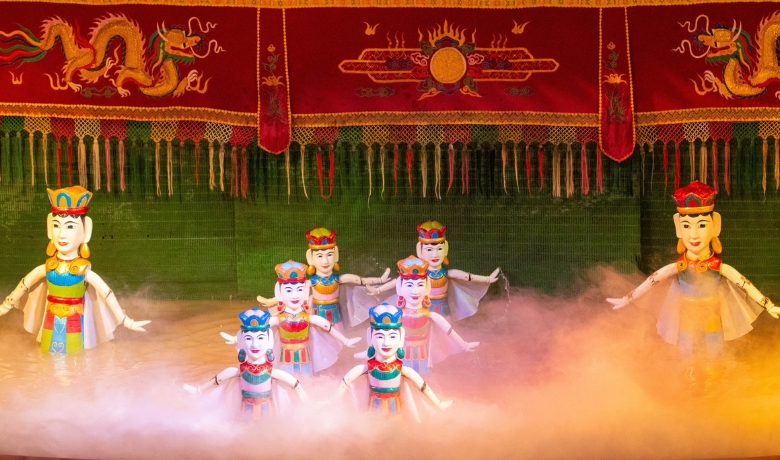
- Show duration: Shows run for approximately 50 minutes and usually take place in the evenings at 5:00 PM and 6:30 PM. Schedules can vary, so you should check current listings as seats sell out quickly.
- Language: The narration is entirely in Vietnamese. Although audio guides are less common here, the highly visual nature of the performance ensures the stories remain easy to follow.
- Ticket prices and booking: Tickets generally cost between 200,000 VND and 300,000 VND ($8–$12 USD). You can purchase tickets at the box office or through online travel agencies like Viator or GetYourGuide.
- Tip: This theater is located near Tao Dan Park and the War Remnants Museum. You can easily pair a late afternoon show with a visit to a nearby rooftop bar or a local dinner in District 1 for a complete evening itinerary.
2.3 Village Festivals in Northern Vietnam
The most authentic way to experience Vietnamese water puppetry is at its roots during village festivals in the Red River Delta. Locations like Đào Thục Village continue to perform on outdoor communal ponds, just as their ancestors did centuries ago.
Most travelers rarely hear about these performances because they are not part of standard tourist circuits. These shows are often tied to specific lunar calendar dates, harvest celebrations, or local religious events, making their schedules unpredictable for the average visitor.
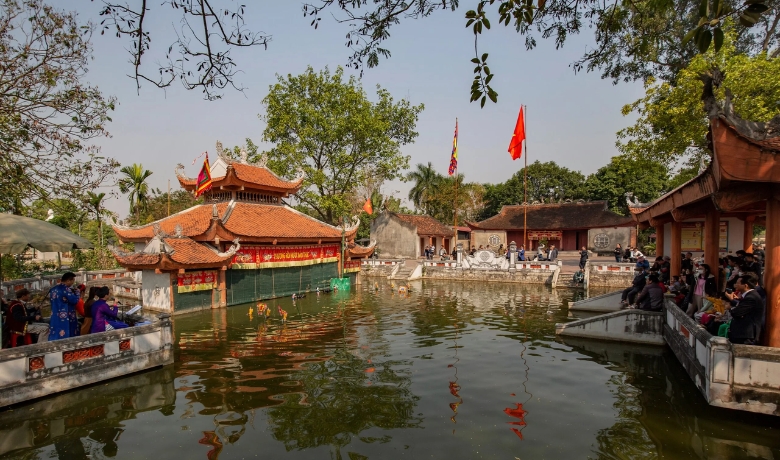
- Access and tours: Because there are no fixed schedules for these local events, you should join a private cultural tour. Specialized local operators can arrange day trips that include transport and access to these exclusive village performances.
- Show duration and language: Performances vary from 30 to 60 minutes. There are no translations or audio guides available. The experience focuses on pure, raw storytelling through traditional music and movement.
- Ticket prices and booking: Entry is often included in a private tour package, which can cost 500,000 VND ($20 USD) or more per person depending on the group size. Individual entry at festivals is usually low-cost or based on local donations.
- Tip: When visiting a traditional village, you must respect local customs. You should ask for permission before taking close-up photos of the puppeteers or their equipment, as these communities view the puppets as sacred cultural heritage.
3. What Happens During a Vietnamese Water Puppet Show?
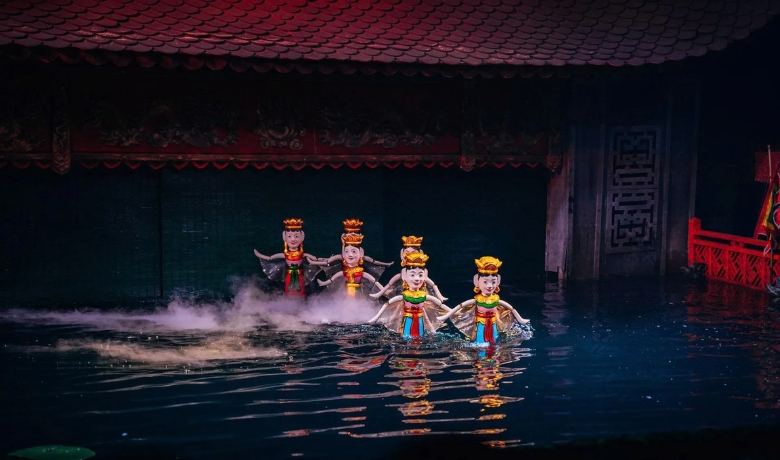
A typical Vietnamese water puppet show lasts approximately 45 to 50 minutes. The performance unfolds as a series of short, vibrant sketches rather than a single continuous story. Wooden figures, lacquered for water resistance, glide and dance across the shimmering surface, bringing rural folklore to life through a blend of drama, humor, and ancient artistry.
3.1 Opening Dragon Dance
The show bursts to life with a dramatic dragon dance, which is one of the most iconic opening acts in the repertoire. Fiery, serpentine dragons rise suddenly from the misty water, twisting and breathing flames through clever pyrotechnic effects.
Accompanied by thunderous drums and clashing cymbals, this energetic start symbolizes power and good fortune. This segment sets a magical tone, immediately drawing the audience into the mythical “watery world” of the Red River Delta.
3.2 Farming Scenes
Following the high-energy opening, the performance transitions into lively depictions of everyday rural life. These scenes celebrate the wet-rice agricultural heritage of Northern Vietnam.
You will see puppets representing farmers plowing fields with buffaloes, planting rice, and catching frogs. A fan favorite often features a young boy riding a water buffalo while playing a bamboo flute. These segments are frequently filled with slapstick humor, such as puppets chasing quacking ducks or farmers slipping in the “mud” of the water stage.
3.3 Folk Legends (e.g., Sword Lake Story)
The heart of the performance features legendary tales drawn from Vietnamese history. A standout act is the Legend of the Returned Sword, which explains the naming of Hoan Kiem Lake in Hanoi.
The story depicts King Le Loi returning a magical sword to a giant golden turtle that emerges dramatically from the water. Other popular legends include the story of Saint Giong, a hero who defeated invaders on an iron horse. These acts blend heroism and fantasy, utilizing splashes and smoke to heighten the theatrical tension.
3.4 Comic Character “Teu”
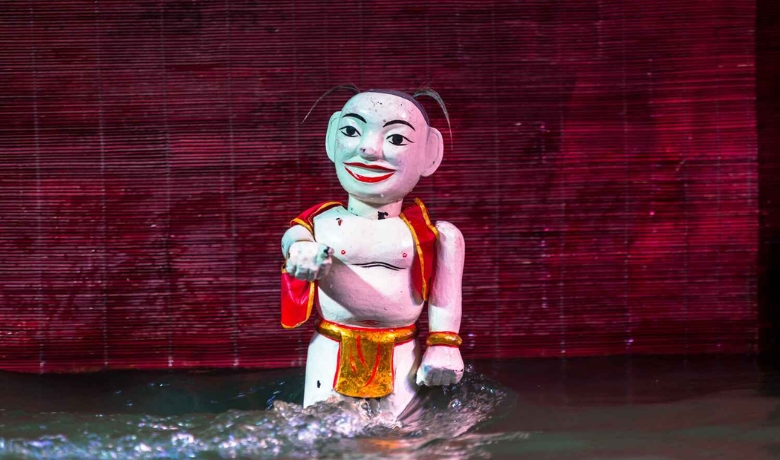
No show is complete without Chú Tễu (Uncle Teu), a cheeky, barefoot village boy who serves as the iconic host and narrator. Appearing early in the show, Teu introduces various scenes with witty commentary and mocks corrupt officials or social follies.
With his tufted hair and swinging arms, he provides essential comic relief. Teu acts as a bridge between the performers and the audience, often “interacting” with the musicians or reacting comically to the dramatic events unfolding on stage.
3.5 Live Traditional Music
Throughout the entire performance, a live orchestra provides the heartbeat of the show. Musicians play traditional folk instruments such as the monochord, bamboo flutes, and wooden bells.
Singers perform Chèo-style folk songs to narrate the action, shouting warnings or cheers to the puppets. This auditory layer is crucial; the energetic rhythms drive the action scenes, while gentle melodies accompany the pastoral moments, making the experience fully enjoyable even if you do not understand the Vietnamese lyrics.
4. Can You Combine Water Puppetry with a Cultural Tour in Hanoi?
Yes, absolutely! Vietnamese water puppetry pairs perfectly with a half-day cultural exploration of Hanoi. This combination creates an immersive, low-effort itinerary that blends history, architecture, street life, and live performance.
Because the Thang Long Water Puppet Theatre sits right by Hoan Kiem Lake in the heart of the Old Quarter, you can seamlessly combine a show with nearby temples and dining. Many guided tours bundle these elements, but it is also easy to manage as a DIY afternoon.
This itinerary works perfectly for several types of travelers. Visitors on short layovers can maximize their cultural exposure in just a few hours without feeling exhausted. Family trips benefit from the visual nature of the puppets, which keeps children entertained throughout the show. Additionally, those on cruise or tour extensions from Halong Bay will find this combo a rich and efficient introduction to the soul of Hanoi.
Suggested half-day itinerary (4–6 hours)
This itinerary starts in the mid-afternoon to catch a prime water puppet show slot and winds down with a traditional dinner. You should book your tickets for Thang Long in advance to secure the best seats.
- Temple visit (1–1.5 hours): Begin at the Temple of Literature, Vietnam’s first university founded in 1070. You can wander through peaceful courtyards and gardens that symbolize ancient scholarly traditions. It is located about 15–20 minutes by taxi from the Old Quarter.
- Old Quarter walk (1 hour): Stroll through the atmospheric maze of the Old Quarter. You can explore ancient streets named after traditional guilds, such as Hang Bac (silver) or Hang Gai (silk). This is the perfect time to sip an egg coffee at a classic café while soaking in the French-colonial architecture.
- Water Puppet Show (45–50 minutes): Head to the theater for a 5:20 PM or 6:30 PM performance. Arriving 15–20 minutes early allows you to settle in before the dragons and firecrackers begin the spectacle.
- Traditional dinner (1–1.5 hours): End your day with authentic flavors near the lake. You might choose a bowl of bún chả or a set-menu dinner featuring fresh spring rolls and grilled meats.
FAQs About Vietnamese Water Puppetry
1. Is a water puppet show in Hanoi worth it?
Yes, it is absolutely worth it for most visitors. This centuries-old tradition offers a magical glimpse into Vietnam’s rural folklore and history. The performances are visually stunning, family-friendly, and filled with live music and humor. Most travelers find it an enchanting and essential part of the Hanoi experience.
2. How long does a water puppet show last?
A typical performance lasts between 45 and 50 minutes. The show consists of several short sketches, making it easy to fit into a busy sightseeing schedule without feeling too long.
3. Is the show suitable for children?
The show is highly recommended for families. Children enjoy the vibrant colors, splashing water, and playful characters like Uncle Teu. Since the storytelling is purely visual, kids can follow the action easily without needing to understand the language. The theater is also air-conditioned and comfortable for all ages.
4. Are performances held year-round?
Yes, shows run daily throughout the year. Major theaters like Thang Long offer multiple showtimes every day, usually from the afternoon until late evening. You should check the current schedule with your travel designer to confirm exact times.
5. Can I visit the backstage area?
Standard tickets do not include backstage access at the main theaters. However, some private cultural tours can arrange special "behind-the-scenes" visits. These tours allow you to meet the artisans and see the complex underwater rod-and-string systems used to control the puppets.
Vietnamese Water Puppetry is more than just a show. It is a living window into the soul of Vietnam’s history and rural life. Whether you watch the magical dragons in Hanoi or visit a quiet craft village, this art form will leave you with lasting memories of the country’s creative spirit.
Planning your perfect cultural journey doesn’t have to be complicated. You can contact Asia Pioneer Travel to craft a personalized tour that fits your style. Whether you want front-row seats at the famous Thang Long Theatre or a private visit to meet the puppet masters in their home villages, our experts are ready to help.