

Vietnam is home to some of Southeast Asia’s most beautiful waterfalls, ranging from powerful cascades hidden in mountain forests to gentle streams flowing through tropical landscapes. Each destination offers a different experience, whether you want to trek through remote jungles, cool off in natural pools, or simply enjoy stunning scenery. This guide highlights 15 of the most impressive Vietnam waterfalls, covering practical travel tips, the best time to visit, and what makes each waterfall worth adding to your itinerary.
Ban Gioc Waterfall (Cao Bang) – The Majestic Border Wonder
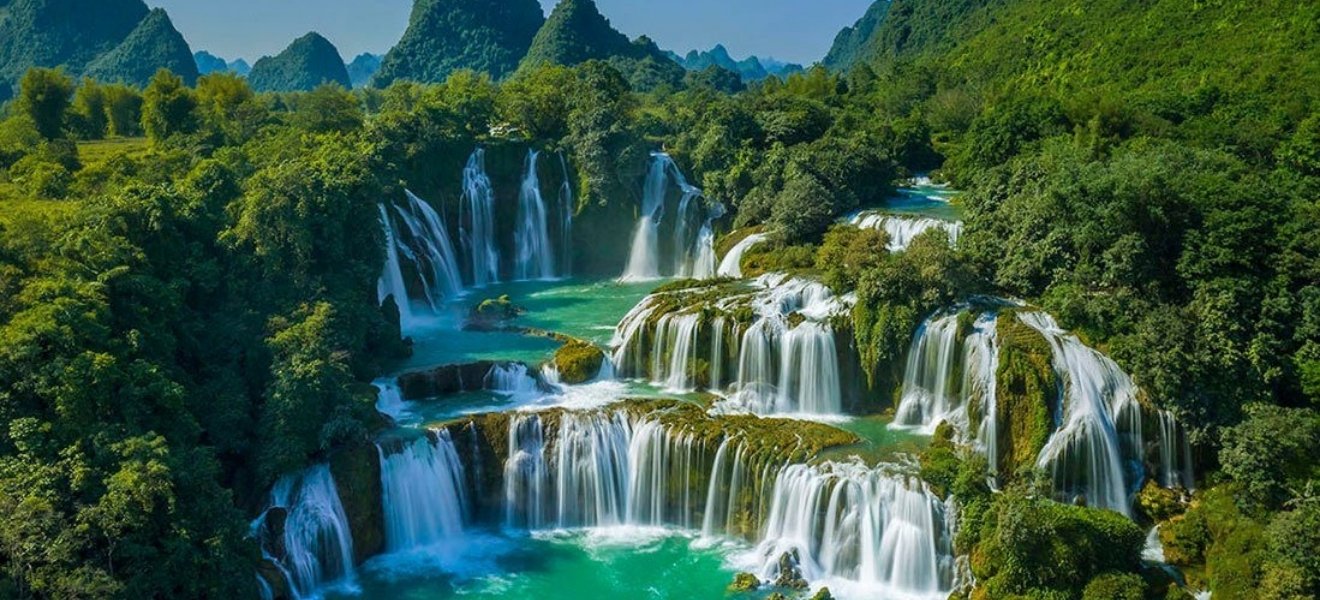
Located in Cao Bang Province near the Vietnam–China border, Ban Gioc Waterfall is widely regarded as one of the most impressive Vietnam waterfalls. Stretching nearly 300 meters across and cascading over multiple limestone terraces, the waterfall creates a dramatic landscape framed by karst mountains, bamboo groves, and rice fields along the Quay Son River.
Most travelers reach Ban Gioc from Hanoi via limousine bus, sleeper bus, or private car to Cao Bang City, followed by a scenic 90-kilometer drive to the falls. The entrance fee is approximately 40,000–45,000 VND per person, with optional bamboo raft rides available near the base of the waterfall.
The best time to visit is from June to August, when water levels are at their highest, or during September and October, when golden rice fields surround the falls. For the most powerful flow, many local guides recommend visiting between late morning and mid-afternoon when upstream water releases often increase the volume of the cascade.
Visitors can also enjoy panoramic views from nearby Truc Lam Ban Gioc Pagoda. Because the waterfall is located in a sensitive border zone, travelers should carry their original passport or identification card at all times and follow local regulations regarding restricted areas and drone use.
Pongour Waterfall – The Queen of Central Highlands Waterfalls
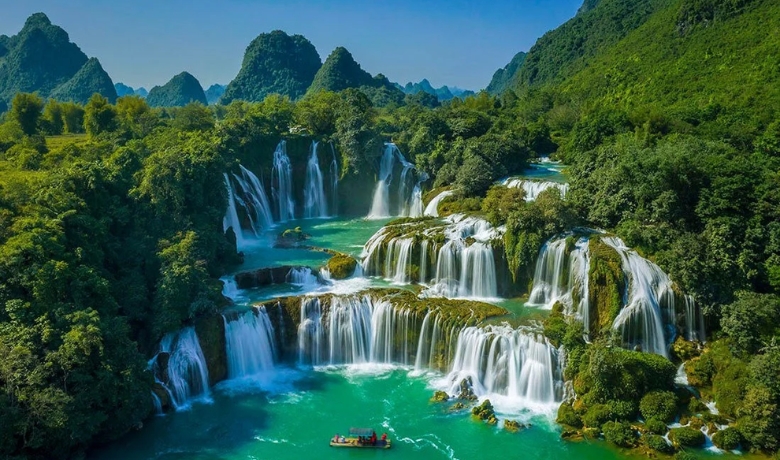
Often called the “Queen of Waterfalls” in Vietnam, Pongour Waterfall is one of the most distinctive natural attractions near Da Lat. Unlike many vertical waterfalls, Pongour flows gracefully over a series of seven natural basalt terraces, creating a broad curtain of water that stretches more than 100 meters across and drops approximately 40 meters in height.
Located around 50 km south of Da Lat in Duc Trong District, the waterfall is easily accessible by car or motorbike via National Highway 20. The site is open daily, with an entrance fee of approximately 20,000 VND per person.
Pongour is particularly impressive during the rainy season from July to November, when water levels rise and the falls thunder across the terraced rock formations. During the dry season, the gentler flow reveals more of the unique geological structure, making it a favorite spot for photography. Early morning visits offer the best lighting and a quieter atmosphere before larger tour groups arrive.
Local K’Ho legends add cultural significance to the destination, linking the waterfall to stories of the female chieftain Kanai and four sacred rhinoceroses. While visitors can explore the surrounding forest and viewpoints, swimming near the base of the waterfall is prohibited due to deep pools, slippery rocks, and strong currents. Staying within designated viewing areas is strongly recommended for a safe and enjoyable visit.
K50 Waterfall (Hang En) – The Wildest of Vietnam Waterfalls
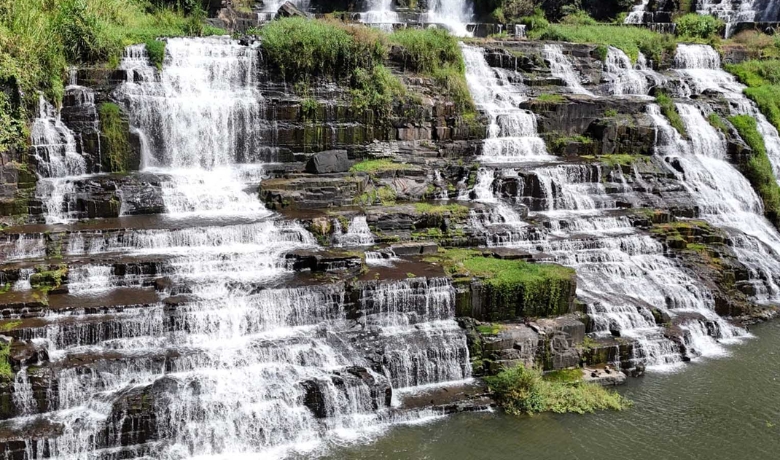
For travelers seeking untouched Vietnam waterfalls far from the usual tourist routes, K50 Waterfall is one of the country’s most rewarding wilderness experiences. Hidden deep within the core zone of Kon Chu Rang Nature Reserve in Gia Lai Province, this 54-meter cascade plunges into a pristine forest valley surrounded by ancient trees and rugged mountain landscapes. Locals also call it Hang En Waterfall because a large cave behind the curtain of water shelters thousands of swallows.
Reaching K50 is part of the adventure itself. Visitors typically travel from Pleiku or Mang Den before entering the protected forest. The journey involves off-road transportation arranged by park authorities followed by a challenging trek of nearly 18 km through streams, grasslands, and primary rainforest. Unlike many accessible waterfalls in Vietnam, K50 rewards effort with complete immersion in nature.
The dry season, from January to June, offers the safest trekking conditions with lower water levels and firmer trails. Along the route, hikers can observe native wildlife, enjoy panoramic viewpoints, and gain insights into the culture of the local Ba Na communities living near the reserve.
As K50 lies within a strictly protected conservation area, independent travel is not permitted. Visitors must join licensed tours and follow park regulations designed to protect the fragile ecosystem. Proper trekking shoes, long-sleeved clothing, insect repellent, and sufficient water are essential for a safe journey.
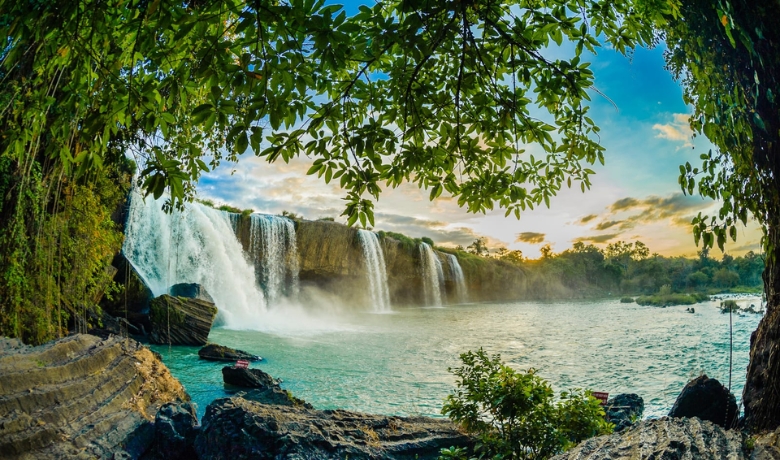
Dray Nur Waterfall – The Power of the Central Highlands
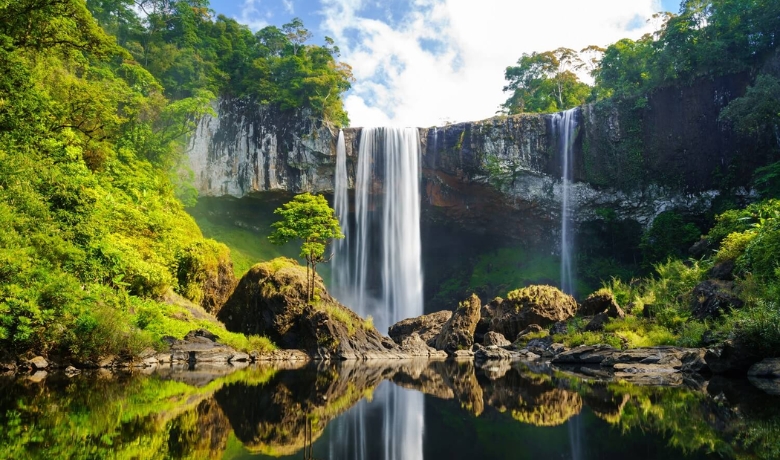
Among the most powerful Vietnam waterfalls, Dray Nur Waterfall showcases the raw energy of the Serepok River as it crashes over a 30-meter drop stretching more than 250 meters wide. Located just 26 km from Buon Ma Thuot, this iconic destination is often paired with nearby Dray Sap Waterfall, forming the legendary “Husband and Wife” waterfalls of the Central Highlands.
Unlike remote trekking destinations, Dray Nur is easily accessible by car, motorbike, or public bus, making it a popular stop for travelers exploring Dak Lak Province. Entrance fees remain affordable, and the surrounding eco-tourism area provides well-maintained walking paths, viewing platforms, and shaded picnic areas.
The waterfall offers two distinct experiences throughout the year. During the rainy season from May to November, the river swells dramatically, creating a roaring wall of white water that highlights the region’s volcanic landscape. In the dry season, calmer conditions reveal fascinating basalt formations and provide better opportunities for photography and leisurely exploration.
One of Dray Nur’s most intriguing features is the cave hidden behind the waterfall, adding a sense of mystery to the visit. Travelers can also combine their trip with cultural encounters in nearby Ede villages to better understand the traditions of the Central Highlands. Due to slippery rocks and strong currents near the falls, visitors should remain on designated paths and follow local safety guidelines at all times.
Datanla Waterfalls – The Adventure Hub of Da Lat
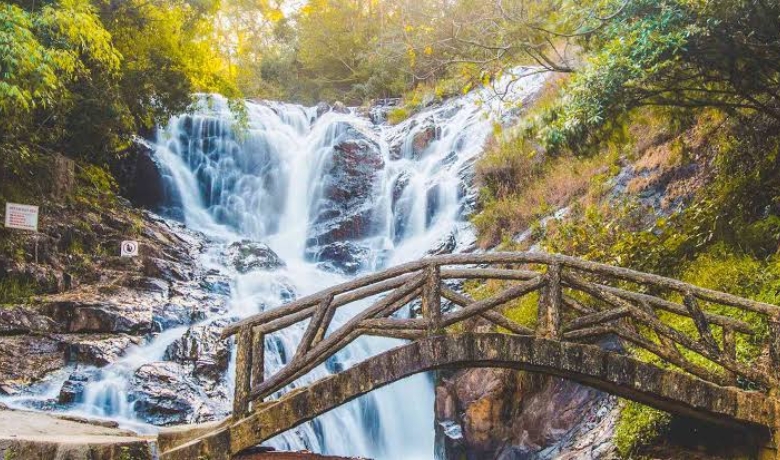
While many Vietnam waterfalls are known primarily for their scenery, Datanla Waterfalls stands out as a destination where nature and adventure come together. Located just 5 km from Da Lat city center, the waterfall flows through a lush pine forest before descending over granite cliffs into a series of pools and rapids hidden beneath the highland canopy.
Its convenient location along Prenn Pass makes it one of the easiest waterfalls to access in the region. Visitors can reach the site by motorbike, taxi, or ride-hailing services in less than 15 minutes from central Da Lat. Entrance fees are relatively affordable, while adventure activities are available as optional add-ons.
Datanla is best visited between May and October when increased rainfall creates stronger water flow, enhancing both the scenery and outdoor activities. Rather than simply viewing the waterfall from a platform, travelers can ride Southeast Asia’s longest alpine coaster, take a cable car through the forest, or join guided canyoning tours that descend directly beside the waterfall.
For a more relaxed experience, visiting early in the morning helps avoid peak crowds. As the rocks surrounding the falls remain wet year-round, sturdy footwear and adherence to safety instructions are strongly recommended, particularly when participating in adventure sports.
Silver Waterfall (Thac Bac) – Sapa’s Shining Cascade
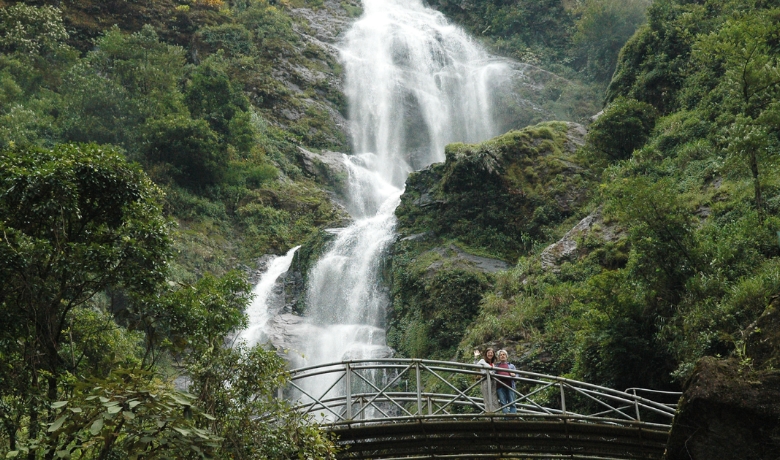
Silver Waterfall, known locally as Thac Bac, is one of the most accessible waterfalls in northern Vietnam and a popular stop along the route to O Quy Ho Pass. Fed by streams originating from the Hoang Lien Son mountain range, the waterfall plunges more than 200 meters down a steep cliff, creating a shimmering white cascade that inspired its name.
Located approximately 12 km from Sapa town, the site can be reached in around 20–30 minutes by motorbike, car, or taxi. The journey itself is part of the experience, offering panoramic views of mountain valleys, terraced fields, and winding roads that characterize this region of Vietnam.
The waterfall is most impressive between April and August, when melting mountain water and seasonal rainfall create a powerful flow. During September and October, many travelers combine their visit with the rice harvest season, when golden terraces transform the surrounding landscape.
A short staircase leads to several viewpoints overlooking both the waterfall and nearby peaks. Travelers often pair their visit with local trout farms and traditional restaurants serving specialties from the Sapa highlands. Due to cooler temperatures and strong winds around the falls, bringing a light jacket is advisable. Visitors should also remain on designated walkways, as wet rocks and steep slopes can become slippery throughout the year.
Elephant Falls – The National Monument
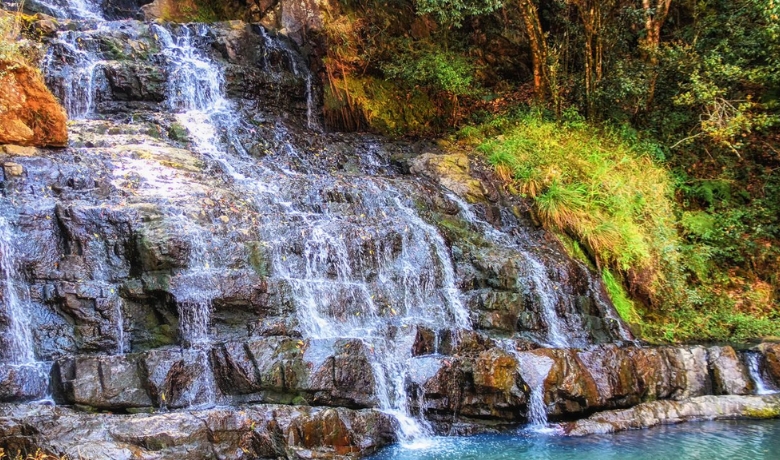
Among the lesser-known Vietnam waterfalls near Da Lat, Elephant Falls offers a more rugged and authentic experience than many of the city’s landscaped attractions. Located in Nam Ban Town, approximately 25 km southwest of Da Lat, the waterfall plunges through a narrow rocky gorge, creating a powerful roar that echoes through the surrounding forest.
The waterfall’s name comes from a cluster of massive boulders at its base, which resemble a herd of elephants resting beside the water. According to K’Ho folklore, these stone formations were once living elephants that mourned the loss of a young couple separated by war, adding a layer of cultural significance to the landscape.
Unlike waterfalls designed for easy sightseeing, Elephant Falls rewards adventurous visitors willing to descend a steep stone pathway. The route leads to dramatic viewpoints close to the cascading water and hidden corners rarely seen from above. Nearby, visitors can also explore Linh An Pagoda, home to one of Vietnam’s tallest outdoor Buddha statues.
The dry season from December to April generally offers safer conditions for exploring the lower sections of the falls. The stone steps can become extremely slippery after rain, so sturdy footwear is essential. Travelers should exercise caution when approaching the rocks near the water, as strong currents and wet surfaces make the area hazardous throughout the year.
> Read more: Offbeat Places in Vietnam: 14 Hidden Gems
Yang Bay Waterfall – Nature, Culture, and Wellness in One Destination
Unlike many Vietnam waterfalls that focus solely on scenic beauty, Yang Bay Waterfall combines natural landscapes, indigenous culture, and family-friendly activities within a single eco-tourism destination. Nestled in a lush valley about 45 km west of Nha Trang, the waterfall takes its name from the Raglai language, meaning “Waterfall of Heaven.”
Stretching through a forested landscape at the foot of Hon Ba Mountain, Yang Bay is known for its clear streams, natural pools, and unique combination of hot and cool water sources. The destination is easily accessible from Nha Trang by motorbike, private car, shuttle bus, or organized day tours, making it a convenient escape from the coastal city.
Beyond the waterfall itself, visitors can gain insights into Raglai traditions through performances featuring traditional instruments such as lithophones, gongs, and bamboo xylophones. Ancient sacred trees, local legends, and cultural exhibitions help create a deeper connection with the region’s heritage.
Yang Bay is particularly popular during the summer months when travelers can cool off in designated swimming areas or unwind in mineral hot springs and mud baths. Since the park covers a large area, using the internal electric shuttle service can save considerable walking time. Bringing swimwear, sun protection, and extra clothing will help visitors make the most of a full day exploring this diverse natural attraction.
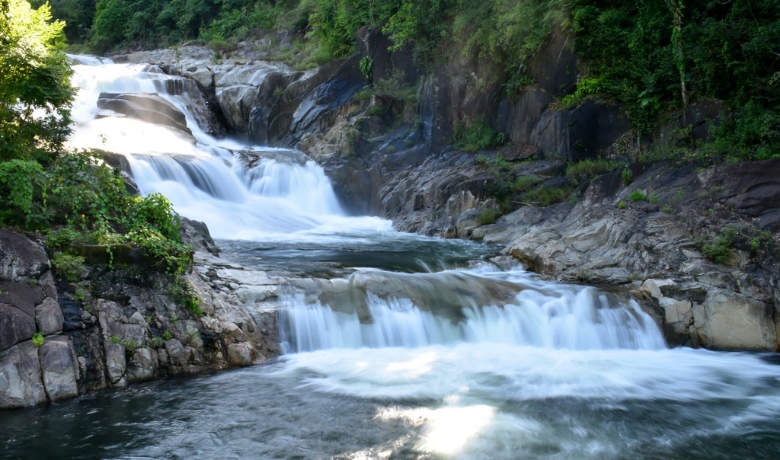
Dambri Waterfall – Southern Vietnam’s Towering Forest Cascade
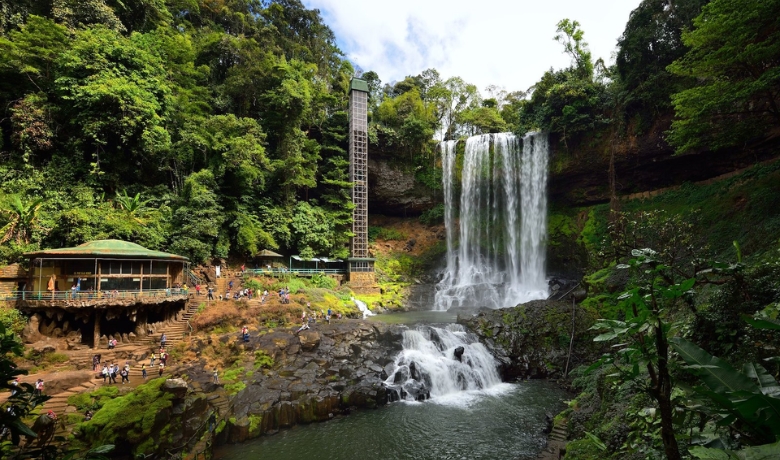
Rising from the dense rainforests surrounding Bao Loc, Dambri Waterfall delivers one of the most dramatic waterfall experiences in southern Vietnam. With a drop of nearly 60 meters, it ranks among the tallest Vietnam waterfalls and creates a constant mist that nourishes the lush vegetation blanketing the surrounding valley.
Located about 18 km from Bao Loc City, Dambri is easily reached by car or motorbike, making it a popular stop for travelers exploring the Central Highlands between Ho Chi Minh City and Da Lat. Unlike remote waterfalls that require lengthy treks, Dambri combines natural beauty with modern visitor facilities, including panoramic elevators, walking trails, and one of Vietnam’s longest alpine coasters.
The waterfall is particularly impressive during the rainy season from May to November, when increased water volume transforms the cascade into a thunderous white curtain framed by tropical greenery. Visitors who prefer a more immersive experience can descend a staircase leading to the base of the falls, where the scale and power of the water become even more apparent.
The surrounding eco-park also features gardens, recreational activities, and local food stalls serving regional specialties from Lam Dong Province. Due to the constant spray generated by the waterfall, pathways and staircases can remain slippery throughout the day, making comfortable footwear with good traction highly advisable.
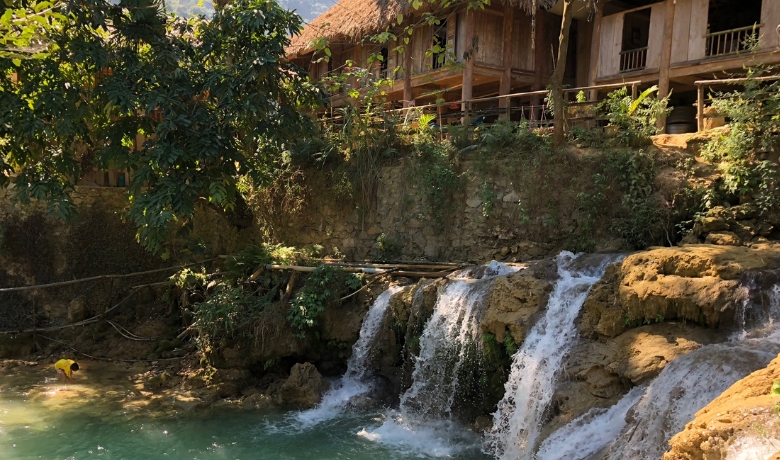
Mu Waterfall – A Hidden Weekend Escape from Hanoi
Tucked away in the mountains of Hoa Binh Province, Mu Waterfall offers a refreshing contrast to the more developed Vietnam waterfalls found in major tourist destinations. Surrounded by forests and traditional Muong villages, this six-tiered waterfall remains relatively undiscovered, making it an excellent choice for travelers seeking a quieter nature retreat.
The waterfall is located around 130 km southwest of Hanoi, making it suitable for a weekend road trip. The final stretch of the journey winds through scenic mountain roads and rural landscapes, rewarding visitors with panoramic views before arriving at the falls. Entry fees are remarkably affordable, while community-run homestays and simple riverside shelters provide budget-friendly accommodation options.
One of the highlights of visiting Mu Waterfall is the opportunity to experience local cuisine. Family-run eateries and homestays often serve specialties such as grilled stream fish, bamboo-tube rice, free-range chicken, and traditional rice wine, offering a taste of authentic highland culture.
During the summer months, natural pools beneath the waterfall become popular spots for swimming and cooling off. In the drier season, visitors can explore nearby caves and enjoy the peaceful atmosphere created by mountain mist and flowing water. As tourism here remains community-based, travelers are encouraged to minimize waste, respect local customs, and help preserve the area’s unspoiled character for future visitors.
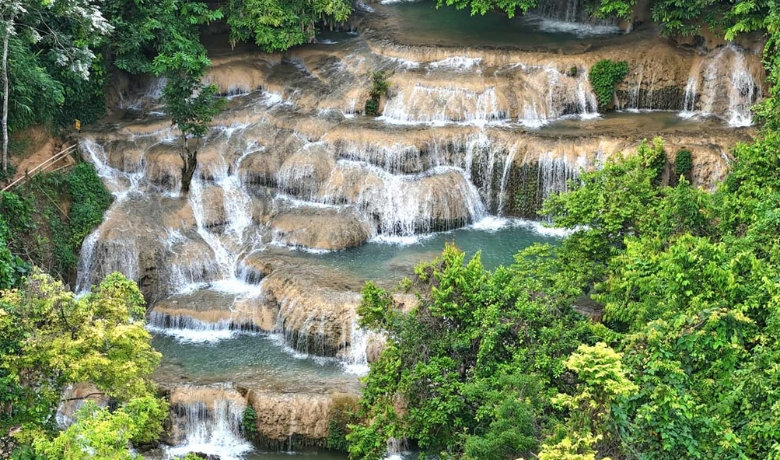
May Waterfall – The Nine Steps to Heaven
Nestled near the edge of Cuc Phuong National Park, May Waterfall remains one of northern Vietnam’s most underrated natural attractions. Unlike the towering waterfalls found elsewhere in the country, its appeal lies in a series of nine limestone terraces that create a graceful staircase of crystal-clear pools flowing through the forest.
Located in Thanh Hoa Province, approximately 100 km from Hanoi, the waterfall is an easy getaway for travelers looking to escape the city without embarking on a long journey. The final section of the route passes through quiet countryside and forested hills, offering a glimpse into rural northern Vietnam rarely seen on mainstream tourist itineraries.
One of the most appealing aspects of May Waterfall is its accessibility and affordability. There is currently no entrance fee, making it one of the most budget-friendly Vietnam waterfalls to visit. During summer, the shallow natural pools formed between the rock terraces become ideal places to cool off while enjoying the surrounding scenery.
Visitors can further enrich their experience by staying in community-run homestays operated by local Muong families. Traditional stilt houses, home-cooked meals, and cultural performances provide an authentic introduction to the region’s heritage. For the best conditions, plan your visit between June and August when water levels are ideal for wading and outdoor activities.
Dai Yem Waterfall – The Poetic Ribbon of Moc Chau
Few Vietnam waterfalls are as closely associated with local folklore as Dai Yem Waterfall, one of the signature landmarks of Moc Chau Plateau. According to legend, the waterfall was named after a silk bodice that once saved a young man during a flood, giving the cascading water its poetic identity as a flowing ribbon draped across the mountainside.
Just 5 km from Moc Chau Town, the waterfall is among the easiest natural attractions in the region to reach. Well-maintained roads, visitor facilities, and clearly marked walking paths make it suitable for families, independent travelers, and day-trippers alike. The waterfall is divided into upper and lower sections, creating multiple viewing angles that showcase its layered beauty.
The most impressive water flow typically occurs between April and October, when seasonal rains transform the falls into a powerful white cascade. During this period, photographers can capture dramatic contrasts between the rushing water, surrounding forest, and limestone cliffs.
Beyond the waterfall itself, visitors can walk across the famous Love Glass Bridge, which spans the valley and offers elevated views of the landscape below. Combining modern attractions with natural scenery, Dai Yem appeals to travelers seeking both adventure and convenience. As mist often accumulates around the viewing areas, comfortable shoes with good grip are recommended, especially during the wetter months.
Suoi Tranh Waterfall – Phu Quoc’s Gentle Forest Hideaway
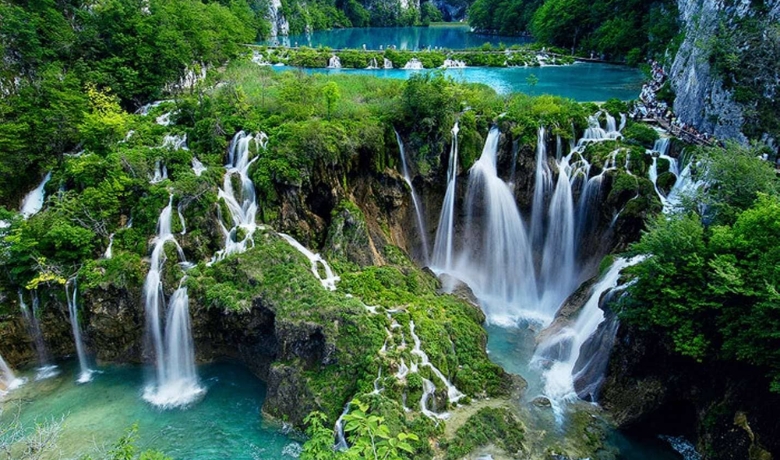
Not every Vietnam waterfall is defined by dramatic cliffs and roaring cascades. Suoi Tranh Waterfall offers a quieter experience, inviting visitors to slow down and explore one of Phu Quoc’s few freshwater rainforest ecosystems. Hidden beneath a canopy of tropical trees, the stream meanders over smooth granite rocks and small cascades before forming shallow pools ideal for relaxation.
Located less than 10 km from Duong Dong Town, Suoi Tranh is one of the island’s most accessible natural attractions. A short forest walk from the entrance leads visitors through shaded trails lined with native plants, giant roots, and occasional wildlife sightings. The journey is gentle enough for families while still providing a welcome break from Phu Quoc’s beaches.
The waterfall is highly seasonal and reaches its peak between May and September, when rainfall replenishes the stream and transforms the area into a lush green retreat. During this period, visitors can enjoy picnics, nature walks, and photography amid the island’s tropical landscape.
Several landscaped gardens and recreational areas have been added around the site, but the main appeal remains the peaceful forest atmosphere. Travelers visiting during the dry season should note that water levels may be significantly reduced, making the rainy months the best time to experience Suoi Tranh at its most beautiful.
Ba Ho Waterfalls – The Ultimate Cliff Jumping Adventure
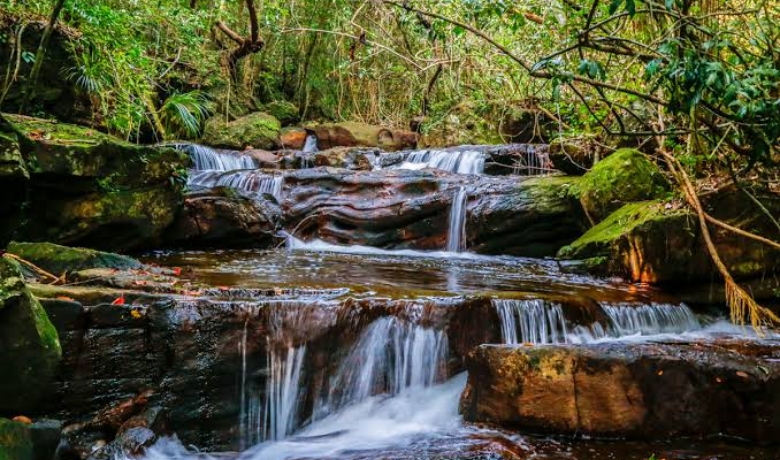
For travelers who prefer action over sightseeing, Ba Ho Waterfalls delivers one of the most exciting waterfall adventures in Vietnam. Named after the three natural pools formed along a mountain stream, this destination combines trekking, swimming, rock scrambling, and cliff jumping within a single landscape.
Situated around 25 km north of Nha Trang, Ba Ho is easily reached by motorbike or car, making it a popular day trip from the coast. The adventure begins with a forest trail that follows the stream upstream toward a series of increasingly remote pools. While the first pool is relatively easy to access and suitable for casual visitors, reaching the second and third pools requires navigating steep rocks and uneven terrain.
The reward is a collection of crystal-clear freshwater basins surrounded by jungle-covered cliffs. Adventure seekers often come here for cliff jumping, while others prefer kayaking, swimming, or simply relaxing beside the water. The included recreational facilities and safety equipment add value compared with many other Vietnam waterfalls.
The ideal time to visit is between July and October when water levels remain high enough for swimming but conditions are generally suitable for hiking. Visitors should wear proper footwear, stay aware of slippery rocks, and assess water depth carefully before attempting any jumps.
Tac Tinh Waterfall – A Legendary Cascade in Vietnam’s Northwest Highlands
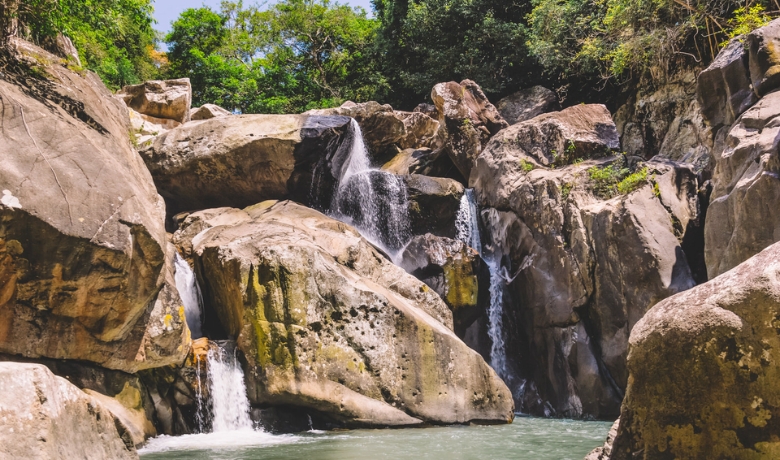
Shrouded in mountain mist and local folklore, Tac Tinh Waterfall is one of the most atmospheric Vietnam waterfalls in the northwest region. Cascading approximately 130 meters down a steep mountainside near Tam Duong, Lai Chau, the waterfall creates a dramatic white ribbon against the backdrop of the Hoang Lien Son Range.
What distinguishes Tac Tinh from many other waterfalls is the story woven into its landscape. According to local Dao traditions, the waterfall commemorates a tragic love story between two young lovers whose relationship was forbidden. Today, the tale continues to be shared by local communities, adding cultural depth to the natural scenery.
The waterfall is conveniently located about 10 km from Lai Chau City and can also be visited as a stopover when traveling between Sapa and Lai Chau via O Quy Ho Pass. A short walking trail leads visitors closer to the base, where the sound of rushing water echoes through the surrounding forest.
The rainy season from May to August brings the waterfall to life, creating the most impressive flow and vibrant green scenery. However, wet conditions can make sections of the trail slippery. Visitors should wear sturdy shoes and exercise caution on steep pathways. Bringing snacks and spending time beside the falls is highly recommended, as the peaceful setting offers a welcome contrast to the busier destinations of northern Vietnam.
Essential Safety Tips for Chasing Vietnam Waterfalls
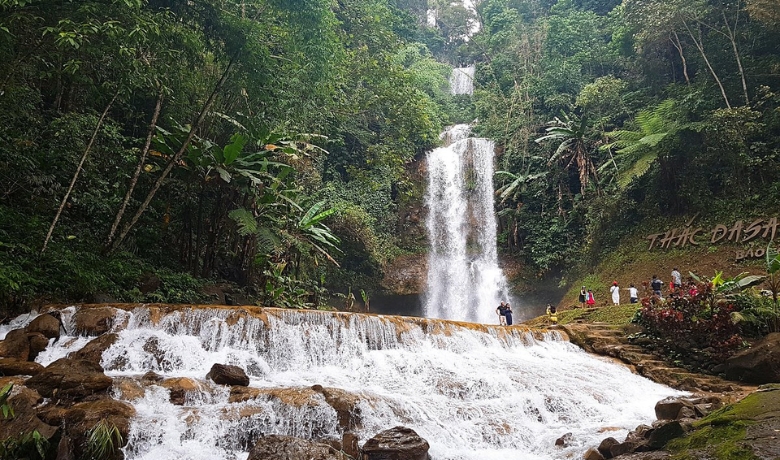
- Stay on designated trails: Always stick to marked paths to avoid unstable ground and extremely slippery rocks covered in moss or algae.
- Never jump or swim blindly: Avoid jumping into waterfall pools unless designated as safe, as shallow spots, hidden rocks, and unpredictable undercurrents can be extremely dangerous.
- Wear appropriate gear: Use sturdy, non-slip hiking boots or shoes with good grip, and consider bringing insect repellent and rain gear.
- Watch the weather: Heavy rains can cause sudden flash floods that drastically increase water flow. Always check weather forecasts before visiting and avoid waterfalls during severe storms. Keep a safe distance from cliff edges, especially when taking photos.
Conclusion
From the thunderous cascades of Ban Gioc Waterfall to the peaceful forest pools of Suoi Tranh, Vietnam waterfalls showcase an extraordinary range of landscapes, cultures, and outdoor experiences. Whether you are seeking epic photography, jungle adventures, cultural encounters, or simply a refreshing escape into nature, there is a waterfall destination to match every travel style.
Ready to discover these hidden gems for yourself? Let Asia Pioneer Travel help you craft a personalized Vietnam journey that goes beyond the usual tourist trail, connecting you with the country’s most spectacular waterfalls and unforgettable natural wonders.