

Is Southeast Asia worth visiting? Absolutely. In 2026, Southeast Asia remains one of the world’s most rewarding travel regions, although it has changed significantly in recent years. The region continues to offer an unmatched combination of vibrant cities, tropical islands, ancient temples, spectacular natural landscapes, and some of the world’s best street food. Based on insights from long-term travelers, this guide explains what to expect and how to plan a better Southeast Asia journey.
Why Southeast Asia is Still a Top Travel Destination
Southeast Asia continues to attract millions of travelers every year for one simple reason: it offers experiences that are difficult to match elsewhere. The region combines affordable travel costs, world-famous food, centuries of history, and welcoming local communities. Even as tourism has rebounded and prices have risen since 2019, traveling in Southeast Asia remains excellent value compared with Europe, North America, or Australia.
Incredible Value for Money
Although accommodation and transportation prices have increased by around 30 – 50% since before the pandemic, Southeast Asia is still one of the world’s most affordable travel regions. Travelers with a mid-range budget can enjoy private hotel rooms, quality restaurants, and domestic flights without spending as much as they would in many Western destinations.

World-Class Street Food
Food is one of the biggest reasons people return to Southeast Asia. Every country has its own distinctive flavors, and authentic meals are often served at small family-run stalls rather than expensive restaurants. Enjoy a bowl of Vietnamese pho or a fresh banh mi, watch Pad Thai being cooked over charcoal in Thailand, or explore the multicultural food scene of Penang, where Malay, Chinese, and Indian traditions come together in unforgettable dishes.
Rich Culture and History
Few regions offer such a remarkable mix of living traditions and historic landmarks. Ancient temples, colonial architecture, and vibrant local festivals provide experiences that go far beyond sightseeing.
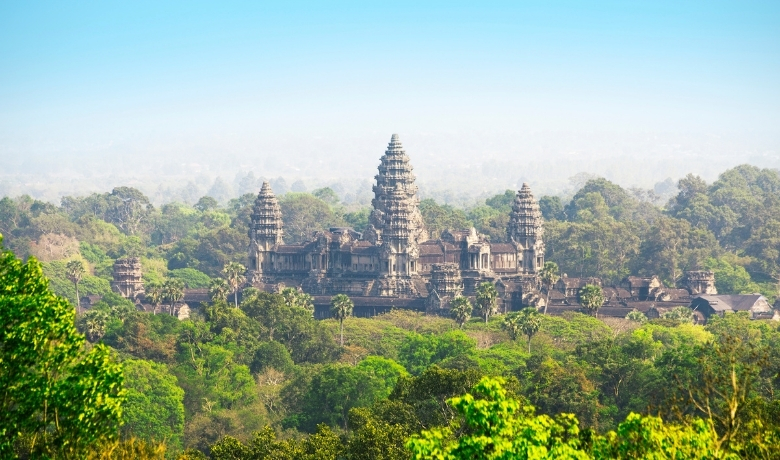
Travelers can watch monks collecting alms in Luang Prabang, explore the magnificent temples of Angkor Wat, or visit centuries-old pagodas throughout Vietnam and Thailand. Respecting local customs, dressing appropriately, and learning about these traditions make every visit more meaningful.
Friendly People and Welcoming Hospitality
One of Southeast Asia’s greatest strengths is its genuine hospitality. Across the region, visitors are often welcomed with warm smiles, helpful locals, and a relaxed atmosphere that makes traveling feel easy and enjoyable. Whether you’re exploring bustling cities, quiet villages, or tropical islands, friendly interactions are a memorable part of the experience.
Popular destinations such as Chiang Mai, Bangkok, and Da Nang also offer modern tourism infrastructure, including reliable transportation, comfortable accommodation, excellent dining options, and widespread internet access. Combined with affordable prices and diverse attractions, these destinations are well suited for everything from short vacations to longer, multi-country journeys.
> Read more: Southeast Asia Underrated Cities to Visit: Quiet, Authentic, Affordable
Is Southeast Asia Safe for Travelers?
Yes. Southeast Asia is one of the safest regions in the world for international travelers. Violent crime is uncommon, tourism infrastructure is well established, and millions of people visit the region every year without major problems. While basic precautions are still important, most trips are safe, enjoyable, and easy to navigate.
Low Violent Crime and Welcoming Tourism Environment
Southeast Asia has a strong reputation as a safe destination for travelers. Violent crime involving tourists is relatively rare, and countries across the region have well-developed tourism industries with reliable accommodation, transportation, and visitor services. Popular destinations also attract millions of international visitors each year, making it easy to find information, join guided tours, or seek assistance if needed.
Stay Alert in Crowded Tourist Areas
Like many popular destinations around the world, the most common issues involve petty crime rather than violent offenses. Pickpocketing and bag snatching can occur in busy markets, public transport, nightlife districts, and major tourist attractions. Keep valuables secure, avoid carrying large amounts of cash, and stay aware of your surroundings. Taking a few simple precautions is usually enough to avoid problems and enjoy a worry-free trip.
Use Ride-Hailing Apps Instead of Street Taxis
Apps such as Grab, Gojek, and Bolt are widely available across many Southeast Asian cities. They provide fixed fares, GPS tracking, and driver information before your trip begins, making them a safer and more reliable option than hailing taxis on the street. They also help visitors avoid overcharging and unnecessary fare negotiations.
Always Buy Travel Insurance
Travel insurance is strongly recommended for any trip to Southeast Asia. While serious incidents are rare, unexpected situations such as minor traffic accidents, food poisoning, flight disruptions, or medical emergencies can happen anywhere. A comprehensive insurance policy provides peace of mind and allows you to enjoy your journey without worrying about unexpected expenses.
The Ultimate “Signature” Destinations in Southeast Asia (First-Timer Must-Dos)
Is Southeast Asia worth visiting? Absolutely. One of the biggest reasons is the incredible variety of destinations packed into a relatively small region. Within a single trip, you can explore ancient temples, tropical islands, vibrant cities, and UNESCO World Heritage Sites, often just a short flight apart. If you’re visiting Southeast Asia for the first time, these iconic destinations showcase the region at its very best.
Angkor Wat, Cambodia
Angkor Wat is one of the world’s greatest archaeological treasures and the defining symbol of the ancient Khmer Empire. Covering hundreds of temples, the UNESCO World Heritage Site rewards visitors with intricate stone carvings, centuries of history, and spectacular architecture. Watching the sunrise behind the temple’s iconic towers remains one of Southeast Asia’s most unforgettable travel experiences. A one-day pass covers the main highlights, while a three-day ticket allows time to explore lesser-known temples beyond the crowds.
Bali, Indonesia
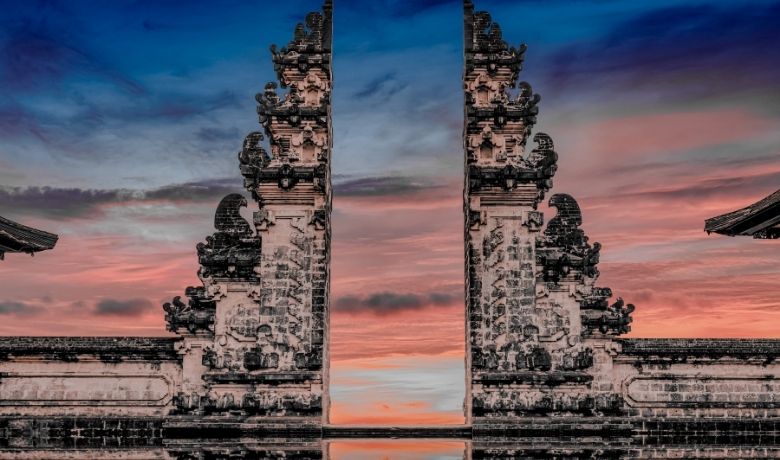
Bali continues to rank among the world’s most popular island destinations for good reason. The island blends beautiful beaches, volcanic landscapes, rice terraces, Hindu temples, and luxury resorts into one compact destination. Beach towns such as Canggu and Seminyak attract surfers and digital nomads, while Ubud offers a slower pace with yoga retreats, art galleries, and traditional Balinese culture. Bali easily suits both first-time visitors and long-term travelers.
Halong Bay, Vietnam
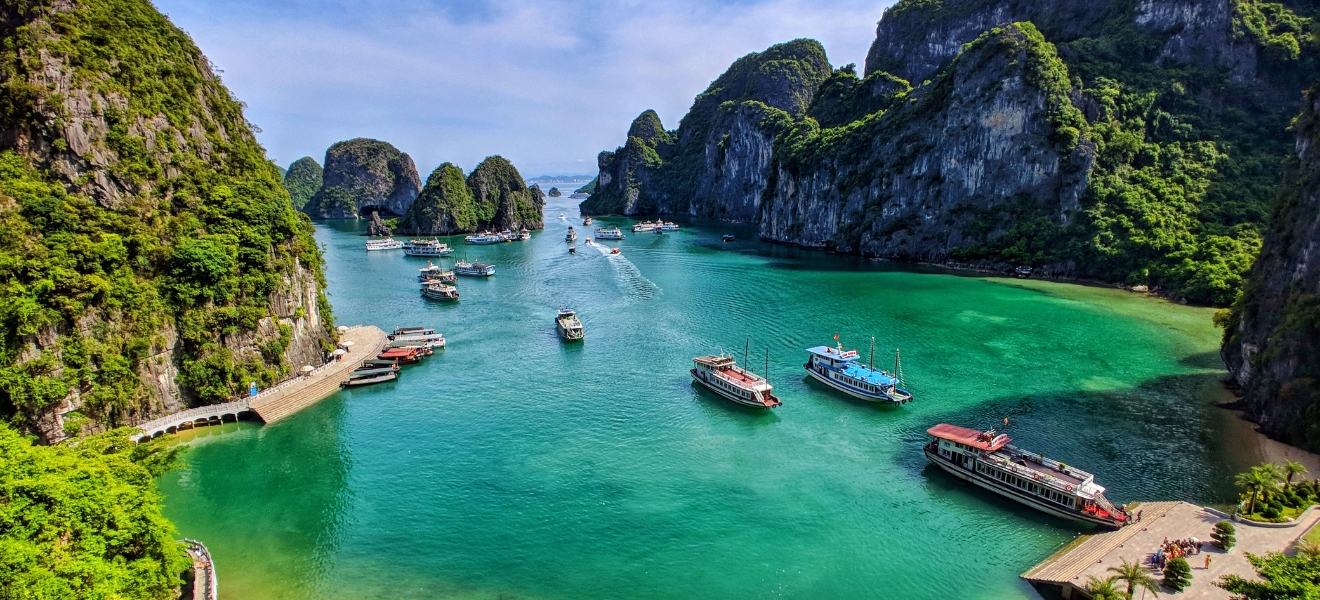
Halong Bay is Vietnam’s most famous natural wonder and a UNESCO World Heritage Site. Thousands of limestone islands rise dramatically above emerald waters, creating one of Asia’s most recognizable landscapes. An overnight Halong Bay cruise is the signature experience, allowing visitors to kayak, explore caves, and enjoy sunrise over the bay. Although popular throughout the year, the scenery remains every bit as impressive.
Bangkok, Thailand
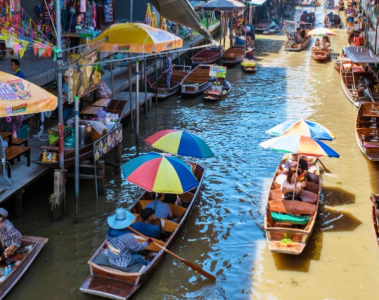
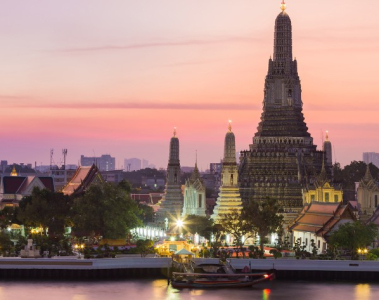
Bangkok combines ancient temples with modern city life like nowhere else in Southeast Asia. Grand palaces, floating markets, rooftop bars, and world-class street food all sit within easy reach thanks to an efficient public transport network. As one of the region’s largest aviation hubs, Bangkok is also an excellent gateway for travelers beginning their Southeast Asia itinerary.
Hanoi and Hoi An, Vietnam
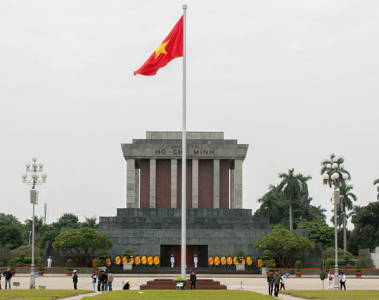
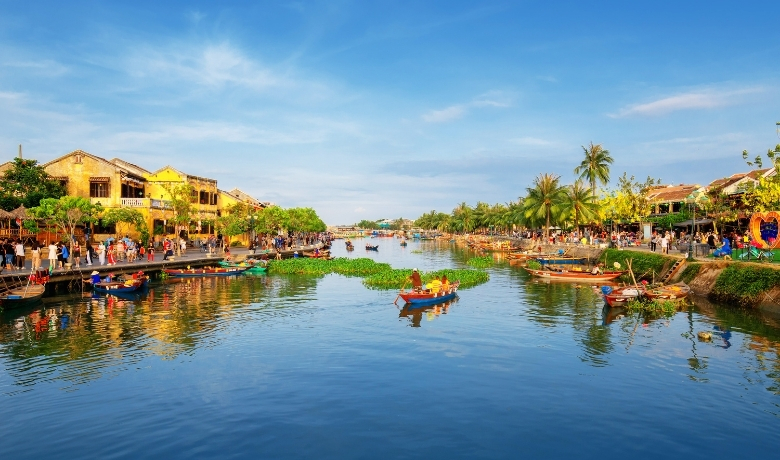
Hanoi and Hoi An showcase two very different sides of Vietnam. Hanoi is known for its centuries-old Old Quarter, French colonial architecture, egg coffee, and vibrant street food culture. Hoi An offers a slower atmosphere with lantern-lit streets, riverside cafés, tailor shops, and nearby beaches. Together, they provide an excellent introduction to Vietnamese culture and history.
Singapore
Singapore is one of Asia’s cleanest, safest, and most modern cities. The futuristic Gardens by the Bay has become an architectural icon, while traditional hawker centres continue to serve affordable local dishes recognized by UNESCO for their cultural significance. Although Singapore is more expensive than most neighboring countries, its world-class infrastructure and attractions make it well worth including in a Southeast Asia itinerary.
El Nido and Coron, Philippines
El Nido and Coron are among the most spectacular island destinations in the Philippines. El Nido is famous for turquoise lagoons, hidden beaches, and towering limestone cliffs. Coron is equally stunning, offering crystal-clear lakes, coral reefs, and some of the world’s best World War II wreck diving sites. Both are ideal for travelers seeking island-hopping adventures.
Luang Prabang, Laos
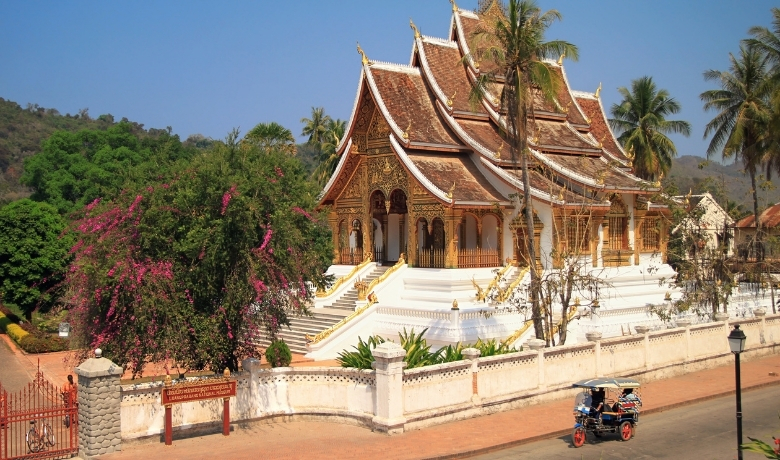
Luang Prabang offers a slower pace than many Southeast Asian cities. Visitors come for the peaceful atmosphere, the morning alms-giving ceremony, French colonial streets, and nearby attractions such as Kuang Si Falls. It’s an ideal destination for travelers looking to experience local traditions and nature without the crowds.
> Read more: Where To Visit In Laos For First-time Travelers?
Borobudur, Indonesia
Borobudur is the world’s largest Buddhist temple and another UNESCO World Heritage Site. Built in the 9th century, the monument features thousands of relief panels and hundreds of Buddha statues spread across multiple terraces. Visiting at sunrise offers the most memorable experience, as morning mist slowly reveals one of the greatest religious monuments ever constructed.
Destinations to Consider Carefully Based on Your Travel Style
Not every famous destination is the right fit for every traveler. Some places are perfect if you enjoy nightlife and convenience, while others are better suited to slow travel or adventure. Choosing destinations that match your travel style will help you get much more out of your Southeast Asia trip.
Busy Beach Destinations: Great Facilities, Bigger Crowds
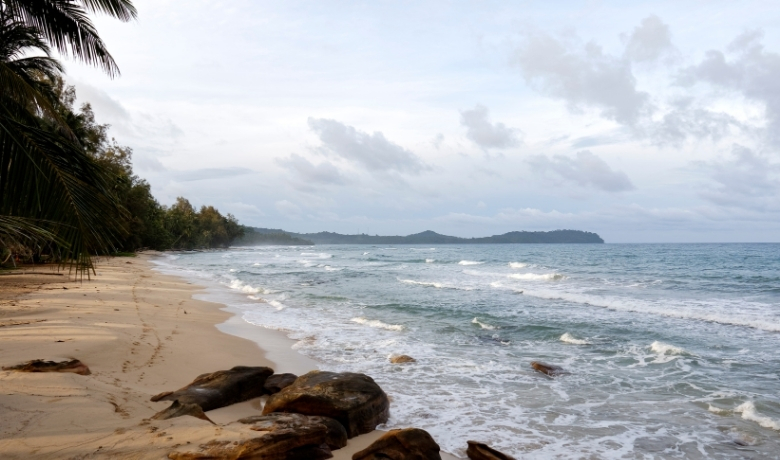
Popular destinations such as Phuket and central Bali offer excellent resorts, beach clubs, restaurants, and transportation. They’re ideal for first-time visitors who want comfort, lively nightlife, and plenty of activities within easy reach.
The trade-off is overtourism. Beaches can become crowded, traffic congestion is common, and accommodation prices are generally higher than elsewhere in the region. If you’re looking for quieter beaches and a slower pace, consider alternatives such as Ko Kut, Nusa Penida, or Sumba, where nature remains less developed and visitor numbers are significantly lower.
Iconic Attractions: Visit Smart to Avoid the Crowds
Famous landmarks such as Angkor Wat deserve their reputation, but they also attract thousands of visitors every day, especially during the peak travel season. Arriving at sunrise remains the best way to experience the temples before the largest tour groups arrive.
Hiring a local tuk-tuk driver or licensed guide can also improve your visit. They know the quieter routes between temples and the best times to visit each site. As with many major tourist attractions, be cautious if strangers claim a temple is “closed” and offer to take you elsewhere. Official ticket offices and verified opening hours are always the most reliable source of information.
How Much Does a Trip to Southeast Asia Cost?
One of the biggest advantages of traveling in Southeast Asia is that it suits almost every budget. Whether you’re backpacking, enjoying a comfortable holiday, or planning a luxury escape, you’ll generally spend much less than you would in Europe or North America.
| Travel style | Daily budget (per person) | What's included |
|---|---|---|
| Mid-range (3-star) | From US$150/day | Comfortable 3-star hotels, restaurant meals, domestic transport, and guided tours. |
| Comfort (4-star) | From US$180/day | 4-star hotels, private transfers, higher-end dining, and more premium experiences. |
| Luxury (5-star) | From US$220/day | 5-star hotels, private tours, fine dining, and premium services. |
| Ultra-luxury | From US$300/day | Luxury resorts, exclusive experiences, private guides, and tailor-made itineraries. |
Note: These estimates include accommodation, local transportation, activities, and tours, but exclude international flights and travel insurance. Actual costs vary depending on the destination, season, and travel style.
Essential Southeast Asia Travel Tips and Cultural Etiquette
Understanding a few local customs will make your trip smoother and more rewarding. These simple etiquette tips show respect for local traditions and help you avoid common cultural misunderstandings across Southeast Asia.
- Dress modestly at religious sites. Wear clothing that covers your shoulders and knees when visiting temples, mosques, or other sacred places. Remove your shoes before entering areas where required.
- Respect the cultural meaning of the head and feet. Avoid touching another person’s head, pointing with your feet, or directing the soles of your feet toward people or religious statues, as these gestures are considered disrespectful in many countries.
- Use your right hand when possible. In destinations such as Indonesia, Malaysia, and Brunei, the right hand is traditionally used for eating, greeting, and giving or receiving money or gifts.
- Stay calm during disagreements. Raising your voice or arguing in public is generally frowned upon. A polite attitude and a smile are often the most effective way to resolve problems.
- Keep public displays of affection modest. Holding hands is widely accepted, but kissing or overly affectionate behavior in public may be considered inappropriate, particularly in conservative communities.
- Ask before taking photos of people. Always request permission before photographing monks, local residents, or children, and respect photography restrictions at temples and religious ceremonies.
- Carry your rubbish out with you, avoid feeding wildlife, stay on designated trails, and support local businesses whenever possible to help protect Southeast Asia’s natural and cultural heritage.
Final Verdict: Is Southeast Asia Worth Visiting?
Yes, Southeast Asia is absolutely worth visiting. Few regions offer the same mix of affordable travel, world-class food, ancient culture, tropical landscapes, and easy connections between countries. The key is choosing destinations that match your budget, pace, and travel style.
For a seamless journey with carefully selected hotels, private transfers, and tailor-made experiences, contact Asia Pioneer Travel to start planning your Southeast Asia adventure.