

Vietnam in October offers travelers a fascinating mix of autumn landscapes, cultural experiences, and changing weather. In the North, cooler temperatures and golden rice terraces create ideal conditions for scenic adventures. Central Vietnam enters one of its wetter periods, while the South gradually moves toward drier and sunnier days.
This makes October less about finding one “perfect” destination and more about choosing the right part of Vietnam for the experience you want. Whether you are dreaming of Hanoi’s autumn atmosphere, trekking through Sapa, cruising among limestone karsts, exploring the Mekong Delta, or ending your journey on a tropical island, October can offer memorable experiences when your itinerary is planned around regional weather patterns.
Vietnam Weather in October: What to Expect
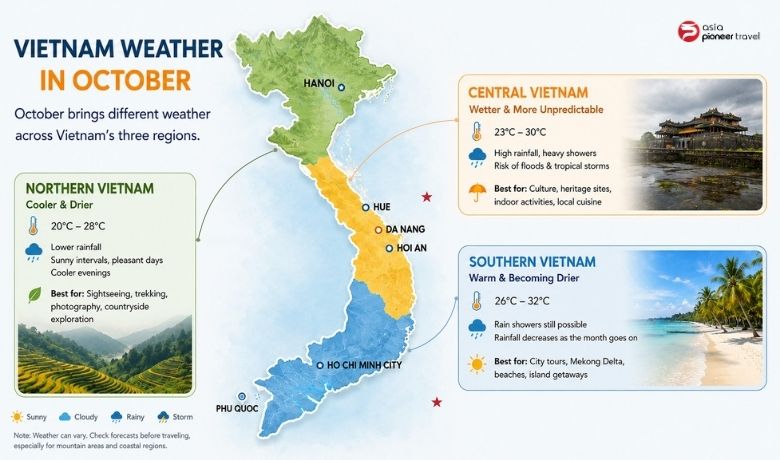
Vietnam stretches more than 1,600 kilometers from north to south, so October does not bring the same weather everywhere.
Northern Vietnam in October
October is one of the most appealing months for exploring Northern Vietnam. The intense summer heat begins to ease, rainfall generally decreases, and temperatures become more comfortable for walking, sightseeing, and outdoor activities.
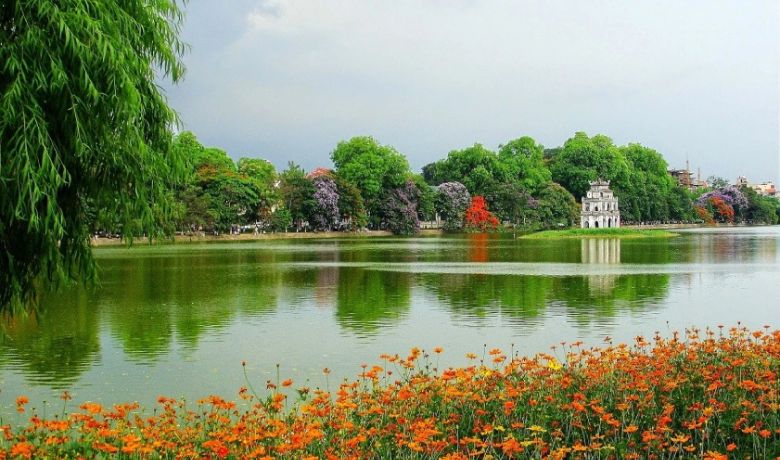
In Hanoi, daytime temperatures are generally pleasant, while evenings can feel noticeably cooler toward the end of the month. Further north, the mountain landscapes around Sapa, Ha Giang, and Mu Cang Chai become particularly attractive during the rice harvest season.
This combination of comfortable temperatures and seasonal scenery makes October a strong month for travelers interested in photography, trekking, cultural discovery, and countryside experiences. Vietnam Airlines describes Northern Vietnam in October as cooler and drier, with temperatures around 20°C–28°C.
However, travelers should not assume that every mountain destination is automatically safe or accessible throughout the month. Heavy rain can still occur, particularly during unstable weather periods, and mountainous roads can be affected by landslides or flooding. Conditions should be checked before undertaking remote road journeys or trekking routes.
Central Vietnam in October
Central Vietnam requires more caution. October falls within the wetter part of the year for destinations such as Hue, Da Nang, Hoi An, and Quang Binh. Heavy rainfall, prolonged showers, tropical storms, and localized flooding can affect travel plans. Vietnam Airlines identifies October as the wettest period in Central Vietnam and notes that travelers may need additional flexibility because of rainfall and storm risks.
This does not mean Hoi An, Hue, or Da Nang should automatically be removed from an October itinerary. Their cultural attractions, cuisine, heritage sites, and indoor experiences remain worthwhile. But travelers who are primarily looking for guaranteed beach weather should consider the season carefully.
For a trip centered on outdoor activities, beaches, or tightly scheduled excursions, Southern Vietnam may provide a more reliable alternative later in the month.

Southern Vietnam in October
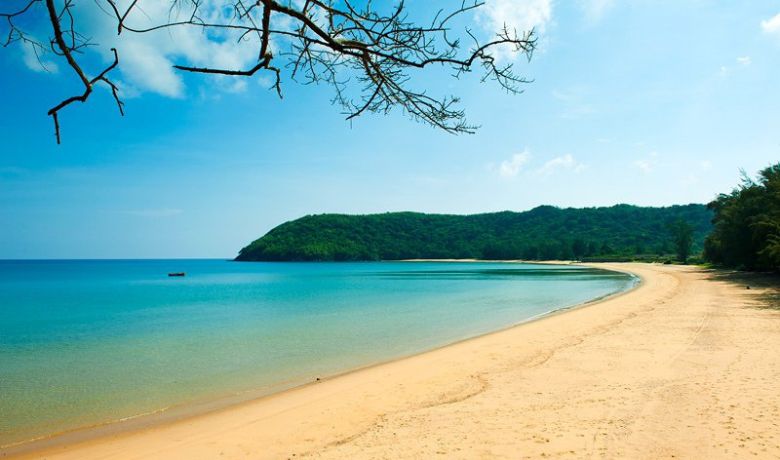
Southern Vietnam follows a different seasonal pattern. October marks a gradual transition toward the drier season, although rain showers are still possible. Temperatures remain warm, generally around the high 20s to low 30s Celsius, making the region suitable for urban sightseeing, the Mekong Delta, and beach extensions.
According to Kimkim, southern rainfall becomes lighter as October progresses, while Phu Quoc and Con Dao become increasingly attractive toward the end of the month.
For travelers who want to combine cultural exploration with some beach relaxation, this can make Southern Vietnam particularly interesting in the second half of October.
What to Do in Vietnam in October
October’s regional diversity means you can build very different types of trips depending on your interests, from autumn landscapes and outdoor adventures in the North to food, culture, and beach escapes in the South.
For Nature and Photography
Northern Vietnam is the strongest choice for autumn landscapes. Hanoi can be combined with Ninh Binh for limestone scenery and countryside, while Sapa and Mu Cang Chai offer spectacular rice terraces around the harvest season. Ha Giang can also appeal to travelers looking for dramatic mountain scenery and a more adventurous route.
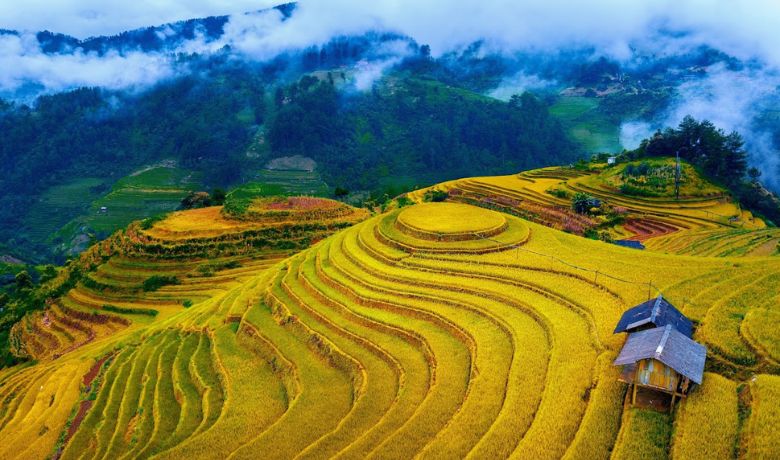
The rice harvest creates particularly strong photographic opportunities in the northern mountains, but mountain travel should remain flexible. Heavy rain can still affect roads, trekking routes, and accessibility, so check local conditions before traveling to remote areas.
For travelers who want scenic experiences without strenuous trekking, Ninh Binh is an easier alternative, with boat trips, cycling, rural walks, and limestone landscapes all accessible within a relatively compact area.

For Food and Culture
October is also a rewarding month for experiencing Vietnam through food and local traditions.
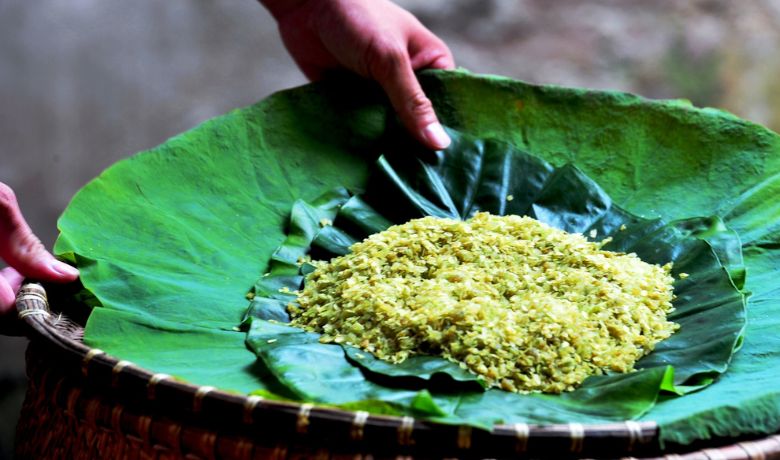
In Hanoi, autumn brings seasonal specialties such as young green rice (cốm) traditionally associated with the city. Travelers can combine food experiences with walks around the Old Quarter, Hoan Kiem Lake, traditional neighborhoods, local markets, and historic sites.
Further south, Ho Chi Minh City offers a very different culinary and cultural experience, from street food and traditional markets to contemporary restaurants, cafés, museums, and lively neighborhoods.

For a slower cultural experience, Hoi An and Hue can still be considered in October, particularly for travelers interested in heritage, cuisine, architecture, and local crafts. However, Central Vietnam is entering its wetter period, so these destinations are better suited to travelers who are comfortable with a flexible itinerary rather than those expecting consistently dry weather.
For Beach Lovers
Beach travel requires more careful planning in October because conditions vary significantly by region.
Central Vietnam, including Da Nang, Hoi An, and Hue, enters a wetter period, with increasing rainfall and the possibility of tropical storms. Travelers whose main priority is reliable beach weather should therefore be cautious about choosing Central Vietnam for an October beach holiday.
For a later-October beach extension, Phu Quoc becomes more interesting as conditions generally become more favorable toward the end of the month. Con Dao can also be considered depending on current weather and sea conditions.

This makes Southern Vietnam a useful option for travelers who want to combine cultural sightseeing with a few relaxing beach days, particularly toward the end of an October itinerary.
Festivals and Events in Vietnam in October
October is not defined by one major nationwide holiday, but it can be an interesting month for cultural events.
Mid-Autumn Festival
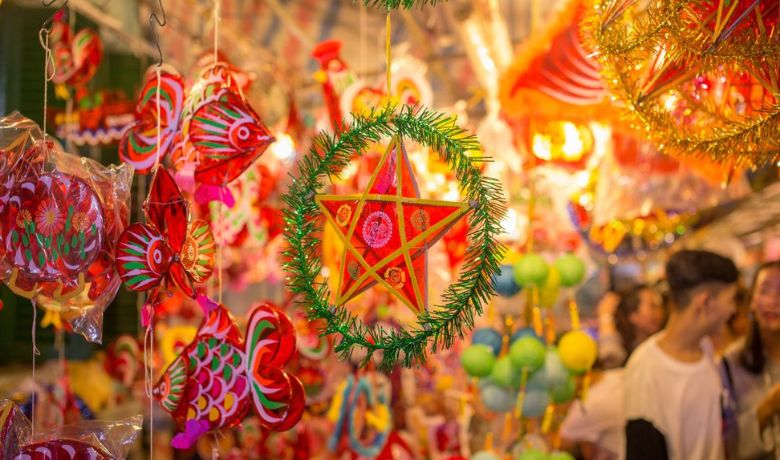
The Mid-Autumn Festival (Tet Trung Thu) typically falls between late September and mid-October, depending on the lunar calendar. The celebration is particularly associated with children, lanterns, lion dances, mooncakes, and community activities. Kimkim notes that the festival falls on the 15th day of the eighth lunar month.
Because the date changes every year, check the lunar calendar when planning a trip specifically around the festival.
Kate Festival
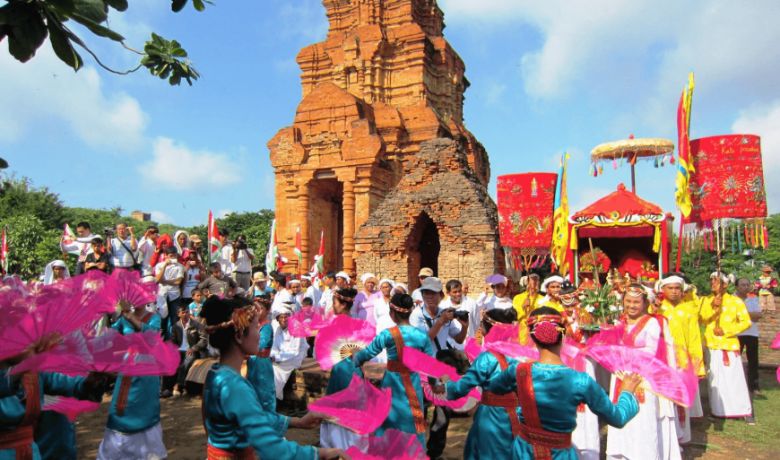
The Kate Festival is an important cultural celebration of the Cham community. It traditionally takes place around early October and includes rituals, processions, music, and dance.
For travelers interested in Vietnam’s ethnic and cultural diversity, experiencing a local festival can add a deeper dimension to a trip beyond conventional sightseeing. Vietnam Airlines also lists Kate among the notable October cultural events.
Khmer Festivals in the Mekong Delta

The Mekong Delta‘s Khmer communities also celebrate important seasonal festivals.
The Ok Om Bok Festival, generally held in late October or November according to the lunar calendar, is associated with moon worship and includes traditional boat races.
Depending on the exact travel dates, visitors may have an opportunity to experience these celebrations in provinces such as Soc Trang or Tra Vinh.
What to Pack for Vietnam in October
Because October weather varies considerably across Vietnam, packing for your trip requires more than simply preparing for “autumn.”
In Northern Vietnam, pack lightweight layers, comfortable walking shoes, and a light jacket for cooler evenings. If you are trekking in Sapa, Ha Giang, or other mountain destinations, waterproof footwear and suitable outdoor clothing are recommended. A lightweight rain jacket is also worth bringing, even when the forecast looks favorable.
In Central Vietnam, lightweight quick-drying clothing, a compact umbrella, waterproof footwear, and a rain jacket can come in handy, particularly as rainfall becomes more frequent.
In Southern Vietnam, lightweight, breathable clothing is generally the most comfortable choice. Bring sunscreen, sunglasses, and a hat for sunny days, along with a compact umbrella for occasional showers.
A Sample Itinerary for Vietnam in October
October is a good month to keep your Vietnam itinerary flexible. Rather than trying to cover the entire country, choose the regions that best match the weather and the type of experience you want.
For a first trip to Vietnam, a two-week journey could combine Hanoi, Ninh Binh, Lan Ha Bay, Hoi An or Hue, Ho Chi Minh City, the Mekong Delta, and Phu Quoc. This gives you a broad introduction to Vietnam, from northern landscapes and heritage to southern culture and beach relaxation.
If you are more interested in autumn scenery and outdoor experiences, focus on Northern Vietnam. A route such as Hanoi → Ninh Binh → Sapa → Ha Long or Lan Ha Bay allows more time for rice terraces, mountain landscapes, trekking, cycling, and countryside exploration. However, mountain routes should always be checked against current weather and road conditions.
For travelers who prefer culture with some beach time, consider combining Hanoi → Ninh Binh → Ha Long Bay → Ho Chi Minh City → Mekong Delta → Phu Quoc. This route avoids making the trip overly dependent on Central Vietnam’s wetter October weather while still leaving room for heritage, food, local experiences, and a relaxing island stay.
The key to traveling in October is not to follow a fixed route at all costs. Vietnam’s regional climate allows you to adjust the itinerary around current weather conditions, making the journey more comfortable and rewarding.
Frequently Asked Questions (FAQs)
1. Is October a good time to visit Vietnam?
Yes. October can be a good time to visit Vietnam, especially for cooler weather and autumn scenery in the North. However, Central Vietnam is wetter, while Southern Vietnam gradually becomes drier, so choosing the right regions is important.
2. What is the weather like in Vietnam in October?
Vietnam experiences different weather patterns in October. Northern Vietnam is generally cooler and drier, Central Vietnam sees more rainfall and storm risks, while Southern Vietnam remains warm with rainfall gradually easing toward the end of the month.
3. Which part of Vietnam is best to visit in October?
Northern Vietnam is particularly appealing for autumn landscapes, rice terraces, trekking, and outdoor activities. Southern Vietnam is also a good option for travelers interested in food, the Mekong Delta, and beach destinations such as Phu Quoc later in the month.
4. Can I visit Central Vietnam in October?
Yes, but you should expect more rain and plan with some flexibility. Hoi An, Hue, and Da Nang can still be rewarding for culture, heritage, and cuisine, although October is not the most reliable month for a beach-focused trip.
5. What should I pack for Vietnam in October?
Pack lightweight, breathable clothing along with comfortable walking shoes and a light rain jacket. If traveling to Northern mountain areas, bring warmer layers and waterproof footwear, while sun protection remains important in Southern Vietnam.
Final Thoughts: Make the Most of Vietnam in October
Vietnam in October is not a uniformly sunny or rainy destination. It is a country experiencing several seasonal transitions at once.
Northern Vietnam offers cooler weather, golden rice terraces, and atmospheric autumn experiences. Central Vietnam can be rewarding for culture and heritage but requires greater flexibility because of rain and storms. Southern Vietnam remains warm and gradually becomes more favorable for outdoor and beach experiences as the month progresses.
The best October trip is therefore not necessarily the one that visits the most places. It is the one that matches your interests with the region’s seasonal strengths.
Whether you are enjoying fresh cốm in Hanoi, photographing the rice terraces of Mu Cang Chai, cruising between limestone karsts, discovering life along the Mekong, or relaxing on Phu Quoc, October can reveal a particularly varied side of Vietnam.
Planning a trip to Vietnam in October? Let Asia Pioneer Travel create a tailor-made itinerary around your interests, travel style, and travel dates. Contact our travel specialists to start planning your Vietnam journey today.