What to Eat in Vietnam: The Ultimate Local’s Guide to Dishes You Can’t Miss
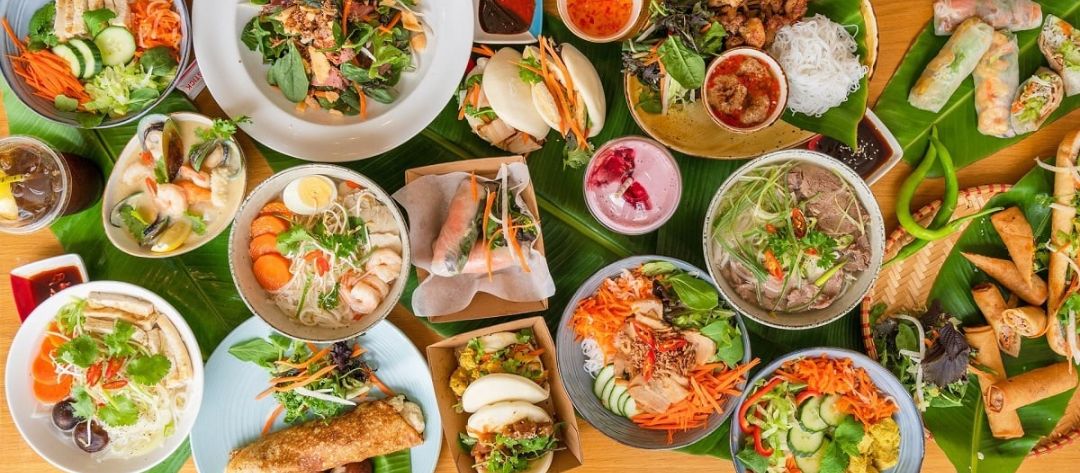
Cuisine is often the heart of any journey, and in Vietnam, “What to eat in Vietnam?” is not a question you need to plan for. One turn down a busy street or a stop by a small vendor can lead to an unforgettable bite. Let’s wander through the dishes that truly capture Vietnam’s rich culinary spirit.
Hanoi: Capital Delights
Top Dishes to Try
Pho
Rooted in northern Vietnam and especially in Hanoi, Pho emerged around the turn of the 20th century, blending local rice-noodle traditions with French colonial-era beef broth methods. Served in its classic Hanoi style, the clear, fragrant broth is king: a long-slow simmer of bones, star anise, grilled shallots and ginger gives the soup its subtle depth.
Where to try:
- Pho Gia Truyen Bat Dan (49 Bat Dan Street, Hoan Kiem District): A dusk-to-morning institution with queues at dawn.
- ho Thin (13 Lo Duc Street, Hai Ba Trung District): Known for its stir-fried beef before serving, giving a smoky edge.
- Pho 10 Ly Quoc Su (10 Ly Quoc Su Street, Hoan Kiem District): A favourite among locals for no-frills authenticity.
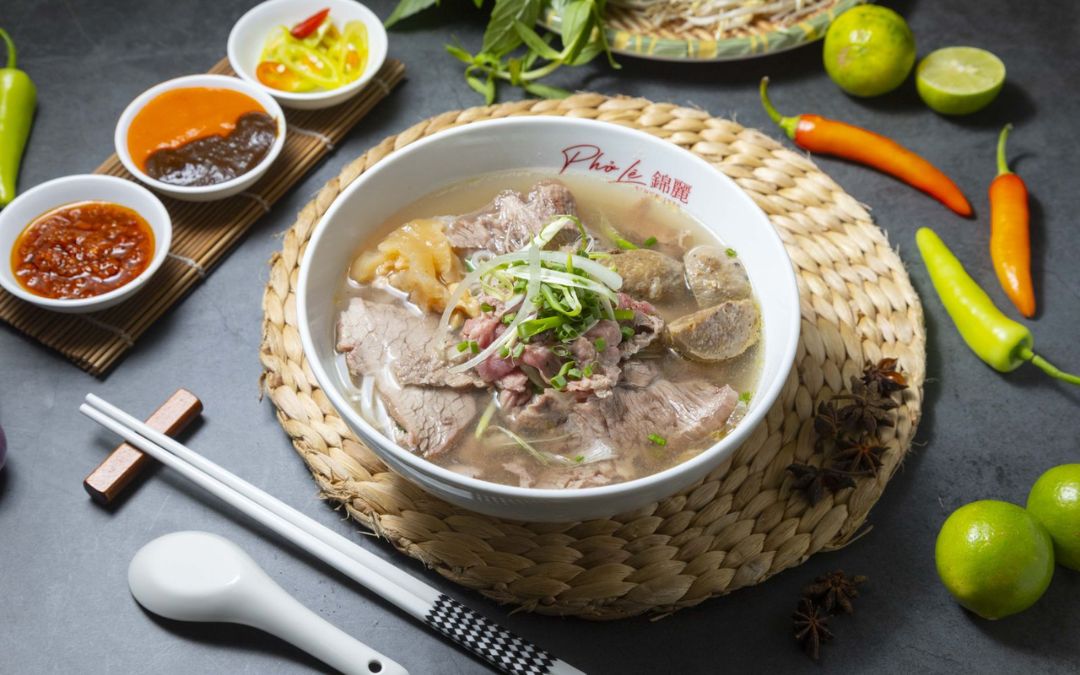
A steaming bowl of Pho showcases tender sliced beef, delicate rice noodles, and aromatic broth garnished with fresh herbs and scallions.
Bun Cha
Another answer to what to eat in Vietnam is Bun Cha from Hanoi, which features charcoal-grilled pork slices and meatballs served with cool rice vermicelli, fresh herbs and a sweet-sour fish-sauce dip. Its origins trace back to the 19th or early 20th century, likely developed by local grill-masters refining Vietnamese grilling techniques and seasoning under French influence. A famous moment: when former U.S. President Barack Obama enjoyed it in Hanoi, and the dish’s global profile soared.
Where to try
- Bun Cha Huong Lien (24 Le Van Huu Street, Hai Ba Trung District): The “Obama” spot in the Old Quarter.
- Bun Cha Ta (21 Nguyen Huu Huan Street, Hoan Kiem District): Family-run for decades with authentic Hanoi-style.
- Bun Cha Chan (114 Mai Hac De Street, Hai Ba Trung District): An alternative version where grilled pork is served in hot bone broth.
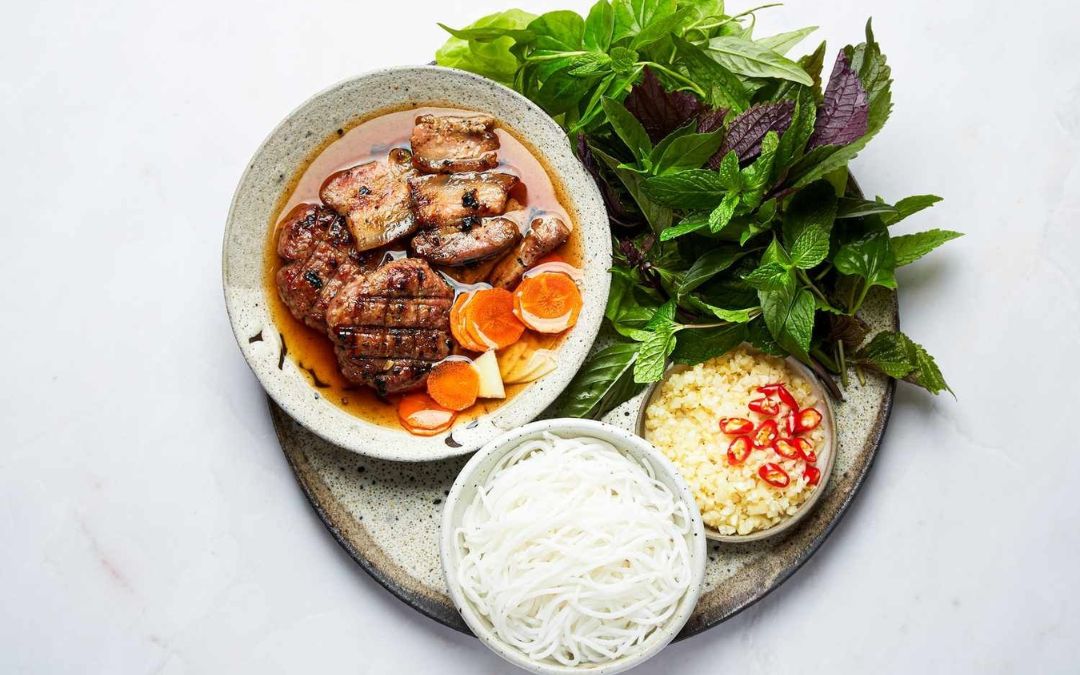
Grilled pork patties and slices rest in savory broth alongside vermicelli noodles, fresh herbs, and pickled vegetables in this Bun Cha Ha Noi.
Cha Ca La Vong
Originating in 19th-century Hanoi, this dish was born when the Doan family began preparing grilled fish for neighbours. By 1871, they opened a dedicated restaurant on Hang Son Street (now Cha Ca Street). Traditionally, catfish is marinated in turmeric, galangal, and other seasonings, then grilled over charcoal and finished tableside in sizzling fat with dill and spring onion. It is served with rice vermicelli and shrimp-based sauce.
Where to try
- Cha Ca La Vong (14 Cha Ca Street, Hoan Kiem District): The original one embodying Hanoi’s culinary past, where the dish first sizzled to life.
- Cha Ca Anh Vu (120K1 Giang Vo Street, Dong Da District): This modern restaurant refines the classic with cleaner flavors and a bright, comfortable setting.
- Cha Ca Thang Long (19-21-2D Duong Thanh Street, Hoan Kiem District): Popular with both locals and visitors, it’s known for its bustling vibe and hearty, well-balanced portions.
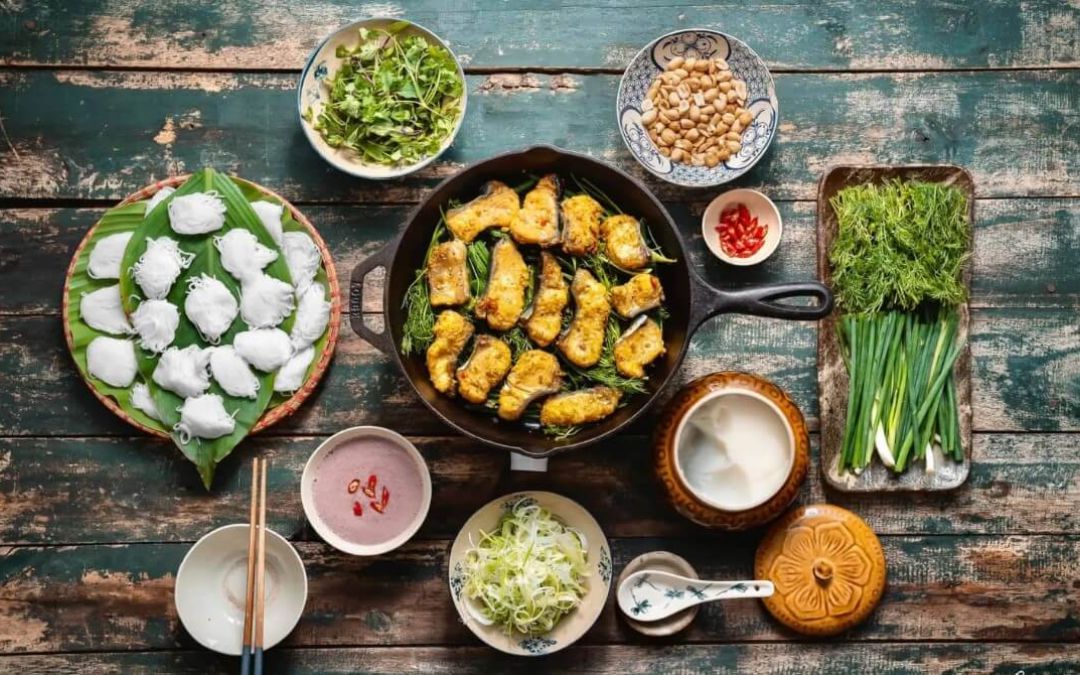
Turmeric-marinated fish sizzles in a hot pan with dill and scallions, served with rice noodles, peanuts, and an array of fresh herbs in Cha Ca La Vong.
Ca Phe Trung
What to eat in Vietnam extends beyond food to beverages like Ca Phe Trung. In 1946, amid a milk shortage in Hanoi, bartender Nguyen Van Giang experimented with whisking egg yolks, condensed milk and sugar to create a frothy custard-like topping over strong Robusta coffee. The result: a rich, velvety drink that hovers between coffee and dessert, uniquely Hanoian in origin and experience.
Where to try
- Cafe Giang (39 Nguyen Huu Huan Street, Hoan Kiem District): The birthplace of Ca Phe Trung, still run by the founder’s family.
- Cafe Dinh (13 Dinh Tien Hoang Street, Hoan Kiem District): A small upstairs café overlooking Hoan Kiem Lake.
- Cafe Pho Co (11 Hang Gai Street, Hoan Kiem District): A rooftop café hidden behind a silk shop with a view of the lake and the hum of Hanoi’s Old Quarter below.
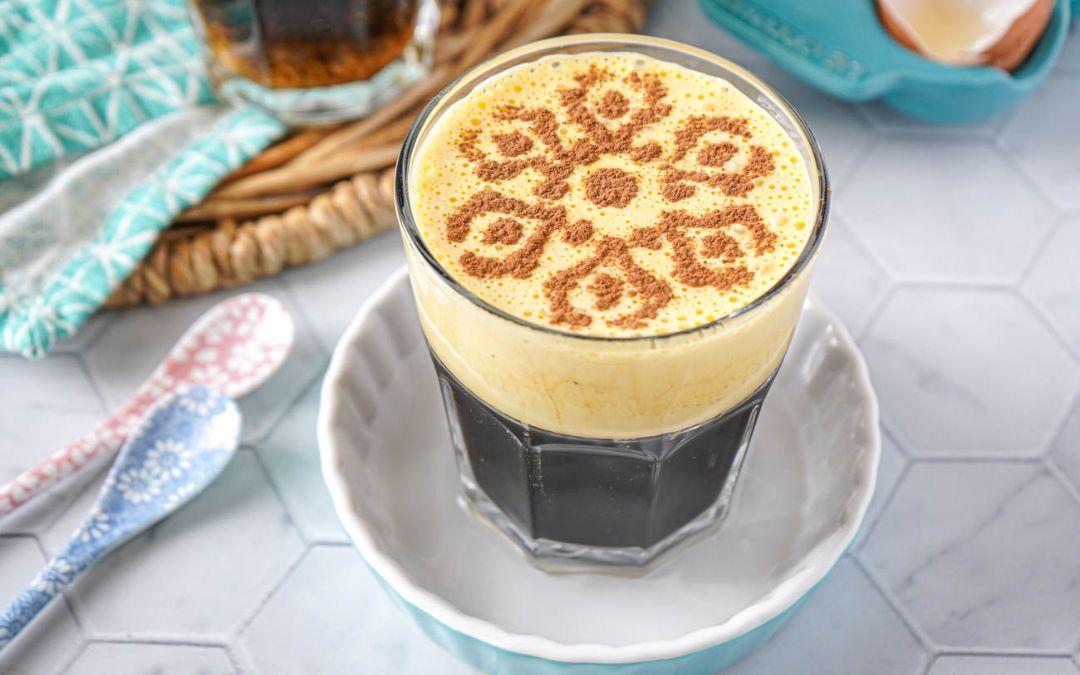
Ca Phe Trung layers robust Vietnamese coffee beneath a creamy whipped egg yolk and condensed milk foam.
>> Read More: 20 Famous Food In Hanoi That Every Visitor Should Try
How to Eat Like a Local
- Sit on low plastic stools
In Hanoi’s street-food scene, those little red or blue stools are part of the story. Pull up close to the grill or noodle cart, watch the broth bubble or pork sizzle, and you’ll feel the atmosphere shift from tourist mode into local rhythm.
- Don’t be afraid of busy, smoky stalls
A cloud of smoke doesn’t mean poor hygiene, but often the opposite. The busiest grill stands and smoky lanes are the ones that get replenished daily and where turnover is constant. If a vendor is crowded, with locals filling stools fast, it’s a good sign of freshness and trust.
- Dip, mix, and slurp
Especially with dishes like Bun Cha, the act of eating is half the joy. Pick up noodles, herbs, and grilled pork, then dip them into the fish-sauce bowl. Let the bean sprouts, mint leaves, and grilled fat mingle on your tray before slurping that vinegary-sweet kick.
For Pho, adding fresh pepper, lime, or chilli to taste is acceptable. Just don’t overpower that pristine broth. Let the flavours speak.
>> Read More: Best Recommendations for an Authentic Food Tour in Hanoi
Sapa: Mountain Cuisine
Top Dishes to Try
Thang Co
Rooted in the Highlands and originally a feast dish of the H’Mong people more than 200 years ago, Thang Co blends horse (or sometimes buffalo/pork) meat, organs and bones with a dozen plus wild spices and herbs. The result is a rich, gamey broth infused with cardamom, cinnamon, lemongrass and other forest-aromatic flavours.
Where to try
- Thang Co A Quynh Restaurant (15 Thach Son Street, Sapa Town): Famous local spot specialising in the dish with a rustic, communal pot.
- Phu Restaurant (15 Fansipan Street, Sapa Town): Widely recommended among visitors, comfortable yet authentic.
- Thang Co Quanh II (88 Ngu Chi Son Street, Sapa Town): Known for generous servings and an atmosphere of ethnic dining.
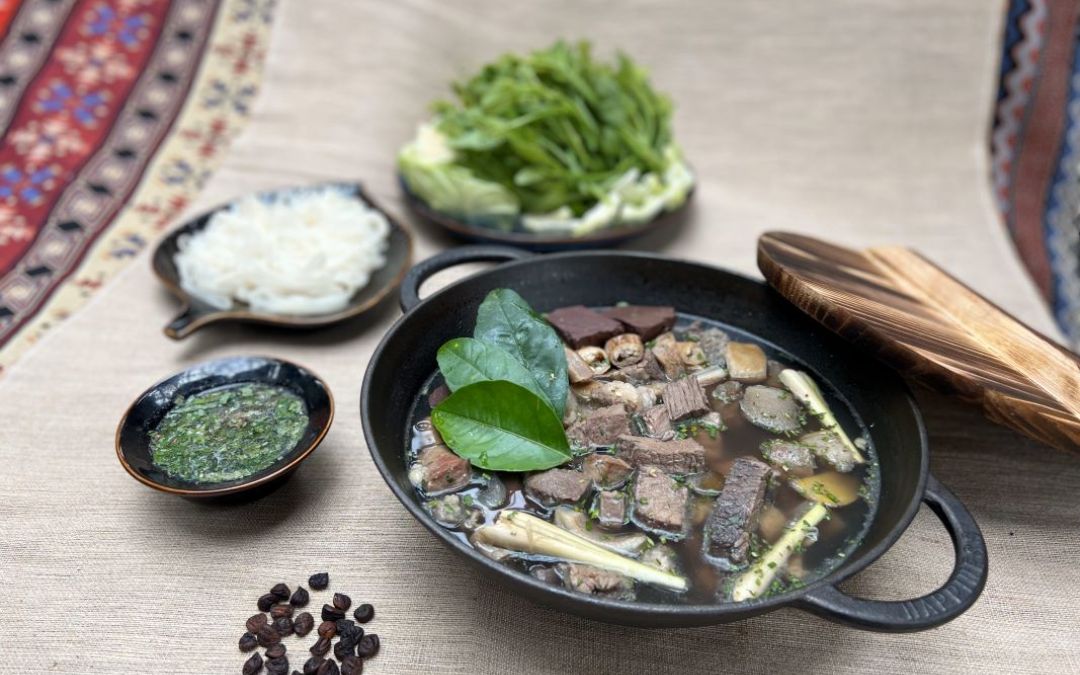
Thang Co features horse meat and offal simmered in a fragrant broth with bone marrow, herbs, and distinctive cardamom spice.
Com Lam
A traditional answer to what to eat in Vietnam is Com Lam. Such a traditional dish of the mountain-ethnic groups (especially seen in the Northwest region), Com Lam emerged as a field-and-forest food for long journeys. It’s glutinous rice packed into young bamboo tubes, sealed and roasted until it absorbs the subtle scent of bamboo and fire. The fragrant tube rice is slightly smoky, sweet, understated, and often served with grilled meat or sesame salt.
Where to try
- Market-stall cluster around Sa Pa Market (Town centre): Vendors grill fresh bamboo-tubes, ideal for grabbing on the go.
- Bon Mua Restaurant (09 Thac Bac Street, Sapa Town): Offers the dish alongside other local specialties in a relaxed setting.
- Roadside vendor area near Thac Bac Waterfall: Try the version fresh off the fire with local herbs and tea.
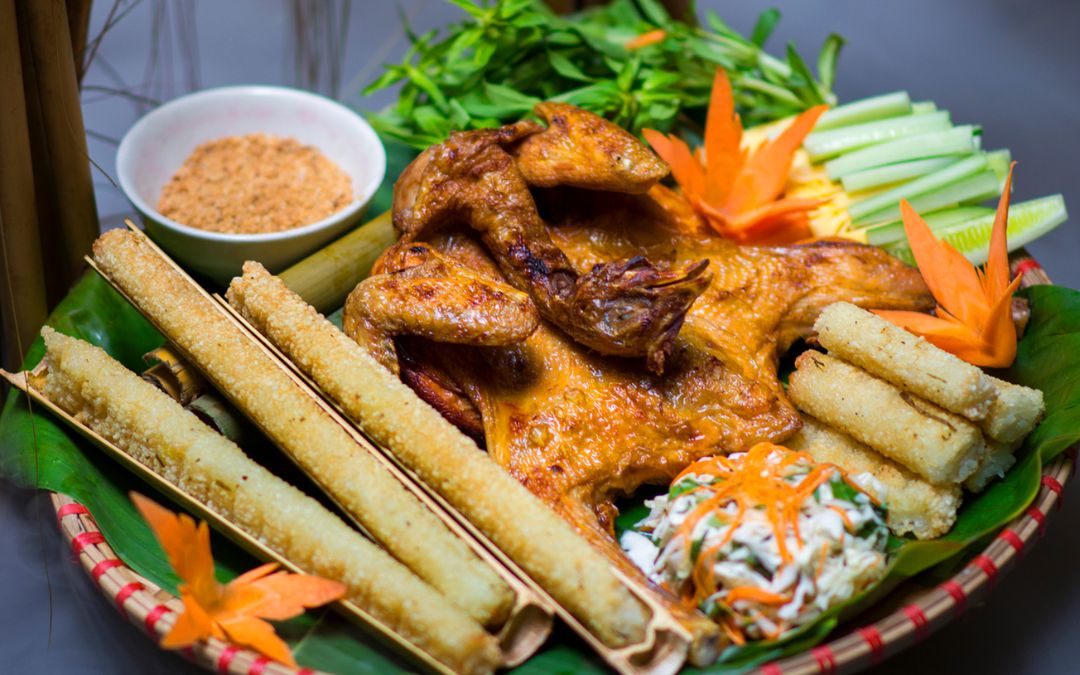
Com Lam presents sticky rice cooked inside bamboo tubes, served alongside grilled chicken, fresh herbs, and vibrant vegetables.
Ca Suoi Nuong
Harvested from the cold clear streams of the mountains around Sapa, small freshwater fish are cleaned, marinated with turmeric, galangal, forest herbs, sometimes wrapped in banana leaves. Then, they are grilled over charcoal until the flesh remains juicy and the skin delivers a crisp bite. Served often with sticky rice or steamed mountain greens and a dipping sauce of lime, ginger and local chilli, this dish celebrates simple freshness and wild flavour.
Where to try
- Thai Bac Restaurant (Km 12, Thac Bac area): Fish caught that day, grilled riverside with views and fresh air.
- Hoa Dao Restaurant (48 Le Van Tam Street, Sapa Town): Restaurant menu emphasises stream fish and local herbs, good for dinner.
- Vendor set-up near town outskirts: Informal but authentic experience; often very fresh.
How to Eat Like a Local
- Accept homemade rice wine (Ruou Ngo)
When you’re invited into a local family home or an ethnic minority village, a small glass of maize-wine (Ruou Ngo) or corn-wine is a traditional gesture of welcome. Take it as a toast to shared food and conversation. Sip slowly, pair it with bites of food, and if you feel comfortable, raising your glass in return signals respect.
- Visit local ethnic homes (H’Mong, Dao)
Rather than only eating at tourist restaurants, make time to visit a home-cooked meal in a village. There you’ll taste off-menu dishes, use fresh-picked herbs, and observe the cooking methods passed down through generations. Ask your guide or host if you can eat with them, and you’ll find the flavours are sharper, less adapted to tourists, and far more memorable.
- Try eating with your hands
In many ethnic communities around Sapa, dishes like Com Lam or grilled fish are eaten by hand: peel the bamboo tube, break open the fish, and dip directly into herbs. Using your fingers rather than cutlery builds a connection with the food and the culture. Don’t worry about being messy, as it’s part of the experience, and locals appreciate the effort.
>> Read More: Explore 9 Best Things To Do In Sapa Besides Trekking
Hue: Imperial Fragrance
Top Dishes to Try
Bun Bo Hue
Discovering what to eat in Vietnam means experiencing imperial cuisine. This signature dish of Hue dates back to the late 16th and early 17th centuries, when the Nguyen Lords established the city as the imperial capital. Featuring thick round rice vermicelli, beef shank, pork knuckle, and pig-blood curds, the broth is infused with lemongrass, shrimp paste, and chili oil for a bold yet balanced flavour.
Where to try
- Bun Bo Mu Roi (40 Nguyen Chi Dieu Street, Phu Hau Ward): Renowned for its richly layered broth and classic toppings.
- Bun Bo Ba Tuyet (47 Nguyen Cong Tru Street, Phu Hoi Ward): A long-standing favourite known for its richly aromatic lemongrass and shrimp‐paste broth.
- Bun Bo Me Keo (20 Bach Dang Street, Phu Cat Ward): Near the river, drawing queues early in the morning for its simmered broth aroma.
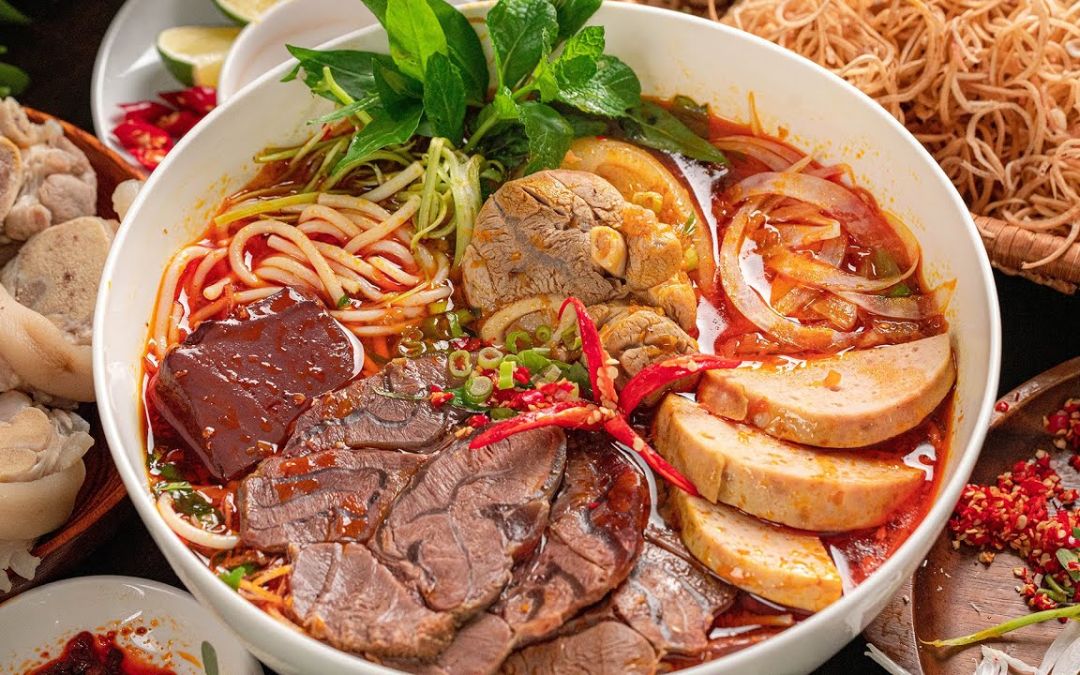
Bun Bo Hue brings together thick rice noodles, tender beef slices, and meatballs in a spicy, lemongrass-infused broth.
Banh Beo – Banh Nam – Banh Loc
These delicate dishes from Hue reflect the city’s refined royal cuisine heritage and exemplify what to eat in Vietnam in the central region. Banh Beo are little steamed rice-cakes topped with dried shrimp and scallion oil. Banh Nam and Banh Loc consist of rice or tapioca flour dumplings wrapped in banana or dong leaves, crafted initially in villages like Nam Pho and served in the markets of the imperial capital.
Where to try
- Beo Nam Loc Cung An Dinh – Quan Huong (31 Alley 177 Phan Dinh Phung Street, Phu Nhuan Ward): This family-run venue is over 50 years old and famous for its freshly steamed dishes made in-house.
- Ba Do (08 Nguyen Binh Khiem Street, Phu Cat Ward): It’s widely praised by locals and guides alike for consistency and full flavour.
- Street-stall cluster near Dong Ba Market (02 Tran Hung Dao Street, Phu Hoa Ward): Ideal for sampling each of the cakes in quick succession while watching vendors steam and wrap.
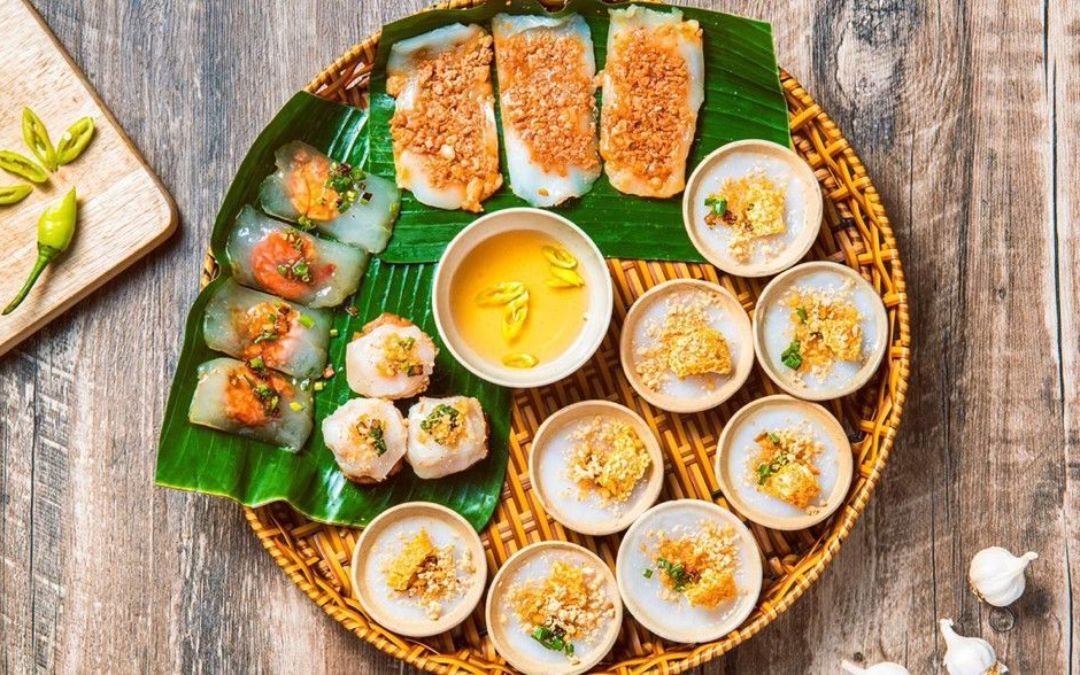
Banh Beo – Nam – Loc showcases delicate steamed rice cakes and translucent dumplings topped with dried shrimp, scallion oil, and crispy pork cracklings.
Com Hen
Once a humble meal of local fisherfolk on the Perfume River, Com Hen and its noodle counterpart, Bun Hen, capture the essence of Hue’s balance in taste—spicy, salty, nutty, and aromatic. A bowl combines tiny clams sautéed with herbs, roasted peanuts, fried pork skin, banana blossom, and a ladle of hot clam broth poured separately.
Where to try
- Com Hen Hoa Dong (64 Alley 07 Ung Binh Street, Vy Da Ward): One of the oldest stalls, famed for keeping the traditional recipe alive for over 50 years.
- Com Hen Nho (28 Pham Hong Thai Street, Vinh Ninh Ward): Small family-run eatery known for its clean flavours and generous toppings.
- Com Hen Ba Cam (02 Truong Dinh Street, Thuan Hoa Ward): Local go-to for night diners, serving bowls bursting with spice and crunch.
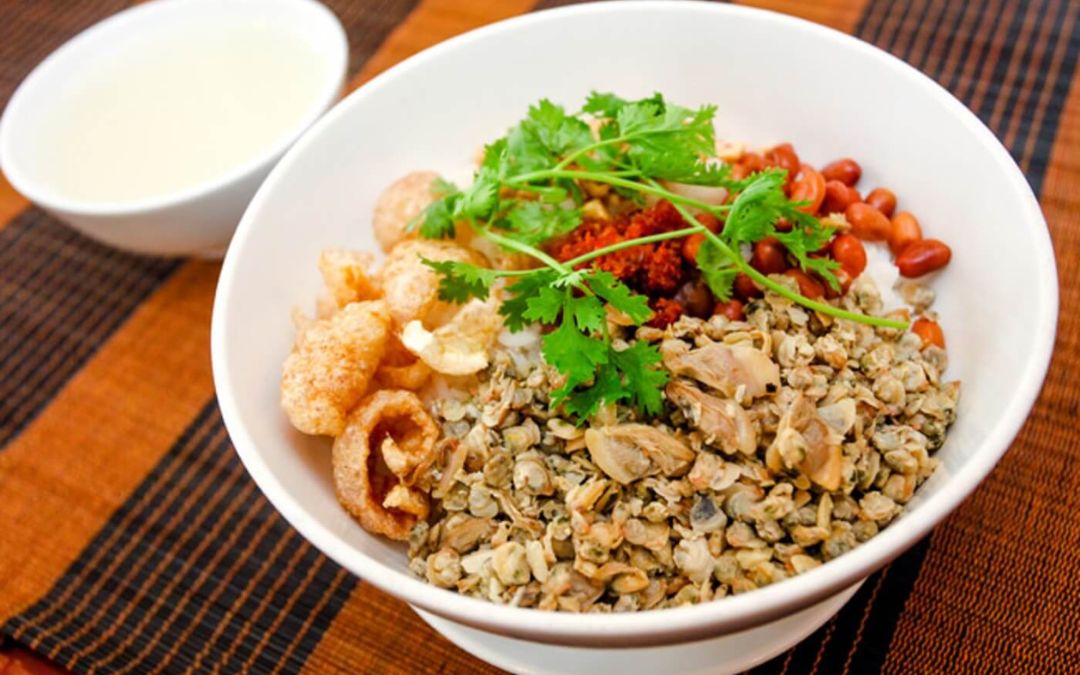
Com Hen combines rice with baby clams, pork rinds, peanuts, fresh herbs, and chili in a colorful Hue specialty.
How to Eat Like a Local
- Savour dishes slowly
In Hue, cuisine reflects the refined legacy of the imperial era, so food isn’t rushed. Let each component—herbs, broth, meat, sauce—make its impact. Pause between bites, notice how the spice of lemongrass softens, how the acidity from dipping sauce rounds the richness.
- Begin your meal day early with noodle-based breakfasts
For example, Bun Bo is commonly enjoyed for breakfast in Hue. Visit a noodle stall around 6:00 – 9:00 when the broth is freshly simmered and the atmosphere calm: the steam rises, regulars chat over their bowls, and the menu is simple but perfect.
- Mix your dipping sauce lightly
From royal cuisine to street snacks, the hallmark of Hue dishes is subtlety and restraint. Instead of pouring large amounts of sauce, dip items like Banh Beo or Nem Lui gently. Let the primary flavours of the dish stand out—then complement them rather than cover them.
>> Read More: Top 10 Unusual Things to Do in Hue: Local Guide Reveals All
Hoi An: Central Flavors
Top Dishes to Try
Cao Lau
As the most popular answer to what to eat in Hoi An, Cao Lau is said to date back to the town’s trading days when Chinese and Japanese influences shaped its distinct texture and flavor. The noodles are made using water from the ancient Ba Le well, mixed with lye ash for a chewy bite, and topped with char siu pork, herbs, and crispy rice crackers.
Where to try
- Cao Lau Thanh (26 Thai Phien Street, Minh An Ward): A long-standing eatery of over 30 years, beloved by locals for its authentic recipe and perfectly balanced broth-free version.
- Cao Lau Khong Gian Xanh (687 Hai Ba Trung Street, Minh An Ward): Tucked away in a quieter lane, praised for its chewy noodles, home-style toppings and relaxed ambiance.
- Morning Glory Original (106 Nguyen Thai Hoc Street, Minh An Ward): Offers an elevated take on traditional Cao Lau in a charming colonial setting.
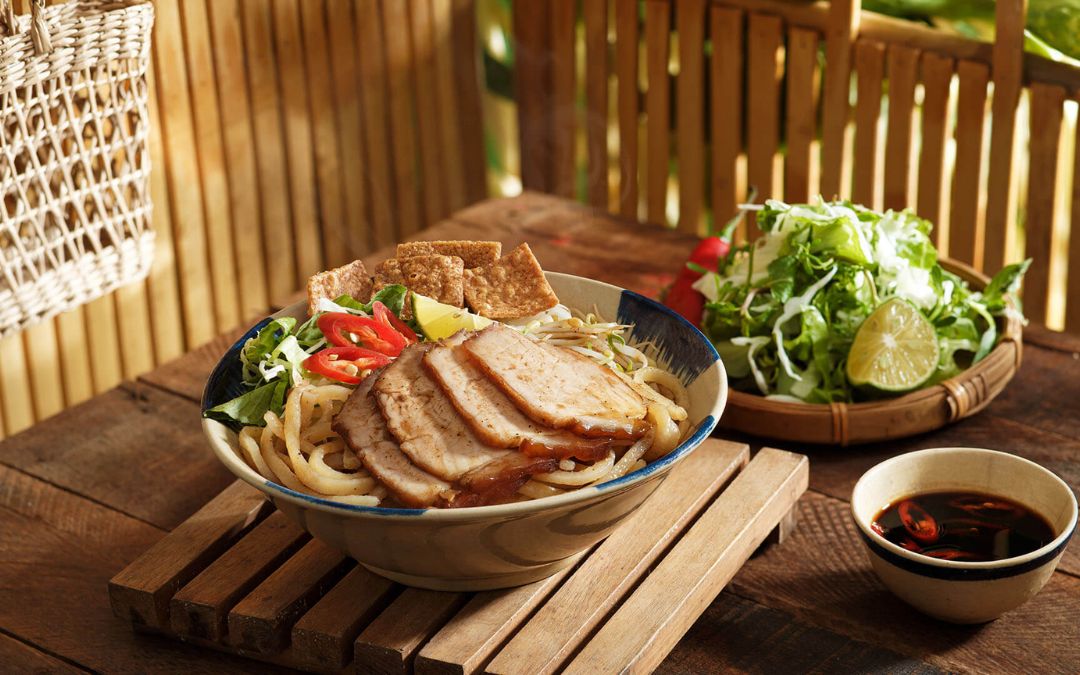
Cao Lau features thick rice noodles with sliced pork, crispy wonton crackers, fresh greens, and a savory broth unique to Hoi An.
Com Ga Hoi An
What to eat in Vietnam for the truly local taste in Hoi An? Once a humble home-cooked meal, Com Ga Hoi An has become a culinary icon of the ancient town. Fragrant rice is cooked in chicken broth with a hint of turmeric, giving it a golden hue, then topped with shredded poached chicken, herbs, and pickled papaya.
Where to try
- Com Ga Ba Buoi (22 Phan Chau Trinh Street, Minh An Ward): The most famous in town, known for its tender, hand-shredded chicken and rice cooked in rich homemade stock.
- Com Ga Ty (27 Phan Chau Trinh, Minh An Ward): Offers a slightly spicier version, loved for its fragrant chili sauce and quick service.
- Com Ga Xi (47/2 Tran Hung Dao Street, Minh An Ward): A local-favorite alley spot serving hearty portions and a stronger turmeric flavor.
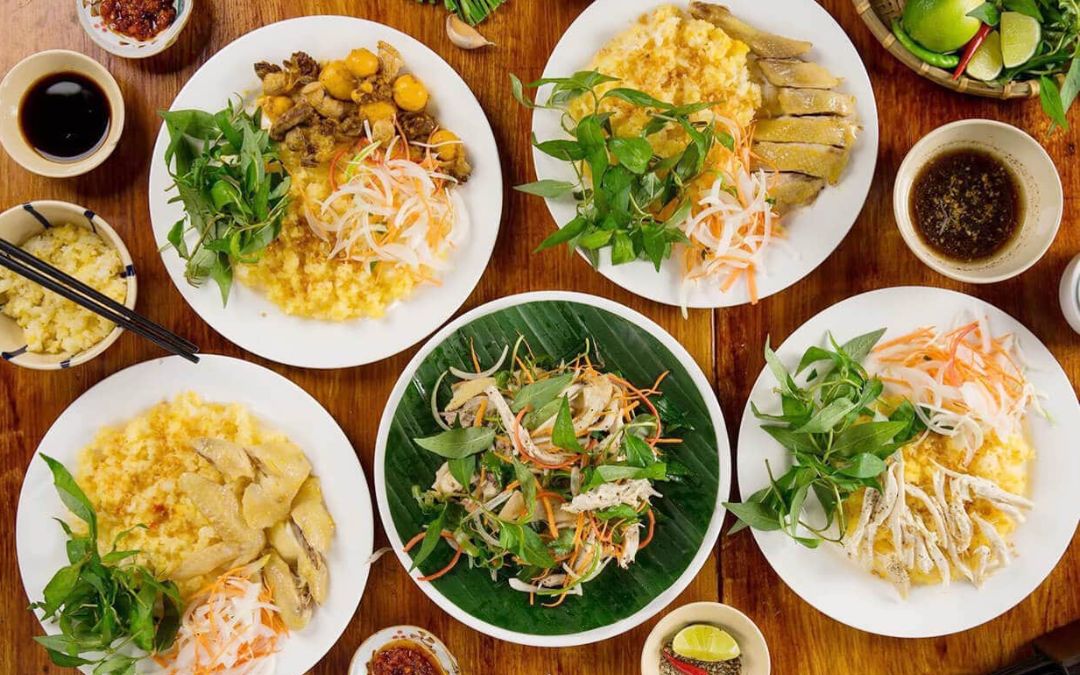
Com Ga Hoi An pairs fragrant turmeric rice with poached chicken, fresh herbs, pickled vegetables, and savory dipping sauces.
Banh Mi
Born from French colonial influence and perfected by Vietnamese flair, Banh Mi has become a symbol of street food culture across the country, and nowhere does it shine brighter than in Hoi An. The crisp baguette is split and filled with layers of pâté, cold cuts, pickled vegetables, herbs, and a kick of homemade chili sauce. Each vendor has its own balance of flavors, from buttery to spicy, making it a must-try on any visit.
Where to try
- Banh Mi Phuong (2B Phan Chau Trinh, Cam Chau Ward): The most famous spot, loved for its generous fillings and the iconic seal of approval from Anthony Bourdain.
- Madam Khanh – The Banh Mi Queen (115 Tran Cao Van Street, Minh An Ward): A beloved local spot known for its crunchy bread and perfectly balanced sauces.
- Banh Mi Lanh (430 Cua Dai Street, Cam Chau Ward): Offers creative twists like grilled pork and egg, served hot and crisp for late-morning bites.
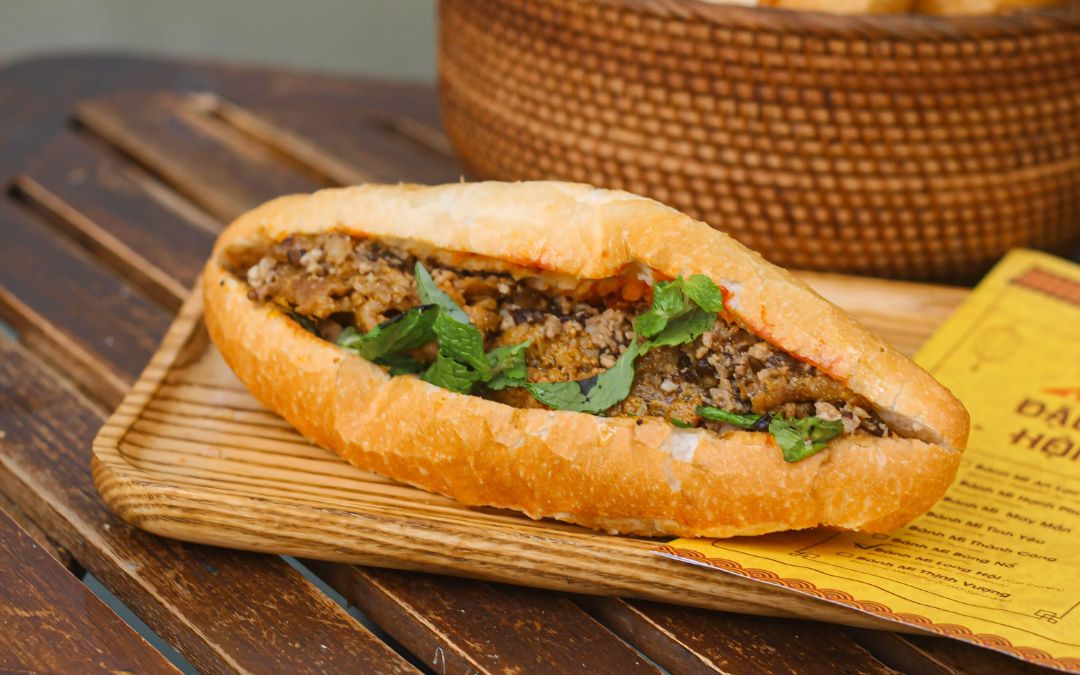
Banh Mi stuffs a crispy baguette with savory grilled meat, fresh cilantro, pickled vegetables, and aromatic seasonings.
>> Read More: Discover Original Flavors with Hoi An Street Food Tours
How to Eat Like a Local
- Don’t skip the markets
Morning in Hoi An Market is when the town truly wakes up. Wander between steaming noodle stalls and baskets of fresh herbs, and you’ll see locals slurping breakfast on low stools before heading to work. Try a bowl of My Quang or Chao Long from a vendor who’s likely been cooking in the same spot for decades — it’s the most authentic way to start your day.
- Enjoy coffee the local way
In Hoi An, coffee isn’t rushed; it’s a quiet ritual. After breakfast, find a seat at street-side coffee spots and order a slow-drip Ca Phe Sua Da. Watch the condensed milk swirl through the dark brew as the town hums to life around you. Locals linger here for conversation, not caffeine, so take your time and soak in the rhythm.
- Bargain respectfully
Negotiation is part of the market charm, but it’s also a conversation. Smile, offer a fair price, and keep the tone lighthearted as aggressive haggling is considered poor manners. Many vendors remember returning customers, and a friendly attitude often earns both better deals and warmer smiles the next time you visit.
Ho Chi Minh City: Vibrant Fusion
Top Dishes to Try
Banh Xeo
Banh Xeo are crispy, turmeric-infused rice flour pancakes filled with pork, shrimp, bean sprouts, and herbs. Originating from southern Vietnam, these savory crepes are cooked to order on hot griddles and served with fresh lettuce and herbs for wrapping.
Where to try
- Banh Xeo 46A (46A Dinh Cong Trang Street, District 1): A legendary spot known for its crispy crepes and bustling atmosphere.
- Banh Xeo Ngoc Son (103 Ngo Quyen Street, District 5): Offers a traditional experience with a variety of fillings and a loyal local following.
- Banh Xeo Ba Hai (49 Nguyen Trong Tuyen Street, Phu Nhuan District): Renowned for its generous portions and flavorful dipping sauces.
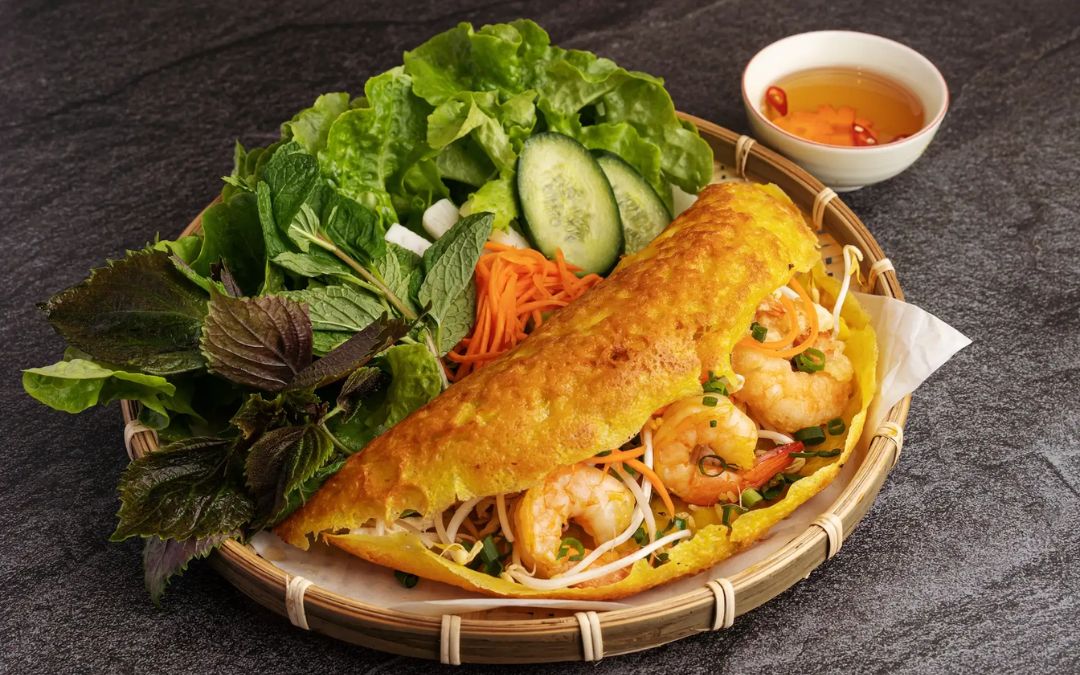
Banh Xeo wraps crispy turmeric crepes around shrimp, pork, bean sprouts, and herbs for dipping in tangy fish sauce.
Goi Cuon
For a fresh take on what to eat in Vietnam, try Goi Cuon, or Vietnamese fresh spring rolls, which are translucent rice paper rolls filled with shrimp, herbs, rice vermicelli, and lettuce. They’re served with a side of hoisin-peanut sauce or spicy nuoc cham. These rolls are a refreshing and healthy choice, especially popular during warmer evenings.
Where to try
- Goi Cuon Tom Nhay (424 Lac Long Quan Street, District 11): A hidden gem offering authentic flavors and a variety of fillings.
- Wrap & Roll: A modern chain that elevates traditional rolls with fresh ingredients and stylish presentation.
- Quan Bui (1B Ngo Van Nam Street, District 1): Provides a cozy atmosphere with a focus on traditional recipes and quality ingredients.
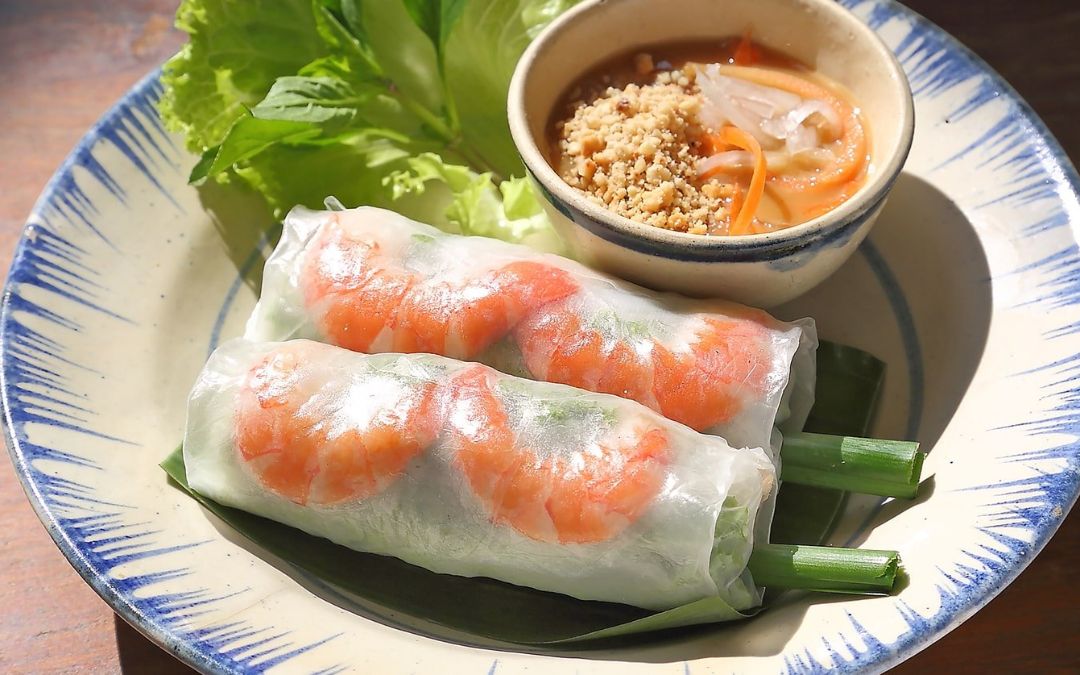
Goi Cuon wraps shrimp, vermicelli, fresh herbs, and vegetables in translucent rice paper served with peanut dipping sauce.
Banh Trang Tron
Banh Trang Tron, a beloved street snack originating in Tay Ninh and thriving in Ho Chi Minh City, was created as a creative way to reuse leftover rice paper. Over time, it evolved into a flavorful mix of thin rice paper strips tossed with shredded green mango, quail eggs, peanuts, dried beef, and a drizzle of satay oil and chili-salt. The result is a perfect harmony of textures and tastes — chewy, crunchy, tangy, and spicy — all in one bite.
Usually packed in clear bags and eaten with chopsticks on the go, this snack captures the vibrant spirit of Saigon’s street food scene, especially in the late afternoon when locals gather around carts for a quick, satisfying treat.
Where to try
- Banh Trang Cham Nguyen Van Trang (51 Nguyen Trai Street, District 1): Offers a wide selection of toppings and a vibrant street food experience.
- Banh Trang Cham Co Shi (133A Hoa Hung Street, District 10): Known for its unique dipping sauces and personalized service.
- Banh Trang Tron Ganh Co Xuan (152 Phan Van Han Street, Binh Thanh District): A local favorite where the owner serves the dish from a shoulder yoke.
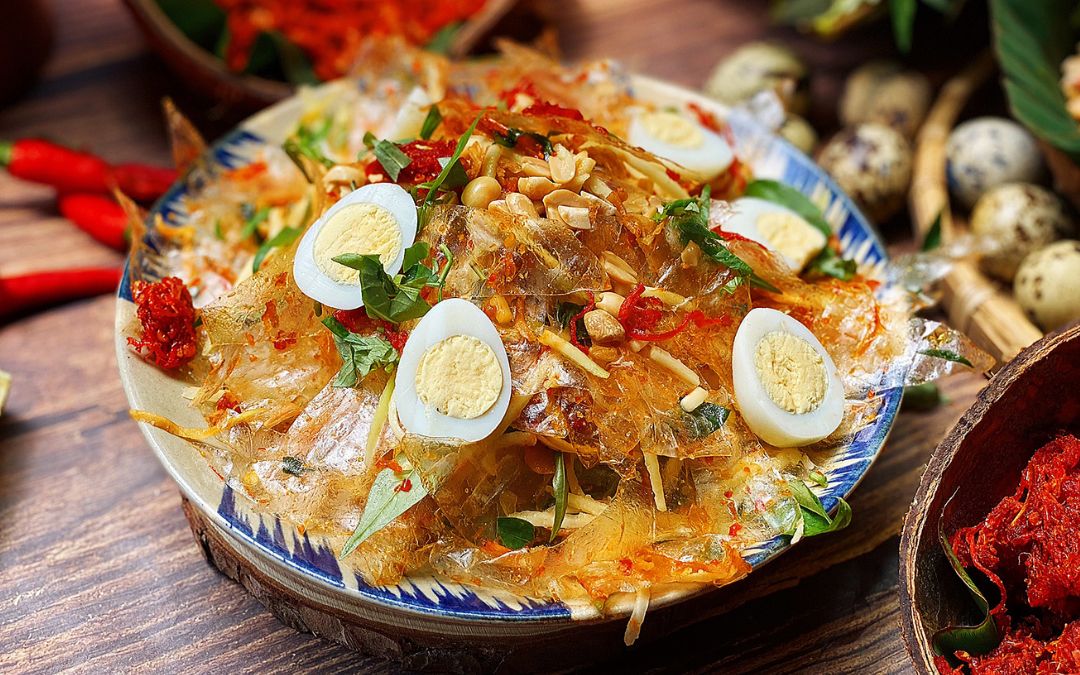
Banh Trang Tron mixes torn rice paper with quail eggs, dried beef, herbs, peanuts, and spicy-sweet sauce in a crunchy Vietnamese snack.
How to Eat Like a Local
- Join a motorbike food tour
Experience the city’s culinary delights from the back of a motorbike, weaving through bustling streets and hidden alleyways. It’s an exhilarating way to sample a variety of dishes and discover local favorites.
- Start your tour after 19:00
Locals typically enjoy dinner later in the evening. By starting your food adventure after 19:00, you’ll experience the vibrant night food scene at its peak, with bustling markets and lively street stalls.
- Always dip seafood in lime-chili salt
Enhance the natural flavors of seafood by dipping it into a mixture of fresh lime juice and chili salt. This combination adds a zesty and spicy kick that complements the sweetness of the seafood.
- Try Bia Hoi (fresh beer) at roadside stalls
Enjoy a glass of Bia Hoi, a light and refreshing local beer, at one of Saigon’s many roadside stalls. It’s a popular social drink, often enjoyed with friends and accompanied by a variety of snacks.
>> Read More: Top 20 Fun Things To Do in Ho Chi Minh City
Mekong Delta: Simple Freshness
Top Dishes to Try
Hu Tieu My Tho
Originating from My Tho in Tien Giang province, Hu Tieu My Tho reflects the multicultural roots of southern Vietnam, where Chinese and Khmer influences meet local flavors. The broth is light yet aromatic, topped with slices of pork, shrimp, squid, and a sprinkle of fried garlic for that signature crunch.
Where to try
- Hu Tieu Sau Sen (108/9 Tran Hung Dao Street, My Tho City): Famous for its rich, flavorful broth and generous toppings, served in a lively, bustling setting.
- Hu Tieu My Tho 43 (43 Ap Bac Street, My Tho City): A long-standing eatery offering both traditional and special variations of Hu Tieu in a casual, spacious dining area.
- Hu Tieu Tuyet Ngan (481 Ap Bac Street, My Tho City): Praised for perfectly balanced seasoning and fresh ingredients.
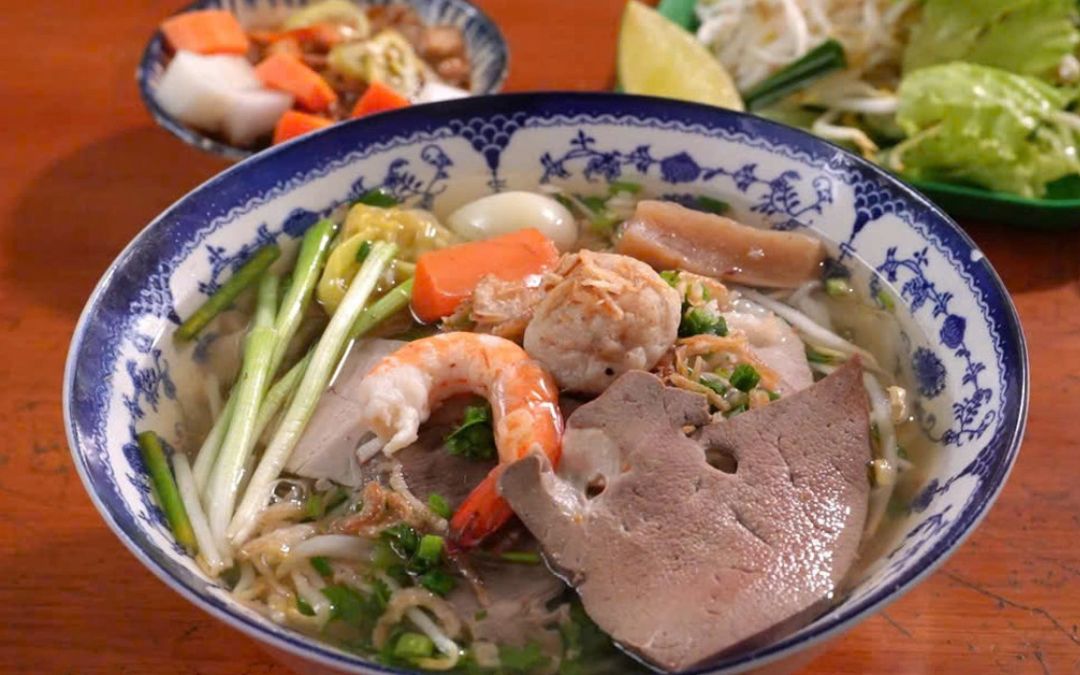
Hu Tieu My Tho features delicate rice noodles in clear broth with pork, shrimp, squid, quail eggs, and vibrant scallions.
Ca Kho To
What to eat in Vietnam to feel like a family meal? Ca Kho To is a beloved comfort dish from southern Vietnam. Fresh catfish is slowly braised in a clay pot with caramelized sugar, fish sauce, and aromatic spices until tender and richly flavored. Often enjoyed with steaming rice, it reflects the Mekong Delta’s love for savory-sweet balance, and the clay pot method preserves heat and deepens the taste.
Where to try
- Mekong Taste Restaurant (Thoi Thanh Hamlet, My Tho City): Set by the river, this spot serves a variety of Delta specialties, including tender, flavorful Ca Kho To with authentic southern seasoning.
- Diem Phuong Restaurant (80/10 Tan Vinh Hamlet, Chau Thanh District, Ben Tre Province): Located on a peaceful river island, it’s ideal for tasting traditional dishes while watching local life along the water.
- Xeo May 1 Restaurant (Cai Be Town, Tien Giang Province): A family-run spot famous for authentic Ca Kho To, braised slowly in clay pots for rich, savory flavor, served in a cozy, rustic setting that reflects local Delta traditions.
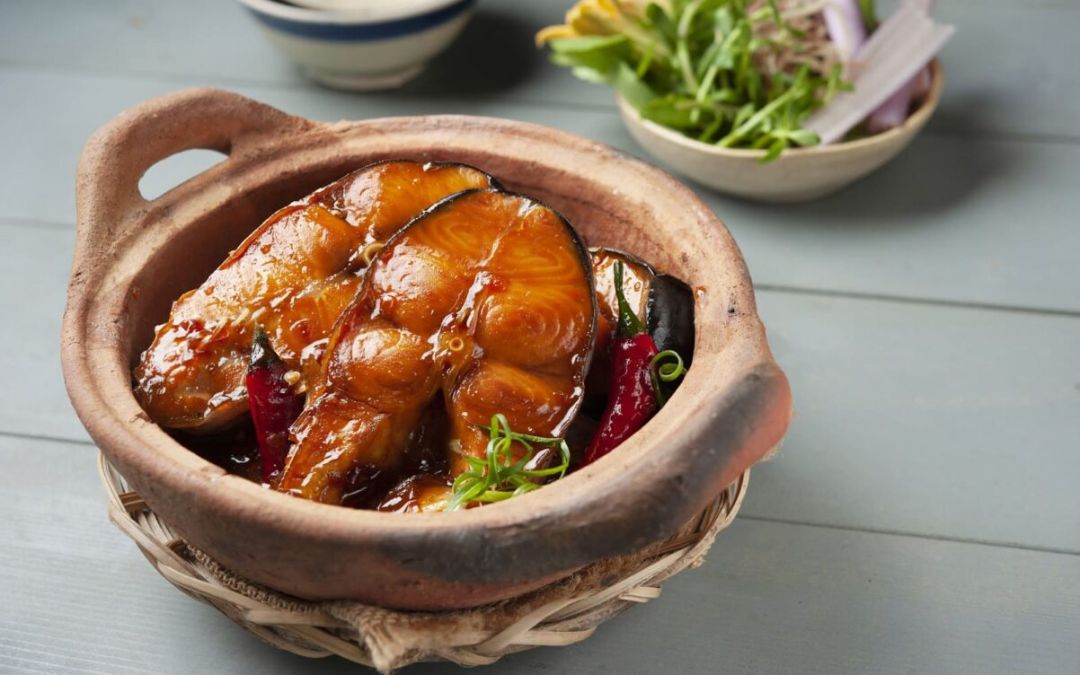
Ca Kho To braises caramelized fish in a clay pot with a sweet-savory sauce, chilies, and aromatic scallions.
Tropical Fruits
The Mekong Delta is Vietnam’s tropical fruit paradise, producing fragrant dragon fruit, juicy pomelo, sweet star apple, and countless other exotic varieties. These fruits are often available directly from the orchards, ensuring peak freshness and flavor. Many vendors also provide tasting opportunities and tours, allowing visitors to see how fruits are grown and harvested.
Where to try
- Cai Mon Orchard Village (Hung Nhon Hamlet, Cho Lach District, Ben Tre Province): Known as the “fruit kingdom”, this area is dotted with lush orchards offering a relaxed environment to explore and sample local produce.
- Ma Chin Fruits Garden (13/31 Ring Road, Chau Thanh District, Tien Giang Province): Small-scale local orchards where travelers can enjoy guided tastings and watch homemade fruit preserves being made.
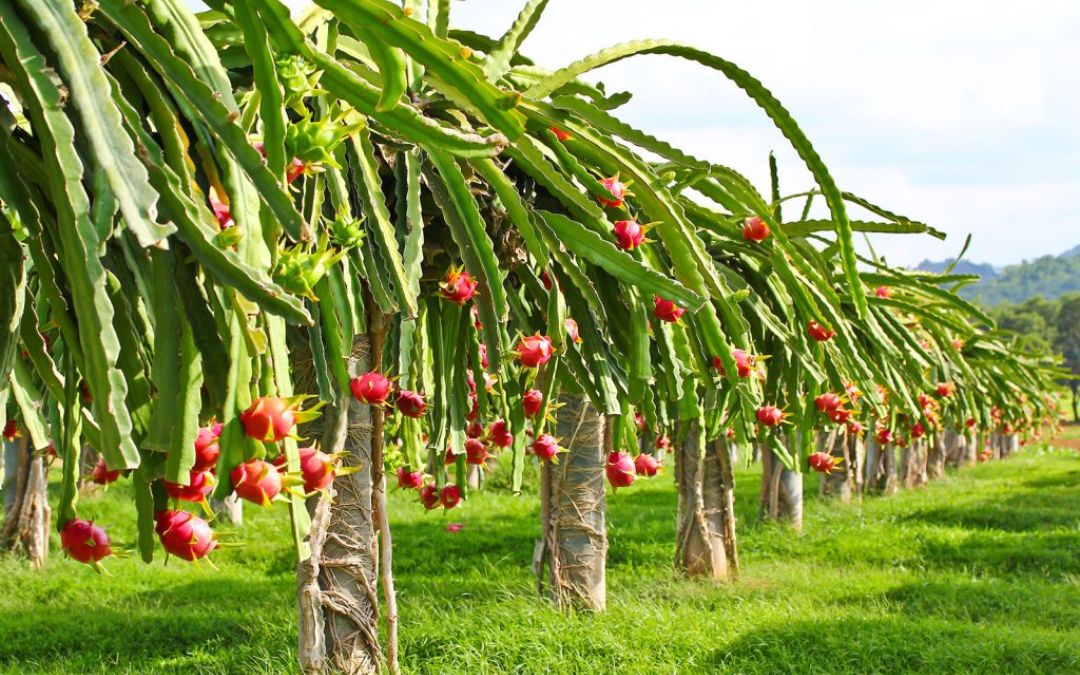
Dragon fruit vines cascade with vibrant pink fruits across the lush green orchards of the Mekong Delta.
How to Eat Like a Local
- Breakfast from a boat vendor at sunrise
Glide along the waterways and pick breakfast from vendors paddling their boats. The soft light of dawn reflecting off the water, the gentle morning breeze, and the aroma of fresh Hu Tieu or sticky rice create an unforgettable experience.
- Try homemade coconut candy or rice paper
Visit riverside workshops where locals demonstrate traditional methods of making coconut candy, rice paper, and other Delta treats. Sampling these gives insight into the craftsmanship and daily life of the region.
- Greet vendors with a smile
Simple gestures go a long way. Friendly exchanges often lead to extra samples, small stories about the dishes, or helpful tips on what’s freshest that day.
>> See Tour: Ho Chi Minh City to Mekong Delta Tour
Bonus Picks: Offbeat Food Tours Worth Exploring
Da Nang Seafood Trail
Da Nang’s coastal charm extends to its vibrant seafood scene. The city’s beachfront eateries serve up freshly caught squid, often grilled over charcoal and glazed with spicy satay sauce, offering a delightful blend of smoky and savory flavors. Notable spots like Bien Rang Son Tra and My Hanh Seafood provide picturesque ocean views, enhancing the dining experience.
For a more upscale setting, Barefoot Restaurant at the InterContinental offers a relaxed atmosphere with expertly grilled seafood and a focus on healthy, light options.
>> Read More: Top 15 Iconic Dishes You Must Try On Your Da Nang Food Tour
Nha Trang Street Food Walk
Nha Trang’s bustling streets come alive with a myriad of street food offerings. From savory fish noodle soups to crispy seafood pancakes, the city’s culinary delights are best experienced on foot or via a traditional cyclo ride.
Tours like the Nha Trang Street Food Tour by Cyclo guide visitors through local neighborhoods, stopping at hidden gems to sample dishes such as grilled rice cakes and seafood noodle soups. For those seeking a more immersive experience, the Street Food Discovery Tour offers a deeper dive into Nha Trang’s culinary landscape.
Can Tho Home Dining Experience
In the heart of the Mekong Delta, Can Tho offers authentic farm-to-table dining experiences. Visitors can engage in activities like rice planting, fruit harvesting, and traditional fishing techniques, all while staying with local families. These homestays often include cooking classes using ingredients grown on-site, providing a true taste of local cuisine. Such experiences offer a unique opportunity to connect with the region’s agricultural heritage and culinary traditions.
Phu Quoc Night Market
Phu Quoc’s Night Market is a haven for seafood enthusiasts. Located in Duong Dong Town, the market offers a variety of fresh seafood options, from grilled fish to stir-fried clams, all prepared in various styles to suit diverse palates. Beyond seafood, the market also features street snacks like rolled ice cream and Vietnamese pizza, making it a comprehensive culinary destination. Operating daily from 18:00 to 23:30, the market’s peak activity occurs between 20:00 and 21:00.
>> See Tour: A Food Lover’s Tour of Vietnam
Final Words
When exploring a new region, or returning to one, it’s often the food that draws you in. With this guide, you now have a deeper, fresher understanding of what to eat in Vietnam and the flavors that define each corner of the country. The tips shared here will help you eat like a local, turning every meal into an authentic experience.
To bring these culinary discoveries to life and explore Vietnam through its tastes, reach out to Asia Pioneer Travel and let the journey unfold!
Tours You might like
 Best Seller
The Very Best of Vietnam
Vietnam Off the Beaten Path
 Best Seller