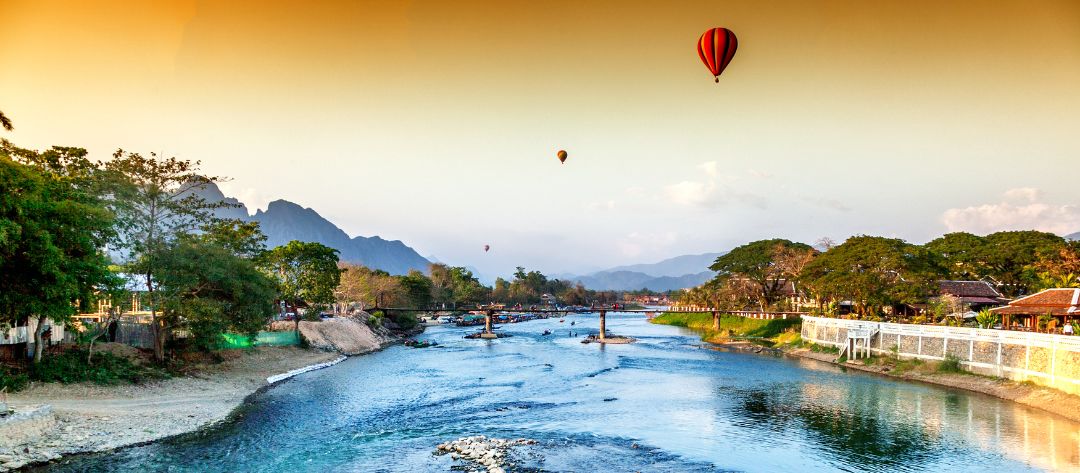


Did you know that Laos is one of the only countries in Southeast Asia where time seems to slow down—inviting travelers to breathe, wander, and truly feel a destination? Whether you’re watching saffron-robed monks walk silently through Luang Prabang at sunrise or drifting along the Nam Song River in Vang Vieng, Laos offers a rare blend of serenity and adventure that first-time visitors instantly fall in love with.
In this guide, we’ll show you exactly where to visit in Laos—from ancient cities and limestone mountains to riverfront towns rich in culture and cuisine. Each destination is ideal for families, couples, and small groups looking for an authentic, crowd-free Southeast Asia experience. Ready to discover the places that make Laos unforgettable? Keep reading, because your perfect Laos itinerary starts right here.
Top 10 Places to Visit in Laos for First-Time Travelers
Whether you’re drawn to ancient temples, lush mountains, or peaceful riverside towns, this curated list covers every must-visit in Laos for those setting foot in the country for the first time.
Luang Prabang: A Must-Visit Destination in Laos
- Best for: Culture seekers, families, couples, solo travelers
- Top Highlights: Wat Xieng Thong, Kuang Si Waterfall, Mount Phousi, Royal Palace Museum
- Recommended Stay: 2–3 days (4–5 days for in-depth exploration)
- Best Season: November – March (dry season)
- Transport Options: Flight, private car, Mekong river cruise
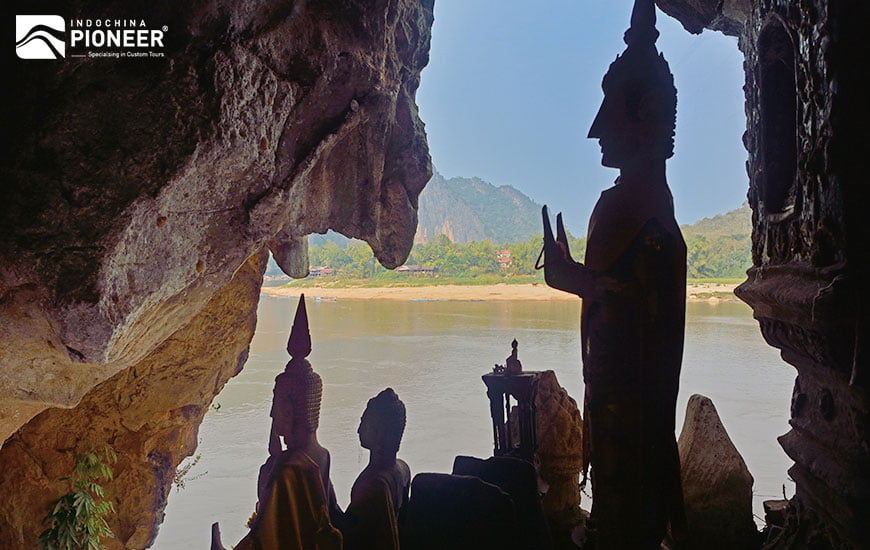
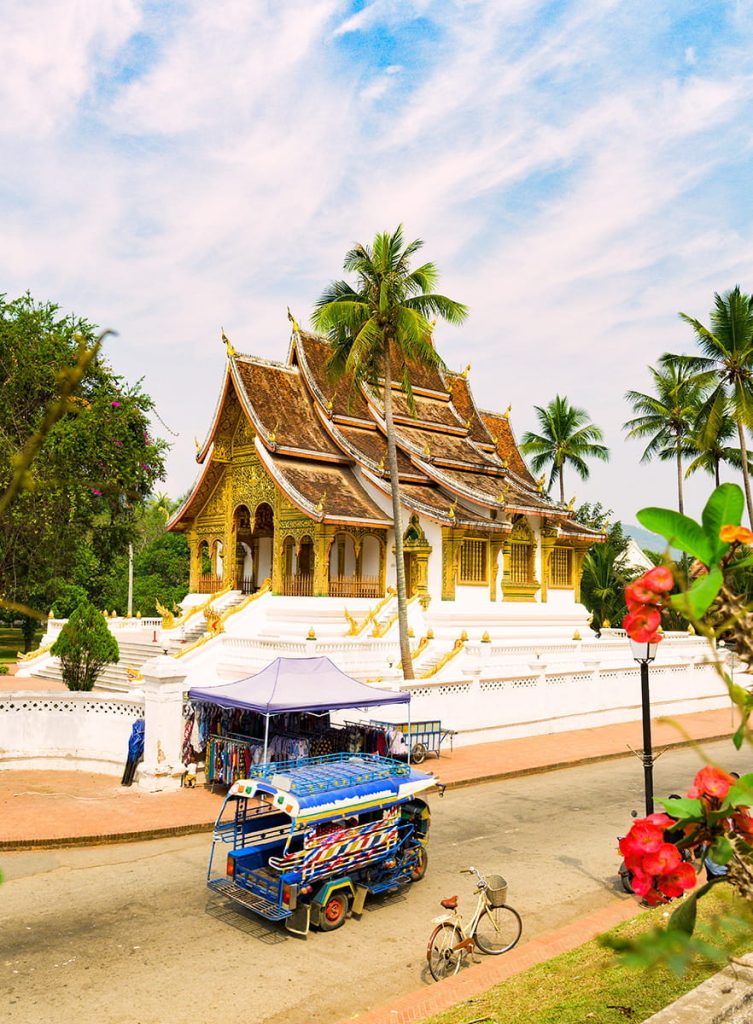
Luang Prabang was named a UNESCO World Heritage City for its blend of traditional Lao and colonial architecture. Nestled at the confluence of the Mekong and Nam Khan rivers, the city boasts a stunning blend of traditional Lao wooden houses, over 30 gilded wats (temples), and remnants of French colonial architecture that date back to the 19th century.
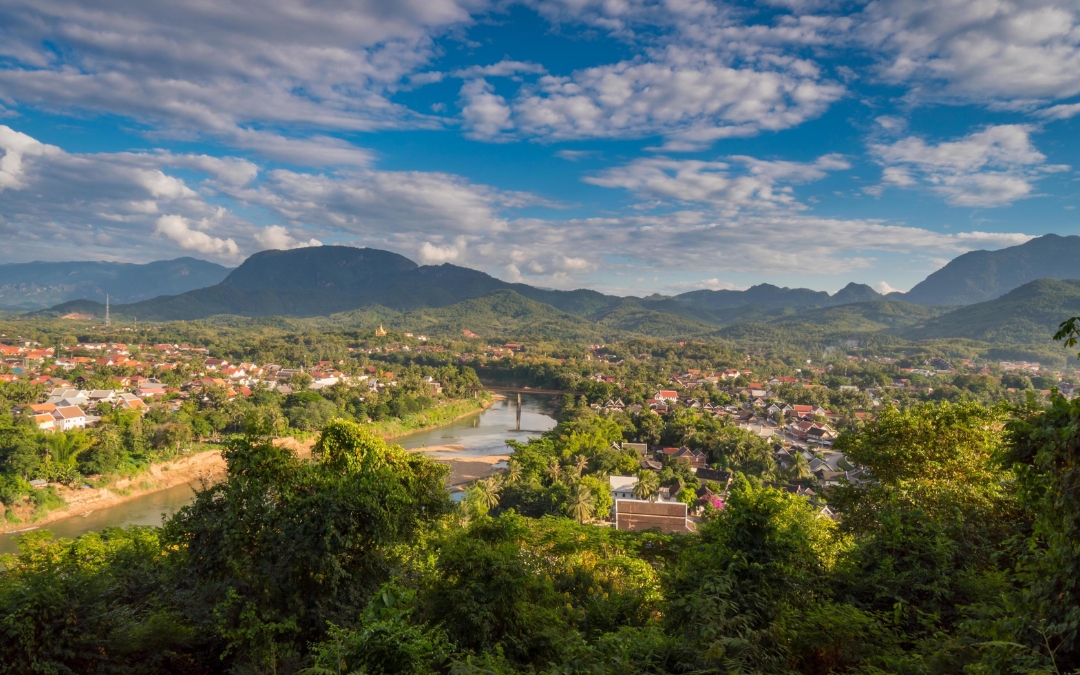
A UNESCO World Heritage site with stunning temples and waterfalls.
Places You Shouldn’t Ignore
To fully appreciate what Luang Prabang has to offer, make sure to explore its most celebrated attractions:
- Wat Xieng Thong: Built in the 16th century, it is considered the crown jewel of Luang Prabang’s temples. Visitors can admire the tree of life mosaic and learn about the temple’s role in Laos’ spiritual and royal history.
- Mount Phou Si: Located in the center of town, this 100-meter-high hill provides panoramic views of the city and the rivers. A climb of 355 steps takes you past small shrines and golden stupas to a magnificent sunset vista.
- Kuang Si Waterfall: A breathtaking multi-tiered cascade surrounded by lush jungle. The turquoise pools are perfect for swimming, relaxing, or snapping Instagram-worthy photos. There’s also a butterfly park near the entrance and several hiking trails for exploring the surrounding forest.
- Royal Palace Museum: Once the royal residence, now a museum showcasing royal artifacts, including the sacred Phra Bang Buddha, which the city is named after.
- Luang Prabang Night Market: Open daily from 5 PM, it stretches along Sisavangvong Road and features hundreds of stalls selling textiles, local teas, silver jewelry, and handicrafts.
Exceptional experiences that will make your trip unforgettable
- Morning Alms-Giving Ceremony (Tak Bat): At sunrise, saffron-robed monks walk through the quiet streets to receive alms from locals. Visitors should dress modestly and observe respectfully.
- Cooking Classes: Learn to prepare traditional Lao dishes such as laap, tam mak hoong (papaya salad), and sticky rice with hands-on instruction from local chefs. Many classes also include a market visit to select fresh ingredients, giving you a true taste of Lao daily life.
- Mekong River Cruise: Take a scenic boat ride along the Mekong River to nearby villages, stopping at riverside temples, floating markets, and quiet hamlets.
Pro Tips for Experiencing Luang Prabang Like a Local
- The high-speed Laos-China Railway, launched in 2021, connects Luang Prabang with Vientiane and northern cities, significantly reducing travel time and enhancing accessibility.
- Rent a bicycle or e-bike to explore the city and surrounding villages at your own pace.
- Try local street food delicacies such as grilled fish, noodle soups, and sticky rice with mango.
- Carry small cash denominations for donations or local market purchases.
- Respect local customs: always remove shoes before entering temples, and avoid loud behavior in sacred spaces.
Vang Vieng: Adventure and Scenic Beauty in Laos
- Best for: Adventure seekers, solo travelers, families with older children, photography lovers
- Top Highlights: Blue Lagoon, Tham Chang Cave, Nam Song River, Pha Ngern Viewpoint
- Recommended Stay: 2–3 days for a mix of adventure and sightseeing
- Best Season: November – February (dry season)
- Transport Options: Private car, bus, river cruise
Located about 150 km north of Vientiane, this picturesque riverside town is framed by dramatic limestone karsts and the tranquil Nam Song River. While it was once infamous for its backpacker party scene, Vang Vieng has undergone a transformation and is now celebrated as a hub for eco-tourism, outdoor sports, and stunning scenery.
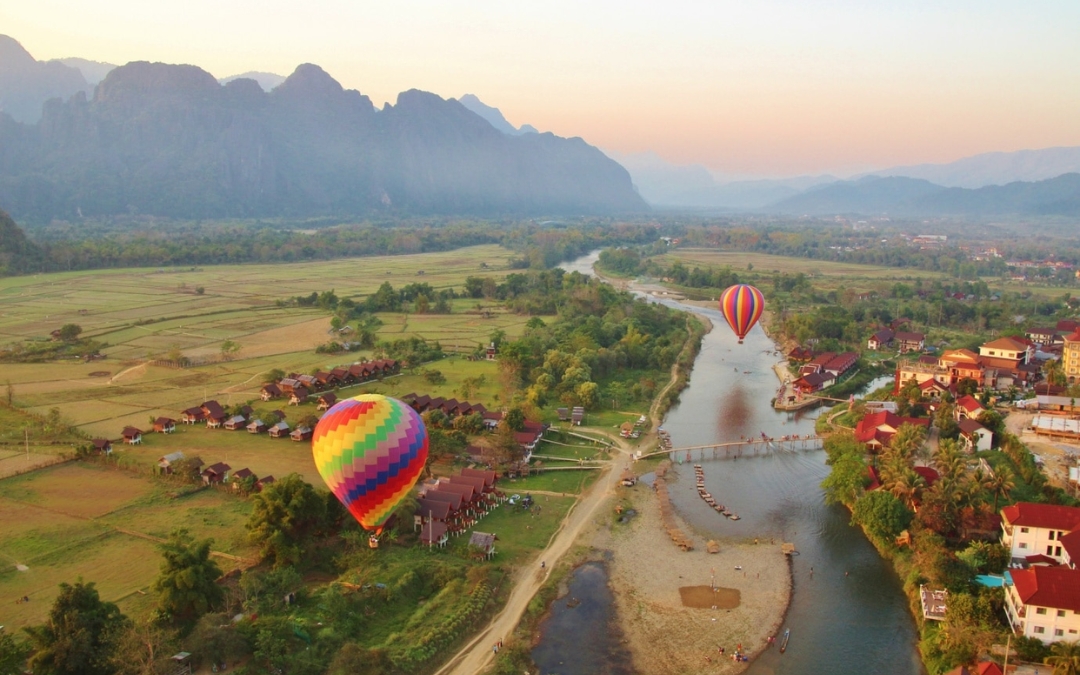
Known for its adventure activities and scenic river views.
Places You Shouldn’t Miss
- Blue Lagoon: A crystal-clear turquoise pool surrounded by jungle and limestone cliffs. Ideal for swimming, cliff jumping, or relaxing on bamboo rafts. Tip: Arrive early in the morning to avoid crowds and enjoy peaceful waters.
- Tham Chang Cave: A limestone cave offering panoramic views of the Nam Song River valley. Explore stalactites and stalagmites, and climb to the lookout for a stunning sunset. Tip: Wear comfortable shoes; some paths are slippery.
- Pha Ngern Viewpoint: One of the best vantage points in Vang Vieng to admire karst landscapes and rice paddies. Tip: Hike early to catch the sunrise or late afternoon for golden light.
- Nam Song River: Central to the town’s charm, the river is perfect for kayaking, tubing, and leisurely boat rides. Tip: Tubing is fun, but choose operators that prioritize safety and eco-responsibility.
- Tham Poukham Cave & Emerald Lagoon: This sacred cave is home to a giant golden Buddha and leads to the Emerald Lagoon, a hidden gem for swimming. Tip: Combine the visit with a half-day trek for a rewarding adventure.
Exceptional Experiences
- Hot Air Balloon Ride: See Vang Vieng from above and capture breathtaking views of karst mountains, rivers, and farmland.
- Cave Exploration: Visit Tham Phu Kham, Tham Nam, and Tham Poukham for spelunking adventures. Each cave offers unique rock formations, hidden pools, and a sense of discovery.
- Rock Climbing: The limestone cliffs surrounding Vang Vieng are famous for sport climbing and guided rock adventures. Suitable for beginners and advanced climbers alike.
- Kayaking & Rafting: Paddle along the Nam Song River or take guided white-water rafting trips for a thrilling adventure.
Pro Tips for Experiencing Luang Prabang Like a Local
- Rent a bicycle or e-bike to explore hidden waterfalls and quiet villages at your own pace.
- Bring sturdy water shoes for river activities and cave exploration.
- Carry insect repellent, sunscreen, and a refillable water bottle for day trips.
- Respect the local environment: take your trash with you and avoid disturbing wildlife.
- If tubing or kayaking, check water safety conditions and wear life jackets.
- Try local coffee shops and street food to support the community and enjoy authentic flavors.
Vientiane: Where Tradition Meets Capital Calm
- Best for: Culture seekers, history lovers, slow travelers, families
- Top Highlights: That Luang, Wat Si Saket, Patuxai Victory Monument, Buddha Park (XiengKhuan)
- Recommended Stay: 1–2 days to hit the main sites; 3 days for a more relaxed, local feel
- Best Time to Visit: November–February (cool, dry season)
- Getting Around: Walkable downtown, tuk-tuk rides, bicycle rentals
Vientiane, the laid-back capital of Laos, may not hit you with the grandeur of a big metropolis — but that’s part of its charm. With its tree-lined boulevards, French-colonial architecture, and spiritual heart in golden stupas, the city feels like a quiet storyteller rather than a tourist rush.
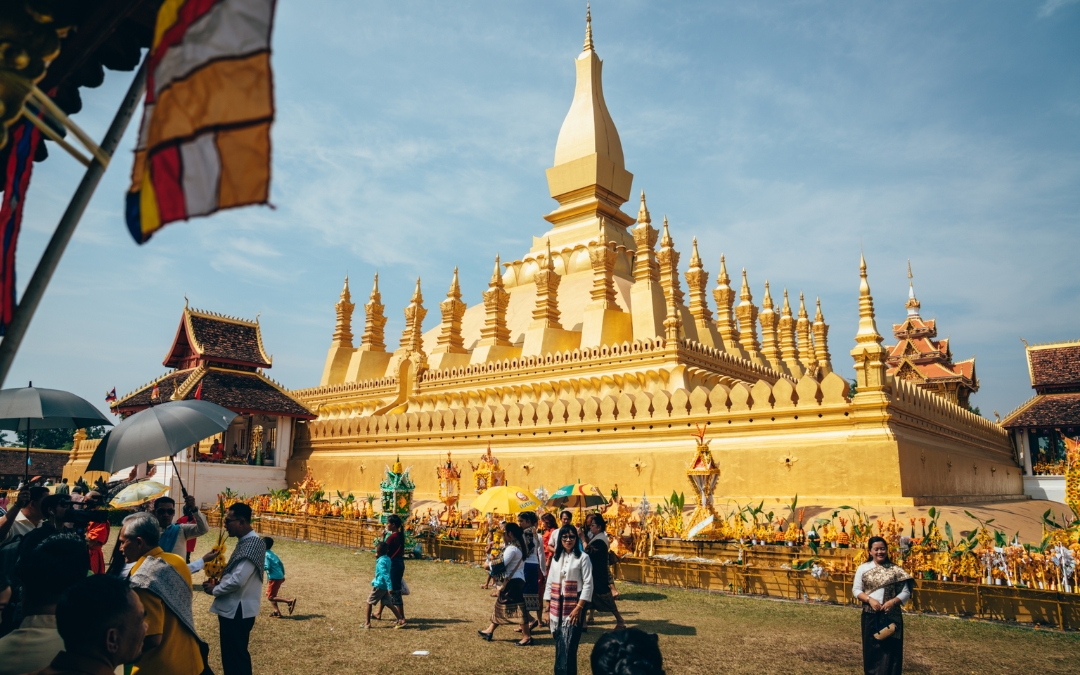
The capital city offers a mix of history, culture, and quiet charm.
Places You Shouldn’t Miss
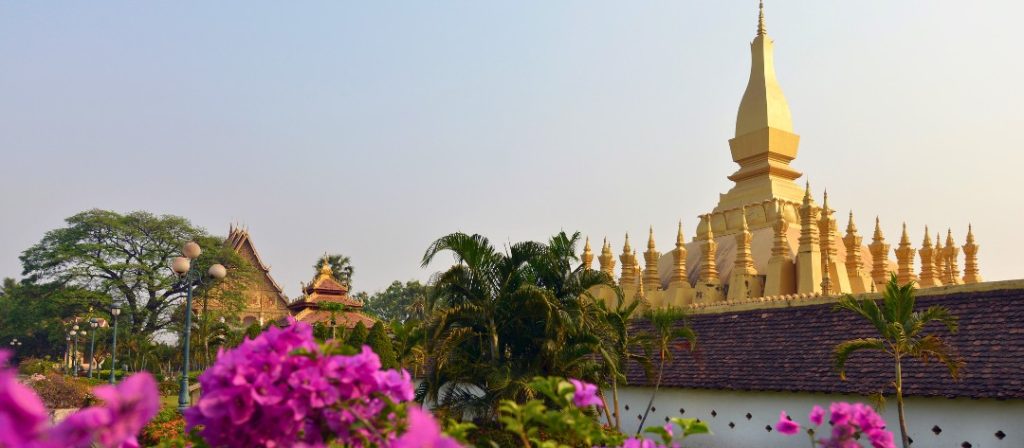
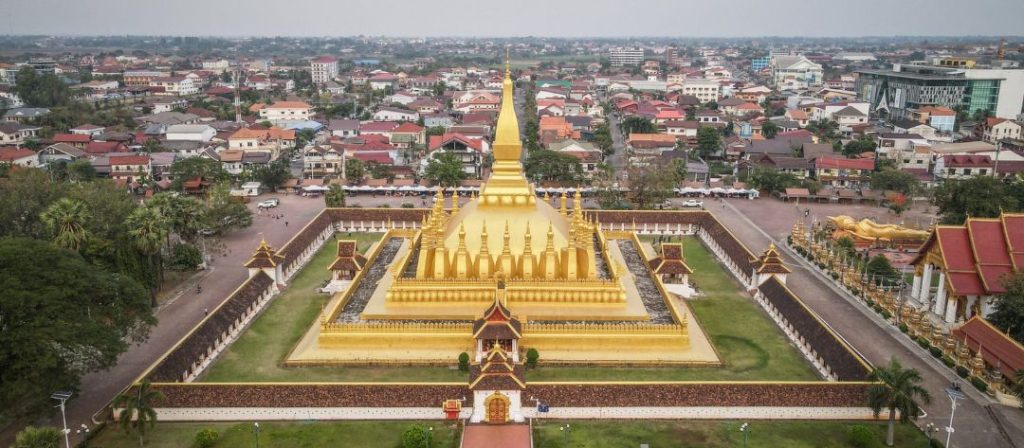
- Pha That Luang: The most iconic religious monument in Laos — a golden stupa that symbolizes national pride.
- Wat Si Saket: A historic Buddhist temple dating to 1818, with a cloister wall housing over 2,000 small Buddha images.
- Patuxai Monument (“Victory Gate”): Reminiscent of Paris’s Arc de Triomphe, but uniquely Lao — climb to the top for city views.
- Presidential Palace: A grand Beaux‑Arts building by the Mekong — though not open to the public, its façade is worth photographing.
- Buddha Park (Xieng Khuan): About 25 km outside the city, this sculpture park contains over 200 Hindu and Buddhist statues in a surreal, open-air garden.
- Morning Market (Talat Sao): A lively market on Lane Xang Avenue — great for local crafts, textiles, souvenirs, and food.
- Sacred Heart Cathedral: A neo‑Romanesque Catholic cathedral reflecting Vientiane’s colonial past.
- Lao National Museum: A must-visit for history buffs — learn about Lao heritage, struggle for independence, and the communist era.
Exceptional Experiences
- Attend ThatLuang at Sunset: Watching the golden stupa glow in the last light of day is magical and deeply peaceful.
- Cycle Through the City: Rent a bike and pedal through shaded boulevards — stop at temple sites, cafés, and local markets at your own pace.
- Visit the COPE Visitor Centre: Learn about Laos’ UXO (unexploded ordnance) legacy and how the COPE foundation helps victims; deeply moving and educational.
- Join a Local Festival: If you’re in town for That Luang Festival (usually in November), take part in the vibrant ceremonies, parades, and traditional dances.
- Sunrise at Patuxai: Climb its stairs early in the morning when the light is soft, the air is cool, and the city lies peacefully below.
- Mekong Riverside Promenade: In the evening, walk along the Mekong’s edge, watch life go by, and enjoy street food and fresh air.
- Day Trip to Buddha Park: Combine your temple visits with a short trip out of the city to explore the surreal statues and open-air sculptures.
Pro Tips for Experiencing Vientiane Like a Local
- Dress modestly — especially when entering temples: cover shoulders and knees.
- Use tuk-tuks or rent a bicycle to get around; it’s the best way to feel the city’s pace.
- Bring a reusable water bottle — many cafés and guesthouses offer refills.
- Try street food like lao larb, sticky rice, and grilled fish — local stalls around the night market are real gems.
- Visit temples early in the morning or late in the afternoon to avoid the heat and crowds.
- Respect sacred sites — always remove your shoes before entering, and speak quietly.
- Carry small local currency (kip) for market shopping and temple donations.
Plain of Jars: Mystery & Archaeology in Laos
- Best for: History buffs, archaeology lovers, off-the-beaten-path travelers
- Top Highlights: Jar Sites (Site1, 2, 3), visitor center in Phonsavan, unexploded ordnance history
- Recommended Stay: 1–2 days (Phonsavan as your base)
- Best Time to Visit: November–March (dry season) — safer roads, clearer skies
- Getting Around: Private car or minibus from Phonsavan, guided tours recommended
Deep in the northeast highlands of Laos lies one of the country’s most mysterious and culturally significant sites: the Plain of Jars. Spread across the Xieng Khouang Plateau, this archaeological landscape is scattered with thousands of massive stone jars, each weighing up to several tons. Their origins date back more than 2,000 years, and their exact purpose remains an enigma that continues to intrigue scholars and travelers alike.
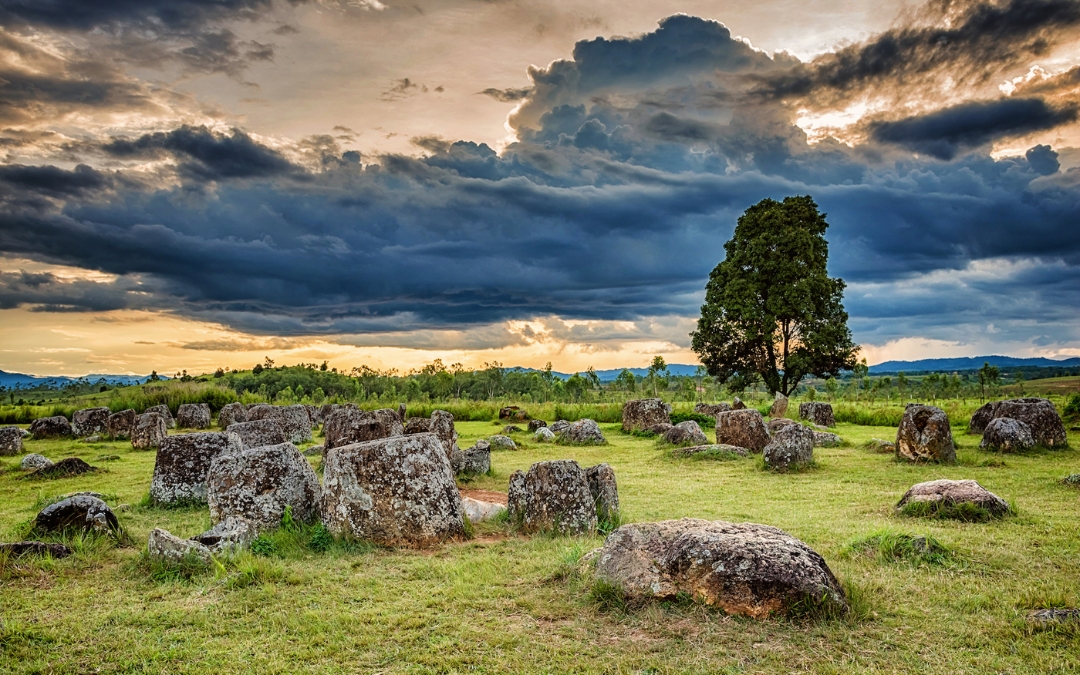
Mysterious ancient stone jars in a peaceful landscape.
Places You Shouldn’t Miss
- Jar Site 1: The most accessible and developed jar site, with a visitor center and interpretive displays.
- Jar Site 2 & 3: Smaller clusters of stone jars in remote landscapes, offering quieter, more atmospheric exploration.
- Phonsavan Viewpoints: Scenic vantage points around the plateau, especially at sunrise and sunset.
- Plain of Jars Visitor Centre: Learn about the history, archaeology, and the ongoing unexploded ordnance (UXO) clearance efforts.
Exceptional Experiences
- Guided Archaeology Tour: Hire a local guide to walk you through the jar sites and explain theories about their usage — burial rituals, ancient civilizations, and their cultural significance.
- UXO Learning Visits: Visit the exhibition at the visitor center to understand the region’s legacy of unexploded bombs and how it affects local communities.
- Sunrise/Sunset Photo Hikes: The low-lying plateau is especially beautiful during golden hours — bring a camera to capture the dramatic shadows and stone jars illuminated.
- Village Tours: Combine your jar-site visit with a trip to nearby ethnic villages to learn about traditional crafts, lifestyle, and local stories.
Pro Tips for Exploring the Plain of Jars
- Wear sturdy shoes — the terrain around some jar sites is rough and uneven.
- Use a reliable local guide — not only for interpretation, but also for safety, especially in areas where UXO risk remains.
- Bring water, sun protection, and a hat — the plateau is exposed and can get hot midday.
- Plan your trip to coincide with the dry season (Nov–Mar) for easier access and better photography.
- Respect the site — don’t climb on the jars, and follow signage and paths.
- Stay overnight in Phonsavan if you want to see more than just Site1; this allows you to visit Sites2 or 3 in less crowded conditions.
Si Phan Don (4,000 Islands): Mekong Magic in Southern Laos
- Best For: Slow travelers, nature lovers, backpackers, couples seeking serenity
- Top Highlights: Khone Phapheng Falls, Li Phi (Somphamit) Falls, Don Det, Don Khon, and Irrawaddy dolphin watching
- Recommended Stay: 2–4 days, depending on how much you relax vs explore
- Best Season to Visit: October–April for dry-season travel; May–September offers lush landscapes but parts may be flooded.
- How to Get There:
- From Pakse: take a minivan or bus to Nakasong, then a boat to Don Det, Don Khon, or Don Khong
- Within the islands, bicycles are the most common way; motorbikes are possible on Don Khong.
In southern Laos, where the Mekong River spreads wide and calm near the Cambodian border, lies Si Phan Don—literally translated as “Four Thousand Islands.” This tranquil riverine archipelago is ideal for those seeking slow travel and genuine local encounters in a uniquely laid-back setting.
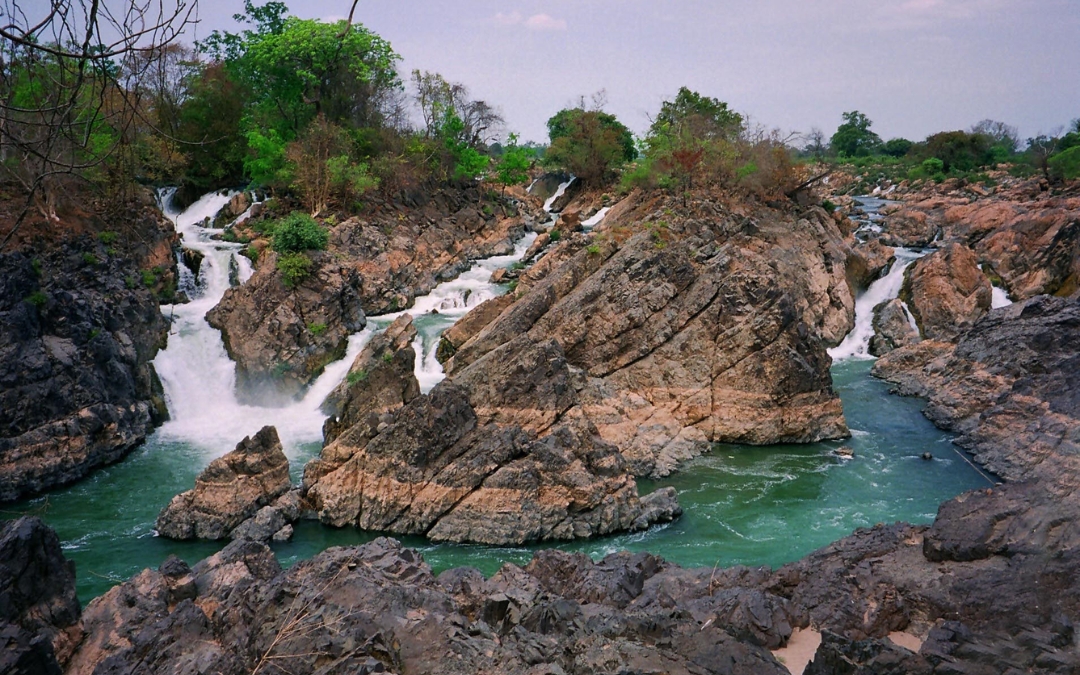
Si Phan Don is a tranquil paradise perfect for relaxing and exploring.
Places You Shouldn’t Miss
- Khone Phapheng Falls: The most powerful waterfall on the Mekong and often called the jewel of Si Phan Don.
- LiPhi (Somphamit) Falls: Dramatic rapids on Don Khon, especially beautiful when the river is strong.
- Don Det Island: The backpacker’s favorite, with scenic roads, mellow pace, and plenty of hammocks.
- Don Khon Island: Walk or bike across the old French railway bridge; explore colonial ruins and riverside villages.
- Irrawaddy Dolphin Watching: From local boats, you might spot the rare freshwater dolphins that live in this section of the Mekong.
- Don Khong: The largest island — good for longer stays, local villages, peaceful cycle rides, and more infrastructure.
Exceptional Experiences
- Cycle Between Islands: Rent a bicycle on Don Det or Don Khong and ride through rice paddies, riverbanks, and sleepy villages.
- Sunset on the River: There’s something magical about relaxing in a hammock on Don Det or Don Khon at dusk — especially near the old French railway bridge.
- Boat Trip to the Falls: Take a boat to Khone Phapheng or Li Phi Falls and feel the power of the rapids.
- Ziplining (Seasonal): In some parts, you can experience a zipline over the river or around the falls (check locally for operators).
- Local Village Visits: Explore communities on Don Khon or Don Khong, meet fishermen, chat with local families, or observe traditional Mekong life.
Pro Tips for Experiencing SiPhanDon Like a Local
- Bring Cash: ATMs are limited on the islands, especially Don Det and Don Khon — withdraw enough kip before heading over.
- Go Slow: This is not a rush destination. Take time to cycle, read in a hammock, or sit by the river with a cold drink.
- Be Careful in the Wet Season: From May to September, the Mekong swells — some areas may flood, and boat rides can be more challenging.
- Use a Local Guide for Dolphin Trips: For the best chance to spot Irrawaddy dolphins, go with experienced boat operators.
- Respect Nature: Don’t leave trash around waterfalls; avoid climbing on fragile rock formations around the rapids.
- Bring Insect Repellent & Water Shoes: Essential for exploring rapids, walking by waterfalls, and cycling through rural terrain.
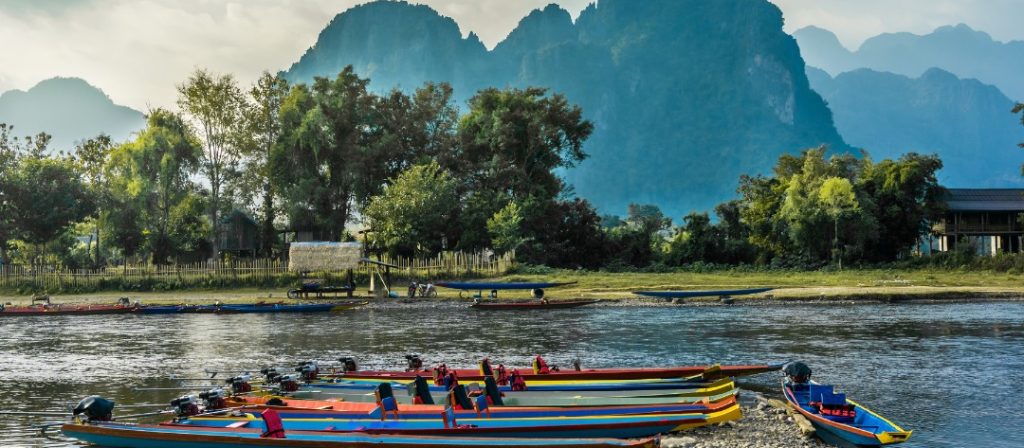
Pakse: History, Culture, and Scenic Wonders
- Best For: Culture seekers, eco‑travelers, coffee lovers, travelers exploring southern Laos
- Top Highlights: Wat Luang, Champasak Provincial Museum, Dao Heuang Market, Mekong riverfront, colonial architecture
- Recommended Stay: 1–2 days in town plus excursions to surrounding sites
- Best Time to Visit: November–February for mild weather
- Getting Around: Walkable city center, tuk-tuks, motorbike or bicycle rentals
Pakse, the commercial center of southern Laos, sits at the confluence of the Mekong and Xe Don rivers. While often treated as a transit point, the city and its surrounding area offer cultural heritage, riverside relaxation, and access to one of the country’s most sacred ancient temples: Wat Phou.
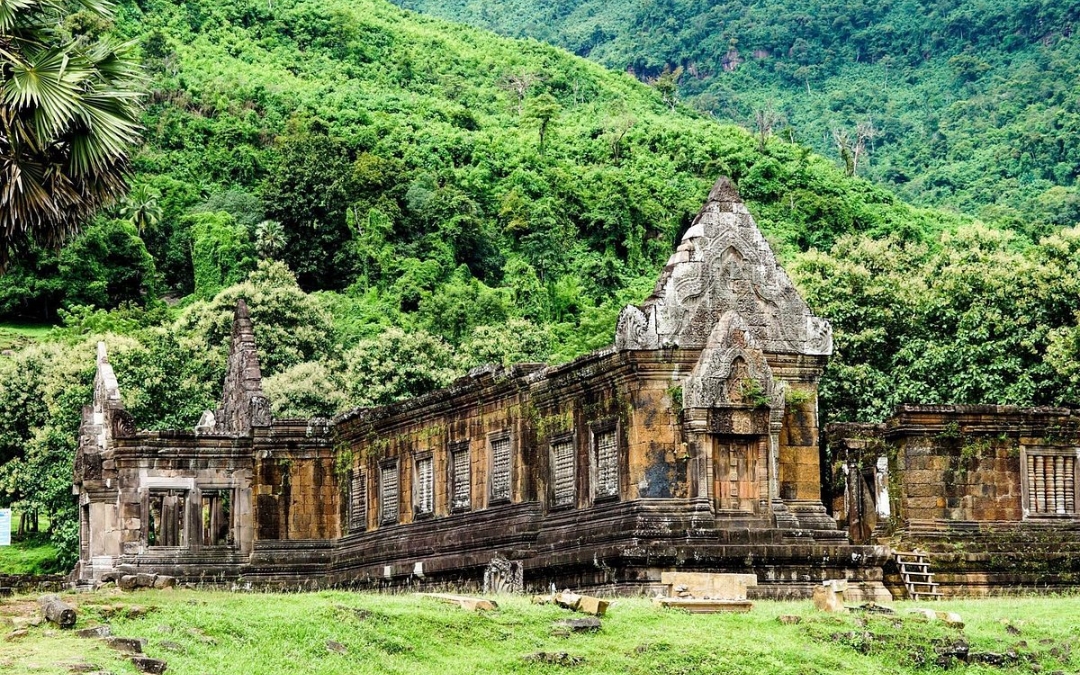
Discover the ancient temples and serene surroundings in Pakse.
Places You Shouldn’t Miss in Pakse
- Wat Phou: A pre-Angkorian Khmer temple complex dating back to the 5th century. Built on the slopes of Mount Phou Kao, it features terraces, barays (reservoirs), and detailed lintels illustrating Hindu cosmology.
- Wat Luang (Wat Poratana Sadsadaram): Located right in central Pakse, this was built in 1935 and serves both as a temple and a school for monks. The murals and peaceful riverside setting make it a special visit.
- Champasak Provincial Museum: Offers a rich collection of artifacts, including ancient Tham-script stelae, ethnic textiles, and a model of Wat Phou.
- Dao Heuang Market: Also known as the 2km Market, this is the buzzing heart of local life — from fresh produce and Lao coffee to handicrafts and street food.
- French Colonial Quarter & Sedon Bridge: Walk across the atmospheric old bridge over the Xe Don River and explore colonial-era buildings for a glimpse of Pakse’s architectural heritage.
- Mai Savanh Lao Farm: About 10 km outside Pakse, this farm supports local ethnic communities and produces tea, lemongrass, silk, and other traditional goods.
- Xe Pian National Park: For nature lovers, this protected area east of Pakse offers wildlife, wetlands, and lush landscapes.
Exceptional Experiences Around Pakse
- Mekong River Cruise at Sunset: Take a slow‑boat trip on the Mekong to watch the sun dip behind distant hills while passing riverside villages.
- Temple Exploration: Walk through the layered terraces of Wat Phou, exploring the ancient ruins and imagining the rituals that took place here centuries ago.
- Village Homestays: Stay overnight in a nearby Champasak village, interact with local artisans, and learn about Lao rural life.
- Coffee Plantation Tours: Combine your Pakse stay with a trip to nearby coffee farms in the Bolaven Plateau — taste fresh Lao coffee and learn farm-to-cup stories.
- Hike to Phu Salao (Big Buddha Hill): Climb up to Wat Phou Salao, a hilltop temple with a large Buddha statue and sweeping views over Pakse and the Mekong.
Pro Tips for Exploring Pakse & Wat Phou Like a Local
- Visit Wat Luang and Wat Phou either early morning or late afternoon when the light is soft and the sites are quieter.
- Tuk-tuks or hire a bicycle to move around Pakse — it’s affordable, flexible, and gives you a feel for the town.
- At Wat Phou and local temples, dress modestly (shoulders and knees covered) and remove shoes when required.
- Support Local Communities: When visiting farms, markets, and villages, buy local coffee, handicrafts, and crafts — it makes a big difference to small communities.
- Bring Bug Spray and Water Gear: For hikes around the temple or nearby villages, have insect repellent, sun protection, and a refillable water bottle.
Bolaven Plateau: Coffee, Waterfalls & Highland Villages
- Best for: Nature lovers, eco‑travelers, coffee enthusiasts, adventure seekers
- Top Highlights: Tad Fane Waterfall, Tad Yuang Waterfall, ethnic minority villages, coffee plantations
- Recommended Stay: 2–3 days for a loop tour; 4 days for deeper exploration
- Best Time to Visit: July–October (waterfalls at their peak) or November–January (coffee harvest season)
- Getting Around: Start from Pakse — rent a motorbike, use a tuk-tuk or join a guided “Bolaven Plateau Loop” tour.
The Bolaven Plateau is a cool, verdant region in southern Laos famous for its coffee plantations, dramatic waterfalls, and minority ethnic cultures. Elevated between 1,000 and 1,300 meters, it stands out as a unique highlight among the best places to visit in Laos.
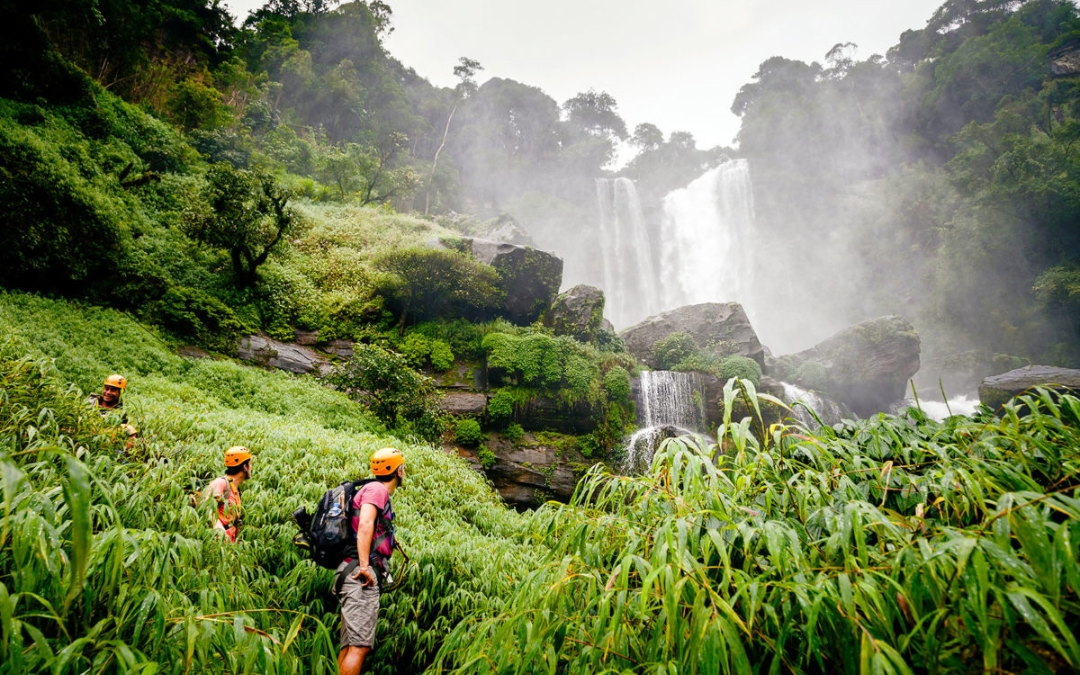
Famous for its coffee plantations and beautiful waterfalls.
Places You Shouldn’t Miss
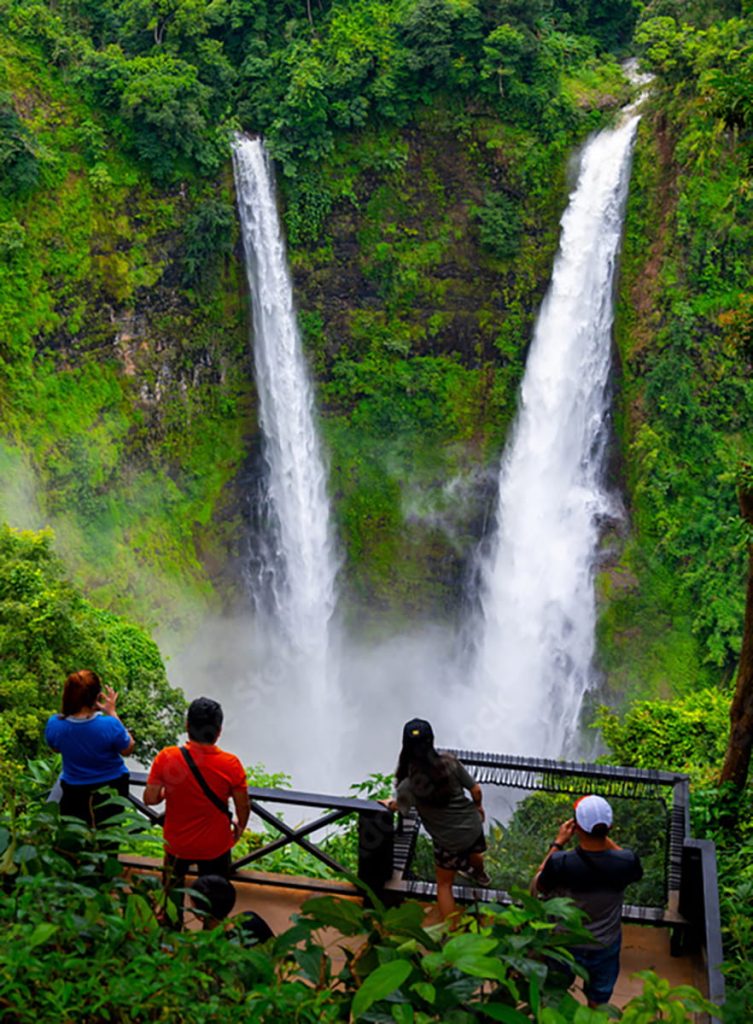
- Tad Fane (Twin Falls): Towering waterfalls that plunge over 100 meters into a lush gorge.
- Tad Yuang Waterfall: A gorgeous drop with natural pools — a great place for swimming and photos.
- Tad Lo & Tad Champi Waterfalls: More remote and tranquil cascades, surrounded by local villages.
- Paksong Coffee Farms: Visit smallholder farms around Paksong where you can taste and learn about Laotian coffee production.
- Ethnic Minority Villages (Alak, Katu, Suay): Experience traditional crafts, daily life, and cultural exchanges.
Exceptional Experiences
- Coffee Plantation Tours: Walk through Arabica and Robusta farms, learn how beans are harvested, processed, and roasted, and sample fresh-brewed Lao coffee.
- Waterfall Hopping: Make your way along the Bolaven Loop to explore waterfalls at different points — many offer viewpoints, swimming spots, and picnic areas.
- Zipline Over Tad Fane: For the adventurous, experience the falls from above with a zipline (operated by some tour providers).
- Ethnic Village Homestay: Stay in a rural community, share meals, learn about weaving, and engage in daily village life.
- Bird‑Watching & Wildlife: Explore the Dong Hua Sao protected area, which is home to hornbills, monkeys, and other wildlife.
Pro Tips for Visiting the Bolaven Plateau Like a Local
- Carry enough cash (LAK): ATMs are limited in remote areas.
- Travel in a group or with a guide if you’re riding a motorbike — some roads are dirt, particularly in wet season.
- Wear proper gear: water shoes for waterfall hikes, and hiking shoes for rugged terrain.
- Visit during the coffee harvest season (Nov–Jan) to experience farm life and pick your own beans.
- Respect local customs: ask before photographing in villages, and support small cooperatives when buying coffee or crafts.
- Try local cafés perched on ridges — sipping Lao coffee while overlooking plantations or misty valleys is a highlight.
- Be mindful of the weather: in the rainy season, roads can be muddy, and trekking may be more challenging — plan accordingly.
Nong Khiaw: Mountain Views & River Life in Northern Laos
- Best For: Hikers, nature lovers, contemplative travelers, couples, backpackers
- Top Highlights: Pha Daeng Peak, Som Nang Viewpoint, Pha Tok Caves, Muang Ngoi (via boat)
- Recommended Stay: 2–3 days to fully soak in the views and do one or two treks
- Best Time to Visit: October to January (cooler, less rain)
- Getting Around: The village is walkable; you can rent a bicycle to explore. Boat rides upstream to Muang Ngoi are a classic option.
Tucked between dramatic limestone mountains and stretched along the peaceful Nam Ou River, Nong Khiaw is one of northern Laos’ most breathtaking destinations. A quiet alternative to Luang Prabang, this village appeals to nature lovers, hikers, and travelers seeking authentic local experiences in a less commercialized setting.
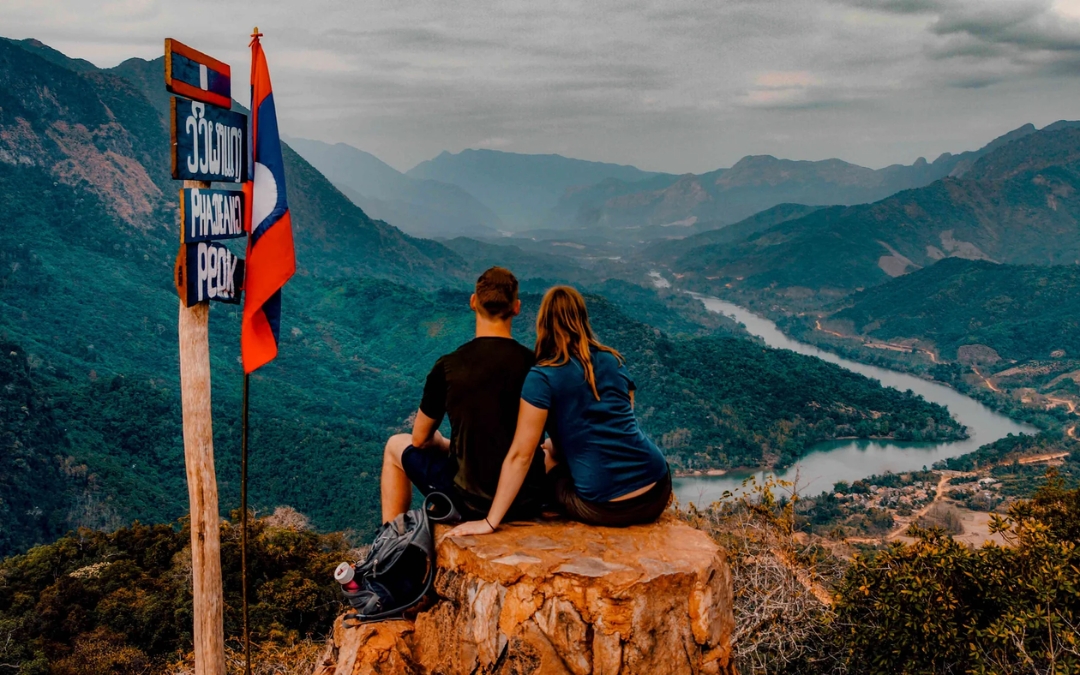
A picturesque village surrounded by stunning limestone mountains.
Places You Shouldn’t Miss
- Pha Daeng / Nong Khiaw Viewpoint: This is one of the most stunning viewpoints around. The trail climbs through jungle and limestone cliffs, taking about 1–1.5 hours, and offers a panoramic view of the Nam Ou River, especially magical at sunrise or sunset.
- Som Nang Viewpoint: The easiest of the viewpoints — a short walk (about 20–30 minutes) up stairs cut into the mountain. At the top, you’ll find a platform with benches and a lovely spot for sunset.
- Sleeping Lady (Nang None) Viewpoint: A steep but rewarding trail that rewards with a sweeping valley panorama.
- Pha Tok Caves: Just outside town, this cave was used as a hideout during the war. The climb is steep, but once inside you can explore old bunkers and carved-out areas.
- Muang Ngoi: A peaceful riverside village just a boat ride away — often used as a base for trekking and exploring more remote caves.
Exceptional Experiences
- Sunrise or Sunset Hikes: Trek up to Pha Daeng Peak for a 360° panorama of the valley and river — ideal for photography and meditation.
- Kayaking on the Nam Ou: Paddle gently upriver or downstream, watching fishermen, karst cliffs, and small riverside villages drift by.
- Trek to the “100 Waterfalls”: Several tour operators run day treks into the jungle to see numerous small waterfalls tucked into the limestone hills.
- Visit Local Villages: Cycle or walk to Khmu or Hmong villages around Nong Khiaw to interact with local life, learn about traditional farming, and stay in a homestay.
- Camping Under the Stars: For adventurous travelers, staying at viewpoints like Pha Daeng offers the chance to sleep under the Milky Way.
Pro Tips for Exploring Nong Khiaw Like a Local
- Bring sturdy shoes and water: Trails to viewpoints can be steep and rugged
- Be cautious on trails: Some paths may pass near unexploded ordnance (UXO); stay on marked trails.
- For the best light and fewer people, hike in the early morning or late afternoon.
- Nong Khiaw is a place to slow down — don’t try to do everything in one day.
- There are some shops, but not always at the trailheads.
- Take your trash with you, and try to support guesthouses and local guides.
Bokeo Nature Reserve: Jungle Conservation Meets Adventure
- Best For: Nature lovers, eco‑travelers, adventure seekers, socially conscious travelers
- Key Features: Mixed deciduous forest, endangered gibbons, treehouses, zip-line canopy networks
- Typical Trip Duration: 2–3 days (Classic or Waterfall options)
- Best Time to Visit: November–April (drier season, safer trekking)
- How to Get There: Travel via Huay Xai (the main access point), then arrange transport into the reserve via The Gibbon Experience office.
- Important Travel Information: The Gibbon Experience starts from Huay Xai, on the Laos-Thailand border. From there, 4WD vehicles transport guests into the forest. Moreover, physical fitness is required. You should pack light, and expect no running water or electricity—this is an unplugged adventure.
Located in the far northwest of Laos, Bokeo Nature Reserve is a standout choice for those looking to visit Laos for adventure and eco-tourism. Dense forests, rare wildlife, and dramatic terrain combine in this remote protected area—best known for hosting the Gibbon Experience, a canopy-level trek like no other.
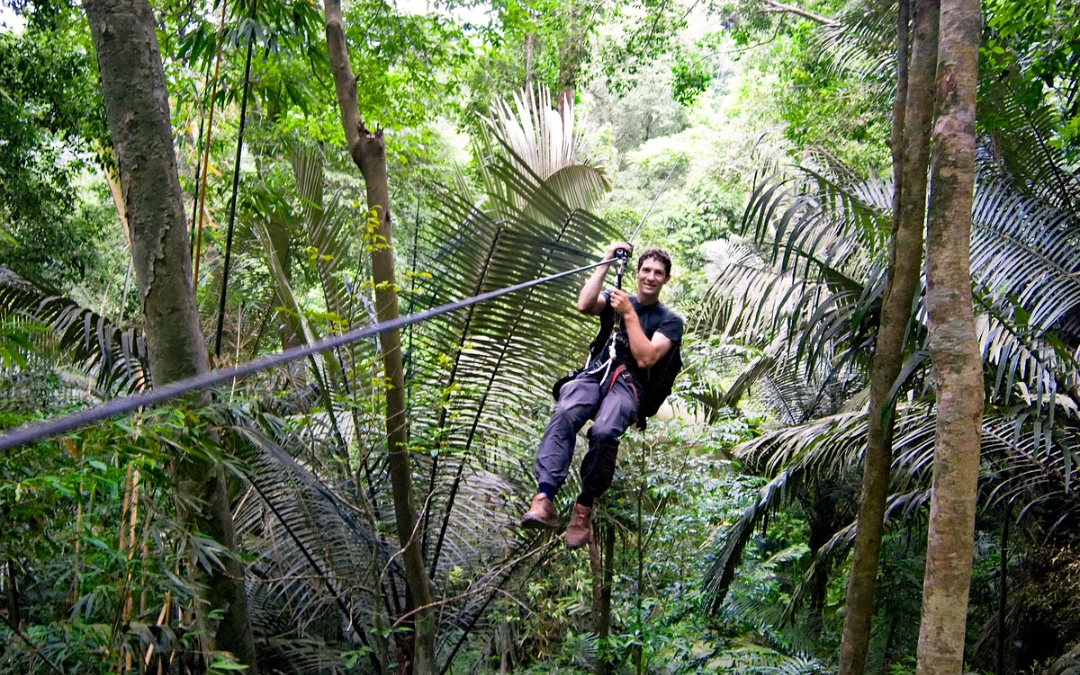
An eco-tourism adventure with treetop accommodations.
Places You Shouldn’t Miss
- Canopy Treehouses: Perched high in the forest (around 40m), these provide a unique base camp for exploring.
- Zip-Line Network: Zip across the jungle canopy and glide between treehouses to truly experience the forest from above.
- Nam Kan National Protected Area (formerly Bokeo Nature Reserve): The core forest area where black-crested gibbons live; the Gibbon Experience helps fund patrols against logging and poaching.
- Waterfall Treehouse (Waterfall Experience): This variant of the Gibbon Experience brings you deep in the forest, with trekking along the Nam Nga River and a refreshing swimming hole at the base of a waterfall.
- Village Circuit Around Bokeo: Explore nearby ethnic villages to understand local life, traditional livelihoods, and how conservation benefits the community.
Exceptional Experiences
- Live in the Trees: Spend 2 nights in a treetop cabin with panoramic forest views, waking to bird calls and jungle ambiance.
- Zip Through the Canopy: One of the longest and most eco-friendly zipline adventures, built to minimize impact while maximizing the sense of flying through the jungle.
- Trek Into Deep Forest: On the Waterfall Gibbon Experience, hike 2–3 hours per day to reach remote treehouses, crossing rivers and lush terrain.
- Conservation Learning: Meet forest rangers, learn about anti-poaching efforts, and understand how tourism directly funds protection efforts.
- Night in the Jungle: With nothing but treetop cabins and the sounds of the forest, this is a sublime way to disconnect and immerse yourself in nature.
Pro Tips for Experiencing Bokeo
- Book in Advance: The Gibbon Experience is very popular, and treehouse capacity is limited. Plan and confirm your spot months ahead.
- Pack Light but Smart: Bring long sleeves, mosquito repellent, a flashlight, and a refillable water bottle — essential for forest treks.
- Safety First: Guides are highly trained, and the zipline systems are regularly inspected. Trust their briefings and follow their safety instructions.
- Respect the Wildlife: Gibbon sightings aren’t guaranteed. The experience is more about hearing them, supporting conservation, and exploring their habitat.
- Limit Impact: Use the “do’s and don’ts” guidelines provided by the Experience to minimize your footprint on this fragile ecosystem.
Muang La: Quiet Mountain Life & Ethnic Culture
- Best For: Slow travelers, culture seekers, hikers, eco-conscious guests
- Top Highlights: Hot springs, Wat Pha Singkham, ethnic villages, rice-field treks
- Recommended Stay: 2–4 nights to fully appreciate the area and do multiple excursions
- Best Time to Visit: October–May (dry and temperate)
- Getting Around: Walk or cycle in town; guided treks to villages; 4×4 transfers to trailheads
For travelers looking to go off the beaten path, Muang La in northern Laos truly offers a rare blend of luxury, nature, and indigenous culture. Located in Oudomxay Province, about a five-hour drive from Luang Prabang, this peaceful village lies nestled among forested mountains, hot springs, and ethnic minority communities. It’s a place to slow down, rejuvenate, and connect with both people and nature.
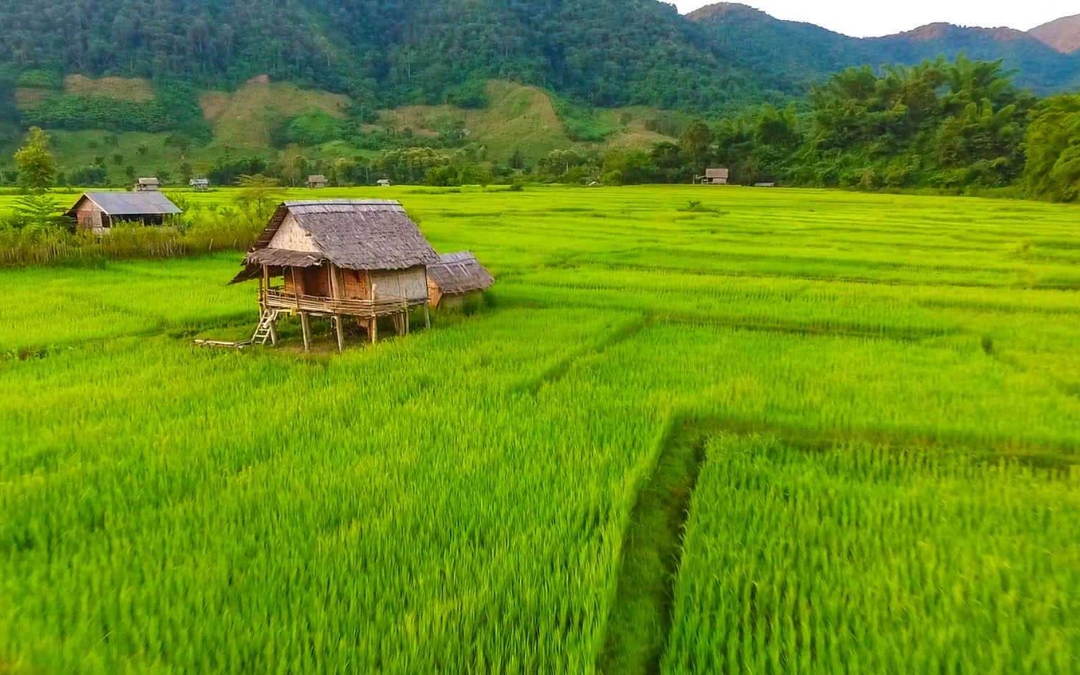
A remote, peaceful village perfect for trekking and cultural immersion.
Places You Shouldn’t Miss
- Hot Springs: Muang La is famous for natural hot springs set among rice paddies — a relaxing wellness highlight.
- Wat Pha Singkham: A hilltop temple that houses a revered 400-year-old Buddha statue.
- Ethnic Villages: Visit nearby Khmu, Akha, Tai Lue or Ikho hill-tribe communities to learn about their way of life.
- Rice-Field Walks: Stroll through lush paddies and cross bamboo bridges in the countryside around Muang La Lodge.
Exceptional Experiences
- Guided Treks: Choose from half-day to full-day hikes led by local guides, exploring remote villages, small temples, and forest trails.
- Baci Ceremony: Participate in a traditional Baci (soul-tying) ceremony in the village, often arranged by the lodge.
- Cultural Tours: Visit Phavi Village or Long Ya village with a guide to experience daily life, traditional handicrafts, and the wisdom of village elders.
- Wellness & Relaxation: Enjoy the hot springs, natural tubs, or river-side rest spots to unwind from trekking.
- Local Cuisine: Dine at Muang La Lodge’s restaurant, which features locally inspired Lao dishes made with fresh, regional ingredients.
Pro Tips for Experiencing Muang La Like a Local
- Stay Longer: A 3–4 night stay lets you balance relaxation with trekking.
- Dress for Respect: When visiting temples or villages, dress modestly (cover shoulders and knees).
- Prepare for Weather: If you visit during March–May, it can be hot. For October–March, be ready for cooler nights.
- Pack Smart: Good walking shoes, sun protection, refillable water bottle, and insect repellent are essential.
- Hire a Local Guide: Use local guides for treks – they know the trails, hill-tribe villages, and local stories.
Frequently Asked Questions (FAQs)
1. Do I need a visa to travel to Laos?
Yes — most travelers need a visa to enter Laos, but it’s relatively straightforward. For many nationalities, you can obtain a Visa on Arrival (VOA) for about USD 30–42 or apply for a 30-day eVisa online in advance.
For more information, here is what you need to know: Laos Travel Requirements Explained – Entry, Visas & Safety Tips.
2. What kind of climate should I expect in Laos?
Laos has a tropical monsoon climate, with distinct dry (November–April) and rainy (May–October) seasons. In northern highland areas, nights can be cooler — especially during the dry season.
3. Is there good public transportation within cities in Laos?
Yes — in cities like Luang Prabang and Vientiane, tuk-tuks, bicycles, and local buses are widely available. For rural or mountainous areas, guided transportation (or 4×4 vehicles) is often more reliable.
4. How do I get around between major destinations like Luang Prabang, Vang Vieng, and Vientiane?
You can travel by bus, minivan, private car, or domestic flights. Many towns are also very walkable, and bicycles are a common way to explore, especially in places like Luang Prabang.
5. What health & safety precautions should I take when traveling in Laos?
- Stay hydrated and use sun protection (hat, sunscreen), especially in hot months.
- Use bottled or purified water, and wash or peel fruits.
- Bring insect repellent if traveling to forested or rural regions, especially during the wet season.
6. What cultural etiquette should I follow when visiting temples and rural villages?
- Dress modestly (cover shoulders and knees) when entering temples.
- Always remove shoes before entering temple buildings.
- Ask permission before photographing people in villages, especially in ethnic minority areas.
Discover Where to Visit in Laos with Confidence
Laos is a destination that embraces travelers with its rich cultural soul, timeless landscapes, and sense of peace often lost in more commercialized parts of Asia. Whether you’re captivated by ancient temples in Luang Prabang, adventure in Vang Vieng, or serene village life in Si Phan Don, knowing where to visit in Laos can transform your journey from good to unforgettable.
To truly unlock the heart of Laos, travel with a partner who understands the land intimately. Asia Pioneer Travel offers expertly customized itineraries designed around your interests—be it culture, nature, cuisine, or adventure.
Explore confidently, travel meaningfully—start your Laos journey with us today.