

Planning a trip to the Land of Smiles starts with knowing what the skies will look like. Because climate patterns shift dramatically from the misty northern mountains of Chiang Mai to the twin southern coastlines of Phuket and Koh Samui, checking Thailand weather by month is essential for timing your adventure. Whether you are chasing dry beach days, vibrant cultural festivals, or lush green jungles with fewer crowds, this month-by-month breakdown helps you pick the ideal window for your itinerary.
Overview of Thailand’s Three Main Seasons
Thailand has a tropical monsoon climate shaped by the Northeast and Southwest monsoons, creating three main seasons. Understanding the weather patterns can help travellers choose the best destinations, activities, and travel dates.
Cool and Dry Season: November to February
- Weather: Clear skies, lower humidity of around 66%–70% in Bangkok, and comfortable daytime temperatures of 20°C–32°C. Northern areas such as Chiang Mai and Chiang Rai can drop to 12°C–16°C at night and in the early morning.
- Best for: Multi-destination trips combining Bangkok, Chiang Mai, and Phuket, with ideal conditions for sightseeing, markets, temples, and Andaman beaches.
- Travel tip: This is the international high season, so popular attractions can be busy. Booking accommodation, private transfers, and activities in advance helps ensure a smoother trip.

Hot Season: March to May
- Weather: Temperatures rise quickly, reaching around 35°C–40°C in Bangkok, Chiang Mai, and other inland areas, with increasing humidity.
- Best for: Experiencing Songkran from 13–15 April, or enjoying coastal resorts in Phuket, Krabi, and Koh Samui, where sea breezes offer some relief from the heat.
- Travel tip: Plan outdoor sightseeing for early mornings and use the hottest hours for indoor attractions, spa treatments, or relaxed dining. Private transfers also make travelling more comfortable.
Rainy Season: May to October
- Weather: The Southwest Monsoon brings humid conditions and regular rain, often in short 30–90-minute afternoon or evening showers. August is typically the wettest month in northern Thailand, while September is the peak rainfall period in Bangkok and along the Andaman Coast.
- Best for: Lush landscapes, waterfalls, rice fields, and quieter temples and attractions. From June to August, the Gulf Coast, including Koh Samui, Koh Phangan, and Koh Tao, generally offers better beach conditions than the Andaman Coast.
- Travel tip: Pack light, breathable clothing and a compact umbrella. Flexible itineraries make it easy to enjoy Thailand even when afternoon showers occur.
Best Time to Visit Thailand
The best time to visit Thailand is generally from November to February, when most of the country enjoys cooler temperatures, lower humidity, and clearer skies. However, Thailand’s weather varies significantly between regions, especially along the Andaman Coast and the Gulf of Thailand.
For package tour travellers, this means there is no single perfect month for every destination. By choosing the right season and coastline, you can enjoy comfortable sightseeing, smooth island trips, and beach holidays throughout much of the year.
From November to February, the Northeast Monsoon brings cooler and drier continental air across Thailand, creating some of the country’s most comfortable travel conditions.
Thailand’s two southern coastlines follow different rainfall patterns, making it possible to choose a suitable beach destination in different seasons.
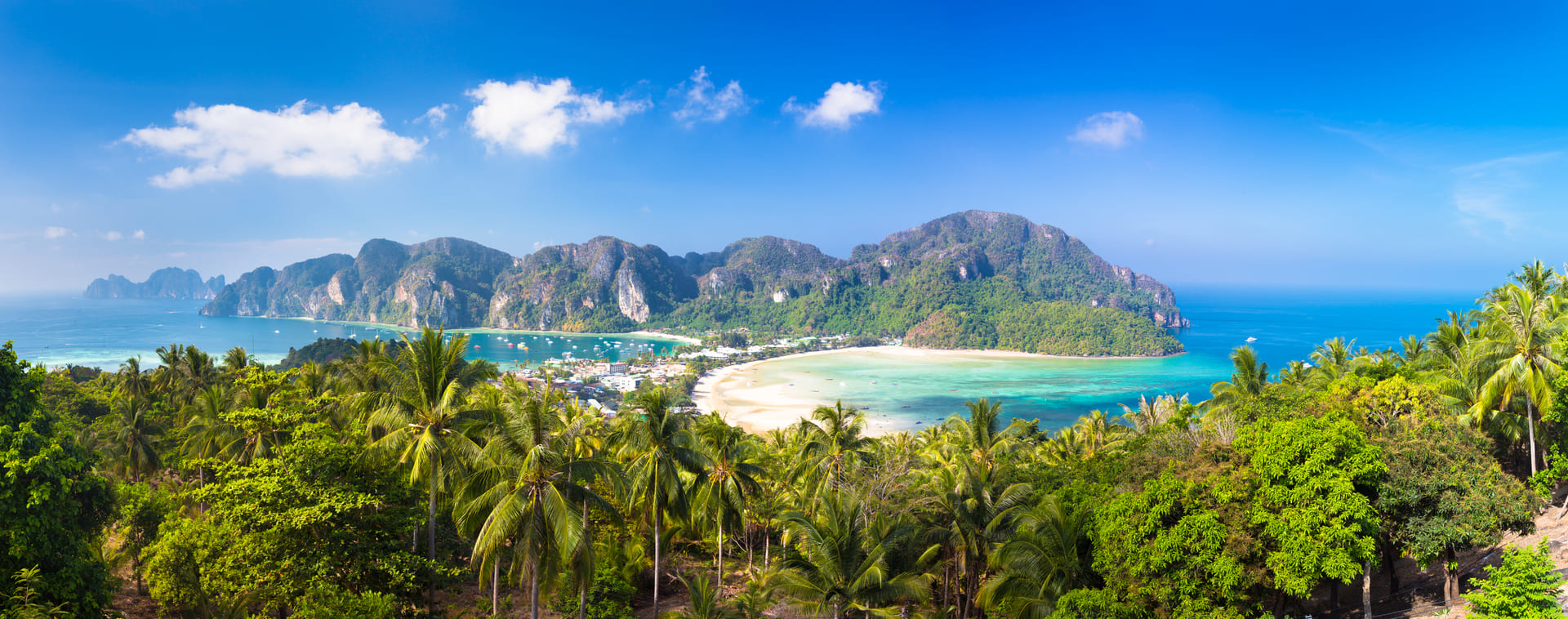
1. Andaman Coast: Phuket, Krabi, Koh Phi Phi and Phang Nga
- Best time: November to April.
- Weather: Dry, sunny conditions and calmer seas make this the preferred period for island hopping, cruises, and diving.
- Best experiences: Marine parks such as Similan and Surin generally open from around mid-October to mid-May, while private cruises around Phang Nga Bay and trips to Koh Phi Phi are especially popular during the dry season.
- Consideration: From May to October, the Southwest Monsoon brings heavier rain and rougher seas, which can affect boat-based activities.

2. Gulf of Thailand: Koh Samui, Koh Phangan and Koh Tao
- Best time: January to August.
- Weather: The eastern islands often experience better beach conditions during the summer months, when the Andaman Coast is wetter.
- Best experiences: June to August can be a good period for island resorts, diving, and beach holidays on Koh Samui, Koh Phangan, and Koh Tao.
- Rainiest period: Rain increases from October to early December, with November typically the wettest month. Koh Samui can receive up to 445 mm of rainfall in November.
Month-by-Month Thailand Weather Summary Table
| Month | Avg. Bangkok Temperature (°C) | Avg. Bangkok Rainfall (mm) | Typical Weather Nationwide | Ideal Destinations for Package Tours |
|---|---|---|---|---|
| January | 21.0–32.0 | 9–24 | Cool, dry, and sunny across most of the country | Bangkok, Chiang Mai, Phuket, Krabi, Koh Samui |
| February | 23.3–32.7 | 21–30 | Warm sunshine, low humidity, calm seas | Phuket, Krabi, Koh Samui, Hua Hin |
| March | 24.9–33.7 | 29–51 | Temperatures rising, marking the start of the hot season | Phuket, Krabi, Koh Samui, Koh Chang |
| April | 26.1–34.9 | 65–93 | Hottest month, with a lively festive atmosphere | Songkran in Bangkok, beach resorts |
| May | 25.6–34.0 | 217–220 | Seasonal transition with afternoon showers | Bangkok cultural tours, Chiang Mai, Koh Samui |
| June | 25.4–33.1 | 149–198 | Southwest Monsoon, lush and green landscapes | Koh Samui, Koh Phangan, Koh Tao |
| July | 25.0–32.7 | 155–190 | Scattered showers, rougher seas on the Andaman Coast | Gulf of Thailand, especially Koh Samui; resort stays |
| August | 24.9–32.5 | 197–227 | Peak rainy season in the North and Andaman region | Koh Samui, city tours, indoor shopping |
| September | 24.6–32.3 | 336–344 | Wettest period in Bangkok and along the Andaman Coast | Cruises, culinary experiences, luxury spa stays |
| October | 24.3–32.0 | 242–289 | Seasonal transition, with gradually cooler conditions | Chiang Mai, Bangkok, improving Andaman conditions late month |
| November | 23.1–31.6 | 45–48 | Drier weather returns with comfortable conditions | Chiang Mai for Yi Peng Festival, Bangkok, Phuket |
| December | 20.8–31.3 | 10–12 | Coolest and sunniest period of the year | Nationwide: Bangkok, Chiang Mai, Phuket, Krabi |
Detailed Thailand Weather by Month Breakdown for Travelers
The best months to visit Thailand are generally November to February, while each season offers different advantages. January and February are ideal for nationwide tours, March to May brings hot weather and major festivals, June to August is a good time to explore the greener side of Thailand and the Gulf Coast, and November marks the return of cooler, drier conditions.
January and February: Cool, Dry and Ideal for Nationwide Tours
The dry season brings clear skies, lower humidity of around 58%–70%, and daytime temperatures of 29°C–34°C. Northern areas can drop to 12°C–16°C at night. Rainfall is minimal, at just 9–30 mm in Bangkok and below 11 mm in Chiang Mai, while Andaman sea temperatures remain around 28°C–29°C.
- Best experiences: Ideal for multi-destination tours combining Bangkok, Chiang Mai, and Phuket, from temple visits and city walks to cruises and island trips around Similan, Surin, and Phang Nga Bay.
- Travel tip: This is peak international season, so booking accommodation, private transfers, and popular activities in advance is recommended.

March, April and May: Tropical Heat and Vibrant Festivals
Temperatures rise rapidly, with April typically the hottest month. Bangkok and Chiang Mai can reach average highs of 36°C–37°C, while some days exceed 38°C–40°C. Northern Thailand may also experience seasonal haze from March to April. Early rains arrive around mid-May.
- Best experiences: Experience Songkran from 13–15 April, or escape the inland heat at coastal resorts in Phuket, Krabi, and Koh Samui.
- Travel tip: Schedule outdoor activities between 07:30–10:00, then use the hottest part of the day for museums, indoor attractions, dining, or spa treatments.

June, July and August: Green Season and Gulf Coast Escapes
The Southwest Monsoon brings humid conditions and regular showers, but rain often arrives as 30–90-minute afternoon downpours followed by clearer, cooler weather. Northern landscapes and waterfalls are especially lush.
- Best experiences: Koh Samui, Koh Tao, and Koh Phangan are strong beach options, with around 100–134 mm of rainfall per month and generally calmer conditions than the Andaman Coast. Northern nature tours also benefit from the vibrant green scenery.
- Travel tip: The Andaman Coast can experience rough seas, while some marine parks may close seasonally. Flexible itineraries can shift beach activities to the Gulf Coast.
September, October and November: Seasonal Transitions and Local Festivals
September is typically the wettest month in Bangkok, receiving 336–344 mm, while Phuket can receive around 350 mm. Conditions gradually improve in October. By November, Bangkok’s rainfall falls to 45–48 mm, although Koh Samui enters its wettest period, with rainfall reaching 445 mm.
- Best experiences: November is particularly attractive for cultural travel, with Yi Peng and Loy Krathong celebrations. The Andaman Coast also begins its drier season, with Similan and Surin reopening for the new season.
- Travel tip: In September and October, focus on flexible cultural, culinary, museum, and wellness experiences. In November, favour Phuket and Krabi over Koh Samui for beach holidays.

December: Peak Comfort and Holiday Celebrations
December offers some of Thailand’s most comfortable conditions, with humidity around 66% in Bangkok, rainfall of just 10–12 mm in Bangkok and around 14 mm in Chiang Mai. Daytime temperatures reach 30°C–32°C, while mornings and evenings can fall to 17°C in northern Thailand and 21°C–23°C in Bangkok.
- Best experiences: Excellent for family holidays, Christmas and New Year celebrations, cultural sightseeing, northern trekking, and Andaman beach cruises.
- Travel tip: December is one of the busiest travel periods of the year, so advance booking is essential for hotels, flights, tours, and cruises.
Smart Package Tour Planning Tips Based on Weather Patterns
The key to a comfortable Thailand package tour is planning around the country’s seasonal weather patterns. A well-timed itinerary can reduce exposure to extreme heat and heavy rain while making the most of Thailand’s beaches, cultural sites, and outdoor experiences.
1. Plan Sightseeing Around the Weather
Temperatures and humidity are usually highest around midday, particularly from March to May, when Bangkok can reach 35°C–40°C. During the rainy season, from May to October, afternoon showers often occur between 14:00 and 18:00.
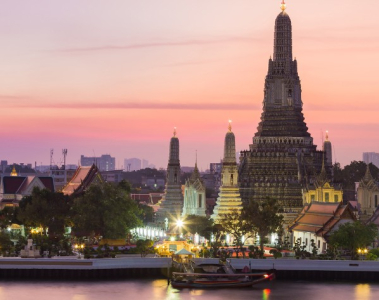
- Start early: Schedule outdoor attractions such as the Grand Palace, Wat Phra Kaew, and Wat Arun between 07:30 and 10:30, when temperatures are more comfortable and the light is ideal for photography.
- Take a midday break: Use the hottest hours for lunch, hotel relaxation, or air-conditioned activities before continuing sightseeing later in the day.

2. Make Afternoons Your Indoor Experience Time
When the afternoon heat or rain makes outdoor sightseeing less appealing, Thailand offers plenty of comfortable alternatives.
- Museums and art: Visit indoor attractions such as the Bangkok National Museum or Bangkok Art and Culture Centre (BACC).
- Spa and wellness: Schedule Thai massage, spa treatments, or wellness sessions between 14:00 and 16:30.
- Dining and city views: After an afternoon shower, enjoy a Michelin-starred dinner, rooftop drinks, or a sunset cruise along the Chao Phraya River.
3. Choose the Right Coast for the Season
Thailand’s two southern coastlines have different weather patterns, making it possible to plan beach holidays around the more favourable side.
- Andaman Coast: Phuket, Khao Lak – November to April: Calm seas, clear water, and generally dry weather make this the ideal period for beach holidays and island trips. The Similan and Surin Islands are typically open during this period and close from May to October for seasonal conditions and conservation.
- Gulf of Thailand: Koh Samui, Koh Phangan, Koh Tao – May to August: These islands generally offer sunnier, calmer conditions during the summer months when the Andaman Coast experiences wetter weather. This makes the Gulf Coast a strong choice for summer beach holidays.
- Note: The Gulf Coast’s wetter period runs from October to December, with Koh Samui receiving up to 445 mm of rainfall in November.

4. Prioritize Comfortable and Flexible Private Transfers
Private transportation makes a weather-conscious package tour much easier to manage.
- Private vehicles: Air-conditioned cars with professional drivers provide hotel-to-hotel transfers and flexible sightseeing schedules.
- Better comfort: Travellers can avoid waiting for taxis in heavy rain or spending long periods outdoors during Bangkok’s hottest hours.
- Safer island travel: Reputable boat and speedboat operators monitor weather conditions and follow guidance from the Thai Meteorological Department (TMD), helping keep island excursions comfortable and safe.
Frequently Asked Questions (FAQs)
1. When is the best time to visit Thailand?
November to February is generally the best time, with drier weather, clear skies, and Bangkok humidity around 66%–70%. It is ideal for combining Bangkok, Chiang Mai, and Phuket, with comfortable sightseeing and calmer Andaman Sea conditions.
2. How does Bangkok weather by month affect outdoor sightseeing plans?
Bangkok weather by month varies considerably. November to February is cooler and drier, while March to May is much hotter, with April reaching 34.9°C–36°C on average and occasional highs above 40°C. From June to October, afternoon showers become more common, with September receiving 336–344 mm of rainfall.
3. What is the best way to enjoy a tour during the hot season in April?
April is the hottest month but also brings Songkran from 13–15 April. Private air-conditioned transfers, early-morning sightseeing, and a beach stay in Phuket, Krabi, or Koh Samui can make the trip more comfortable.
4. Is traveling during the rainy season suitable for travelers seeking high comfort?
Yes. Rain usually comes as 30–90 minute afternoon or evening showers, while other parts of the day can remain sunny. Fewer crowds, greener landscapes, and good opportunities for spa, dining, and indoor experiences make this a comfortable option for flexible travellers.
5. How do regional monsoon differences influence beach tour choices in Thailand?
The Andaman Coast is generally best from November to April, while the Gulf of Thailand is often a better choice from May to August. Koh Samui, Koh Phangan, and Koh Tao can offer sunnier conditions during this period, while Koh Samui’s wettest month is November, with rainfall reaching 445 mm.
Plan Your Thailand Trip Around the Weather
Thailand’s weather varies throughout the year, but knowing when and where to go makes planning much easier. From the cool, dry months of November to February to sunny Gulf Coast escapes in summer, there is always a destination that fits the season. For a smoother experience, let Asia Pioneer Travel help you build a Thailand package tour around the best weather, destinations, and experiences for your travel dates.
Ready to plan your Thailand adventure? Contact us and start building your itinerary today.