Is It Safe to Travel in Laos? A Complete Guide for Every Traveler Type
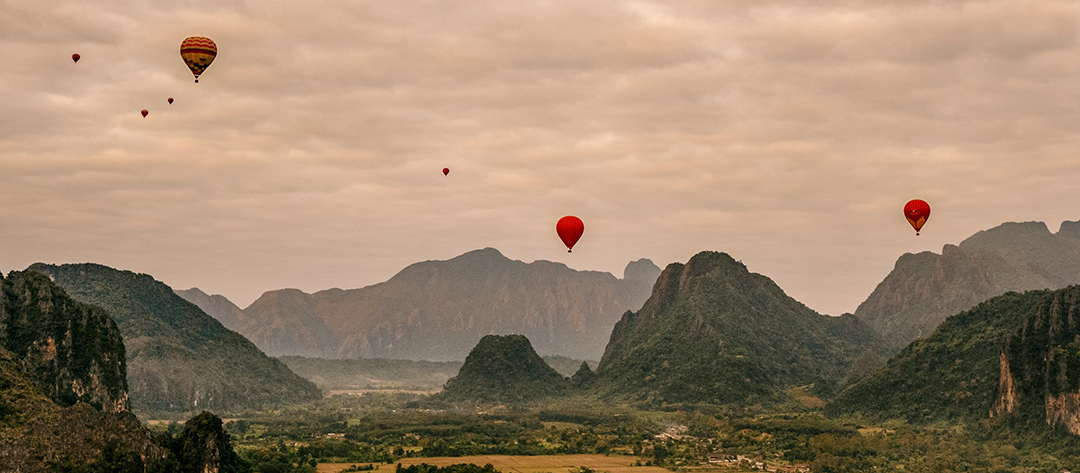
Laos, the “Land of a Million Elephants,” has long held a whisper of mystique for travelers. It’s a place where the rhythm of life is still dictated by the slow, meandering flow of the Mekong River, where the morning mist clings to jagged limestone mountains, and the air is filled with the scent of frangipani and the gentle chanting of monks. Unlike its more boisterous neighbors, Laos offers a quieter, more introspective journey. But for many planning a trip, this beautiful enigma comes with a crucial question that needs a clear answer: Is it safe to travel in Laos?
We’re here to pull back the curtain and provide you with a comprehensive and honest look at safety in Laos. Whether you’re a backpacker on a shoestring budget, a family seeking a gentle cultural immersion, or an adventure enthusiast ready to explore the wild, this guide will provide the real-world advice you need to travel with confidence and peace of mind.
The Big Question: Is Laos a Safe Country?
Let’s start with the direct answer you’re looking for: Yes, Laos is overwhelmingly a safe country for tourists.
Millions of people explore its wonders each year, and the vast majority of visits are completely trouble-free. Violent crime targeting foreigners is sporadic, a fact often attributed to the country’s deeply ingrained Buddhist culture, which emphasizes respect, calm, and non-violence. The Lao people are famously gentle, friendly, and welcoming, and you’re far more likely to be met with a warm smile than with any hostility.
However, a safe destination is not a risk-free one. Understanding the specific challenges of Laos is the key to navigating it smartly.
The primary concerns for travelers are not typically of a violent nature. Instead, they fall into a few key categories: opportunistic petty theft in urban centers, the very real danger of poor road safety on winding and poorly maintained routes, the historical legacy of unexploded ordnance (UXO) in specific rural regions, and the rare but serious risk of consuming tainted, locally brewed alcohol.
It’s equally important to recognize the significant progress Laos has made. This isn’t the wild frontier it once was decades ago. In major tourist hubs like Luang Prabang and Vientiane, a more visible police presence provides a sense of security. Vang Vieng, once infamous for its dangerous, unregulated party scene, has undergone a remarkable transformation into a hub for responsible adventure tourism, with stricter safety regulations for bars and tour operators.
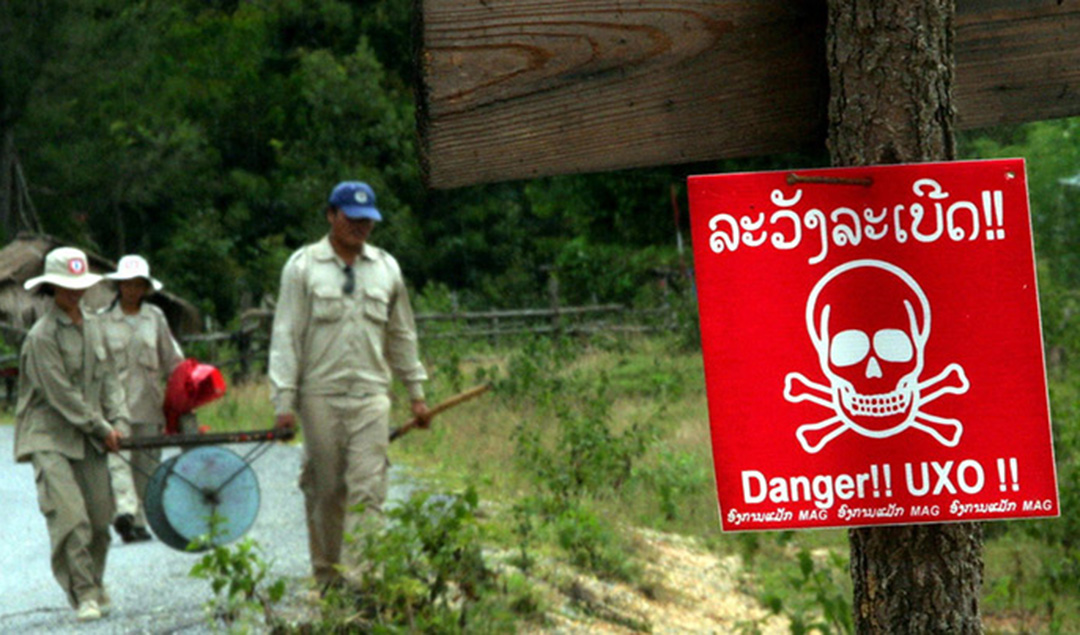
Perhaps most importantly, international organizations like the Mines Advisory Group (MAG) work tirelessly every day to clear UXO, reclaiming land for farming and making remote regions progressively safer for both locals and visitors.
Common Safety Concerns & How to Handle Them
Awareness and preparation are your two greatest assets. By understanding the common pitfalls, you can easily sidestep them and focus on the incredible experiences Laos has to offer.
Petty Crime & Common Scams
In the bustling night markets or crowded bus stations, your biggest concern is opportunistic theft. It’s rarely confrontational. More often, it’s a stealthy hand reaching into an unattended bag or a quick snatch-and-grab from a tuk-tuk. Motorbike theft is also a possibility, especially for newer models left unlocked.

Your best defense is to make yourself a less appealing target. Instead of carrying a backpack loosely on one shoulder, consider a crossbody bag worn on your front. Keep your phone and wallet out of your back pocket. When sitting at a street-side cafe, loop your bag strap around your leg or the chair. These small habits become second nature, significantly reducing your risk.
Beyond simple theft, be aware of a few common scams. The “motorbike damage” scam involves a rental owner accusing you of causing pre-existing scratches and demanding exorbitant fees, sometimes up to 500 USD. To prevent this, take detailed photos or a video of your rental bike from all angles before you drive away, pointing out any existing damage in the owner’s presence.
Similarly, be wary of overly friendly strangers who insist you join a “sure-win” card game—it’s a classic setup to fleece unsuspecting travelers. A polite but firm “no, thank you” is all you need.
Health, Hygiene, and Medical Safety
The medical infrastructure in Laos is still developing. Outside of Vientiane, clinics are basic, and hospitals are few and far between. This makes prevention your number one priority. Before your trip, consult a travel doctor about recommended vaccinations, such as Hepatitis A and Typhoid, and discuss malaria prophylaxis if you plan to visit remote rural areas.
Mosquito-borne illnesses, such as dengue fever, pose a significant risk, particularly during the wet season. Be diligent with insect repellent containing DEET, particularly at dawn and dusk when mosquitoes are most active.
When it comes to food and water, the golden rule is to stick to bottled or filtered water.

Embrace the fantastic street food scene by choosing vendors who are busy with a high turnover of local customers; this is the best indicator of freshness. Delicious, freshly cooked noodle soups and grilled meats are generally safe bets, while you might want to exercise more caution with raw salads or unpeeled fruit that could have been washed in tap water.
Even with precautions, an upset stomach can happen. So pack a basic medical kit with rehydration salts, anti-diarrhea medication, and antiseptic wipes.
Most importantly, do not travel to Laos without comprehensive travel insurance. A simple accident could require medical evacuation to a modern hospital in neighboring Thailand, a journey that can cost upwards of 15,000 USD without coverage. Your insurance is a safety net you hope you never need, but it’s absolutely non-negotiable.
Alcohol, Nightlife, and Responsible Partying
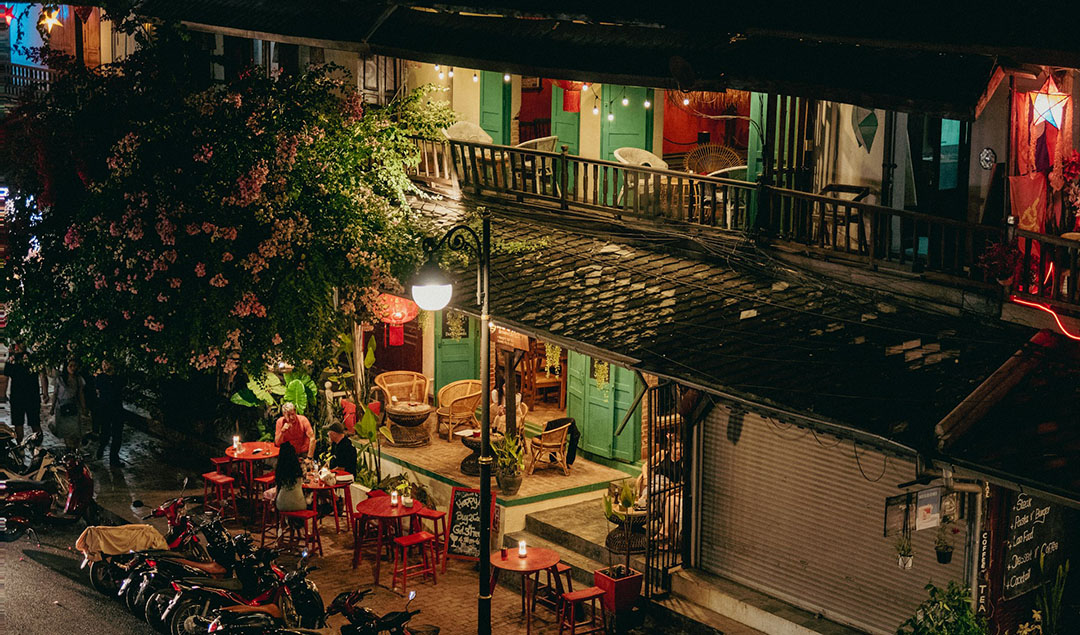
The nightlife in Laos is generally relaxed and centered around enjoying a cold Beerlao—the excellent national brew—while watching the sunset. Many bars close by 23:30 in accordance with local regulations.
However, there is one critical danger to be aware of: methanol poisoning. This has occurred in rare but tragic cases where travelers have consumed illegally home-brewed spirits, often sold as ‘lao-lao’ or offered as free shots in unmarked bottles. This bootleg alcohol can contain methanol, a toxic substance that can cause blindness or death.
The rule to protect yourself is simple and absolute: only drink spirits or cocktails from a sealed, branded bottle that you see opened in front of you. Stick to canned or bottled beer, or purchase your own liquor from a reputable shop. Politely refuse any mystery shots or drinks from communal jugs, no matter how tempting.
By following this one simple guideline, you eliminate the risk entirely and can safely enjoy the social atmosphere.
Road & Transport Safety
This is, without a doubt, the most significant day-to-day risk for travelers in Laos.
The country’s infrastructure is catching up, but many roads are narrow, poorly maintained, and snake through treacherous mountainous terrain with sheer drop-offs and no guardrails. Add unpredictable local driving habits, poorly lit roads at night, and livestock wandering onto the pavement, and you have a recipe for potential danger.
When traveling between cities, always opt for daytime journeys. A night bus might save you the cost of a hotel room, but the risk on a dark mountain pass is simply not worth it. Many overnight buses depart around 20:00, arriving at their destination in the early morning.
If you must travel this way, choose a reputable company. The new Laos-China high-speed train is a fantastic and incredibly safe game-changer for traveling the northern route between Vientiane, Vang Vieng, and Luang Prabang, with departures at convenient times like 08:00.
If you decide to rent a motorbike—a popular way to explore—be honest about your skill level. Wear a helmet, never drink and drive, and understand that your travel insurance may not cover you without a valid motorcycle license and International Driving Permit (IDP).
The Shadow of the Secret War: UXO Awareness
Laos bears the heavy burden of being the most heavily bombed country per capita in history. During the Vietnam War, hundreds of millions of cluster bombs were dropped on the country, and a terrifying number of them failed to detonate. This unexploded ordnance (UXO) remains a hidden danger in many rural areas of the country, particularly in eastern provinces such as Xieng Khouang (home to the Plain of Jars) and Houaphanh.
It’s crucial to put this risk in perspective. For tourists wondering is it safe to travel in Laos, it’s important to know that all major tourist towns, cities, and connecting highways are entirely clear and safe.
The danger exists when you venture off the beaten path into the countryside in affected provinces. The advice is unequivocal: always stay on well-trodden paths. Never wander into fields, forests, or village outskirts on your own.
When visiting places like the Plain of Jars, it is essential to go with a licensed local guide and to stay within the clearly marked safe zones that have been painstakingly cleared by organizations like MAG.
This isn’t just a recommendation; it’s a rule that ensures your safety and respects the ongoing risk that local communities live with every day.
>> Read More: Why Vietnam Is Named As The Safest Country in Asia?
A Safety Snapshot: City by City

Your experience of safety in Laos can vary depending on your location. Here’s a look at the main stops on the tourist trail.
- Vientiane
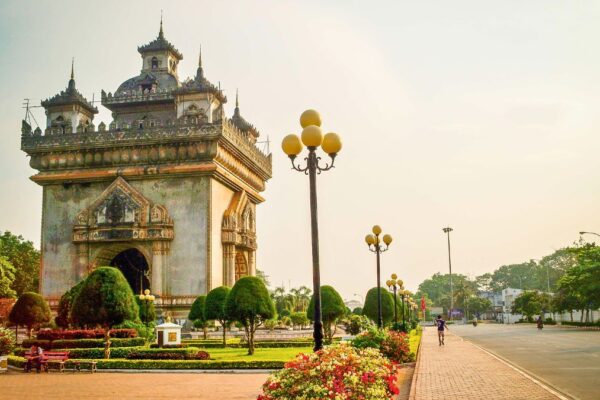
As far as capital cities go, Vientiane is one of the most tranquil and least intimidating in all of Asia. Life moves at a refreshingly slow pace. You can feel perfectly safe strolling along the Mekong riverfront at sunset, exploring serene temples like Wat Si Saket, or enjoying the city’s burgeoning cafe scene. The primary risks are the same as any city: be mindful of your belongings in the night market and look both ways multiple times before crossing the often-chaotic streets.
- Luang Prabang
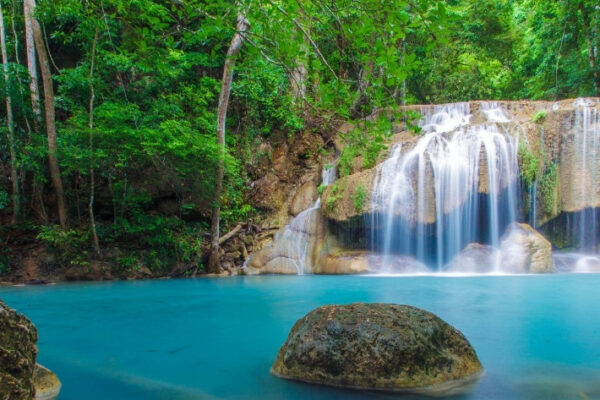
This UNESCO World Heritage gem is arguably the safest destination in Laos, making it an ideal choice for families and solo female travelers. The compact, walkable old town has a strong sense of community and security. You can wander its charming streets late into the evening without a worry. The main safety points here involve responsible tourism—observing the sacred morning alms-giving ceremony (Tak Bat), which starts before 06:00, from a respectful distance—and exercising normal caution at natural attractions like the beautiful Kuang Si Falls, where paths can be slippery.
- Vang Vieng
Vang Vieng has successfully shed its past reputation as a dangerous, hedonistic backpacker outpost. Today, it has rebranded as the eco-adventure capital of Laos. The town itself is safe, and the focus has shifted from riverside bars to organized activities like rock climbing, kayaking, and exploring caves. Safety here is now in your hands. Choose reputable tour operators with modern equipment and good reviews. The biggest danger is poor judgment—mixing alcohol with adventure sports is a universally bad idea. Respect the power of the Nam Song river and listen to your guides.
- Plain of Jars
Visiting this mysterious archaeological site is a highlight of any trip to Laos, but it’s the one major tourist attraction where the UXO risk is a direct consideration. The designated sites (Site 1, 2, and 3) have been declared safe. However, the vast, rolling fields surrounding them have not. Your safety hinges on following the rules: do not stray from the marked paths and red-and-white concrete markers that delineate the cleared areas. Exploring this region with an official guide is the only responsible way to experience its profound history.
- 4000 Islands (Si Phan Don)
This collection of tranquil islands in the far south of Laos is the epitome of peaceful. Crime is virtually non-existent. The safety concerns here are more natural and logistical. The Mekong’s currents can be deceptively strong, so exercise caution when swimming. The most significant factor is the region’s remoteness. Access to quality medical care is hours away, so it’s vital to bring a well-stocked first-aid kit, any necessary prescription medications, and robust travel insurance.
Timing Your Trip for Maximum Safety
When you choose to visit Laos, it can have a surprising impact on your safety, largely due to the weather. The country experiences two distinct seasons: the dry season from November to April and the wet (or green) season from May to October.
The wet season blankets the country in a stunning, lush green, but the daily downpours present challenges. Rural dirt roads can quickly become impassable rivers of mud, potentially stranding vehicles for hours. The risk of landslides increases, particularly in mountainous areas. The Mekong and its tributaries swell, making boat travel more unpredictable.
For the most straightforward and safest travel experience, the dry season, from November to April, is undoubtedly the best time to visit. The weather is consistently dry and sunny, temperatures are pleasant, and the country’s entire road network is in its most reliable condition. This is the perfect time for trekking, motorbiking, and exploring all corners of the country with minimal weather-related risks.
>> See tour: Laos Family Holiday
Ultimately, the answer to “Is it safe to travel in Laos?” is a resounding yes, provided you travel with awareness and respect. Laos is a remarkably safe and welcoming country where the primary risks—road safety, petty theft, and health issues—are easily managed with common sense and preparation.
By staying on marked trails in rural areas, being cautious with alcohol, and choosing reliable transportation, you clear the way for an incredible journey. For a seamless and secure adventure tailored to your style, let the local experts at Asia Travel Pioneer craft your perfect itinerary, ensuring you navigate the country with confidence. Travel smart, travel prepared, and you will discover one of Southeast Asia’s most enchanting and authentic destinations.


Tours You might like

Laos Family Holiday
 Best Seller
Laos Luxury Adventure