

Planning 10 days in Vietnam gives you enough time to experience the country’s biggest highlights without turning your holiday into a race from one destination to the next. From the energetic streets of Ho Chi Minh City and the waterways of the Mekong Delta to the lantern-lit lanes of Hoi An, imperial Hue, historic Hanoi, and the limestone landscapes of Ninh Binh and Lan Ha Bay, this route covers a lot without feeling rushed. Here’s how to make the most of 10 days, with smart transport and enough time to actually enjoy each stop.
Why 10 Days Is Ideal for Your Vietnam Trip
Vietnam stretches more than 1,600 km from north to south, so trying to see everything in one trip is a recipe for spending half your vacation in transit. For a first visit, 10 days in Vietnam gives you enough time to experience several sides of the country without turning your trip into a checklist.
See More Without Doing Too Much
With 10 days, you can build a route around a few key destinations rather than rushing through six or seven places. A well-paced itinerary might combine Ho Chi Minh City, the Mekong Delta, Hoi An, Hue, Hanoi, Ninh Binh, and Ha Long or Lan Ha Bay.
The trick is to give each place enough time to actually enjoy it. Two or three nights in a destination often feels much better than arriving in the afternoon, taking a few photos, and leaving the next morning.
Spend Less Time in Transit
Vietnam’s major cities are spread out, and overland journeys can take longer than they look on a map. Trying to squeeze in Sapa, Ha Giang, Phong Nha, and the major cities within 10 days can quickly leave you exhausted.
A smarter itinerary uses domestic flights and comfortable private transfers for longer distances, while keeping shorter journeys by road.
Leave Room for the Unexpected
The best trips aren’t always the ones with the most stops. Ten days gives you enough structure to see Vietnam’s highlights while leaving some breathing room for a slow coffee, a local meal, or an afternoon with nowhere you need to be.
When Is the Best Time to Visit Vietnam?
Vietnam doesn’t have one perfect travel season. The country stretches from north to south, and each region has its own weather patterns. For a 10-day trip covering several regions, March to April and October to November are generally among the most comfortable times to go.
March to April: The Best All-Around Window
Spring is one of the easiest times to travel across Vietnam. Northern destinations such as Hanoi and Ninh Binh are generally mild, while central Vietnam is entering a sunnier period. Down south, the dry season means plenty of sunshine for exploring Ho Chi Minh City and the Mekong Delta.
It’s a particularly good window if you want a mix of city walks, cultural sites, boat trips, and outdoor activities without dealing with extreme heat or heavy rain.
October to November: Great for the North and South
Autumn brings cooler, more pleasant weather to northern Vietnam, making Hanoi and Ninh Binh especially enjoyable. Southern Vietnam is also moving toward its drier season.
The catch is central Vietnam. Hoi An and Hue can experience heavy rain and storms during this period, so you’ll need a more flexible itinerary.
What About the Rest of the Year?
You can visit Vietnam year-round. The key is choosing your route around the weather rather than expecting the whole country to have the same conditions. Pack light layers, bring rain protection, and leave some flexibility in your schedule. A little weather rarely ruins a Vietnam trip, and sometimes it makes the experience more memorable.
> Read more: Best Time To Visit Vietnam
South to North vs North to South: Why Starting in the South Works So Well
For a 10-day Vietnam trip, South to North works particularly well if you want your itinerary to gradually slow down rather than get more hectic toward the end.
Start with Energy in the South
Begin in Ho Chi Minh City, where busy streets, buzzing markets, and excellent food give you an easy introduction to Vietnam. From here, continue to the Mekong Delta before heading north.
Slow Down in Central Vietnam
As you reach Hoi An and Hue, the pace naturally becomes slower. Spend time wandering Hoi An’s old streets, exploring its countryside, or visiting Hue’s imperial sites. This middle section gives you a chance to trade the energy of the south for history, culture, and a more relaxed rhythm.
End with Vietnam’s Scenic Highlights
Finishing in northern Vietnam gives the trip a satisfying finale. Hanoi offers a completely different atmosphere, while Ninh Binh and Lan Ha Bay bring you into quieter landscapes of limestone mountains, rivers, and islands.
It Also Makes the Journey Easier
The route can be planned around short domestic flights and private transfers, so you’re not constantly spending entire days on the road. Ending around Hanoi also makes practical sense if your international flight departs from Noi Bai Airport.
That said, North to South works just as well. The best direction ultimately depends on your flights, weather, and personal preferences. The important thing is to avoid zigzagging across the country.
The Tailored 10-Day Vietnam Itinerary: South to North Journey
Day 1: Arrival in Ho Chi Minh City
- Arrive at Tan Son Nhat International Airport, where your private driver and guide will meet you and transfer you to your hotel in central District 1.
- Take the afternoon to rest and adjust to the time zone after your international flight.
- In the late afternoon, take an easy walk along Nguyen Hue Walking Street before enjoying your first Vietnamese dinner.
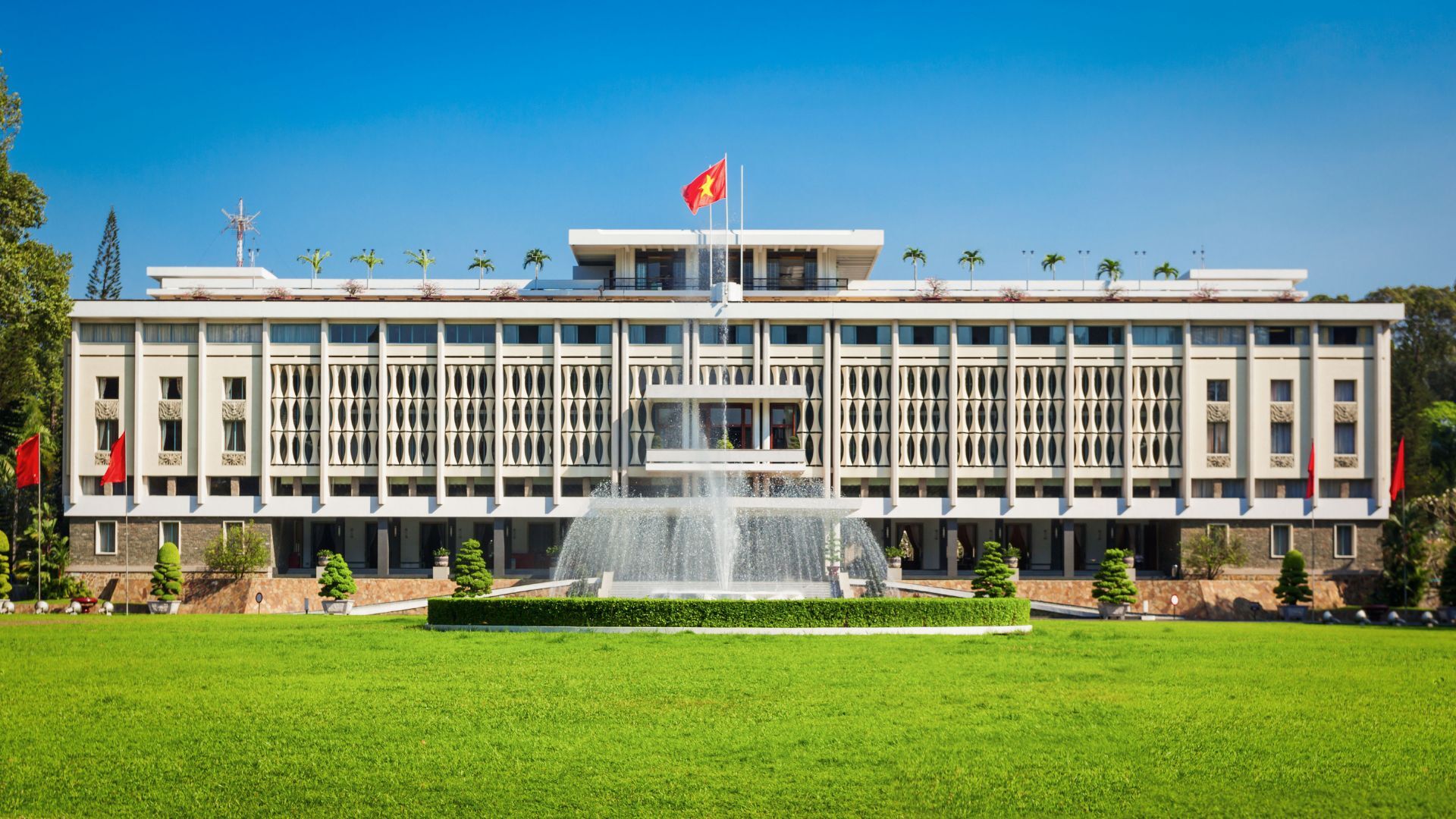
Day 2: Cu Chi Tunnels by Speedboat and City Heritage
- Take a morning speedboat along the Saigon River to the Cu Chi Tunnels, enjoying a more scenic and relaxed alternative to traveling by road.
- Return to the city for an afternoon visit to the Independence Palace, Notre Dame Cathedral of Saigon, and the Central Post Office.
- In the evening, enjoy a drink and a cultural performance at the Saigon Opera House.
Day 3: Ho Chi Minh City to Can Tho and the Mekong Delta
- Leave Ho Chi Minh City by private car and travel into the Mekong Delta, arriving in Can Tho and checking into a riverside ecolodge.
- Spend the afternoon cycling through quiet village roads, fruit orchards, and rural communities.
- Enjoy a relaxed dinner featuring local Mekong Delta specialties before settling in for the night.
Day 4: Cai Rang Floating Market and Flight to Hoi An
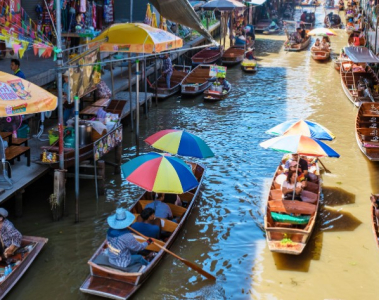
- Start early with a boat trip to Cai Rang Floating Market, when the market is at its liveliest and boats fill the waterways with local produce and breakfast stalls.
- Return to the hotel, collect your luggage, and transfer to Can Tho Airport for a flight to Da Nang.
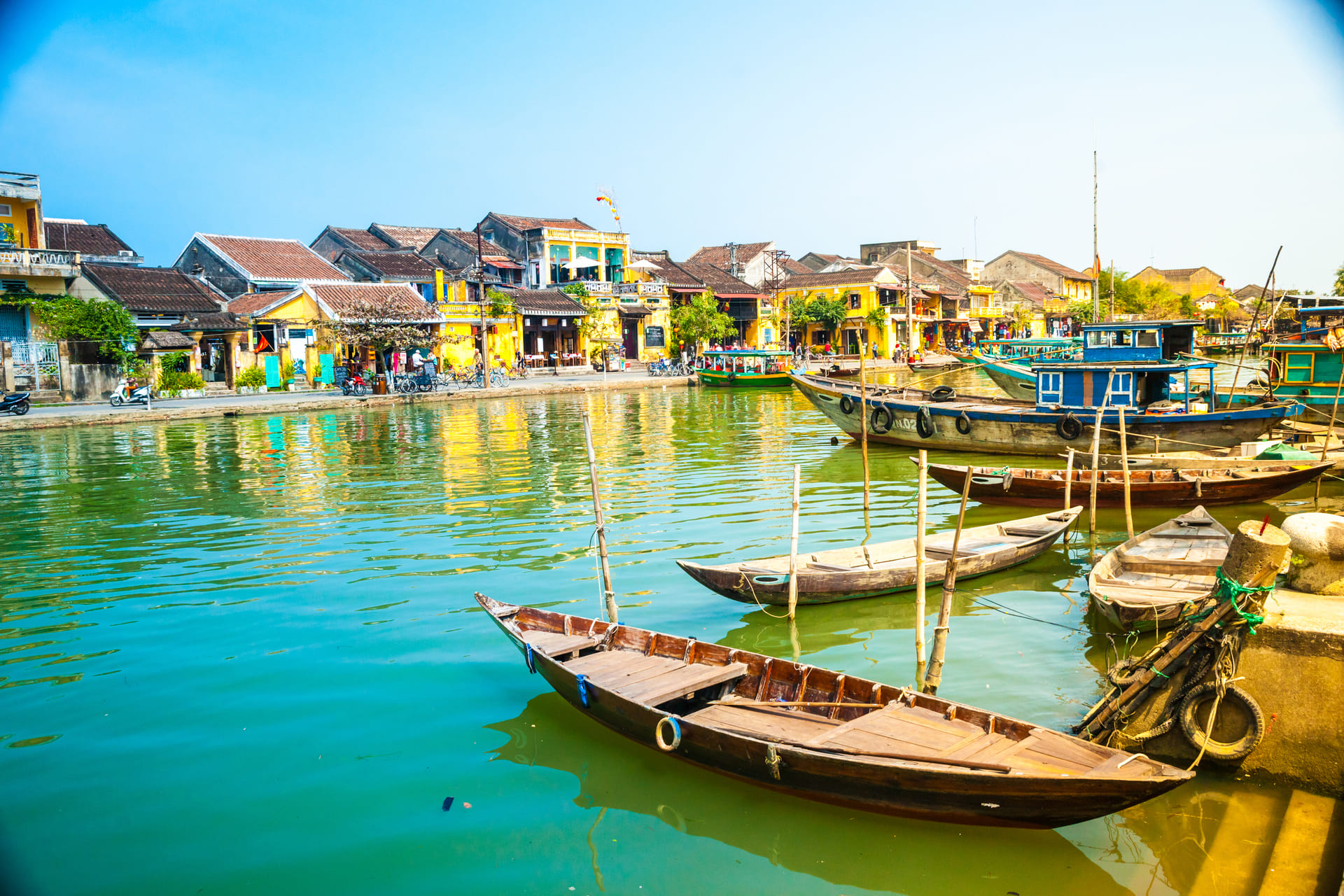
- Meet your private transfer in Da Nang and continue to Hoi An, where you’ll have the evening free to explore the lantern-lit streets along the Thu Bon River.
Day 5: Rural Cam Kim Island and Hoi An Ancient Town
- Explore Cam Kim Island in the morning, visiting local craft workshops and learning about traditional rice-paper making and rural life.
- Enjoy a leisurely lunch surrounded by rice fields before returning to Hoi An.
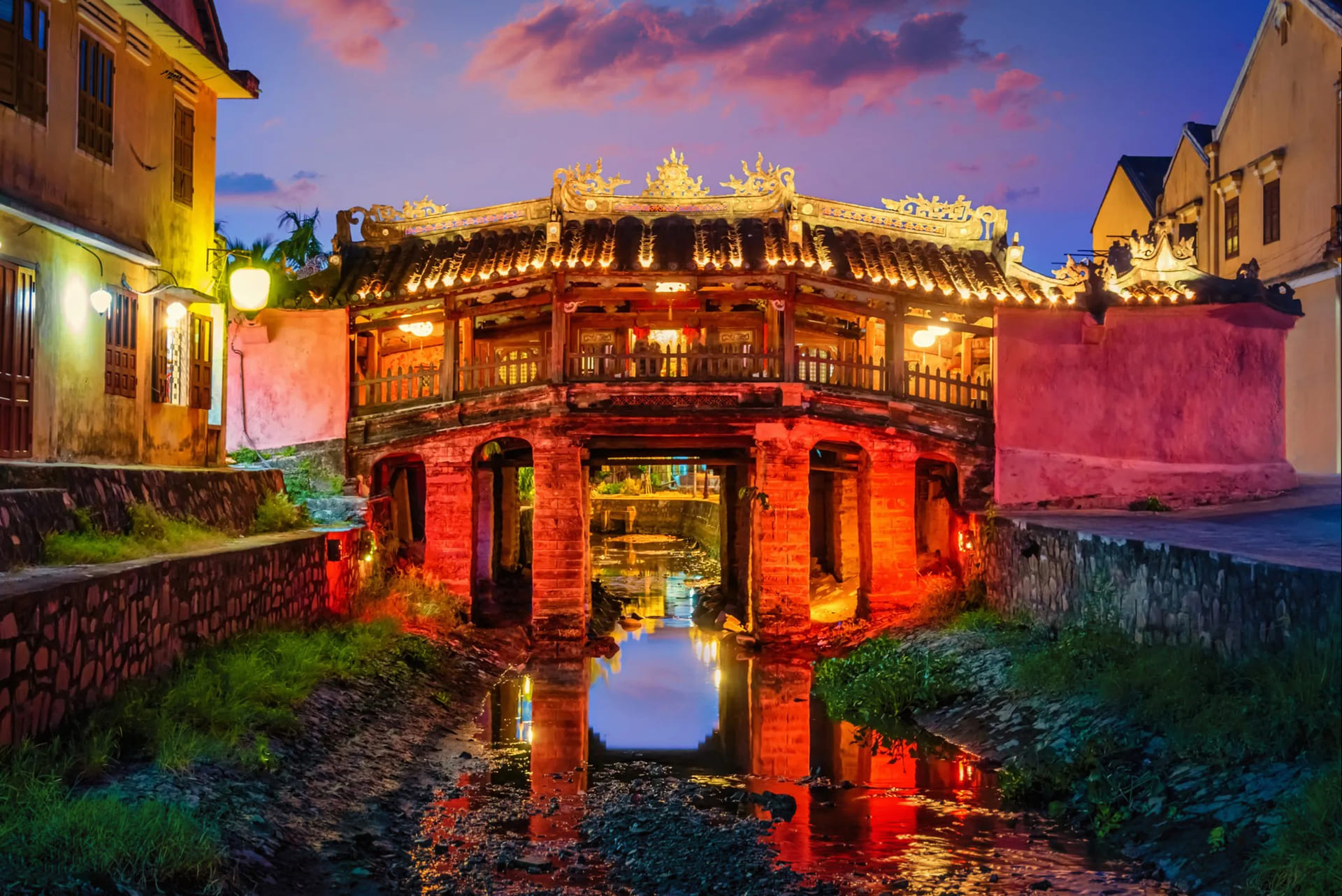
- Spend the afternoon walking through the Old Town, with stops at the Japanese Covered Bridge, Tan Ky Old House, Fujian Assembly Hall, and Quan Cong Temple.
- Leave some free time for tailor-made clothing, coffee, or simply wandering Hoi An’s atmospheric streets.
Day 6: Scenic Hai Van Pass Drive to Hue Imperial City
- Travel from Hoi An to Hue by private car via Hai Van Pass, stopping along the way for views over Lang Co Bay and the central coast.
- After checking into your hotel and taking a short break, explore the Imperial City and visit Thien Mu Pagoda overlooking the Perfume River.
- Spend the evening sampling Hue’s distinctive cuisine, from local savory cakes to dishes inspired by the city’s royal culinary traditions.
Day 7: Royal Hue Heritage and Flight to Hanoi
- Visit either Khai Dinh Tomb or Tu Duc Tomb, then continue to Thanh Toan Village to see its historic tiled-roof bridge and experience a quieter side of Hue.
- Transfer to Phu Bai Airport for an afternoon flight to Hanoi.
- After checking into your Old Quarter hotel, explore Hanoi’s lively streets and sample local favorites such as bun cha, banh mi, and egg coffee.
Day 8: Hanoi Highlights and Ninh Binh Countryside Excursion
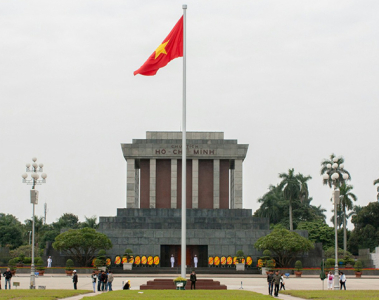
- Start the morning with Hanoi’s major landmarks around Ba Dinh Square, including the Ho Chi Minh Mausoleum, Stilt House, and One Pillar Pagoda.
- Travel by private car to Ninh Binh and visit Hoa Lu, the former capital of Dai Co Viet, with its temples dedicated to Kings Dinh Tien Hoang and Le Dai Hanh.
- Continue to Trang An for a boat trip through limestone karsts, caves, and waterways before returning to Hanoi in the late afternoon.
Day 9: Hanoi to Lan Ha Bay Overnight Cruise
- Leave Hanoi in the morning by private transfer and board your overnight cruise to Lan Ha Bay.
- Spend the afternoon cruising among limestone islands, with time for kayaking around Tra Bau, swimming, or relaxing in the onboard jacuzzi.
- Join a Vietnamese cooking demonstration before enjoying sunset drinks and a seafood dinner on board.
- Spend the night in your private cabin surrounded by the quiet waters of the bay.
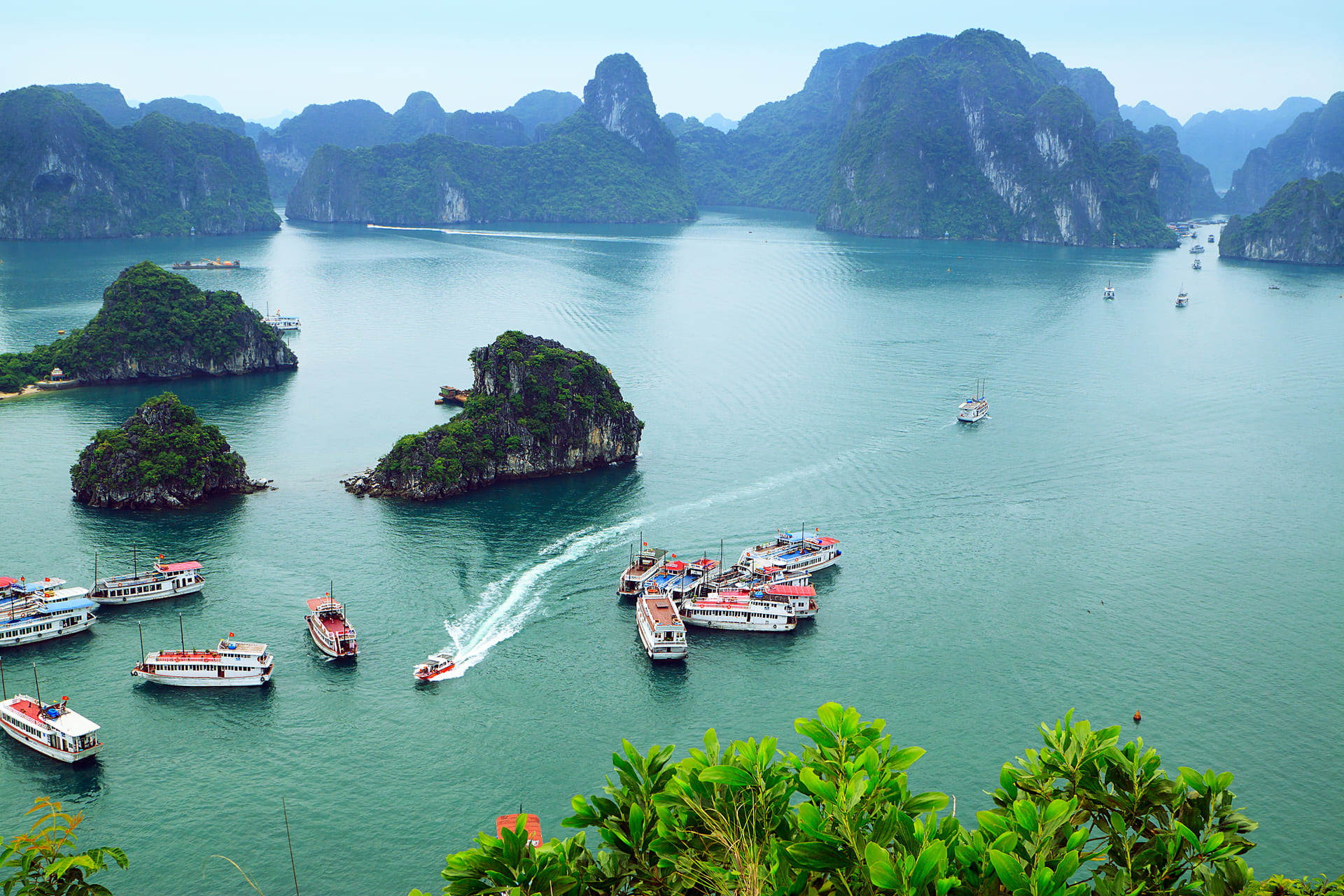
Day 10: Sunrise on the Bay, Return to Hanoi and Departure
- Start the final morning with Tai Chi on deck, followed by breakfast as the cruise slowly makes its way back toward the harbor.
- Disembark around 10:30 – 11:00 AM and meet your private driver for the transfer to Noi Bai International Airport.
- Arrive at the airport with enough time to check in for your international flight home, bringing your 10-day South to North Vietnam journey to an end.
Transportation and Logistics: How to Plan 10 Days in Vietnam Comfortably
For a 10-day trip from south to north, the easiest approach is to combine domestic flights, private cars, and boat trips. This keeps long-distance travel manageable without turning your vacation into a series of exhausting journeys.
Use Domestic Flights for Long Distances
Flying is the most practical way to connect the major regions. For this itinerary, the Can Tho – Da Nang and Hue – Hanoi flights save significant time compared with traveling by train or bus.
Choose Private Transfers for Shorter Journeys
For journeys of a few hours, a private car gives you much more flexibility. You can travel at your own pace, stop for photos or coffee, and avoid dealing with crowded buses or luggage.
The most useful routes include Ho Chi Minh City – Can Tho, Hoi An – Hue, Hanoi – Ninh Binh, and Hanoi – Lan Ha Bay.
Make the Journey Part of the Experience
Not every transfer needs to feel like transportation. Take a speedboat to the Cu Chi Tunnels, a traditional boat to Cai Rang Floating Market, a rowboat through Trang An, and an overnight cruise around Lan Ha Bay. These journeys let you experience Vietnam from its rivers and coastline rather than simply passing through them.
Important Travel Requirements and Practical Entry Advice
Before flying to Vietnam, check the entry rules that apply to your passport. Requirements can vary by nationality and may change, so use the official immigration portal for the latest information.
Visa and Passport Requirements
Citizens of eligible countries can enter Vietnam visa-free for stays of up to 45 days, while travelers who need a visa can apply for an e-visa valid for up to 90 days.
Your passport should have sufficient validity and blank pages, and your visa details must match your passport exactly.
Apply Before You Fly
If you need an e-visa, apply through Vietnam’s official immigration website before your trip. Don’t leave it until the last minute, giving yourself extra time allows you to deal with any application issues before departure.
Bring Some Vietnamese Dong
Cards are widely accepted at hotels, upscale restaurants, and many tourist businesses, but cash remains useful for markets, small cafés, local vendors, and tips. Having some Vietnamese dong (VND) on hand makes everyday spending much easier.
Frequently Asked Questions About Planning 10 Days in Vietnam
1. Is 10 days enough to experience both North and South Vietnam?
Yes. 10 days is enough for a well-planned first trip, especially if you focus on the main highlights rather than trying to see every region. A South-to-North route can combine Ho Chi Minh City, the Mekong Delta, Hoi An, Hue, Hanoi, Ninh Binh, and Lan Ha Bay. Vietnam Tourism also lists a 10-day itinerary covering the country's major highlights. Vietnam Tourism
2. Why choose a private package tour over planning the trip yourself?
A private package tour takes care of the logistics between destinations, hotels, transfers, guides, and activities. This is particularly useful on a 10-day itinerary, when one delayed transfer or poorly timed connection can affect the rest of your trip. You still have flexibility, but without having to organize every detail yourself.
3. What is the fastest and most comfortable way to travel between regions?
For long distances, domestic flights are usually the most practical choice. Vietnam Tourism notes that flying is the most convenient option for travelers with limited time, while some train journeys between major regions can take many hours. Vietnam Tourism For shorter routes, a private car offers more flexibility and comfort.
4. How do the latest visa regulations work for international travelers?
Vietnam currently offers 45-day visa-free entry to citizens of 25 countries, while e-visas are available to citizens of all countries and territories for stays of up to 90 days. Passport requirements and eligibility vary, so check the latest official information before traveling.
5. What should you pack for a multi-region trip from South to North?
Pack light and bring layers. Southern Vietnam can be hot and humid, while northern destinations can be considerably cooler depending on the season. Comfortable walking shoes, lightweight clothing, a light jacket, rain protection, sunscreen, and a small daypack should cover most of the itinerary.
Ready to Plan Your 10-Day Vietnam Journey?
A great 10-day trip isn’t about squeezing in every destination. It’s about choosing the right route, allowing enough time to enjoy each place, and making the long-distance travel as easy as possible. Start in the south, travel north at a comfortable pace, and let Vietnam unfold one region at a time.
Still wondering how to plan 10 days in Vietnam? Let Asia Pioneer Travel design your Vietnam trip with thoughtful planning, private experiences, and seamless logistics from south to north.