

Vietnam offers American travelers an extraordinary combination of cultural heritage, dramatic landscapes, regional cuisine, and experiences that extend far beyond conventional sightseeing. Yet with more than 8,000 miles separating much of the United States from Vietnam, thoughtful planning is essential.
For those planning to travel to Vietnam from USA, the key considerations include entry requirements, long-haul flights, seasonal weather, and how much of the country to explore within a limited vacation. Choosing the right route can make the difference between a rushed itinerary and a journey that feels genuinely rewarding.
1. Essential Travel Requirements for US Citizens
American passport holders can visit Vietnam for tourism, provided they meet the country’s entry requirements. The process is relatively straightforward, but travelers should arrange their documents well before departure.
Passport and Visa Requirements
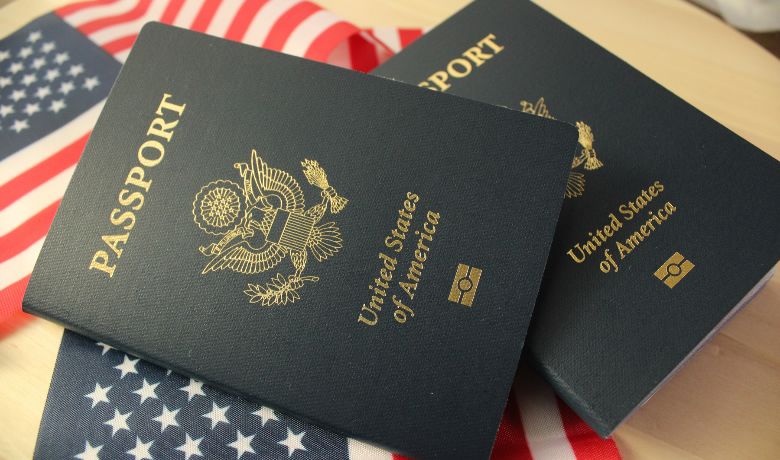
US citizens generally need a valid passport and an appropriate visa to enter mainland Vietnam. Your passport should have at least six months of validity beyond your intended arrival date and sufficient blank pages for immigration procedures.For most leisure travelers, Vietnam’s electronic visa is the most convenient option. The e-visa can be issued for up to 90 days, with single-entry and multiple-entry options available.
Applications are submitted through the official Vietnam e-visa portal, where travelers provide passport information, upload the required documents, and pay the government fee. The standard fees are US$25 for a single-entry e-visa and US$50 for a multiple-entry e-visa. Processing typically takes several working days, although delays can occur during busy periods or public holidays. Travelers should apply well in advance and carefully review the information on their approved visa. Even small discrepancies in passport details may cause difficulties during check-in or immigration.
Those combining Vietnam with neighboring countries should pay particular attention to the number of permitted entries. A multiple-entry visa may be necessary if the itinerary involves leaving Vietnam and returning later.
Foreign passport holders can already visit Phu Quoc visa-free for up to 30 days if they stay on the island and arrive directly from abroad or connect through the international transit area of a Vietnamese airport.
Before departure, consult the latest guidance from the US Department of State, including any applicable pre-arrival declaration requirements.
Pre-Arrival Declaration
In addition to obtaining the appropriate visa, travelers entering Vietnam by air should prepare their pre-arrival information declaration.
The system allows visitors to submit their passport, visa, flight, and accommodation details through the official Vietnam Pre-Arrival Information Portal within 72 hours before arrival.
Once submitted, travelers receive a QR code that should be saved or printed for immigration procedures.
As implementation requirements may change across airports, check the latest official guidance shortly before departure.
2. Flights and Arrival Airports
Traveling from the United States to Vietnam requires careful flight planning, particularly for visitors departing from the East Coast. With a journey that can take more than 20 hours, choosing convenient connections and the right arrival airport can make a significant difference to the overall travel experience.
Direct and Connecting Flights
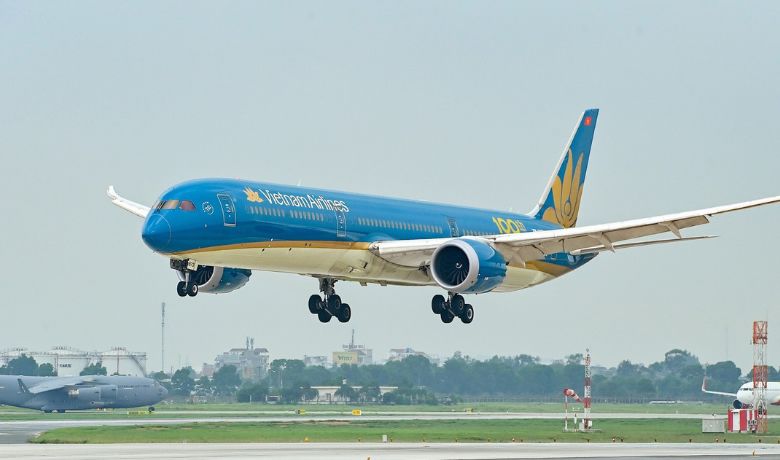
Vietnam Airlines operates nonstop flights between San Francisco International Airport (SFO) and Ho Chi Minh City’s Tan Son Nhat International Airport (SGN), with a flight time of approximately 15–16 hours.
Travelers departing from other major US cities, including Los Angeles, New York, Chicago, and Dallas, typically connect through Asian hubs such as Tokyo, Seoul, Taipei, or Singapore.
When comparing flights, consider the total journey time, connection duration, and arrival schedule rather than focusing solely on airfare. A well-timed connection can make a long-haul journey considerably more comfortable.
Choosing the Most Convenient Arrival Airport
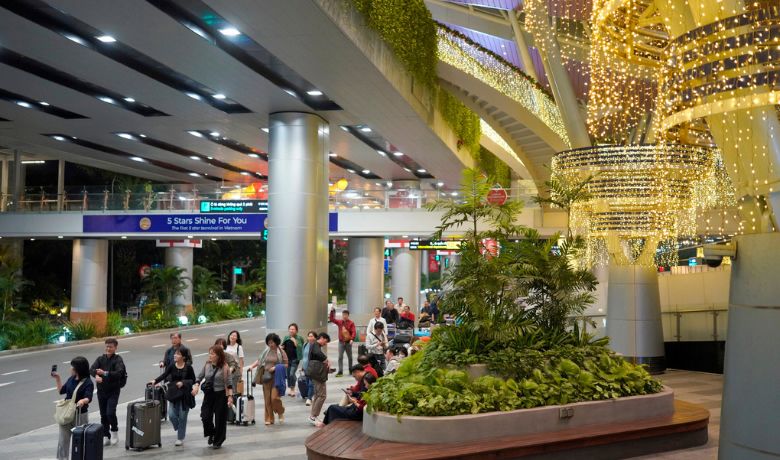
Vietnam’s major international airports serve different regions, so choosing the right arrival point can help reduce travel time and make your itinerary more efficient.
- Hanoi – Noi Bai International Airport (HAN): The most convenient gateway to Northern Vietnam, including Hanoi, Ninh Binh, Ha Long Bay, and Sapa. It is an ideal starting point for travelers interested in cultural heritage, scenic landscapes, and traditional villages.
- Da Nang International Airport (DAD): A practical entry point for Central Vietnam, providing easy access to Hoi An, Hue, and Da Nang’s coastal resorts. This option works particularly well for travelers seeking a combination of historical sightseeing, cultural experiences, and beach relaxation.
- Ho Chi Minh City – Tan Son Nhat International Airport (SGN): The main gateway to Southern Vietnam, offering convenient connections to Ho Chi Minh City, the Mekong Delta, and onward destinations such as Phu Quoc Island. It is especially suitable for travelers interested in urban exploration, local cuisine, and riverside experiences.
For travelers planning to explore Vietnam from north to south, an open-jaw flight arrangement is often the most practical choice. Arriving in Hanoi and departing from Ho Chi Minh City, or vice versa, eliminates unnecessary backtracking and allows more time to enjoy each destination.
If your vacation focuses on a single region, choosing the nearest international airport can simplify transfers and help you make better use of your time in Vietnam.
3. The Best Time to Travel to Vietnam From USA
Vietnam’s geography creates considerable variation in weather between its northern mountains, central coastline, and southern lowlands.
Rather than looking for one universally perfect month, travelers should consider the climate of each region and the experiences they hope to enjoy.
Northern Vietnam
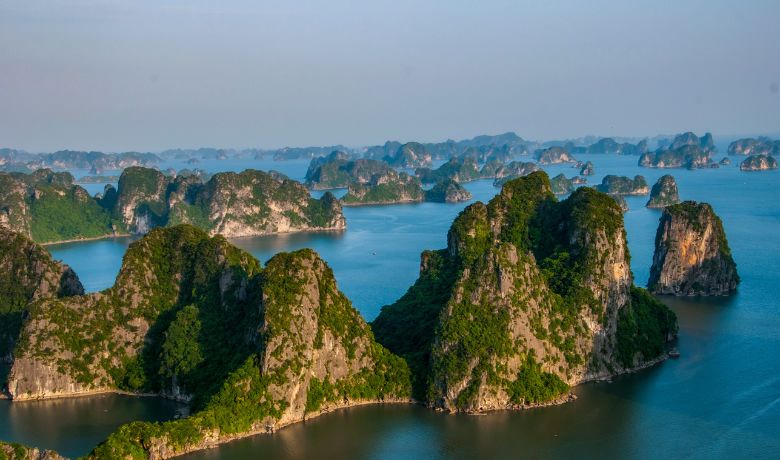
Northern Vietnam experiences more noticeable seasonal changes than the rest of the country.
Spring, particularly March and April, brings gradually warmer temperatures to Hanoi and surrounding destinations, although mist and light rain are possible.
Autumn, especially October and November, is another appealing period for exploring Hanoi, Ninh Binh, and the northern countryside.
Winter can be surprisingly cool, particularly in mountainous destinations such as Sapa and Ha Giang.
For travelers interested in trekking or outdoor experiences, weather conditions and visibility deserve particular attention.
Central Vietnam
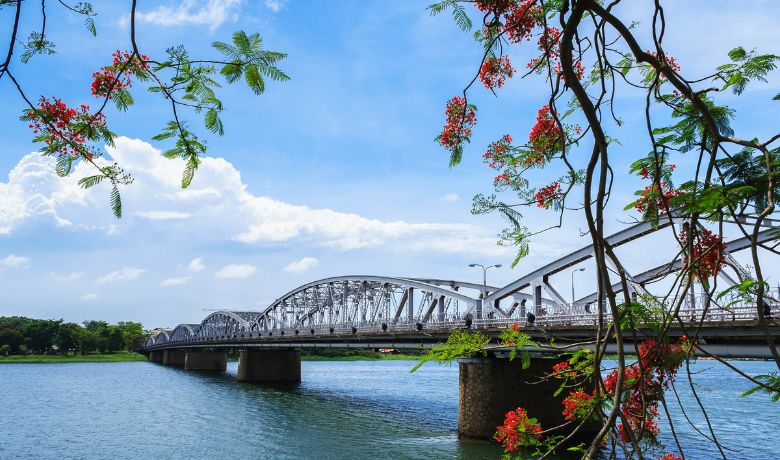
Central Vietnam is home to Hue, Hoi An, and Da Nang, making it especially attractive for travelers seeking a combination of cultural discovery and relaxation.
February through April generally offers favorable sightseeing conditions, while the warmer months can be appealing for beach vacations.
However, the region experiences a higher risk of heavy rain, flooding, and tropical storms during parts of autumn.
Travelers planning a coastal stay should therefore consider the seasonal conditions rather than assuming Vietnam’s beaches share the same weather throughout the year.
Southern Vietnam
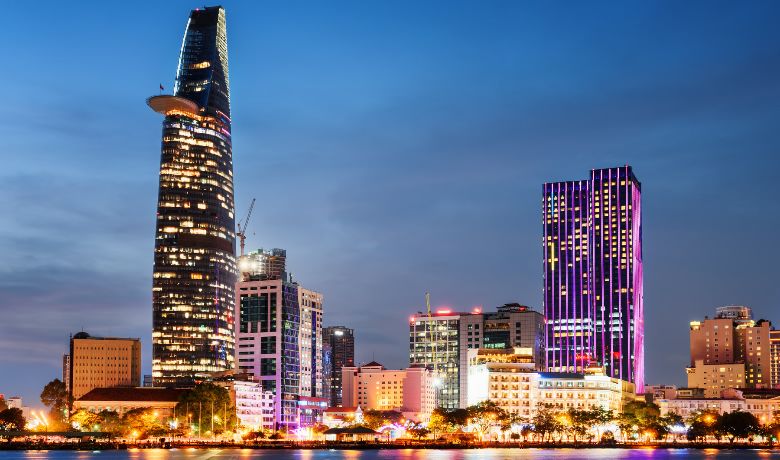
Southern Vietnam, including Ho Chi Minh City and the Mekong Delta, has a tropical climate with distinct wetter and drier periods.
December through April is generally the drier season, making it a popular time for urban exploration, river excursions, and beach holidays on Phu Quoc.
Temperatures can become particularly hot in March and April.
The wetter months bring more frequent rainfall, although showers do not necessarily last all day.
For Americans planning a journey across multiple regions, March and April can provide a reasonable seasonal balance, depending on the destinations selected.
4. Understanding the Cost of a Vietnam Vacation
Vietnam offers a wide range of travel experiences, from charming boutique accommodations and local dining to luxury resorts, private guided excursions, and overnight cruises. However, the total cost of traveling from the United States depends on how you choose to travel, the destinations you visit, and the level of comfort you expect.
For American travelers, it is helpful to separate the cost of reaching Vietnam from the expenses associated with exploring the country.
International Travel Expenses
International airfare is often one of the largest expenses, particularly for families or travelers booking premium cabins. Ticket prices vary considerably depending on your departure city, travel season, airline, and booking date.
Other expenses to consider include Vietnam visa fees, travel insurance, and any additional services required during international connections.
These costs are generally arranged separately from private tour packages within Vietnam, although inclusions vary between providers.
Accommodation, Transportation, and Experiences in Vietnam

Once in Vietnam, your travel budget will largely depend on your accommodation preferences, transportation arrangements, and selected activities.
Travelers can choose from boutique hotels, international luxury properties, beachfront resorts, and distinctive accommodations in the countryside. Hotel location, room category, and seasonal availability can all influence the cost.
Transportation is another important consideration. A journey covering Northern, Central, and Southern Vietnam may involve domestic flights and private transfers, while a regional itinerary can reduce both travel time and transportation expenses.
Experiences such as overnight cruises in Ha Long Bay, private cultural tours, cooking classes, and countryside excursions also contribute to the overall budget.
For travelers seeking a more personalized vacation, private tours offer flexibility in selecting accommodations, activities, and travel arrangements that reflect individual preferences.
Getting Better Value From Your Vietnam Trip
When comparing travel proposals, the lowest price does not necessarily represent the best value.
A more useful approach is to review what each itinerary includes, particularly hotel standards, private versus shared transportation, guiding services, domestic flights, meals, and scheduled experiences.
For example, a lower-priced itinerary may involve longer road transfers or exclude certain activities, while a more comprehensive arrangement may offer greater convenience and a more comfortable travel pace.
At Asia Pioneer Travel, private itineraries are designed around each traveler’s interests, preferred accommodation standards, and available time. This allows travelers to prioritize the experiences that matter most rather than paying for a fixed collection of activities.
A thoughtfully planned journey can help you make better use of your vacation budget while maintaining the comfort and flexibility you expect.
5. Planning the Ideal Length of Stay in Vietnam
For American travelers, deciding how long to spend in Vietnam is particularly important given the distance and time required for international travel.
A journey involving international connections can take more than 20 hours each way. Consequently, a two-week vacation from the United States may provide fewer than 12 full days for exploring Vietnam.
Before choosing destinations, consider how many nights you will actually spend in the country and how much time you are comfortable dedicating to transportation.
One Week: A Focused Regional Journey
A seven- to nine-day stay can provide a rewarding introduction to Vietnam when focused on one region.
Northern Vietnam offers an appealing combination of Hanoi, Ninh Binh, and Ha Long Bay, bringing together cultural landmarks, peaceful countryside, and extraordinary limestone landscapes.
Alternatively, Central Vietnam allows travelers to explore Hue’s imperial heritage, discover Hoi An’s historic atmosphere, and enjoy time along Da Nang’s coastline.
By concentrating on nearby destinations, travelers can minimize lengthy transfers and spend more time enjoying local experiences.
For those with only seven to nine days available, including international flights, a shorter itinerary with fewer stops is advisable.
>> See Tour: Compact Vietnam Holiday
Ten to Fourteen Days: A Well-Rounded Introduction
For many first-time visitors, 10–14 days in Vietnam offers an excellent balance between cultural discovery, natural scenery, and relaxation.
This duration makes it possible to explore selected highlights across Northern, Central, and Southern Vietnam, particularly when domestic flights are used for longer distances.
A typical journey might begin in Hanoi, continue with an overnight cruise in Ha Long Bay, explore the cultural heritage of Hoi An, and conclude in Ho Chi Minh City.
However, covering several regions does not mean every day needs to be filled with sightseeing. Allowing time for independent exploration, local dining, and occasional relaxation can make the journey more enjoyable.
For couples, families, and older travelers, spending two or three nights in selected destinations can also help reduce the fatigue associated with frequent hotel changes.
>> See Tour: The Very Best of Vietnam
Two to Three Weeks: A More Immersive Experience
Travelers with 15–21 days can explore Vietnam at a more relaxed pace while discovering destinations beyond the classic highlights.
The northern mountains, rural landscapes of Pu Luong, remarkable caves of Phong Nha, and waterways of the Mekong Delta offer opportunities for deeper cultural and natural exploration.
With additional time, travelers can also incorporate hands-on experiences such as traditional craft workshops, countryside cycling, cooking classes, or extended stays in smaller communities.
Rather than continuously moving between destinations, a longer itinerary allows more time to appreciate the character of each region.
>> See Tour: Vietnam Adventure Holiday: Beyond the Highlights
6. Discovering Vietnam’s Most Rewarding Destinations
Vietnam’s geographical and cultural diversity allows travelers to experience remarkably different landscapes, traditions, and lifestyles within a single country.
For first-time American visitors, the challenge is not finding interesting places to explore, but choosing destinations that best reflect their interests and preferred travel style.
Northern Vietnam: Best for Cultural Discovery and Natural Landscapes
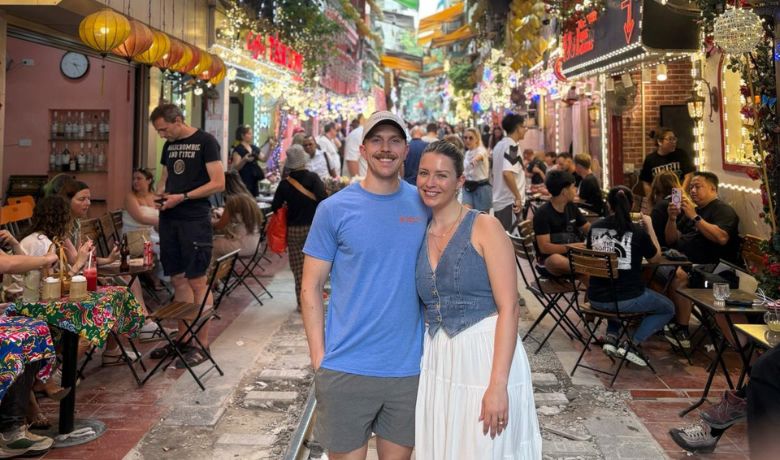
Northern Vietnam is particularly appealing to travelers interested in history, traditional culture, and dramatic natural scenery.
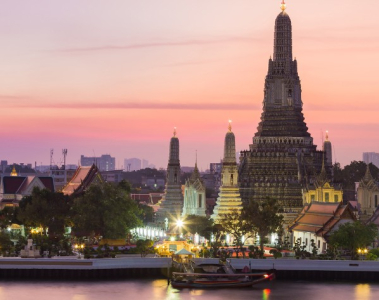
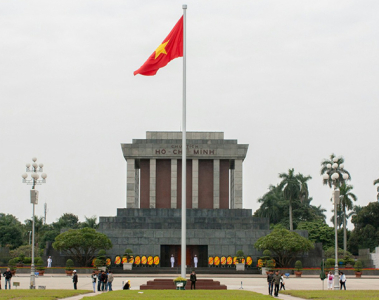
Hanoi provides an engaging introduction to Vietnamese heritage through its historic neighborhoods, centuries-old landmarks, and distinctive culinary traditions.
Beyond the capital, Ninh Binh offers peaceful countryside landscapes, limestone mountains, and scenic waterways. A boat excursion through Trang An provides an opportunity to appreciate the region’s natural beauty at a relaxed pace.
Ha Long Bay is another highlight, where an overnight cruise allows travelers to explore extraordinary limestone formations while enjoying the atmosphere of the bay beyond a short daytime visit.
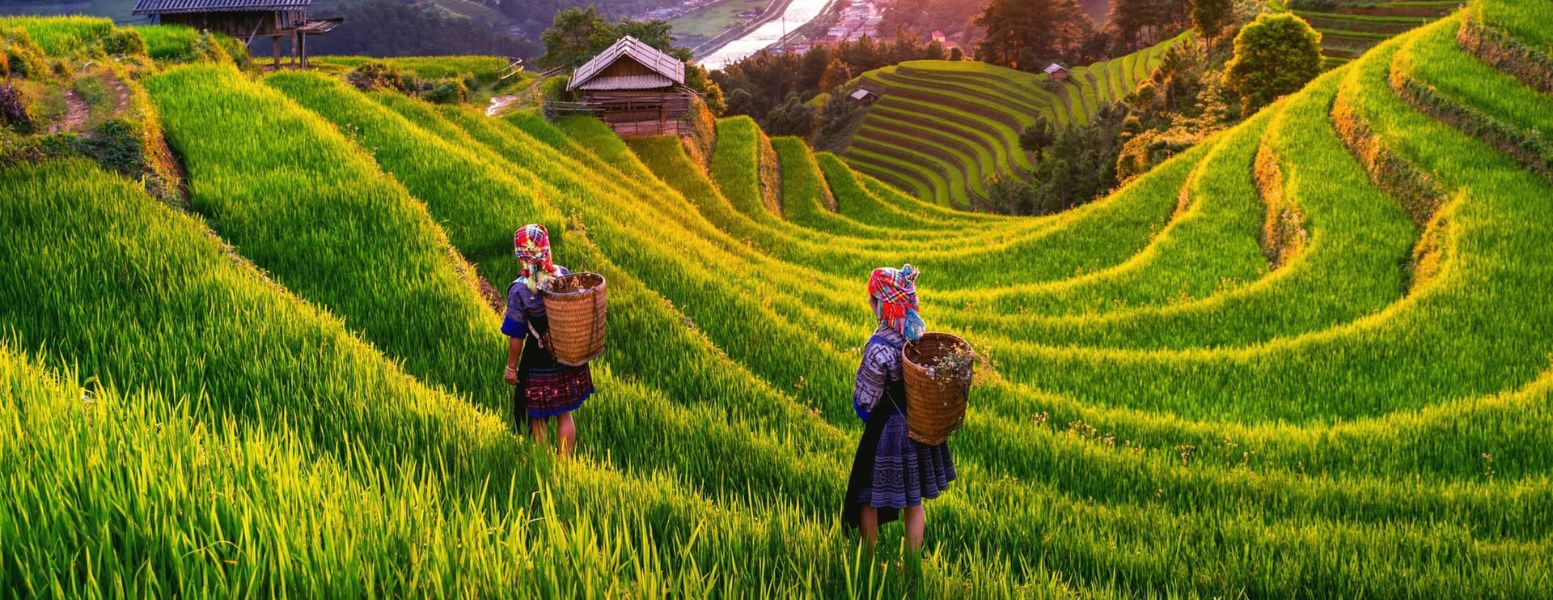
For those with additional time, Northern Vietnam also offers opportunities to discover mountain communities, traditional villages, and rural landscapes.
Northern Vietnam is especially suitable for first-time visitors, nature lovers, culturally curious travelers, and those who enjoy combining historic destinations with scenic experiences.
Central Vietnam: Best for Heritage, Local Experiences, and Beach Relaxation
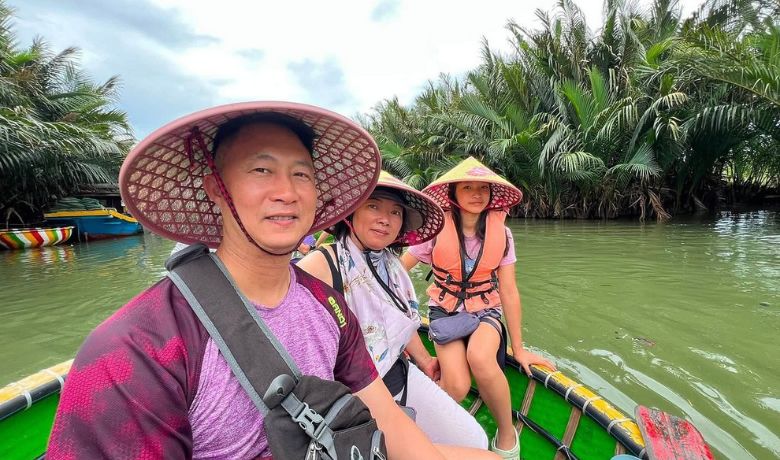
Central Vietnam offers a particularly rewarding balance between cultural exploration and leisure.
Hue introduces travelers to the country’s imperial past through its historic citadel, royal tombs, and traditional architecture.
Hoi An presents a different side of Vietnamese heritage, with its preserved merchant houses, lantern-lit streets, and longstanding craft traditions.
Beyond sightseeing, visitors can participate in cooking classes, explore local villages, and discover the region’s distinctive cuisine.
Nearby Da Nang adds modern beachfront resorts and convenient coastal accommodations, making it possible to combine cultural excursions with relaxing days by the sea.
The relatively close proximity of these destinations also makes Central Vietnam attractive to travelers who prefer fewer hotel changes.
Central Vietnam is especially suitable for couples, multigenerational families, active seniors, and travelers seeking a combination of cultural experiences and comfortable beach stays.
Southern Vietnam: Best for Food, History, and Local Life
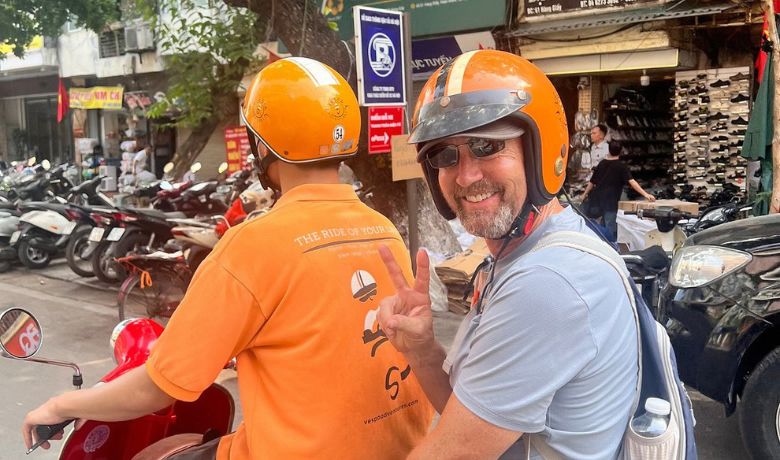
Southern Vietnam appeals to travelers who enjoy vibrant cities, culinary exploration, and encounters with everyday local life.
Ho Chi Minh City offers a fascinating contrast between historic landmarks and modern urban development. Its lively markets, diverse food scene, and distinctive neighborhoods provide opportunities to experience the energy of contemporary Vietnam.
For travelers interested in history, the city’s museums and nearby Cu Chi Tunnels offer insight into important chapters of the country’s past.
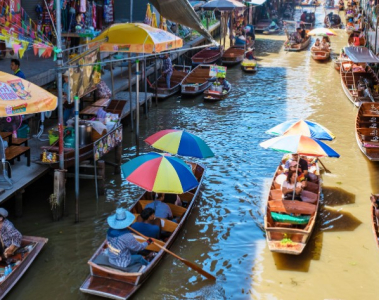
Beyond the city, the Mekong Delta introduces a slower rhythm of life shaped by rivers, canals, orchards, and traditional communities.
Guided excursions can include boat journeys, visits to local workshops, and opportunities to discover regional food traditions.
Southern Vietnam is especially suitable for food enthusiasts, history lovers, culturally curious travelers, and visitors who enjoy combining urban experiences with countryside exploration.
For those seeking relaxation at the end of their journey, Phu Quoc Island can also be considered as an extension, particularly during the drier months.
7. Vietnam Travel Essentials: Safety, Health, Payment & Currency
Vietnam is generally a welcoming and safe destination for American visitors. The US Department of State currently places the country at Level 1, advising travelers to exercise normal precautions.
Nevertheless, understanding local conditions can help make the journey more comfortable.
Personal Safety and Transportation
Petty theft and tourist-related scams can occur, particularly in busy urban areas. Travelers should keep valuables secure, use reputable transportation services, and remain attentive in crowded markets.
Road traffic can also feel unfamiliar to visitors from the United States. Crossing busy streets requires patience and awareness, while private transportation can provide additional comfort when moving between destinations.
For cruises and outdoor excursions, choose established operators with appropriate safety arrangements.
Health and Travel Insurance
Travel insurance is strongly recommended, particularly for a long-haul international journey. A suitable policy should cover medical treatment, emergency evacuation, trip interruption, and relevant activities.
Before departure, review the latest health recommendations from the CDC and discuss any individual medical concerns with a qualified healthcare professional.
Travelers carrying prescription medications should also verify applicable import restrictions.
Currency and Communication
Vietnam’s official currency is the Vietnamese dong (VND).
Credit cards are widely accepted at many hotels, restaurants, and established businesses, although cash remains useful for markets and smaller purchases.
A local SIM card, eSIM, or international roaming plan can help travelers stay connected and navigate unfamiliar destinations.
Experience Vietnam Your Way With Asia Pioneer Travel
Planning a journey from the United States involves more than booking international flights and selecting a few destinations. The most rewarding itineraries bring together the right travel season, comfortable transportation, carefully selected accommodations, and experiences that reflect each traveler’s interests.
At Asia Pioneer Travel, we specialize in private, tailor-made journeys designed around individual preferences rather than fixed group schedules. Whether you are interested in Vietnam’s cultural heritage, local cuisine, natural landscapes, or a combination of experiences, our Travel Designers can help develop an itinerary that matches your travel dates, preferred pace, and accommodation expectations. From your arrival in Vietnam to the final day of your journey, thoughtful local arrangements allow you to spend less time managing logistics and more time enjoying the destinations.
Ready to discover Vietnam? Share your travel plans and the experiences you have in mind. Let Asia Pioneer Travel help you create a private Vietnam journey tailored to the way you want to explore.