

Vietnam has become one of Southeast Asia’s best-value destinations, offering incredible food, diverse landscapes, and memorable experiences for every type of traveller. Whether you’re planning your first visit or returning to explore more of the country, understanding currency in Vietnam will help you budget more effectively and avoid unnecessary confusion. From exchanging money and withdrawing cash to using credit cards and knowing typical local prices, this guide covers everything you need before you arrive.
What Is the Currency in Vietnam?
Learning about currency in Vietnam before you travel can help you avoid confusion when shopping, dining, or using local transportation throughout the country. The official currency in Vietnam is the Vietnamese Dong (VND), represented by the symbol ₫.
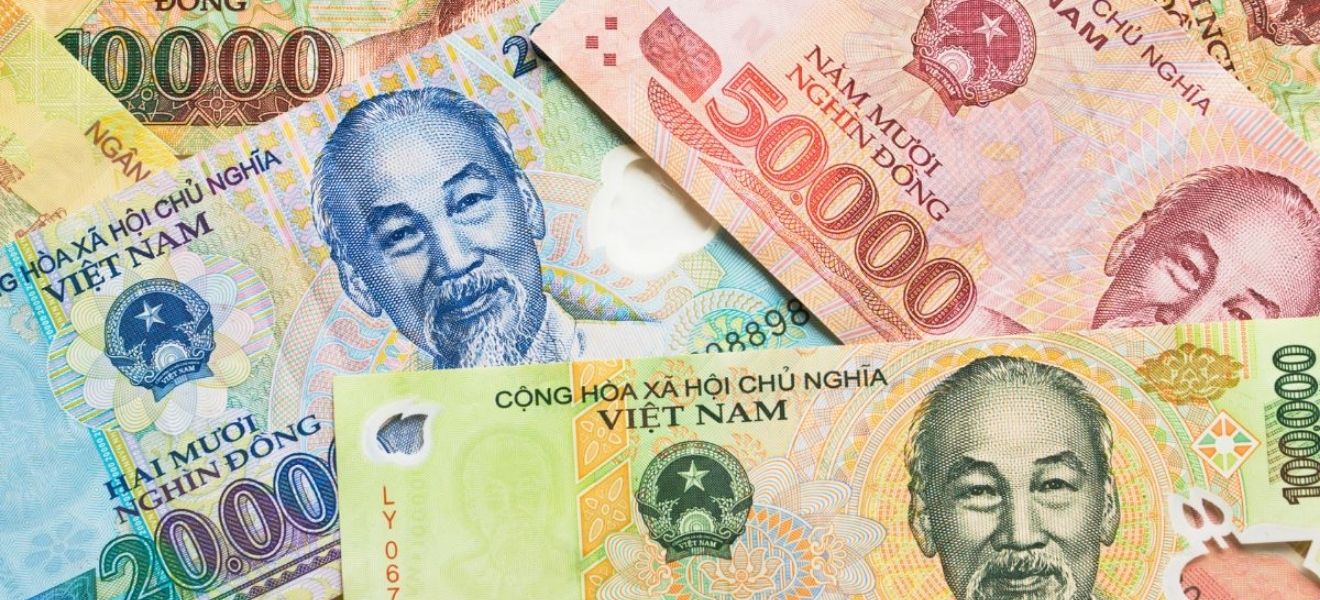
Vietnamese banknotes come in denominations ranging from 1,000 VND to 500,000 VND. Smaller values are printed on paper, while higher denominations are made from durable polymer, making them easier to distinguish and more resistant to wear.
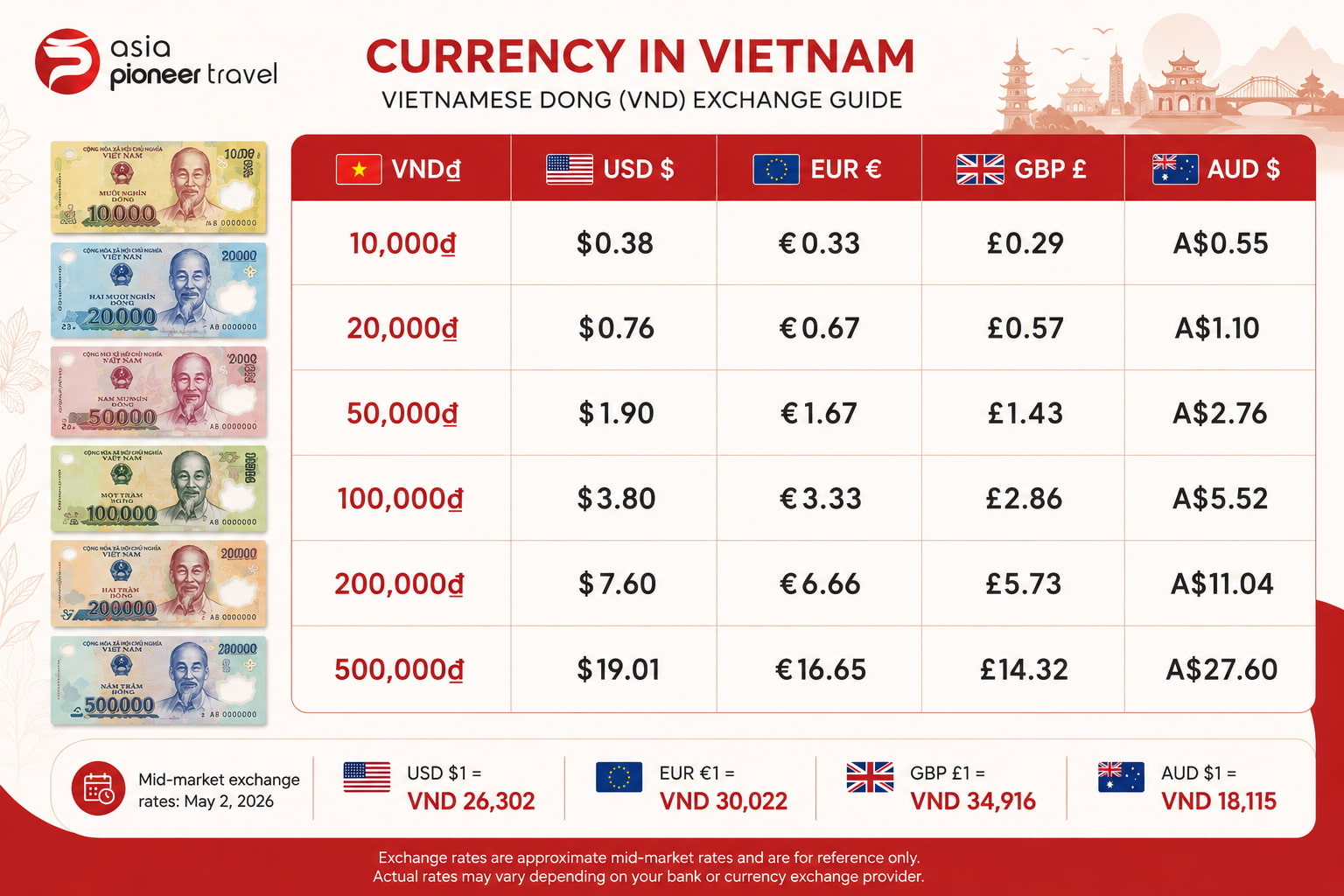
At first glance, the large numbers on Vietnamese banknotes can be confusing. A simple trick is to mentally remove three zeros before estimating the value in your home currency. Using a currency converter on your phone can also help when making larger purchases. For the latest exchange rates, you can check reliable tools such as Foreign currency converter by Vietcombank or Exchange Rate Calculator before or during your trip.
NOTE: The 20,000 VND and 500,000 VND notes have similar colours and can easily be mistaken for one another. Take a quick look before paying, especially in busy markets or cafés.
Cash Withdrawal and Currency Exchange in Vietnam
Although card payments are becoming more common, carrying some cash is still essential when travelling around Vietnam. Accessing currency in Vietnam is easy thanks to the country’s extensive ATM network and convenient exchange services.
ATMs are available at all major international airports, making it easy to withdraw Vietnamese Dong shortly after arrival. Throughout cities such as Hanoi, Ho Chi Minh City, Da Nang, and Hoi An, you’ll also find ATMs operated by both local and international banks that accept major international cards.
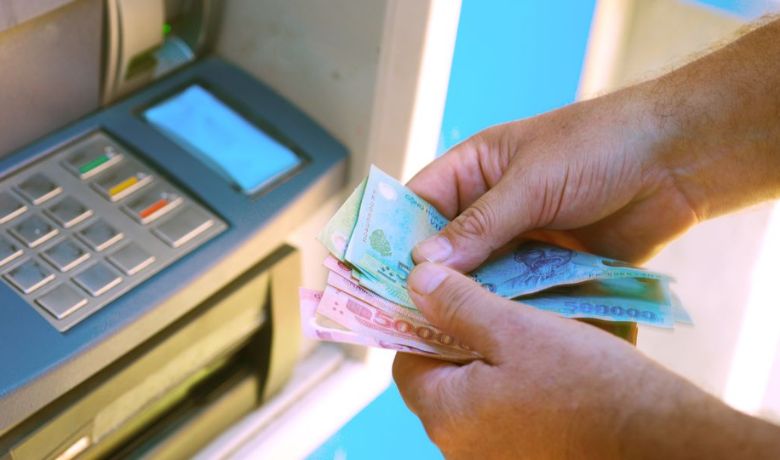
Withdrawal limits vary depending on the bank, with most machines allowing between 2 million and 10 million VND per transaction.
If you prefer to exchange foreign currency, licensed exchange counters are available at international airports, banks, and many hotels. Some jewellery shops in Vietnam are also authorised to provide foreign exchange services, but travellers should always ensure the establishment is officially licensed before exchanging money.
TIP: If your itinerary includes remote villages, national parks, or mountainous regions, withdraw enough cash before leaving larger cities, as ATMs may be limited or unavailable.
Can You Pay by Card in Vietnam?
International credit and debit cards are widely accepted in Vietnam, particularly in places that cater to tourists.
Hotels, restaurants, shopping centres, spas, tour operators, and many cafés accept payments by Visa, Mastercard, and other major card providers. This makes it convenient to pay for larger purchases without carrying excessive amounts of cash.
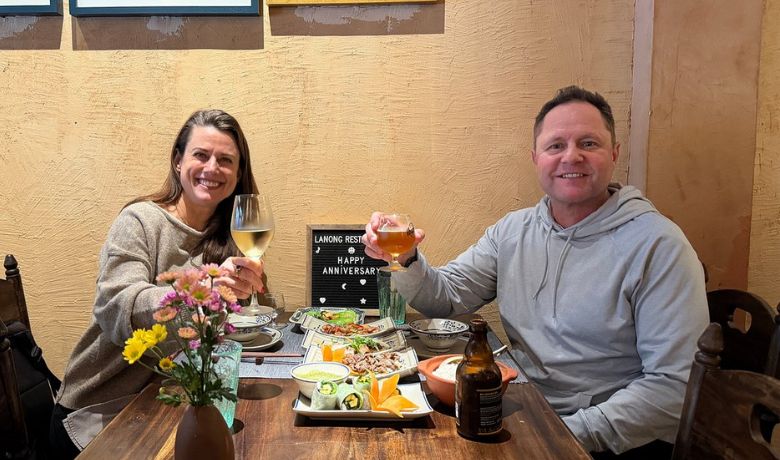
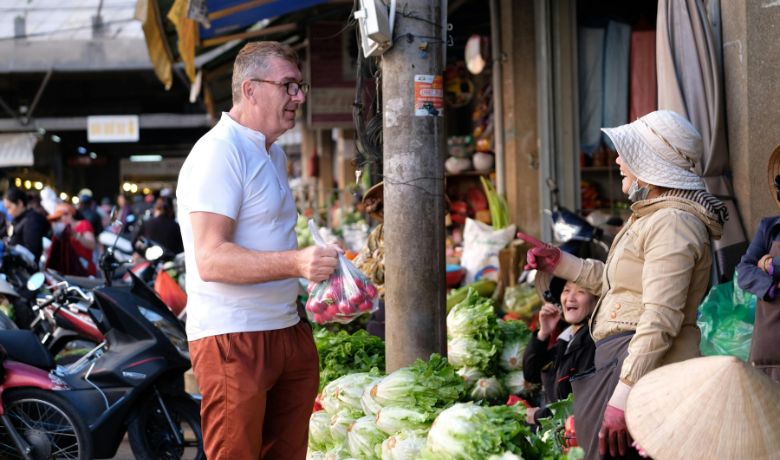
However, smaller family-run businesses, traditional markets, street food stalls, and local transportation often operate on a cash-only basis.
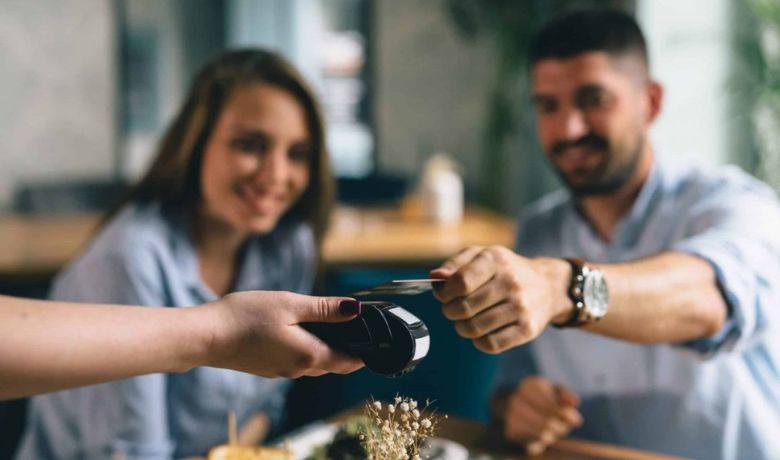
Contactless payments are also becoming increasingly common, especially in larger cities, allowing travellers to simply tap their card or compatible mobile wallet where available.
Typical Travel Costs in Vietnam
One of the reasons travellers love Vietnam is its excellent value for money. Understanding everyday prices is another useful way to make the most of currency in Vietnam, especially when planning your travel budget. Whether you’re travelling on a backpacker’s budget or enjoying a luxury holiday, there’s something to suit every style of travel.
Here are some average prices to help you plan your budget:
| Item | Average Price (VND) | Approx. Price (USD) |
|---|---|---|
| Sidewalk coffee | 25,000 VND | ~US$0.95 |
| Street food meal with a drink | 50,000 VND | ~US$1.90 |
| Cappuccino at a café | 60,000 VND | ~US$2.30 |
| Three-course restaurant meal (per person) | 450,000 VND | ~US$17.10 |
| Taxi ride within the city | 35,000–100,000 VND | ~US$1.30–3.80 |
| One-hour foot massage | 350,000 VND | ~US$13.30 |
| Budget hostel (per night) | From 300,000 VND | From ~US$11.40 |
| Mid-range hotel (per night) | 700,000–1,500,000 VND | ~US$26.60–57.00 |
| Half-day guided tour | 1,000,000 VND | ~US$38.00 |
| Luxury hotel (per night) | From 3,500,000 VND | From ~US$133.00 |
Prices vary depending on the destination and travel season, but overall Vietnam remains one of Asia’s most affordable destinations.
Keeping Your Money Safe
Vietnam is considered a safe country for international visitors, but it’s still important to take basic precautions with your money and valuables.
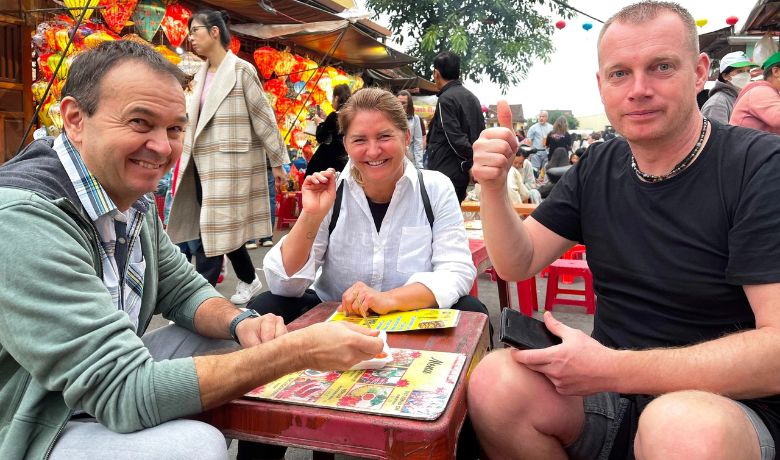
Keep larger amounts of cash, passports, and spare bank cards in your hotel safe whenever possible. When exploring busy attractions or markets, carry only the cash you need for the day and keep wallets or handbags secure.
Using credit cards with fraud protection and contactless payment features can provide additional peace of mind while travelling. Taking these simple precautions will help you manage currency in Vietnam safely throughout your trip.
TIP: Whenever you receive change, especially when paying with large banknotes, take a moment to count it before leaving the counter.
Tipping and Bargaining
Knowing local customs is just as important as understanding currency in Vietnam, especially when deciding whether to tip or bargain. Tipping is not traditionally expected in Vietnam, but it has become more common in the tourism and hospitality industries.
If you’ve received excellent service, you may choose to leave a small tip for restaurant staff, spa therapists, hotel porters, drivers, or private tour guides. While never obligatory, the gesture is always appreciated.
When shopping at local markets or souvenir stalls, bargaining is a normal part of the experience. Vendors often expect friendly negotiation, particularly in tourist areas. Comparing prices between different stalls before making a purchase can help you get a fair deal while keeping the interaction respectful and enjoyable.
FAQ About Currency in Vietnam
1. What is the currency in Vietnam?
The official currency in Vietnam is the Vietnamese Dong (VND), represented by the symbol ₫. While some hotels or tour operators may occasionally quote prices in US dollars, almost all everyday transactions are made in Vietnamese Dong.
2. Should I carry cash or use a credit card in Vietnam?
It's best to carry a combination of both. Credit and debit cards are widely accepted at hotels, restaurants, shopping centres, and larger businesses, while cash is still preferred at street food stalls, local markets, small shops, and in rural areas.
3. Where can I exchange foreign currency in Vietnam?
You can exchange foreign currency at licensed exchange counters located in international airports, banks, many hotels, and other authorised foreign exchange providers. Some jewellery shops also offer exchange services, but travellers should always ensure the establishment is officially licensed.
4. How much cash should I carry in Vietnam?
The amount depends on your travel style, but carrying 500,000 to 2,000,000 VND (approximately US$20–75) for daily expenses is usually sufficient. If you're visiting remote destinations where card payments and ATMs may be limited, it's a good idea to withdraw additional cash before leaving major cities.
Final Thoughts
Understanding currency in Vietnam before your trip will help you travel with greater confidence and avoid unnecessary surprises. By carrying a mix of cash and cards, exchanging money through trusted providers, and getting familiar with everyday prices, you’ll be well prepared to enjoy everything Vietnam has to offer.
Whether you’re wandering ancient streets, sampling local cuisine, or exploring breathtaking landscapes, managing your money wisely means you can focus on making the most of your journey.
At Asia Pioneer Travel, we create tailor-made journeys across Vietnam, from cultural discoveries and luxury escapes to adventure holidays. Contact our travel specialists today and let us help you plan a seamless Vietnam experience.