

Thailand is one of the easiest countries in Southeast Asia to explore, but transportation can still feel confusing if you are planning a multi-stop itinerary. Bangkok has modern rail systems, the islands rely on ferries and speedboats, northern towns often use local shared vehicles, and long-distance travel may involve a combination of domestic flights, trains, buses, and private transfers.
This Thailand transportation guide covers the best ways to get around the country, helping travelers choose practical options for city travel, long-distance journeys, and island transfers. It is written for international travelers who want a smooth, well-planned journey rather than a rushed or overly complicated one.
The best transportation in Thailand depends on where you are going, how much time you have, how much luggage you carry, and the level of comfort you prefer. A short city ride in Bangkok might be easiest by BTS or MRT. A Bangkok-to-Chiang Mai journey may be best by flight if time is limited, or by overnight train if you enjoy slower travel. Reaching islands such as Koh Samui, Koh Tao, Phi Phi, or Koh Lanta may require a carefully timed combination of flight, road transfer, and ferry.
With the right planning, Thailand is very manageable. The key is knowing which transport options work best for each part of the country.
1. How to Get Around Thailand by Region
Transportation in Thailand varies significantly by region, so choosing the right Thailand transportation options depends on whether you are exploring Bangkok, the north, the south, or the islands.
Bangkok and Central Thailand
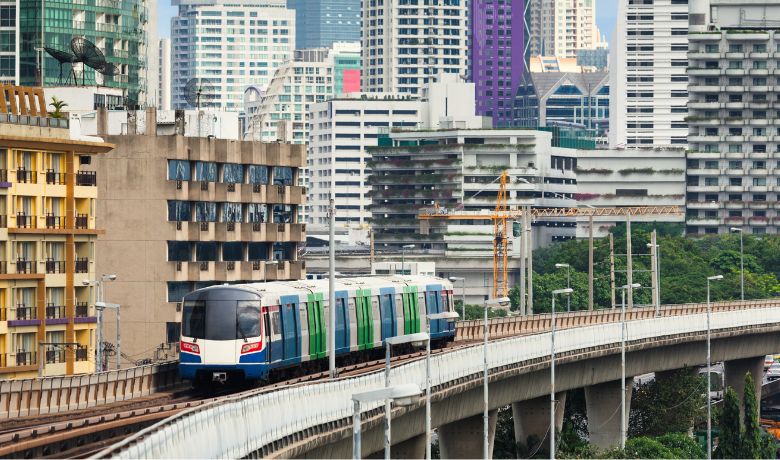
Bangkok has the country’s most developed public transportation network. The BTS Skytrain, MRT subway, Airport Rail Link, river boats, taxis, and ride-hailing services all play useful roles.
For travelers staying in central Bangkok, the BTS and MRT are often the most efficient way to avoid traffic. Taxis and private transfers are better for door-to-door comfort, especially when traveling with luggage, after a long flight, or to destinations not near a rail station.
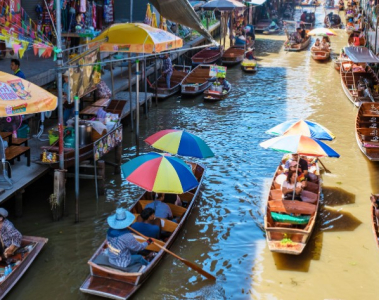
Day trips from Bangkok to places such as Ayutthaya, Kanchanaburi, or floating markets can be done by train, bus, group excursion, or private car. For comfort and flexibility, private vehicles are often the better choice, especially for travelers who want to move at their own pace.
Northern Thailand
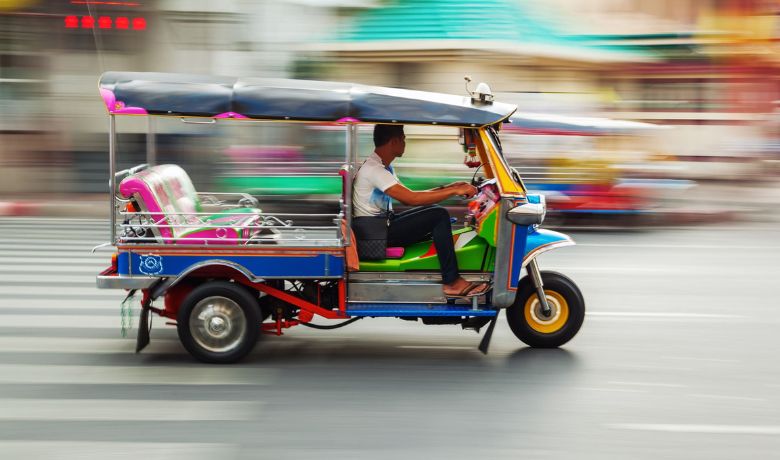
Northern Thailand includes destinations such as Chiang Mai, Chiang Rai, Pai, Mae Hong Son, and surrounding mountain areas.
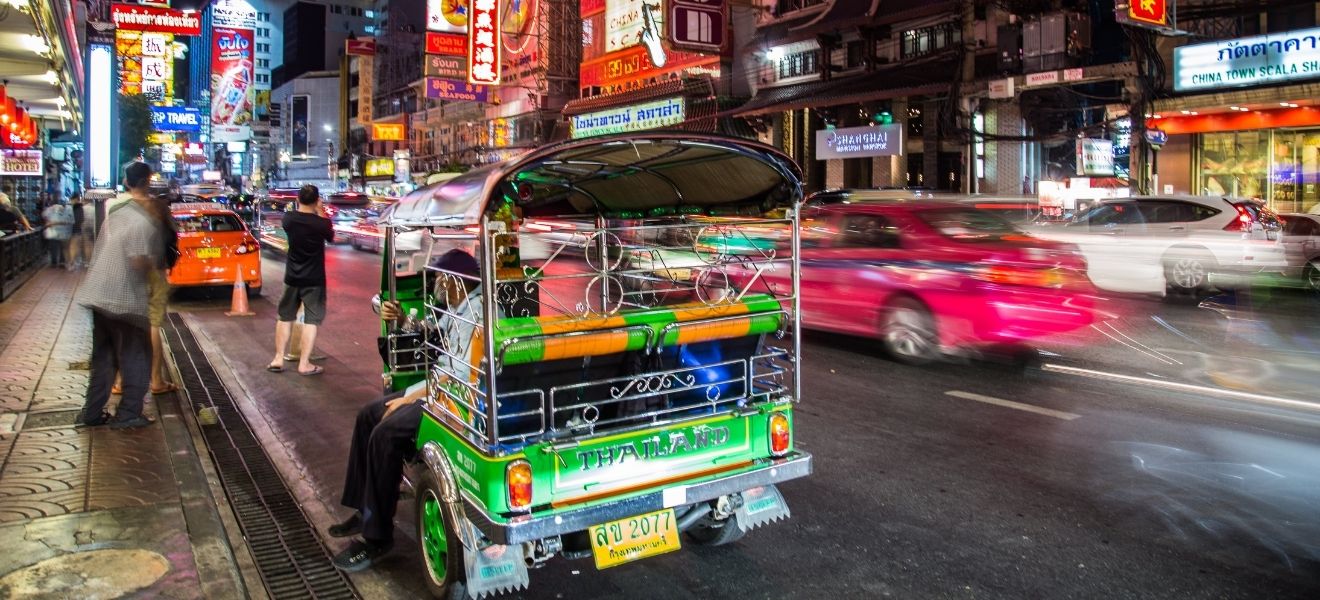
Flights are usually the easiest way to reach Chiang Mai or Chiang Rai from Bangkok. Overland travel is possible by train or bus, but journey times are much longer. Once in the north, local transportation may include taxis, songthaews, tuk-tuks, private vehicles, motorbike rentals, or hotel-arranged transfers.
For travelers who value comfort, private drivers are often worthwhile for countryside excursions, temple visits, elephant sanctuaries, craft villages, mountain viewpoints, and longer day trips.
Southern Thailand and Beach Regions

Southern Thailand requires more planning because many beach and island itineraries involve multiple transport modes.
Phuket and Krabi are accessible by air and road. Koh Samui has its own airport, while Koh Phangan and Koh Tao require ferry connections. The Phi Phi Islands, Koh Lanta, Koh Yao Noi, and other island destinations typically involve ferry or speedboat travel from Phuket, Krabi, or nearby piers.
When planning southern Thailand, avoid overly tight connections between flights and boats. Weather, traffic, pier transfers, and ferry schedules can all affect timing.
Islands and Remote Areas

Island transportation can be simple or surprisingly complicated depending on the destination. Some islands have organized taxi systems, while others rely on pickup trucks, motorbike taxis, longtail boats, hotel transfers, or private vehicles.
For higher-end travel, it is often best to arrange transfers through a hotel, travel specialist, or trusted local provider. This is especially useful when arriving after dark, traveling with luggage, or connecting between airport, pier, ferry, and resort.
2. Thailand Public Transport: What Travelers Should Know
This Thailand transportation guide covers public transport options ranging from Bangkok’s extensive rail network to local buses, songthaews, and ferries in other parts of the country.
In Bangkok, BTS, MRT, Airport Rail Link, buses, river boats, taxis, and ride-hailing services create a broad network. In smaller cities and towns, public transport may include songthaews, tuk-tuks, local buses, minivans, or informal taxi services.
Songthaews
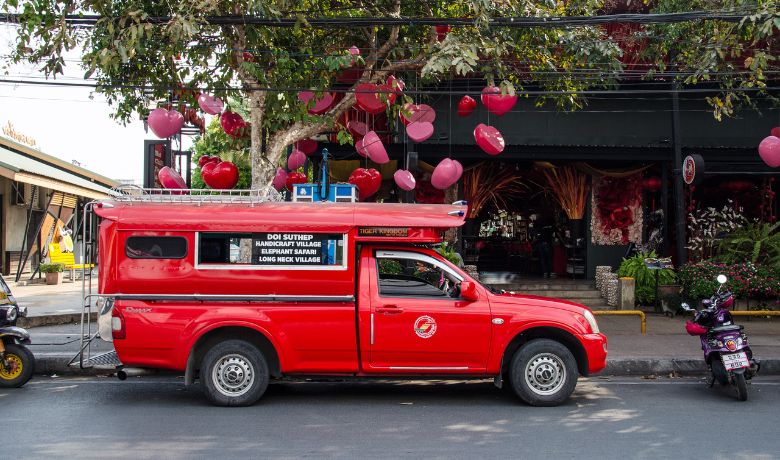
Songthaews are shared pickup-style vehicles used in many Thai towns and islands. They may operate fixed routes, semi-fixed routes, or function like shared taxis depending on the destination.
They are common in Chiang Mai, Pattaya, Phuket, and some islands. Fares and routes can be confusing, so it helps to ask your hotel or guide what is normal before riding.
Local Buses
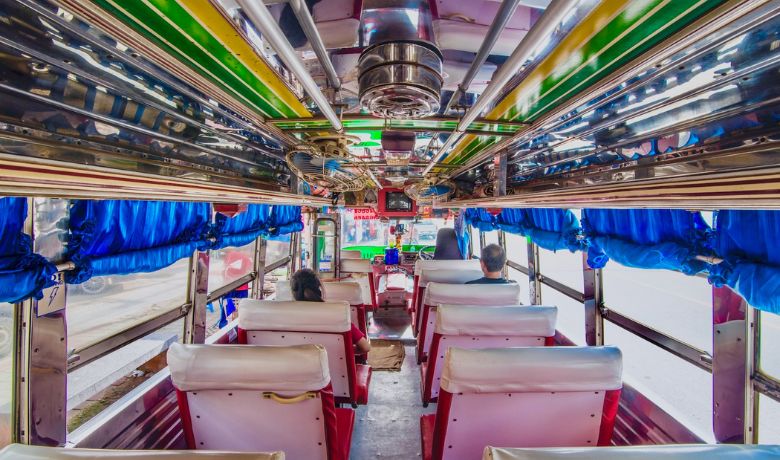
Local buses can be inexpensive but are not always easy for first-time visitors. Routes may be difficult to understand, signage may be limited in English, and comfort varies.
They are best for budget travelers or those with plenty of time. Travelers who value convenience may prefer BTS/MRT in Bangkok, ride-hailing apps, or private transfers.
Public Ferries
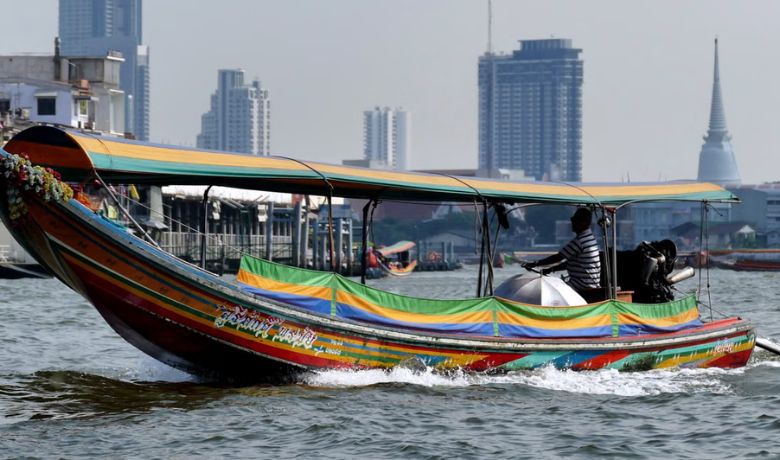
Public ferries and shared boats are essential for many island routes. They are generally affordable, but schedules can change and comfort varies by operator and sea conditions.
If you are connecting from a flight to a ferry, leave a generous time buffer.
3. Domestic Flights in Thailand
When using this Thailand transportation guide to plan long-distance travel, consider domestic flights if you have limited time or need to connect northern and southern destinations efficiently. For travelers covering several regions in one trip, Thailand transportation planning can make a significant difference in how much time is left for sightseeing and relaxation.
They are especially useful for long routes such as:
- Bangkok to Chiang Mai
- Bangkok to Chiang Rai
- Bangkok to Phuket
- Bangkok to Krabi
- Bangkok to Koh Samui
- Chiang Mai to Phuket or Krabi
- Bangkok to Surat Thani for onward ferry connections
When Domestic Flights Make Sense
Domestic flights are usually the best option when:
- You have limited vacation time
- You are covering long distances
- You prefer comfort over long road journeys
- You are connecting different regions, such as north and south Thailand
- You want to avoid overnight buses or long train rides
Airport Planning Tips
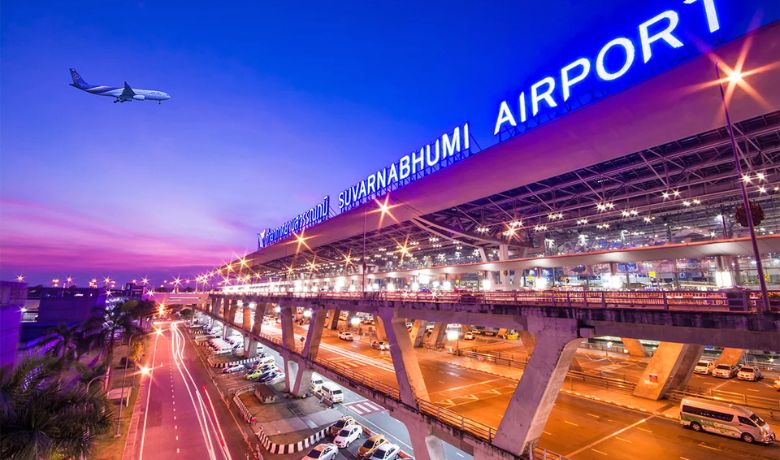
Bangkok has two major airports: Suvarnabhumi Airport and Don Mueang Airport. Both airports provide transport options, and Airports of Thailand lists a free shuttle service between Suvarnabhumi and Don Mueang for passengers with proof of onward travel.
Always check which airport your flight uses. Transferring between the two airports can take time, especially with traffic. Avoid booking tight connections between airports.
Luggage and Airline Rules
Budget airlines may have strict luggage rules. Checked bags, seat selection, and meals may not be included in the lowest fares. Review baggage allowances carefully before booking.
This is especially important if you are traveling with larger suitcases, golf clubs, diving gear, or formal clothing for a special occasion.
4. Trains in Thailand

Train travel in Thailand is slower than flying but can be rewarding. It suits travelers who enjoy overland journeys, scenery, and a more traditional pace.
The State Railway of Thailand operates the official D-Ticket online booking system, and Thailand’s government portal notes that passengers can book or reserve seats through the D-Ticket website and app.
Popular Train Routes in Thailand
Bangkok to Chiang Mai
This is Thailand’s classic long-distance train route. Overnight sleeper trains are popular because they save a hotel night and offer a slower, more atmospheric journey.
However, sleeper trains are not luxury trains. They can be comfortable and memorable, but travelers expecting hotel-level sleep may prefer flying.
Bangkok to Ayutthaya
The train to Ayutthaya is a practical and inexpensive option for a day trip or overnight visit. For travelers who want flexibility, a private car is more comfortable, but the train has local character.
Bangkok to Surat Thani
This route is often used by travelers heading to Koh Samui, Koh Phangan, or Koh Tao via onward bus and ferry connections. It requires careful timing, especially if connecting to island services.
Train Travel Tips
- Book popular sleeper routes early
- Choose air-conditioned classes for comfort
- Bring snacks, water, and a light layer
- Expect delays and build in flexibility
- Avoid tight same-day international flight connections after long train journeys
5. Buses and Minivans in Thailand
Buses and minivans are widely used for regional travel. They can be economical and practical, but comfort levels vary. When comparing Thailand transportation options for regional journeys, consider travel time, luggage space, and comfort as well as ticket price.
Long-Distance Buses
Long-distance buses connect Bangkok with many provinces. VIP and first-class buses are more comfortable than basic services, but travel times can be long.
For discerning travelers, buses are usually best when flights are unavailable or when routes are relatively short.
Minivans
Minivans are common for routes such as Bangkok to Hua Hin, Bangkok to Kanchanaburi, Bangkok to Pattaya, and regional transfers in the south.
They may be faster than buses but can feel cramped, especially with luggage. If you are traveling with several bags or prefer more space, a private car is often worth the added cost.
Private Vehicles
Private transfers are not always the cheapest option, but they can be the most comfortable and efficient for certain routes. They are especially useful for:
- Airport arrivals and departures
- Families or small groups
- Travelers with luggage
- Day trips from Bangkok or Chiang Mai
- Beach transfers after long flights
- Older travelers or anyone who prefers comfort and predictability
6. Ferries, Speedboats, and Island Transfers

Ferries and speedboats are essential for travel to many Thai islands. Choosing the right Thailand transportation option for island-hopping depends on your destination, departure point, and how much time you have between connections.
Common island routes include:
- Surat Thani or Donsak to Koh Samui, Koh Phangan, and Koh Tao
- Phuket or Krabi to Phi Phi Islands
- Krabi to Koh Lanta
- Phuket to Koh Yao Noi and Koh Yao Yai
- Koh Samui to Koh Phangan and Koh Tao
Ferries vs. Speedboats
Ferries are usually larger and more stable, but slower. Speedboats are faster but can be bumpier, especially in rough seas.
For travelers prone to seasickness, ferry choice and weather conditions matter. Consider morning departures when seas may be calmer, though this is not guaranteed.
Island Transfer Tips
- Confirm ferry schedules close to travel
- Avoid tight flight-to-ferry connections
- Check luggage handling procedures
- Consider private transfers for complicated routes
- Build flexibility into island-hopping itineraries during rainy or windy periods
- Ask hotels which pier is most convenient before booking
7. Best Transport App in Thailand
This Thailand transportation guide recommends choosing transport apps based on your needs, whether you are booking a ride, planning a route, reserving train tickets, or comparing connections between destinations.
Grab
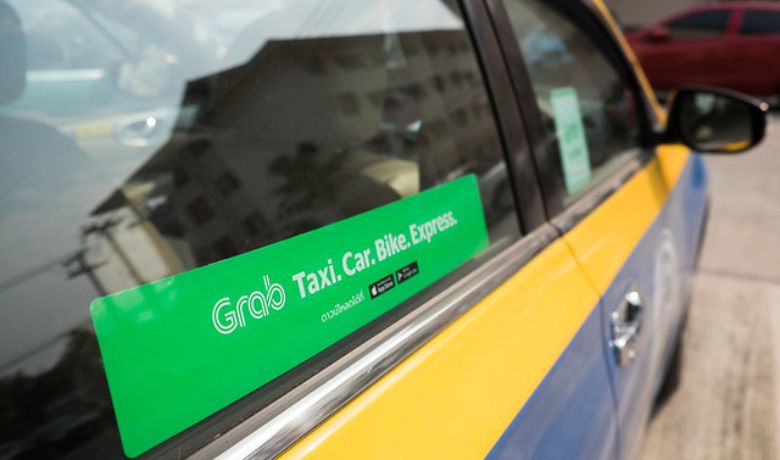
Grab is one of the most widely used ride-hailing apps in Thailand. Grab describes itself as a leading taxi and ride-hailing app in Thailand, offering private hire, taxi, van, and motorcycle rides.
It is useful in Bangkok, Chiang Mai, Phuket, Pattaya, and many tourist areas. Availability and pricing can vary depending on location, time, demand, and local conditions.
Bolt
Bolt operates in parts of Thailand and is often considered by travelers as an alternative to Grab. Availability, reliability, and pricing can vary by city and by time of day. Because app availability and regulations can change, travelers should verify current service status before relying on Bolt as their only option.
Google Maps
Google Maps is useful for route planning, walking directions, estimated travel times, and public transport information in Bangkok. It is not perfect, but it is a helpful baseline tool.
SRT D-Ticket
For train travel, the official SRT D-Ticket system is the most direct source for State Railway of Thailand bookings.
12Go and Similar Booking Platforms
Third-party booking platforms can be useful for comparing buses, trains, ferries, and transfers, especially for multi-step island journeys. However, schedules and policies should be checked carefully, and travelers should confirm whether tickets are instant-confirmation or request-based.
Bangkok Transit Apps
For Bangkok, BTS, MRT, and airport rail information may be available through official transit websites and apps. These can help with route planning, fares, and operating updates.
8. Thailand Transportation Guide: Practical Tips and Mistakes to Avoid
Use this Thailand transportation guide to avoid common planning mistakes, from allowing too little time for airport transfers to overlooking ferry schedules and local transport availability.
- Allow extra time in Bangkok. Traffic can be heavy, especially during rush hour, rain, and major events. Use BTS or MRT when convenient, and leave early for airport transfers.
- Check your Bangkok airport carefully. Suvarnabhumi and Don Mueang are separate airports. Do not book tight connections between them, even though a shuttle exists for eligible connecting passengers.
- Avoid tight flight-to-ferry connections. Island transfers often involve road travel, pier check-in, luggage handling, and weather-dependent boat schedules.
- Book key routes early in peak season. Popular domestic flights, sleeper trains, ferries, and private transfers can sell out or become more expensive during busy travel periods.
- Pack lighter for island travel. Piers, boat steps, sand, and smaller vehicles are easier with manageable luggage.
- Use private transfers strategically. They are especially valuable after long flights, for families, for travelers with luggage, and for multi-step beach or island transfers.
- Keep some cash available. Apps and cards are useful, but cash is still helpful for tuk-tuks, songthaews, small ferries, local taxis, and tips.
- Do not plan too many stops. Thailand looks simple on a map, but Thailand transportation between islands, northern cities, and beach regions can involve several connections and take longer than expected. Fewer destinations often create a more relaxed trip.
The most common mistake is choosing the cheapest option every time. A low fare can lose its value if it involves long waits, difficult connections, uncomfortable vehicles, or a stressful arrival.
Final Thoughts: Using This Guide to Plan Better
Thailand is easy to enjoy when transportation is planned well. The country offers a wide range of options, from modern rail systems in Bangkok and efficient domestic flights to scenic trains, regional buses, island ferries, tuk-tuks, songthaews, and private transfers.
The best approach is to match transportation to the journey. Use Bangkok’s BTS and MRT when they save time. Fly when distances are long. Take trains when the journey itself is part of the experience. Use ferries carefully for islands. Choose private transfers when comfort, luggage, timing, or peace of mind matters.
A good Thailand itinerary is not just about where you go. It is also about how smoothly you move between places. Whether you are traveling between cities, exploring northern Thailand, or visiting the islands, this Thailand transportation guide can help you plan a smoother journey around your schedule, budget, and comfort preferences.
If you would like a seamless Thailand journey without piecing together every transfer yourself, Asia Pioneer Travel can design a private itinerary with the right balance of flights, ferries, local transport, private transfers, and authentic experiences tailored to your travel style.
FAQs About Thailand Transportation
1. What is the best way to get around Thailand?
The best way depends on your destination and travel style. In Bangkok, the BTS and MRT are often the most efficient options for avoiding traffic. Domestic flights work well for long distances, while private transfers offer greater comfort and flexibility for day trips, airport transfers, and journeys with luggage.
2. Is it better to travel around Thailand by plane, train, or bus?
Flying is usually the fastest option for long-distance journeys, such as Bangkok to Chiang Mai or Phuket. Trains suit travelers who enjoy scenic, slower-paced journeys, while buses and minivans can be more economical for regional routes. Consider travel time, comfort, and connections when choosing.
3. How do you get to the islands in Thailand?
Most Thai islands require a ferry or speedboat from a nearby mainland pier or another island. For example, travelers can reach Koh Samui, Koh Phangan, and Koh Tao via Surat Thani or Donsak, while Phi Phi Islands can be reached from Phuket or Krabi. Check schedules and allow enough time for flight-to-ferry connections.
4. What are the best transport apps to use in Thailand?
Grab is a useful ride-hailing option in many tourist areas, while Bolt may be available in selected cities. Google Maps helps with navigation and public transport routes in Bangkok. For train tickets, use the official SRT D-Ticket system. Availability and schedules can vary, so check current information before traveling.