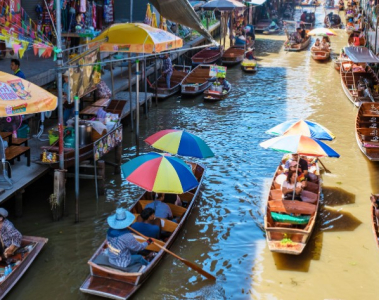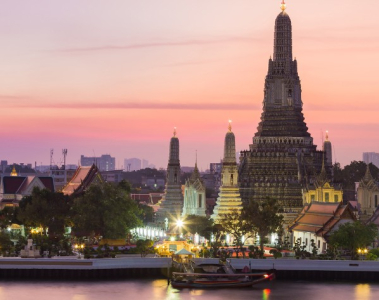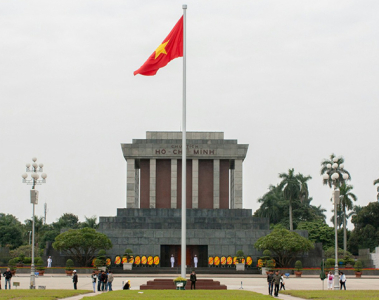


A Thailand Cambodia Vietnam itinerary 14 days is enough to experience the highlights of all three countries, but only with a well-planned route. Instead of trying to fit in every major city, focus on a few key destinations and use flights to reduce long travel times. This guide breaks down a practical route through Thailand, Cambodia and Vietnam, including the best places to visit, how to travel between countries, the best time to go, and key visa requirements. It also highlights relevant Asia Pioneer Travel tours for travelers who prefer a more organized or private Southeast Asia journey.
1. Can You Visit Thailand, Cambodia and Vietnam in 14 Days?
Yes, you can visit Thailand, Cambodia, and Vietnam in 14 days, but the key is to keep the itinerary focused rather than trying to see everything. With the right routing, three countries can fit comfortably into two weeks, especially when you use direct flights between major hubs and arrange private transfers to reduce time spent navigating unfamiliar transportation systems.
1.1. Keep the Route Focused
A comfortable 14-day itinerary could be divided roughly as follows:
- Vietnam (4–5 days): Focus on either the north or south rather than trying to cover the entire country. Hanoi and a Lan Ha Bay cruise work well for the north, while Ho Chi Minh City and the Mekong Delta offer a strong southern option.
- Cambodia (3 days): Base yourself in Siem Reap and focus on Angkor Wat, Bayon, Ta Prohm, and Tonle Sap without changing hotels.
- Thailand (3–4 days): Stay in Bangkok for its temples, food, riverside experiences, and private boat trips.
- Travel and rest (1–2 days): Leave enough time for international flights, airport transfers, check-ins, and downtime.
1.2. Avoid a Transit Marathon
The biggest mistake is adding too many destinations. Trying to combine Bangkok, Chiang Mai, Phuket, Siem Reap, Phnom Penh, Hanoi, Ha Long Bay, Hoi An, and Ho Chi Minh City in 14 days turns the trip into a series of airport transfers and hotel changes. Depth over breadth makes for a much more enjoyable Southeast Asia itinerary.
1.3. Why a Private Package Works Well
A Thailand, Cambodia, and Vietnam package vacation can make this multi-country route considerably smoother. Private airport transfers, pre-arranged flights, dedicated vehicles, and coordinated hotel stays remove much of the logistical work, allowing you to spend more of your two weeks actually experiencing each destination.

2. The Best 14-Day Thailand Cambodia Vietnam Route
For a Thailand Cambodia Vietnam itinerary 14 days, the most practical approach is to follow a north-to-south route through Vietnam, continue to Cambodia, and finish in Thailand. This keeps the journey relatively logical while allowing enough time for the major cultural, historical, and scenic highlights in each country.
A useful reference is Asia Pioneer Travel’s Vietnam, Cambodia and Thailand Tour, a 16-day private itinerary that can be adapted into a shorter two-week journey. The route combines Vietnam’s major destinations with Angkor in Cambodia and Bangkok and Ayutthaya in Thailand.
2.1. Days 1–3: Hanoi and Halong Bay, Vietnam
Start in Hanoi, exploring the Old Quarter, Hoan Kiem Lake, the Temple of Literature, and the city’s local food scene. Then head to Halong Bay for an overnight cruise among limestone karsts, caves, and quiet waterways. This gives the trip a relaxed start before moving further south.
2.2. Days 4–7: Hoi An and Hue, Vietnam
Travel to central Vietnam to visit Hue, the former imperial capital, including the Imperial City and Thien Mu Pagoda, before continuing to Hoi An. Explore the Ancient Town, enjoy local cuisine, and experience the surrounding countryside through activities such as cycling or a basket boat ride.

2.3. Days 8–10: Ho Chi Minh City and the Mekong Delta
Fly to Ho Chi Minh City to explore its historic landmarks and vibrant streets, with the Cu Chi Tunnels as an optional excursion. Continue to the Mekong Delta, where a private boat trip through Ben Tre’s waterways, coconut groves, and rural villages offers a quieter side of southern Vietnam.
2.4. Days 11–13: Siem Reap, Cambodia
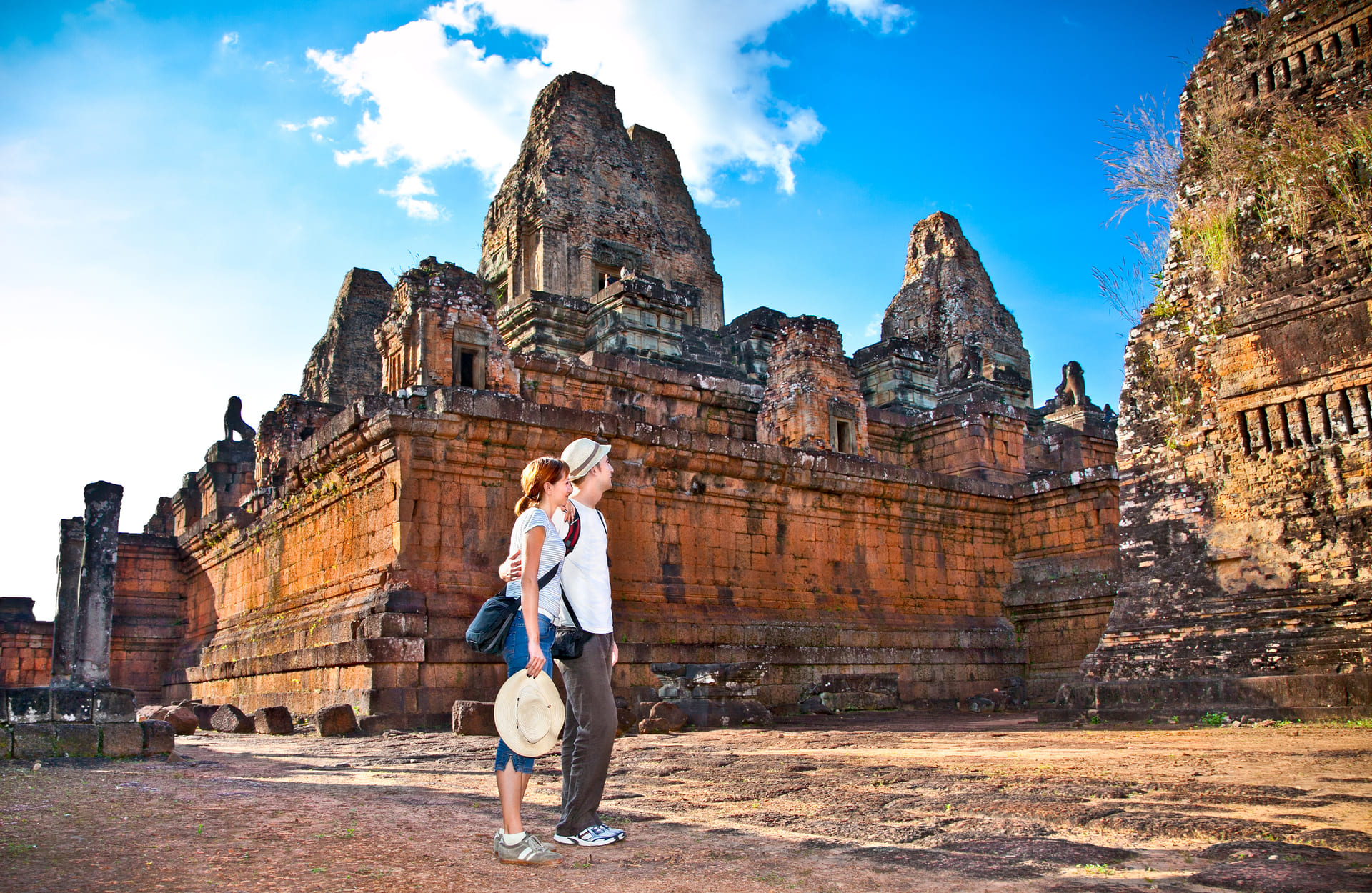
Fly from Ho Chi Minh City to Siem Reap and spend the next three days exploring Cambodia’s Khmer heritage. Visit Angkor Wat, Angkor Thom, Bayon, and Ta Prohm, with time for Banteay Srei or a Tonle Sap Lake boat trip if your schedule allows.
2.5. Day 14: Bangkok, Thailand
Finish in Bangkok with visits to the Grand Palace, Wat Pho, and Wat Arun, followed by time to explore the riverside or enjoy a final Thai meal. If you can extend the trip, add Ayutthaya for a deeper look at Thailand’s historical heritage.
2.6. Other Route Options
The route above is not the only way to plan a Thailand Cambodia Vietnam tour. Your priorities can change the ideal combination of destinations.
- The Bay to Angkor Tour — 14 days is a useful reference if you want to focus more heavily on Vietnam and Cambodia. The itinerary covers Hanoi – Halong Bay → Hue – Da Nang – Hoi An → Ho Chi Minh City – Mekong Delta → Siem Reap, making it a complete Vietnam and Cambodia journey within two weeks. Thailand can then be added by extending the trip with Bangkok or another Thai destination.
- Highlights of Vietnam and Thailand – 16 days is another alternative for travelers who would rather prioritize Vietnam and Thailand. Its route combines Hanoi – Halong Bay → Hoi An → Bangkok → Chiang Mai → Krabi, covering cultural sites, northern Thailand, wildlife experiences, and beach time. This can be a better starting point if Thailand is a major priority and Cambodia is less important.
3. How to Travel Between Thailand, Cambodia and Vietnam
For a 14-day Thailand, Cambodia and Vietnam itinerary, the smartest approach is to prioritize flights between major hubs and use road or river travel only when the journey itself is part of the experience. This keeps travel time under control and leaves more room for sightseeing, dining, and downtime.
3.1. Vietnam to Cambodia: Fly Direct to Siem Reap
For most travelers, flying directly from Hanoi (HAN) or Ho Chi Minh City (SGN) to Siem Reap (SAI) is the most efficient way to travel between Vietnam and Cambodia. The flight from Ho Chi Minh City takes around 1 hour 15 minutes, while Siem Reap to Hanoi takes about 1 hour 45 minutes.
Tip: If you prefer a slower, more scenic journey, a boutique Mekong cruise from Chau Doc or Ho Chi Minh City to Phnom Penh can replace a flight. However, travelers should arrange the required visa or visa exemption in advance, as the Vinh Xuong river border does not offer Visa on Arrival.
3.2. Cambodia to Thailand: Siem Reap to Bangkok
A direct flight from Siem Reap to Bangkok is another easy link between the three countries, taking roughly 1 hour 10 minutes. Depending on the airline and schedule, flights can arrive at either Suvarnabhumi (BKK) or Don Mueang (DMK), making Bangkok a convenient next stop after exploring Angkor.
Tip: Choose the flight based on your Bangkok hotel location and onward schedule. This can save additional transfer time after landing.

3.3. Traveling Within Vietnam: Hanoi to Ho Chi Minh City
If your itinerary includes both northern and southern Vietnam, flying is by far the practical choice. Hanoi and Ho Chi Minh City are more than 1,650 km apart, while a direct flight takes around 2 hours 10 minutes. This makes it possible to experience two very different sides of Vietnam without sacrificing several days to overland travel.
For example, you could spend a morning exploring Hanoi before taking a midday flight south and arriving in Ho Chi Minh City in time for dinner. The same principle works in reverse, allowing Vietnam to fit more naturally into a tightly planned two-week Southeast Asia itinerary.
> Read more: Best Ways to Travel from Hanoi to Ho Chi Minh City in 2026 – Flights, Trains & Buses Compared
4. Best Places to Visit in Thailand, Cambodia and Vietnam in Two Weeks
For a Thailand, Cambodia and Vietnam itinerary 14 days, the best approach is not to collect as many destinations as possible, but to choose a few places that capture the character of each country. The route below focuses on major cultural landmarks, distinctive landscapes, and experiences that can be enjoyed at a comfortable pace.
4.1. Vietnam: Culture, History and River Landscapes
Vietnam offers some of the greatest variety on the route, from historic cities and limestone bays to the waterways of the Mekong Delta. With only a few days available, it is better to focus on either northern or southern Vietnam rather than trying to cover the entire country.
- Hanoi: Explore the Old Quarter, Hoan Kiem Lake, and the Temple of Literature, then experience the city’s French colonial architecture and distinctive food culture. A cyclo ride and coffee stop make an easy way to slow down between sightseeing.
- Halong Bay or Lan Ha Bay: Spend one or two nights aboard a boutique cruise surrounded by towering limestone karsts. Kayaking, swimming, sunrise Tai Chi, and a private balcony cabin turn the bay into a relaxing part of the journey rather than simply another sightseeing stop.
- Ho Chi Minh City: Discover the city’s colonial landmarks, including the Central Post Office and Opera House, alongside the Independence Palace and museums exploring Vietnam’s modern history. A private morning visit to the Cu Chi Tunnels can add greater historical context.
- Mekong Delta: Take a private day trip to Ben Tre or Cai Be for a slower experience of southern Vietnam. Travel by small boat through coconut-lined waterways, visit fruit gardens, and enjoy a local lunch in a riverside setting.

4.2. Cambodia: The Temples of Siem Reap
For a two-week Southeast Asia itinerary, Siem Reap is the natural focus in Cambodia. Staying in one hotel for three nights allows enough time to explore the Angkor temples without constantly packing and unpacking.
- Angkor Wat: Start early for sunrise before exploring the temple’s galleries and intricate bas-reliefs. A knowledgeable guide can bring the mythology, history, and symbolism behind the carvings to life.
- Angkor Thom and Bayon: Explore the ancient royal city and its famous Bayon Temple, known for its monumental stone faces. The nearby Terrace of the Elephants and Terrace of the Leper King can easily be included in the same visit.
- Ta Prohm: One of Angkor’s most atmospheric temples, where enormous tree roots grow across ancient walls and courtyards. Its jungle setting gives the site a particularly cinematic character.
- Tonle Sap Lake: A private boat trip to areas such as Kampong Phluk offers a different perspective on Cambodian life, with stilt houses and flooded forests changing dramatically with the seasons.

4.3. Thailand: Bangkok and the Chao Phraya
Thailand works particularly well as the starting or finishing point of the journey, thanks to Bangkok’s excellent international connections and its mix of royal heritage, temples, food, and river life.
- Bangkok: Visit the Grand Palace and Wat Phra Kaew, then continue to Wat Pho and Wat Arun. A private long-tail boat through the Thonburi khlongs offers a quieter look at traditional riverside communities away from Bangkok’s busy streets.
- Ayutthaya: If time allows, take a private day trip from Bangkok to the former royal capital. Explore Wat Mahathat, Wat Phra Si Sanphet, and its famous Buddha head entwined in tree roots before returning by road or combining the journey with a Chao Phraya river cruise.
Adding Phuket, Krabi, or Koh Samui sounds tempting, but it comes with a trade-off. In a 14-day Thailand, Cambodia and Vietnam itinerary, adding three or four beach days usually means sacrificing one side of Vietnam.

If you want to keep both Hanoi and Ho Chi Minh City, for example, a beach extension can turn the trip into a sequence of flights, hotel check-ins, and airport transfers. For a more relaxed journey, Lan Ha Bay or Halong Bay can provide the tropical-water experience without requiring another flight. A 2-day, 1-night boutique cruise combines limestone scenery, kayaking, and swimming with an overnight stay, keeping the overall route much more efficient.
5. Best Time to Travel to Vietnam, Cambodia and Thailand
The best time to travel to Vietnam, Cambodia and Thailand is generally from November to February, when temperatures are cooler, rainfall is lower, and conditions are ideal for sightseeing. However, the best month depends on your route, especially in Vietnam, where the north, central, and south have very different climates.
5.1. Seasonal Guide
- November–February: The most comfortable period across Thailand and Cambodia, while southern Vietnam is warm and dry. Northern Vietnam is cooler, particularly around Hanoi and Lan Ha Bay.
- March–May: Hotter across the region, with temperatures often reaching 35–40°C (95–104°F). Plan temple visits and outdoor activities for early morning or late afternoon.
- June–October: Tropical showers are more common, but they are often short rather than all-day rain. Fewer visitors can also mean quieter temples and more private experiences.
5.2. Choose Your Vietnam Route Carefully
For Hanoi and Lan Ha Bay, October–December and March–April are generally attractive periods. For Ho Chi Minh City and the Mekong Delta, November–March offers particularly favorable conditions.
If traveling during peak season, book private tours 3–6 months ahead to secure preferred hotels, guides, flights, and private cruise cabins.
6. Visa and Entry Requirements for a Three-Country Trip
There is no single visa for Thailand, Cambodia and Vietnam. Each country has separate immigration rules, visa exemptions, and digital arrival forms. For a Thailand, Cambodia and Vietnam package vacation, travelers should check requirements based on their nationality and exact entry points before departure.
6.1. Thailand
Thailand’s entry requirements depend on nationality and visa status. Travelers who are visa-exempt still need to complete the Thailand Digital Arrival Card (TDAC) before arrival. A valid passport, proof of onward travel, and sufficient funds may also be requested at immigration.
6.2. Cambodia
Many international travelers can apply for a 30-day tourist eVisa, while eligible nationalities may have different entry arrangements. Cambodia also uses the e-Arrival Card, which should be completed before arrival. If entering by land from Thailand, check the specific border crossing in advance, as visa and entry procedures can vary.
6.3. Vietnam
Vietnam offers eVisas valid for up to 90 days, including single- and multiple-entry options. Some nationalities also qualify for visa-free stays, depending on current regulations. If your itinerary enters Vietnam twice, make sure you have a multiple-entry visa or qualify for visa exemption on both entries. You must complete Vietnam E-Pass application at least 72 hours before your departure to Vietnam to ensure sufficient processing time.
6.4. Check Before You Travel
Visa rules can change, so verify requirements 4–8 weeks before departure. For private tours of Southeast Asia, an experienced operator can also cross-check each traveler’s nationality, visa type, entry point, and digital arrival forms to avoid problems at the border.
7. Frequently Asked Questions
1. What is the best route for Thailand, Cambodia and Vietnam in 14 days?
A practical route is Bangkok → Siem Reap → Vietnam, finishing in Hanoi or Ho Chi Minh City depending on your preferred experiences and international flights. Keeping the journey mostly one-way avoids unnecessary backtracking.
2. What is the best way to travel from Vietnam to Cambodia?
For a 14-day itinerary, flying is usually the most time-efficient option, particularly between Ho Chi Minh City and Siem Reap. Overland travel is possible through established border crossings, but it takes considerably longer.
3. How many days should I spend in each country?
A good starting point is 3–4 days in Thailand, 3 days in Cambodia and 5–6 days in Vietnam, with the remaining time used for international flights, transfers and downtime. If you want a slower pace, reduce the number of destinations rather than adding more.
4. Can I customize a Thailand Cambodia Vietnam tour?
Yes. A private itinerary can be tailored around your preferred destinations, travel pace, hotels, flights, private transfers and experiences. This is particularly useful for a three-country trip, where adjusting the route can reduce unnecessary hotel changes and long transfers.
8. Conclusion
A Thailand Cambodia Vietnam itinerary 14 days can give you an exciting introduction to three of Southeast Asia’s most fascinating countries without turning the trip into a race between airports. The key is to focus on a few standout destinations, allow enough time to experience each place, and use flights for longer journeys between countries.
From Hanoi and Halong Bay to Angkor Wat and Bangkok, this route brings together ancient heritage, vibrant cities, local cuisine, and diverse landscapes in one well-planned journey. If you prefer a smoother experience, a private itinerary can also take care of flights, transfers, hotels, and activities while giving you more flexibility along the way.
Looking for a trip that fits your travel style? Explore Asia Pioneer Travel’s Southeast Asia tours and discover a customized Vietnam, Cambodia and Thailand package vacation designed around your interests, pace, and priorities.