

Southeast Asia has long been one of the world’s most popular travel destinations, thanks to its tropical climate, diverse cultures, spectacular beaches, and outstanding value for money. If you’re planning a Southeast Asia itinerary 3 weeks, you’ll have enough time to experience everything from bustling cities and ancient temples to island escapes and mountain adventures. This guide covers the best 3-week routes, estimated travel costs, the ideal time to visit, and practical transportation tips to help you plan a smooth and unforgettable journey.
Why 3 Weeks is the Perfect Amount of Time for Southeast Asia
Three weeks strikes the perfect balance between seeing Southeast Asia’s highlights and traveling at a comfortable pace. With 21 days available, you can explore three countries, or spend more time in two or three places, without feeling like you’re always racing between airports and bus terminals.
It’s also enough time to experience the region’s incredible diversity. Spend a few days exploring vibrant cities such as Bangkok, Singapore, or Ho Chi Minh City, discover ancient temples and local culture, hike through mountains and national parks, then slow down on tropical islands with white-sand beaches and crystal-clear waters.
Instead of simply ticking off famous attractions, a 3-week itinerary gives you the flexibility to enjoy each destination at a more relaxed pace while leaving room for unexpected discoveries along the way.
Top 4 “Southeast Asia Itinerary 3 Weeks” Options
The best Southeast Asia itinerary 3 weeks depends on your travel style and interests. Some travelers want to explore ancient temples and vibrant cities, while others prefer mountain landscapes, tropical islands, or a slower cultural experience. Below are 4 carefully planned 3-week routes, each designed to help you experience a different side of Southeast Asia while making the most of your time.
Option 1: The Classic Indochina Route (Vietnam – Cambodia – Thailand)
- Best for: First-time visitors, history lovers, temple enthusiasts, and street food fans.
If it’s your first trip to Southeast Asia, this is arguably the most well-rounded itinerary. It combines the region’s biggest cultural landmarks, unforgettable food, dramatic landscapes, and lively cities into one seamless journey.
Vietnam (7 – 8 days)
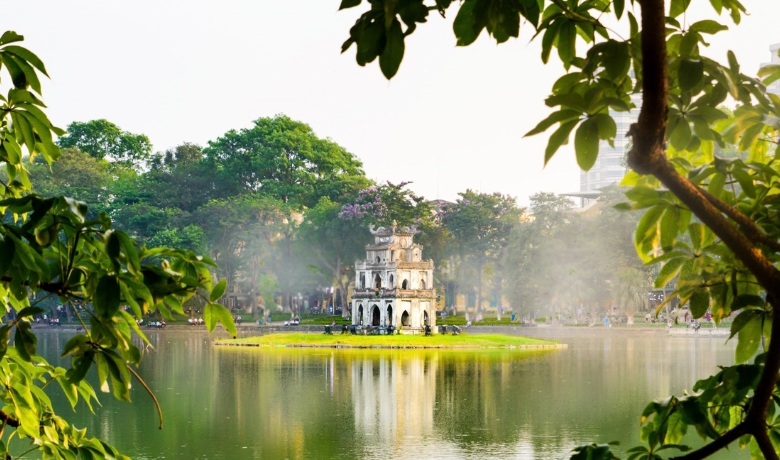
Begin in Hanoi, where French colonial buildings, centuries-old temples, and bustling street markets create an unforgettable first impression.
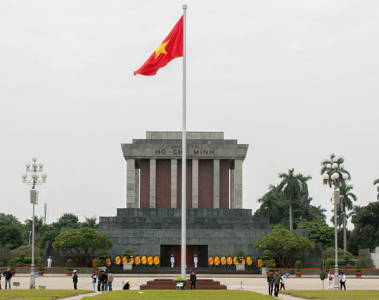
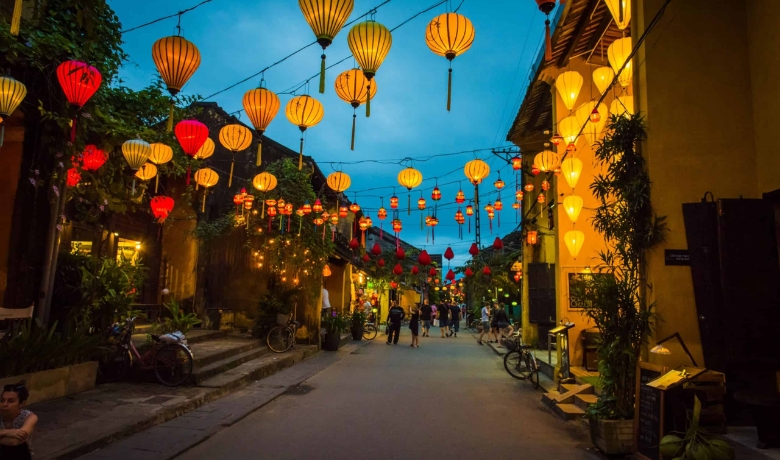
Cruise through the emerald waters of Halong Bay, spend a few days wandering Hoi An’s lantern-lit streets, and finish in Ho Chi Minh City, where fascinating war history meets one of Southeast Asia’s best street food scenes. Along the way, you’ll experience everything from overnight cruises and cooking classes to local coffee culture and vibrant night markets.
Cambodia (3 – 4 days)
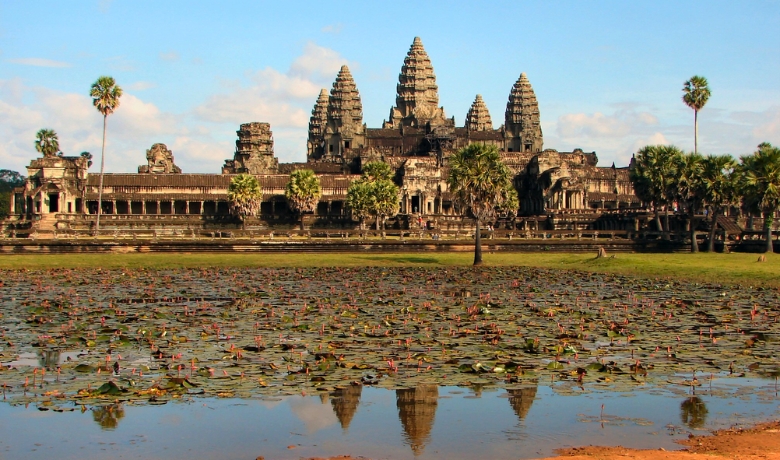
Continue to Siem Reap, home to the legendary Angkor Archaeological Park. Watching the sunrise over Angkor Wat is one of Southeast Asia’s most iconic travel experiences, but there’s much more beyond the famous temple.
Explore mysterious jungle-covered ruins such as Ta Prohm, admire the giant stone faces of Bayon Temple, and discover Cambodia’s resilient culture through local villages, markets, and traditional Khmer cuisine.
Thailand (8 – 9 days)
End your adventure in Thailand, where every destination offers something different.
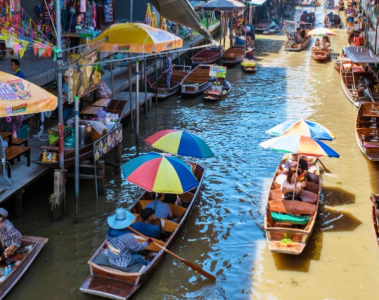
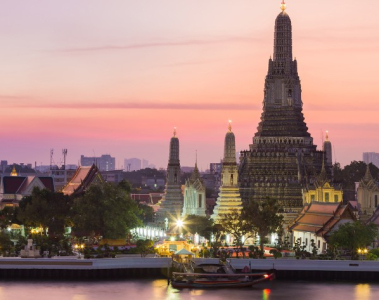
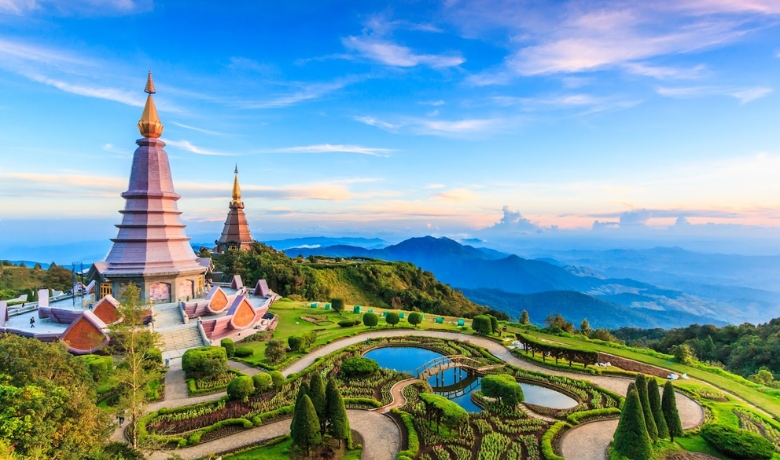
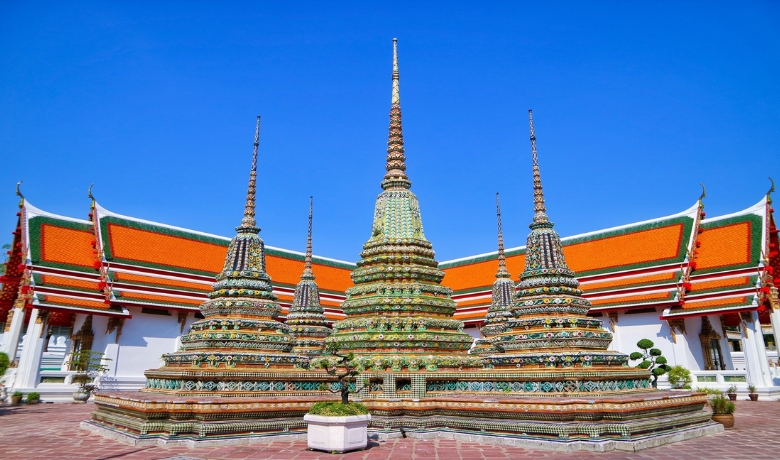
Explore Bangkok’s glittering Grand Palace, riverside temples, and energetic street markets before flying north to Chiang Mai for mountain scenery, ethical elephant sanctuaries, and famous night bazaars.
Finish with a few relaxing days in Phuket, where white-sand beaches, island-hopping tours, and spectacular sunsets provide the perfect ending to a three-week adventure.
> See tour: Vietnam, Cambodia and Thailand Tour
Option 2: The Northern Trail (Thailand – Laos – Vietnam)
- Best for: Slow travelers, nature lovers, photographers, and those looking for authentic local culture.
Instead of rushing between major tourist attractions, this itinerary focuses on peaceful landscapes, traditional villages, Buddhist culture, and slower travel.
Thailand (6 – 7 days)
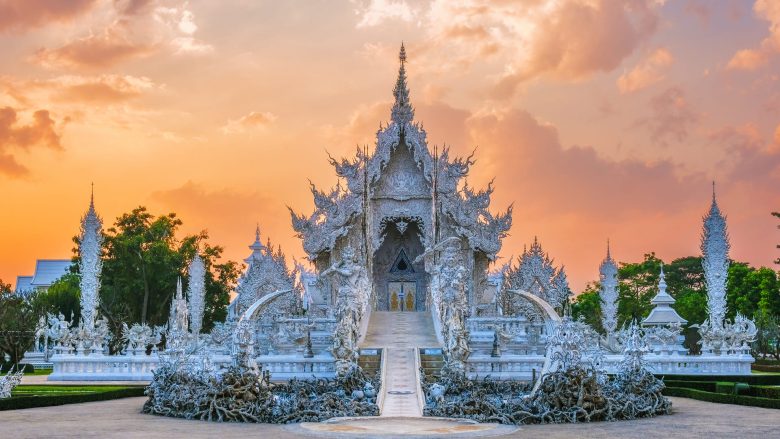
Start in Bangkok before heading north to Chiang Mai. Explore centuries-old temples, browse colorful weekend markets, hike through lush mountains, and visit ethical elephant sanctuaries. If your schedule allows, continue to Chiang Rai to admire the striking White Temple and the scenic countryside surrounding northern Thailand.
Laos (5 – 6 days)
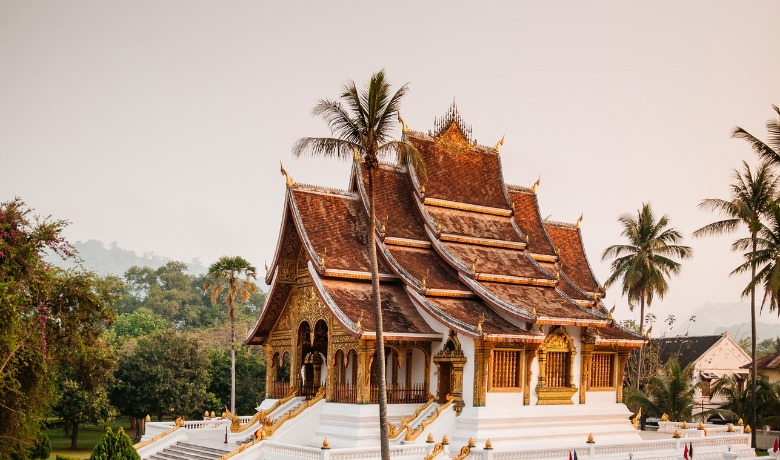
Cross into Luang Prabang, one of Southeast Asia’s most charming UNESCO World Heritage cities. Wake before sunrise to witness the daily alms-giving ceremony, cruise along the Mekong River, swim beneath the turquoise waterfalls at Kuang Si, and enjoy cafés overlooking the river. Laos moves at a slower pace, making it an ideal place to recharge before continuing your journey.
> Read more: Where To Visit In Laos For First-time Travelers?
Vietnam (8 – 9 days)
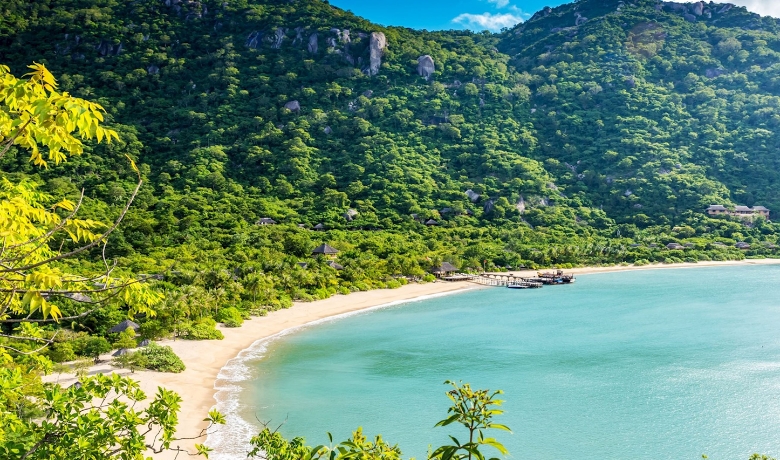
Finish in Vietnam with a completely different atmosphere. Wander through the timeless streets of Hoi An, relax on the beaches of Da Nang or Phu Quoc, or head to Nha Trang for snorkeling, island tours, and fresh seafood. This final leg balances cultural exploration with enough beach time to end the trip feeling refreshed.
Option 3: The Diverse Contrast (Singapore – Malaysia – Indonesia/Bali)
- Best for: Travelers who love modern cities, multicultural cuisine, luxury experiences, and tropical islands.
This itinerary showcases how dramatically Southeast Asia can change within just a few short flights.
Singapore (4 – 5 days)
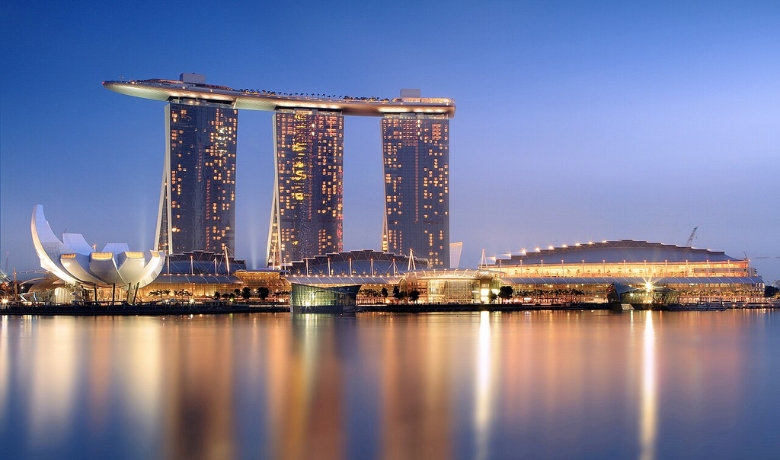
Begin in one of the world’s cleanest and most futuristic cities. Visit Marina Bay Sands, Gardens by the Bay, and vibrant neighborhoods such as Chinatown, Little India, and Kampong Glam.
Despite its modern skyline, Singapore is also one of Asia’s best food destinations, with affordable Michelin-recognized hawker stalls alongside world-class restaurants.
Malaysia (6 – 7 days)
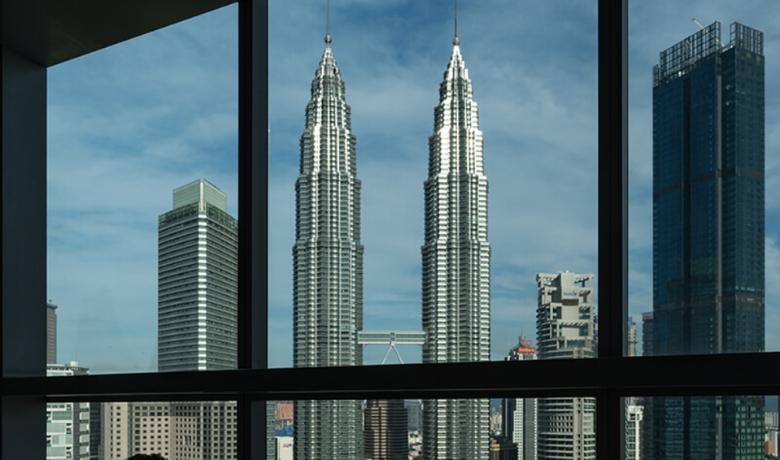
Continue to Kuala Lumpur, where colonial architecture, Islamic culture, Chinese heritage, and modern skyscrapers exist side by side.
Visit the iconic Petronas Twin Towers, explore colorful temples and street food districts, then spend a couple of days in historic Melaka, where Portuguese, Dutch, and British influences have shaped one of Southeast Asia’s most fascinating old towns.
Indonesia – Bali (9 – 10 days)
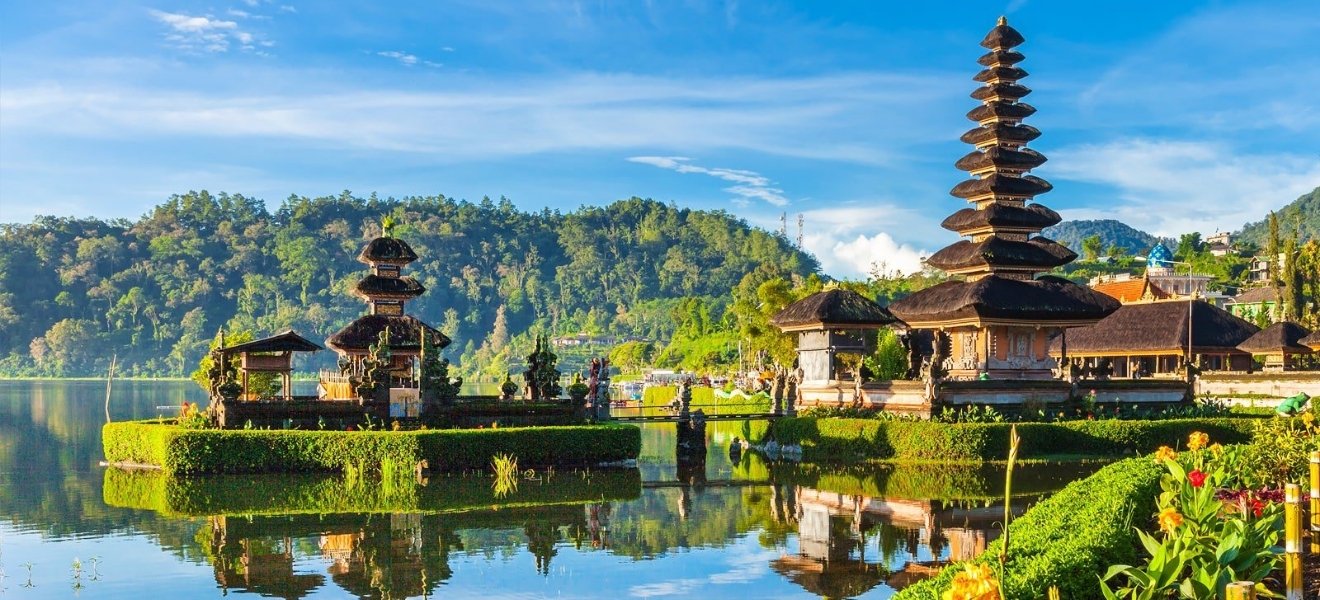
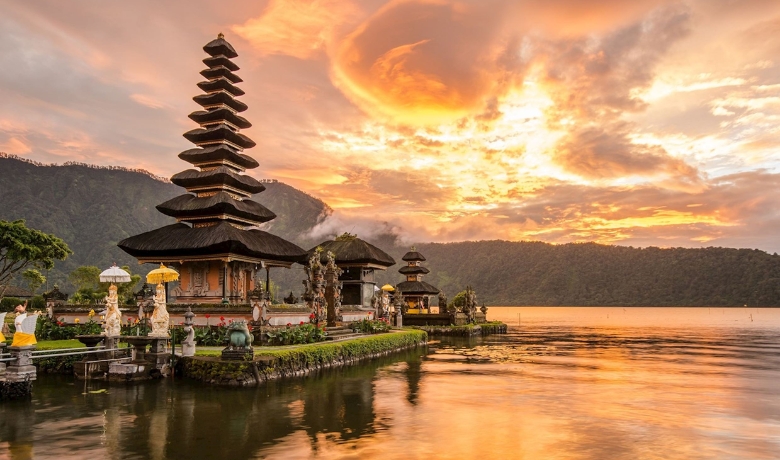
Slow the pace for your final destination. Bali offers far more than beautiful beaches. Discover rice terraces around Ubud, visit ancient sea temples at sunset, chase waterfalls hidden in the jungle, learn to surf, join yoga retreats, or simply relax at beach clubs overlooking the Indian Ocean. The island’s mix of culture, nature, wellness, and nightlife makes it one of the most versatile destinations in Southeast Asia.
Option 4: The Ultimate Island Hopping (The Philippines)
- Best for: Beach lovers, scuba divers, snorkelers, and adventure seekers.
If your dream vacation revolves around crystal-clear water rather than temples or big cities, spend the entire three weeks exploring the Philippines.
Palawan (8 – 9 days)
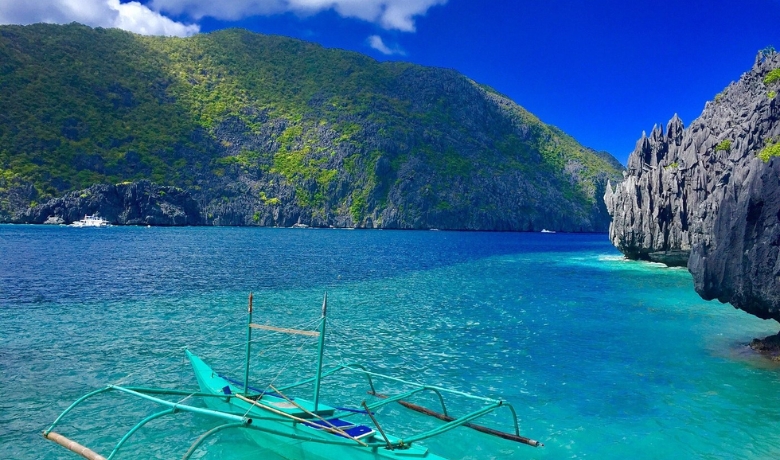
Start in Coron, famous for dramatic limestone islands, turquoise lakes, and some of the world’s best wreck diving. Continue to El Nido, where island-hopping tours take you through hidden lagoons, secret beaches, and towering karst cliffs that regularly appear on lists of the world’s most beautiful islands.
Cebu (5 – 6 days)
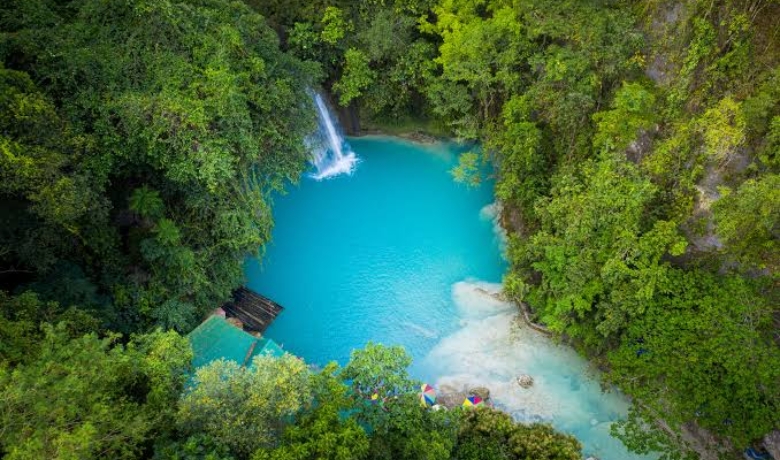
Fly to Cebu for a mix of adventure and marine life. Go canyoneering at Kawasan Falls, snorkel alongside vibrant coral reefs, or take a day trip to Moalboal to witness the famous sardine run. Between adventures, enjoy fresh seafood and some of the country’s friendliest hospitality.
Siargao or Bohol (6 – 7 days)
Finish your itinerary with a slower island experience. Surfers can head to Siargao, known for Cloud 9 and its laid-back café culture, while Bohol offers the unique Chocolate Hills, centuries-old churches, lush countryside, and opportunities to spot the tiny Philippine tarsier. Since domestic flights and ferries can sometimes be delayed, leave a little flexibility in your schedule to make island hopping more enjoyable.
Best Time to Visit Southeast Asia
The best time for a Southeast Asia itinerary 3 weeks is generally from November to February. During these months, much of the region enjoys cooler temperatures, lower humidity, and minimal rainfall, making it ideal for sightseeing, island hopping, hiking, and long-distance travel between countries.
However, Southeast Asia covers a vast area, so weather conditions vary by destination.
- Thailand and Cambodia: The dry season from November to February offers pleasant temperatures and clear skies, making it the best time to explore Bangkok, Chiang Mai, Angkor Wat, and Thailand’s islands. Between March and June, temperatures frequently exceed 35°C (95°F), especially inland.
- Vietnam: Weather differs significantly by region. Northern Vietnam is coolest and driest from October to April, making it perfect for Hanoi, Sapa, and Halong Bay. Central Vietnam enjoys its best beach weather from February to August, while Southern Vietnam, including Ho Chi Minh City and Phu Quoc, is driest between December and April.
- Rainy season (July to October): Afternoon downpours are common across many parts of Southeast Asia, but they rarely last all day. Traveling during this period means greener landscapes, fewer tourists, and significantly lower prices for hotels and flights, making it an excellent option for budget-conscious travelers.
> Read more: Decoding Southeast Asia’s Gems: The Best Time to Visit Thailand Cambodia and Vietnam
Essential Transportation Guide: Getting Around Southeast Asia
Getting around efficiently is one of the keys to making the most of a Southeast Asia itinerary 3 weeks. Fortunately, the region offers affordable transportation options that make traveling between countries and cities relatively easy.
Flights
Flights are the fastest way to travel between countries, especially if your itinerary includes 3 or 4 destinations. Budget airlines operate extensive networks throughout the region, making it possible to find inexpensive fares when booked in advance.
Suvarnabhumi Airport in Bangkok and Singapore Changi Airport are the two largest aviation hubs, offering convenient connections to almost every major destination in Southeast Asia.
Buses and trains
For shorter distances, buses and trains are often the best value. Overnight sleeper trains in Thailand and Vietnam provide a comfortable way to travel while saving the cost of one night’s accommodation.
Sleeper buses are another popular option for backpackers, with routes connecting many major cities and tourist destinations across Vietnam, Cambodia, Laos, and Thailand.
Getting around cities
Within cities, ride-hailing apps are usually the safest and most convenient choice. Grab is widely available across Southeast Asia, while Gojek operates in Indonesia and Singapore, and Green SM is a reliable option in Vietnam. These apps display fares before you book, helping you avoid overcharging.
For a more local experience, take a tuk-tuk in Thailand or Cambodia, but always agree on the price before starting the journey if you are not using a ride-hailing app.
Visas and Essential Travel Tips for First-Timers
Planning the practical details in advance will make your Southeast Asia itinerary 3 weeks much smoother, especially if you’re visiting multiple countries in one trip.
Visa requirements
Visa policies across Southeast Asia are generally traveler-friendly, but requirements vary depending on your nationality.
- Thailand offers visa-free entry for citizens of many countries, allowing stays long enough for most vacations.
- Vietnam issues an e-Visa valid for up to 90 days to citizens of all countries and also provides visa exemptions for travelers from several European and ASEAN nations.
- Cambodia makes entry straightforward with both e-Visa and Visa on Arrival options available for most international visitors.
Always check the latest entry requirements before booking your flights, as visa policies can change.
Money and payments
Cash is still essential in many parts of Southeast Asia, especially at local markets, street food stalls, and small family-run businesses. Carrying new, undamaged US dollar bills can be helpful for exchanging money in countries such as Cambodia.
While credit cards are widely accepted in hotels, shopping malls, and larger restaurants, many businesses add a 2 to 3 percent card processing fee. It’s also worth withdrawing some local currency after arrival for everyday expenses.
> Read more: Payments and Currency in Vietnam: Everything You Need to Know Before Your Trip
Local etiquette
Respecting local customs goes a long way when traveling in Southeast Asia. When visiting temples, palaces, or religious sites, particularly in Thailand and Cambodia, wear clothing that covers your shoulders and knees.
Remove your shoes before entering temples and private homes, speak quietly in sacred places, and avoid touching people’s heads, which is considered disrespectful in many cultures across the region.
Packing tips
Pack lightweight, breathable clothing suitable for hot and humid weather, along with comfortable walking shoes or sandals. If your itinerary includes northern Vietnam or Laos during the cooler months, bring a light jacket for chilly mornings and evenings.
Sunscreen, insect repellent, and a reusable water bottle are essentials throughout the region. To stay connected from the moment you land, consider purchasing an eSIM such as Airalo, which works across multiple Southeast Asian countries and eliminates the need to swap physical SIM cards during your trip.
Your Perfect Southeast Asia Itinerary 3 Weeks Starts Here
A Southeast Asia itinerary 3 weeks gives you enough time to experience the incredible diversity that makes this region so unforgettable. From vibrant street food markets and centuries-old temples to emerald bays, tropical islands, and mountain landscapes, three weeks offers the perfect balance of culture, adventure, and relaxation without feeling rushed.
If you’re unsure which route best matches your travel style, Asia Pioneer Travel can help. Our local travel specialists create personalized itineraries tailored to your interests, budget, and pace, taking care of transportation, accommodation, and every detail along the way. Contact us today to start planning a seamless and unforgettable Southeast Asia adventure.