Winter in Vietnam: Surprising Time to Planning Your Perfect Trip
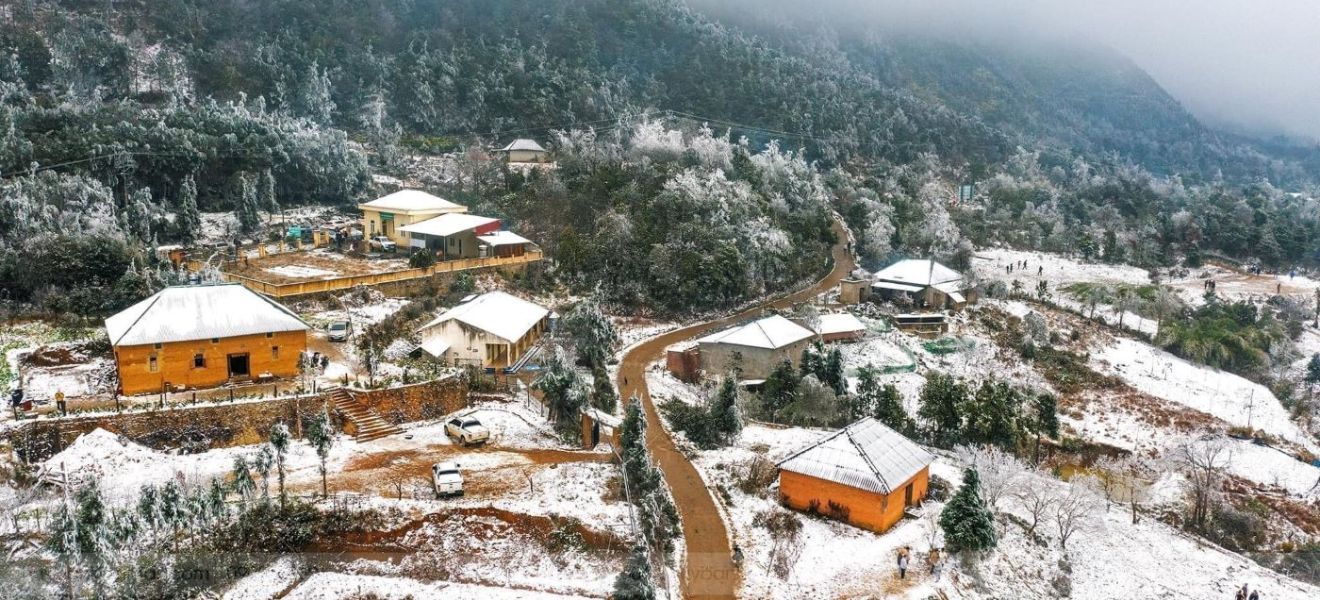
When you picture Vietnam, heat and humidity may come to mind, but here is a delightful secret—winter in Vietnam, especially in Hanoi, from November to April, invites you to enjoy cozy jackets, the unique treat of egg coffee, and many more!
This season showcases a diverse range of climates, shaped by the enchanting Northeast Monsoon, from the breathtaking northern mountains to the sunny southern shores. It’s the perfect opportunity to embrace three distinct seasons in one journey—exploring ancient cities in pleasant weather or unwinding on sun-kissed beaches. Join us in discovering the magical winter wonders that Vietnam has in store for you!
The North: A True Taste of Winter
If Vietnam has a place where winter takes on its fullest form, it’s here in the north. From November to February, this region becomes a haven for travelers who love cool weather, misty landscapes, and the luxury of exploring without the intense heat. If you thrive in crisp air and atmospheric scenery, this is your season — and the north is your paradise.
Hanoi’s Cozy & Romantic Charm
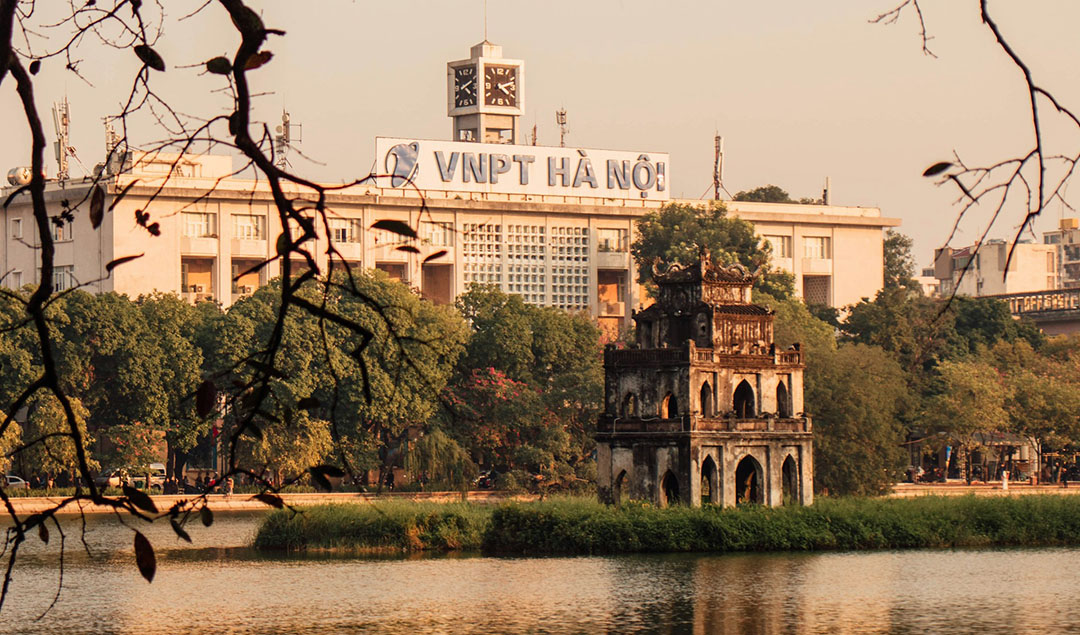
Hanoi feels like an entirely different city in winter. Gone is the sweltering, heavy humidity of summer; in its place comes a refreshing coolness, with temperatures sitting comfortably. Especially, in December, Hanoi’s average temperature typically ranges from 14°C to 21°C. The shift is dramatic — suddenly, Hanoi becomes a European-esque city break infused with unmistakable Southeast Asian soul.
Winter is the best time to wander aimlessly through the Old Quarter’s 36-storied streets, slipping into temples, traditional houses, and tucked-away cafes without breaking a sweat. Even the city’s food feels different. Roasted chestnuts warm locals’ hands, steaming bowls of cháo sườn (pork rib porridge) appear on sidewalks, and phở becomes more than a meal — it becomes comfort.
The city turns poetic in the early mornings. Around 5–6 AM, a soft veil of mist drifts above Hoan Kiem Lake, giving the entire area a dreamy, timeless quality. Flower markets burst with cúc họa mi — delicate white daisies that signal winter’s arrival. And there is no better way to take it all in than from a second-story café, sipping a hot bowl of bánh trôi tàu — ginger soup with glutinous rice balls — while watching the beautiful, chaotic rhythm of Hanoi life unfold below.
>> Read More: How To Make The Most Out Of One Week In Hanoi?
Sapa & The Northern Highlands: A Hiker’s Paradise
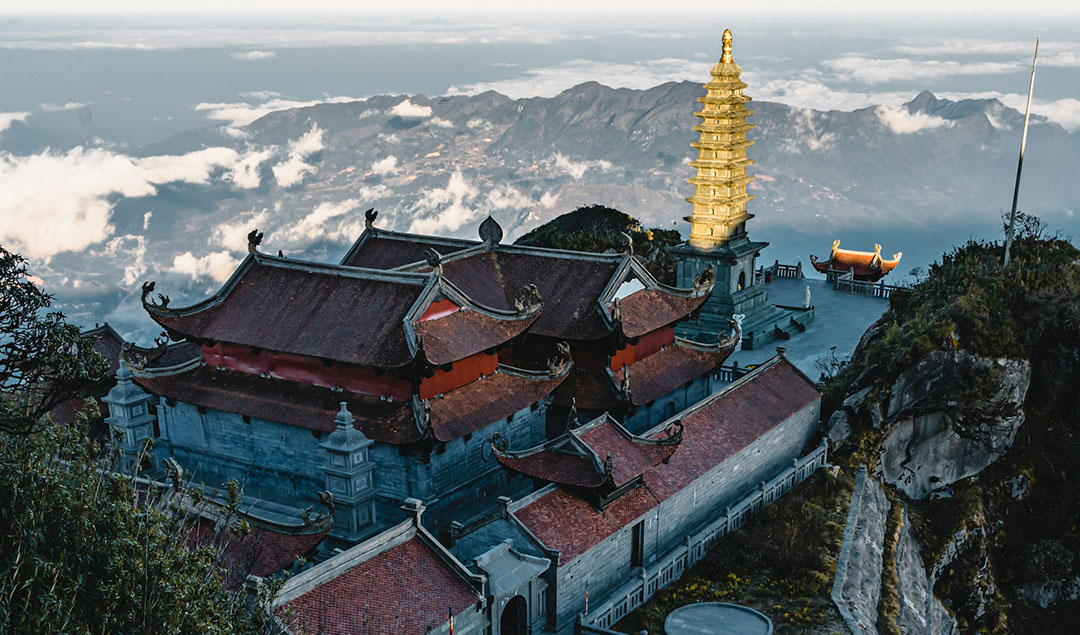
Where Hanoi is cozy, Sapa and the northern highlands are raw, wild, and unforgettable. By winter, the heavy rains have passed and the air turns crystal-clear, creating the best visibility of the year. The terraced valleys stretch endlessly in every direction, perfect for both photographers and adventure-seekers.
This is prime trekking season. The cool, invigorating air is ideal for multi-day hikes through ethnic minority villages like Lao Chai and Ta Van. Winter also brings the phenomenon travelers adore — cloud hunting (săn mây). Stand on a mountaintop and watch entire rivers of white clouds drift slowly through the valleys below you.
The cultural experience deepens, too. Evenings in winter are made for gathering around a fire in a traditional homestay, sharing a hearty meal — and perhaps a generous sip of homemade rice wine — with a H’mong family.
And yes, winter in the highlands can be cold. Peaks like Mount Fansipan often drop below freezing, and mornings dusted with frost are common. On rare occasions, a light snowfall appears — a magical moment that sends the entire country buzzing with excitement.
>> Read More: Best Sapa Trekking Routes That Will Show You The Charm of This Land
Halong Bay’s Ethereal Beauty

Halong Bay doesn’t need summer sunshine to impress. In fact, many seasoned travelers swear that winter is when the bay is at its most enchanting.
Instead of the intense heat and high-season crowds, the cooler months bring a quiet, mystical atmosphere. A gentle mist often drifts between the limestone karsts, making them appear as if they’re floating above the emerald waters. It’s like gliding through a living watercolor painting.
The experience is not only more serene — it’s more authentic. Fewer visitors mean peaceful kayaking sessions, calm overnight cruises, and quiet mornings where you can step onto the deck and practice Tai Chi as the rising sun melts through the fog.
If you prefer an even more tranquil escape, nearby Lan Ha Bay and Bai Tu Long Bay offer the same dramatic landscapes with a fraction of the traffic — a winter traveler’s dream.
>> Read More: Discover The Best Ways To Travel From Hanoi To Halong Bay
The Center: Where Sunshine Meets Culture
As you continue south, winter gradually gives way to a warm and welcoming spring. This region is Vietnam’s “Goldilocks zone” — a place where the temperatures are mild, the skies are clear, and the weather feels just right for soaking up the country’s historical heartland.
Tourism leaders in this region are introducing new cultural tours and heritage-site experiences to attract visitors during the winter months. If you’re looking for that perfect balance between sunshine and culture, central Vietnam delivers beautifully.
Hoi An & Da Nang: The Golden Hours
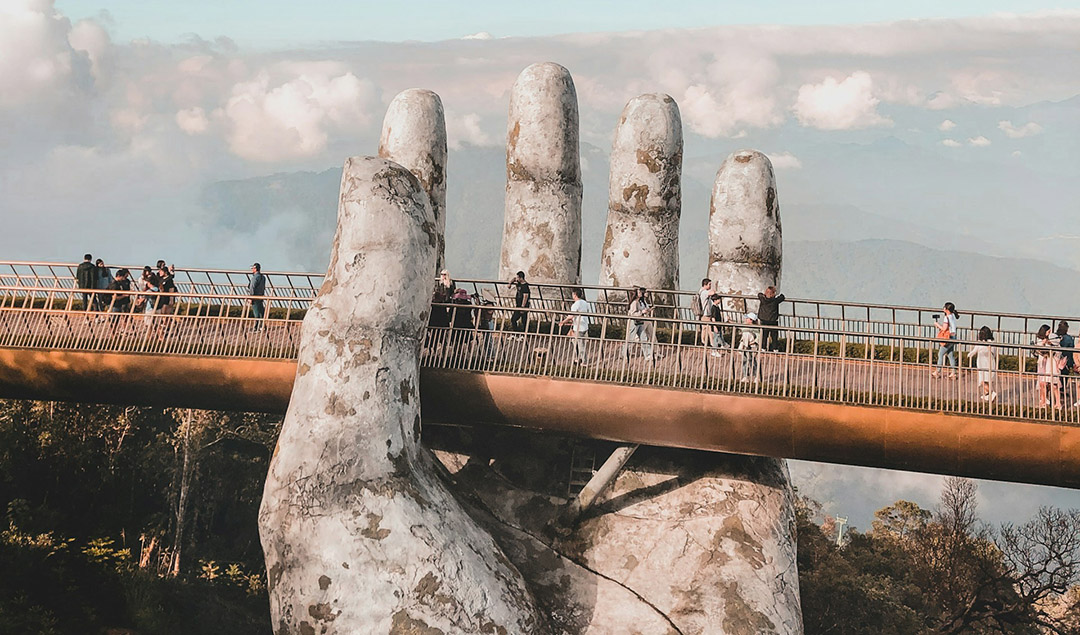
Central Vietnam dances to its own rhythm when it comes to the weather. The rainy season lingers a bit longer here, so November and early December can still be marked by steady downpours and grey skies. But patience truly pays off.
By January, the rain clouds drift away, and from then until April, the region enters what locals lovingly call its “golden hours.” Days become dry, warm, and wonderfully bright, with temperatures in the low to mid-20s°C (70–77°F) — ideal for slow, immersive travel.
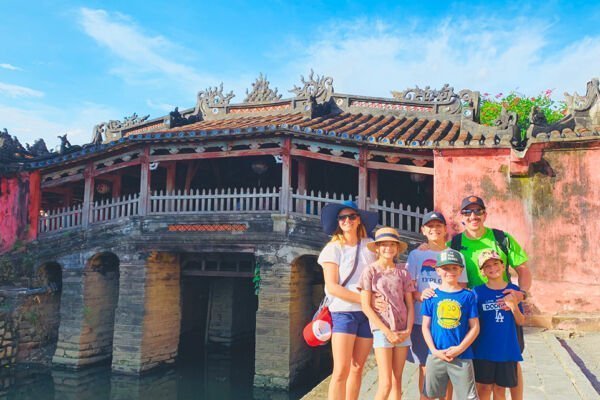
This is when Hoi An feels almost dreamlike. You can cycle through emerald rice fields without the punishing heat of summer or wander for hours through the lantern-lit Ancient Town, stopping at tailor shops, traditional houses, and riverside cafes along the way. Lunar New Year (Tết) transforms the entire town into a glowing wonderland of silk lanterns, altars, flowers, and nighttime festivities.
Nearby Da Nang and An Bang Beach trade their summer crowds for peaceful, breezy walks along the shoreline. The water is cool for swimming, but perfect for reflective seaside strolls, fresh seafood lunches, and lazy afternoons spent reading under a clear sky.
>> Read More: Top 4 Perfect Hoi An Vietnam Itinerary – A Local’s Guide to Magic and Memories
Hue: Exploring an Imperial Past in Comfort
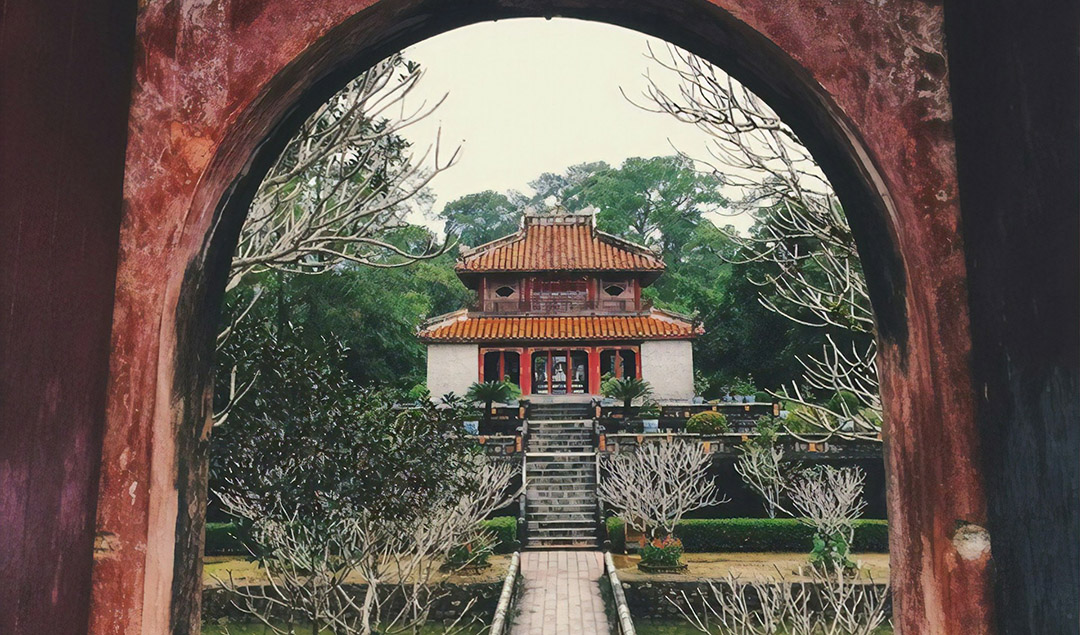
Hue, once Vietnam’s imperial capital, carries a weather pattern all its own. Sheltered by the dramatic Hai Van Pass, the city remains cooler, cloudier, and often draped in a gentle drizzle throughout winter.
But Hue wears this weather like a poetic cloak. The mist adds atmosphere to everything — from the moss-covered gates of the Imperial Citadel to the ancient stone pathways that line the royal tombs along the Perfume River. Exploring these vast, open-air complexes in winter is not just easier; it feels more authentic, more contemplative, more deeply connected to the city’s imperial soul.
And then there’s the food. Nothing warms you like a steaming bowl of bún bò Huế, the city’s spicy, fragrant signature dish. In the gentle winter chill, it becomes the perfect fuel for a day spent uncovering centuries of history, architecture, and quiet beauty.
>> Read More: Top 10 Unusual Things to Do in Hue – Local Guide Reveals All
The South: Your Ultimate Tropical Escape
While the north bundles up and the center enjoys mild sunshine, the south unfurls into the tropical postcard you’ve been imagining. This is Vietnam’s sun-soaked paradise — the reward for traveling during the winter months.
Ho Chi Minh City & The Mekong Delta
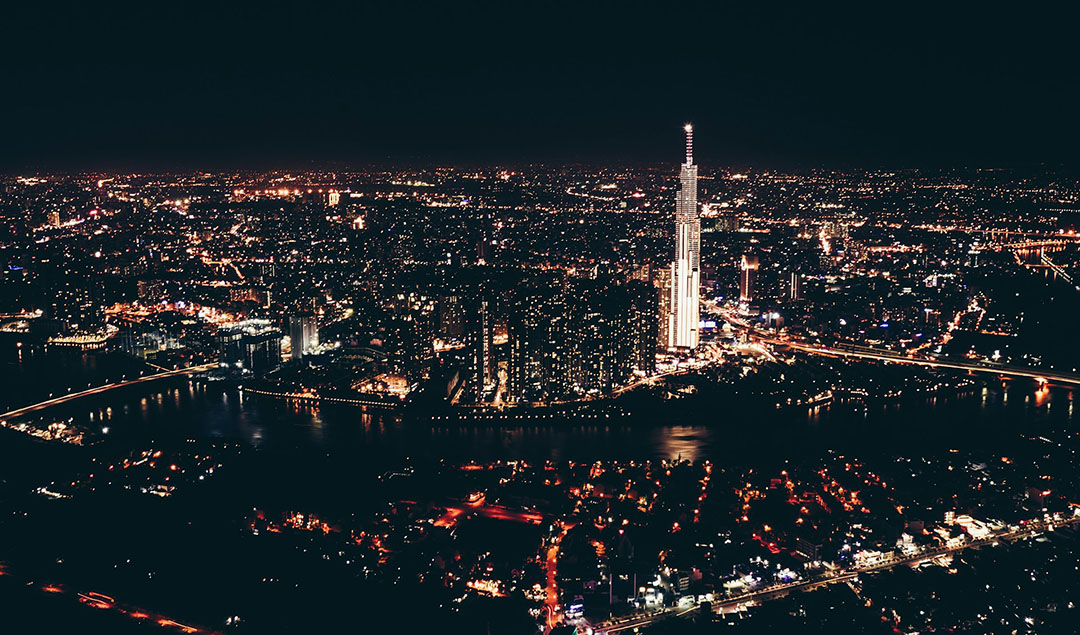
Welcome to the dry season. From December to April, Ho Chi Minh City experiences its most comfortable, vibrant months of the year. The intense humidity of summer lifts, leaving behind crystal-blue skies, warm breezes, and ideal conditions for city exploration.
Suddenly, everything feels easier. You can explore District 1’s colonial architecture, browse the bustling aisles of Ben Thanh Market, or take in sobering history at the War Remnants Museum without the overwhelming heat. Evenings are especially magical — rooftop cocktails become breezy, pleasant affairs, with the city’s neon skyline glittering below.
The Mekong Delta also comes alive in winter. The waters recede, the canals become fully navigable, and life along the river flourishes. This is the perfect time for boat trips through palm-lined waterways, sunrise visits to the bustling floating markets of Can Tho, and easy cycling through rural villages framed by fruit orchards and endless blue skies.
>> See Tour: Ho Chi Minh City to Mekong Delta Tour
Phu Quoc & The Southern Islands: Paradise Found

From November to March, Phu Quoc and nearby Con Dao enjoy flawless weather. The west coast of Phu Quoc, including Long Beach, becomes a postcard come to life: calm turquoise water, sugar-soft sand, and temperatures hovering comfortably between 25–30°C (77–86°F).
This is the season to slow down and savor the moment. Snorkel or dive the vibrant reefs of the An Thoi archipelago. Stretch out on Sao Beach, often named among the most beautiful beaches in the world. Fill your days with fresh seafood barbecues, hammocks, coconut trees, quiet coves, and sunsets that wash the island in gold.
This isn’t just a good time to visit Vietnam’s southern islands — it is unequivocally the best.
>> Read More: Phu Quoc Weather Guide – The Best Time to Visit for a Perfect Trip
What to Pack: A Simple, Region-by-Region Guide
Packing for Vietnam in winter can seem tricky at first — after all, you’ll be traveling across three very different climates. But with a little planning, your suitcase can tell the story of your journey: crisp mountains, golden central towns, and tropical beaches. Here’s a region-by-region breakdown to make sure you’re prepared.
The North: Layer Up for Cool Adventures
Winter in Hanoi and the northern highlands is cool, sometimes cold, especially in Sapa or on Fansipan. Layering is key.
Essentials for the North:
- Long-sleeved shirts and t-shirts for base layers
- A warm mid-layer: fleece, sweater, or light down jacket
- A windproof and ideally water-resistant outer layer
- Scarf, beanie, and gloves for chilly mornings or mountain hikes
- Comfortable, closed-toe walking shoes (non-slip soles are ideal for trekking and wet streets)
Optional extras:
- Thermal socks for trekking or cold nights in Sapa homestays
- Lightweight rain jacket or travel umbrella for occasional showers
- Sunglasses and sunscreen for bright, clear days at higher altitudes
The Center: Light Layers for Mild Weather
Central Vietnam, including Hoi An, Da Nang, and Hue, enjoys “just-right” winter temperatures, similar to a European spring. Daytime is generally warm, but evenings — particularly in Hue or the Central Highlands — can get surprisingly cool.
Essentials for the Center:
- T-shirts or short-sleeved tops for daytime
- Light trousers, shorts, or skirts
- Light jacket, cardigan, or pashmina for cooler evenings
- Comfortable walking shoes or sandals for exploring towns
Optional extras:
- Small backpack for day trips to temples, rice paddies, or nearby villages
- Reusable water bottle to stay hydrated during long sightseeing walks
- Light scarf or shawl for temple visits (modesty-friendly)
The South: Classic Summer Comfort
Southern Vietnam, including Ho Chi Minh City, the Mekong Delta, and Phu Quoc, is warm and tropical year—round, with a climate similar to summer. Your wardrobe here is all about staying cool and sun-safe.
Essentials for the South:
- Swimwear, shorts, tank tops, linen shirts, and light dresses
- Sandals or breathable shoes
- Wide-brimmed hat and sunglasses
- High-SPF sunscreen
Optional extras:
- Waterproof bag or pouch for river trips in the Mekong Delta or snorkeling gear in Phu Quoc
- Light, quick-dry towel or sarong for beaches
- Insect repellent for evenings in coastal areas or rural islands
Pro Travel Tip
If you’re moving quickly between regions, pack strategically in layers and use packing cubes to maximize efficiency. Keep winter gear separate from your tropical items — this way, you can adjust easily as you move from Hanoi’s cool mornings to Phu Quoc’s sunny afternoons without overpacking.
With a smart suitcase and the right mix of layers, jackets, swimwear, and comfort essentials, you’ll be ready to enjoy all three of Vietnam’s winter climates without stress.
>> See Tour: The Very Best of Vietnam
Experience the Magic of Winter in Vietnam
From the misty mornings of Hanoi to the golden streets of Hoi An and the sun-drenched beaches of Phu Quoc, winter in Vietnam offers an extraordinary journey through three climates, three cultures, and three unforgettable experiences. Each region brings its own charm, whether it’s the cozy romance of the north, the cultural richness of the center, or the tropical escape of the south.
With the right preparation — layers for the north, light wear for the center, and summer essentials for the south — your trip can be comfortable, adventurous, and utterly seamless. You don’t have to choose just one Vietnam — winter lets you enjoy it all, in one perfectly timed itinerary.
If you’re ready to experience the full spectrum of Vietnam’s winter wonders, let Asia Pioneer Travel craft your ideal journey. From hidden cafés in Hanoi to trekking in Sapa, lantern-lit evenings in Hoi An, and serene days on Phu Quoc’s beaches, we’ll design a tailor-made adventure that matches your pace, interests, and comfort.
Pack your jacket, your swimsuit, and your sense of wonder — Vietnam is waiting.

Tours You might like

Classic Vietnam Tour: Ho Chi Minh City to Hanoi
Vietnam Off the Beaten Path
 Best Seller