Perfect Luang Prabang Itinerary: How to Experience Laos’ Most Charming City
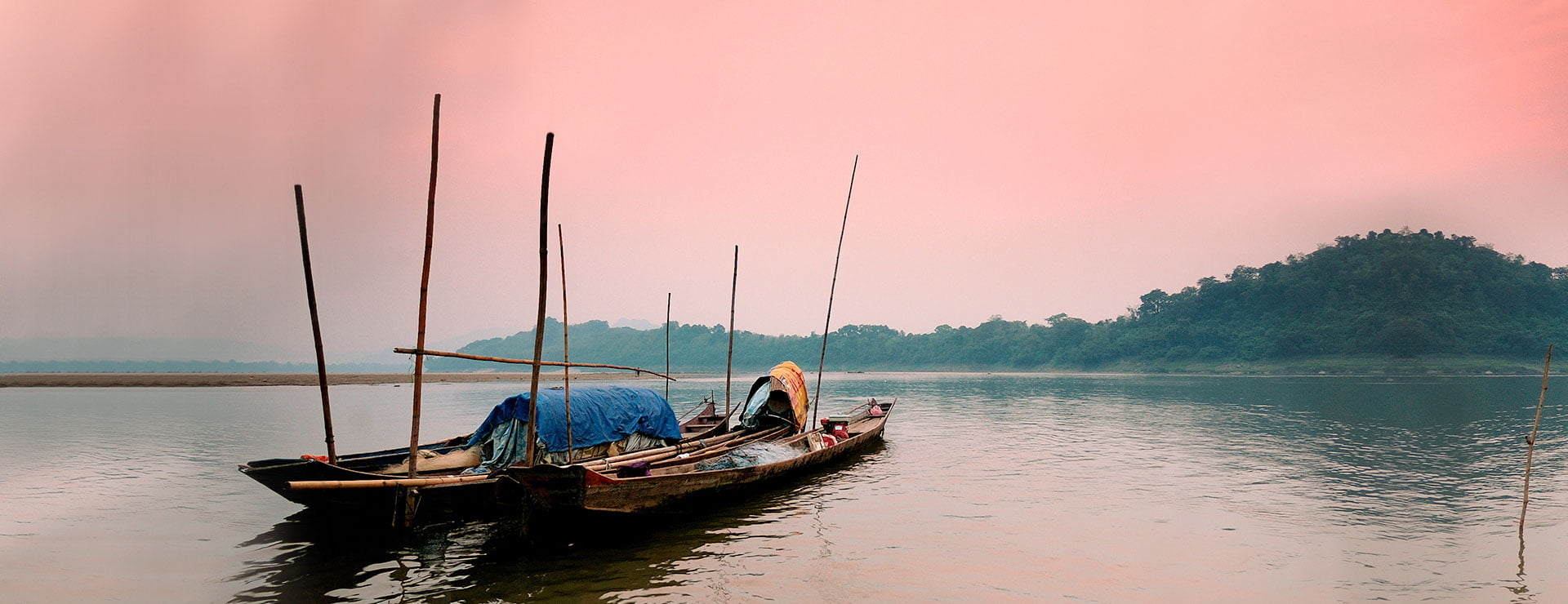
Forget the frantic pace of Southeast Asia’s mega-cities. Forget the blaring horns, the crowded beaches, and the relentless hustle. In Luang Prabang, a town nestled in a lush valley at the sacred confluence of the Mekong and Nam Khan rivers, time doesn’t just slow down—it finds its natural rhythm.
But how do you unlock the true essence of this UNESCO World Heritage town through a perfect Luang Prabang itinerary without feeling like just another tourist? This comprehensive guide is your key to blending the iconic sights with the authentic pulse of local life, ensuring you leave with memories that will last a lifetime, not just photographs.
1. How Many Days Do You Need in Luang Prabang?
This is the golden question, and the answer truly shapes your journey. While you could easily be captivated by its charm for a week or more, the ideal duration depends on the depth of experience you’re seeking.
For a first-time visitor, three full days is the absolute sweet spot. This isn’t just about having enough time; it’s about adopting the town’s unhurried pace, what the locals call “baw pen nyang” (no problem, no worries). Three days allows you to dedicate a day to the cultural and spiritual heart of the old town, a day to the breathtaking nature that surrounds it, and a final day to simply sink into the local rhythm—browsing markets, cruising the Mekong, and letting serendipity be your guide. You’ll have time for that spontaneous coffee in a hidden cafe or an extra hour sitting by the river just watching the world go by. You’ll leave feeling like you’ve truly connected with the place, not just skimmed its surface.
If you’re on a tighter, multi-country itinerary, two days can serve as a fantastic highlights reel. You’ll need to be more focused, but you can certainly experience the crown jewels of Luang Prabang. This condensed version will give you a potent taste of the city’s magic, likely covering the main temples, Mount Phousi at sunset, and an essential trip out to the stunning Kuang Si Falls. It will be a packed but incredibly rewarding 48 hours.
What if you have more time? A stay of four to five days or longer transforms a great trip into an unforgettable immersion. This extended timeline opens the door to experiences beyond the main trail. You could take a traditional Lao cooking class, learning the secrets of sticky rice and laap. You could spend a day at a community-based weaving center, trying your hand at the loom. You could visit the less-crowded Tad Sae waterfalls (best in the wet season) or embark on a guided trek to a remote Khmu or Hmong village for a genuine cultural exchange. This flexibility is why crafting the right Luang Prabang itinerary for your travel style is so important.
2. Day-By-Day Luang Prabang Itinerary
Day 1: Cultural Essence & Golden Sunsets
Today is about a gentle but profound immersion into the spiritual and historical soul of Luang Prabang.
Morning (05:30): Your day begins in the pre-dawn darkness. Plan to be on the main street of the old town by 05:30 for the sacred Tak Bat, or Alms Giving Ceremony. As the sky lightens from inky blue to soft lavender, a profound silence falls over the town. Soon, a long, winding procession of barefoot monks emerges from the thirty-plus temples, their saffron robes a vibrant slash of color against the morning mist. Local residents, kneeling respectfully on woven mats, place handfuls of sticky rice, sweets, and other foods into each monk’s alms bowl. This is a deeply spiritual daily ritual, not a tourist performance. To be a respectful observer is paramount. Find a spot at a distance and watch quietly. If you choose to participate, do so with reverence. Dress modestly with shoulders and knees covered, buy your pre-steamed sticky rice from an official local vendor, and never, ever use a camera flash, as it disrupts the meditative state of the monks.
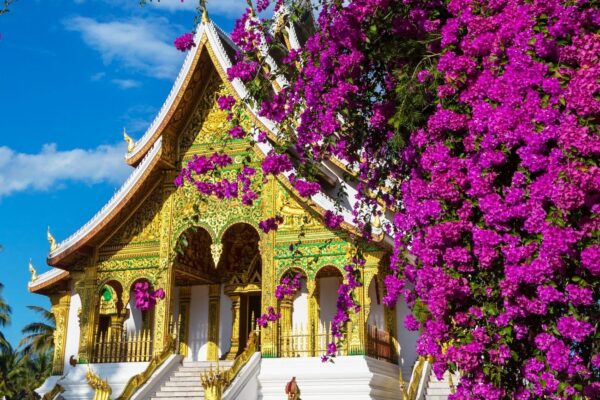
Morning (07:00): After this moving experience, wander through the quiet, waking streets to the magnificent Wat Xieng Thong, the “Monastery of the Golden City.” Built in 1560, this is the crown jewel of Laotian temple architecture. Its gracefully sweeping, multi-tiered roofs are designed to evoke a mother hen protecting her chicks. Spend time admiring the intricate details: the stunning “tree of life” mosaic on the rear wall of the main sim, glittering with colored glass imported from Japan. Look for the ornate funeral carriage house, which contains a breathtaking ceremonial hearse carved with fearsome naga serpents, its wheels gilded in gold.
Afternoon (13:00): Around 13:00, escape the midday sun by stepping into the cool, stately halls of the Royal Palace Museum. This elegant building was the residence of the Laotian monarchy until their overthrow in 1975. The interior has been perfectly preserved, offering a fascinating glimpse into the lives of the royals. You’ll see the king’s reception rooms, modest living quarters, and a fascinating collection of state gifts from around the world. Don’t miss the Pha Bang, the revered 83cm-tall golden Buddha image for which the town is named, housed in a separate ornate pavilion on the grounds. Note that you’ll need to store bags and cameras in lockers for a small fee.
Evening (16:45): As the afternoon heat begins to fade, it’s time for the ascent of Mount Phousi. Aim to start your climb up the 328 steps around 16:45. From the summit, you’re granted a breathtaking 360-degree panorama of Luang Prabang. Watch as the sun dips below the horizon (typically around 18:00), painting the sky and the Mekong River in fiery shades of orange, pink, and gold. Once the sun has set, descend the stairs on the opposite side of the hill, which will lead you directly to the entrance of the Night Market.
Day 2: Waterfalls, Bears, and Village Whispers
Today, we leave the serene town behind to explore the wild, natural beauty of the Laotian countryside.
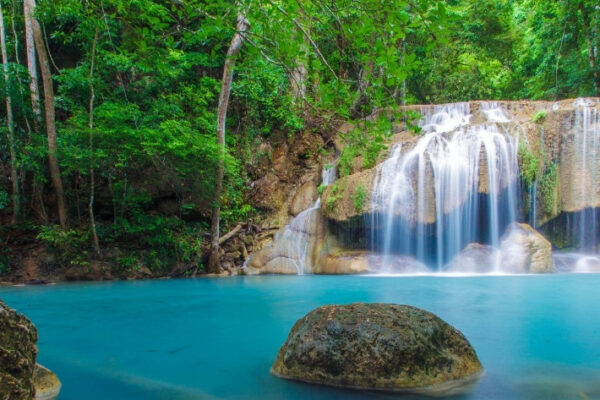
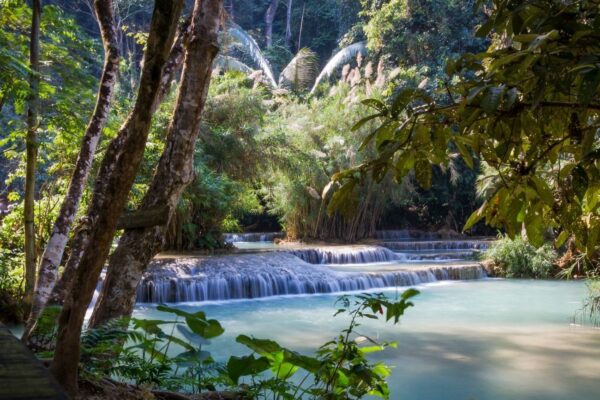
All Day (from 08:30): Plan for an early start around 08:30 to make the most of your day trip to Kuang Si Falls and beat the midday crowds. This multi-tiered cascade of turquoise water is a must-see. The journey is about 45 minutes from town; a round-trip tuk-tuk will typically cost between 20-25 USD, which you can often share with other travelers. The main attraction is the series of stunningly blue swimming holes, colored by the rich limestone mineral deposits. Don’t be shy—jump in! The water is refreshingly cool. For the adventurous, a steep and sometimes slippery trail leads to the top of the main 50-meter cascade, where you’ll find more pools and a different perspective.
At the entrance to the falls, you’ll find the Tat Kuang Si Bear Rescue Centre. Run by Free the Bears, this sanctuary provides a safe home for Asiatic black bears rescued from the illegal wildlife trade and bile farms. It’s inspiring to watch these beautiful animals forage, play, and rest in large, forested enclosures. Your park entrance fee helps support their incredible work. On your journey back, ask your driver to stop at a local craft village like Ban Ouay (a Hmong village) to purchase authentic handicrafts directly from the artisans. Witnessing the intricate process of their textile weaving gives you a much deeper appreciation for the craft.
Day 3: Mekong Rhythms & Market Treasures
Your final day is about embracing the slower, more intimate rhythms of local life.
Morning (07:30): Start your day around 07:30 where the locals do: the bustling and utterly captivating Morning Market. Tucked into a few side streets near the Royal Palace, this is a raw, unfiltered slice of Laotian life. The air is thick with the smells of fresh herbs, grilled fish, and pungent spices. Be adventurous and try a local breakfast of Khao Soi (a rich, savory noodle soup) or a freshly made baguette sandwich (Khao Jee) from a street-side stall.
Afternoon (13:00): Around 13:00, head down to the riverbank and hire a traditional long-tail boat for a journey up the Mekong River to the sacred Pak Ou Caves. The two-hour boat ride is an experience in itself, offering a unique view of river life. Tucked into a limestone cliff are two grottoes filled with thousands of Buddha statues left by pilgrims over centuries. The lower cave, Tham Ting, is easily accessible, while the upper cave, Tham Theung, is darker and requires a torch (or your phone’s flashlight) to explore fully. Hiring a private boat for the round trip can cost around 25-35 USD.
Evening (17:30): As dusk falls around 17:30, the main street is closed to traffic for the vibrant Luang Prabang Night Market. This is one of the most relaxed and enjoyable markets in Southeast Asia. It’s the perfect place to browse for souvenirs like hand-dyed silk scarves, silver jewelry, and mulberry paper lanterns. For dinner, head to the food alley at the market’s entrance, where you can fill a bowl with a huge variety of delicious vegetarian and meat dishes for just a few dollars, often under 5 USD.
3. Where to Stay in Luang Prabang
Your accommodation in Luang Prabang is more than just a place to sleep; it’s an integral part of your experience.
For first-timers, staying in the Old Town is the best choice, putting you within walking distance of everything. You’ll be able to step out of your door and right into the magic. If you’re seeking tranquility and romance, look for a riverside boutique hotel along the banks of the Mekong or Nam Khan. Waking up to the gentle sounds of the river is an experience of pure serenity. For travelers who crave a deeper connection with nature, an eco-lodge just outside of town offers a peaceful retreat amidst lush rice paddies. And for those seeking ultimate comfort, Luang Prabang also boasts several luxury and wellness resorts, often housed in beautifully restored colonial mansions, offering spas, fine dining, and impeccable service.
4. Best Time to Visit
The absolute best time to visit is during the dry season, from November to March. During these months, the weather is idyllic, with clear blue skies and pleasantly warm daytime temperatures. The hot season runs from April to May, and is famous for the exuberant Lao New Year festival, Pi Mai, a three-day city-wide water fight. The rainy or “green” season (June to October) sees fewer tourists and the landscape becomes incredibly lush and vibrant.
5. Essential Travel Tips
5.1. Getting There
Luang Prabang is well-connected via its International Airport (LPQ), the modern Laos-China Railway from Vientiane, and the legendary two-day slow boat down the Mekong from the Thai border.
5.2. Getting Around
The Old Town is best explored on foot. For longer distances, tuk-tuks are everywhere; always agree on a price first. Renting a bicycle is a fantastic way to explore at a leisurely pace.
5.3. Respectful Travel
When visiting temples, always dress modestly, covering your shoulders and knees. Remove your shoes before entering. A friendly “Sabaidee” (hello) will be met with warm smiles everywhere you go. Always ask for permission before taking close-up photos of people, including monks.
5.4. Money and Connectivity
The local currency is the Lao Kip (LAK), but USD is sometimes accepted for larger purchases like tours or hotel bills. ATMs are plentiful in the town center. Wi-Fi is common in hotels and cafes, but can be slow. Consider buying a local SIM card at the airport for reliable data.
See tour: Laos Family Holiday
From the sacred silence of the Tak Bat to the thundering beauty of Kuang Si Falls and the magical rhythm of the Night Market, Luang Prabang is a unique symphony of culture, nature, and tranquility. Whether you have just two rushed days or a full week to immerse yourself, the core elements shared in this article are the foundation for an unforgettable trip. This guide has provided you with the most detailed components—from the ideal timing, accommodation options, and transport tips to the unmissable experiences—to help you design a perfect Luang Prabang itinerary that truly matches your own pace and interests. And if you want to turn your dream trip into a reality without the stress of planning, let the local experts at Asia Travel Pioneer assist. We specialize in crafting tailor-made journeys that connect you with the true soul of a destination. Pack your sense of wonder and an open heart—the timeless charm of Luang Prabang awaits.

Tours You might like
Laos Northern Highlights
Laos Family Holiday