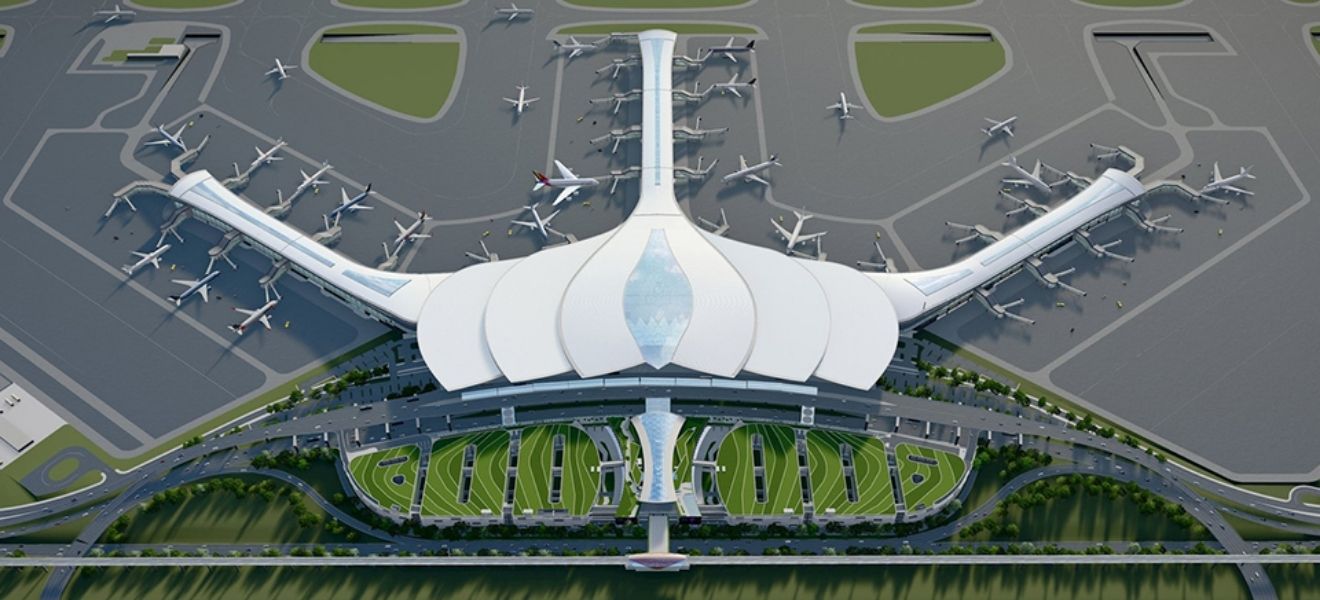


Arriving in Vietnam is set to become more convenient as Long Thanh International Airport prepares to become the main international gateway to Ho Chi Minh City and Southern Vietnam. Located around 40 kilometers east of Ho Chi Minh City, the new airport is being developed to relieve pressure on the increasingly crowded Tan Son Nhat Airport and create a larger international aviation hub.
Commercial operations are scheduled to begin on December 1, 2026, with international flights gradually moving from Tan Son Nhat to Long Thanh over the following year. For travelers planning a trip to Vietnam, this transition means knowing which airport to use, how to get into Ho Chi Minh City, and how the two airports will work together.
1. Long Thanh International Airport: Vietnam’s New International Gateway
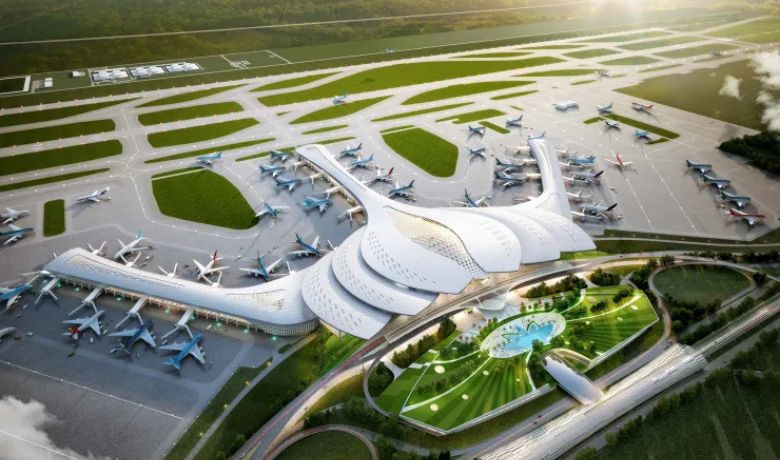
Long Thanh International Airport is located in Dong Nai Province, approximately 40 kilometers east of central Ho Chi Minh City. Its primary purpose is to handle the growing international traffic currently concentrated at Tan Son Nhat, which has operated under significant capacity pressure for years.
The first phase of Long Thanh is designed to handle up to 25 million passengers and 1.2 million tonnes of cargo per year, supported by two runways, each measuring 4,000 meters. Further development will eventually increase the airport’s capacity to 100 million passengers annually.
Beyond relieving Tan Son Nhat, Long Thanh is intended to develop into a major regional aviation and transit hub, strengthening Vietnam’s position among Southeast Asia’s major international gateways and potentially attracting more long-haul connecting traffic through Vietnam.
2. When Will Flights Move to Long Thanh International Airport?
Long Thanh is scheduled to begin commercial operations on December 1, 2026. However, international flights will not all move at once. The transition will take place in three stages, aligned with airlines’ seasonal schedules.

From December 1, 2026 to March 27, 2027
During the first stage, Long Thanh will handle long-haul international flights, cargo flights, new international routes and additional frequencies serving the Ho Chi Minh City area. Around 19% of the city’s international passenger traffic is expected to move to Long Thanh during this initial period.
Tan Son Nhat will continue operating its existing international routes, while no new international routes are expected to be added there during this stage.
From March 28 to October 30, 2027
The second stage will see a much larger transfer of international traffic. Flights to destinations across Europe, the Americas, Oceania, Africa, the Middle East, South Asia and Central Asia will progressively move to Long Thanh.
During this transition, Tan Son Nhat will continue handling many shorter international routes, particularly within Northeast and Southeast Asia.
From October 31, 2027
By the third stage, Long Thanh International Airport is expected to handle nearly all international flights serving Ho Chi Minh City. Tan Son Nhat will retain selected international routes of less than 1,000 kilometers operated by Vietnamese carriers.
The long-term target is for more than 90% of Ho Chi Minh City’s international passenger traffic to operate through Long Thanh International Airport by 2027.
For travelers, the key point is simple: both airports will operate simultaneously during the transition, so always check the airport shown on your flight booking before traveling.
3. Will Domestic Flights Use Long Thanh International Airport?
Domestic flights will remain largely concentrated at Tan Son Nhat Airport.
Travelers flying from Ho Chi Minh City to destinations such as Hanoi, Da Nang, Phu Quoc and other cities within Vietnam should generally expect to depart from Tan Son Nhat. However, airlines may allocate some domestic operations to Long Thanh International Airport depending on passenger demand and future operating plans.
This distinction is particularly important for travelers arriving in Vietnam on an international flight and continuing to another destination within the country.
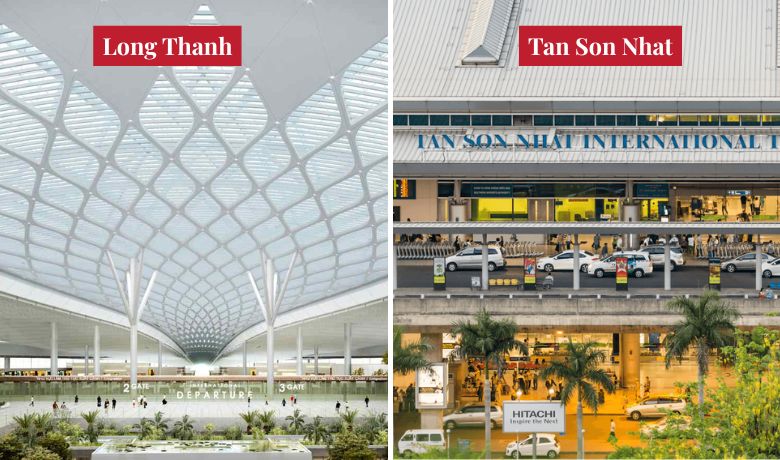
4. Long Thanh International Airport vs. Tan Son Nhat Airport: Which Airport Will You Use?
During the transition period, the two airports will serve different roles.
| Long Thanh Airport | Tan Son Nhat Airport | |
|---|---|---|
| Location | Dong Nai Province | Ho Chi Minh City |
| Main role | International | Domestic + selected international |
| Long-haul flights | Main airport | Gradually reduced |
| Domestic flights | Limited | Main airport |
| Distance from city center | ~40 km | Much closer |
The most important thing for travelers is not to assume that every international flight will immediately move to Long Thanh. Airport assignments will change progressively, so check your airline confirmation before departure, particularly when traveling during the transition period.
5. How to Get From Long Thanh International Airport to Ho Chi Minh City
Long Thanh’s location means getting into Ho Chi Minh City will take more planning than arriving at Tan Son Nhat.
Ground connections are also being upgraded around the airport, including major expressway projects connecting Dong Nai with Ho Chi Minh City. These improvements should make access easier over time, but traffic and ongoing infrastructure work may affect travel times during the airport’s early years.
By Private Car or Airport Transfer
A private airport transfer is likely to be one of the most convenient options for international travelers, particularly families, small groups, travelers with heavy luggage, or those arriving after a long-haul flight. Pre-arranging a transfer can also make the arrival process easier, especially for visitors heading directly to their hotel or continuing to another destination.
By Taxi or Ride-Hailing
Taxi and ride-hailing services are expected to operate at Long Thanh International Airport.
These will offer a flexible option for independent travelers, although journey times will depend heavily on traffic conditions.
By Express Bus
Planned express bus services will connect:
- Long Thanh International Airport ↔ Ho Chi Minh City
- Long Thanh International Airport ↔ Tan Son Nhat Airport
The journey is expected to take around 60–80 minutes, depending on the route and traffic conditions.
Schedules and fares should be checked once the services officially launch.
Future Rail Connection
A future rail connection linking Long Thanh with Thu Thiem and Ho Chi Minh City is planned.
However, this will not be an immediate option when the airport opens, so road transportation will remain the main way to travel between Long Thanh and the city in the early years.
Traveling Between Long Thanh and Tan Son Nhat
Travelers connecting between international and domestic flights may need to transfer between Long Thanh and Tan Son Nhat, as most domestic services will remain at Tan Son Nhat. The two airports are around 40 kilometers apart, so allow extra time for immigration, baggage collection and road travel. Avoid planning a tight connection, particularly during peak traffic hours.
6. Direct Flights to Vietnam from Around the World
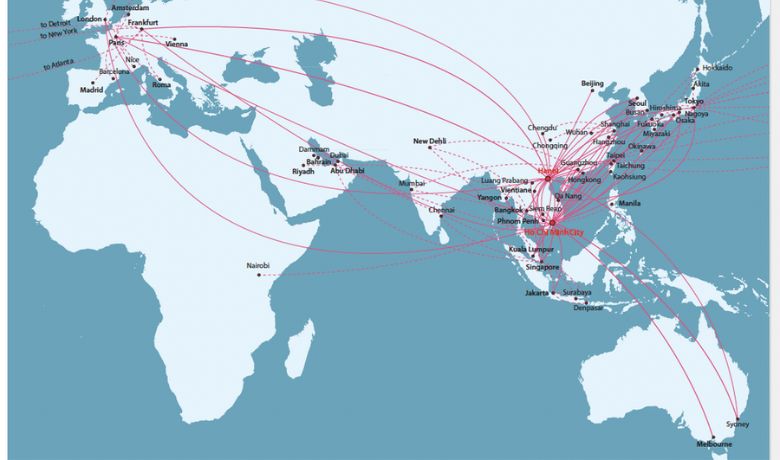
Arriving in Vietnam is becoming easier than ever. With growing direct connections from major cities across Asia, Europe, Australia, and other international markets, travelers can combine convenient international flights with a tailor-made Vietnam itinerary arranged by a local travel designer.
Europe
London → Hanoi / Ho Chi Minh City
Paris → Hanoi / Ho Chi Minh City
Frankfurt → Hanoi / Ho Chi Minh City
Munich → Hanoi / Ho Chi Minh City
Amsterdam → Hanoi
Milan → Hanoi
Copenhagen → Ho Chi Minh City
Moscow → Hanoi / Ho Chi Minh City
Australia
Sydney → Hanoi / Ho Chi Minh City
Melbourne → Hanoi / Ho Chi Minh City
Brisbane → Ho Chi Minh City
Perth → Ho Chi Minh City
Northeast Asia
Seoul → Hanoi / Ho Chi Minh City
Busan → Hanoi / Ho Chi Minh City
Tokyo → Hanoi / Ho Chi Minh City
Osaka → Hanoi / Ho Chi Minh City
Nagoya → Hanoi
Fukuoka → Hanoi
Beijing → Hanoi / Ho Chi Minh City
Shanghai → Hanoi / Ho Chi Minh City
Guangzhou → Hanoi / Ho Chi Minh City
Hong Kong → Hanoi / Ho Chi Minh City
Taipei → Hanoi / Ho Chi Minh City
Kaohsiung → Hanoi
Southeast Asia
Singapore → Hanoi / Ho Chi Minh City
Bangkok → Hanoi / Ho Chi Minh City
Kuala Lumpur → Hanoi / Ho Chi Minh City
Manila → Hanoi / Ho Chi Minh City
Jakarta → Hanoi / Ho Chi Minh City
Phnom Penh → Hanoi / Ho Chi Minh City
Siem Reap → Hanoi / Ho Chi Minh City
Vientiane → Hanoi / Ho Chi Minh City
Luang Prabang → Hanoi
India & South Asia
Delhi → Hanoi / Ho Chi Minh City
Mumbai → Hanoi / Ho Chi Minh City
Bengaluru → Hanoi / Ho Chi Minh City
Middle East
Dubai → Hanoi / Ho Chi Minh City
Doha → Hanoi / Ho Chi Minh City
Abu Dhabi → Hanoi / Ho Chi Minh City
Istanbul → Hanoi / Ho Chi Minh City
North America
San Francisco → Ho Chi Minh City
Vietnam Airlines operates direct flights between San Francisco and Ho Chi Minh City, with around 3–4 flights per week. This provides a convenient nonstop option for travelers from the U.S. West Coast traveling to Southern Vietnam.
Flight availability and schedules vary by airline and season, so travelers should check the latest routes when planning their trip. Vietnam’s expanding international network makes it increasingly convenient to reach Hanoi and Ho Chi Minh City from major markets across Europe, Asia and Australia, with convenient connecting options available from North America and other long-haul markets.
For travelers planning a longer journey, this growing network also makes open-jaw itineraries more convenient. You could, for example, fly into Hanoi, travel south through Vietnam, and depart from Ho Chi Minh City, avoiding the need to return to your original arrival city.
As Long Thanh International Airport gradually takes over more long-haul international traffic, many travelers arriving in southern Vietnam will eventually use the new airport. During this transition period, flight arrangements may change, so travelers should check their airport details carefully. If you are planning a tailor-made Vietnam journey, Asia Pioneer Travel can also help coordinate your flights, airport transfers and itinerary.
FAQs About Long Thanh International Airport
1. When will Long Thanh International Airport open?
Long Thanh International Airport is scheduled to begin commercial operations on December 1, 2026. International flights will then move from Tan Son Nhat to Long Thanh in stages, with the majority of Ho Chi Minh City’s international traffic expected to transfer by 2027.
2. How far is Long Thanh Airport from Ho Chi Minh City?
Long Thanh Airport is located in Dong Nai Province, around 40 kilometers east of central Ho Chi Minh City. The journey by road will generally take around 45–60 minutes under normal traffic conditions, although travel times can be longer during peak hours.
3. Which international flights will move to Long Thanh Airport?
Long Thanh will gradually become the main airport for long-haul international flights, including routes to Europe, the Americas, Oceania, the Middle East, South Asia and Central Asia. Most international routes longer than 1,000 kilometers are expected to move to Long Thanh, while some shorter routes will remain at Tan Son Nhat during the transition period.
4. Will Tan Son Nhat Airport still operate after Long Thanh opens?
Yes. Tan Son Nhat will continue operating, particularly for domestic flights and selected shorter international routes. During the transition, both airports will operate simultaneously, so travelers should check their flight confirmation carefully to see which airport they will use.
5. How do I get from Long Thanh Airport to Ho Chi Minh City?
Travelers will be able to reach Ho Chi Minh City by private transfer, taxi, ride-hailing services and planned express buses. Express bus services are expected to connect Long Thanh with both central Ho Chi Minh City and Tan Son Nhat Airport, with journeys generally taking around 60–80 minutes, depending on the route and traffic. A future rail connection to Thu Thiem is also planned, but it will not be available when the airport first opens.