

For travelers coming from Europe, North America, or other colder parts of the world, the idea of spending winter in Vietnam can be especially appealing. But unlike a traditional winter destination, Vietnam does not experience one consistent winter climate from north to south.
From the cooler, misty landscapes of Northern Vietnam to the warm beaches of Phu Quoc, Vietnam in winter can offer very different travel experiences depending on when and where you go. December may still bring rain to parts of Central Vietnam, while January and February can offer increasingly comfortable conditions in the South and cooler weather in the North. Understanding Vietnam winter weather is therefore essential when deciding where to go, what to do, and how to plan your itinerary.
So, should you travel to Vietnam in winter? The answer depends less on the season itself and more on choosing the right region for your travel dates and interests.
Whether you are looking for Hanoi’s winter atmosphere, mountain scenery, cultural experiences, warm weather, or a tropical beach escape, understanding Vietnam’s regional climate is the first step to planning the right trip.
1. Weather in Vietnam in Winter
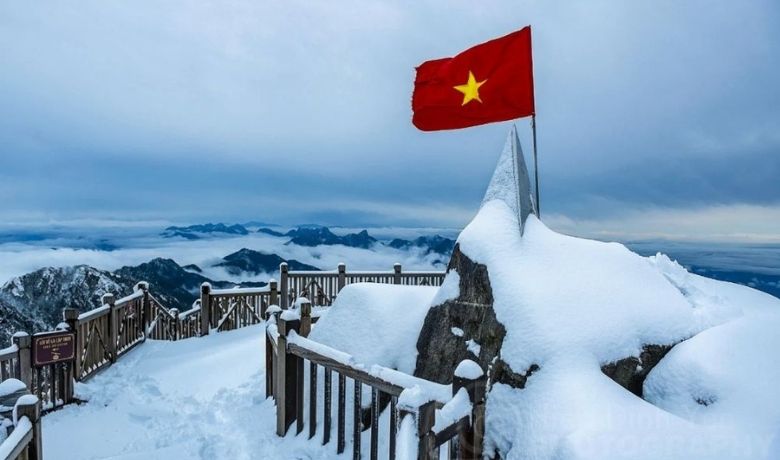
Vietnam stretches more than 1,600 kilometers from north to south, and its geography creates significant regional differences in weather during Vietnam in winter. From December to February, travelers can experience cool temperatures in the North, wetter conditions in parts of Central Vietnam, and warm, increasingly dry weather in the South.
Northern Vietnam in Winter
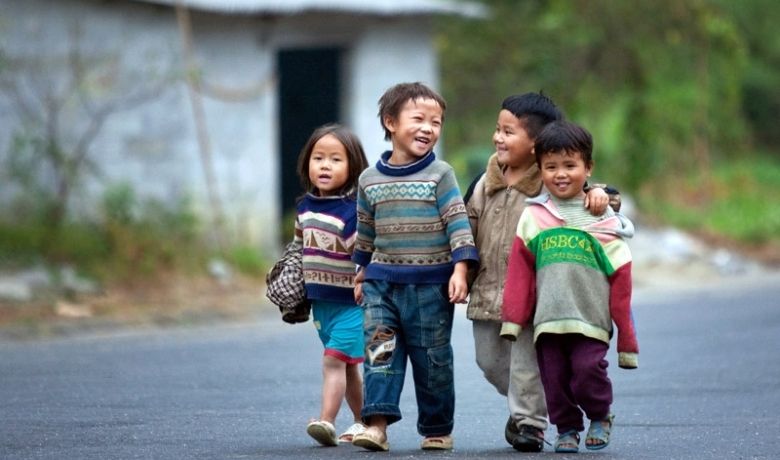
Winter is the coolest period of the year in Northern Vietnam. Hanoi and the Red River Delta can experience noticeably cooler days and evenings, while temperatures are considerably lower in mountainous destinations such as Sapa and Ha Giang.
Hanoi can feel particularly atmospheric during this period, with cooler air making walking through the Old Quarter, exploring local neighborhoods, and enjoying Vietnamese coffee more comfortable than during the hotter months.
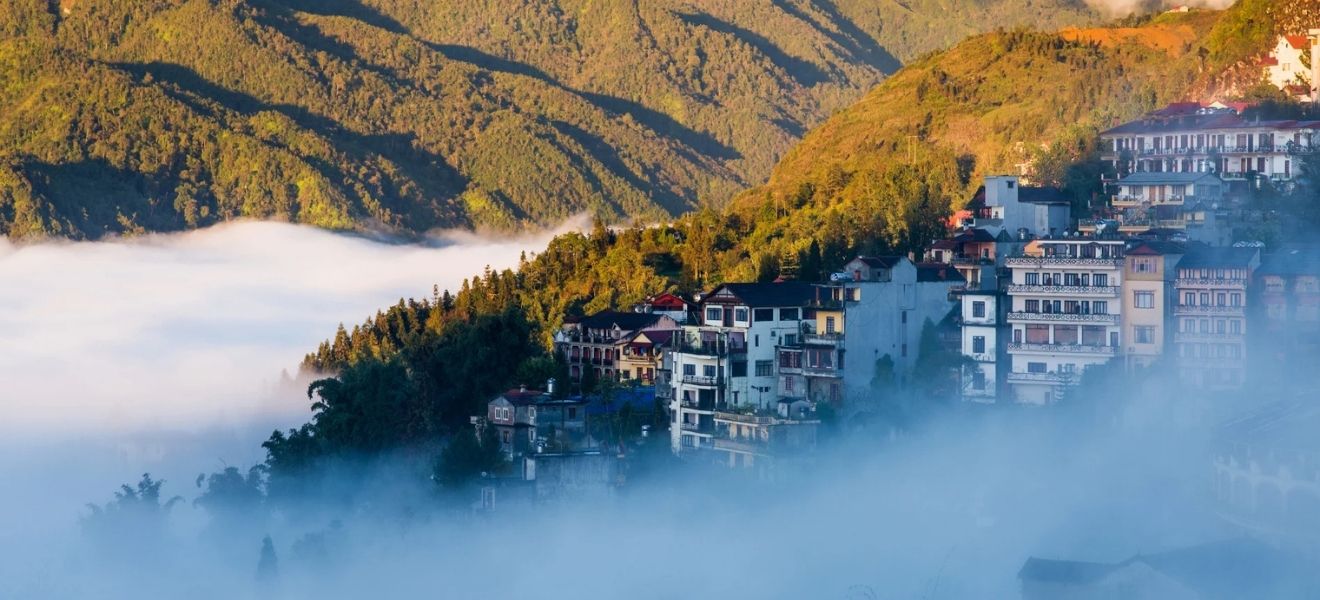
Further north, however, winter conditions can be much colder and less predictable. Sapa and other mountain areas may experience fog, low cloud, drizzle, and reduced visibility. Trekking conditions can therefore vary considerably from one day to another.
Travelers heading into remote mountainous areas should also check local weather and road conditions before departure. Heavy rain can occasionally create risks such as flooding or landslides, so winter mountain travel should be planned with flexibility rather than assuming that every scenic route will always be accessible.
Central Vietnam in Winter
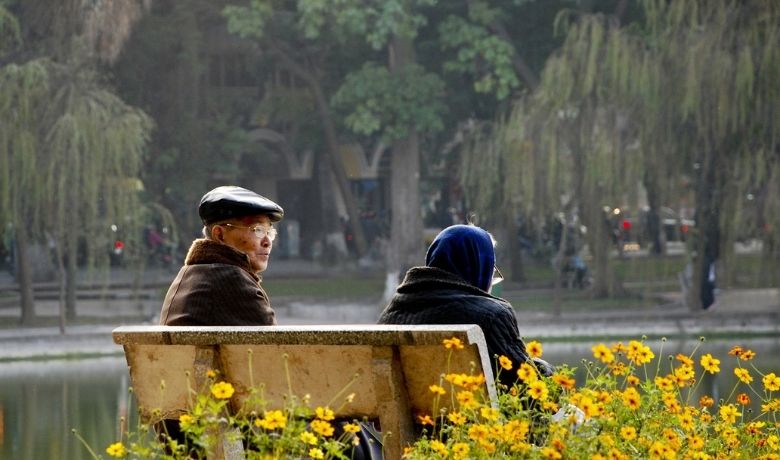
Central Vietnam has a different seasonal pattern. Destinations such as Hue, Da Nang, Hoi An, and Quang Binh can still experience rainfall during December, with conditions generally becoming more favorable as winter progresses. Rain can occasionally be heavy, and weather-sensitive activities may need to be adjusted.
This does not make Central Vietnam unsuitable for winter travel. In fact, the region remains particularly attractive for travelers interested in history, architecture, food, culture, and heritage.
The important distinction is between a cultural itinerary and a beach-focused holiday. Hoi An and Hue can still be rewarding when the weather is unsettled, but travelers looking specifically for guaranteed sunshine and beach days may find Southern Vietnam a better choice during this period.
Southern Vietnam in Winter
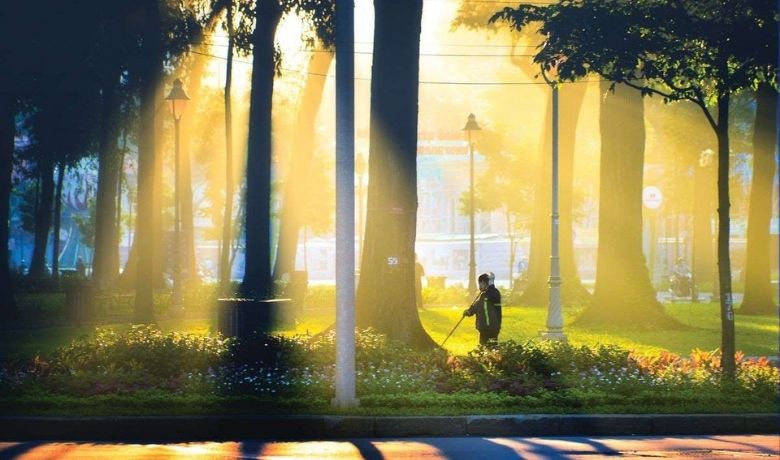
Southern Vietnam is generally the warmest part of the country during winter. Ho Chi Minh City, the Mekong Delta, Phu Quoc, and Con Dao remain warm, making the region particularly attractive to travelers looking to escape colder winter weather elsewhere.
Rainfall generally decreases as the dry season progresses, creating increasingly favorable conditions for sightseeing, outdoor experiences, and beach holidays.
For travelers who want to combine Vietnamese culture with warm weather and relaxation, Southern Vietnam can therefore be one of the strongest choices from December through February.
2. Where to Go in Vietnam in Winter?
There is no single destination that works best for every winter traveler. Instead, each region offers a different experience, from cool-weather cultural exploration in the North to tropical beach escapes in the South.
Hanoi – Winter Atmosphere, Food & Culture
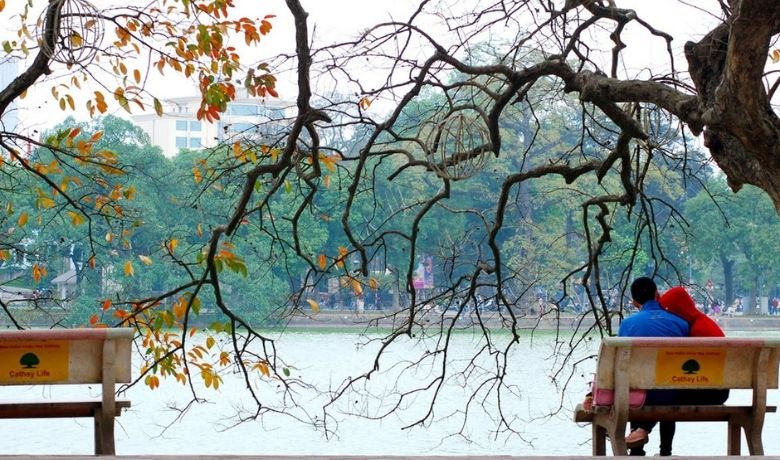
Hanoi is one of the best places to experience the distinctive atmosphere of Northern Vietnam in winter.
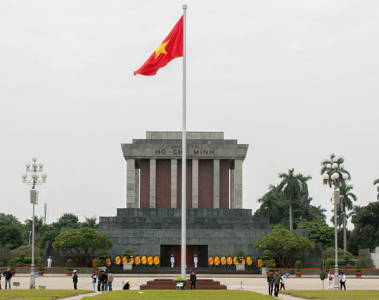
The cooler weather creates ideal conditions for exploring the city on foot, whether wandering through the Old Quarter, walking around Hoan Kiem Lake, visiting museums, or discovering quieter residential neighborhoods.
Winter is also a good season for experiencing local food. A steaming bowl of pho, grilled dishes, hotpot, Vietnamese coffee, or other comforting local specialties can feel particularly appropriate on a cool day.
Rather than treating Hanoi simply as the starting point of a Vietnam itinerary, travelers can use the city to explore Vietnamese history, cuisine, architecture, and everyday life at a slower pace.
Best for: food lovers, couples, first-time visitors, and travelers interested in culture.
Ninh Binh – Countryside & Scenic Exploration
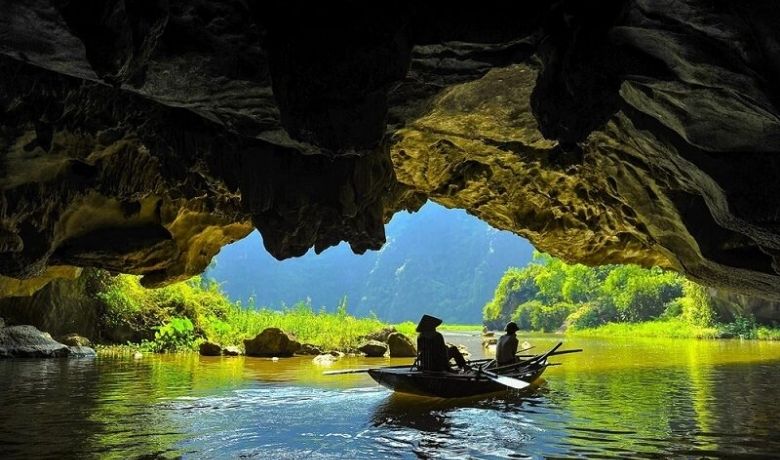
Just a few hours from Hanoi, Ninh Binh offers a very different environment without requiring a demanding journey into the mountains.
Limestone karsts rise above rivers, rice fields, temples, and rural villages, creating one of Northern Vietnam’s most distinctive landscapes. Travelers can explore Trang An or Tam Coc by boat, cycle through the countryside, visit temples, or simply enjoy the scenery at a relaxed pace.
Ninh Binh is particularly useful for travelers who want nature without committing to strenuous trekking. It also works well as a transition between Hanoi and other Northern destinations.
Best for: couples, families, photographers, and travelers looking for nature at a gentler pace.
Sapa & the Northern Mountains – Mountain Scenery & Trekking
For travelers drawn to mountains, Sapa and the northern highlands can provide a very different winter experience.
Trekking routes pass through valleys, villages, and terraced landscapes, while the surrounding mountains create dramatic scenery. Winter can bring a quieter, more atmospheric character to the region, although cold temperatures, fog, and low visibility are all possible.
This is one destination where flexibility is particularly important. Mountain weather can change quickly, and conditions may affect trekking routes and road access. Travelers should check local conditions before setting out, especially after periods of heavy rain.
For those who encounter suitable conditions, however, Sapa can offer a memorable combination of mountain landscapes, local communities, and outdoor experiences.
Best for: active travelers, hikers, photographers, and travelers interested in local cultures.
Ha Long Bay & Lan Ha Bay – Atmospheric Winter Cruising
A winter cruise through Ha Long Bay or Lan Ha Bay offers a different perspective on Northern Vietnam.
The limestone islands and calm waterways can take on a more atmospheric appearance in cooler weather, particularly when mist or low cloud settles across the bay.
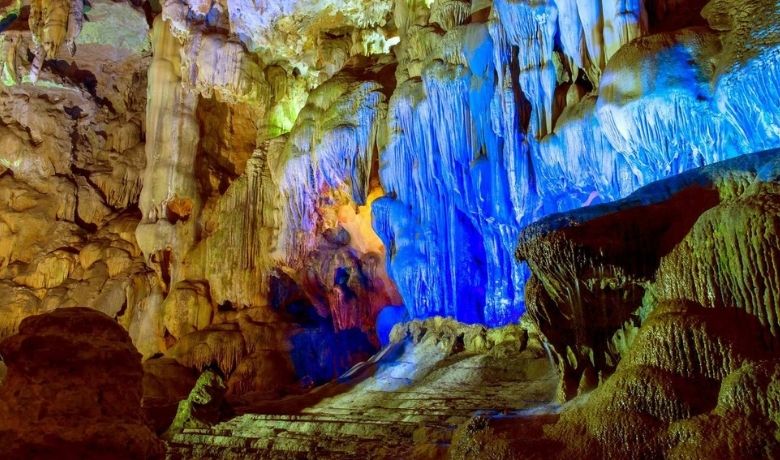
An overnight cruise allows travelers to experience the landscape at a slower pace, with activities such as kayaking, cave visits, or simply enjoying the scenery from the deck when conditions permit.
Weather can affect visibility and cruise operations, so travelers should keep expectations flexible rather than assuming that every winter day will bring clear blue skies.
Best for: couples, photographers, first-time visitors, and travelers looking for a scenic experience.
Hue & Hoi An – Heritage, Food & Slow Travel
Hue and Hoi An remain worthwhile winter destinations, particularly for travelers whose priorities are culture and heritage rather than beach weather.
In Hue, the Imperial City, royal tombs, temples, gardens, and distinctive cuisine provide plenty to explore. Hoi An offers its atmospheric Ancient Town, historic architecture, local food, craft experiences, and cooking activities.
The main consideration is rainfall, particularly earlier in winter. Outdoor plans may occasionally need to change, but the region’s cultural experiences remain valuable when the weather is less predictable.
For this reason, Central Vietnam can work particularly well as part of a flexible cultural itinerary rather than a winter sun holiday.
Best for: cultural travelers, history enthusiasts, food lovers, and couples.
Ho Chi Minh City – Urban Culture & Food
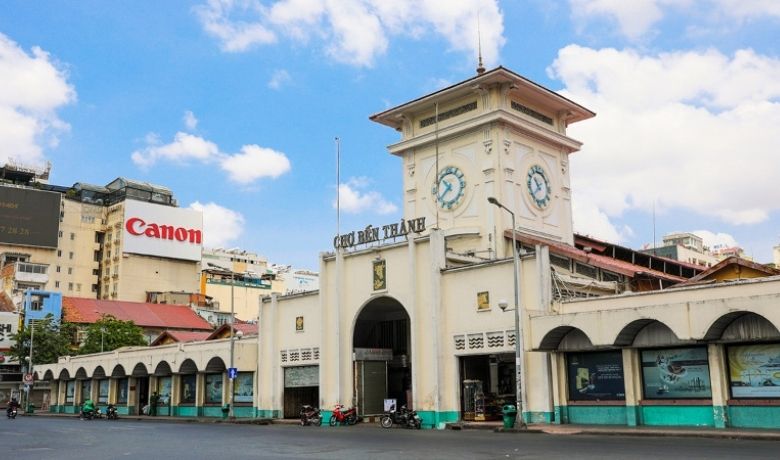
Travelers looking for warm weather can head south to Ho Chi Minh City. The city’s museums, historic buildings, markets, cafés, restaurants, and lively neighborhoods provide plenty of options for exploring without being heavily dependent on one particular type of weather.
Food is another major reason to spend time here. From street food and traditional markets to contemporary Vietnamese restaurants, the city offers a very different culinary experience from Hanoi.
Ho Chi Minh City also makes a convenient base for continuing into the Mekong Delta or heading south toward Vietnam’s islands.
Best for: first-time visitors, food lovers, couples, and travelers interested in contemporary Vietnamese culture.
Mekong Delta – Slow Travel & Local Life
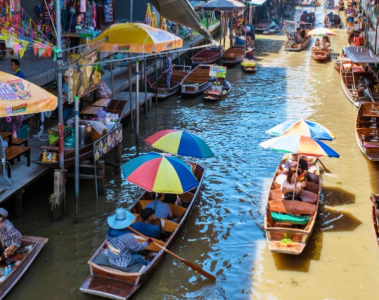
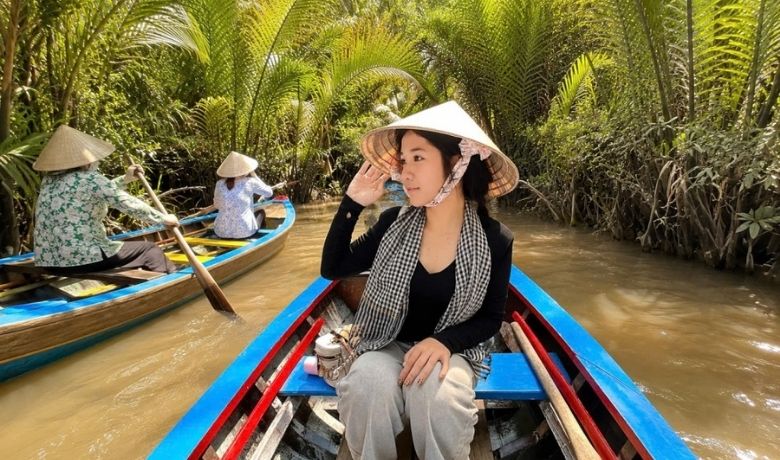
The Mekong Delta provides a slower contrast to the energy of Ho Chi Minh City. Travelers can explore waterways by boat, visit orchards and villages, cycle through rural roads, and discover local workshops and food traditions. Rather than focusing on major landmarks, the experience is about seeing how communities live and work along the river.
The warm winter climate makes the region particularly appealing to travelers who want outdoor experiences without the cooler conditions of Northern Vietnam.
Best for: couples, families, photographers, and travelers seeking local and rural experiences.
Phu Quoc – Vietnam’s Winter Beach Escape
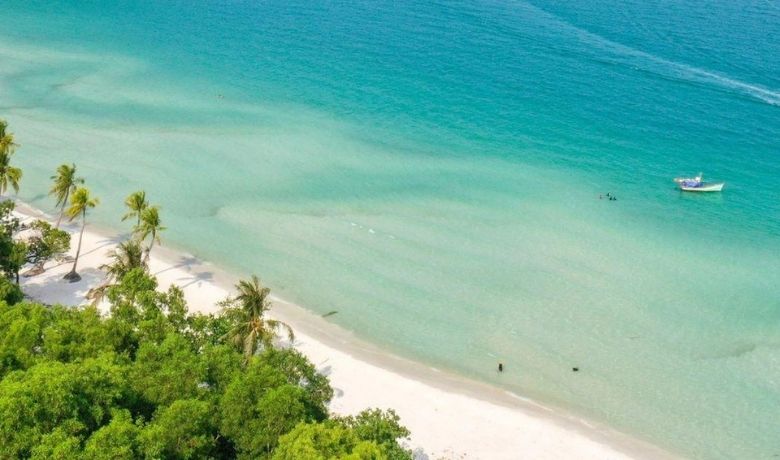
For travelers asking where to find warm weather and beaches in Vietnam during winter, Phu Quoc is one of the strongest options.
The island offers beaches, resorts, island excursions, snorkeling, and other water-based activities when sea and weather conditions are suitable. December through February falls within a particularly attractive period for a tropical escape.
Phu Quoc also works well as the relaxing final chapter of a longer Vietnam journey. After exploring cities, cultural sites, and the Mekong Delta, several days on the island can provide a slower pace before returning home.
Best for: couples, families, honeymooners, and travelers looking for winter sunshine.
3. Christmas & New Year in Vietnam
Winter also coincides with the Christmas and New Year period, giving travelers another reason to visit Vietnam between December and February.
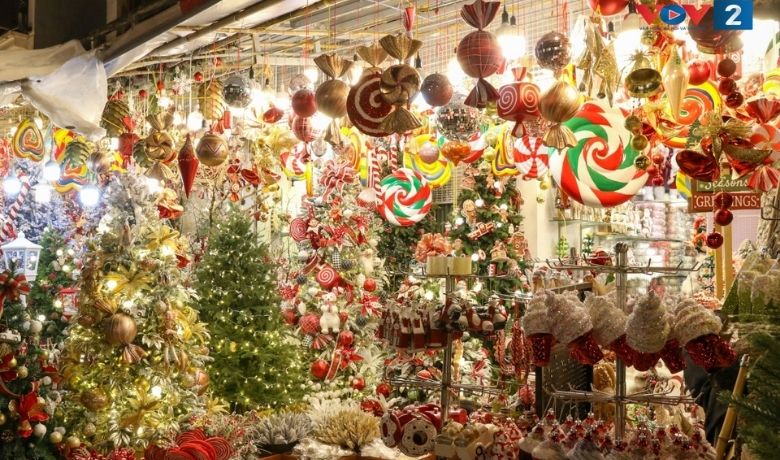
Christmas is not traditionally one of Vietnam’s major national holidays, but the atmosphere can still be noticeable in major cities. Shopping centers, hotels, restaurants, churches, and public spaces often feature Christmas decorations and seasonal events.
In cities such as Hanoi and Ho Chi Minh City, Christmas Eve can be particularly lively, with locals and visitors gathering around central areas to enjoy the festive atmosphere.
New Year’s Eve brings another layer of celebration, with restaurants, hotels, bars, and public spaces organizing special events.
For travelers, this means winter can combine Vietnam’s everyday cultural experiences with a festive international atmosphere, particularly around the end of December.
4. How to Plan a Vietnam Winter Itinerary?
The best winter itinerary depends on whether your priority is discovering Vietnam’s culture and landscapes, exploring the mountains, or escaping the cold altogether.
For First-Time Visitors
> See tour: The Very Best of Vietnam Tour
A balanced journey could combine: Hanoi → Ninh Binh → Ha Long/Lan Ha Bay → Hoi An/Hue → Ho Chi Minh City → Mekong Delta
This route brings together Northern landscapes, cultural heritage, major cities, and rural experiences.
However, Central Vietnam should remain flexible, particularly in December when rainfall can still affect outdoor activities.
For Nature & Culture
> See tour: North Vietnam Trip: Mountain Trails to Coastal Calm Tour
Travelers who prefer scenery and outdoor experiences can focus more heavily on Northern Vietnam: Hanoi → Sapa → Ha Giang→ Ha Long/Lan Ha Bay
This route combines countryside landscapes, mountain experiences, cultural encounters, and a cruise among the limestone karsts.
The mountain section should always be planned according to current weather and road conditions.
For a Warm Winter Escape
> See tour: Vietnam Southern Highlights
For travelers whose main priority is warm weather and relaxation: Ho Chi Minh City → Mekong Delta → Phu Quoc
This combination offers urban culture, rural experiences, and several days of tropical beach time.
It is particularly suitable for travelers coming from colder climates who want their Vietnam holiday to feel like a genuine winter escape.
These routes should be treated as frameworks rather than fixed formulas. Travel dates, weather, interests, preferred pace, and the balance between sightseeing and relaxation should all influence the final itinerary.
5. What to Pack for Vietnam in Winter?
Packing for Vietnam in winter can be surprisingly complicated because the temperature difference between the North and South can be significant.
Northern Vietnam
Bring layers that can be added or removed throughout the day, along with a light or warm jacket for cooler periods.
If you are traveling to Sapa, Ha Giang, or other mountain destinations, warmer clothing, comfortable walking shoes, and rain protection are particularly important. A waterproof jacket can be useful even when rain is not in the forecast.
Central Vietnam
Lightweight clothing remains useful, but travelers should also prepare for rain. A compact umbrella, waterproof jacket, and quick-drying clothing can make sightseeing much more comfortable.
Southern Vietnam
Pack breathable clothing suitable for warm weather, together with sunscreen, sunglasses, and a hat.
A compact umbrella or light rain protection is still useful, as occasional showers can occur even during the drier season.
If your itinerary runs from Hanoi to Phu Quoc, expect to pack for two very different climates rather than relying on one winter wardrobe.
Frequently Asked Questions (FAQs)
1. Is winter a good time to visit Vietnam?
Yes. Vietnam in winter offers a mix of cool weather in the North, cultural experiences in Central Vietnam, and warm, increasingly dry conditions in the South. The best region depends on your travel dates and interests.
2. Where is the best place to visit in Vietnam in winter?
For cooler weather, culture, and mountain scenery, consider Hanoi, Ninh Binh, Sapa, and Ha Long Bay. If you prefer warm weather and beaches, Ho Chi Minh City, the Mekong Delta, and Phu Quoc are particularly appealing.
3. What should I pack for Vietnam in winter?
Pack according to your route. Northern Vietnam may require warm layers and a jacket, while Central Vietnam calls for rain protection. In Southern Vietnam, lightweight clothing, sun protection, and a light rain jacket are generally sufficient.
6. Final Thoughts
Winter can be an excellent time to travel to Vietnam, but the experience depends heavily on choosing the right region for your travel dates and expectations.
Northern Vietnam offers cooler temperatures, atmospheric cities, mountain scenery, and some of the country’s most rewarding cultural and scenic experiences. Central Vietnam can still be appealing for heritage and cuisine, although rainfall should be taken into consideration. Southern Vietnam provides warmer weather, outdoor experiences, and some of Vietnam’s best options for a winter beach escape.
The key is not to ask whether Vietnam in winter is simply “good” or “bad.” Instead, consider what kind of journey you want to have and choose the destinations that best match the season.
Plan Your Winter Journey with Asia Pioneer Travel
Whether you are looking for a cultural journey through Northern Vietnam, a scenic adventure through the mountains, or a warm Southern Vietnam escape, Asia Pioneer Travel can help create a private, tailor-made itinerary around your travel dates, interests, and preferred pace.
From carefully selected hotels and private guides to transportation, experiences, and local support throughout your journey, our team can help you build a Vietnam trip that works with the season—not against it.
Ready to plan your Vietnam winter escape? Contact Asia Pioneer Travel and let us create a tailor-made journey for you.