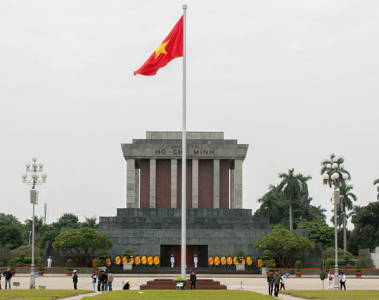


Vietnam stretches more than 1,600 km from north to south, and the journey changes dramatically as you travel between its two ends. Hanoi brings centuries of history, traditional culture, and spectacular northern landscapes, while Saigon offers tropical energy, modern city life, and easy access to the Mekong Delta. For many travelers, the first decision is surprisingly simple: should I start in Hanoi or Saigon? The answer depends on your route, travel style, and what you want from your first days in Vietnam.
Quick Answer: Which Gateway Matches Your Travel Style?
Both Hanoi and Saigon make excellent gateways to Vietnam, but they set very different tones for a trip. Hanoi puts you closer to the limestone landscapes, mountain roads, and centuries-old culture of the north, while Saigon opens the door to the Mekong Delta, tropical islands, and the energetic south. The better starting point depends less on which city is “better” and more on where you want your journey to go next.
Start in Hanoi If…
- Northern Vietnam is the main event. Hanoi is the natural launchpad for Sapa, the Ha Giang Loop, Ninh Binh, and Ha Long Bay. You can build a trip around mountain scenery, limestone karsts, river valleys, and rural villages without constantly backtracking.
- You’re traveling between September and April. Northern Vietnam is generally at its most comfortable during the cooler months. Starting in Hanoi also lets you gradually move south as temperatures rise – a pretty convenient way to travel through Vietnam without fighting the weather.
- You want history and traditional culture right away. With more than a thousand years of history as a political and cultural center, Hanoi feels distinctly Vietnamese from the moment you arrive. Spend your first days wandering the Old Quarter, drinking coffee beside Hoan Kiem Lake, visiting temples, and eating your way through dishes such as pho and bun cha.
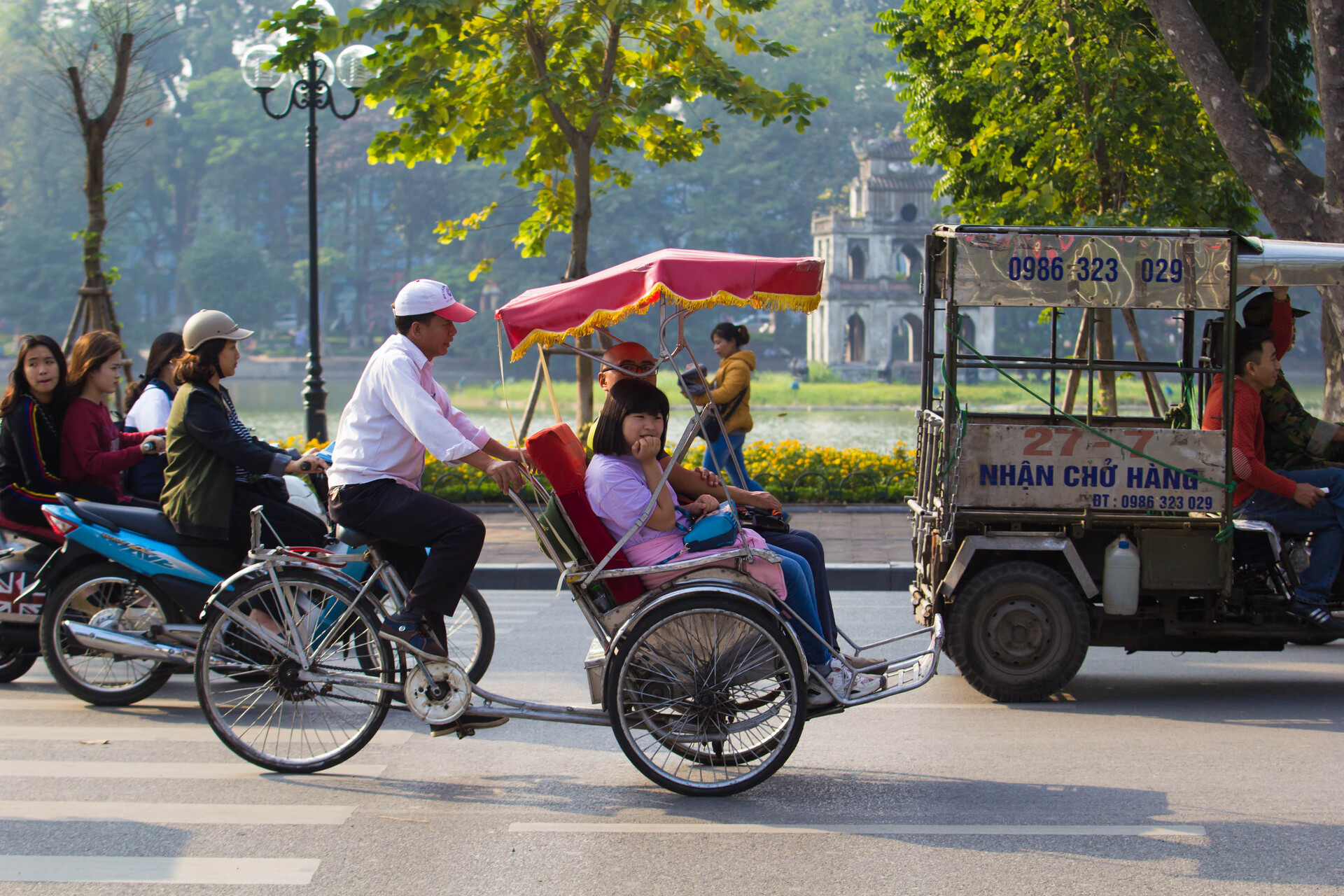
- You prefer a slower, more atmospheric introduction. Hanoi can be chaotic, sure, but its charm is in the details: narrow streets, old French buildings, tiny coffee shops, and vendors doing business from the pavement. It feels less like a polished international city and more like a place you gradually learn to read.

Start in Saigon If…
- Southern Vietnam is higher on your list. Saigon is the easiest jumping-off point for the Mekong Delta, Mui Ne, and flights to Phu Quoc. If your idea of Vietnam involves river life, tropical beaches, seafood, and warm weather, starting here saves you some unnecessary zigzagging.
- You’re flying from North America. Saigon has historically offered the strongest direct air connection between Vietnam and the United States, making it a practical entry point for travelers arriving from the US. For many other North American cities, connections through major Asian hubs may still be required.
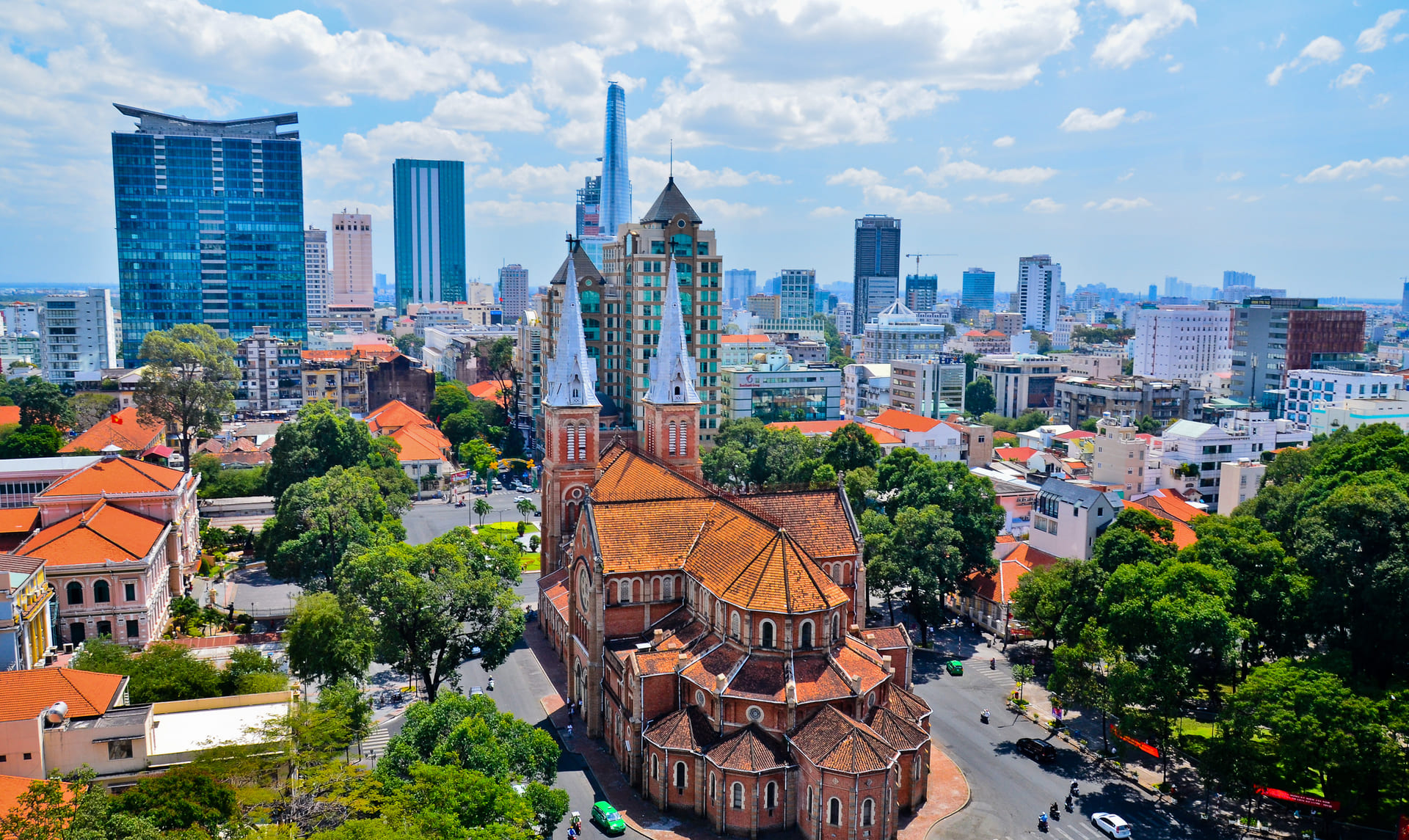
- You want an easy, energetic first few days. Saigon is fast, modern, international, and wonderfully chaotic. English is widely used in tourist areas, restaurants and hotels are plentiful, and there is no shortage of rooftop bars, cafes, restaurants, and late-night hangouts. It is an easy place to land, shake off jet lag, and ease into Vietnam.
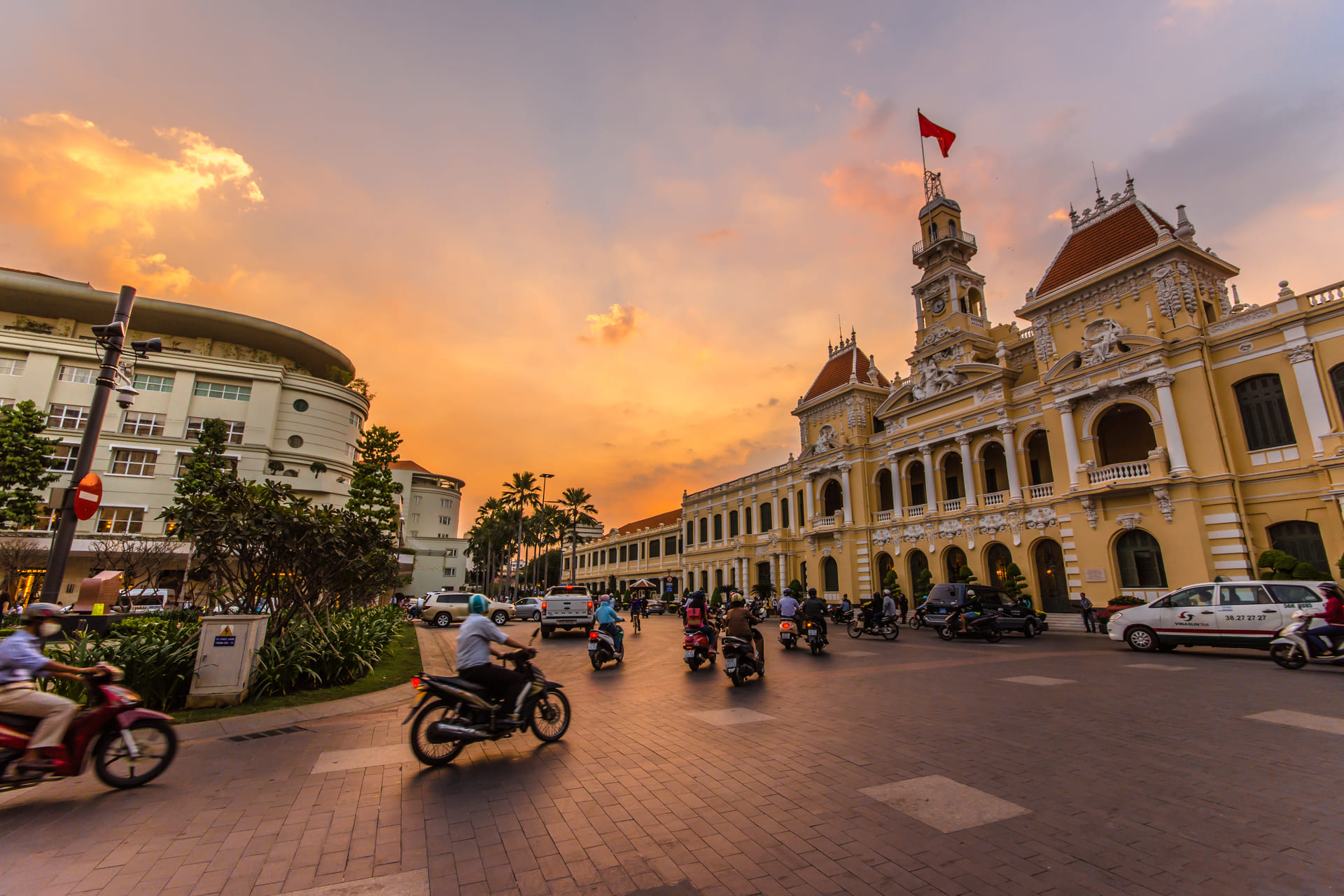
- You like cities with a little more volume. Saigon doesn’t really do quiet. Motorbikes swarm the streets, cafes spill onto sidewalks, and the nightlife keeps going long after dinner. If Hanoi feels like a city you slowly uncover, Saigon feels like it has already invited you to the party.
The simple rule: Start in Hanoi for mountains, history and northern landscapes; start in Saigon for tropical scenery, the Mekong Delta and a livelier urban experience. If you’re planning a longer north-to-south trip, either works, simply choose the gateway that puts your first major destination in the right direction.
Hanoi vs. Saigon: A Comprehensive Side-by-Side Comparison
| Travel factor | Hanoi | Saigon |
|---|---|---|
| Overall vibe | Historic, atmospheric, slower-paced | Modern, energetic, cosmopolitan |
| Culture | Deep history, traditional customs, old neighborhoods | Diverse influences, contemporary culture, lively street life |
| Climate | Four distinct seasons | Warm year-round, wet and dry seasons |
| Best time to visit | October – April | December – April |
| Food style | Subtle, balanced, traditional | Bold, sweet-savory, diverse |
| Signature dishes | Pho, bun cha, cha ca La Vong | Com tam, banh mi, hu tieu |
| Nightlife | Beer corners, hidden bars, Old Quarter | Rooftop bars, clubs, Bui Vien |
| Best for | History, culture, northern landscapes | Food, nightlife, modern city life |
Cultural Depth vs. Modern Dynamism
Hanoi and Saigon offer two very different ways to experience Vietnam. Hanoi, the capital, feels more rooted in history, with the Old Quarter’s narrow streets, ancient temples, lakes, and centuries-old traditions shaping everyday life. Its pace is generally slower and more reserved, making it a natural choice for travelers interested in Vietnam’s history, architecture, and traditional culture.
Saigon (Ho Chi Minh City) is the country’s commercial powerhouse, where modern skyscrapers, busy streets, creative neighborhoods, and late-night cafés create a much faster rhythm. Its international outlook also makes it an easy introduction to Vietnam, particularly for first-time visitors who prefer a more cosmopolitan atmosphere.
- Choose Hanoi for: history, architecture, traditional culture, museums, and a slower pace.
- Choose Saigon for: modern city life, shopping, contemporary culture, and an easygoing social scene.
The difference is less about one city being “better” and more about what kind of Vietnam you want to meet first.

Four Seasons vs. Tropical Heat
The weather can be a deciding factor when choosing between the two. Hanoi experiences four distinct seasons, with cool autumns, chilly winters, humid springs, and hot summers. September to November is particularly pleasant, while December to February can feel surprisingly cold for travelers expecting tropical Southeast Asia.
Saigon is much more consistent. The city stays warm year-round, generally hovering around 25 – 35°C, with a dry season from December to April and a rainy season from May to November. Rain usually comes as short, heavy afternoon showers rather than all-day gloom.
For travelers who enjoy crisp weather, seasonal changes, and cool evenings, Hanoi has the edge. If you would rather pack light and have warm weather throughout your trip, Saigon is the easier bet.
- Hanoi: Best for cooler weather and autumn travel.
- Saigon: Best for year-round warmth and tropical conditions.
Your itinerary matters, too. If you’re traveling through northern mountains such as Sapa or Ha Giang, Hanoi’s seasonal weather becomes especially important. For southern beach escapes, Saigon pairs naturally with destinations such as the Mekong Delta and Phu Quoc.
Culinary Identity: Subtle vs. Bold
Food is where the personality of each city really starts showing up on the plate. Hanoi’s cuisine tends to be restrained, balanced, and deeply traditional, with an emphasis on broth, fresh herbs, and the natural flavor of ingredients. Start with pho, then move on to bun cha, cha ca, banh cuon, and egg coffee. A lot of the fun is simply sitting on a tiny plastic stool and watching the city carry on around you.
Saigon, meanwhile, embraces variety. Its food scene reflects influences from across Vietnam and beyond, with sweeter, bolder flavors and an enormous street-food culture. Com tam, banh mi, hu tieu, goi cuon, and countless regional dishes are easy to find. The city also has a much broader selection of international restaurants, cafés, cocktail bars, and contemporary dining.
- In Hanoi: Go deep into classic northern dishes and old-school eateries.
- In Saigon: Eat your way through street food, regional specialties, and modern restaurants.
If food is one of the main reasons you travel, spending a few days in both cities is worthwhile. Their culinary differences are noticeable enough to make the journey south feel like entering a different food culture.

Nightlife and After-Hours Energy
Once the sun goes down, the contrast becomes even clearer. Hanoi’s nightlife is compact and atmospheric, with the Old Quarter at its center. Ta Hien is the obvious starting point for cheap beer and people-watching, while hidden cocktail bars and small live-music venues offer something more polished behind the scenes.
Saigon is louder, bigger, and generally more spontaneous after dark. District 1 is packed with rooftop bars, clubs, live-music venues, restaurants, and late-night street food. Bui Vien remains the city’s most famous backpacker strip, but travelers looking for something more upscale can head to rooftop lounges overlooking the skyline.
- Hanoi: Best for intimate bars, craft beer, live music, and Old Quarter atmosphere.
- Saigon: Best for rooftop cocktails, clubs, late-night dining, and a bigger social scene.
In other words, Hanoi is the city where you might accidentally spend 3 hours over a beer while watching the street. Saigon is the one where that same beer can turn into dinner, a rooftop cocktail, live music, and a 2 a.m. bowl of noodles. Both are fun; they just have very different definitions of “one more drink.”

Analyzing the Itinerary Flow: North-to-South vs. South-to-North
Vietnam is long enough that the direction you travel can noticeably change how the trip feels. Both routes work, but they create different rhythms. Going north to south gives you a natural progression from mountains and history to beaches and big-city energy. Going south to north starts easier and saves some of the most dramatic landscapes for the finale.
North-to-South: Adventure First, Relaxation Later
For a first trip to Vietnam, North-to-South is probably the easiest route to get right. You start in Hanoi and gradually work your way through the country before finishing in Saigon. There is less backtracking, and the trip naturally moves from active sightseeing toward slower days.
- Start with the big landscapes: Use Hanoi as your base for Ninh Binh, Ha Long Bay, Sapa, or Ha Giang. The northern section is packed with trekking, boat trips, mountain roads, and limestone scenery.
- Move into Vietnam’s heritage heartland: Continue south through Hue and Hoi An, where imperial history, old architecture, local food, and slower-paced streets provide a nice change of rhythm.
- Finish somewhere warmer: End around Mui Ne, Nha Trang, Phu Quoc, or Saigon, depending on your interests. After days of sightseeing, having a few beach or resort days at the end can be a welcome reset.
- Follow the weather south: During the cooler months, roughly October to April, traveling south can gradually take you from northern chill to warmer tropical weather.
The biggest advantage is the rhythm: hike, explore, eat, repeat, then slow down. It feels like the trip naturally winds down rather than ending with another packed sightseeing day.

South-to-North: An Easy Start, Big Finish
Going South-to-North works particularly well if you want to ease into Vietnam before finishing among its most dramatic landscapes. Start in Saigon, get comfortable with the country, then gradually move north toward the mountains.
- Ease into the trip in Saigon: The city’s international hotels, English-friendly services, modern shopping malls, restaurants, and lively cafés make it an uncomplicated place to recover from jet lag.
- Explore the southern lowlands first: From Saigon, head into the Mekong Delta before continuing toward central Vietnam. The pace is generally gentler than a trekking-heavy northern itinerary.
- Save the scenery for last: As you move north, the landscape becomes increasingly dramatic. Ninh Binh, Ha Long Bay, Sapa, and Ha Giang can give you a genuinely spectacular final chapter.
- Finish in Hanoi: Ending in the capital means your final days can be spent exploring the Old Quarter, eating northern Vietnamese food, and soaking up the city’s historic atmosphere before flying home.
It’s a little like saving the best chapter for the end. After the energy of Saigon and the heritage cities of central Vietnam, arriving among northern mountains and limestone landscapes can make the final stretch feel especially memorable.
The Smart Move: Book an Open-Jaw Flight
Whichever direction you choose, an open-jaw flight is usually the smarter way to book a long Vietnam itinerary. Fly into one city and home from the other. For example, Hanoi in and Saigon out, or the reverse.
Vietnam stretches more than 1,700 km from north to south, so returning to your original arrival city simply to catch your international flight can add unnecessary travel time.
An open-jaw itinerary lets you keep moving in one direction:
Hanoi → Ninh Binh → Central Vietnam → Saigon or Saigon → Mekong Delta → Central Vietnam → Hanoi
That means fewer flights, less time sitting in transit, and more time actually experiencing Vietnam. For a two-week or longer trip, that difference adds up quickly.
Asia Pioneer Travel pick’s for first-time visitors: North-to-South if you want the most natural overall flow. Choose South-to-North if convenient flights, a gentler start, or ending with Vietnam’s most dramatic scenery matter more to you.
Practical Flight and Airport Logistics for 2026
International Connectivity and Nonstop Routes
For most international travelers, Hanoi and Saigon are equally practical gateways, but your best choice depends on where you are flying from. Saigon has traditionally held an edge for travelers arriving from North America, while both cities offer strong one-stop connections from Europe and the Middle East.
- From North America: Saigon’s Tan Son Nhat International Airport (SGN) has the strongest direct connection, with Vietnam Airlines operating a nonstop San Francisco – Ho Chi Minh City route. Travelers from other US and Canadian cities will generally need to connect through major Asian hubs such as Seoul, Tokyo, Taipei, or Hong Kong.
- From Europe and the Middle East: Both Hanoi (HAN) and Saigon (SGN) are well connected through major carriers such as Qatar Airways, Emirates, and Turkish Airlines, usually with one stop in Doha, Dubai, or Istanbul.
- For a north-to-south itinerary: Flying into Hanoi and out of Saigon is usually the smarter setup. It lets you travel in one direction instead of wasting time returning to your arrival airport.
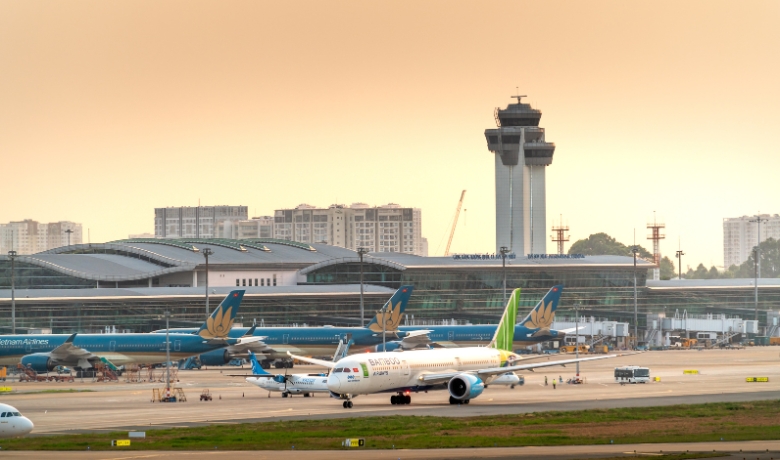
Airport Operations and Getting Into the City
The airport experience can also shape how smoothly your first day goes. Hanoi’s Noi Bai Airport is farther from the city center, but its international terminal is generally straightforward to navigate. Allow roughly 45 – 60 minutes by car to reach central Hanoi, depending on traffic.
Tan Son Nhat Airport, meanwhile, is much closer to central Saigon. The short distance is a major advantage after a long international flight, although traffic around the airport can become frustrating during peak hours and major holidays.
- HAN: Better suited to travelers prioritizing a smoother airport experience and onward trips to northern destinations.
- SGN: Better for travelers who want quick access to downtown, especially after a long-haul flight.
- Peak periods: Expect heavier traffic and longer airport transfer times around Tết and major public holidays.
- Best move: If your itinerary covers both halves of Vietnam, use an open-jaw flight – arrive in one city and depart from the other.
For travelers asking should I start in Hanoi or Saigon?, the simplest rule is: choose your gateway based on your first major destination, not just the cheapest airfare. A slightly cheaper ticket can quickly lose its advantage if it adds a long transfer or forces you to backtrack.
Frequently Asked Questions (FAQs)
Which city has better day trips, Hanoi or Saigon?
It depends on what you want to see. Hanoi is the better base for dramatic landscapes and longer excursions, with easy access to Ninh Binh, Ha Long Bay, and northern mountain destinations such as Sapa. Just note that Sapa and Ha Long Bay are better suited to overnight trips than quick day tours.
Saigon (Ho Chi Minh City) wins for convenient day trips. You can visit the Cu Chi Tunnels in around half a day or spend a full day exploring the waterways, villages, and local markets of the Mekong Delta.
The verdict: Choose Hanoi for spectacular scenery; choose Saigon for easier, more manageable day trips.
How long does it take to travel between Hanoi and Ho Chi Minh City by train?
The Reunification Express takes roughly 31 – 34 hours between Hanoi and Ho Chi Minh City, depending on the service. Rather than spending almost two days on board, break the journey with stops in Phong Nha, Hue, Da Nang, or Hoi An. This turns a marathon train ride into one of Vietnam’s most rewarding overland journeys.
What is the best airline for domestic flights between Hanoi and Saigon?
There is no single best airline for the Hanoi – Saigon route. Vietnam Airlines is generally the more full-service option, while VietJet Air is often attractive for lower fares. Other carriers may also operate the route depending on the schedule. For a short domestic flight of around 2 hours, compare the total fare, baggage allowance, departure time, and airport convenience rather than choosing purely by ticket price.
Choose Your Gateway, Then Start Exploring
After comparing the two, you’ve probably got a clearer idea of whether you should start in Hanoi or Saigon. Choose Hanoi for history, northern landscapes, cooler seasons, and a slower cultural immersion; choose Saigon for tropical energy, easy day trips, and a more cosmopolitan start. Whichever gateway you choose, Asia Pioneer Travel can tailor your Vietnam itinerary around your pace, interests, and travel style. Start planning your journey today.