

Vietnam’s public holidays are a great time to see the country at its most lively, from colorful festivals and family traditions to quiet streets and packed beaches. Knowing the Vietnam public holidays 2027 schedule helps you plan around busy travel periods, book stays and transport ahead, and avoid surprises when some businesses and public services close. With a little planning, you can experience Vietnam’s biggest celebrations without the holiday headaches.
Vietnam Public Holidays 2027: Key Dates and Travel Impacts
New Year’s Day
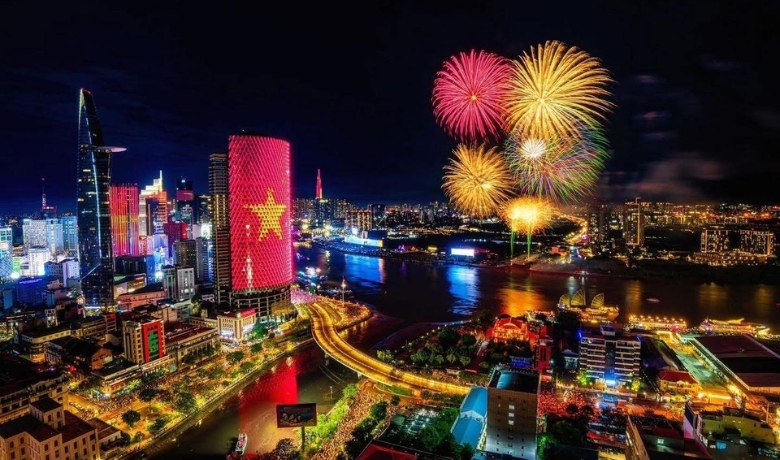
New Year’s Day, on January 1, 2027, is the easier holiday for most foreign visitors. The break runs through January 3, giving you a long weekend without the widespread closures associated with Tết. Big cities remain lively, restaurants and attractions generally stay open, and the atmosphere is more about countdown parties, fireworks and nightlife than traditional customs.
For travelers, the biggest draw is the chance to experience Vietnam at its most energetic. In Hanoi, head around Hoan Kiem Lake and the Old Quarter for New Year celebrations, street performances and the countdown atmosphere. In Ho Chi Minh City, Nguyen Hue Walking Street is the place to be for large outdoor events, music and fireworks. Da Nang offers a more relaxed alternative, with riverside views and plenty of places to watch the celebrations around the Han River.
Things to do
- Join a countdown party: Spend New Year’s Eve in the heart of Hanoi or Ho Chi Minh City and experience the crowds, live music and midnight celebrations.
- Watch the fireworks: Choose a rooftop bar or riverside viewpoint for a better view without getting stuck in the middle of the crowd.
- Explore the nightlife: After midnight, continue to Hanoi’s Ta Hien Street or Ho Chi Minh City’s Bui Vien Street for beer, music and late-night food.
- Take a short getaway: With most tourism services operating normally, January 1 – 3 works well for a quick trip to places such as Ha Long Bay, Sapa or Hoi An.
- Enjoy the cities without the Tết shutdown: Museums, shopping malls, cafés and tourist restaurants are generally much easier to access than during Lunar New Year.
Travel tip: Book hotels and airport transfers a little ahead, especially in major cities. New Year’s is busy, but it is nowhere near as disruptive as Tết.
Lunar New Year (Tết Nguyên Đán) – The Most Important Festival
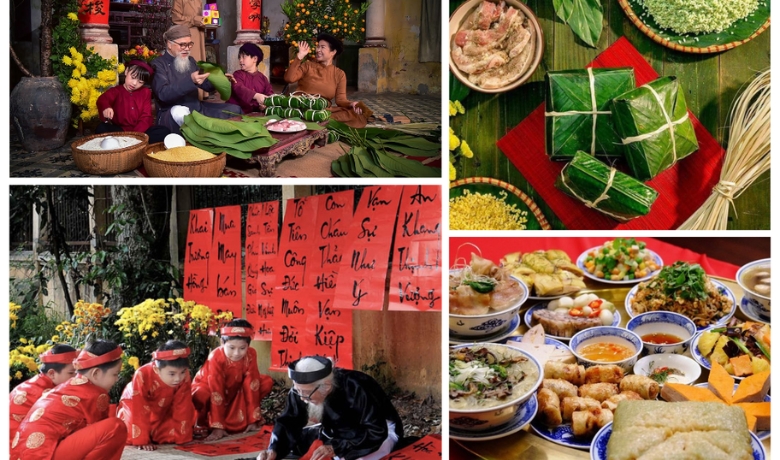
Lunar New Year, or Tết, is the biggest celebration on the Vietnam public holidays 2027 calendar and the heart of the country’s cultural life. In 2027, Lunar New Year’s Day falls on February 6, with the main holiday expected to last around seven to ten days depending on the final government schedule. This is when Vietnam slows down, families return home, streets fill with flowers and traditional foods, and everyday life takes a distinctly different rhythm.
For visitors, Tết can be fascinating, but it requires planning. Many small businesses, museums, government offices and local restaurants close around the holiday, while flights, trains and buses become extremely busy as millions of people travel home.
Things to do
- Visit a spring flower market: Before Tết, explore Hanoi’s Hang Luoc Flower Market or Ho Chi Minh City’s flower markets to see locals buying peach blossoms, kumquat trees and yellow apricot blossoms.
- See the Kitchen Gods tradition: Around January 30, 2027, families prepare offerings and release carp as part of the Ông Công Ông Táo tradition. It is one of the most interesting pre-Tết customs to observe.
- Walk through a quiet Hanoi: Wake up early on February 6 and explore the Old Quarter. Streets that are normally packed with motorbikes can become surprisingly quiet on the first morning of Tết.
- Visit a temple: Join locals at places such as Tran Quoc Pagoda in Hanoi or Jade Emperor Pagoda in Ho Chi Minh City as people pray for health, luck and prosperity.
- Try Tết food: Look for bánh chưng, pickled onions and traditional candied fruits. Food is a huge part of the holiday, with many dishes carrying symbolic meanings.
- Experience Tết in Hoi An: Hoi An is one of the easier destinations during the holiday, with tourist-oriented cafés and restaurants more likely to remain open. Lantern-lit streets, folk games and riverside celebrations make it particularly atmospheric.
Hung Kings Temple Festival
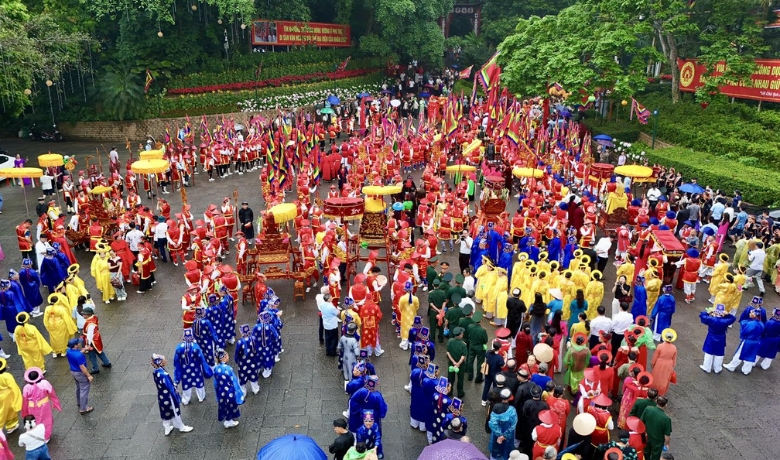
Held on April 16, 2027, Hung Kings Temple Festival is one of Vietnam’s most important cultural observances. It honors the Hung Kings, the legendary founders of the first Vietnamese state, and offers travelers a rare look at the country’s ancient traditions and spiritual life. The main celebrations take place at the Hung Temple Historic Site in Phu Tho, where incense ceremonies, processions, traditional performances, folk games, and local food bring the legends of Vietnam’s origins to life.
For first-time visitors, the festival is less about partying and more about understanding where Vietnam’s national identity comes from.
What to see and do
- Visit Hung Temple early: Walk up the forested hill to the temple complex, join the incense ceremony, and watch colorful processions accompanied by traditional drums.
- Learn the legends: A local guide can explain stories such as Lac Long Quan and Au Co, including the famous legend of Vietnam’s 100 children.
- Try traditional offerings: Look for banh chung and banh day, two foods closely associated with the Hung Kings and Vietnamese ideas of gratitude and ancestry.
- Explore Hanoi’s historic temples: If you are staying in Hanoi, visit places such as Tran Quoc Pagoda or Quan Thanh Temple for a quieter introduction to Vietnamese spiritual traditions.
- Visit a history museum: The Vietnam National Museum of History in Hanoi is a good follow-up, especially for travelers interested in Dong Son bronze drums and Vietnam’s early history.
Travel tip: Phu Tho gets very crowded around the main ceremony. Stay in Hanoi and make an early day trip, or travel with a private guide if you want a smoother experience.
Reunification Day and International Labor Day (April 30 – May 1)
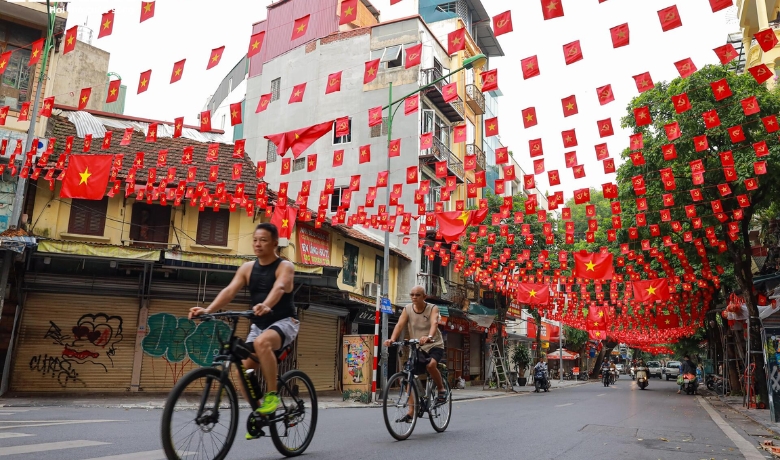
Vietnam’s Reunification Day on April 30 and International Labor Day on May 1 create one of the country’s busiest holiday periods. In 2027, April 30 falls on Friday and May 1 on Saturday, creating a long weekend with the following day off in lieu. For travelers, this is less about joining one particular festival and more about experiencing Vietnam at full volume: packed beaches, busy airports, decorated streets, and locals heading out for their annual holiday escape.
If you like energy, it can be fun. If you prefer empty beaches and quiet roads, you may want to plan around it.
What to see and do
- Explore Ho Chi Minh City’s wartime history: Visit the Independence Palace, then continue to the War Remnants Museum for more context on the Vietnam War. A half-day trip to the Cu Chi Tunnels adds another layer to the story.
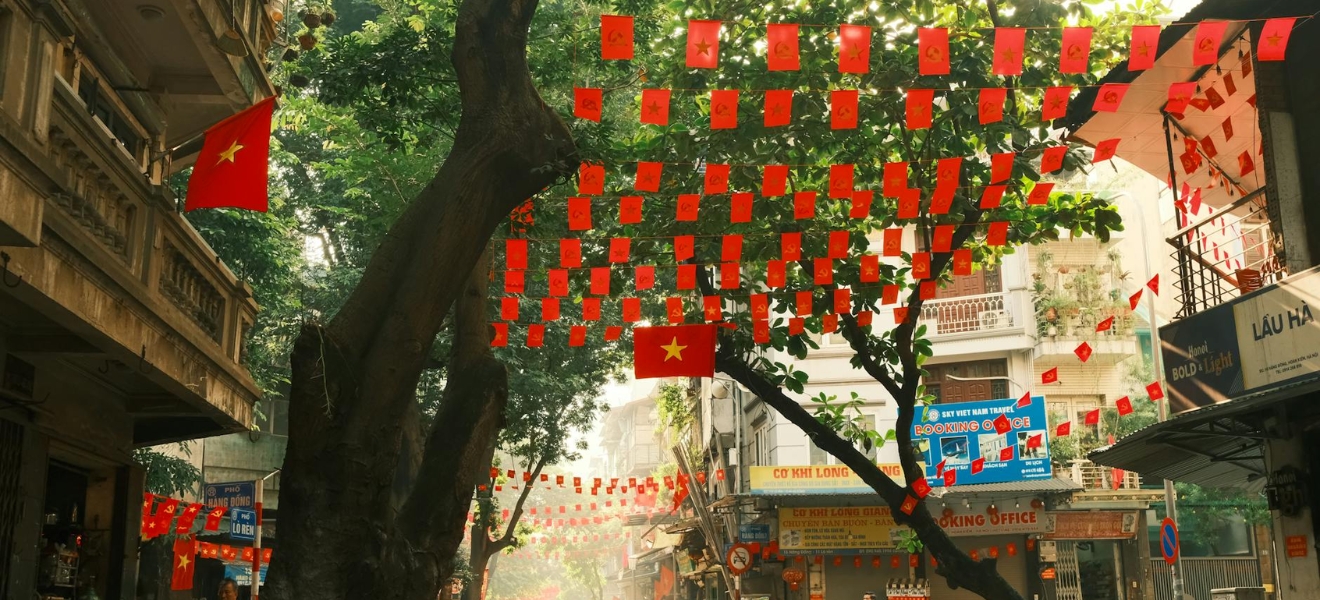
- Catch the holiday atmosphere: Streets across major cities are decorated with Vietnamese flags, while public celebrations and fireworks may take place around April 30. Exact programs vary each year.
- Combine Da Nang and Hoi An: Spend a few days on the beach in Da Nang, then escape to Hoi An’s lantern-lit streets for a slower evening.
- Head to Phu Quoc or Nha Trang: If you want a classic tropical getaway, expect busy beaches but plenty of water sports, seafood, and resort activities.
- Escape to the mountains: Da Lat offers cooler weather and a slower pace, while Sapa is a better choice for hiking and mountain scenery.
Travel tip: This is one of Vietnam’s busiest domestic travel periods. Book flights, trains, hotels, and private transfers 2 – 4 weeks ahead, especially if you are heading to a popular beach destination.
Vietnam National Day
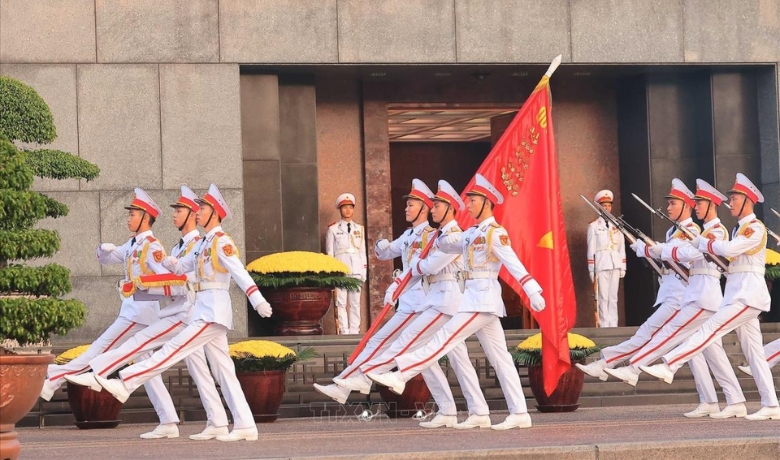
Vietnam National Day on September 2 is one of the most visible celebrations of the year. While the holiday has deep historical significance, travelers will experience it through a more everyday lens: flags everywhere, patriotic decorations, family outings, local events, and a distinctly festive atmosphere.
In 2027, September 2 falls on Thursday, with a proposed four-day break through September 5. It is a busy period for domestic travel, so popular destinations can feel noticeably more crowded.
What to see and do
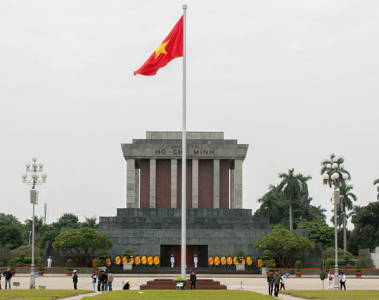
- Experience Ba Dinh Square: Visit the historic heart of Hanoi and see the ceremonial flag-raising. Go early in the morning for a quieter and more atmospheric experience.
- Take a patriotic city walk: Wander through central Hanoi to see streets decorated with red flags, then continue toward the Old Quarter and Hoan Kiem Lake.
- Explore Hanoi’s museums: Visit the Vietnam Military History Museum or Ho Chi Minh Museum to put the National Day celebrations into historical context.
- See the city after dark: Depending on the official program, Hanoi may host concerts, cultural performances, or other public celebrations around the holiday.
- Enjoy Ho Chi Minh City’s skyline: Spend the evening around the Saigon River or find a rooftop with city views. Fireworks may be organized, although locations and schedules vary each year.
- Head north for rice terraces: Early September is a beautiful time for Mu Cang Chai, when the rice terraces begin turning golden. It is a completely different way to experience the holiday, away from the crowds of the major cities.
- Combine Da Nang and Hoi An: If you prefer a beach break, spend a few days by the coast before slowing down in Hoi An, where lantern-lit streets offer a calmer finish to the holiday.
> Read more: Vietnam Independence Day 2026: A Luxury Travel Guide to Vietnam National Day
Vietnam Culture Day – The New National Holiday
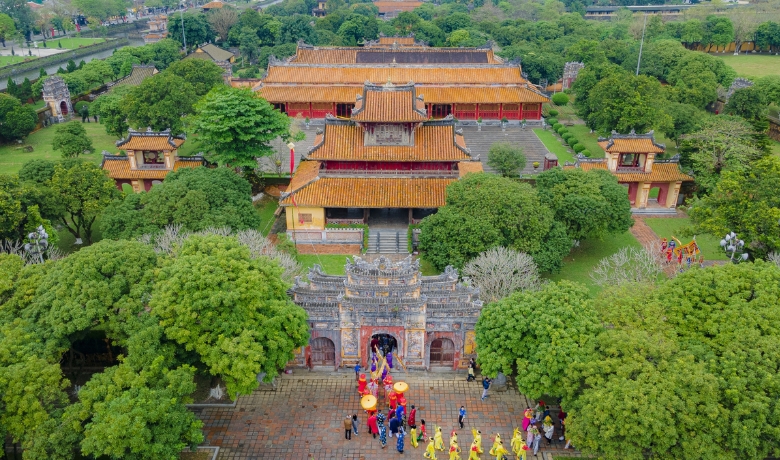
Vietnam Culture Day on November 24, 2027 is a new Vietnam public holiday dedicated to celebrating the country’s cultural heritage. Falling on a Wednesday, it is unlikely to create the travel rush associated with Tết or Reunification Day. For visitors, that makes it a particularly easy time to explore museums, historic buildings, traditional arts, and craft villages without the usual holiday crowds.
The date commemorates the opening of Vietnam’s first National Cultural Conference in Hanoi in 1946, making it a meaningful occasion for understanding the country beyond its food and landscapes.
What to see and do
- Visit Hanoi Opera House: Start in Hanoi, where the 1946 conference took place. Pair the Opera House with Hoan Kiem Lake and the Old Quarter for a compact cultural walk.
- Catch traditional performances: Look for ca trù, chèo, xẩm, and other Vietnamese performing arts around Hanoi. These offer a much better glimpse into local culture than simply ticking off museums.
- Explore Hanoi’s craft villages: Take a short trip to Bat Trang Ceramic Village to watch artisans work with clay and try making your own piece.
- Discover Ho Chi Minh City’s creative scene: Visit the Fine Arts Museum, Nguyen Van Binh Book Street, and contemporary art spaces before exploring the city’s modern take on Vietnamese culture.
- Try a hands-on workshop: Depending on the program, you may find experiences involving áo dài, pottery, Dong Ho folk painting, or traditional music.
- Go beyond the cities: If you have extra time, use the holiday as an excuse to visit a traditional craft village in northern or central Vietnam. Seeing an artisan work in person makes the country’s cultural heritage feel much more alive.
Travel tip: Most tourist services, restaurants, cafés, taxis, and attractions should operate normally. Government offices, banks, and other administrative services may close for the day, so handle visa or banking matters beforehand.
Essential Travel Tips for Surviving Vietnam Holidays
Vietnamese holidays can make a trip more memorable. But they can also change the rhythm of travel overnight. Beyond booking early, the real trick is knowing when to move, what to expect, and how to adjust your plans.
These practical tips will help you enjoy the celebrations without getting caught off guard.
Travel Early on Peak Holiday Days
The roads are often the biggest headache during major holidays. Domestic travelers head home or escape to the coast at roughly the same time, turning highways, airports, and popular attractions into bottlenecks.
- Travel early in the morning: If you have a flight, train, or long-distance transfer, leave earlier than you normally would. Traffic around major cities can build quickly.
- Avoid changing destinations on the busiest days: During Tết and other long weekends, it is often smarter to stay in one destination for several nights rather than spend half a day moving between cities.
- Use private transfers when practical: A pre-arranged car gives you more control over departure times and stops, especially when traveling with luggage or family.
- Keep your itinerary flexible: Leave some breathing room between activities. A two-hour traffic jam is a lot less stressful when you haven’t scheduled dinner immediately after arriving.
Plan Around Holiday Opening Hours
Not every closure happens at the same time, and tourist-oriented businesses usually operate differently from local services. A little research can save you from standing outside a locked door.
- Check attraction schedules: Museums, heritage sites, temples, and smaller independent businesses may change their opening hours during public holidays.
- Confirm restaurants directly: Popular restaurants may operate normally but use holiday menus, reduced hours, or reservation-only seating.
- Have a backup plan: Keep a few outdoor attractions, cafés, markets, or neighborhood walks on your list in case your first choice is closed.
- Don’t expect every local shop to reopen immediately: Around Tết especially, family-run businesses may take several extra days off. Tourist hubs generally recover faster than residential neighborhoods.
Be a Considerate Guest During Festivals
You don’t need to master every Vietnamese custom before arriving. A little awareness goes a long way, particularly when visiting someone’s home, a temple, or a traditional celebration.
- Dress modestly at temples and religious sites: Cover your shoulders and knees, and remove your shoes when requested.
- Ask before photographing ceremonies: Festivals can be deeply personal religious or family occasions. A quick gesture asking permission is better than putting a camera in someone’s face.
- Don’t interrupt rituals: Give worshippers space during prayers, incense offerings, processions, and other ceremonies.
- Handle food respectfully: At family gatherings, wait for your host to begin before eating and avoid wasting food.
- Accept invitations graciously: If locals invite you to share tea, food, or a celebration, saying yes can become one of the most memorable parts of your trip.
The best way to experience Vietnam during a holiday isn’t to fight the crowds or follow your normal itinerary at all costs. Slow down, leave room for surprises, and let the holiday become part of the journey.
FAQs
1. Is Tet a good time for foreign tourists to visit Vietnam?
Yes, if you want an authentic cultural experience. Expect widespread closures and limited transport during the main Tết period, so plan carefully. Hoi An is one of the easier destinations for tourists during the holiday.
2. How many days off do Vietnamese workers get in 2027?
The total is expected to be 22 – 25 days, including public holidays, weekends, and substitute days. The exact number depends on the officially approved Tết and National Day schedules.
3. How much does transportation cost increase during holidays?
Airfares, train tickets, and intercity buses can rise by 2 – 3 times during major holidays, with popular routes selling out quickly.
4. What is Vietnam’s new national holiday in November?
Vietnam Culture Day, celebrated on November 24, is a new annual public holiday introduced from 2026. Workers receive one paid day off.
5. How long is the Reunification Day and Labor Day holiday in 2027?
The holiday is expected to last four days, from April 30 to May 3, 2027, including the substitute day for May 1, which falls on Saturday.
Make the Holidays Part of Your Vietnam Story
Vietnam’s holidays offer a different way to experience the country, from the traditions of Tết to vibrant national celebrations. With the Vietnam public holidays 2027 calendar in hand, you can plan around busy periods, seasonal events, and quieter cultural moments. From the first day to the last, let Asia Pioneer Travel thoughtfully craft a Vietnam journey that feels distinctly yours, with every detail shaped around how you love to travel.