

Coffee has been part of Vietnam’s story since the French first introduced coffee plants to the country in 1857. What started as a small coffee-growing industry has grown into something much bigger. Vietnam is now the world’s largest Robusta coffee exporter and the second-largest coffee exporter globally, with a surprisingly diverse coffee culture to match. From strong Vietnamese iced coffee to creamy egg coffee and fragrant specialty beans, there’s plenty to discover. This guide to Vietnamese coffee covers what to drink, how to order it, and where to experience it like a local.
Robusta vs. Arabica: Why Vietnamese Coffee Packs a Punch
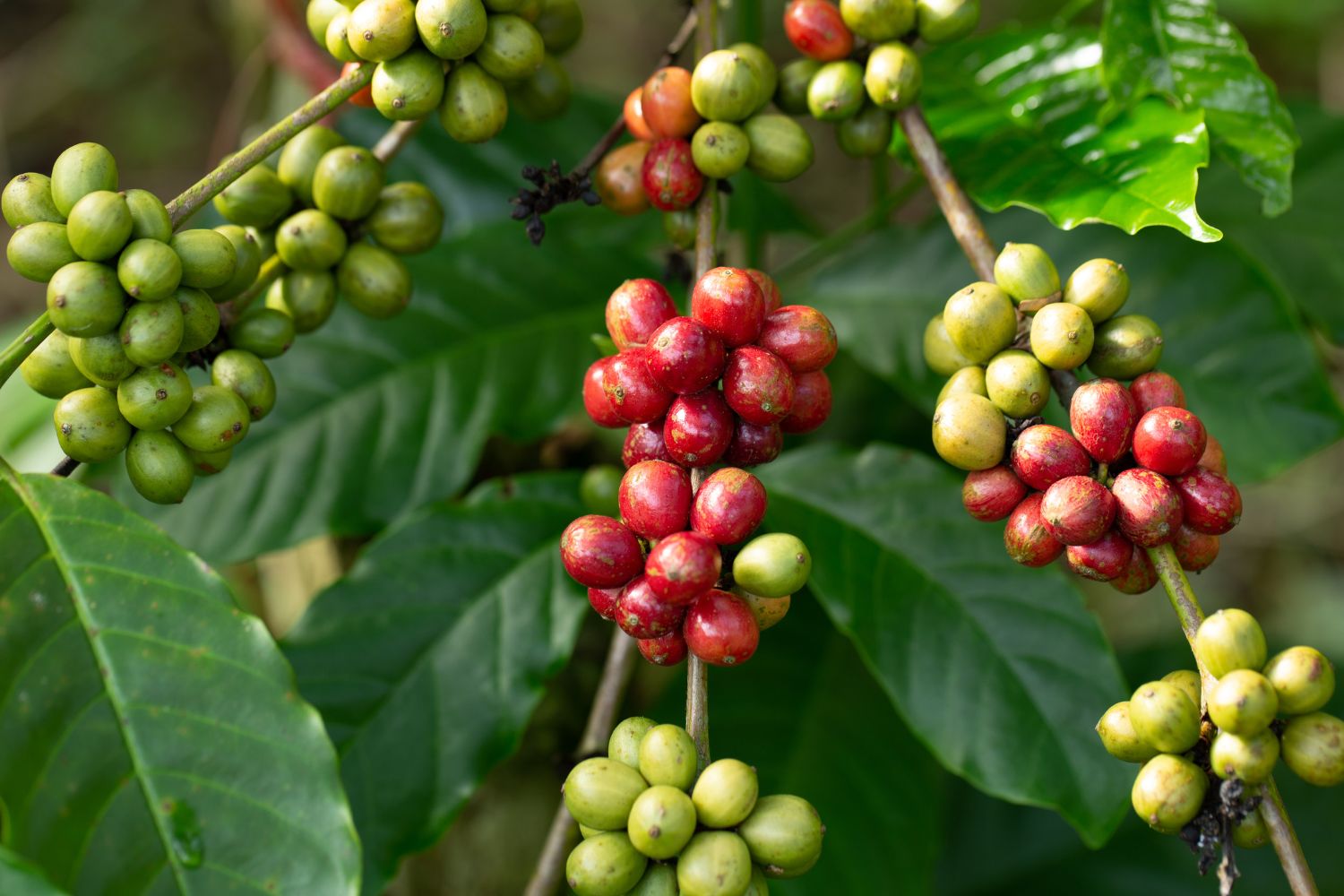
If your first cup of Vietnamese coffee feels stronger than expected, there’s a good reason. Vietnamese coffee is known for its bold flavor, thick body, and serious caffeine kick, largely thanks to the beans used. Robusta makes up more than 90% of Vietnam’s coffee production, while Arabica plays a smaller but increasingly interesting role. The two beans can taste very different, so knowing the difference will help you order with confidence when exploring Vietnam’s coffee scene.
Robusta: The Bold King of Vietnamese Coffee
Robusta is the backbone of Vietnam’s everyday coffee culture and one of the main reasons Vietnamese coffee tastes so intense. Vietnam is also the world’s largest exporter of Robusta coffee.
Robusta beans have a heavier body and stronger bitterness than Arabica, often with earthy, nutty, cocoa, or dark chocolate notes. They also contain roughly twice as much caffeine, making them a popular choice for a strong morning pick-me-up.
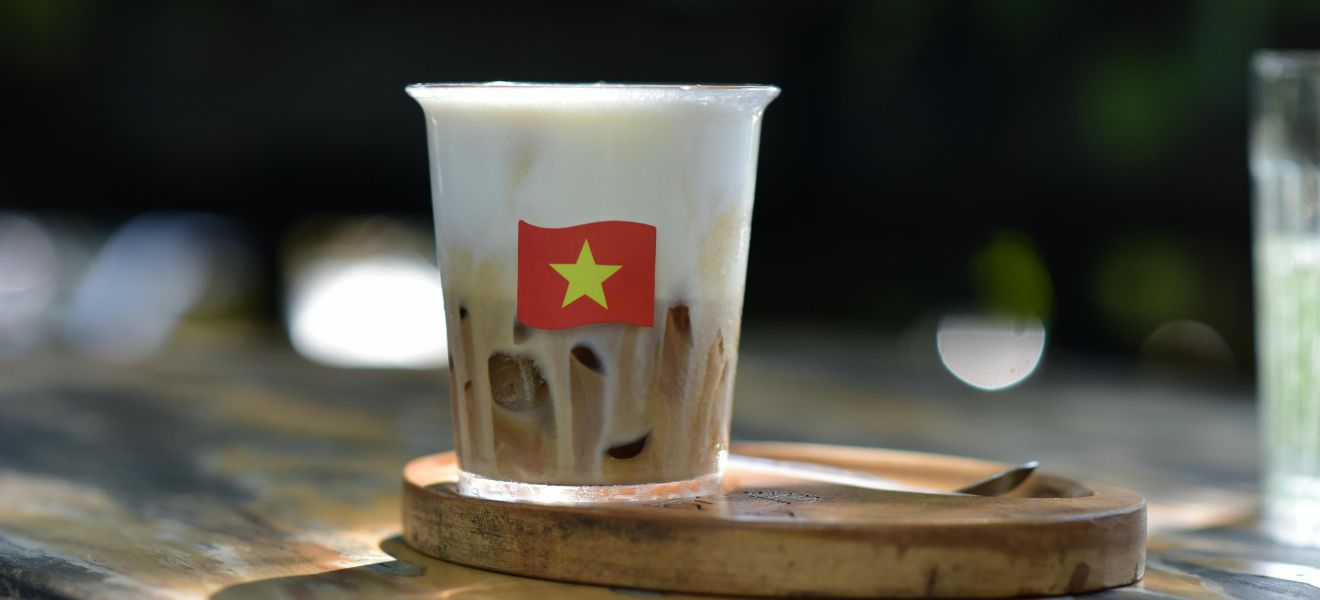
Traditional Vietnamese roasting can make the flavor even richer. Some roasters add ingredients such as butter or a little salt during roasting, creating the deep aroma and smooth texture often associated with street-side coffee. Pour that coffee through a phin filter, add condensed milk and ice, and you get the classic cà phê sữa đá.
Arabica: Lighter, Brighter, and More Aromatic
Arabica offers a completely different side of Vietnamese coffee. It accounts for a much smaller share of production but is prized for its cleaner, more complex flavors.
One of Vietnam’s best-known Arabica-growing areas is Cau Dat near Da Lat, where cool temperatures and elevations above 1,500 meters create ideal growing conditions. These beans can have brighter acidity, fruity sweetness, floral aromas, and a smoother finish.
Arabica also contains less caffeine, usually around 1% – 1.2%, compared with roughly 2% – 2.5% in Robusta. If you prefer a gentler cup, look for Arabica or specialty coffee when visiting local cafés.
For travelers, the fun is trying both. Start with a bold Robusta-based phin coffee, then seek out a specialty Arabica to taste just how diverse Vietnamese coffee can be.
The Ritual of the Phin: How to Brew Like a Pro at Home
The phin filter is at the heart of traditional Vietnamese coffee. Brewing with one is less about rushing and more about letting the coffee slowly drip into your cup. It’s simple, requires no paper filter, and produces the rich, full-bodied texture that makes Vietnamese coffee so distinctive.
What Is a Phin Filter?
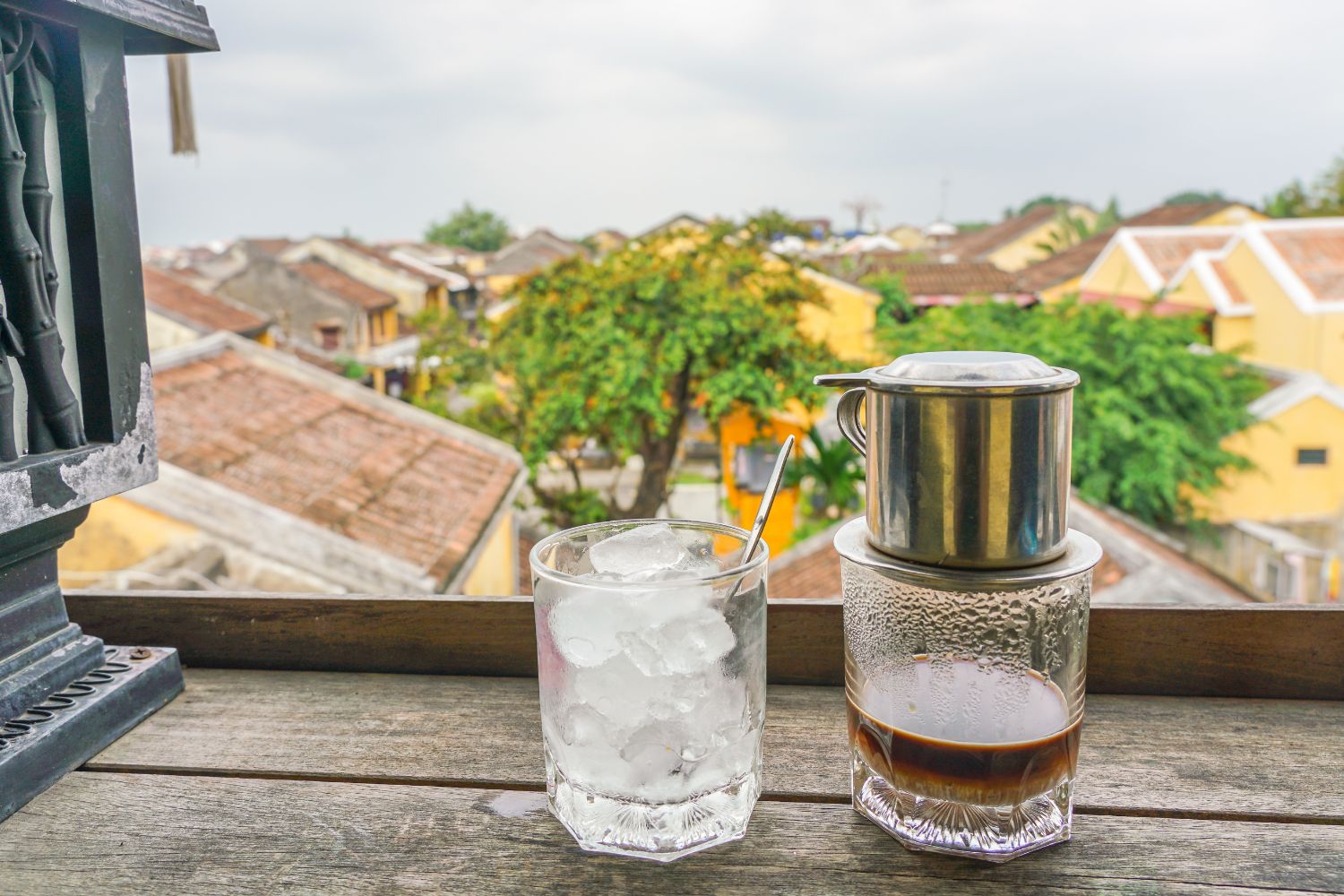
A phin is a traditional Vietnamese coffee filter, usually made of aluminum or stainless steel. It sits directly on top of your cup and uses a small perforated plate instead of a paper filter.
Because there is no paper to absorb the coffee’s natural oils, more of those aromatic oils make it into your cup, giving phin coffee its characteristic richness and full body.
4 Easy Steps to Brew Traditional Phin Coffee
Step 1: Warm the phin and cup
Rinse both with hot water to warm them up and help maintain a steady brewing temperature.
Step 2: Add the coffee
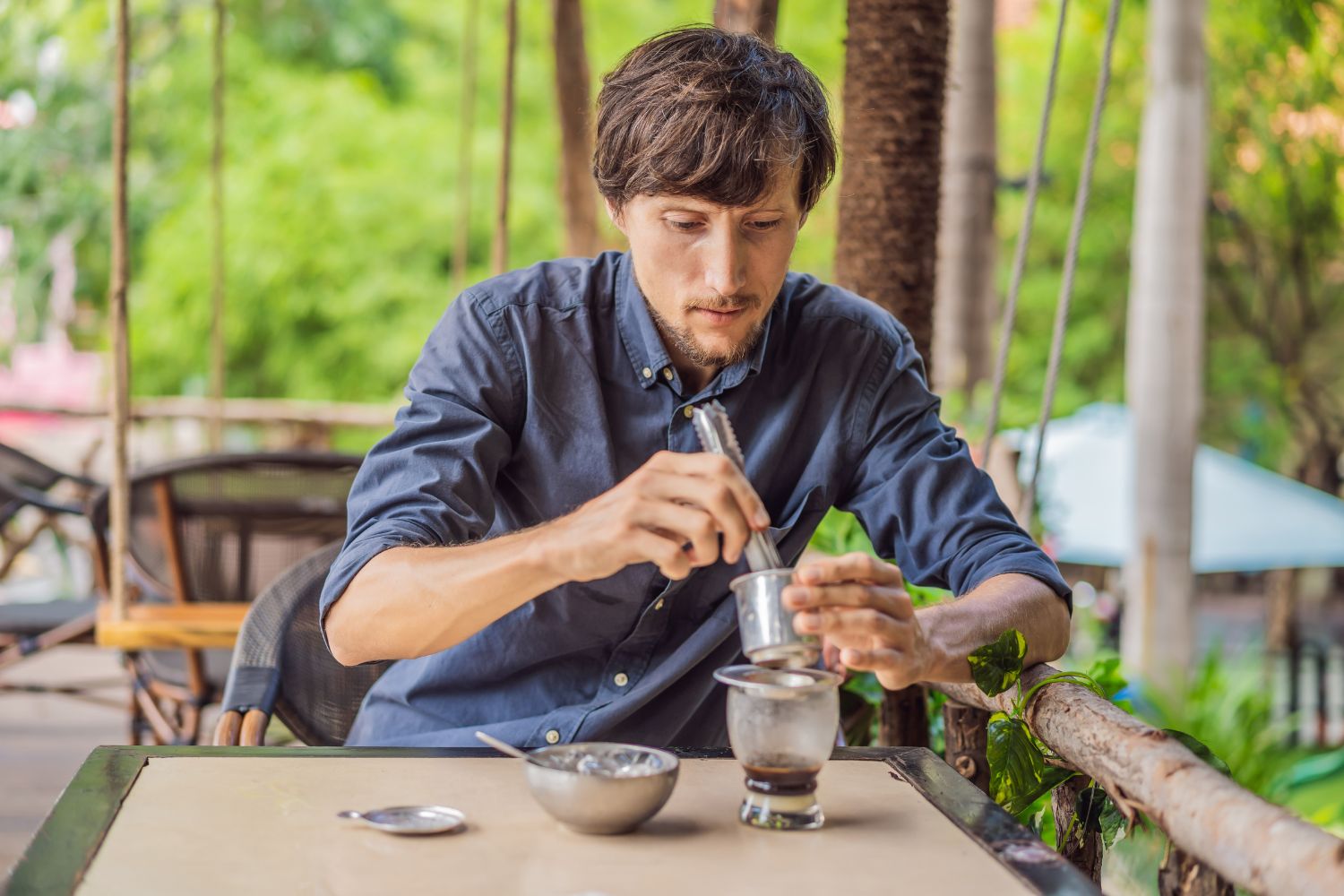
Add around 20 – 25g of medium-ground coffee to the phin. Give it a gentle shake to level the grounds, but don’t press or pack them down too tightly.
Step 3: Let the coffee bloom
Place the filter press on top of the grounds. Pour in 20 – 30ml of hot water and let the coffee bloom for 1 – 2 minutes. This gives the grounds time to absorb the water and release their aroma.
Step 3: Let it drip
Press the filter gently, then add another 60 – 80ml of hot water. Let the coffee slowly drip for around 5 – 7 minutes. Add condensed milk and ice to make a classic cà phê sữa đá, or enjoy it black for a stronger, more straightforward cup.
5 Iconic Vietnamese Coffee Drinks You Must Experience
Vietnamese coffee is not just about strong black coffee. Each region has its own way of turning a simple cup into something memorable. These five drinks are some of the best introductions to Vietnamese coffee, from the classic cà phê sữa đá to Hanoi’s creamy egg coffee and Huế’s surprisingly savory coffee.
1. Cà Phê Sữa Đá: Vietnam’s National Coffee
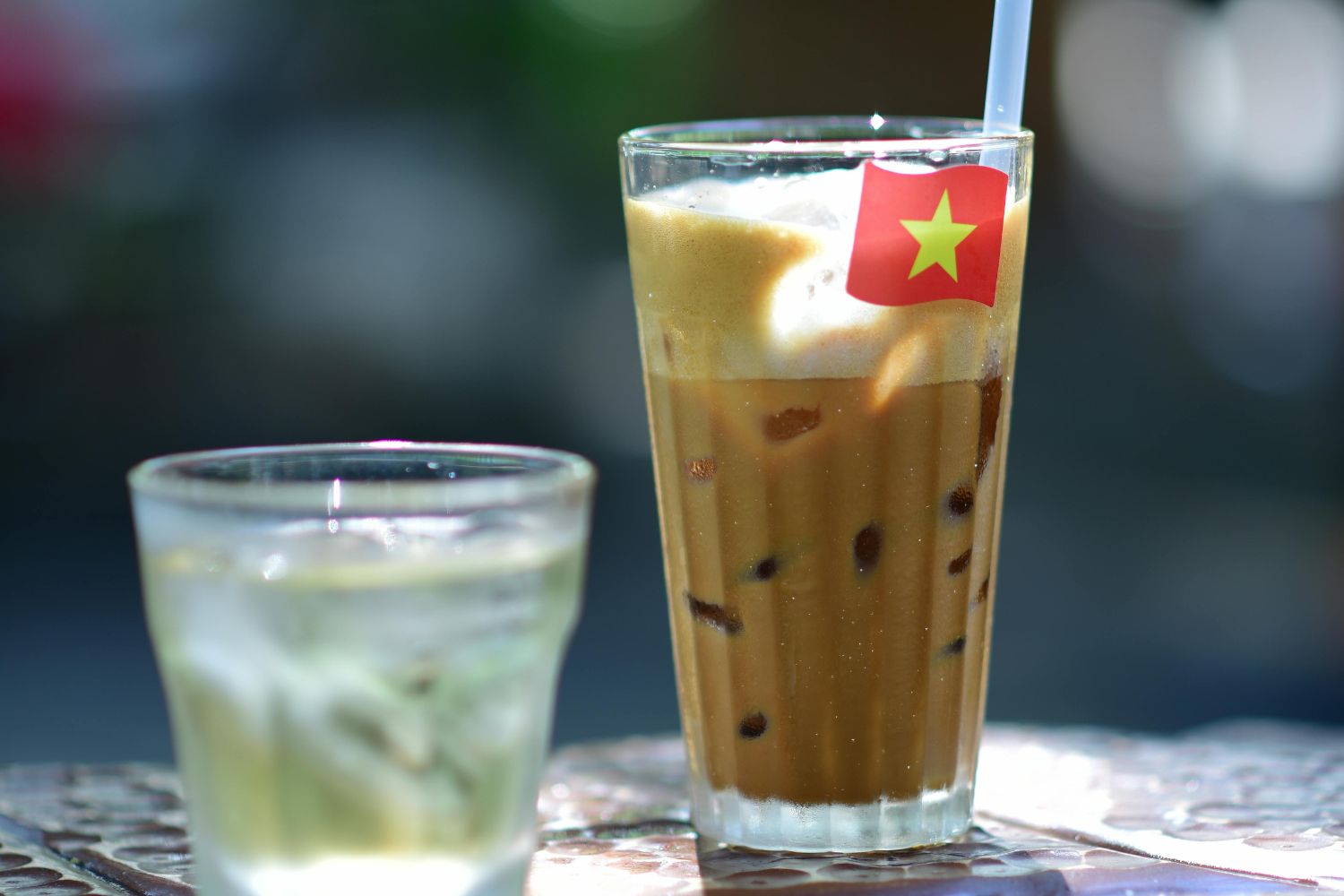
Cà phê sữa đá is the drink to order when you want to experience everyday Vietnamese coffee culture. You’ll see it everywhere, from tiny sidewalk stalls to stylish cafés, and locals drink it throughout the day.
The recipe is simple: strong Robusta coffee slowly brewed through a phin filter, mixed with sweetened condensed milk and poured over ice. The result is bold, sweet, creamy, and refreshing, with enough coffee flavor to keep the drink from becoming overly sugary.
The story goes back to the 19th century, when the French introduced coffee culture to Vietnam. Fresh milk was difficult to source and preserve in the tropical climate, so sweetened condensed milk became the practical alternative. That combination eventually became a Vietnamese classic.
Where to try it:
- Highlands Coffee: An easy option with locations throughout Vietnam, especially convenient for first-time visitors.
- The Coffee House: A popular Vietnamese café chain where you can find modern takes on traditional coffee.
- La Viet Coffee: A good choice for travelers interested in Vietnamese specialty coffee and locally sourced beans.
- Local sidewalk cafés: For the most traditional experience, find a small neighborhood café with plastic stools and watch the city go by.
2. Cà Phê Trứng: Hanoi’s Creamy Coffee Classic
Hanoi’s cà phê trứng, or egg coffee, is one of the country’s most unusual coffee creations. It was created by Nguyễn Văn Giảng in 1946 while he was working at the Sofitel Legend Metropole Hanoi, when milk was scarce.
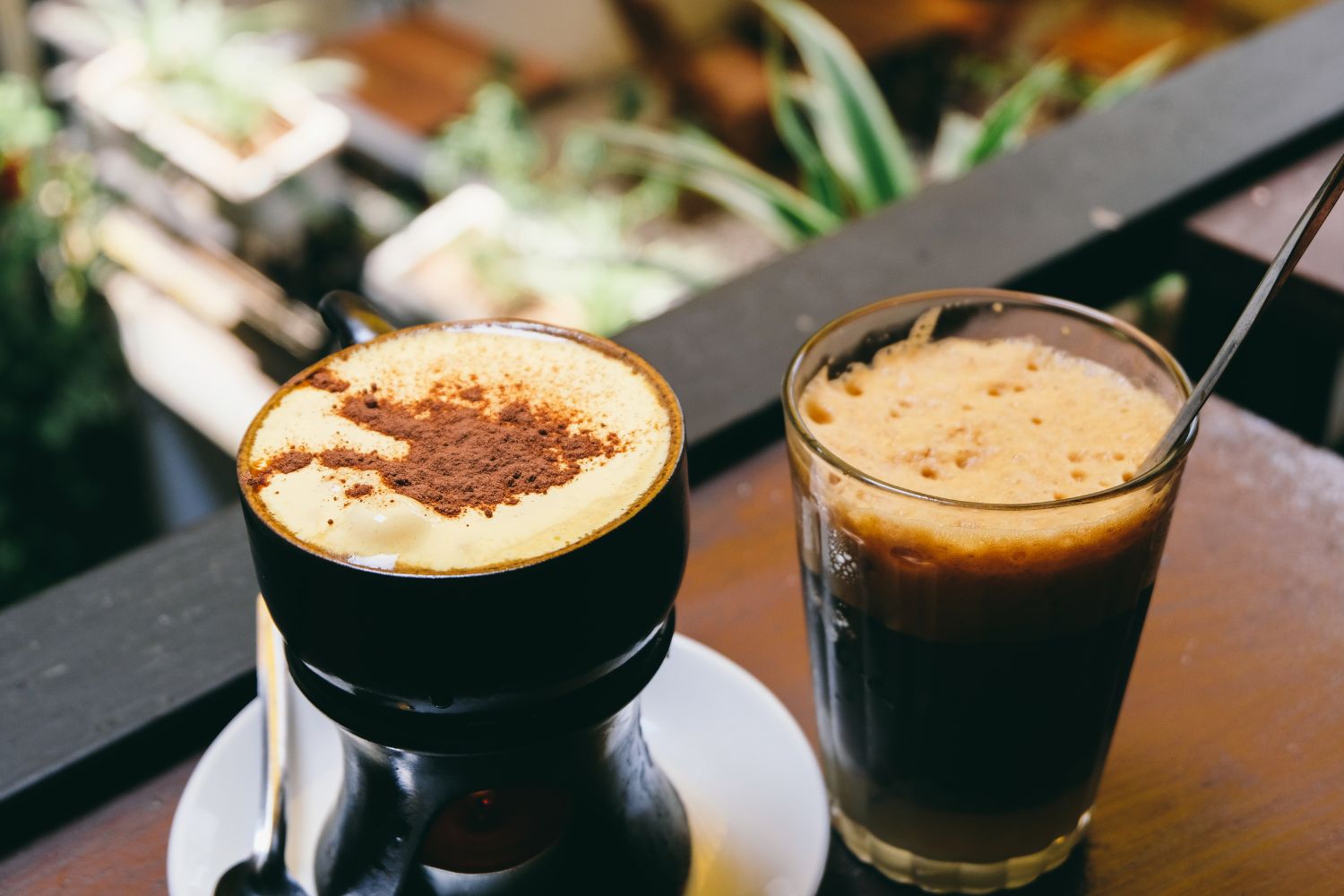
The drink combines strong hot coffee with a thick cream made by whipping egg yolks with sugar and other ingredients. The topping is rich, smooth, and almost dessert-like, balancing the bitterness of the coffee underneath.
Traditionally, the cup is placed in a bowl of hot water to keep it warm. Try a spoonful of the egg cream first, then mix it gently with the coffee for the full experience.
Where to try it:
- Café Giảng, 39 Nguyễn Hữu Huân: The original home of egg coffee.
- Café Đinh: A small, atmospheric Hanoi classic.
- The Note Coffee: A more tourist-friendly option near Hoan Kiem Lake.
- Loading T: A cozy café known for its traditional Hanoi atmosphere.
3. Cà Phê Muối: Huế’s Sweet and Salty Surprise
Cà phê muối, or salted coffee, is one of Hue’s signature coffee creations. The drink became popular after appearing at a small café on Nguyễn Huệ Street around 2010.
The idea sounds strange at first: strong phin coffee combined with a creamy mixture and a small amount of salt. In practice, the salt helps soften the perception of bitterness while bringing out the sweetness and richness of the milk.
The result is smoother and more balanced than you might expect, with a subtle salty finish that makes another sip almost inevitable.
Where to try it:
- Cà Phê Muối, 10 Nguyễn Huệ: The café associated with the original version.
- Nhà 87: Another local option for trying salted coffee in Huế.
- Highlands Coffee: A convenient option for travelers who want to try modern versions of Vietnamese coffee.
4. Bạc Xỉu: Saigon’s Sweet Introduction to Coffee
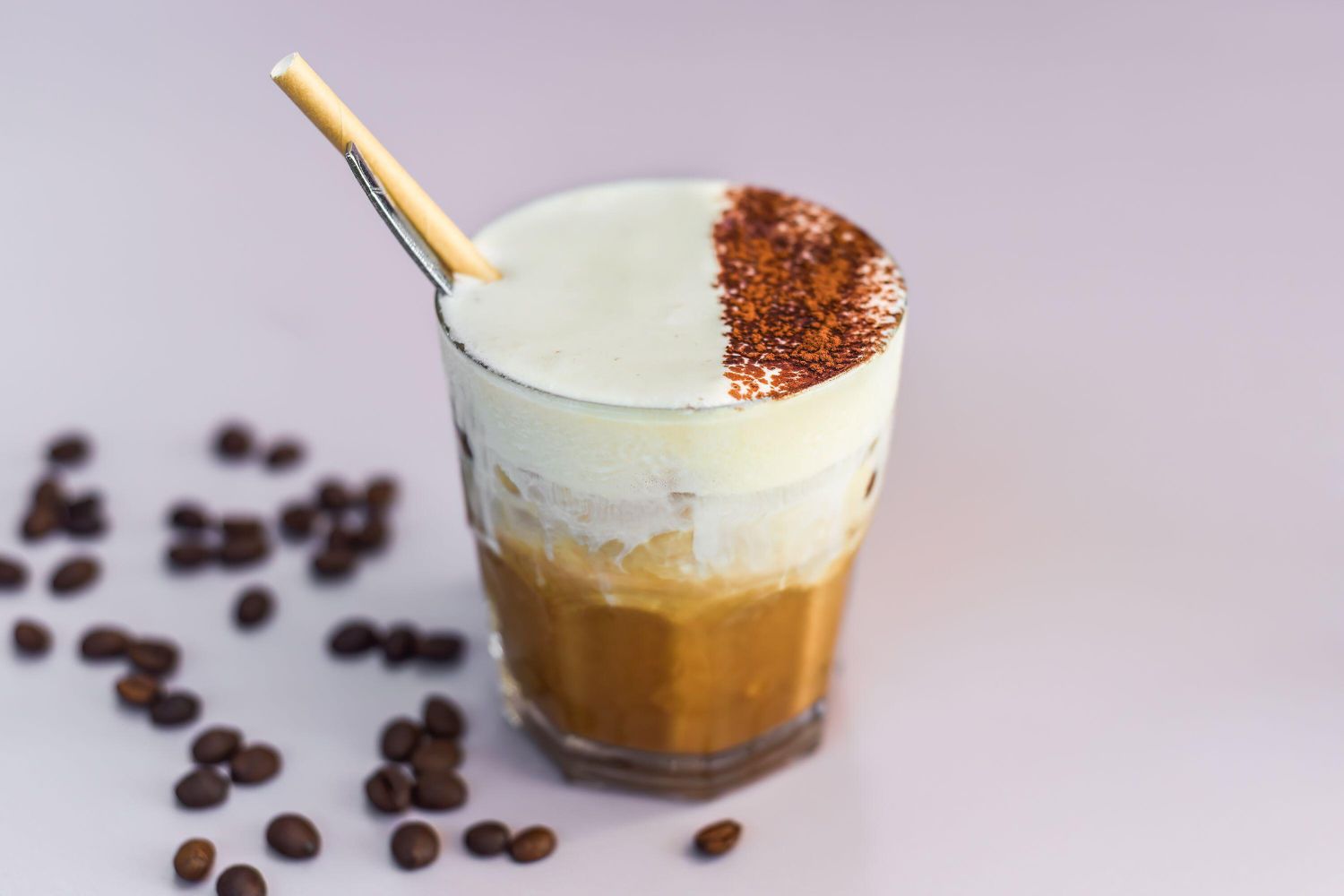
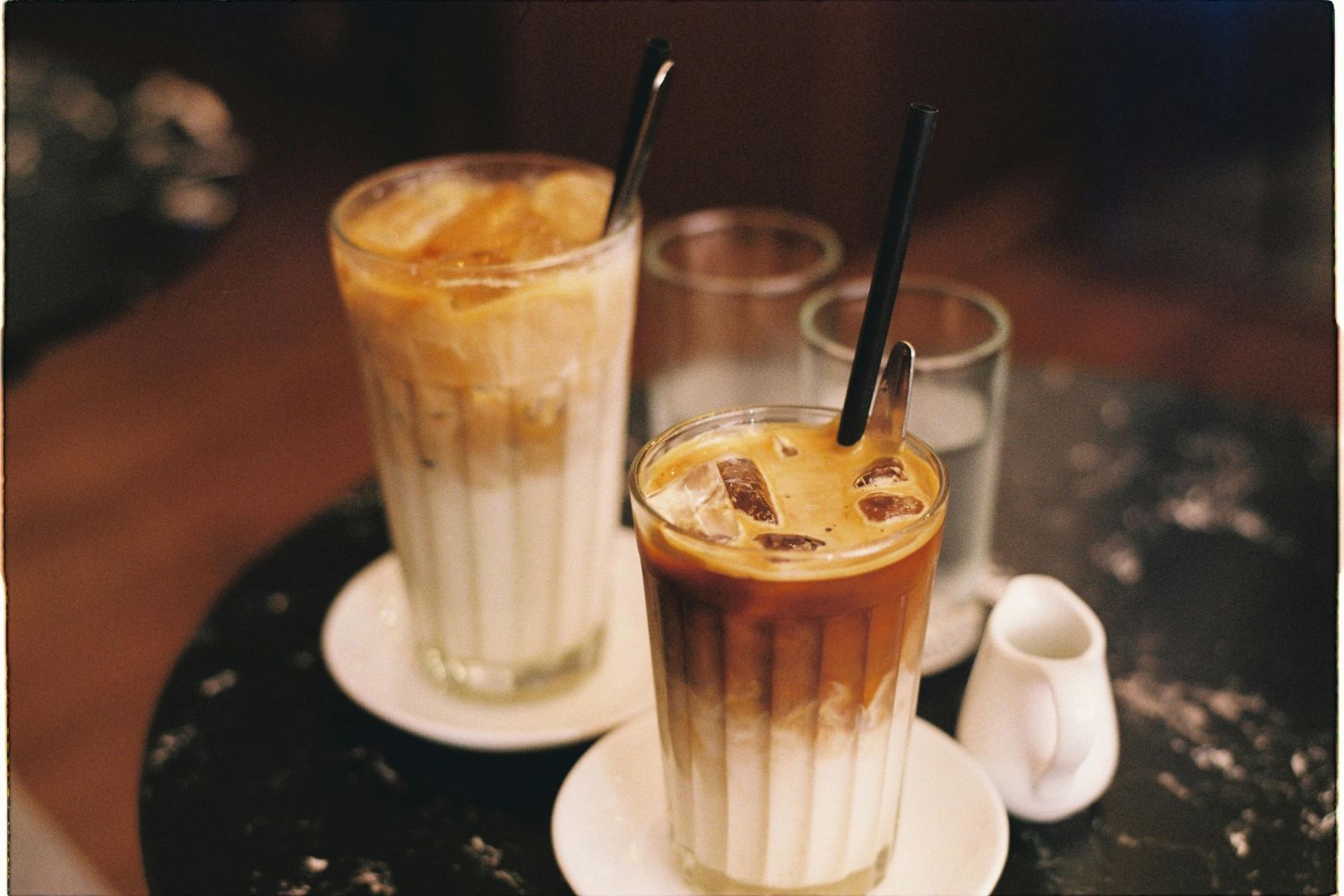
Bạc xỉu is a great choice for travelers who find traditional Vietnamese coffee too strong. It is particularly associated with Saigon and the old Chinese-Vietnamese community around Cho Lon.
The name is believed to come from the Cantonese phrase baahk dái síu fèh, referring to hot milk with a little coffee. Unlike cà phê sữa đá, where coffee takes center stage, bạc xỉu is mostly milk, with a smaller amount of coffee added for aroma and flavor.
It is sweet, creamy, and much gentler than a traditional phin coffee. Order it iced on a hot afternoon or hot for a more old-school experience.
Where to try it:
- The Coffee House: An easy introduction to bạc xỉu with locations across Vietnam.
- Highlands Coffee: A convenient choice if you are traveling between cities.
- Traditional cafés around Chợ Lớn and District 5: The best place to experience the drink in its old-school Saigon setting.
5. Cà Phê Dừa: Vietnam’s Tropical Coffee Treat
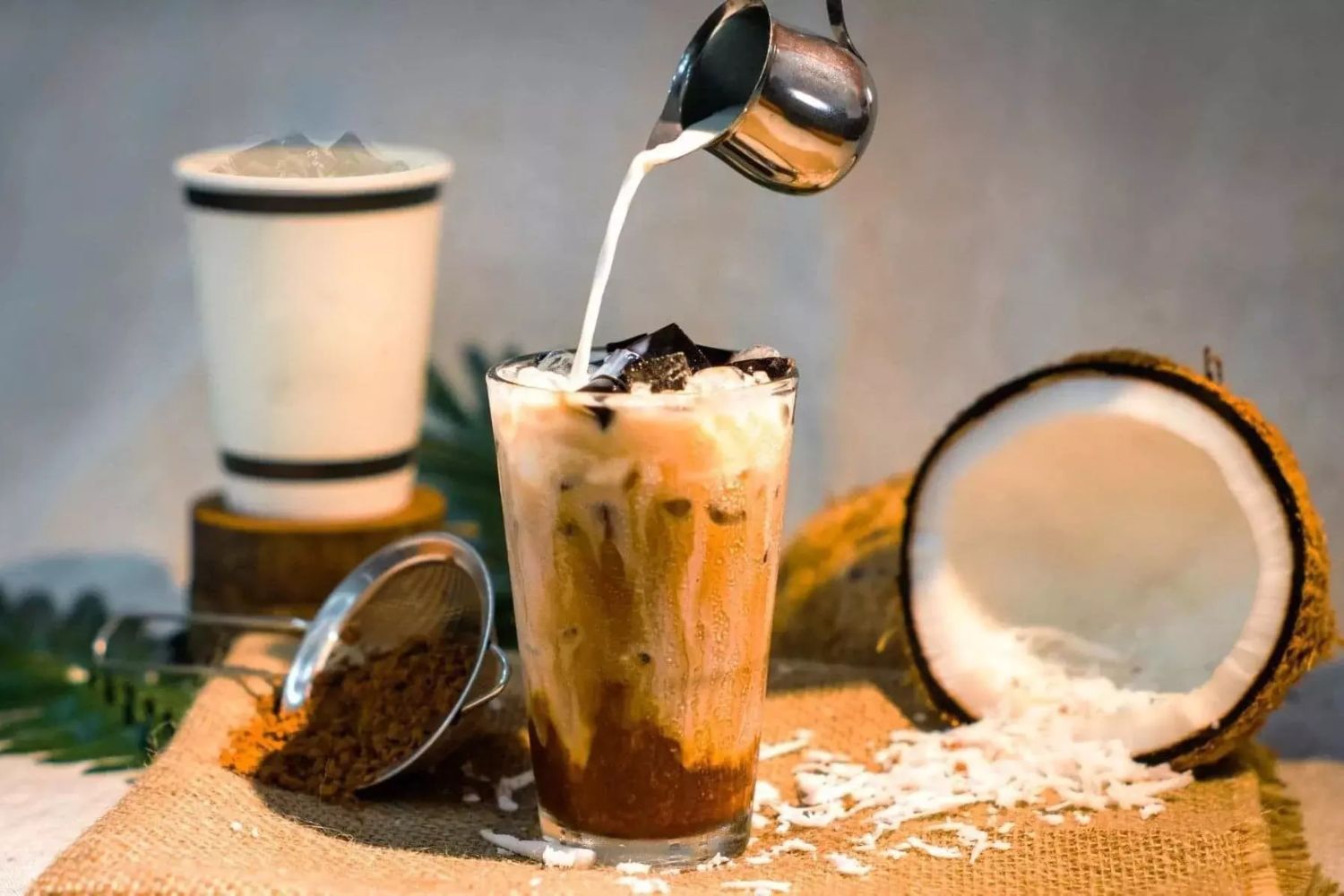
Cà phê dừa, or coconut coffee, takes Vietnamese coffee in a completely different direction. It combines strong Robusta coffee with creamy coconut milk, condensed milk, and crushed ice.
The coconut mixture is often blended until smooth and almost slushy, then layered over or mixed with the coffee. You get the bitterness and aroma of coffee alongside the rich, tropical flavor of coconut.
It is especially refreshing on a hot day and makes a fun alternative to the more traditional phin drinks.
Where to try it:
- Cộng Cà Phê: One of the best-known places to try coconut coffee, with locations in several Vietnamese cities. Look for cà phê cốt dừa on the menu.
- The Coffee House: A convenient option for trying a modern Vietnamese-style coconut coffee.
- La Viet Coffee: Worth checking out in Đà Lạt if you want to explore the specialty coffee side of Vietnam alongside more creative drinks.
Together, these five drinks show why Vietnamese coffee is much more diverse than its reputation for strong Robusta might suggest. Start with cà phê sữa đá, then work your way through egg, salted, milk-heavy, and coconut versions to taste the different sides of Vietnam’s coffee culture.
Where to Buy Coffee Beans and Coffee Experiences
Once you’ve fallen in love with Vietnamese coffee, you may want to take some of that flavor home with you or learn how to make it yourself. Vietnam has plenty of good places to buy freshly roasted beans, discover local coffee varieties, and join hands-on workshops.
Best Places to Buy Fresh Beans
Hanoi
- Café Lâm: One of Hanoi’s oldest coffee shops, Café Lâm is a great stop for travelers who love old-school coffee culture. Look for traditionally roasted Vietnamese Robusta beans with a deep, familiar aroma. Buying a bag here also gives you a small taste of Hanoi’s long coffee history to take home.
- All Day Coffee: A more modern contrast to Café Lâm, All Day Coffee has a stylish, warm, and contemporary atmosphere. Its packaged coffee beans come in beautifully designed packaging, making them a good choice if you want a Vietnamese coffee gift that feels a little more polished.
Ho Chi Minh City
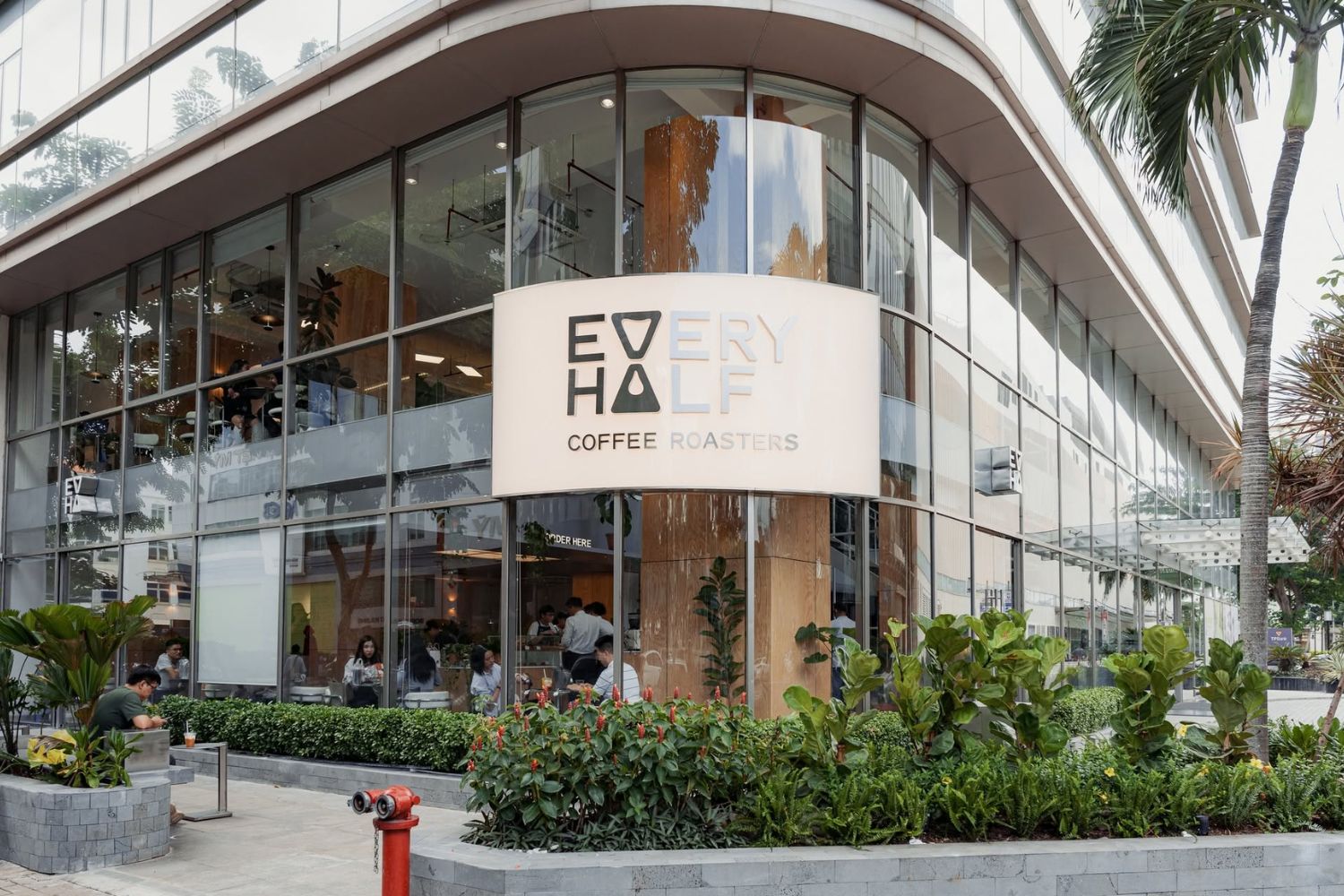
- Every Half Coffee Roasters: A standout in Vietnam’s specialty coffee scene, Every Half focuses on high-quality Vietnamese beans sourced from selected growing regions. The roasting process is carefully controlled to bring out the natural characteristics of each coffee, making this a good place to explore Vietnamese coffee beyond traditional Robusta.
- 96B Cafe & Roastery: This creative roastery is a great choice for travelers who want to explore Vietnam’s native coffee varieties in more depth. Alongside quality Robusta, you may find less common varieties such as Liberica and Fine Robusta. The shop also gives you a chance to learn more about how different beans are grown, processed, and roasted.
Da Lat
- K’Ho Coffee Farm: Located near Langbiang Mountain, K’Ho Coffee Farm is run by members of the K’Ho community. A visit goes beyond simply buying coffee. You can learn how coffee cherries are grown, harvested, processed, and turned into a finished cup, then buy high-quality Arabica beans directly from local farmers. It is one of the more meaningful ways to connect with the people behind Vietnamese coffee.
Top Coffee Making Classes and Workshops for Tourists
Tasting Vietnamese coffee is one thing. Learning how to make it yourself gives you a completely different appreciation for the drink.
- Vietnamese Coffee Workshops in Hoi An and Hanoi: These short, tourist-friendly classes introduce you to the basics of Vietnamese coffee culture. You’ll learn how to use a traditional phin filter and make popular drinks such as cà phê sữa đá and egg coffee. They are usually hands-on, so you get to prepare the drinks yourself rather than simply watching a demonstration.
- 96B Cafe & Roastery in Ho Chi Minh City: For coffee lovers who want to go beyond the basics, 96B offers a deeper look at the technical side of coffee. Depending on the workshop, you can learn about manual roasting, brewing methods, and how different techniques affect the final cup, guided by experienced baristas.
For a souvenir, buying a bag of Vietnamese coffee beans is easy. But taking a coffee workshop home with you gives you something better: the knowledge to recreate a little piece of Vietnam in your own kitchen.
> Read more: 21 Unique Vietnam Souvenirs That Travelers Should Buy
Practical Survival Tips for Coffee-Loving Travelers
How to Handle Caffeine Shock (“Say Cà Phê”)
Vietnamese Robusta can be much stronger than the coffee you may be used to. To avoid a caffeine overload:
- Don’t drink coffee on an empty stomach: Have breakfast first, especially something with carbs or protein.
- Drink water alongside your coffee: Iced tea or water served at cafés helps you stay hydrated.
- Start small: Try half a cup first, especially if you are not used to strong Robusta.
- Feeling unwell? Stop drinking, rest somewhere cool, and drink water. Give your body time to process the caffeine.
Is Egg Coffee Safe to Drink?
Egg coffee is generally safe when prepared properly. The egg yolk is whipped with sugar and other ingredients to create the creamy topping, which is served with hot coffee.
- Choose reputable cafés with good hygiene standards.
- Avoid places where eggs or other ingredients are not properly refrigerated.
- When in doubt, ask whether the egg mixture is cooked or pasteurized.
How to Order and Pay Like a Local
A few Vietnamese words can make ordering much easier:
- Cà phê: Coffee
- Đá: Iced
- Nóng: Hot
- Sữa: Milk
- Đường: Sugar
- Bao nhiêu?: How much?
Payment & tipping:
- Tipping is not required at most Vietnamese cafés.
- Simply pay the amount on the bill.
- At specialty cafés, leaving 10,000 – 20,000 VND for excellent service is a nice gesture, but completely optional.
Experience Vietnam One Cup at a Time
Vietnamese coffee is more than a morning pick-me-up. It is part of everyday life, from tiny sidewalk cafés and slow phin filters to creative drinks found in modern specialty coffee shops. Whether you prefer strong Robusta, creamy egg coffee, or a refreshing cà phê sữa đá, every cup offers a small taste of Vietnam’s culture and local life.
Ready to experience Vietnamese coffee beyond the cup? Let Asia Pioneer Travel take you closer to Vietnam’s food, culture, and local experiences. Join us and discover the flavors, stories, and places that make Vietnam unforgettable, one cup at a time.