

Vietnam in January and February is a great choice if you want pleasant weather, lively festivals, and plenty of ways to explore the country. But don’t expect the same conditions everywhere. The north can be cool and misty, central Vietnam starts to dry out, and the south is usually warm and sunny. This guide breaks down what to expect, where to go, and how a well-planned package tour can take the hassle out of peak-season travel, leaving you more time to enjoy Vietnam in comfort and privacy.
Regional Weather Breakdown for Vietnam in January and February
Vietnam’s weather varies significantly by region in January and February. The north is cool, central Vietnam gradually dries out, and the south enjoys warm, sunny conditions. Here’s what to expect in each region.
Northern Vietnam: Cool Winter Days
Hanoi averages 20°C in January and 21.3°C in February, with chilly mornings and occasional drizzle. Mountain destinations such as Sapa can be much colder, so pack warm layers. The misty weather adds atmosphere to Hanoi’s Old Quarter and Ha Long Bay, although visibility can vary.
Central Vietnam: Mild Weather and Heritage Towns
In Da Nang, average highs reach 25.2°C in January and 26.3°C in February. Rainfall drops from around 83 mm to 22 mm, making February generally more favorable for exploring Hoi An, Hue, and the Marble Mountains. January can still bring showers, so carry a light rain jacket.
Southern Vietnam: Warm and Dry
Ho Chi Minh City averages highs of 32°C in January and 32.7°C in February, with only about 12 mm and 8 mm of rainfall, respectively. It’s an excellent time for city sightseeing, Mekong Delta boat trips, and beach escapes to Phu Quoc. Bring sunscreen, a hat, and lightweight clothing for sunny days.
What is the Tet Holiday and How to Experience It Smoothly
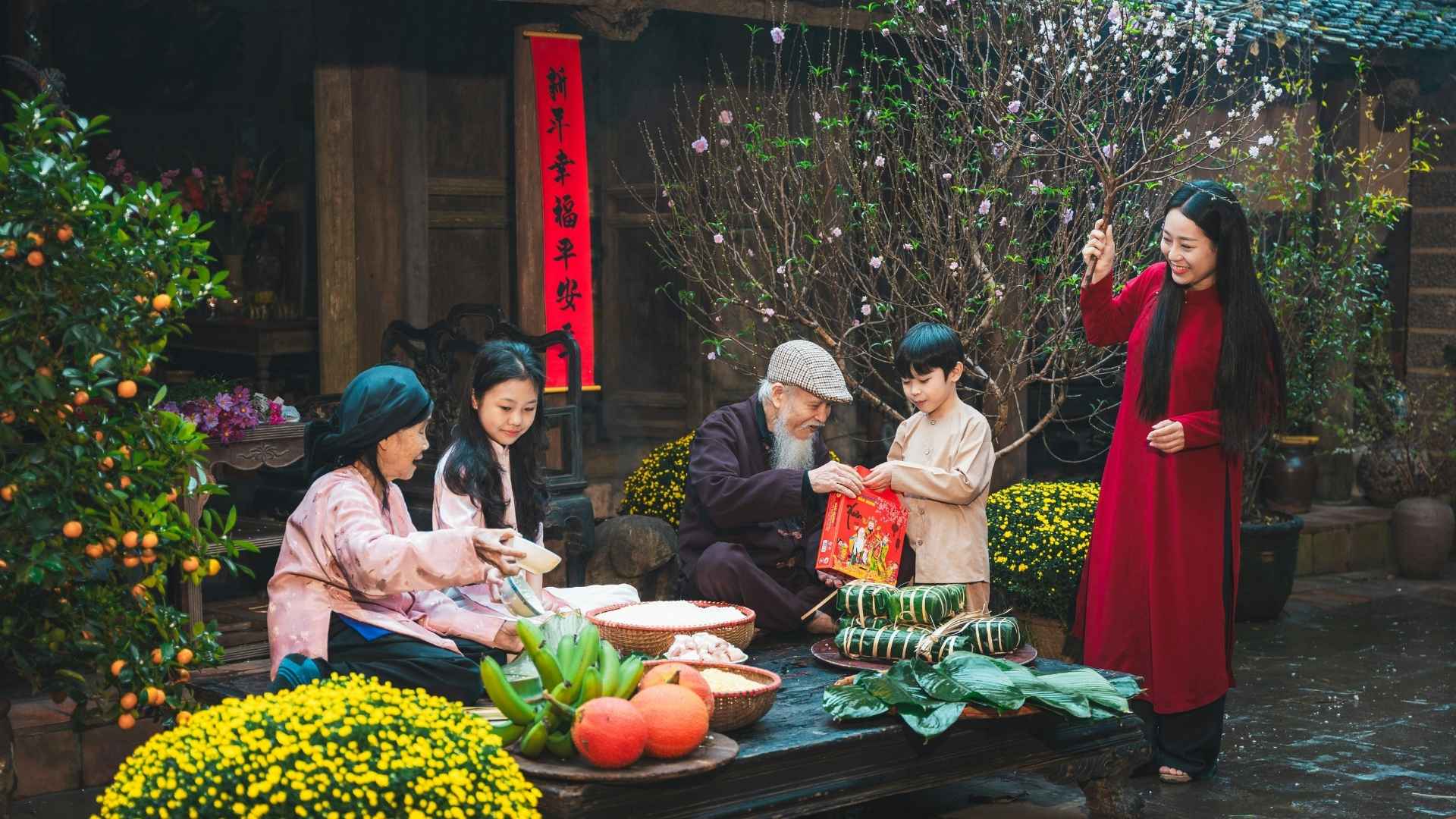
Tet, or Vietnamese Lunar New Year, is Vietnam’s most important traditional holiday, usually falling in late January or February. Families gather, homes fill with peach or apricot blossoms, and streets come alive with flower markets and festive decorations. For travelers, it’s a unique chance to experience Vietnamese culture beyond the usual sightseeing.
Tet Traditions and Food
Traditional customs include cleaning homes, honoring ancestors, exchanging New Year wishes, and giving lucky money in red envelopes. Seasonal dishes are also central to the celebration. Try banh chung, a square sticky rice cake popular in the north, or banh tet, its cylindrical counterpart common in central and southern Vietnam. Other favorites include candied fruits and braised pork with eggs.
Travel Tips for Tet
- Book early: Flights, trains, and hotels get busy before and after Tet as locals travel home.
- Check opening hours: Many family-run restaurants, shops, and smaller attractions may close for several days. Larger hotels are more likely to remain open.
- Consider a private tour: Pre-arranged transport, accommodation, and guided cultural activities can make holiday travel easier and more flexible.
With some advance planning, you can enjoy Tet’s festive atmosphere while avoiding common travel disruptions.
Best Places to Visit in Vietnam During Early Months of the Year
January and February offer varied travel experiences across Vietnam, from cool northern landscapes to sunny southern beaches. The best destinations depend on whether you prefer cultural sightseeing, outdoor adventures, or a relaxing coastal escape.
1. Hanoi for Winter Charm and Local Culture
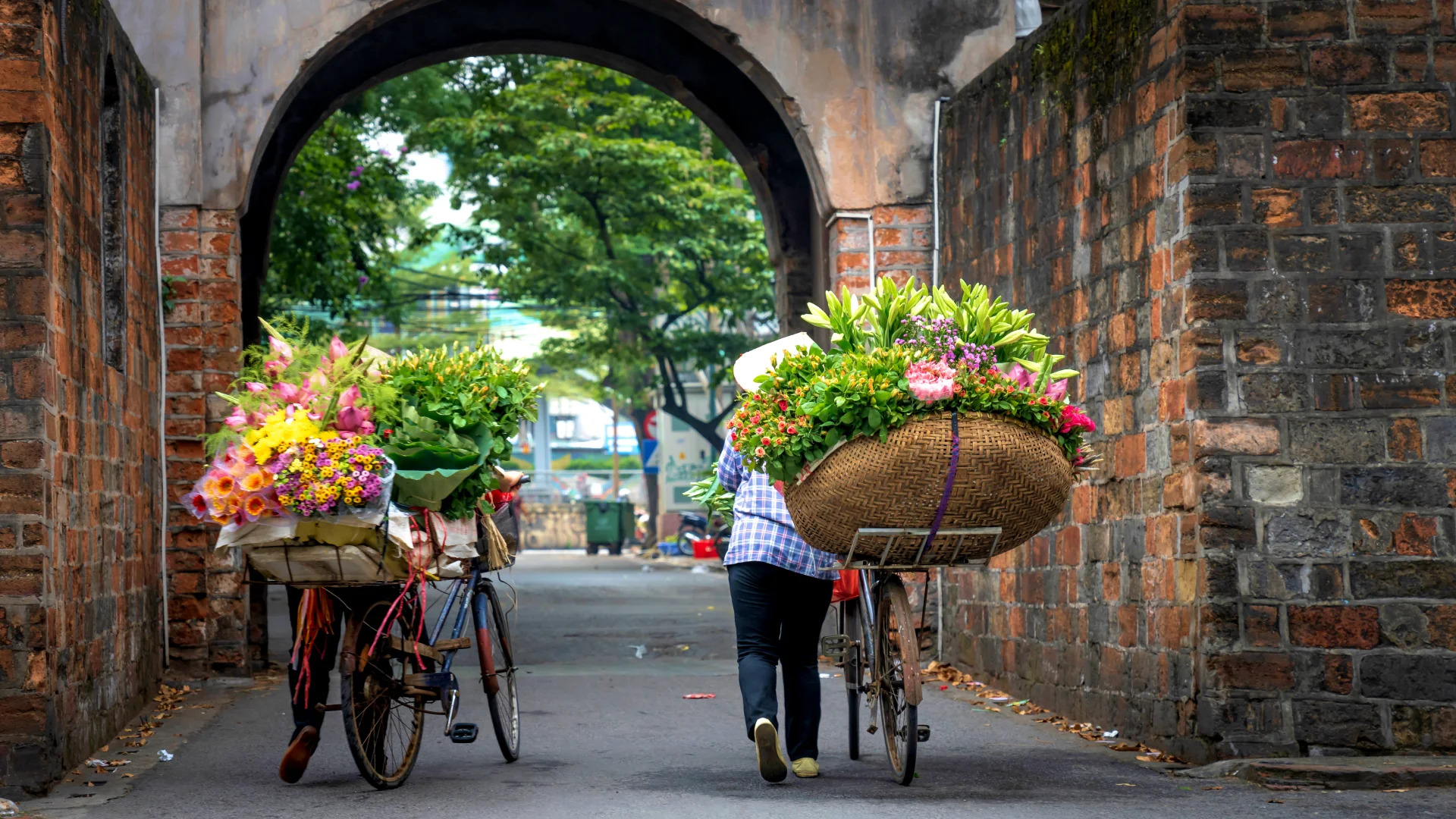
Hanoi is a good choice in January and February if you enjoy history, street food, and exploring on foot. Temperatures typically range from around 15°C to 21°C, so bring a light jacket for chilly mornings.
The capital combines tree-lined boulevards, French colonial architecture, ancient temples, and lively street markets. It suits first-time visitors, culture lovers, and food enthusiasts.
- Walk around Hoan Kiem Lake: Enjoy the peaceful morning atmosphere and observe local daily life.
- Explore the Old Quarter: Browse traditional streets, small shops, and busy food stalls.
- Visit the Temple of Literature: Discover Vietnam’s historic center of learning.
- Try local specialties: Sample pho, bun cha, and egg coffee at neighborhood eateries.
2. Ha Long Bay for Misty Cruises and Limestone Scenery
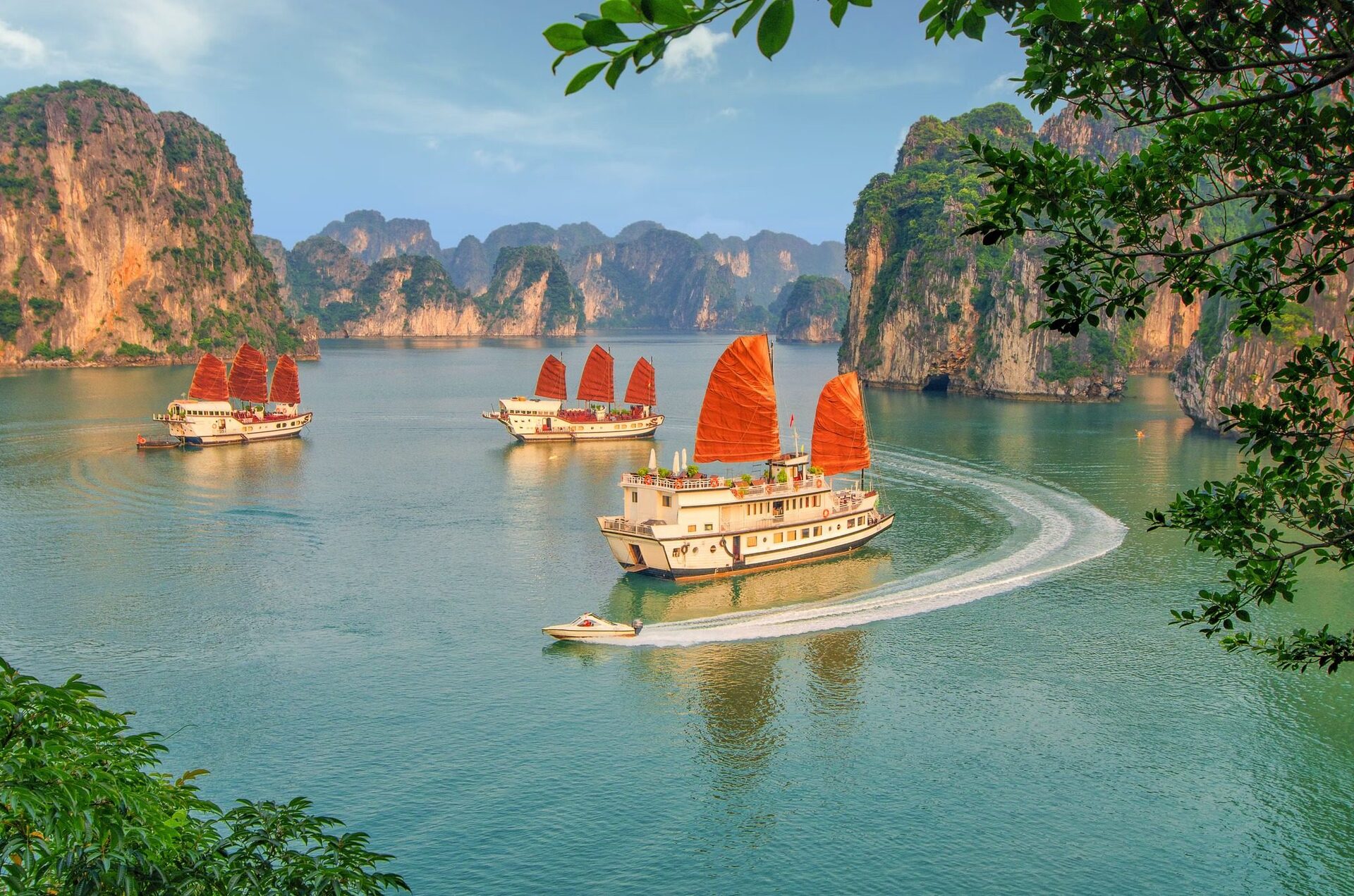
January and February suit travelers seeking dramatic seascapes rather than tropical beach weather. Temperatures are cool, averaging daytime highs of approximately 18 – 20°C, and mist can soften visibility.
The Ha Long Bay towering limestone formations and secluded coves create a memorable backdrop for an overnight cruise. It is ideal for couples, photographers, and travelers who prefer scenic relaxation over strenuous activities.
- Take an overnight cruise: Stay aboard for one or two nights and enjoy meals overlooking the bay.
- Explore limestone caves: Visit accessible caves on an organized excursion.
- Kayak in sheltered areas: Paddle through quiet waterways when weather and cruise conditions permit.
- Watch the sunrise: Photograph the limestone islands from the deck in the early morning.
3. Sapa for Mountain Views and Ethnic Culture
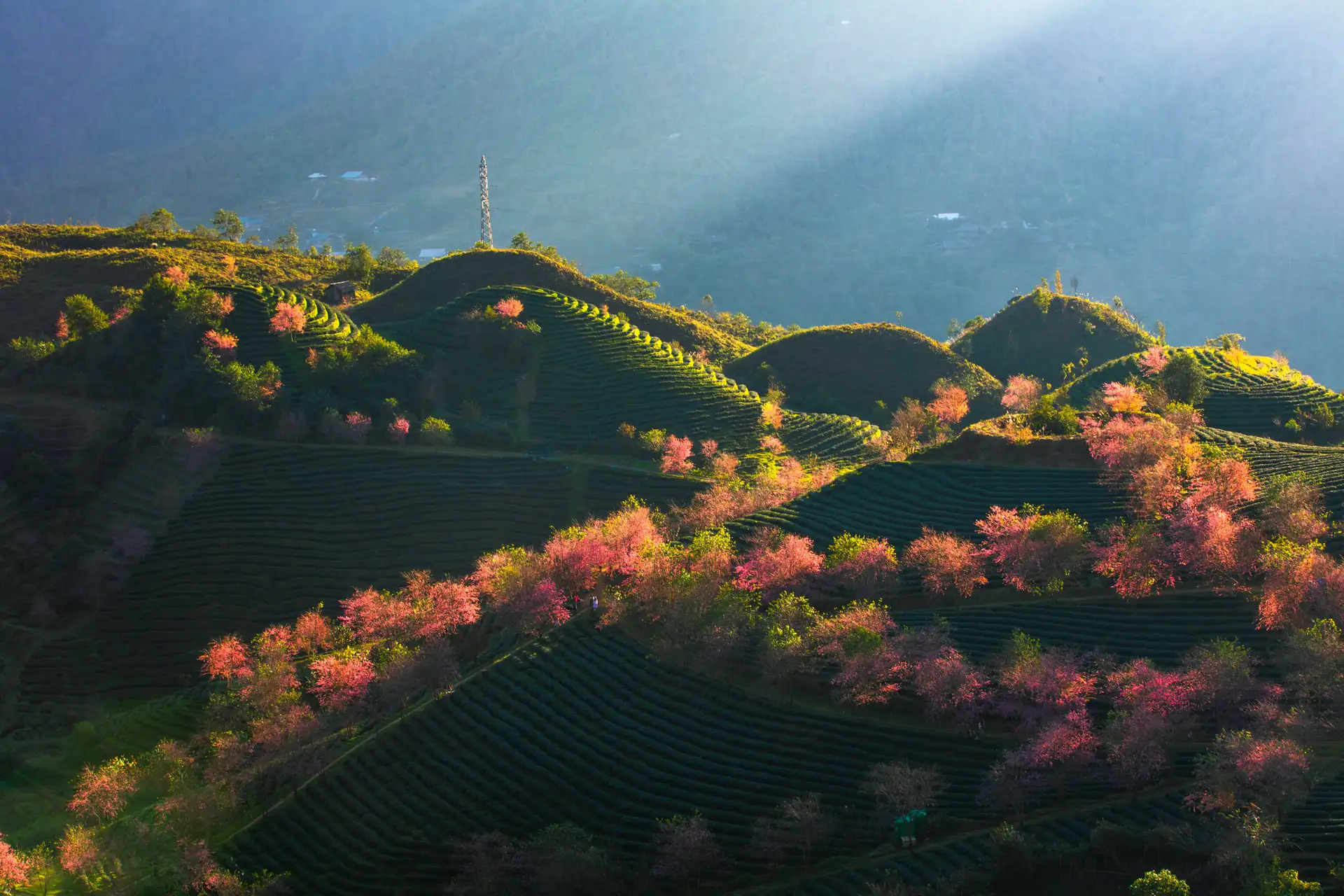
Sapa appeals to travelers who enjoy mountain scenery, cooler weather, and cultural experiences. January temperatures can fall to around 5°C, so warm layers and suitable footwear are essential.
The region features misty valleys, traditional villages, and spectacular mountain landscapes. Fansipan rises to 3,147 metres, offering panoramic views when the weather is clear. Sapa suits adventurous travelers and those interested in local cultures, although winter fog can obscure the scenery.
- Ride the Fansipan cable car: Reach the summit area in approximately 15 – 20 minutes.
- Visit Ta Van Village: Explore village paths and learn about local traditions respectfully.
- Try a guided village walk: Discover rural landscapes without attempting a demanding mountain trek.
- Sample local food: Warm up with regional dishes in Sapa town.
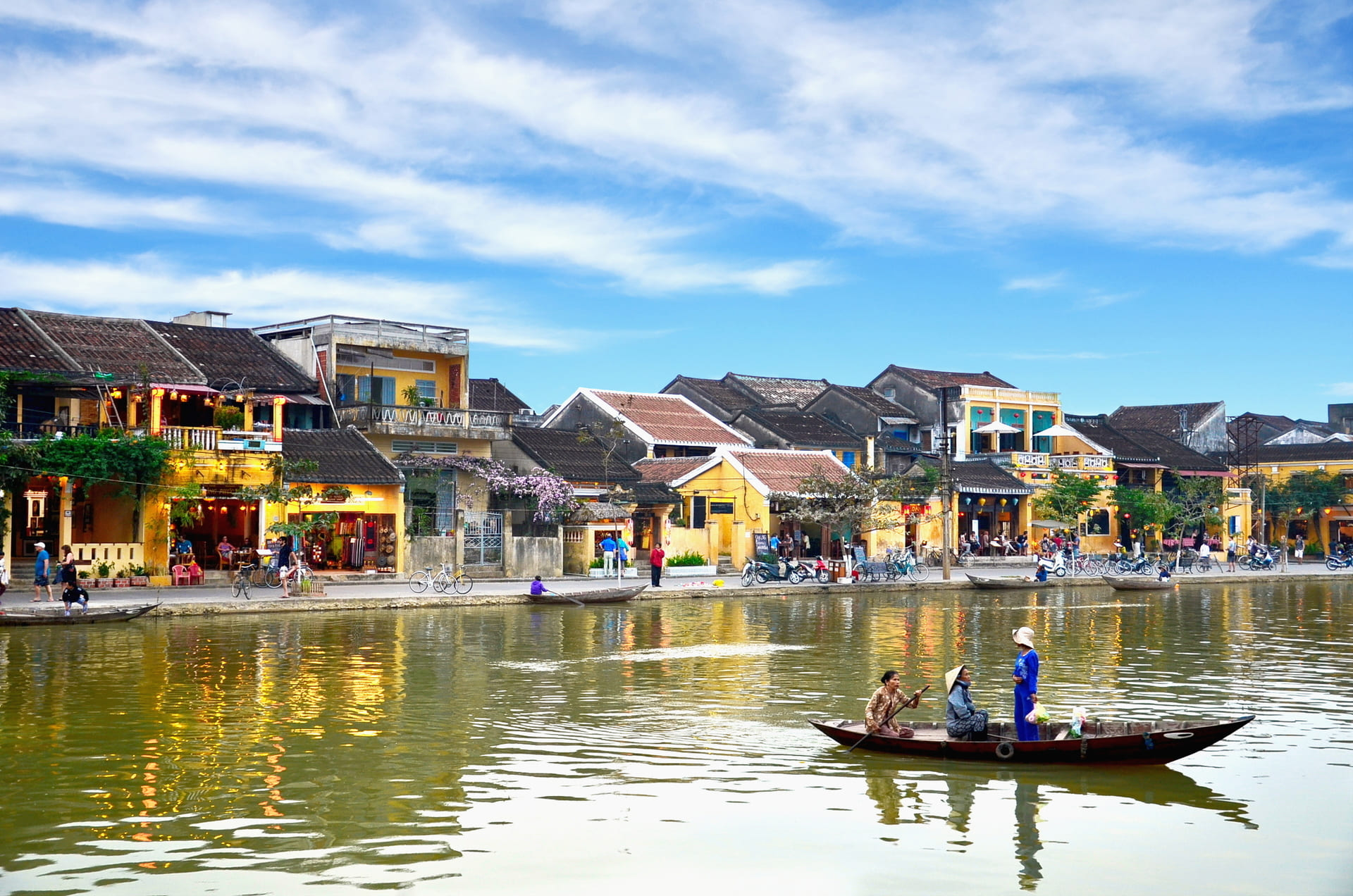
4. Hoi An for Heritage Streets and Lantern Evenings
Hoi An becomes particularly appealing in February as central Vietnam generally transitions toward drier weather. Daytime temperatures can reach around 26°C, making walking more comfortable than during hotter months.
This UNESCO-listed trading town features preserved historic buildings, riverside cafés, colorful lanterns, and a relaxed pace. It is ideal for couples, families, photographers, and travelers interested in heritage and food.
- Explore the Ancient Town: Walk through historic streets and visit traditional merchant houses.
- See the Japanese Covered Bridge: Admire one of the town’s best-known historic landmarks.
- Join a lantern-making workshop: Learn about a local craft and create a souvenir.
- Taste Hoi An specialties: Try cao lau noodles, white rose dumplings, and banh mi.
> Read more: Hoi An Memories Show: A Spectacular Cultural Performance in Vietnam
5. Da Nang for Coastal Scenery and Easy Day Trips
Da Nang offers a convenient mix of city comforts, cultural attractions, and coastal scenery. Average daytime highs reach 25.2°C in January and 26.3°C in February, although January can still be rainy.
The city combines a long urban coastline with mountain viewpoints, temples, and modern cafés. It suits families, couples, and travelers wanting a comfortable base for exploring central Vietnam.
- Visit the Marble Mountains: Explore Buddhist shrines, caves, and viewpoints across the limestone hills.
- Walk along My Khe Beach: Enjoy the coastline, especially on clear and sunny days.
- See the Dragon Bridge: Visit in the evening to admire its illuminated design.
- Take a day trip to Hoi An: Combine beachside relaxation with historic streets and local food.

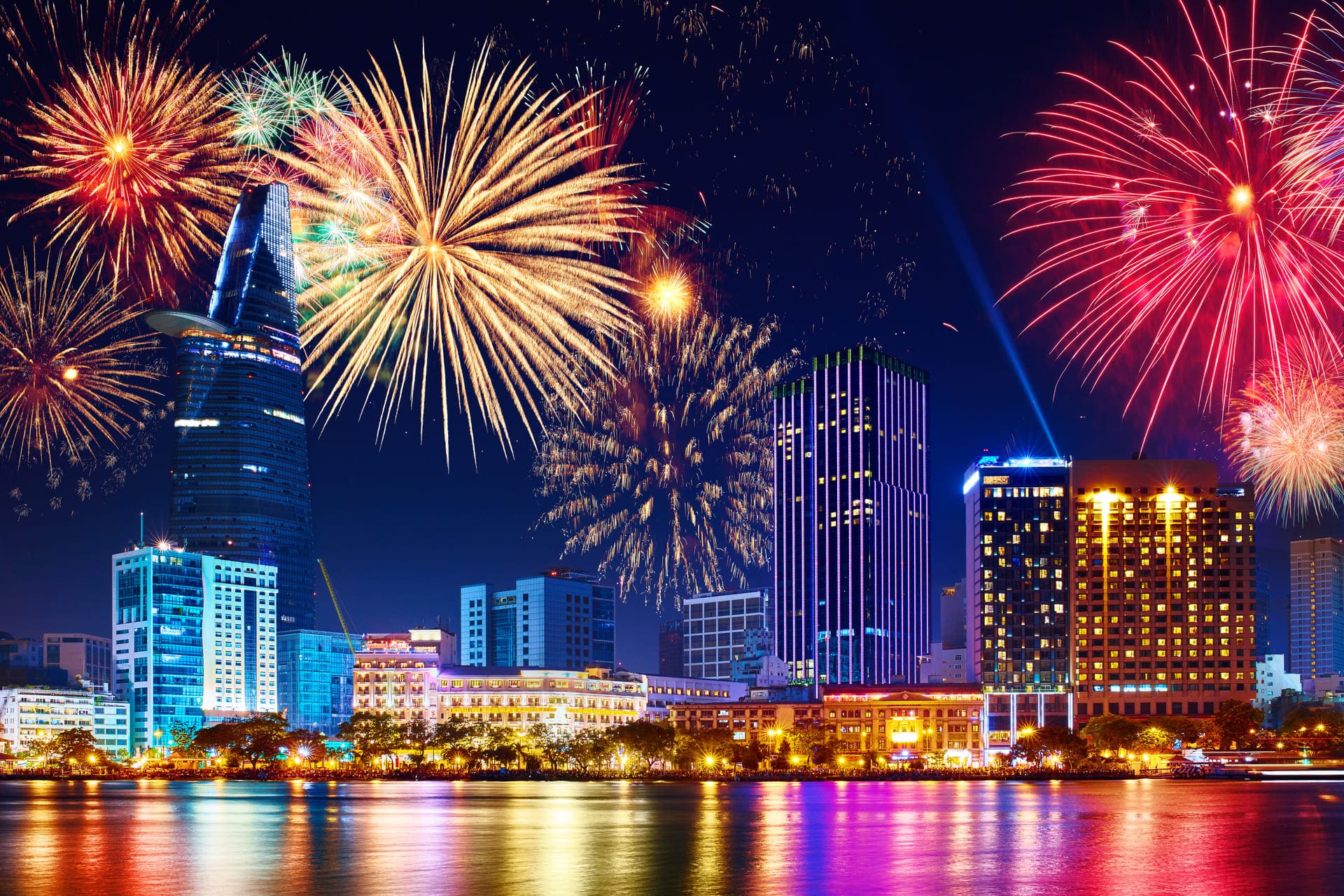
6. Ho Chi Minh City for History and Urban Energy
Ho Chi Minh City is an excellent choice in Vietnam in January and February, when daytime highs average around 32 – 33°C and rainfall is generally low.
The city blends historic landmarks, lively markets, contemporary cafés, and a thriving food scene. It suits first-time visitors, urban explorers, and travelers who enjoy combining sightseeing with dining and nightlife.
- Visit the Independence Palace: Learn about an important chapter in modern Vietnamese history.
- Explore the War Remnants Museum: Discover exhibits documenting the Vietnam War and its consequences.
- See the Central Post Office: Admire the historic architecture in the city center.
- Explore local food streets: Try banh mi, broken rice, and southern Vietnamese specialties.
7. Mekong Delta for River Life and Rural Experiences
The Mekong Delta is especially appealing during the dry season, which generally runs from December to April. January and February offer warm weather for boat trips and countryside exploration.
Expect winding canals, coconut groves, orchards, and communities shaped by river life. The region suits families, photographers, and travelers seeking a slower pace beyond Vietnam’s major cities.
- Take a sampan ride: Travel along narrow canals shaded by tropical vegetation.
- Visit a local workshop: See how regional products such as coconut candy are made.
- Explore a fruit orchard: Learn about seasonal produce and sample fresh fruit when available.
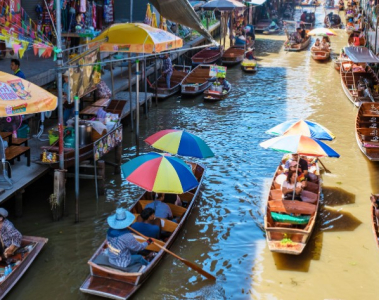
- Visit a floating market: Head to Can Tho for an early-morning look at river trading.

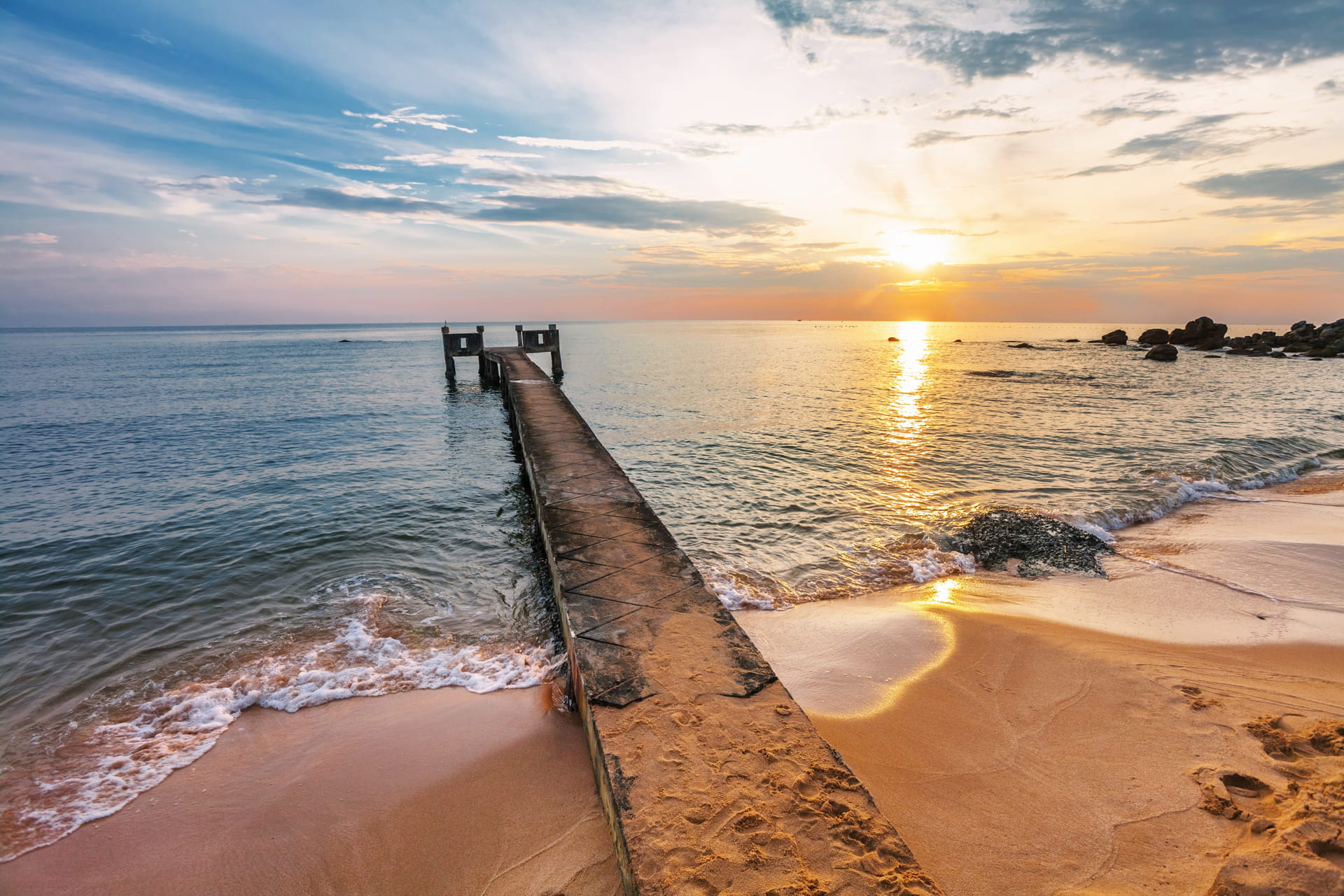
8. Phu Quoc for Sunny Beaches and Island Relaxation
Phu Quoc is one of Vietnam’s strongest choices for a beach holiday in January and February. Temperatures often reach 31 – 33°C, with relatively little rain and plenty of sunshine.
The island offers white-sand beaches, clear-water bays, and beachfront resorts. It is ideal for couples, families, and travelers wanting a relaxing finish to a longer Vietnam itinerary.
- Relax at Sao Beach: Enjoy the pale sand and turquoise water when sea conditions are favorable.
- Visit Khem Beach: Spend a few hours swimming or unwinding by the coast.
- Take an island-hopping trip: Explore the An Thoi archipelago by boat, weather permitting.
- Watch the sunset: Choose a west-coast beach or seaside café for evening views.
Essential Packing and Travel Tips for a Comfort Focused Trip
Traveling across Vietnam in January and February means preparing for different climates, busy holiday schedules, and varied travel experiences. These practical tips will help you stay comfortable and make the most of your trip.
- Pack flexible layers: Northern Vietnam can be cool, with temperatures dropping to around 5°C in mountain areas, while southern destinations often reach 30 – 33°C. Bring a warm jacket for the north, lightweight clothing for warmer regions, and swimwear for beach destinations.
- Book services 2 – 3 months ahead: January and February can coincide with peak travel demand and Tet. Reserve flights, hotels, private transfers, and popular tours early to secure your preferred schedules and accommodation.
- Plan a relaxed North-to-South itinerary: Traveling from Hanoi and Ha Long Bay toward central Vietnam and the southern beaches lets you experience changing landscapes and generally warmer weather without repeatedly crossing the country.
- Prepare for sun and changing climates: Pack SPF 50+ sunscreen, sunglasses, a hat, and insect repellent for outdoor and river activities. Moisturizer and lip balm are useful in the cooler, drier northern weather.
- Arrange connectivity and airport transfers: Consider activating a travel eSIM before departure so you can access maps and booking details on arrival. Pre-booked airport transfers can also simplify travel during busy periods.
- Dress respectfully at cultural sites: Carry a light scarf or modest clothing that covers your shoulders and knees when visiting temples, pagodas, and other religious sites.
- Allow extra time during Tet: Check attraction opening hours and transport schedules in advance, and keep some flexibility in your itinerary in case of holiday closures or traffic delays.
Frequently Asked Questions About Traveling Vietnam in January and February
1. Is January and February a good time to visit Vietnam?
Yes. January and February are excellent months to visit Vietnam, with warm, mostly dry weather in the south and cooler conditions in the north. Central Vietnam also becomes generally drier in February, making this period suitable for sightseeing, cultural experiences, and beach holidays.
2. How does the Tet holiday in Vietnam affect international travelers?
Tet offers a unique cultural experience, but transport and accommodation can book up quickly, and prices may rise. Many family-run businesses close for several days, so book flights, hotels, and tours early and check opening hours in advance.
3. What is the weather like in Northern Vietnam during January?
Northern Vietnam is cool, with Hanoi temperatures typically around 15 – 20°C. Ha Long Bay can be misty, while Sapa is much colder, with temperatures sometimes approaching 0°C at night. Pack warm layers, especially for mountain trips.
4. Is Phu Quoc suitable for beach holidays in January and February?
Yes. These months fall within Phu Quoc’s dry season, with temperatures often around 23 – 32°C and generally calm seas. Conditions are ideal for swimming, snorkeling, island-hopping, and relaxing at beachfront resorts, although sea conditions can still vary.
5. Why choose an all-inclusive package tour during this period?
A package tour can simplify travel during the busy Tet season by arranging accommodation, transport, and activities in advance. Private transfers and a planned itinerary also reduce logistical stress, although availability and holiday surcharges should be confirmed before booking.
Plan Your Vietnam Trip with Confidence
Vietnam in January and February offers a little bit of everything: cool mornings in the north, lantern-lit evenings in Hoi An, lively Tet celebrations, and sunny days on southern beaches. The trick is knowing where to go and planning around the weather and holiday crowds. If you’d rather spend your time exploring than juggling transport, hotel bookings, and changing schedules, a well-organized package tour can make the trip a whole lot easier. Get in touch with Asia Pioneer Travel to plan a Vietnam journey that fits your pace, interests, and comfort level, so you can focus on enjoying the adventure.