

Travelling to Vietnam with kids can be smooth, safe, and deeply rewarding when you plan with the right information. Recently, Agoda recorded a 30% increase in family travel interest to Vietnam for the 2025–26 year-end season, highlighting the country’s growing appeal as a family-friendly destination across Asia and beyond.
This guide to Vietnam family travel tips covers the essentials parents care about most, from safety and healthcare to kid-friendly food, transportation options, and daily logistics, so you know exactly what to expect before you go. So, keep reading to plan smartly and travel smoothly with your kids!
Is Vietnam Safe for Family Travel?
For families planning a trip, safety is often the first question, and Vietnam generally reassures parents with its calm daily rhythm, welcoming culture, and practical travel infrastructure.
General Safety Overview for Parents
Vietnam consistently ranks as a low-risk destination for violent crime involving tourists, which is reassuring for families traveling with children. Most safety concerns relate to petty theft, such as pickpocketing or bag snatching, and these incidents are largely concentrated in busy urban areas, night markets, or crowded attractions. Keeping bags zipped, avoiding flashy valuables, and using hotel safes are usually sufficient preventive steps.
Public spaces tend to feel lively rather than threatening. Locals are accustomed to children and are often attentive or helpful when families are present. In terms of cleanliness, standards differ between street environments and private establishments. While sidewalks and markets can appear messy, hotels, serviced apartments, shopping centers, and family-oriented attractions typically maintain good hygiene and security practices.
Crowd levels fluctuate by location and season. Cities like Hanoi and Ho Chi Minh City are dense and energetic, while coastal towns and smaller cities feel noticeably calmer. Planning sightseeing earlier in the day and avoiding peak holiday periods can significantly reduce stress for families traveling with younger kids.
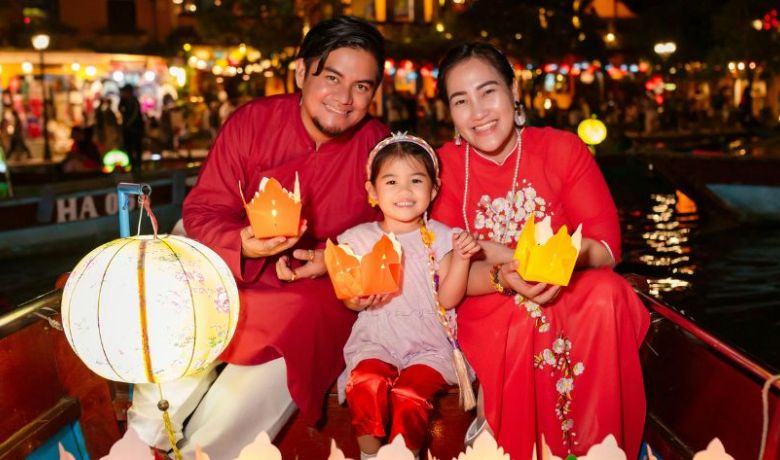
A Vietnamese family celebrates the Mid-Autumn Festival together on a traditional boat ride in Hoi An.
Health and Hygiene Considerations
Healthcare access is an important factor in Vietnam family travel with children, and Vietnam performs well in major tourist hubs. International hospitals and private clinics in cities such as Hanoi, Da Nang, and Ho Chi Minh City offer modern facilities, trained pediatric staff, and English-speaking doctors. In contrast, rural areas may have limited medical services, making travel insurance and forward planning essential.
Hygiene concerns often focus on food and water, yet Vietnam family travel doesn’t require avoiding local cuisine entirely. Many travelers safely enjoy Vietnamese food by being selective and observant. Practical habits that support family health include:
- Eating at clean, well-reviewed restaurants rather than random street stalls
- Choosing dishes that are freshly cooked and served hot
- Avoiding ice in drinks unless it comes from reputable cafes or hotels
- Using bottled or filtered water for drinking and brushing teeth
Hand hygiene also plays a role, particularly for children. Carrying wet wipes or hand sanitizer helps reduce the risk of stomach upsets during long sightseeing days.
How to Keep Kids Safe During Travels
Daily safety in Vietnam often comes down to environmental awareness rather than security threats. The climate can be challenging for children, especially heat and humidity, so pacing activities and planning midday breaks are important. Light clothing, hats, and frequent hydration help prevent fatigue and heat-related discomfort.
Traffic requires the most attention from parents. Roads are busy, crossings are informal, and motorbikes frequently outnumber cars. Younger children should be closely supervised at all times near streets. When crossing roads, moving slowly and steadily, rather than hesitating, allows drivers to anticipate movement more easily.
Outdoor and coastal activities also require thoughtful supervision. Beaches, rivers, and hotel pools are popular with families, but safety standards can vary. Choosing beaches with lifeguards, checking water conditions, and supervising children closely around water are strongly advised. In greener or rural areas, insects are common, so applying repellent and dressing children in light long sleeves during evenings can reduce bites and irritation.
Recommended Vaccinations and Basic Medical Preparation
Health preparation before departure helps families travel with greater confidence. Standard childhood vaccinations should be up to date, and travel clinics often recommend additional protection depending on itinerary length and destinations. Commonly advised vaccines for Vietnam include hepatitis A and typhoid, while Japanese encephalitis may be suggested for families spending extended time in rural areas.
Basic medical preparation can prevent minor issues from disrupting travel plans. A compact family medical kit is useful and may include:
- Fever and pain relief suitable for children
- Oral rehydration salts for dehydration
- Motion sickness medication for long drives or boat trips
- Insect repellent and soothing creams for bites
- Any prescription medications with copies of prescriptions
Comprehensive travel insurance that covers children, emergency treatment, and private hospitals adds an extra layer of security, particularly when moving between cities or regions.
What to Eat in Vietnam for Families?
Vietnamese food is often lighter, fresher, and more adaptable than many parents expect, making it surprisingly suitable for Vietnamese family travel. With a little guidance, families can enjoy local meals comfortably while keeping children’s tastes, sensitivities, and safety in mind.
Kid-Friendly Vietnamese Dishes
Many Vietnamese meals are naturally adaptable for younger eaters because flavors are rarely heavy or overly rich. Dishes are often served with sauces on the side, giving parents control over seasoning levels. Many restaurants are open to small adjustments, such as serving food without chili or reducing sauce, especially in tourist-friendly areas.
- Pho remains a family favorite due to its clear broth, soft noodles, and mild taste. Children can enjoy the noodles and meat on their own, while adults add herbs or condiments separately.
- Banh mi works well for busy sightseeing days. Versions filled with grilled chicken, egg, or simple pork are usually less salty and easier for children to eat.
- Rice-based meals such as Com ga are also reliable, offering tender chicken paired with plain rice and light accompaniments rather than strong sauces.
- Grilled meats appear across the country and tend to be cooked thoroughly, which reassures parents. Skewered chicken or pork is often lightly seasoned and slightly sweet, making it appealing even to picky eaters.
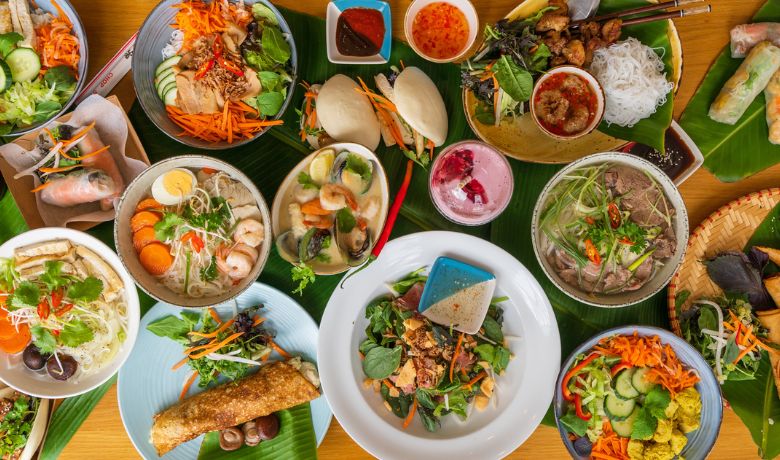
Vietnamese cuisine showcases its incredible diversity through fresh herbs, vibrant colors, and the harmonious balance of flavors.
How to Choose Safe and Clean Restaurants
Food safety in Vietnam depends largely on observation and common sense rather than avoiding local establishments altogether. Families often feel most comfortable choosing places that demonstrate consistent cleanliness and regular customer flow. A restaurant filled with locals during meal times usually signals fresh ingredients and good food handling practices.
Several details can help parents assess a dining spot quickly:
- Tables, chairs, and menus appear clean and well-maintained
- Food is prepared behind counters or in open kitchens rather than sitting out
- Staff handle food with utensils and gloves when possible
- The menu is concise and focuses on a few specialties rather than an extensive list
Restaurants inside hotels, shopping centers, and family-oriented neighborhoods often follow stricter hygiene standards and are used to serving children, which adds an extra layer of reassurance for parents.
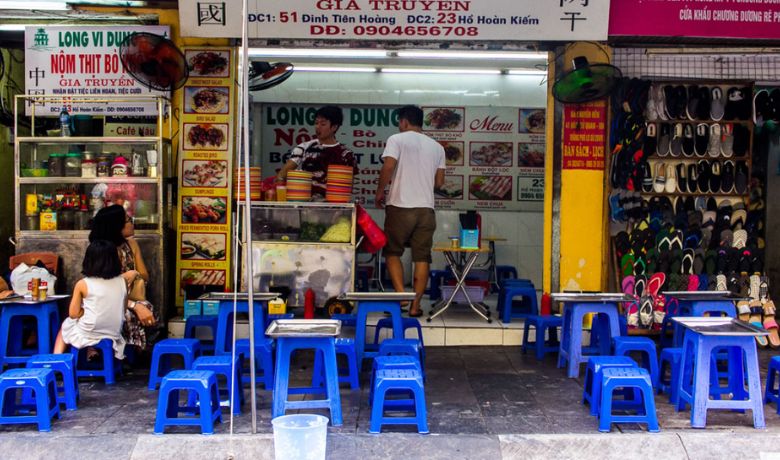
Blue plastic stools, steaming bowls and stacked plates promise authentic street food flavors at this bustling Vietnamese eatery.
Managing Food Allergies and Dietary Restrictions
Families managing food allergies or special diets can still eat comfortably in Vietnam with advance preparation. Certain ingredients are widely used, including peanuts, fish sauce, shrimp paste, and soy-based products, sometimes in small amounts that are not immediately visible. This makes clear communication essential when ordering.
Carrying printed allergy cards translated into Vietnamese can prevent misunderstandings, especially in smaller eateries. Choosing simpler dishes with fewer mixed ingredients also helps reduce uncertainty. Many restaurants are willing to adjust meals once dietary needs are explained clearly and politely.
Vegetarian food is widely available due to Buddhist traditions, particularly in cities and near temples. Vegan options are increasingly common in urban centers, although families may still need to confirm whether dishes contain fish sauce or other animal-based seasonings.
What Foods to Avoid for Young Children
Some Vietnamese foods are better suited to adult tastes and digestive systems, particularly for younger children.
- Raw or undercooked seafood may increase the risk of stomach discomfort and is best avoided.
- Strongly fermented dishes and pungent sauces can also be overwhelming for children unfamiliar with intense flavors.
- Street snacks that are prepared long in advance or left uncovered in the heat may pose higher hygiene risks.
- Foods served lukewarm rather than freshly cooked and hot are another common source of concern for parents.
- Very spicy dishes, especially those containing chili pastes or fresh chilies, are difficult to tone down once prepared and are usually not child-friendly.

Getting Around Vietnam with Kids
Transportation plays a big role in how comfortable a Vietnam family travel feels, especially when traveling with young children. Vietnam offers a wide range of ways to get around, and while the system may look hectic at first glance, many options work well for families once expectations are set correctly.
Best Transportation Options for Families
For families, private cars are often the most comfortable way to move between cities or explore surrounding areas. Hiring a car with a driver allows flexible schedules, rest stops when needed, and space for luggage, strollers, and snacks. This option is especially practical for day trips, airport transfers, or a Vietnam family travel with toddlers.
Trains are another family-friendly choice, particularly for longer routes such as Hanoi to Da Nang or Ho Chi Minh City to Nha Trang. Overnight trains offer soft sleeper cabins that provide privacy and enough room for children to rest comfortably. Day trains move at a relaxed pace and allow kids to stretch, read, or nap without constant transfers.
For longer distances, domestic flights save time and reduce fatigue. Vietnam’s major airlines operate frequent routes between key cities, and airports are generally manageable in size. Flying works well when traveling with children who struggle with long road journeys, especially when itineraries include both northern and southern destinations.
Tips for Traveling with Strollers in Vietnam’s Cities
Using a stroller during Vietnam family travel requires some adjustment, particularly in older city centers. Sidewalks are often uneven, narrow, or blocked by parked motorbikes, which can make continuous pushing difficult. Lightweight, foldable strollers tend to work better than larger travel systems.
Parents often find it easier to combine stroller use with short walks and ride-hailing services. In areas like shopping malls, museums, and modern neighborhoods, strollers are much easier to manage thanks to smoother flooring and elevators. For crowded markets or historic districts, baby carriers can be a more practical alternative.
Planning routes in advance also helps. Choosing quieter streets, walking earlier in the morning, and allowing extra time reduces stress when navigating urban areas with young children.
Child Seat Rules and Availability
Child seat regulations in Vietnam are less strictly enforced than in many Western countries, and most taxis and ride-hailing vehicles do not come equipped with car seats. This can surprise families who are used to mandatory child restraints.
Vietnam’s regulations around child seats are evolving, but availability remains limited in everyday travel. From 2026, child restraint rules will apply more clearly to private cars, particularly for young children seated in the back. However, taxis and ride-hailing services, including Grab, are not required to provide child seats, which is an important distinction for traveling families.
In practice, most standard taxis and Grab cars do not carry baby or child seats. Families who consider car seats essential often bring their own portable seat or travel booster, especially for longer journeys. Some private transfer services and higher-end operators can arrange child seats upon request, although this usually needs to be confirmed in advance and cannot be assumed by default.
How to Book Reliable Transfers with Family-Friendly Drivers
Reliable transportation makes a noticeable difference for Vietnam family travel with children. Booking transfers through reputable hotels, established tour operators, or trusted travel agencies increases the likelihood of clean vehicles, experienced drivers, and clear communication. These providers are generally more responsive to family needs, including extra luggage space or flexible schedules.
Ride-hailing apps such as Grab or Xanh SM are widely used in major cities and offer transparent pricing and driver tracking, which adds a sense of security for families. When booking longer transfers, confirming details in advance is helpful. Key points often include:
- Vehicle size suitable for luggage and strollers
- Estimated travel time and planned rest stops
- Driver experience with family or child passengers
- Availability of child seats if required
Family-Friendly Areas to Stay in Vietnam
Choosing the right base can shape the entire Vietnam family travel experience, especially when balancing comfort, location, and child-friendly amenities. Vietnam offers a wide range of areas that work well for families, depending on travel style, children’s ages, and whether the focus is culture, beaches, or convenience.
Hanoi – Central Areas Suitable for Kids
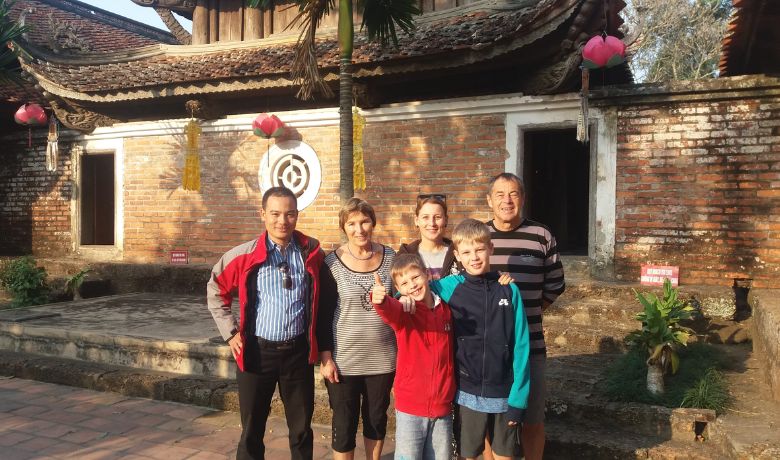
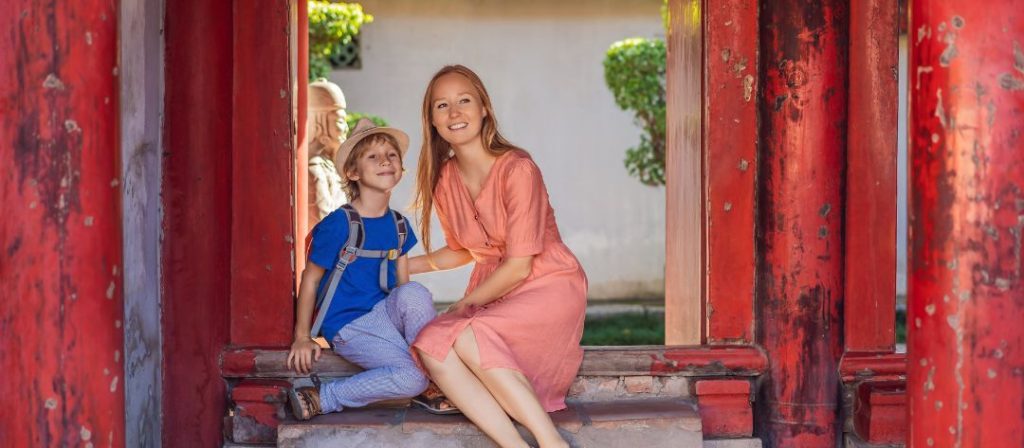
Hanoi can be very ideal for Vietnam family travel when accommodation is chosen in well-connected yet calmer districts. Areas around Hoan Kiem Lake offer walkable access to green spaces, museums, cafes, and weekend pedestrian streets, which work well for children who need room to move safely. Ba Dinh District is another strong option, known for wider roads, quieter streets, and proximity to parks and cultural sites.
Accommodation choices that suit families include:
- Somerset Grand Hanoi, designed for longer stays with apartment-style units, separate sleeping areas, full kitchens, and child-friendly facilities such as a playroom and swimming pool.
- Apricot Hotel, located near Hoan Kiem Lake, offers spacious rooms, good sound insulation, and easy access to stroller-friendly walking paths around the lake.
- Pan Pacific Hanoi, positioned near West Lake, provides larger rooms, calmer surroundings, and scenic views that appeal to families seeking a quieter base.
Staying centrally allows families to plan shorter outings and return easily for rest breaks during the day.
Da Nang & Hoi An – Beaches, Resorts, Spacious Rooms
Da Nang and Hoi An consistently rank among the easiest places for Vietnam family travel. Da Nang stands out for its clean beaches, modern roads, and reliable services, while Hoi An offers a slower pace with pedestrian-friendly streets and cultural attractions.
Family-oriented accommodations in these areas include:
- Furama Resort Da Nang, featuring direct beach access, expansive grounds for children to play safely, and large family rooms suitable for longer stays.
- Hyatt Regency Danang Resort and Spa, offering apartment-style accommodations, multiple swimming pools, and on-site dining that caters well to families.
- Anantara Hoi An Resort, located along the river, known for spacious layouts, quiet surroundings, and easy access to the old town without navigating busy traffic.
These destinations work especially well for families with younger children thanks to calmer traffic, wide beachfront promenades, and resort-style conveniences.

Ho Chi Minh City – Convenience for Families with Older Kids
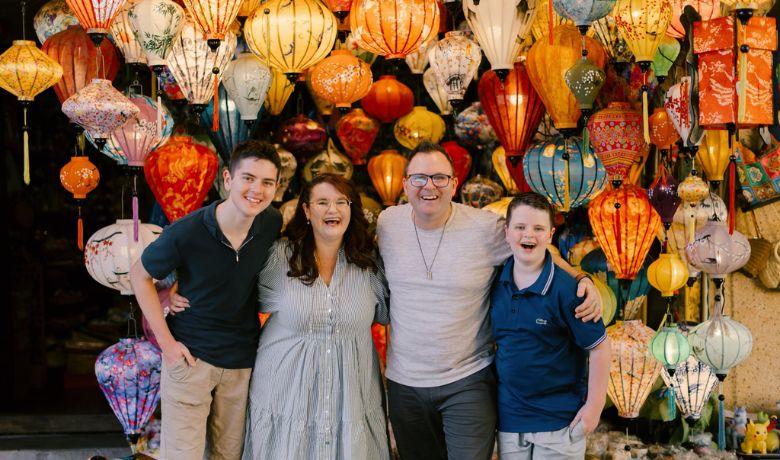
Ho Chi Minh City tends to suit Vietnam family travel with older children and teenagers who enjoy variety and urban energy. Central areas such as District 1 and District 3 provide access to museums, parks, shopping centers, and international dining, all within short travel distances. Green spaces like Tao Dan Park and large malls offer welcome breaks from sightseeing.
Accommodation options that fit family needs include:
- Somerset Ho Chi Minh City, offering serviced apartments with multiple bedrooms, play areas, and a central location close to parks and shopping.
- Park Hyatt Saigon, valued for its spacious rooms, strong safety standards, and a pool area that appeals to older children.
- Sherwood Residence, combining generous room sizes, kitchens, and a quiet setting while remaining close to major attractions.
Central locations help families avoid long commutes and allow flexible daily planning.
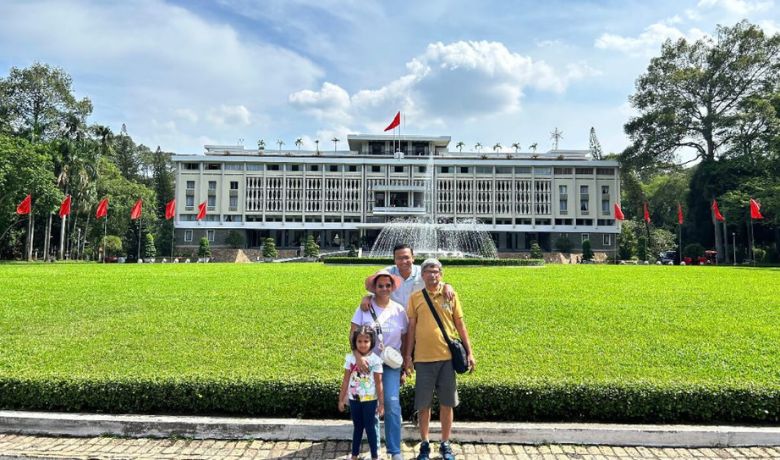

Coastal Destinations (Nha Trang, Phu Quoc) for Beach-Focused Trips
Regarding Vietnam family travel for rest and beach time, coastal destinations such as Nha Trang and Phu Quoc provide a more relaxed travel rhythm. These locations are well suited for families who prefer resort-based stays with minimal daily logistics.
In Nha Trang, family-friendly choices include:
- Vinpearl Resort Nha Trang, offering private beaches, water parks, and organized activities designed for children of different ages.
- InterContinental Nha Trang, centrally located with large rooms, easy beach access, and nearby restaurants suitable for families.

Nha Trang’s golden coastline and modern high-rises create the perfect backdrop for carefree family moments by the sea.
In Phu Quoc, suitable accommodations include:
- JW Marriott Phu Quoc Emerald Bay, known for spacious villas, direct beach access, and a peaceful atmosphere ideal for families.
- Salinda Resort Phu Quoc, a mid-sized resort with calm beaches, family-appropriate rooms, and attentive service.
These coastal destinations allow families to slow down, reduce transportation needs, and focus on quality time by the sea rather than constant movement.
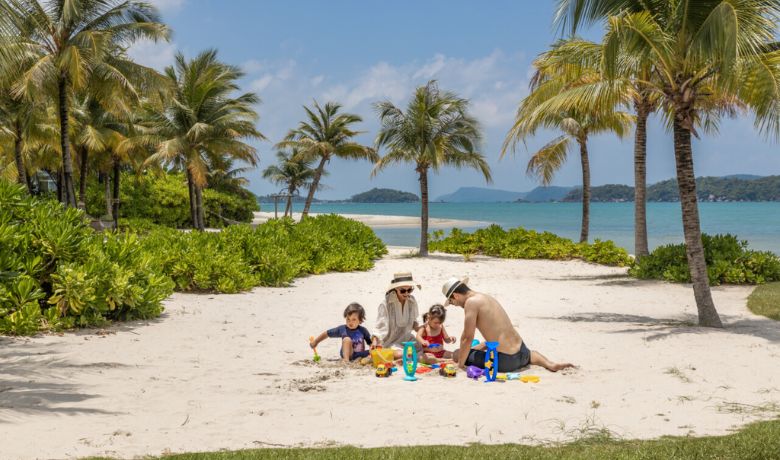
Phu Quoc’s powder-white sands and coconut groves provide an idyllic playground to build memories.
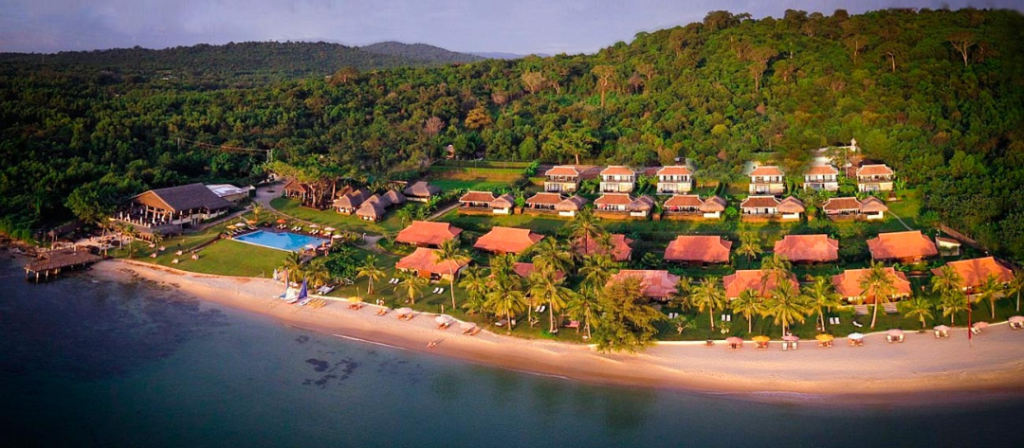
Health, Hospitals & Emergency Information
Health concerns can arise unexpectedly during Vietnam family travel with children, so understanding how medical care works in Vietnam helps parents respond calmly and efficiently. From everyday illnesses to emergencies, Vietnam offers workable solutions for families, especially in major cities where international-standard services are available.
What to Do If a Child Gets Sick in Vietnam
Minor health issues such as colds, mild fevers, digestive discomfort, or fatigue are fairly common during Vietnam family travel, especially when children adjust to new climates, foods, and routines. In these situations, pharmacies are often the first and most convenient stop.
Urban pharmacies are widespread and typically stock basic children’s medication, oral rehydration salts, and fever reducers. Hotel staff can usually recommend a nearby pharmacy or assist with translation if needed.
If symptoms last more than a day, worsen, or involve high fever, persistent vomiting, dehydration, rashes, or breathing difficulty, seeking professional medical care is advisable. Private clinics and international hospitals are generally preferred over local public hospitals for families, as they offer clearer communication, shorter waiting times, and more familiar standards of care.
Parents are encouraged to keep essential documents easily accessible, including:
- Passports and visa details
- Travel insurance policy numbers and emergency contact lines
- A brief medical history for the child, including allergies or ongoing conditions
This preparation helps speed up registration and treatment, especially during urgent visits.
Reliable International Hospitals in Major Cities
Vietnam’s international hospitals and private medical clinics are well equipped to handle pediatric care, emergencies, and routine consultations. These facilities usually employ English-speaking doctors, follow international hygiene standards, and offer clearer billing procedures, which is reassuring for traveling families.
In Hanoi, commonly used options include:
- Vinmec International Hospital, offering comprehensive pediatric services, emergency care, and modern diagnostic facilities
- Family Medical Practice Hanoi, a long-established clinic popular with expatriate families for general and urgent child care
In Ho Chi Minh City, families often turn to:
- FV Hospital, known for international accreditation, advanced emergency services, and pediatric specialists
- Vinmec Central Park, a modern hospital with family-friendly facilities and clear patient support systems
In Da Nang, reliable choices include:
- Vinmec Da Nang International Hospital, providing pediatric, emergency, and specialist services
- Family Medical Practice Da Nang, frequently used by travelers and long-stay families for both routine and urgent care
Most international hospitals expect payment upfront or insurance approval before treatment, so confirming coverage details in advance helps avoid delays.
Emergency Numbers and Essential Apps for Parents
Vietnam has national emergency numbers that parents should save upon arrival. These include 113 for police assistance, 114 for fire emergencies, and 115 for medical emergencies and ambulances. While these services are functional, response times can vary depending on traffic and location, which makes staying in central areas a practical choice for families.
In daily travel and emergency situations, mobile apps play an important role. Ride-hailing apps such as Grab or Xanh SM are often the fastest way to reach a hospital, especially when ambulance response may be delayed. Google Maps helps locate nearby clinics, pharmacies, and hospitals, while also allowing offline map access if mobile signal drops.
Vietnam’s messaging app Zalo is widely used by hotels, clinics, drivers, and local contacts, making it useful for quick communication and sharing locations. Parents often find it helpful to save hospital addresses, insurance hotlines, and accommodation contacts directly in their phones for quick reference.
FAQs
- Is Vietnam safe for a Vietnam family travel with children?
→ Yes. Vietnam is generally safe for families, with low levels of violent crime involving tourists. Staying in central neighborhoods, supervising children closely, and using reputable transport services helps families travel comfortably. Major cities also offer international hospitals, which adds reassurance for parents.
- Is Vietnam suitable for toddlers and young children?
→ Vietnam family travel can work well for toddlers with the right planning. Family-friendly hotels and beach resorts provide space and amenities, while food is adaptable for young eaters. Challenges include heat, traffic, and uneven sidewalks, so baby carriers and slower travel days are helpful. Beach destinations and resort stays are usually the easiest with very young children.
- What food is safe for kids to eat in Vietnam?
→ Many Vietnamese dishes suit children, especially Pho, Com ga, grilled meats, and simple noodle dishes. Families should choose busy, clean restaurants and eat freshly cooked food served hot. Bottled water is recommended. Raw seafood, very spicy dishes, and food left uncovered are best avoided for young children.
- How do families get around Vietnam safely?
→ Families often use private cars with drivers, trains, and domestic flights. Ride-hailing services like Grab or Xanh SM are common in cities and offer clear pricing. Trains work well for longer routes, while flights save time over long distances. Staying centrally reduces daily travel and helps manage traffic challenges.
- Are child car seats required or available in Vietnam?
→ Taxis and ride-hailing vehicles in Vietnam are not required to provide child seats, and most do not carry them. Families who prefer car seats often bring portable versions or travel boosters. Some private transfer services can arrange child seats with advance notice, though availability is limited.
- Which cities in Vietnam are most family-friendly?
→ Da Nang, Hoi An, and Phu Quoc are among the most family-friendly destinations, thanks to beaches, resorts, and calmer environments. Hanoi works well when staying near parks or lakes, while Ho Chi Minh City suits families with older children who enjoy urban activities. Choosing the right area matters as much as the city itself.
- Is healthcare in Vietnam reliable for children?
→ Healthcare is reliable in major cities, where international hospitals and private clinics offer pediatric care and English-speaking doctors. Pharmacies are easy to find for minor issues. Travel insurance is important, as private hospitals often require upfront payment or insurance confirmation.
- How do families manage food allergies in Vietnam?
→ Preparation is key. Common allergens include peanuts, shellfish, fish sauce, and soy. Allergy cards in Vietnamese help reduce misunderstandings, and choosing simple dishes lowers risk. Many restaurants are willing to adjust meals when allergies are explained clearly.
- Is Vietnam easy to travel with a stroller?
→ Strollers can be challenging in older city areas due to uneven sidewalks and crowded streets. Lightweight, foldable strollers work best in malls, airports, and resorts. Baby carriers are often more practical in markets and historic districts.
- How long should a family trip to Vietnam be?
→ A comfortable Vietnam family travel usually lasts 10 to 14 days. This allows time to explore without rushing and includes rest days. Visiting fewer destinations for longer stays often works better than moving frequently, especially with young children.
Vietnam is Ready for Your Family!
Vietnam is often described as safe, welcoming, and surprisingly easy to explore with children. Still, a Vietnam family travel journey naturally asks for more than a standard itinerary. A little extra research around food, transportation, accommodation, and health goes a long way in turning a good trip into a genuinely comfortable one for both parents and kids. This guide brings together the key things families need to know, so preparation feels clear and manageable.
And if planning starts to feel like too much, having the right partner makes all the difference. With deep local knowledge and long experience designing family journeys, Asia Pioneer Travel helps parents travel with confidence, knowing every detail has been thoughtfully considered. So, why not contact us now to have the best trip ever with your beloved partner and kids!