

Siem Reap floating villages are traditional communities built on Tonlé Sap Lake, where daily life adapts to dramatic seasonal water-level changes. Popular villages such as Chong Kneas, Kampong Phluk, and Kampong Khleang each offer different experiences, ranging from convenient half-day visits to more immersive cultural encounters. Choosing the right floating village depends on travel style, time available, and expectations around authenticity, crowd levels, and seasonality.
In this comprehensive guide on visiting Siem Reap floating villages, Asia Pioneer Travel will outline the best options, what to be aware of, and how to make the most of your visit.
Understanding Siem Reap’s Floating Villages
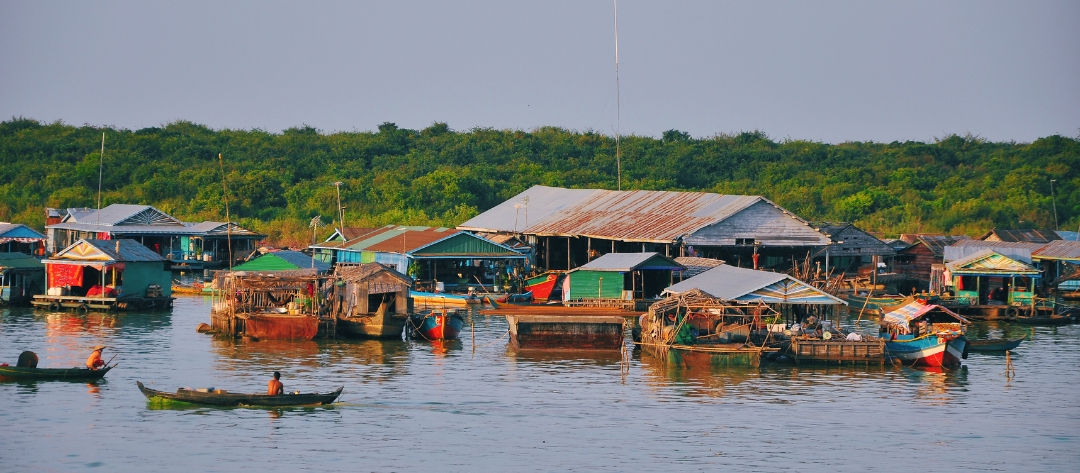
The floating villages near Siem Reap, situated on the expansive Tonlé Sap Lake, offer a unique glimpse into a lifestyle intricately connected to the water. These communities, such as Kampong Phluk, Kampong Khleang, and Chong Kneas, have developed over centuries, deeply intertwined with the lake’s ecosystem.
Origins and livelihoods
The existence of these villages is primarily rooted in fishing. Tonlé Sap Lake, Southeast Asia’s largest freshwater lake, undergoes dramatic seasonal changes, expanding significantly during the monsoon season. This fluctuation creates a fertile breeding ground for over 300 species of fish, making fishing the predominant livelihood for the inhabitants. Families work together in fishing and aquaculture, relying on the lake’s rich biodiversity for sustenance and income.
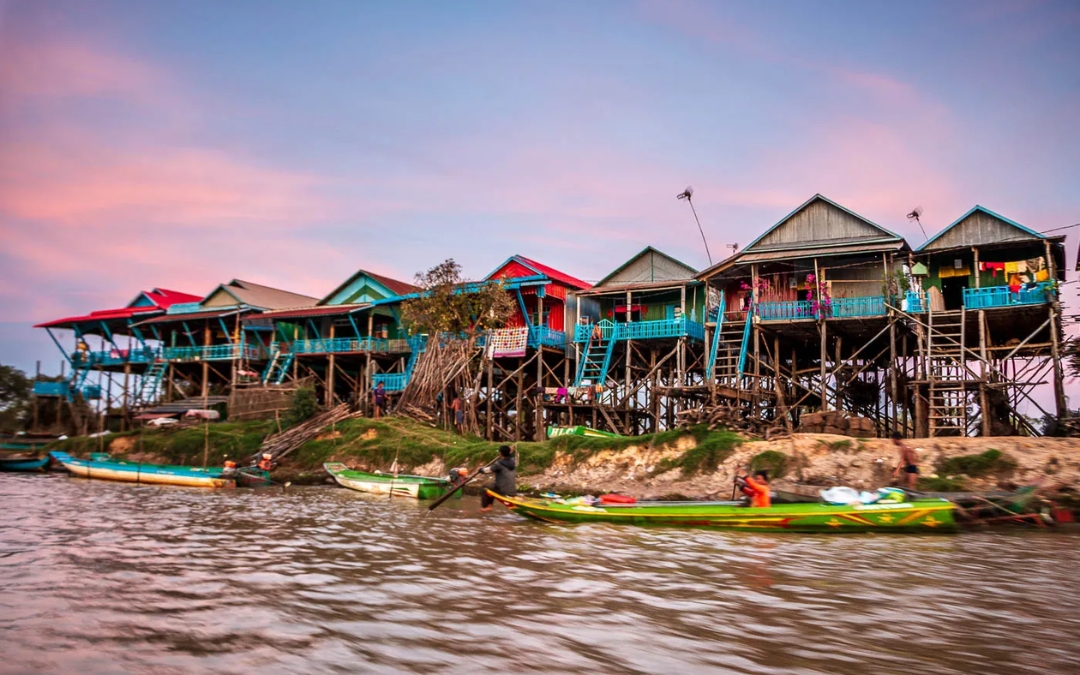
Local communities rely on fishing and farming for their daily livelihoods.
Unique aspects of floating life
The architectural and social structures of these villages are adapted to their aquatic environment:
- Floating houses and stilted structures: Homes are built on rafts or high stilts, accommodating the lake’s rising and falling waters. This design ensures that residences remain above water during the wet season and accessible during the dry season.
- Community facilities: Essential services, including schools, markets, and temples, are constructed to float or stand on stilts. This adaptation allows daily life to proceed uninterrupted by the lake’s seasonal changes.
- Transportation: Boats serve as the primary mode of transportation. Residents navigate the waterways for commuting, commerce, and social visits, reflecting a lifestyle where roads are replaced by canals.
Challenges and adaptations
In recent years, these communities have faced challenges such as declining fish stocks due to environmental changes and overfishing. In response, some villagers are turning to alternative livelihoods, including aquaculture and tourism, to sustain their way of life.
Visiting these floating villages provides insight into a distinctive way of life that harmoniously blends human ingenuity with the natural rhythms of Tonlé Sap Lake.
Best Time to Visit Siem Reap’s Floating Villages
The floating villages of Siem Reap offer unique experiences depending on the season, each providing a different view of life on the water. Here’s what you can expect during the two main seasons:
Wet Season (June – October) – Best for an Authentic Experience
During the wet season, the water levels rise, submerging much of the landscape. This is the ideal time for a more authentic visit. Boats glide smoothly through flooded forests and villages, offering a unique perspective on life here.
The lush greenery and calm, reflective waters make this season the best for photography and immersive experiences, capturing the beauty of the floating life at its peak.
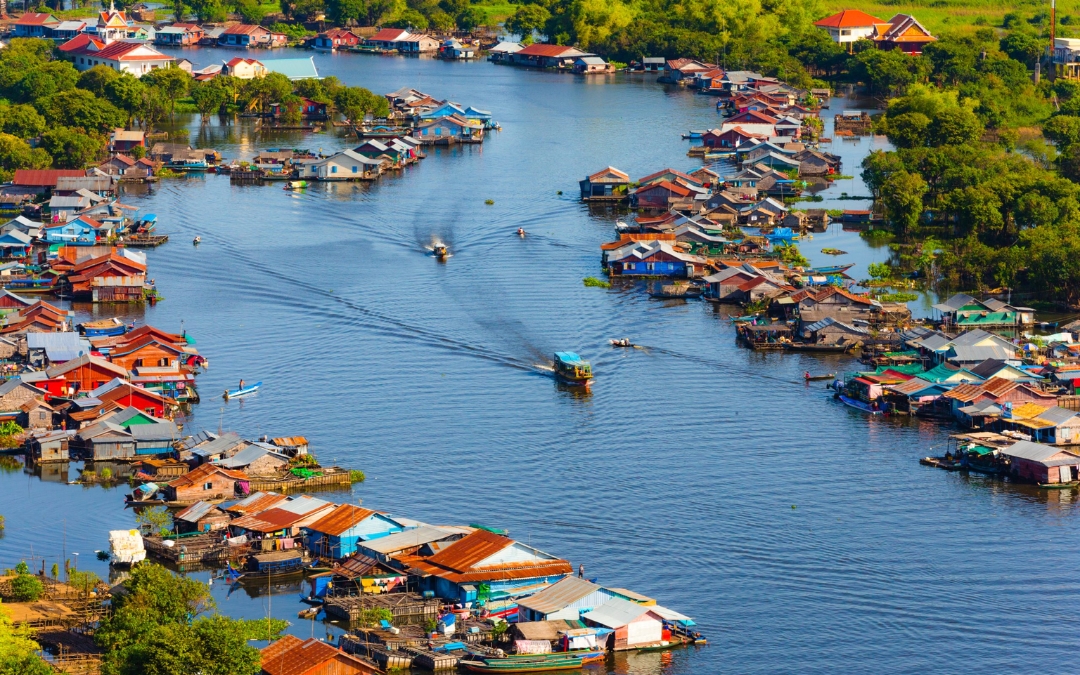
Wet season offers the most authentic floating village experience in Siem Reap.
Dry Season (November – May) – Easier Access but Less Scenic
The dry season brings lower water levels, exposing the stilted houses and muddy landscapes. While access to some villages can be challenging due to the reduced water levels, it’s a good time for walking through the villages and experiencing daily life on land.
However, the scenery is less dramatic, with less lush vegetation and fewer reflections in the water. While boat tours are still possible, walking tours become a more prominent way to explore.
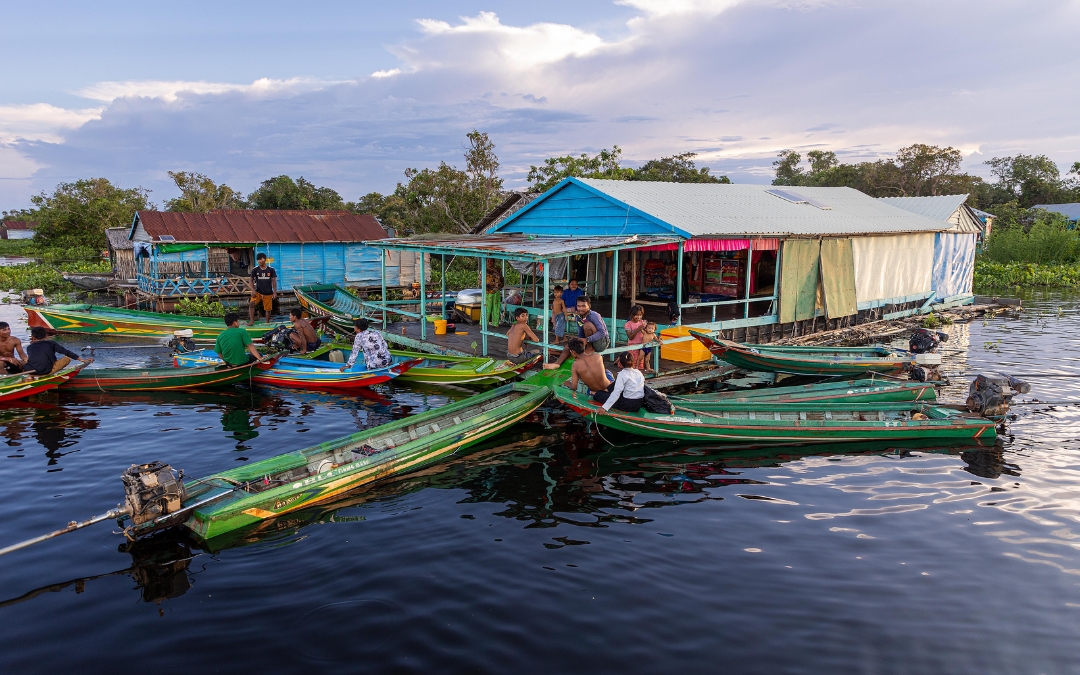
Dry season provides easier access but reveals less scenic landscapes.
What You Can Expect On A Trip Through Siem Reap Floating Village
A visit to Siem Reap’s floating villages offers a fascinating look into the lives of communities living on the water. From boat rides through the stilted houses to interacting with locals, every moment feels like stepping into a different world.
Boat Ride Experience
The boat ride is the most integral part of the experience. In Kampong Khleang, for example, you’ll board small wooden boats, typical of the area, used for fishing and transportation.
As your boat navigates through flooded forests, stilted houses, and floating homes, you will get an intimate view of village life. These boats glide through narrow, winding canals, taking you past floating markets, homes built on stilts, and even temples.
Depending on the season, the scenery may change dramatically, from lush greenery in the wet season to exposed riverbanks in the dry season. The boat ride itself can last anywhere from 45 minutes to 2 hours, depending on the village and route you take.
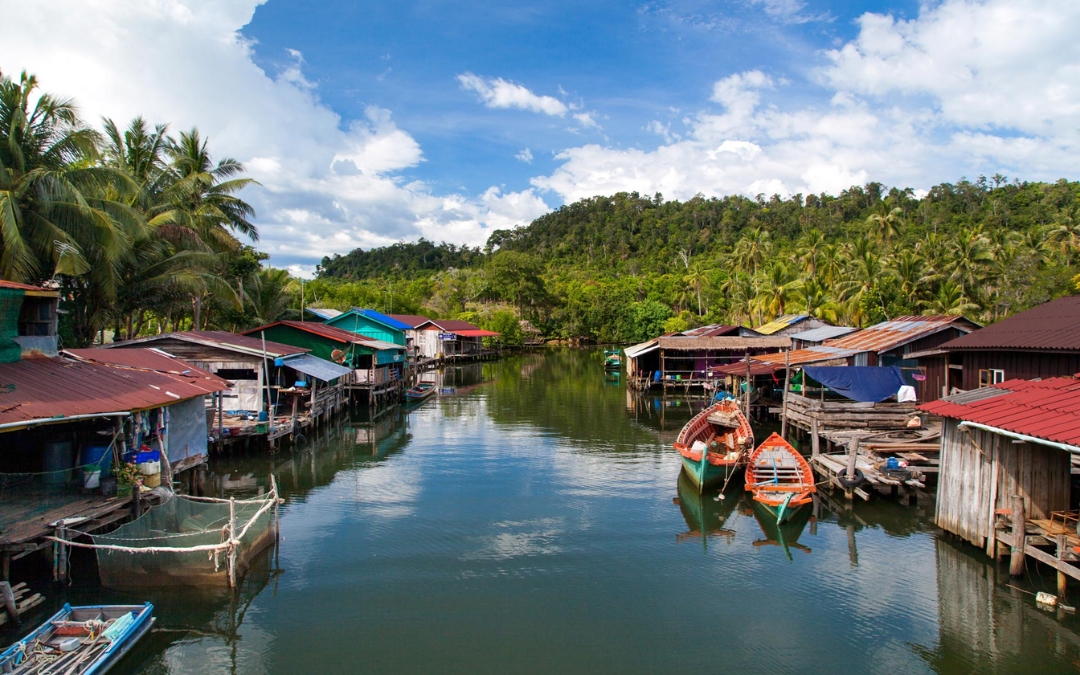
Visitors enjoy peaceful boat rides through the floating village waterways.
Village Life and Interactions
The floating villages are vibrant communities with unique traditions. Kampong Khleang, with around 1,800 families, is home to over 6,000 people who rely on fishing, aquaculture, and agriculture for their livelihoods.
As you travel through, you’ll see the impressive stilt houses extending across the water, some reaching up to 12 meters in height. These houses are designed to withstand the seasonal flooding of Tonlé Sap Lake.
The boat ride also offers the opportunity to witness life on the water—local families go about their daily routines, children attend school on boats, and Siem Reap floating markets offer fresh produce and fish.
Engaging with the locals is part of the experience, and you can learn about their way of life firsthand. In Kampong Khleang, for example, the boat service is still run by the local community, meaning that the money spent on tours goes directly to supporting the families.
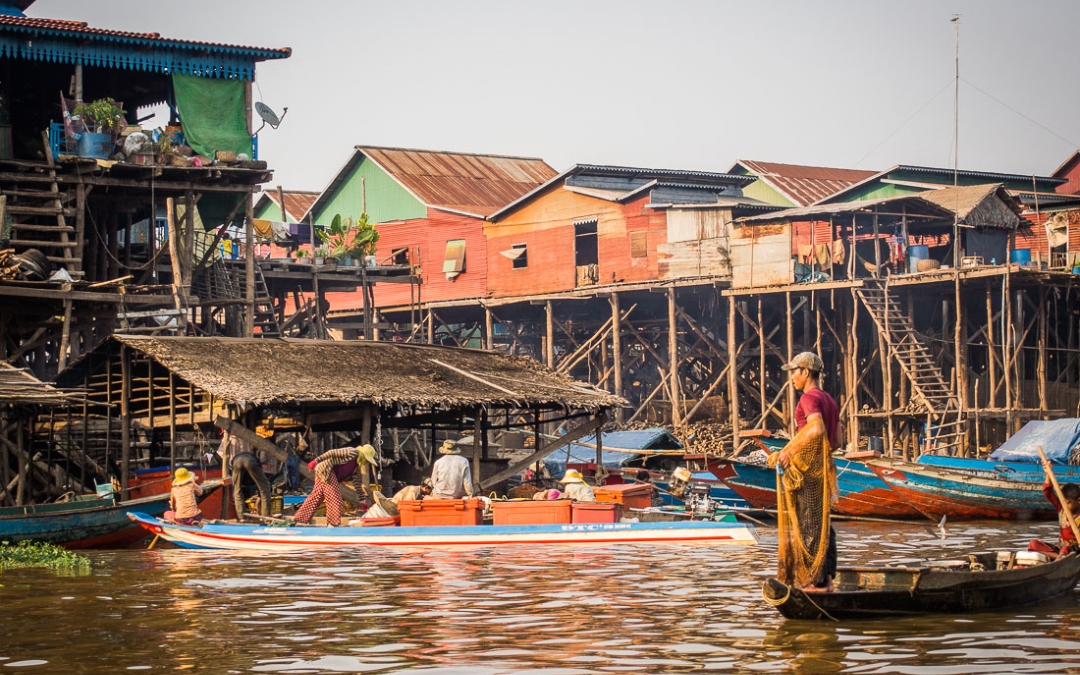
Locals welcome tourists, offering insights into their daily floating life.
Photography Tips
If you’re planning to capture the beauty of the Siem Reap floating villages, here are a few tips to make sure you get the best shots while being respectful of local customs:
- Early mornings and late afternoons offer the best lighting for photos, with soft, golden hues that enhance the reflections on the water and the surrounding landscapes.
- The still waters provide a perfect mirror effect. Capture the floating houses and stilted homes reflected on the water for a striking image.
- Look for unique moments like locals fishing or children attending floating schools. These scenes offer a glimpse into the everyday life of the villagers.
- Always ask permission before photographing people, especially children. While some locals may be happy to have their photo taken, others may prefer not to be included in your shots.
- Try capturing candid moments of locals interacting with their environment rather than posed photos. This will provide a more authentic representation of life in the villages.
- Use a wide-angle lens or take panoramic shots to capture the expansive beauty of the lake, the flooded forests, and the vast stilt villages.
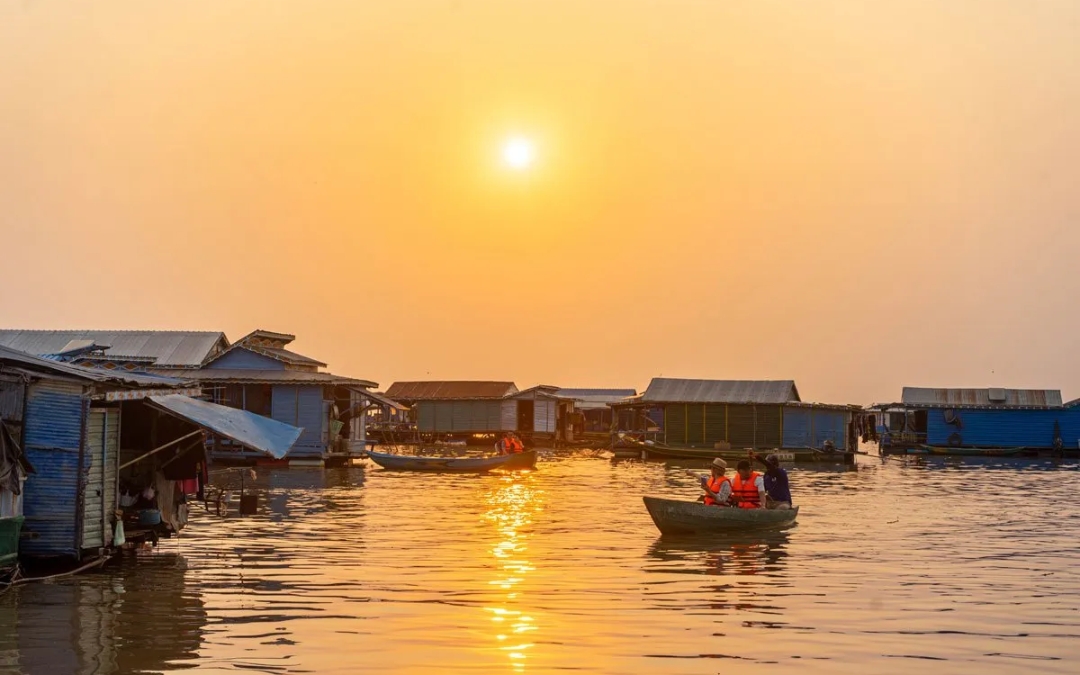
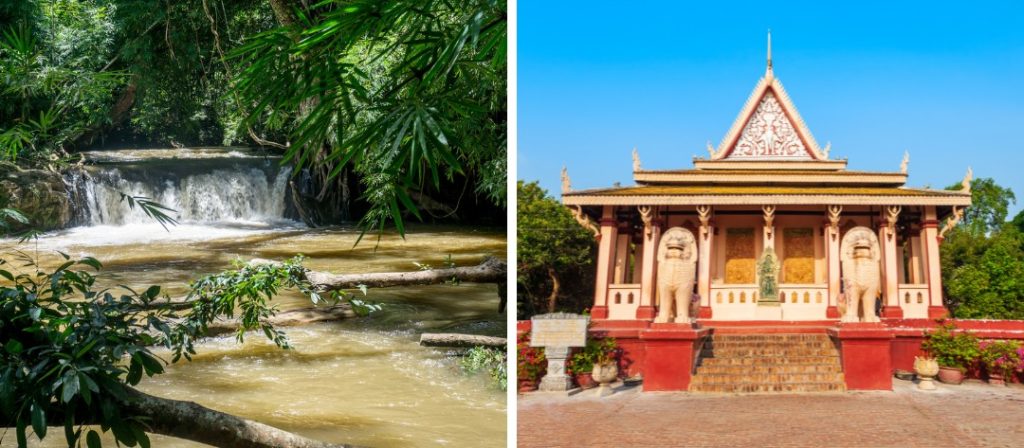
Sunset photography captures golden reflections on the tranquil water.
Best Options For Your Floating Market Tour
When planning your visit to Siem Reap, it’s important to choose the right location that suits your interests and time constraints. Each floating village offers a unique experience, from the bustling and touristy to the more serene and authentic. Below are the best options for exploring Siem Reap floating villages.
Chong Kneas – The Most Touristy but Convenient
- Distance: approximately 15 km from Siem Reap
- Experience: short boat ride with easy access
- Authenticity: low to moderate due to high tourism volume
- Crowd level: high, especially during peak hours
- Best for: first-time visitors, families with limited time, quick half-day trips
Chong Kneas is the closest floating village to Siem Reap, located just about 15 km away. Its proximity makes it a convenient option for those with limited time. However, it is also the most commercialized, with heavy tourist traffic.
The village features both stilted homes and floating houses that move according to water levels, and it’s known for attractions such as a crocodile farm and a floating basketball court. Though not the most authentic, it offers a quick insight into life on Tonlé Sap Lake.
Chong Kneas also serves as the terminal for boats traveling to Battambang and Phnom Penh. Additionally, it’s near Phnom Krom Hill, where visitors can explore an ancient temple and enjoy stunning views of the surrounding countryside and Tonlé Sap Lake, especially at sunset.
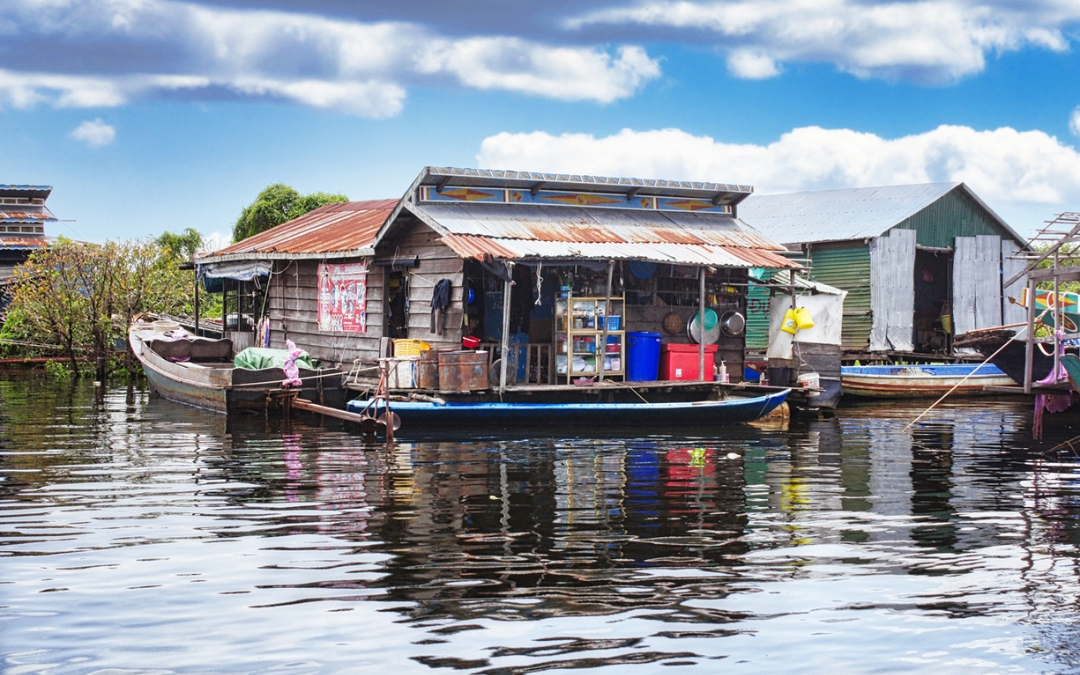
Chong Kneas is the most touristy yet convenient floating village.
Kampong Phluk – The Balanced Option
- Distance: approximately 30 km from Siem Reap
- Experience: stilt houses, seasonal boat rides through flooded forests, walking paths in dry season
- Authenticity: moderate to high
- Crowd level: medium
- Best for: couples, cultural travelers, and visitors seeking a balanced experience
Located about 30 km from Siem Reap, Kampong Phluk strikes a balance between authenticity and accessibility. The village is known for its towering stilt houses, built on the floodplains near the Tonlé Sap River.
Kampong Phluk is a working village where residents rely on fishing and farming, making it an excellent place to witness local culture and industry. The village also features a flooded mangrove forest, perfect for a canoe ride through the submerged trees.
With around 3,000 residents across three villages, Kampong Phluk offers a more genuine experience than Chong Kneas while still being relatively accessible to tourists. The village also includes a floating school, a hospital, and shops. For those seeking a mix of nature and culture, Kampong Phluk provides an ideal experience.
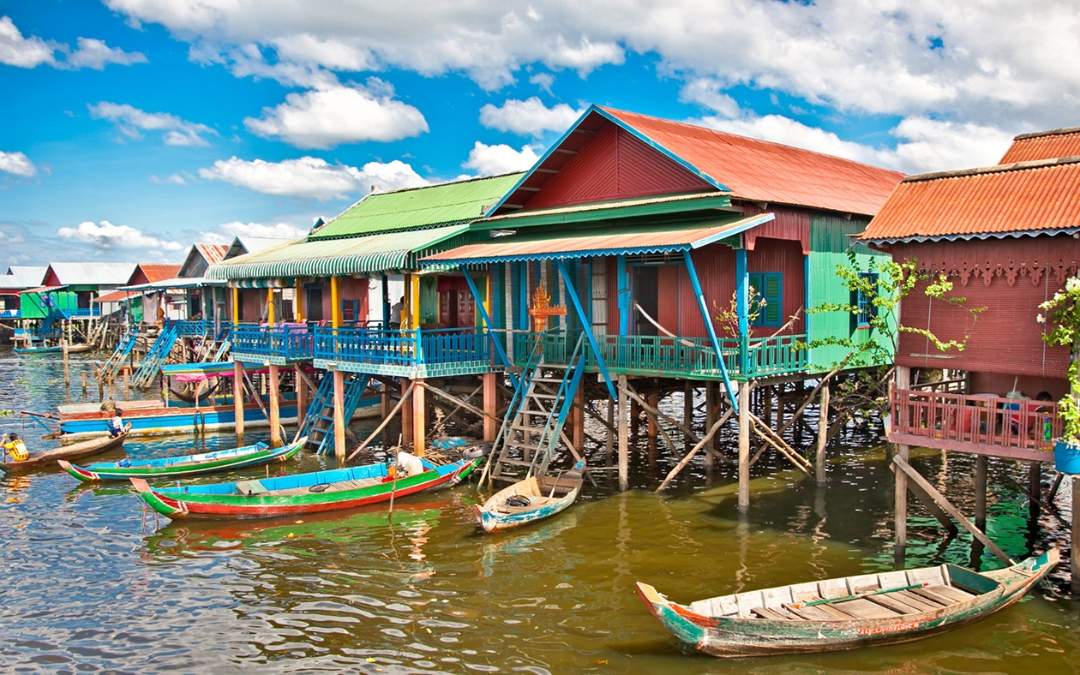
Kampong Phluk offers a balance of tourism and authentic village charm.
Kampong Khleang – The Most Authentic and Least Touristy
- Distance: approximately 50 km from Siem Reap
- Experience: large, working community with minimal tourism infrastructure
- Authenticity: high and largely untouched by mass tourism
- Crowd level: low
- Best for: slow travelers, photographers, and those seeking deep cultural immersion
For those seeking a more immersive, off-the-beaten-path experience, Kampong Khleang is the best option. Situated around 50 km from Siem Reap, it is the largest floating village on Tonlé Sap Lake, home to over 10,000 people living in both stilted and floating houses.
This Siem Reap floating village is much less commercialized, offering an authentic glimpse into the daily life of its residents. Kampong Khleang is known for its self-sufficiency, with schools, markets, and temples scattered throughout the community. Smaller canals, once streets, run through the village, providing opportunities to observe local life up close.
The village is also home to a grand golden Buddha statue, which stands on the edge of a pagoda and overlooks the village, visible from far away. Visiting Kampong Khleang provides a deeper connection with local life and the stunning landscapes surrounding the lake.
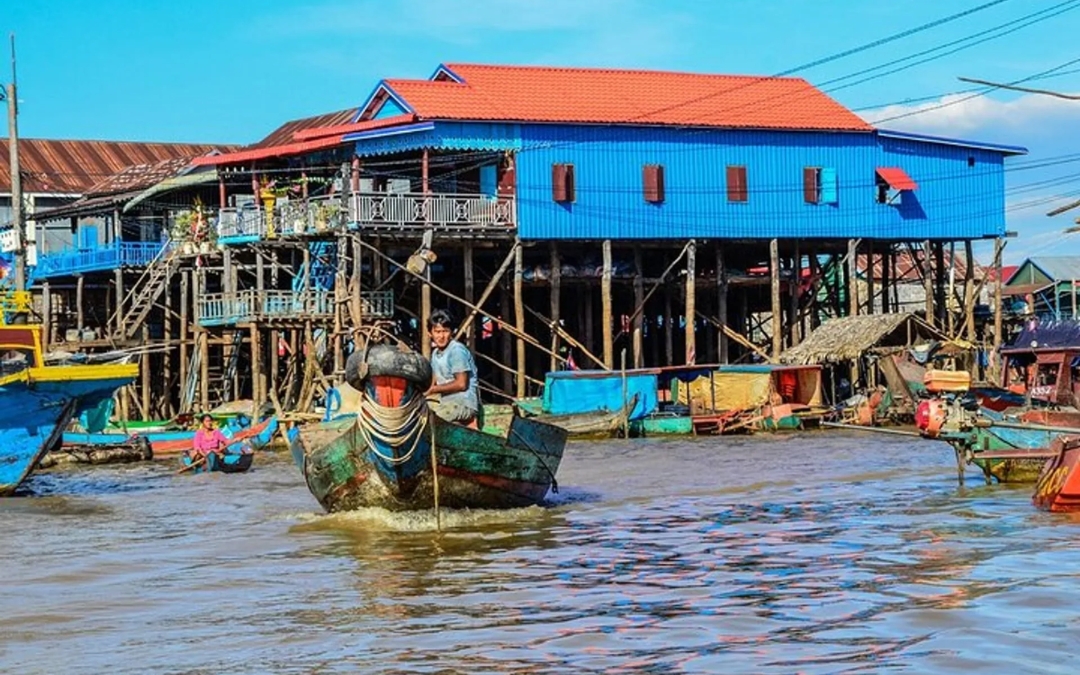
Kampong Khleang remains the least touristy and most traditional village.
Mechrey – A Lesser-Known Hidden Gem
- Distance: approximately 25 km from Siem Reap
- Experience: quiet canals and small-scale floating homes
- Authenticity: moderate
- Crowd level: low
- Best for: travelers who prefer fewer crowds and a calmer visit
Mechrey, located around 25 km from Siem Reap, is a hidden gem perfect for those seeking a more peaceful, less commercialized experience. Surrounded by lush mangrove forests, the village is an excellent choice for nature lovers, offering a closer look at the local wildlife, including various bird species.
The village also has a floating market, school, and church, adding to its charm. It is an ideal spot for travelers who prefer a quiet, off-the-beaten-path destination, where they can experience traditional fishing methods and crafts while learning about the lake’s unique ecosystem. Mechrey’s serene environment and connection to nature make it a perfect escape for those seeking tranquility away from the crowds.
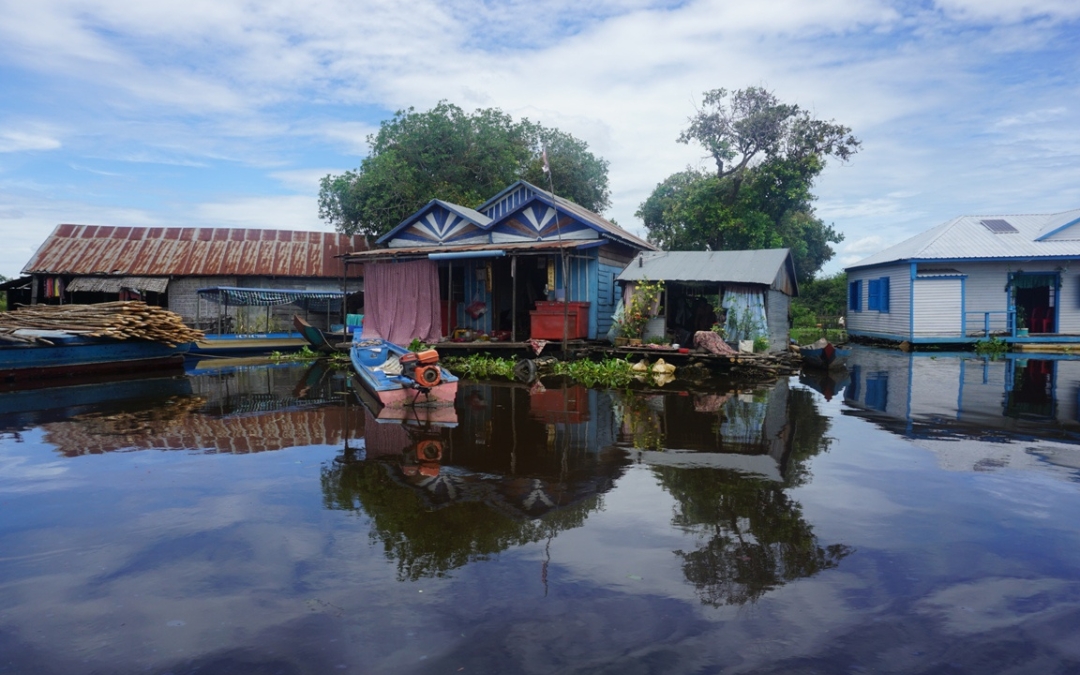
Mechrey is a hidden gem with fewer tourists and serene surroundings.
FAQs About Siem Reap’s Floating Villages
1. Are Siem Reap’s floating villages worth visiting?
Yes. Siem Reap’s Floating Villages offer a rare opportunity to experience a traditional water-based lifestyle on Tonlé Sap Lake, where daily life adapts to dramatic seasonal flooding. For travelers interested in culture, local livelihoods, and landscapes beyond Angkor’s temples, the experience adds meaningful depth to a Siem Reap itinerary.
2. How long does a floating village visit usually take?
Most floating village visits take 2 to 4 hours, including transportation and a boat ride on Tonlé Sap Lake. Visiting Kampong Khleang typically requires a longer half-day due to its distance from Siem Reap.
3. Are floating village tours suitable for families and children?
Yes, floating village tours can be suitable for families when arranged responsibly. Private or small-group tours are recommended for families with children, as they allow better pacing, safety considerations, and meaningful cultural explanations.
4. Is it better to visit a floating village with a tour or independently?
Visiting with a reputable local tour operator is generally recommended. Guided visits provide cultural context, help avoid exploitative or overcrowded routes, and ensure that tourism benefits local communities more directly.
5. What should I bring for a floating village visit?
Visitors should bring sun protection, light clothing, comfortable footwear, drinking water, and cash for small local purchases or community donations. During the wet season, waterproof bags are useful for electronics and valuables.
6. Are Siem Reap’s floating villages touristy?
Some villages, particularly Chong Kneas, are more tourist-oriented due to their proximity to the city. Others, such as Kampong Phluk and Kampong Khleang, feel less commercial and provide a more authentic look at everyday life on Tonlé Sap Lake.
7. Do floating villages operate year-round?
Yes. Siem Reap’s Floating Villages are inhabited year-round, but the appearance and experience change significantly depending on water levels and season.
Uncover the Hidden Charms of Siem Reap’s Floating Villages
Drifting through the Siem Reap floating villages, you’ll witness a world where life dances with the rhythm of the water—a place where homes float, children paddle to school, and golden sunsets reflect on rippling waves. This is more than just a visit; it’s an immersion into a culture deeply intertwined with nature.
Ready to experience the magic for yourself? Let Asia Pioneer Travel craft a tailor-made journey that takes you beyond the surface and into the heart of Cambodia’s floating communities.