

The rainy season in Vietnam often worries travelers who fear nonstop rain, canceled plans, and difficult transport. In reality, the monsoon is far more nuanced. While showers are frequent, they are rarely constant, and many arrive in short, predictable bursts.
Knowing when and where the rain falls can turn frustration into opportunity. Fewer crowds, lower prices, and greener landscapes reward travelers who plan smart. This guide breaks down what the rainy season really looks like and how to travel in Vietnam with confidence during it.
Overview of the Rainy Season in Vietnam
When is the rainy season in Vietnam?
The rainy season in Vietnam, often called the monsoon season, usually runs from May to November, bringing higher rainfall, humidity, and lush green scenery across the country. Influenced by tropical monsoon winds, Vietnam receives an average of 1,500–2,500 mm of rain per year, with mountainous and coastal areas recording even higher levels. Thanks to the country’s long geography, weather patterns vary by region, so it rarely rains everywhere at the same time.
Typhoon season overlaps with the monsoon and generally lasts from June to November, peaking between August and October. Northern Vietnam is most affected earlier, from June to August, while Central and Southern regions face higher risks from September to November. These systems can cause short-term flooding and transport delays, but they are usually brief rather than constant.
Does it rain all day during Vietnam’s rainy season?
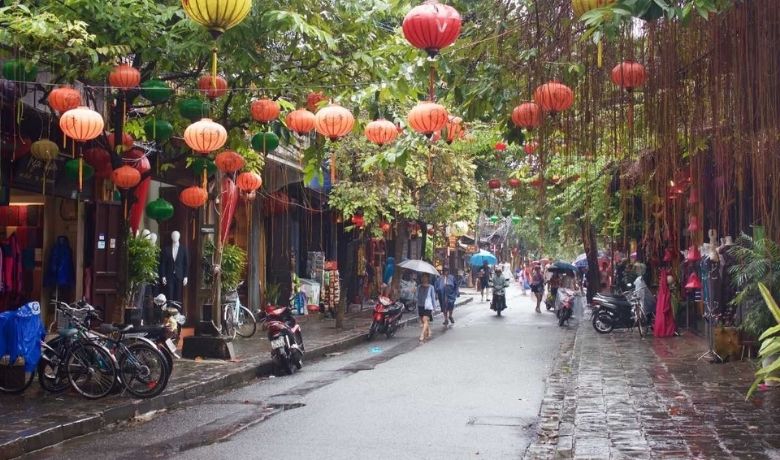
Contrary to popular belief, it does not rain all day. In Northern and Southern Vietnam, rainfall often comes in short, intense downpours lasting 1 to 2 hours, usually in the afternoon. Mornings and evenings are often dry and sunny. Central Vietnam is the exception, where October and November can bring prolonged rain and flooding, especially in low-lying areas.
Are flights and tours disrupted during the rainy season?
Occasionally, but disruptions are not common. Heavy storms or typhoons may cause temporary delays. Reputable tour operators usually adjust itineraries quickly and prioritize safety.
Is it worth going to Vietnam in the rainy season?
Travelers might encounter some challenges, such as flight delays of 1–2 hours, slippery trekking trails in places like Sapa, and seasonal flooding in cities like Ho Chi Minh City from September to December.
However, the benefits of travelling in Vietnam during the rainy season are real. Hotel and tour prices can drop by 20–30%, crowds thin out in popular spots, and the countryside is at its most vibrant. With warm temperatures of 24–32°C, dramatic skies, and fewer tourists, the rainy season can be an ideal time for flexible, slow travel in Vietnam.
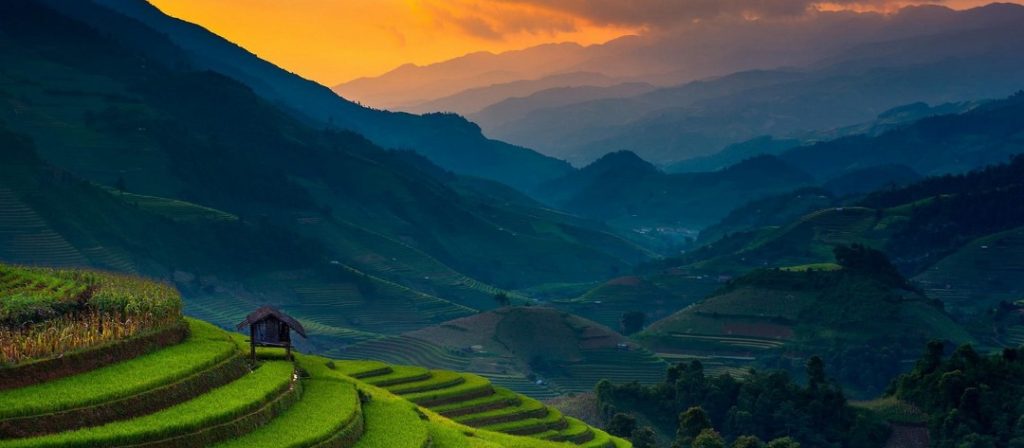
Vietnam Rainy Season by Region
Vietnam’s rainy season changes dramatically as you move from north to south. Understanding these regional patterns helps you plan smarter, not just avoid rain.
1. Rainy Season in Northern Vietnam
(Hanoi, Sapa, Halong Bay, Ninh Binh, Ha Giang)
Northern Vietnam’s rainy season usually lasts from May to September, sometimes stretching into early October. The wettest months are July and August, when monthly rainfall often exceeds 300 mm. Summer temperatures sit between 25–34°C, paired with high humidity levels of 80–90%, making the air feel heavy.
In mountainous areas like Sapa and Ha Giang, rain brings thick fog, reduced visibility, and a higher risk of landslides. While rice terraces turn a striking green during this time, trekking becomes risky, especially in June, when trails are slippery and unstable.
Halong Bay cruises are most affected in July–August, when tropical storms can cause cancellations. The best window for northern travel is September to December, when rain eases and conditions improve.
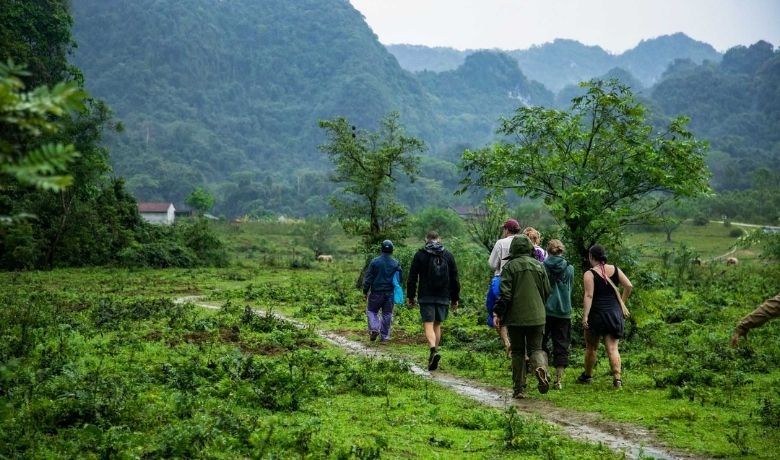
2. Rainy Season in Central Vietnam
(Da Nang, Hoi An, Hue, Nha Trang, Da Lat)
Central Vietnam follows a later rainfall pattern, with the rainy season running from September to December. The wettest months are October and November, which also coincide with peak typhoon activity.
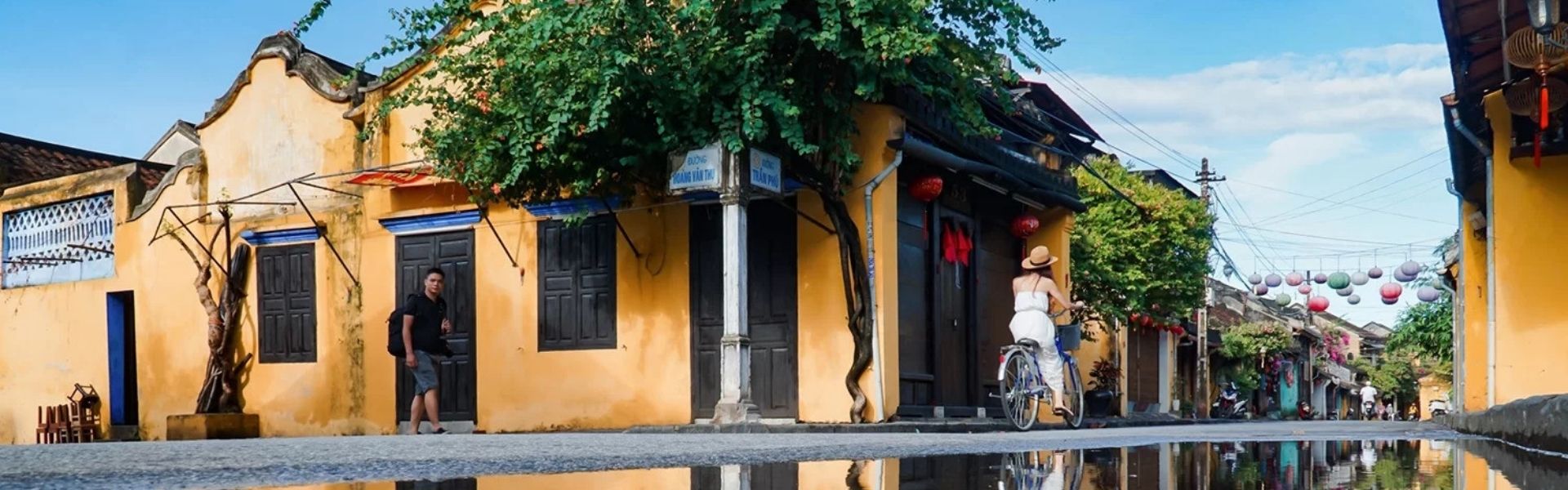
During this period, heritage towns like Hoi An and Hue face frequent flooding as rivers swell after prolonged rain. In contrast, the coast enjoys its driest, sunniest weather from March to August, ideal for beaches.
The Central Highlands, including Da Lat, see rain earlier, from May to October, with cooler temperatures around 18–25°C. Travel becomes challenging in October, especially for cave trips in Phong Nha, when heavy rain can close routes and limit access.
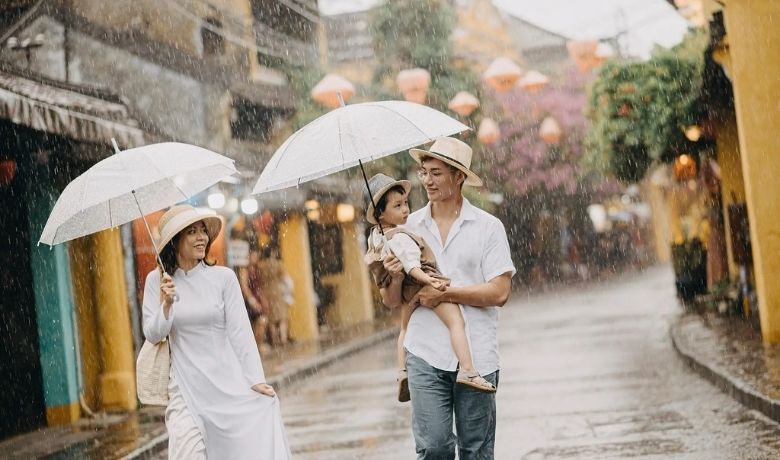
3. Rainy Season in Southern Vietnam
(Ho Chi Minh City, Mekong Delta, Phu Quoc)
Southern Vietnam experiences a tropical rainy season from May to November, defined by short, predictable afternoon downpours. Rainfall averages 150–250 mm per month, usually spread across 10–15 rainy days, rarely lasting more than one or two hours. Temperatures stay warm at 27–32°C, with high humidity.
In Ho Chi Minh City, heavy rain can cause brief street flooding and traffic delays, while in the Mekong Delta, rising water levels enhance river life, floating markets, and boat travel.
Mornings are typically dry, making sightseeing easy. Thanks to lower prices, fewer crowds, and lush scenery, the South remains one of Vietnam’s most travel-friendly regions during the monsoon.
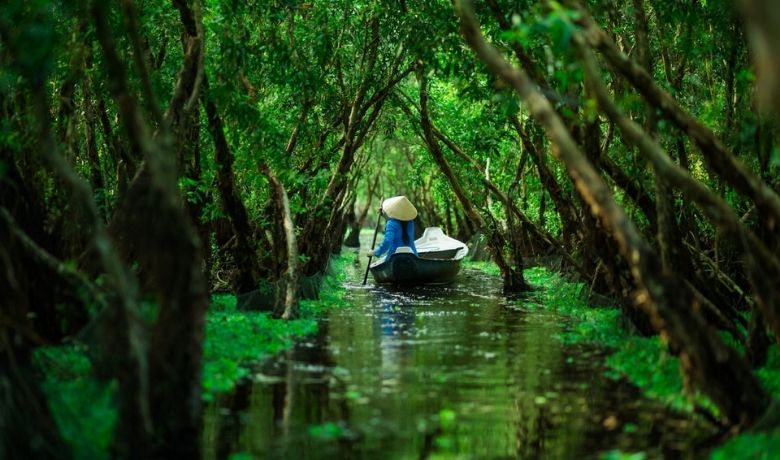
Which Parts of Vietnam Are Best to Visit During The Rainy Season?
Several regions in Vietnam remain highly rewarding during the rainy season, especially when travel timing and activities are planned strategically.
- Central Highlands (May–October)
Destinations such as Da Lat, Buon Ma Thuot, and Kon Tum shine during the rainy months. Rainfall enhances waterfalls, coffee plantations turn lush green, and temperatures stay cooler than coastal areas. Rain usually falls in short bursts, making mornings ideal for sightseeing and nature experiences.
- Hoi An & Da Nang (May–August)
These central coastal cities are best visited in the early rainy season. The weather remains warm, rain is intermittent, and beaches are still accessible. Cultural sites, cooking classes, and heritage walking tours work well even on rainy days. Avoid peak flood months from October onward.
- Northern Mountains (May–September)
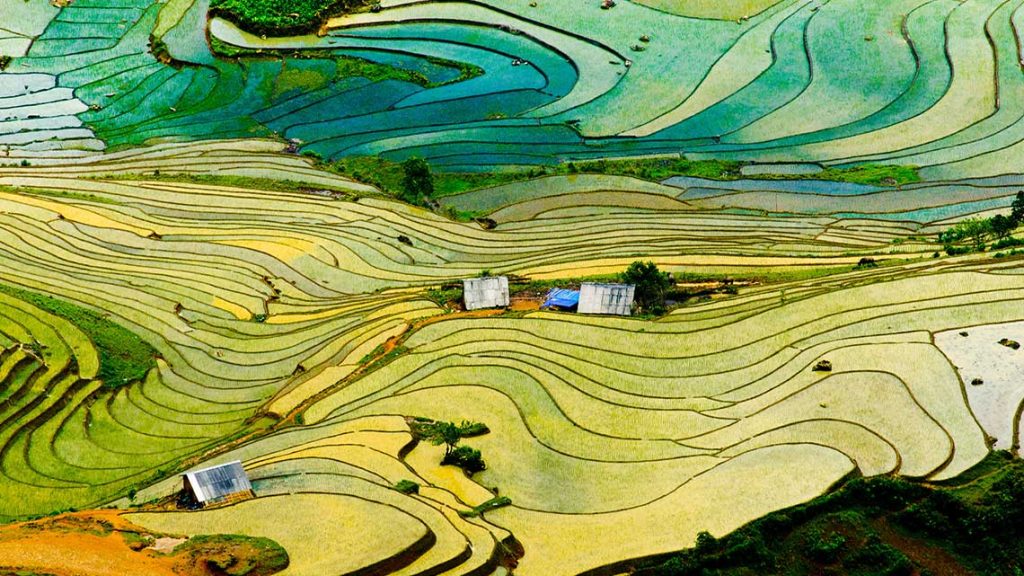
Regions like Sapa, Ha Giang, and Mu Cang Chai are at their most scenic. Rain supports rice terrace growth, creating dramatic green landscapes. While trekking should be planned carefully due to muddy trails, photography and cultural village visits are excellent during clearer periods.
- Urban & Cultural Cities
Cities such as Hanoi and Ho Chi Minh City are manageable year-round. Short rain showers rarely disrupt museums, food tours, cafés, and indoor attractions.
In Vietnam, choosing the right region and travel window is far more important than avoiding the rainy season altogether.

What to Do During the Vietnam Rainy Season
1. Explore Indoor Attractions
When rain hits, Vietnam’s indoor sights shine. In Hanoi, museums offer an easy escape from the weather. The Vietnam Museum of Ethnology explains the culture of Vietnam’s 54 ethnic groups through detailed indoor exhibits.
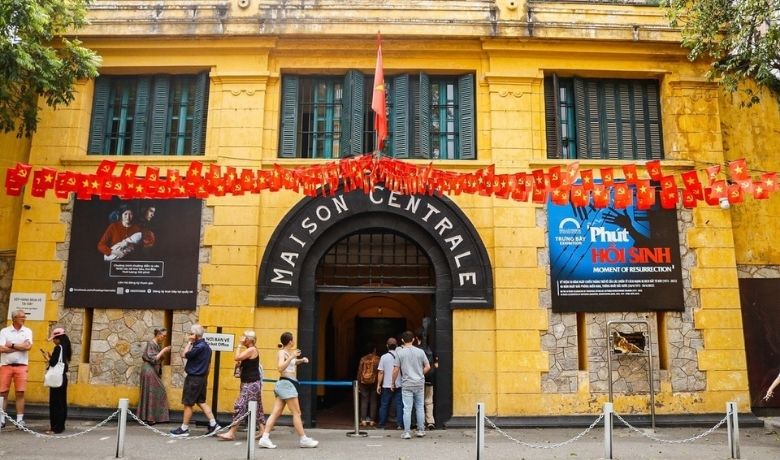
Nearby, Hoa Lo Prison adds historical context, while the modern Hanoi Museum traces the city’s past. In Ho Chi Minh City, the War Remnants Museum and Notre-Dame Basilica are classic rainy-day stops.
Rain also slows things down in the best way. Cafes across Hanoi’s Old Quarter fill up as travelers wait out showers with egg coffee or coconut coffee. In Hoi An, indoor cooking classes and lantern workshops turn bad weather into hands-on cultural time.
2. Attend Cultural Festivals and Local Celebrations
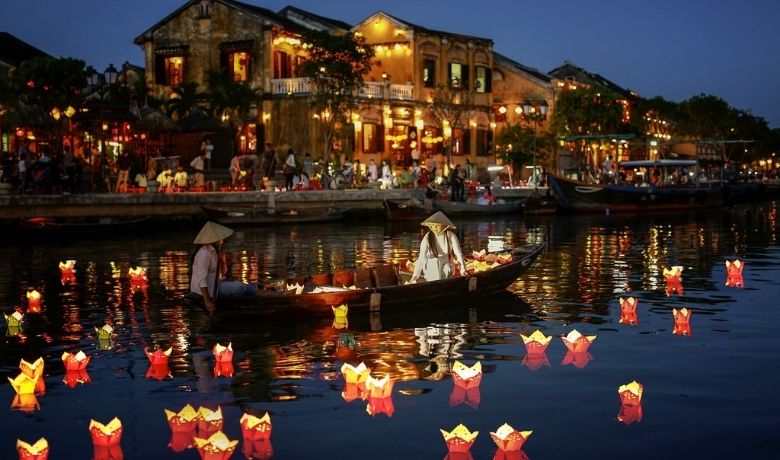
The rainy season overlaps with some of Vietnam’s most atmospheric festivals. The Mid-Autumn Festival in September fills streets with lanterns and mooncakes, while October brings the Kate Festival in the south-central coast.
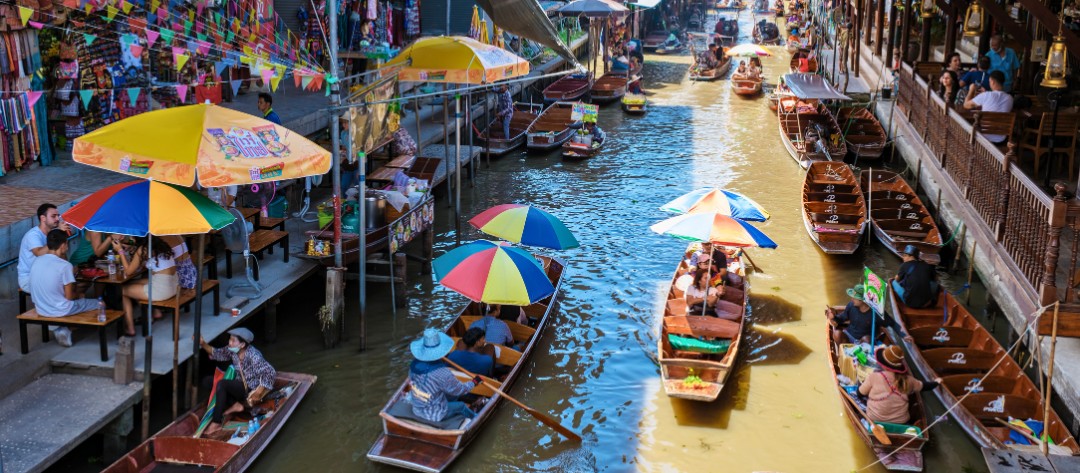
Markets remain lively despite the rain. Dong Xuan Market is fully covered and ideal for browsing food and souvenirs. In the Mekong Delta, higher water levels improve floating market visits like Cai Rang Floating Market, best visited early before afternoon showers.
3. Discover Wellness Escapes
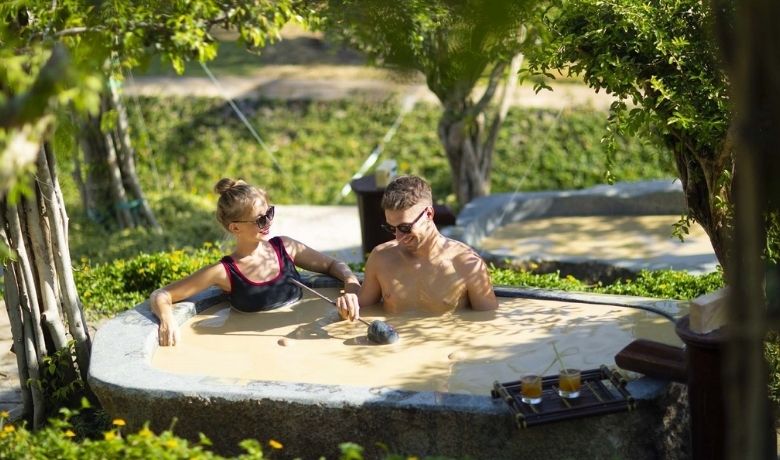
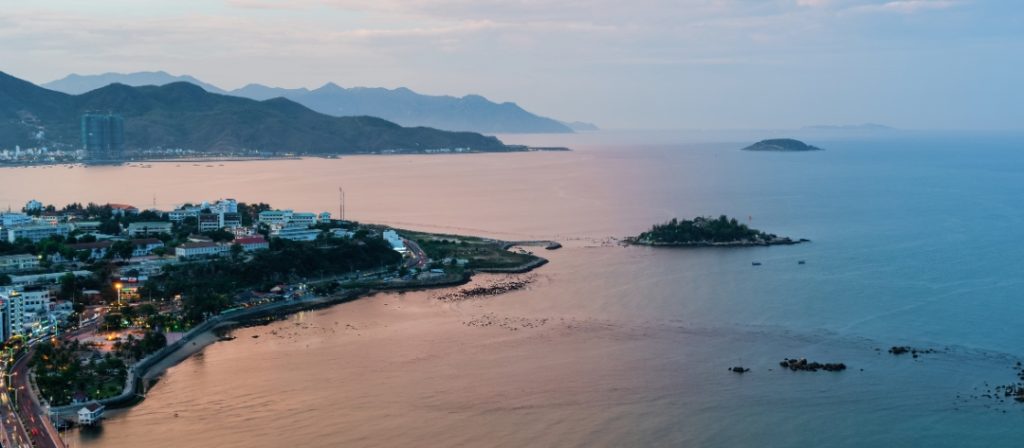
Rainy weather naturally slows the pace, making wellness an ideal focus. In Nha Trang, mud baths and spa complexes turn stormy afternoons into recovery sessions. Across Vietnam, massages and spa treatments remain affordable, even in major cities.
For longer stays, eco-lodges in Sapa or the Mekong Delta offer a front-row seat to rain-fed landscapes without leaving comfort behind. This season suits slow travel, especially for remote workers, as short delays of 1–2 hours are common but manageable with flexible schedules.
4. Adventure in the Rain
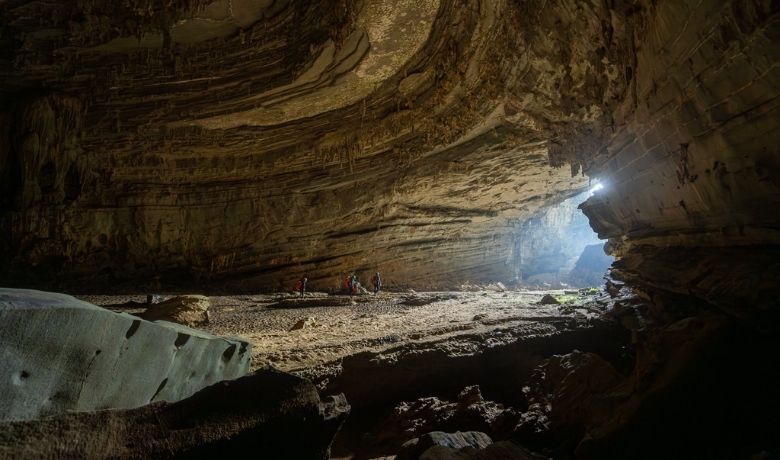
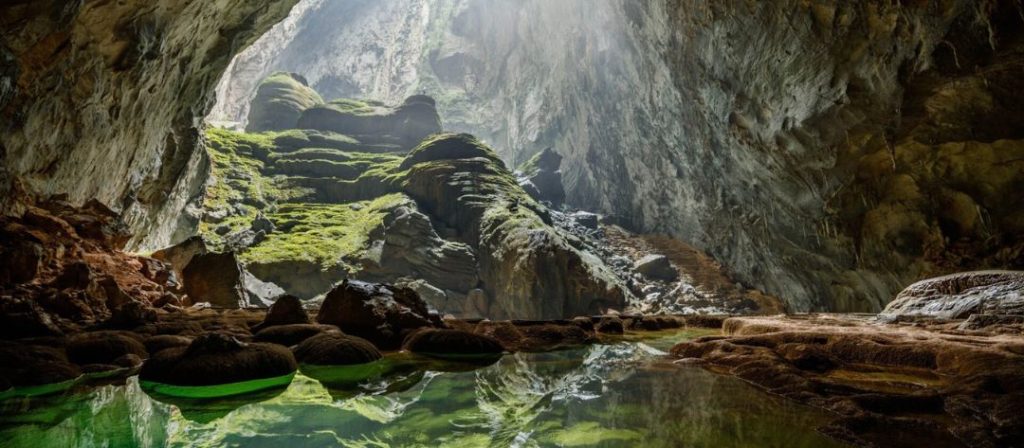
Rain brings Vietnam’s landscapes to life. Waterfalls swell, forests deepen in color, and rivers run high. In Phong Nha, dry caves like Paradise Cave or Tu Lan cave are great rainy-day options, though September–October floods can limit access. Trang An boat rides remain possible between showers, offering misty karst views.
For photographers, the rain creates drama. Ha Long Bay turns moody and surreal, while Ha Giang and Sapa glow green under cloud cover. Rainy-season Vietnam trades blue skies for texture, contrast, and atmosphere, often the moments travelers remember most.
Travel Tips for the Rainy Season in Vietnam
1. What to Do
- Plan flexible itineraries: Expect sudden showers and possible transport delays of 1–2 hours; keep plans adjustable.
- Start early: Mornings are usually dry, especially in the South and Central Highlands; rain often comes mid-afternoon.
- Choose destinations by month: Central Coast (Hoi An, Da Nang) is best Mar–Aug; the North works well Sep–Dec.
- Avoid peak storm windows: Skip Ha Long Bay cruises in July–August when storms may halt operations.
2. What to Bring Along
- Light rain protection: A breathable rain jacket or poncho beats disposable raincoats in 80–90% humidity.
- Right footwear: Waterproof sandals for cities; hiking boots for slippery trails in Sapa.
- Quick-dry clothing: Lightweight, moisture-wicking fabrics dry faster after downpours.
- Waterproof storage: Dry bags for electronics and documents; add a compact umbrella for light rain.
3. Extra Notes for Your Trip
- Expect disruptions: Storms can cause delays, road closures, or cancellations; build buffer days.
- Watch flood zones: Urban flooding hits Ho Chi Minh City (Sep–Dec); Hoi An often floods in October.
- Mountain safety: Landslides and fog affect Ha Giang; choose private cars over motorbikes in heavy rain.
- Monitor weather & insurance: Track forecasts during typhoon season and keep digital copies of documents handy.
So, Is the Rainy Season the Right Time for You?
The rainy season in Vietnam is ideal for travelers who value flexibility, slower pacing, and better value. Budget travelers, photographers, and culture-focused visitors benefit from 20–30% lower prices, fewer crowds, and lush green landscapes.
However, if your trip depends on fixed outdoor plans, such as Ha Long Bay cruises in July–August or Central Coast beaches in October–November, it may not be the best fit.
If you want to travel smart, adapt routes by season, and avoid weather pitfalls, planning matters. Let Asia Pioneer Travel design a weather-savvy itinerary that turns the rainy season into an advantage, not a risk.