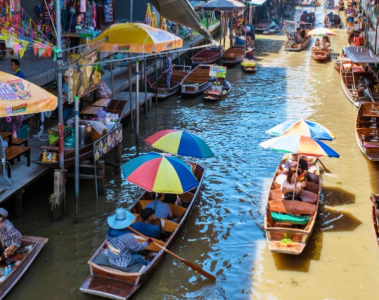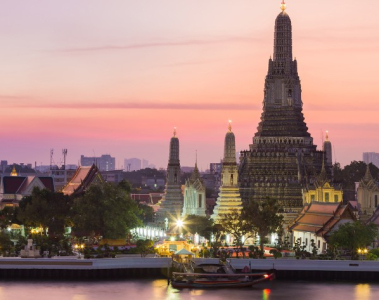


Thailand is one of Southeast Asia’s easiest destinations for a short getaway, and the monsoon season in Thailand shouldn’t stop you from visiting. Many travelers expect weeks of nonstop rain, but the reality is very different. Most showers are brief, prices are lower, and famous attractions are far less crowded than during the peak season. This guide covers everything you need to know about traveling during Thailand’s rainy months, including the weather, the best places to visit, practical packing tips, and how to make the most of your trip without spending a fortune.
When is the Monsoon Season in Thailand?
Thailand’s monsoon season usually runs from May to mid-October, although the exact timing can vary slightly from year to year. If you’re planning a trip, it’s worth knowing that August and September are generally the wettest months, especially around Bangkok and northern Thailand.
That said, don’t let the word “monsoon” scare you away. Rainy season in Thailand is often much more manageable than many first-time visitors expect, and with the right destination, it can still be a fantastic time to travel.
Weather Pattern
One of the biggest misconceptions about Thailand’s rainy season is that it rains all day. In reality, that’s rarely the case.
A typical day often starts with blue skies and warm sunshine. Rain usually arrives as a short but heavy downpour in the late afternoon or evening. Most showers last between 15 minutes and 1 – 2 hours, then quickly pass. Once the rain stops, the air feels cooler, the streets dry surprisingly fast, and you’ll often get clear skies or a beautiful sunset before the day ends.
Regional Differences
The rainy season doesn’t affect every part of Thailand at the same time. In fact, choosing the right coast can make a huge difference to your trip.
- Andaman Coast (Phuket, Krabi, Koh Phi Phi): This side of Thailand receives the most rain from May to October due to the southwest monsoon. September and October are typically the wettest months, and rough seas can sometimes disrupt island-hopping tours and ferry services.
- Gulf of Thailand (Koh Samui, Koh Phangan, Koh Tao): Weather follows a different pattern here. While the Andaman Coast is experiencing its wettest months, these islands are often relatively dry between June and September. The heaviest rainfall usually arrives later, from October to December, with November typically being the wettest month.
> Read more: How To Choose The Best Time To Visit Thailand Based On Your Travel Style
Pros and Cons of Traveling During the Thailand Monsoon Season
Traveling during Thailand’s monsoon season isn’t necessarily better or worse. It’s simply a different experience. If you’re flexible with your plans, the rainy season can offer excellent value and fewer crowds. Here’s what to expect.
The Pros (Why You Should Go)
Lower Travel Costs
The monsoon season is considered the low season across much of Thailand. Flights, hotels, and tours are often heavily discounted, with savings of up to 50% compared to the peak travel months. It’s one of the best times to stretch your budget without sacrificing comfort.
Fewer Crowds
Popular attractions feel much quieter during the rainy season. Beaches, temples, viewpoints, and famous photo spots are less crowded, giving you more space to explore and enjoy the experience at your own pace.
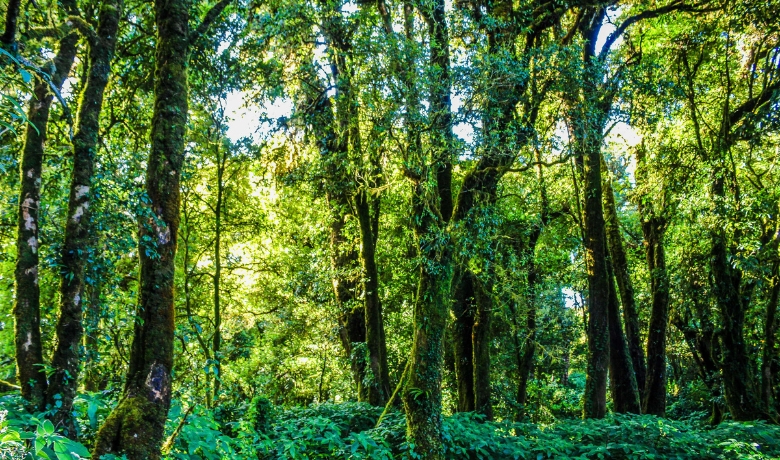
Lush Green Landscapes
There’s a reason locals often call this the green season. Regular rainfall transforms the countryside, making rice fields, jungles, and national parks look their most vibrant. Waterfalls are also at their most powerful, creating spectacular scenery that’s difficult to see during the dry season.
Cooler Weather
Afternoon showers naturally cool the air after the tropical heat. Once the rain passes, temperatures become more comfortable, and the fresh, clean air makes sightseeing much more enjoyable.
The Cons (What to Watch Out For)
Possible Travel Disruptions
Heavy rain and rough seas can occasionally affect outdoor activities. Island-hopping tours, ferry services, snorkeling trips, and mountain hikes may be delayed or canceled, especially on the Andaman Coast during periods of strong winds.
Flash Flooding
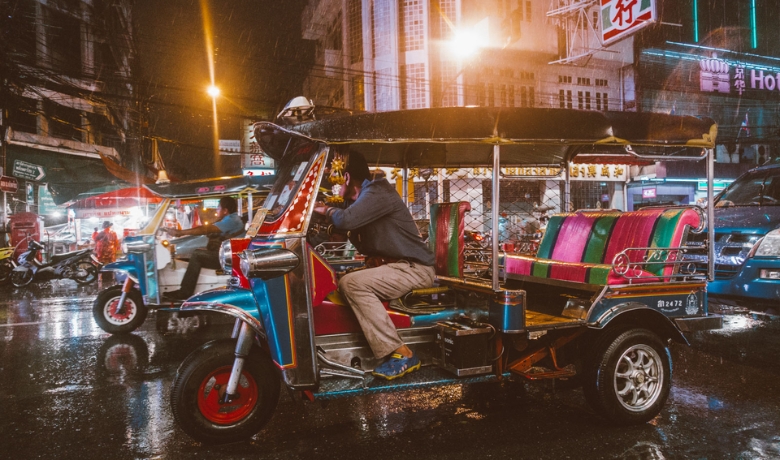
Intense downpours, sometimes called “rain bombs,” can cause temporary flooding in cities like Bangkok. Streets may become flooded for a few hours before drainage systems catch up, so it’s worth allowing extra travel time during heavy rain.
More Mosquitoes
Standing water after rain creates ideal breeding conditions for mosquitoes. Pack insect repellent and use it regularly, especially if you’re visiting national parks, islands, or rural areas.
Limited Services
Because it’s the low season, some restaurants, hotels, beach clubs, and ferry routes may operate on reduced schedules. Smaller islands are the most affected, so it’s always worth checking opening hours and ferry timetables before you travel.
Best Places to Visit in Thailand During Monsoon Season
Rain doesn’t affect every part of Thailand the same way. Some destinations stay relatively dry, while others become even more beautiful thanks to greener landscapes and fewer visitors. If you’re planning a trip during the monsoon season in Thailand, these are some of the best places to consider.
The Gulf of Thailand
If you’re looking for sunshine during Thailand’s rainy season, the Gulf of Thailand is your best bet. While Phuket and Krabi often experience heavy rain between May and October, islands on the Gulf Coast are generally much drier during the same period.
- Koh Samui: The best choice for travelers looking for luxury resorts, family-friendly beaches, and direct flights without taking a ferry. Most beach days are still enjoyable between June and September.
- Koh Phangan: Much more than the Full Moon Party. The island has become a popular destination for yoga retreats, wellness resorts, and digital nomads looking for a slower pace of life.
- Koh Tao: One of Thailand’s top diving destinations. Visibility often remains good enough for scuba diving and snorkeling during much of the Green Season, making it a favorite among backpackers and marine life enthusiasts.
- Trat and Rayong Provinces: If you prefer islands closer to Bangkok, consider Koh Samet, which enjoys relatively good weather for much of the rainy season. Later in the year, when rainfall starts easing, Koh Kood and Koh Mak become excellent options for travelers seeking quiet beaches, boutique resorts, and fewer crowds.

Northern Thailand
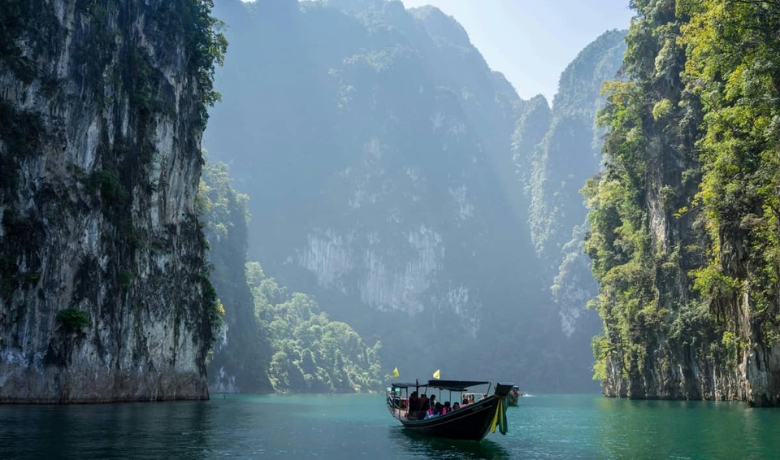
Northern Thailand is one of the biggest surprises during the Thailand monsoon season. Mornings are often sunny, afternoon showers are short, and the countryside turns incredibly green.
You’ll find waterfalls at their strongest, rice terraces at their most vibrant, and cooler temperatures that make sightseeing much more comfortable.
Chiang Mai
- Outdoor experiences: Start your day early with a visit to Kanta Elephant Sanctuary, hike through Doi Inthanon National Park, or spend a relaxing morning in Mae Kampong, a charming mountain village surrounded by forests and coffee farms.
- Indoor activities: When the afternoon rain arrives, explore Chiang Mai’s café scene, join a Thai cooking class, visit the Lanna Folklife Museum or MAIIAM Contemporary Art Museum, browse local products at Warorot Market, or finish the day with an evening Muay Thai match at Kawila Boxing Stadium.
Other Northern destinations
- Mae Hong Son: Visit Pai and cool off at waterfalls like Mor Paeng, which are at their most impressive during the rainy season.
- Phitsanulok: Adventure travelers can try white-water rafting on the Khek River, where higher water levels create exciting rapids.
- Nan: Drive or ride along the scenic Thanon Loy Fah mountain road, famous for misty viewpoints and lush green valleys after the rain.

Bangkok
Bangkok is one of the easiest places to visit during the monsoon season in Thailand. Short showers rarely interrupt daily life, and the city’s modern infrastructure makes it easy to adapt your plans.
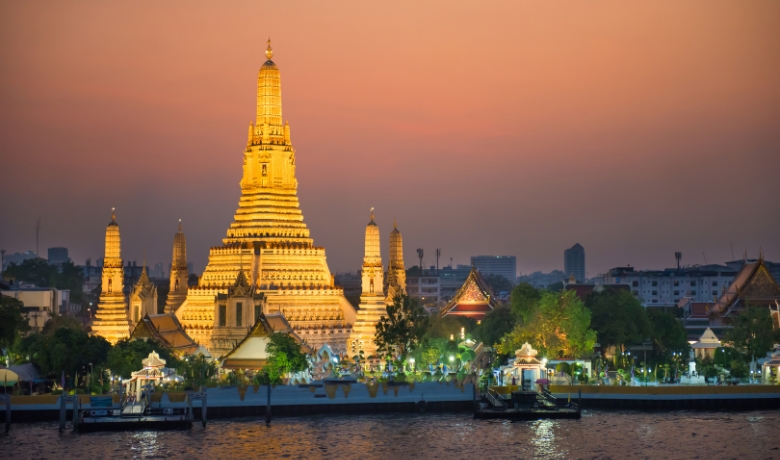
Getting around is simple thanks to the BTS Skytrain and MRT, which help you avoid traffic and occasional street flooding after heavy rain. Many of the city’s top attractions, including the Grand Palace, Wat Arun, and Wat Pho, are best visited early in the morning before afternoon showers become more common.
When it rains, Bangkok offers countless indoor experiences. You can explore world-class shopping malls, museums, cafés, cooking schools, or enjoy a traditional Thai massage. Food lovers should also visit Jay Fai, the Michelin-starred restaurant famous for its legendary crab omelette.
By evening, the rain has often passed, and Bangkok quickly comes back to life. Rooftop bars, night markets, live music venues, and riverside restaurants remain busy throughout the year, making the capital an excellent destination regardless of the season.
Essential Packing List and Tips for the Monsoon Season
A little preparation makes traveling during the monsoon season much easier. Pack light, stay flexible, and you’ll be ready for almost any weather.
Bring a Rain Jacket or Umbrella
A lightweight rain jacket is more practical than a bulky umbrella, especially if you’re exploring cities or islands. If you forget one, don’t worry. Ponchos and umbrellas are available at almost every 7-Eleven across Thailand.
Wear the Right Footwear
Choose shoes that can handle wet streets and sudden downpours.
- Flip-flops, Crocs, or water shoes are great options.
- Waterproof, quick-drying footwear is much more comfortable than canvas sneakers.
- Avoid fabric shoes, which can stay wet for days in humid weather.
Protect Your Electronics
Heavy rain can arrive without much warning.
- Pack a dry bag or waterproof pouch for your phone, camera, and passport.
- Waterproof protection is especially useful on island-hopping tours, ferry rides, and boat trips.
Bring Mosquito Repellent
Mosquitoes are more active during the rainy season.
- Carry insect repellent every day, especially if you’re visiting parks, waterfalls, or rural areas.
- Repellent is easy to find at 7-Eleven, usually for around 60 THB.
- Using it regularly helps reduce the risk of mosquito-borne illnesses such as dengue fever.
Stay Flexible
Weather forecasts aren’t always accurate during Thailand’s rainy season.
- Plan outdoor activities for the morning whenever possible.
- Keep a few indoor attractions as backup options.
- If an afternoon shower arrives, simply adjust your schedule. Many storms pass within an hour or two.
> Read more: Travel to Thailand in December: Weather, Best Places & Expert Travel Tips
FAQs
Is the monsoon season in Thailand a good time to visit?
Yes. The rainy season offers lower prices, fewer crowds, lush scenery, and showers that usually last only a short time rather than all day.
Which part of Thailand is best during the monsoon season?
The Gulf of Thailand, including Koh Samui, Koh Phangan, and Koh Tao, is generally drier than the Andaman Coast between June and September.
Does it rain all day during Thailand's rainy season?
No. Rain typically falls as heavy afternoon or evening showers for 15 minutes to 2 hours, followed by clearer skies.
What should I pack for the Thailand monsoon season?
Bring a lightweight rain jacket, waterproof footwear, mosquito repellent, a dry bag for electronics, and quick-drying clothing.
Can island tours operate during the monsoon season?
Yes, but it depends on weather conditions. Boat tours and ferries may be delayed or canceled during rough seas, so it's best to keep your itinerary flexible.
Ready to Experience Thailand’s Green Season?
The best trips aren’t always made during peak season. The monsoon season in Thailand rewards flexible travelers with quieter attractions, better value, and unforgettable scenery. Share your travel ideas with Asia Pioneer Travel, and we’ll help turn them into a well-planned adventure.