

Phnom Penh is worth visiting, especially if you want to understand Cambodia beyond temples and beaches. This city is raw, real, and full of contrast. You will find grand royal buildings, moving historical sites, lively riverfront cafes, and everyday local life happening all at once. Phnom Penh is not always pretty, but it is honest, and that is what makes it memorable.
In this article, you will discover “Is Phnom Penh worth visiting?”, what makes Phnom Penh special, what to see and skip, how long to stay, where to eat and sleep, and who this city is best for. If you enjoy culture, history, and cities with character, read on to see if Phnom Penh fits your travel style.
What Is Phnom Penh Really Like?
First Impressions of Cambodia’s Capital
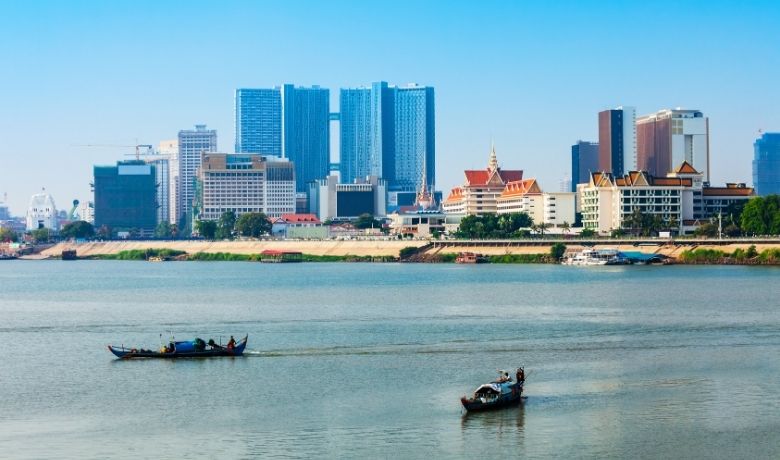
Phnom Penh feels intense at first. The heat is strong, often 30–35°C year-round, and traffic is heavy but less chaotic than in Ho Chi Minh City. Motorbikes dominate the streets, and sidewalks often double as parking or food stalls.
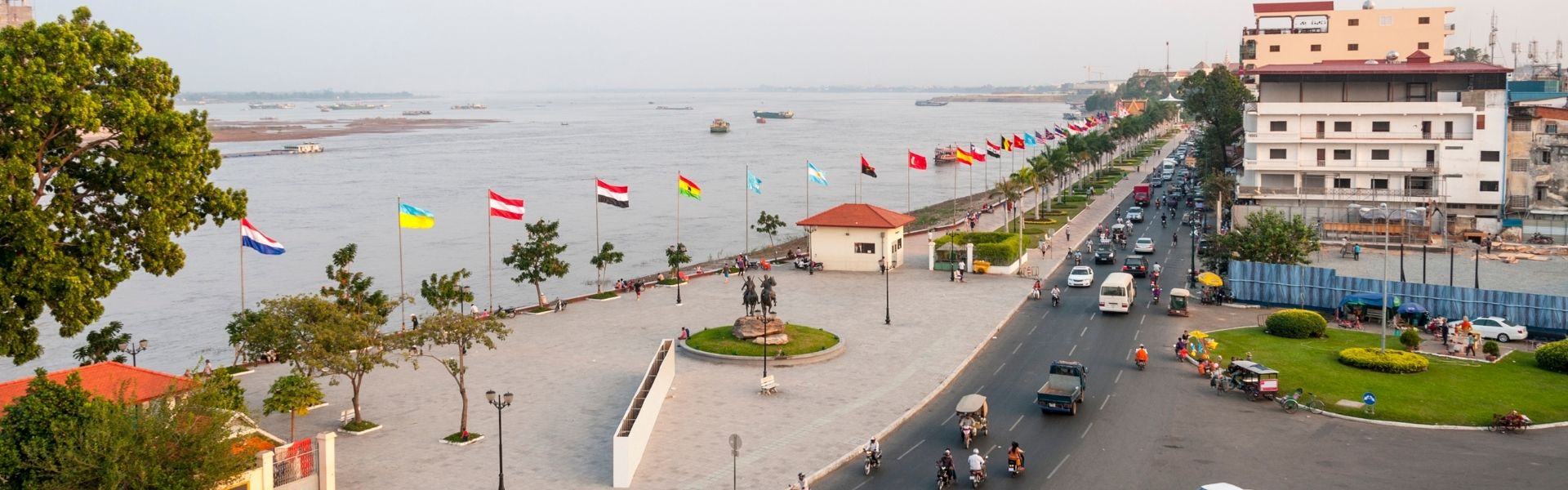
The pace of life is slower than in Bangkok, yet more raw and local. The city sits at the meeting point of the Mekong, Tonlé Sap, and Bassac rivers, giving it an open, breezy riverfront feel by late afternoon.
How It Compares to Other Southeast Asian Cities
Compared to Bangkok or Hanoi, Phnom Penh is less polished and less crowded. With a population of around 2.3 million, it feels more compact.
Cafes, markets, temples, and government buildings often sit side by side. You see history and daily life mixed together, not separated into tourist zones.
Local People, Culture, and Daily Life
Cambodians are generally friendly but direct. Smiles come easily, but communication is practical and honest. Family ties are strong, and Buddhism shapes daily routines.
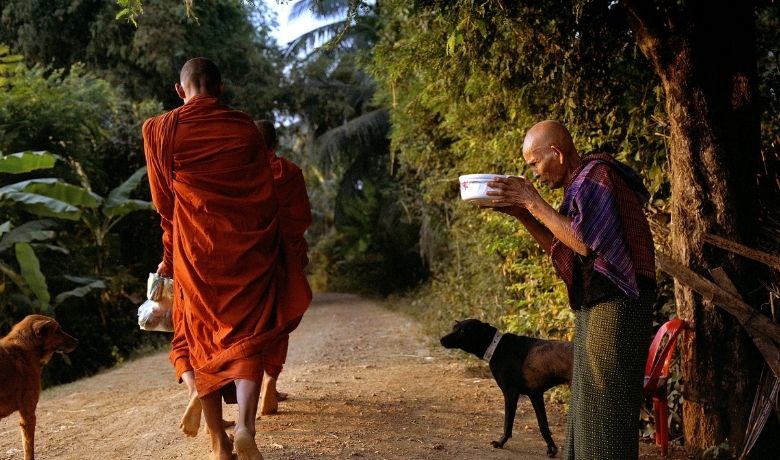
You will notice monks collecting alms early in the morning and small shrines outside homes and shops. Respect and calm behavior are highly valued.
Who Is Phnom Penh Best Suited For?
Phnom Penh suits culture-focused travelers, history lovers, and slow travelers who enjoy observing local life. It can feel challenging for those seeking beaches, nightlife, or a highly organized city. This is a place to learn, reflect, and understand Cambodia’s past and present.
Best Things to Do in Phnom Penh
Phnom Penh rewards travelers who want context, not just highlights. The city’s best experiences connect history, culture, and everyday life. Below is a practical, experience-based guide to what you should see and why it matters.
Understanding Cambodia’s Recent History
Between 1975 and 1979, the Khmer Rouge regime caused the deaths of an estimated 1.7 to 2 million people, nearly one quarter of Cambodia’s population at the time. Phnom Penh preserves this history openly, not to shock visitors, but to educate future generations.
Tuol Sleng Genocide Museum
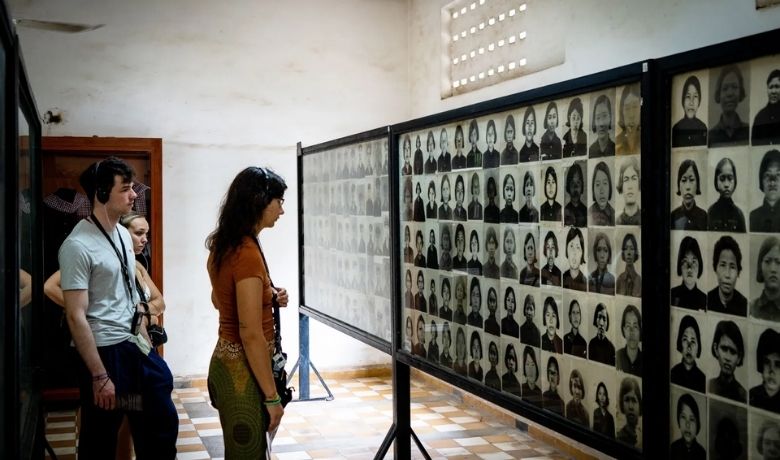
Formerly a secondary school, Tuol Sleng was converted into Security Prison 21. Historical records show that 18,000–20,000 detainees were held here, interrogated, and later transferred for execution.
Original cells, restraint beds, and thousands of prisoner photographs remain intact. A visit typically takes 90–120 minutes and provides essential background before exploring other historical sites.
Choeung Ek Killing Fields
Located 15 km south of the city, Choeung Ek was one of over 300 execution sites nationwide. The central stupa contains more than 8,000 human skulls, discovered during exhumations.
The site’s audio guide explains the logistics of executions, forced confessions, and the regime’s attempt to erase evidence. Visiting both Tuol Sleng and Choeung Ek on the same day creates a complete historical narrative.
Royal and Cultural Landmarks
Phnom Penh’s royal sites highlight Cambodia’s cultural endurance, offering balance after confronting its darkest period.
Royal Palace and Silver Pagoda
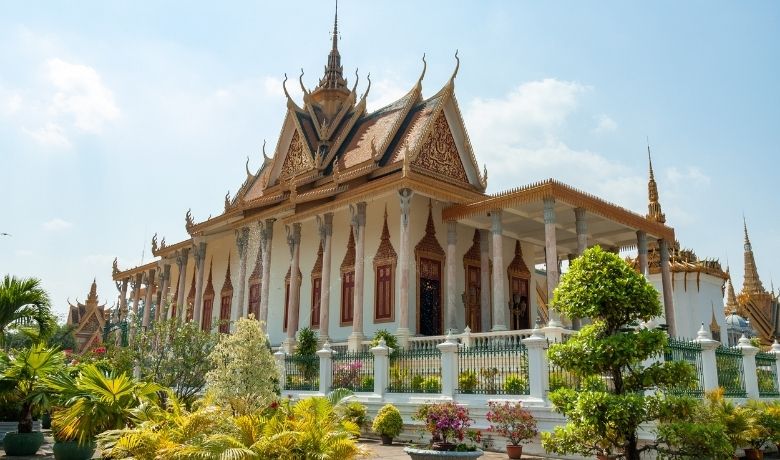
Constructed in 1866, the Royal Palace remains an active ceremonial complex. The Throne Hall is used for coronations and diplomatic events. The Silver Pagoda features a floor of over 5,000 silver tiles, each weighing approximately 1 kg.
Inside are two national treasures: the Emerald Buddha and a 90 kg gold Buddha set with nearly 10,000 diamonds. Dress modestly, as the site is still religious and political in function.
National Museum of Cambodia
Housing more than 14,000 artifacts, this museum presents Khmer art from the pre-Angkor to the post-Angkor periods. Many sculptures survived war damage and looting, making the collection a testament to preservation efforts. A visit here strengthens understanding of symbolism seen later in temples and performances.
Independence Monument and Wat Phnom
The Independence Monument, built in 1958, commemorates liberation from French rule. Wat Phnom, standing 27 meters high, is Phnom Penh’s spiritual origin point and remains an active worship site.
Riverside Walks and Green Spaces
Sisowath Quay stretches along the Mekong and Tonlé Sap rivers. It is most lively from 4:30 pm onward, when locals gather, vendors set up, and the river breeze cools the city.
Nearby, Wat Botum Park offers a quieter environment and insight into daily religious life, especially during early morning hours.

Museums, Arts, and Cultural Experiences
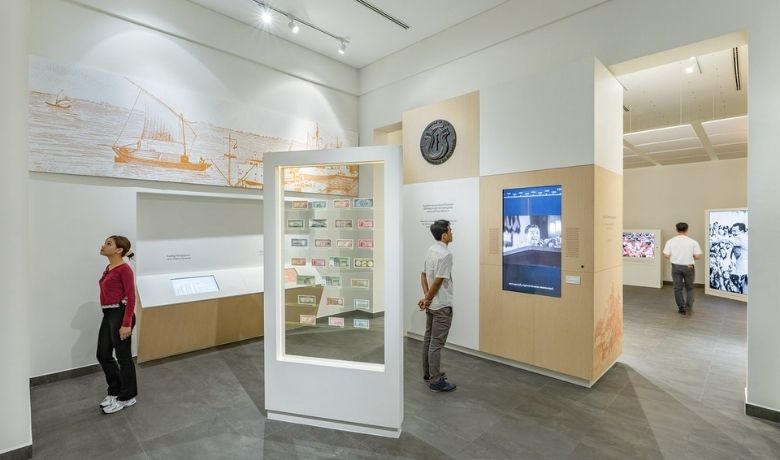
Sosoro Museum explains Cambodia’s financial and economic evolution through interactive exhibits, adding modern context to historical visits.
For living culture, Cambodian Living Arts presents traditional dance and music performances, supporting artists and safeguarding intangible heritage.
Together, these experiences show Phnom Penh as a city of education, remembrance, and resilience, best suited for travelers who value understanding over spectacle.
> See tour: The Very Best Cambodia Tour
Practical Travel Tips for Phnom Penh
Best Time to Visit Phnom Penh
The best time to visit Phnom Penh is from late November to January. This period offers the most comfortable weather, with lower humidity, little rain, and average daytime temperatures of 26–30°C, making it ideal for sightseeing.
From March to May, the city becomes very hot, often exceeding 35°C, and outdoor activities can be tiring, especially in April during the Khmer New Year.
The rainy season (June to October) brings short, heavy showers, peaking in September and October. However, late September to November can be a good choice for travelers who prefer fewer crowds, greener scenery, and lower hotel prices.
For the best experience, plan outdoor visits in the early morning year-round.

> Read more: Best Time To Visit Cambodia
Where to Stay in Phnom Penh
Luxury Hotels and Heritage Properties
1. Raffles Hotel Le Royal
Established in 1929, this colonial-era hotel is Phnom Penh’s most iconic address. It offers large rooms, landscaped gardens, and historical significance tied to diplomats and royalty. Ideal for travelers prioritizing comfort and atmosphere.

2. The Balé Phnom Penh
Located about 20 minutes north of the city center, The Balé offers modern design, river-facing pools, and private courtyards. Best for travelers seeking tranquility over proximity.
Mid-Range Boutique Areas
1. BKK 1 (Boeung Keng Kang 1)
This is one of the city’s most convenient neighborhoods, balancing access to attractions, dining, and quieter streets. Well-regarded hotels include Tea Palace, Baitong Hotel & Resort, and Patio Hotel & Urban Resort, known for one of the city’s best rooftop pools.
2. Tuol Tompoung (Russian Market)
A more local area with strong food and café culture. Double Leaf Boutique Hotel is popular for its pool, value, and walkability.
3. Riverside
Good for short stays and river views. Point Boutique Hotel offers solid mid-range comfort with a rooftop bar.
Budget and Backpacker Options
Budget travelers often choose BKK 1 or selected riverside properties. Envoy Hostel and Mad Monkey Phnom Penh are popular for social travelers, while Sla Boutique Hostel is a quieter option.
Getting Around the City
Ride-hailing apps such as PassApp and Grab are the safest and most transparent options.
- Airport to city center: 13,000–15,000 KHR by app tuk-tuk
- Short city rides: USD 2–5
- Private airport transfer: around USD 25
Pre-booked transfers are recommended for first-time visitors.
Phnom Penh is not highly walkable. Sidewalks are inconsistent, and traffic rules are loosely enforced. Walking short distances in central areas is fine, but use transport for trips over 10–20 minutes.
Safety, Money, and Common Travel Concerns
Violent crime against tourists is rare. Most visits are trouble-free during the day. The main risk is petty theft, especially phone and bag snatching, often involving motorbikes in busy areas like Sisowath Quay.
Cambodia uses both Cambodian Riel (KHR) and US dollars. Cash is essential for markets and small vendors. ATMs are widely available. Food and transport costs remain low compared to regional capitals.
Avoid using phones near the roadside. Wear bags across the body and under outer clothing. At night, avoid poorly lit streets and rely on app-based transport. Petty theft tends to increase before major festivals due to economic pressure.
Handled with awareness, Phnom Penh is a rewarding, manageable city for thoughtful travelers who prepare well and travel with intent.
So, Is Phnom Penh Worth Visiting?
Phnom Penh is worth visiting if you want more than postcard moments. This is a city that explains Cambodia, not just showcases it. Through its history, royal heritage, food scene, and everyday street life, Phnom Penh gives travelers the context needed to truly understand the country’s past and present. It may not be polished or easy at first, but it is honest, educational, and deeply human.
The Biggest Reasons to Visit Phnom Penh
Phnom Penh is essential for travelers who want to understand Cambodia beyond ancient temples. The city offers direct insight into how the country survived and rebuilt after the Khmer Rouge period (1975–1979).
Contextual history
Visiting Tuol Sleng Genocide Museum and Choeung Ek Killing Fields provides historical context that explains modern Cambodian society. Tuol Sleng documents how a former school became a prison where 18,000–20,000 people were detained. Choeung Ek, located 15 km south of the city, memorializes victims with a stupa holding over 8,000 skulls. Together, these sites help visitors understand national trauma and resilience.
Royal heritage
In contrast, the Royal Palace and Silver Pagoda reflect cultural continuity. The Silver Pagoda’s floor is lined with 5,000+ silver tiles, and it houses a gold Buddha decorated with nearly 10,000 diamonds, symbolizing Cambodia’s enduring monarchy.
Authentic urban life
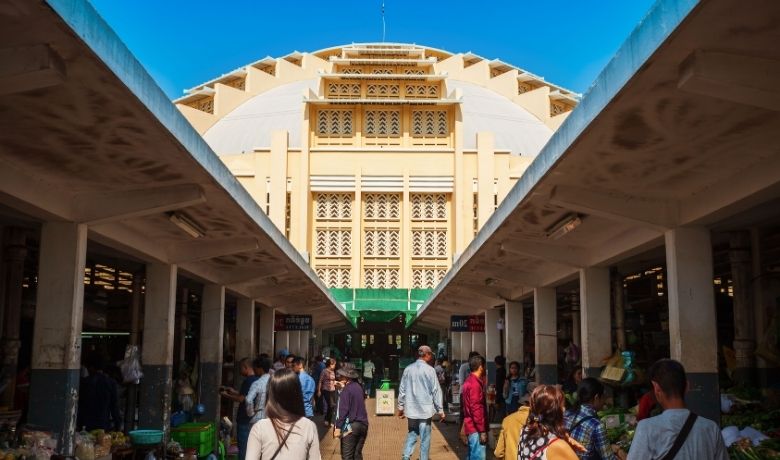
Phnom Penh functions as Cambodia’s economic center, not a tourist-only city. Markets such as Central Market and Russian Market reveal daily life, from fresh produce and street food to electronics and motorbike parts.
Food Scene and Value for Money
Phnom Penh offers strong value compared to Bangkok or Ho Chi Minh City.
- Dining with impact: Social enterprise restaurants like Friends the Restaurant train disadvantaged youth while serving modern Khmer and international dishes.
- High-end Khmer cuisine: Restaurants such as Malis Restaurant and Cuisine Wat Damnak offer refined Cambodian cuisine at prices significantly lower than comparable restaurants in Europe or North America.
- Everyday flavors: Street food staples like kuy teav and bobor are widely available, while adventurous travelers can sample regional delicacies rarely found elsewhere.
The Challenges Travelers Should Expect
Daytime temperatures in Phnom Penh often exceed 35°C from March to May. Sidewalks are inconsistent, traffic rules are loosely enforced, and walking long distances is not recommended. Ride-hailing apps such as PassApp and Grab are the safest transport options.
The genocide sites are emotionally heavy. Many travelers find it necessary to limit visits to one major site per morning and allow time afterward to rest or reflect.

Phnom Penh vs Siem Reap
Siem Reap centers on Angkor’s 9th–15th century temples and is highly tourism-focused. Phnom Penh blends French colonial buildings, New Khmer Architecture, and modern development. It is also home to the National Museum of Cambodia, which holds the world’s largest Khmer art collection.
Which city fits your travel style:
- Choose Siem Reap for iconic temples and short visits.
- Choose Phnom Penh for historical context, urban culture, cafés, and contemporary Cambodian life.
Siem Reap shows Cambodia’s past glory. Phnom Penh explains its present. Spending 1–3 days in the capital provides an essential understanding of the country as it is today.
If you value meaningful travel and want expert guidance to experience Phnom Penh with insight and care, Asia Pioneer Travel can help you design a thoughtful itinerary that fits your travel style. Explore Phnom Penh with purpose, and let the city tell its story the right way.