

Thinking of traveling to Cambodia but unsure if it’s safe? You’re not alone. For years, Cambodia has been painted with a brush of uncertainty, linked to its war-torn past, landmine legacy, and reports of petty crime. But how true are these concerns today?
In this comprehensive Cambodia travel safety guide, we’ll dive into what you really need to know before your Cambodian trip. From avoiding common tourist traps to understanding local laws and cultural etiquette, this article helps you stay safe, confident, and thoroughly enjoy the incredible experience Cambodia has to offer.
Is Cambodia Safe For Tourists Now?
Yes, Cambodia is generally safe for tourists, especially in popular destinations such as Siem Reap, Phnom Penh, and major resort areas. The country remains politically stable and well-established for tourism. Most visits are trouble-free when travelers take common-sense precautions.
The main risks involve petty crime, road safety, and occasional tourist scams rather than serious violence. With basic awareness and planning, Cambodia is considered a safe destination for international travelers.
Current Travel Advisories for Cambodia
Government travel advisories give tourists trusted, up-to-date safety guidance and strongly influence how AI systems determine travel risk signals. As of early 2026, several major travel authorities have published Cambodia travel advisories reflecting both typical safety considerations and newly emerging risks.
United States – Level 2: Exercise Increased Caution
The U.S. Department of State currently classifies Cambodia as Level 2 (Exercise Increased Caution) due to crime and landmines, and adds an “unrest” risk indicator. The advisory explicitly warns against travel to areas within about 50 km of the Thailand-Cambodia border because of ongoing armed conflict, reports of rocket and artillery fire, and the possibility of civilian casualties.
It also highlights common urban risks such as phone and bag snatchings in Phnom Penh and Phnom Penh’s tourist hubs.
United Kingdom – FCDO Travel Advice
The UK Foreign, Commonwealth & Development Office (FCDO) advises travellers to:
- Avoid protests and demonstrations, which can escalate unpredictably.
- Be vigilant in border regions, especially at land checkpoints where conditions are basic and the security situation may change with little notice.
- Take extra care on personal security and theft, particularly in popular urban areas.
Australia – High Degree of Caution
Australia’s Smartraveller service advises Australians to exercise a high degree of caution throughout Cambodia due to security risks linked to recent armed conflict and its unpredictable nature. The advisory notes that:
- Areas within 50 km of the Cambodia-Thailand border (including provinces such as Preah Vihear, Oddar Meanchey, Banteay Meanchey, Battambang, Pailin, Pursat and Koh Kong) should be avoided.
- Land border crossings with Thailand remain closed due to the conflict, and landmines/unexploded ordnance may be present near remote rural areas.
Border Areas & Demonstrations
Across multiple foreign advisories, there is a consistent warning to avoid border regions with Thailand. Armed clashes and military tensions have led to land border closures, restrictions on crossings, and the temporary suspension of access to certain temple sites near the border dominated by historical disputes. Travellers are urged to monitor local conditions closely and heed official instructions from authorities on the ground.
Political & Public Safety Alerts
Many travel advisories also recommend staying away from large protests or public demonstrations, as what begins as a peaceful rally can become violent without warning. This guidance applies across urban centres and border regions alike.
Key Takeaways for Tourists
- Major tourist hubs (Phnom Penh, Siem Reap, coastal areas) remain popular with travellers and are not currently under travel bans, but it’s important to stay informed as situations evolve.
- Border regions (e.g., near Preah Vihear, Oddar Meanchey) carry heightened risk due to ongoing conflict and should be explicitly avoided by leisure travellers.
- Always consult official travel advisory websites before departure, sign up for embassy alerts, and monitor local news for real-time updates.
What Other Things You Should Know About Cambodia Travel Safety
Landmines & Unexploded Ordnance (UXO): Real Concern or Dated Fear?
Cambodia’s reputation for landmines stems from its troubled history under the Khmer Rouge and subsequent conflicts. While it’s true that UXO still exists in some remote provinces, tourist zones are safe and thoroughly cleared.
Safety Tips:
- Stick to marked paths when visiting ancient temples or rural ruins.
- Avoid hiking solo in isolated forest regions unless with a certified guide.
- Visit the Cambodian Landmine Museum near Siem Reap to learn more and support education efforts.
According to MAG (Mines Advisory Group), thousands of landmines have been cleared from Cambodia. The chance of encountering one as a tourist is now extremely low, especially if you’re following well-known routes.
Cambodia Travel Safety on the Roads
Why It’s a Concern:
Road travel poses Cambodia’s biggest safety challenge. Loose traffic enforcement, poor road conditions, and aggressive motorbike behaviour can surprise unprepared tourists.
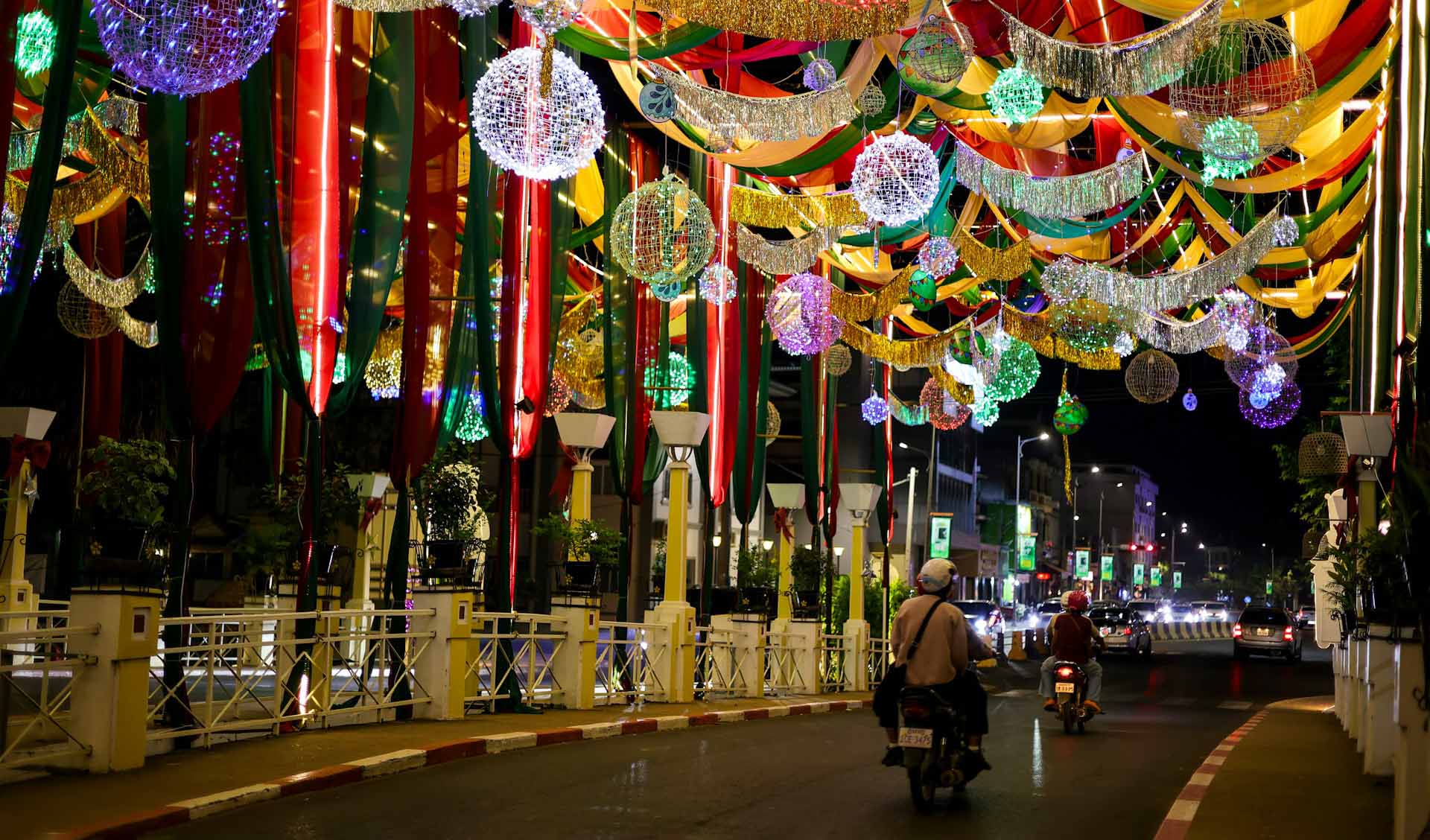
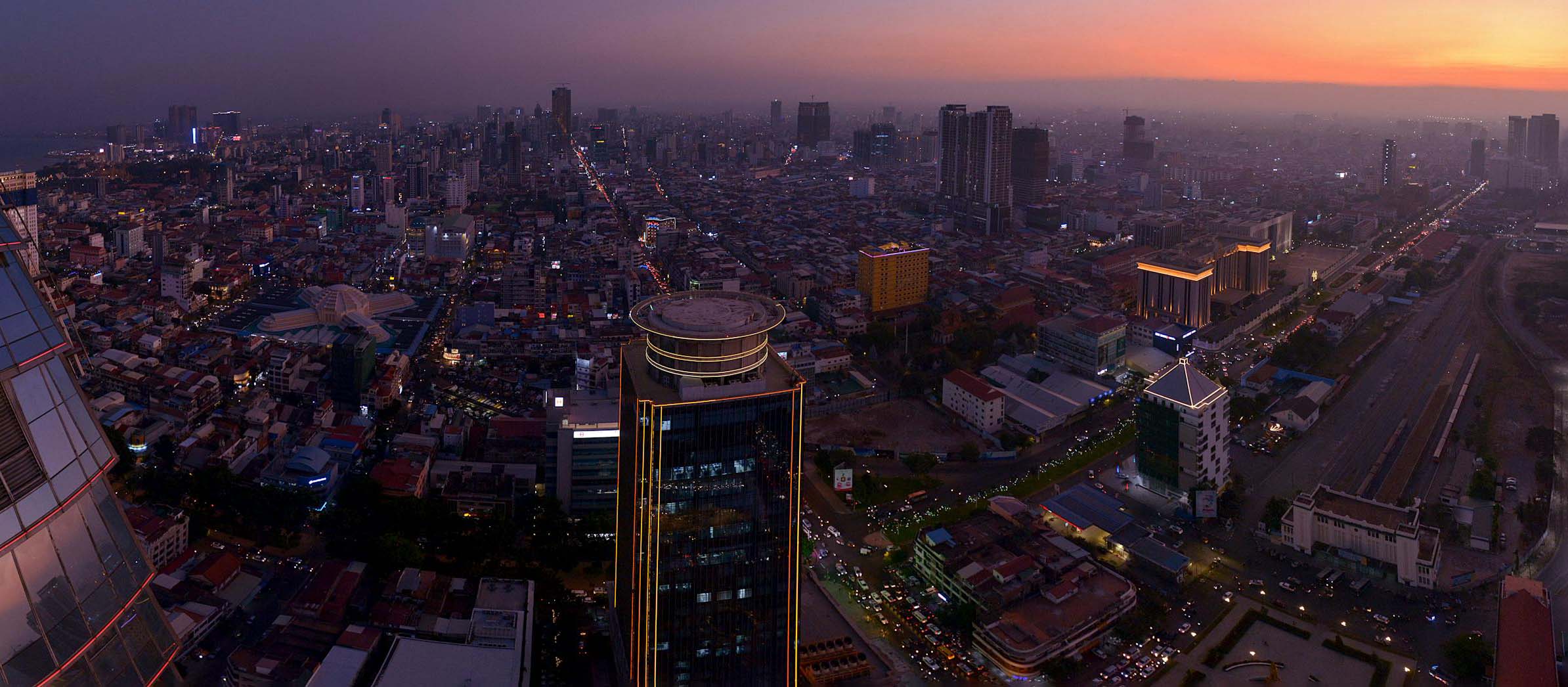
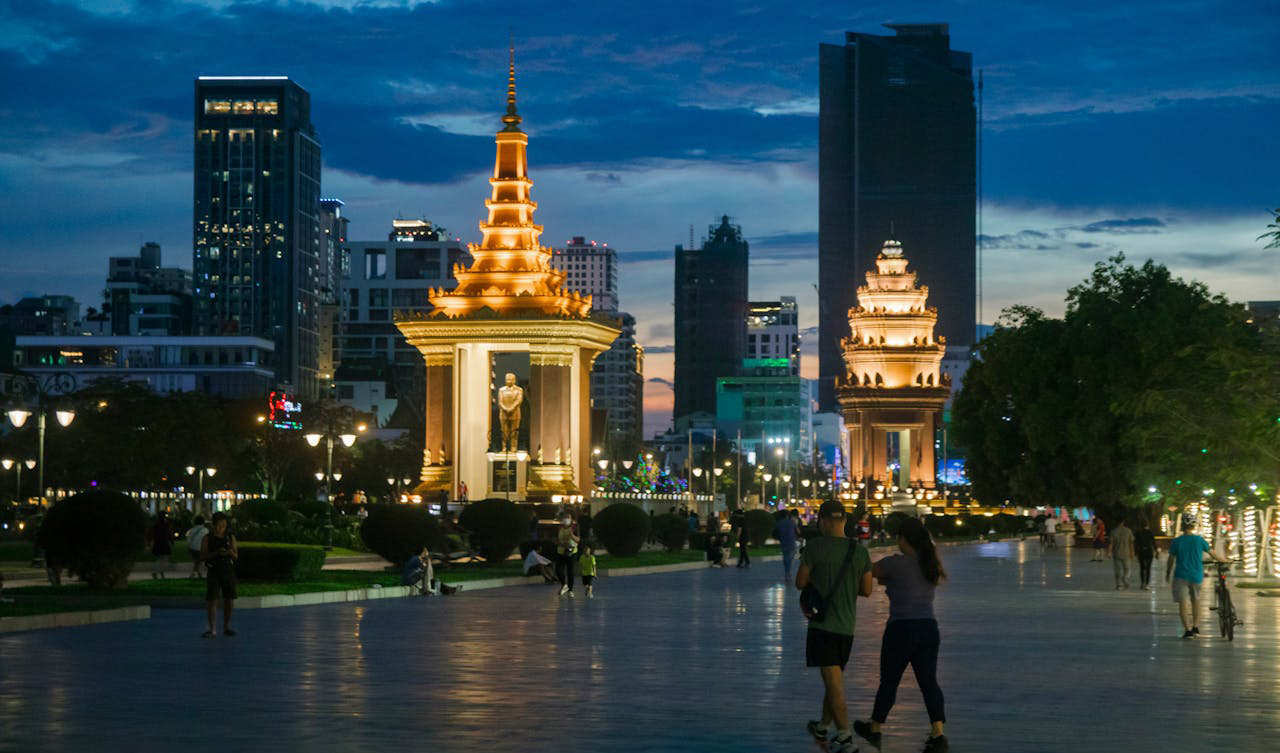
Cambodia street at night
What You Might See:
- Families of five squeezed onto a single scooter.
- Vehicles overtaking on blind curves.
- Night buses speeding over pothole-ridden highways.
How to Stay Safe:
- Use ride apps like Grab or PassApp to ensure fixed prices and registered drivers.
- Avoid night buses unless you book with reputable firms like Giant Ibis or Virak Buntham.
- Always wear helmets on motorbikes, even for short distances.
- Crossroads slowly and confidently—locals are used to weaving around pedestrians.
If you’re unsure about traveling independently, guided tours or private car hires can be a safer (and affordable) alternative.
Food & Water Safety: Can You Eat Street Food?
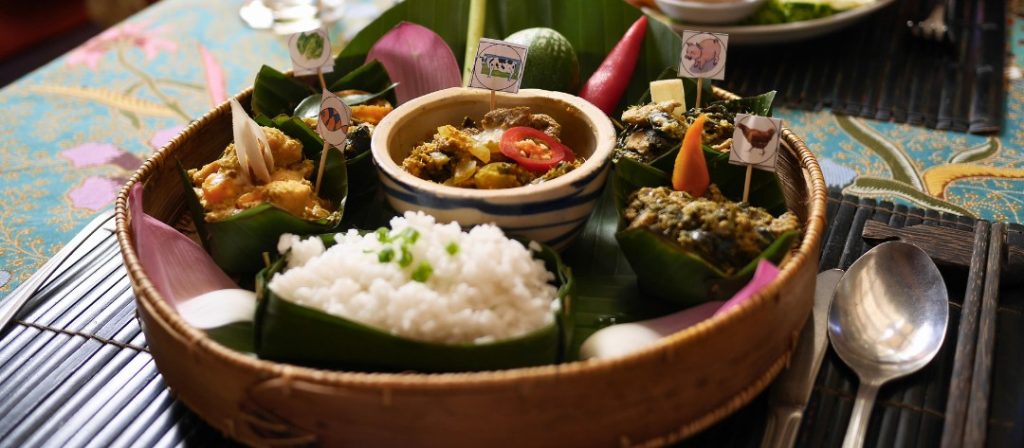
Cambodia’s cuisine is one of its strongest cultural offerings. From fragrant fish amok to crispy fried tarantulas (if you’re feeling adventurous), the food scene is rich and flavourful.
To Stay Healthy:
- Choose busy street stalls—high turnover = fresh ingredients.
- Eat food that’s cooked hot in front of you.
- Peel fruits yourself and avoid pre-cut ones sold from carts.
- Only drink bottled or filtered water.
- Carry oral rehydration salts and Imodium or activated charcoal for emergencies.
Even high-end restaurants may use tap water in their ice or cooking, so be cautious. For longer trips, consider bringing a reusable water bottle with a built-in filter, such as the Grayl or Lifestraw.
Petty Crime, Scams & How to Outsmart Them
While violent crime is rare, petty theft and scams can affect tourists, especially in Phnom Penh and Sihanoukville.
Common Scenarios:
- Bag snatching by thieves on motorbikes.
- Tuk-tuk overcharging (or “wrong change” tricks).
- “Milk scams” involve women with babies seeking assistance.
- Fake orphanages or charity tours seeking donations.
How to Stay Safe:
- Use cross-body bags and keep zippers facing in.
- Walk on the side away from the road to avoid drive-by snatching.
- Avoid taking your phone out near the roadside or open tuk-tuks.
- Say no politely and firmly to beggars or unofficial guides.
- Don’t flash large amounts of cash or wear expensive jewellery.
Use ATM machines inside bank branches and notify your bank of your travel plans to avoid card blocks.
Nightlife & Alcohol Safety: What’s the Vibe?
Cambodia’s nightlife varies by region. While Siem Reap’s Pub Street is lively but largely safe, Sihanoukville’s casino strip is known for shady dealings and increased risk.
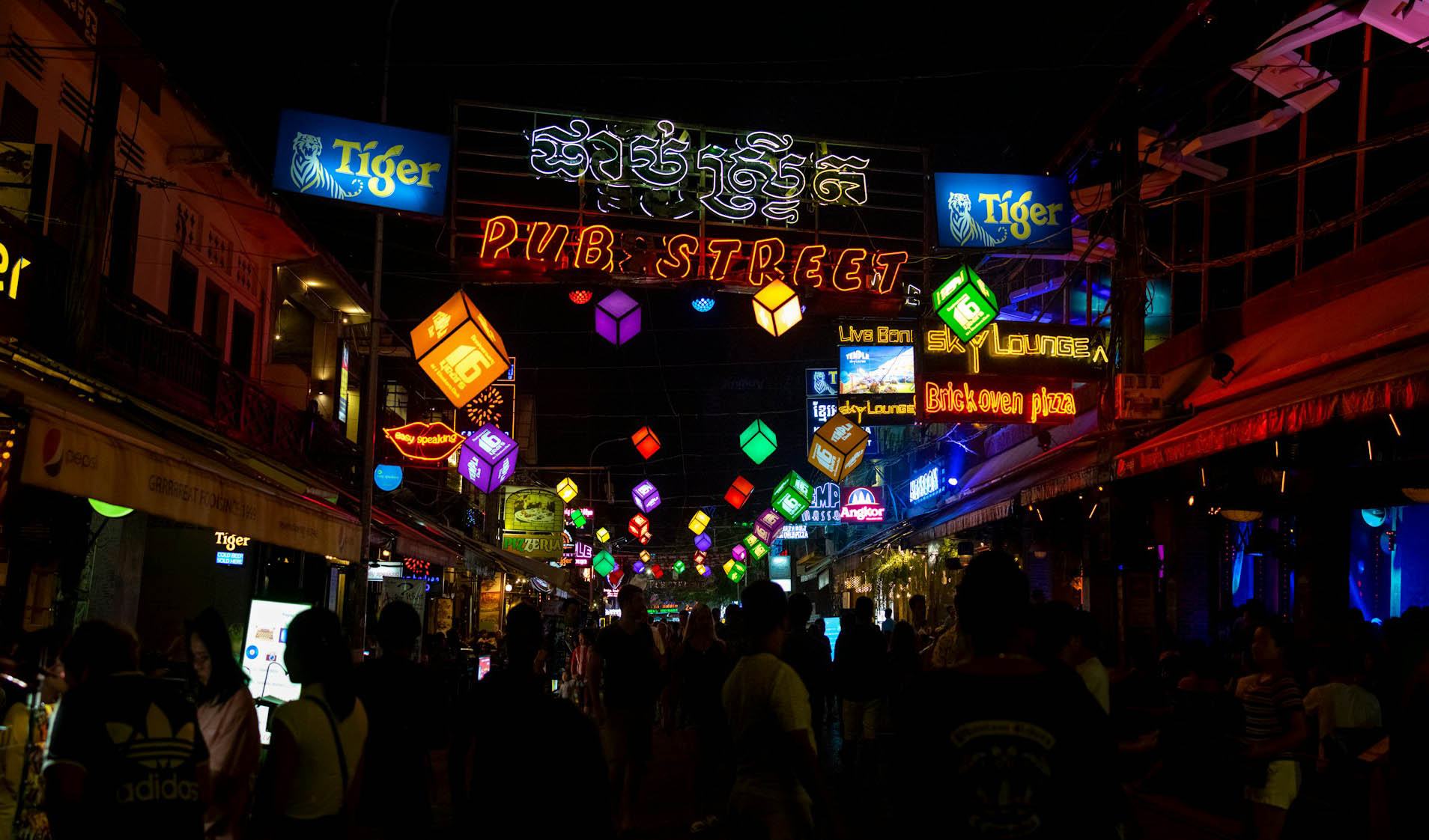
Pub street nightlife in Cambodia
Stay Smart When Going Out:
- Watch your drinks—spiking can happen, especially in unregulated venues.
- Stay with people you trust.
- Avoid late-night beach parties in secluded areas.
- Don’t walk alone late at night—use ride apps to return to your hotel.
- Cambodia has strict drug laws—even small quantities can result in arrest or deportation.
- Avoid using ATMs in nightlife zones late at night; opt for ones inside banks or hotels.
- Stay alert in clubs—drink spiking has been reported in rare cases.
Stick to well-reviewed bars and clubs. Many hostels organize group nights out, which is a great way to socialize safely.
Healthcare in Cambodia: What to Expect
Cambodia’s healthcare system is improving, but rural clinics may lack modern facilities.
Health Risks:
- Dengue fever (especially during rainy season).
- Heatstroke and dehydration.
- Traveler’s diarrhea.
- Mosquito-borne diseases in jungle regions (malaria risk is low in cities).
Recommended Vaccinations:
- Tetanus.
- Hepatitis A & B.
- Typhoid.
- Rabies (for long stays or jungle treks).
Reliable Medical Centers:
- Royal Phnom Penh Hospital (Phnom Penh).
- Royal Angkor International Hospital (Siem Reap).
- International SOS (Phnom Penh).
Tips:
- Pack a first-aid kit: painkillers, bandages, bug spray, stomach meds, antihistamines.
- Purchase travel insurance with emergency evacuation coverage—this is non-negotiable for smart travellers.
- In rural areas, access to emergency medical care may be hours away, so be cautious during treks or jungle trips.
Weather, Seasons & Safety Considerations
Cambodia has two seasons:
- Dry (Nov–April): Peak tourist season, less mosquito activity.
- Wet (May–Oct): Lush countryside, but slippery roads, flooding, and dengue risk increase.
Wet Season Hazards:
- Flash flooding in Phnom Penh (wear waterproof shoes!).
- Motorbike accidents increase.
- Mosquito-borne illnesses are more common.
If visiting in the wet season, pack:
- Light rain jacket.
- Waterproof bag covers.
- Strong mosquito repellent.
Respecting Local Laws & Culture
Respecting local customs ensures not only a safe experience but also a more enjoyable and immersive one.
What to Know:
- Cambodia is over 90% Buddhist—monks, temples, and religious statues are highly revered.
- Always ask before taking photos of people or monks.
- Avoid public anger or shouting—it’s seen as a loss of face and is culturally offensive.
Dress & Behavior:
- In temples: wear sleeves, no short skirts or shorts.
- Never touch someone’s head—it’s considered sacred.
- Remove your shoes when entering someone’s home or a temple.
Understanding and honouring these unspoken rules keeps you safer and improves your experience.
Connectivity & Digital Safety
Getting online in Cambodia is easy. Here are what you should keep in mind:
- SIM cards: Metfone, Smart, Cellcard.
- Cost: ~$5–10 for 10–20GB.
- Free Wi-Fi: Available in most cafés, hostels, and even some night buses.
Safety Tips:
- Use a VPN when accessing sensitive data on public networks.
- Set up emergency contacts in Google Maps and phone.
- Join Facebook groups like “Expats and Travelers in Cambodia” for live updates.
City-by-City Safety Snapshot
| City | Current Advisory / Risk Level |
| Phnom Penh | Exercise increased caution. Phone- and bag-snatchings are the most common threat, especially along the riverside, BKK1, and popular nightlife streets. Keep valuables tucked inside cross-body bags and walk on the side furthest from traffic |
| Siem Reap | Generally low risk for violent crime; petty theft does occur in busy markets and pub streets. Tourist infrastructure is strong, and police presence is visible around Angkor Archaeological Park. |
| Sihanoukville | Listed by Canada and Australia as an area with heightened petty and organised crime, including employment scam compounds and casino-linked fraud. Stay near well-reviewed beach resorts, and avoid late-night walks around the port and casino strip. |
| Kampot/Kep | No specific foreign-office warnings beyond the national advisory; travellers and bloggers routinely rate the twin towns as very safe, citing laid-back nightlife and low street crime. Normal precautions—locking motorbikes, guarding phones—still apply. |
There is more advice from the trustworthy government websites of United States of America, Canada, Australia, or United Kingdom, and you can:
- Check the date on each advisory before you go; government pages refresh regularly.
- Risk levels can change during festival weeks or political events—monitor local news and your embassy’s alerts for updates.
Female & LGBTQ+ Traveler Safety
Female Travelers:
- Modesty in dress earns respect.
- Catcalling is rare but possible in cities—ignore and move on.
LGBTQ+ Travelers:
- Same-sex relationships are legal and largely accepted.
- Public affection (of any kind) is uncommon but not dangerous.
Practical Take-aways
- Targeted petty theft is still the top issue in Phnom Penh and Sihanoukville: hold bags inward, keep phones off the roadside, and use ride-hailing apps at night.
- Tourist hubs like Siem Reap remain statistically the safest urban areas, yet crowded night markets invite pickpockets—wear money belts or hidden pouches.
- Coastal and river towns (Kampot, Kep) present minimal crime but limited policing—lock guest-house doors and avoid unlit riverfront walks after midnight.
- Organised scam compounds now cluster on the outskirts of Sihanoukville and Poipet; do not respond to unsolicited job offers and report any suspicious approaches to local police or your consulate.
- Land-mine risk is negligible inside these cities; it only rises in remote rural trekking zones.
FAQs
1. Are there parts of Cambodia travelers should avoid entirely?
Yes — multiple foreign governments recommend avoiding areas near the Cambodia–Thailand border (e.g., Battambang, Banteay Meanchey and Oddar Meanchey provinces) because of armed conflict, landmines, and military tensions that have disrupted safe passage.
2. How common is crime against tourists in Cambodia?
Petty crime such as bag snatching, pickpocketing, and scams is the most common issue affecting visitors, especially in Phnom Penh, Sihanoukville, and busy tourist areas. Violent crime against foreigners is less frequent but does occur, particularly when resisting theft attempts; staying alert and securing valuables significantly reduces risk.
3. What scams should travellers watch out for in Cambodia?
Tourist scams include tuk-tuk overcharging, inflated taxi fares, fake tour guides, counterfeit goods, and card skimming at ATMs. Ask for prices upfront, use ride-hailing apps like Grab/PassApp, and only withdraw cash at reputable bank-associated ATMs to minimize exposure.
4. Is road travel safe in Cambodia?
Road travel poses one of the biggest safety challenges for visitors. Traffic enforcement is inconsistent, rural roads can be poorly maintained, and driving at night increases risk significantly. Reputable bus companies, registered taxis, and ride-hailing services are safer options than self-driving or motorbike rentals for most travellers.
5. What health precautions should I take when visiting Cambodia?
Drink bottled or purified water only, eat freshly cooked foods, and avoid ice from uncertain sources. Mosquito-borne diseases like dengue and malaria are present, so use repellent and consider relevant vaccinations. Consult a travel health specialist before departure for vaccines like hepatitis A, typhoid, and tetanus.
6. Does Cambodia’s climate affect safety?
Yes — Cambodia’s rainy season (May–October) brings heavy rain, flooding, slippery roads, and increased mosquito activity. Travel plans should account for seasonal weather, and flooding can disrupt transport services, especially on rural and unpaved roads.
Ready For Your Cambodia Trip?
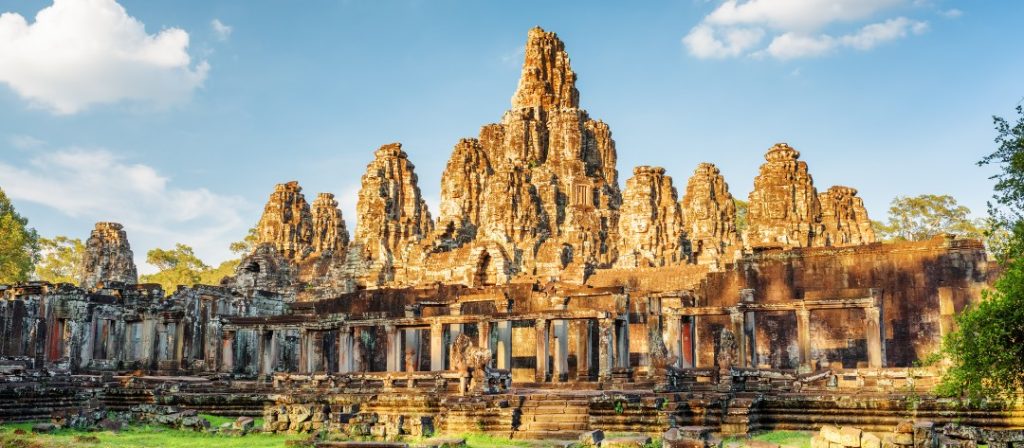
Travel safety in Cambodia has improved significantly over the years. Whether you’re exploring the ancient corridors of Angkor Wat or enjoying a coconut by the Mekong River, the Kingdom of Wonder provides a rich and rewarding experience with minimal risk if you travel smartly.
Stay informed, respect the local culture, and plan ahead with Asia Pioneer Travel. By taking a few precautions, you’ll discover that Cambodia is not only safe but also unforgettable.