

When you travel through Cambodia, the landscapes may draw you in first. But it’s the Cambodia people who leave the deepest impression. From friendly smiles in rural villages to bustling city markets, Cambodia’s culture is shaped by resilience, tradition, and a strong sense of community.
With a population of around 15.5 – 16 million, Cambodia is one of Southeast Asia’s more culturally cohesive countries. Yet beneath the surface lies a rich mix of ethnic groups, beliefs, and traditions that travelers can experience firsthand.
What Do You Know About the Cambodia People?
Population and Ethnic Diversity
Roughly 90–96% of Cambodia’s population is ethnic Khmer, making the country more homogeneous than many of its neighbors. The Khmer people mainly live in the lowland plains along the Mekong River and central Cambodia. This is where most travelers will spend their time, especially in rural areas, where farming and fishing still define daily life.
Despite the trauma of the Khmer Rouge era, Cambodians today are widely known for being warm, courteous, and welcoming.
While Khmer culture dominates, several minority communities add depth to Cambodia’s social fabric:
- Vietnamese – Historically the largest minority, many Vietnamese families live near the southeast border, in Phnom Penh, or in floating villages around Tonlé Sap.
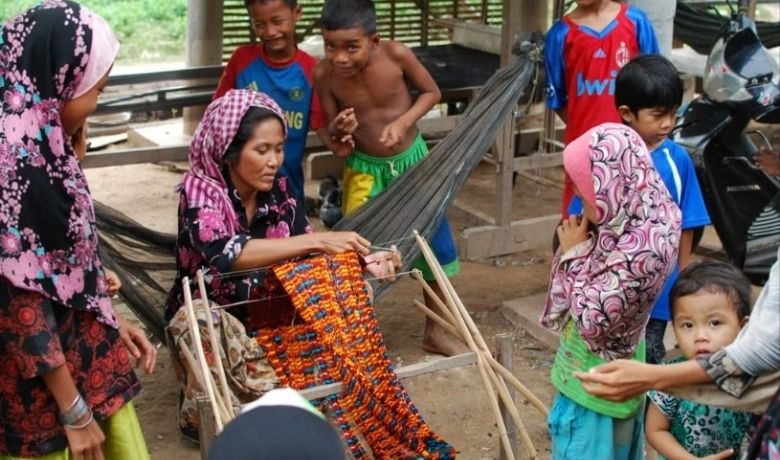
- Cham – Descendants of the ancient Champa Kingdom, the Cham are Cambodia’s largest indigenous minority. Most live in Kampong Cham Province and practice Sunni Islam.
- Chinese-Cambodians – Though undercounted in official statistics, many Cambodians have Chinese ancestry. This community is especially visible in cities like Phnom Penh, where they dominate trade and commerce.
- Khmer Loeu (Highland Khmer) – A collective term for 17–21 indigenous tribes living in remote northeastern provinces such as Ratanakiri and Mondulkiri. These groups maintain distinct languages, clothing, and animist traditions.
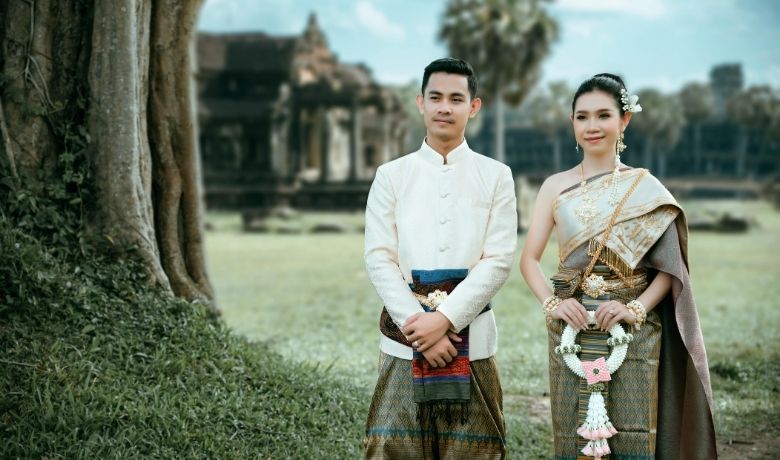
Culture and Traditions of the Cambodia People
Language in Cambodia
Khmer is the official language of Cambodia people and is spoken by over 95% of the population. For travelers, this is good news. Khmer is non-tonal, unlike Thai or Vietnamese, which makes pronunciation far less intimidating from day one.
As you move around the country, you will also hear Vietnamese in border regions, Chinese dialects in cities and busy markets, Cham in Muslim villages, and indigenous Mon-Khmer languages in the remote highlands. Each area has its own linguistic flavor, shaped by history and community.
English is increasingly common in major tourist hubs, especially in hotels, restaurants, and tour offices. Still, learning a few simple Khmer phrases goes a long way, particularly in rural areas, where a small effort often earns a big smile.
Religion and Daily Life
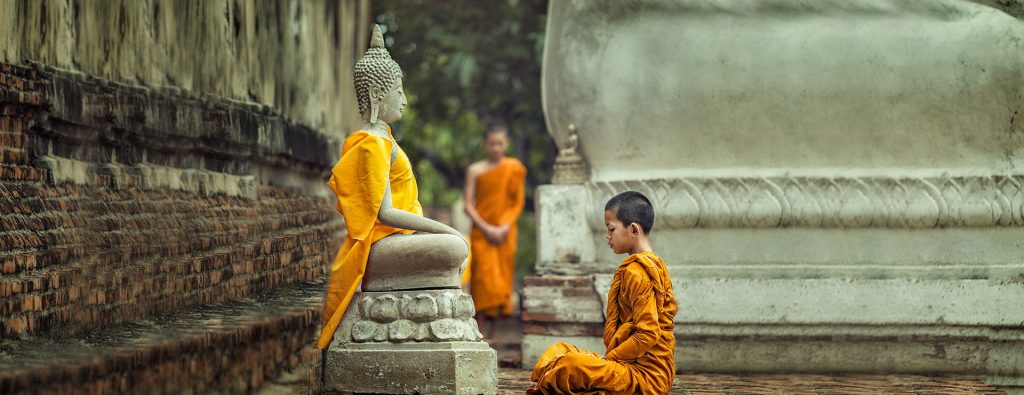
About 97% of Cambodians practice Theravada Buddhism, and its influence is everywhere, from village temples to daily social behavior. Monks remain deeply respected, and merit-making (donations, offerings, good deeds) plays a central role in spiritual life.
Religion also reflects Cambodia’s diversity:
- Cham communities are predominantly Sunni Muslim
- Khmer Loeu groups often follow animist belief systems rooted in nature and ancestral spirits
Festivals That Define the Year
Cambodia’s festivals are tied to agriculture, religion, and family.
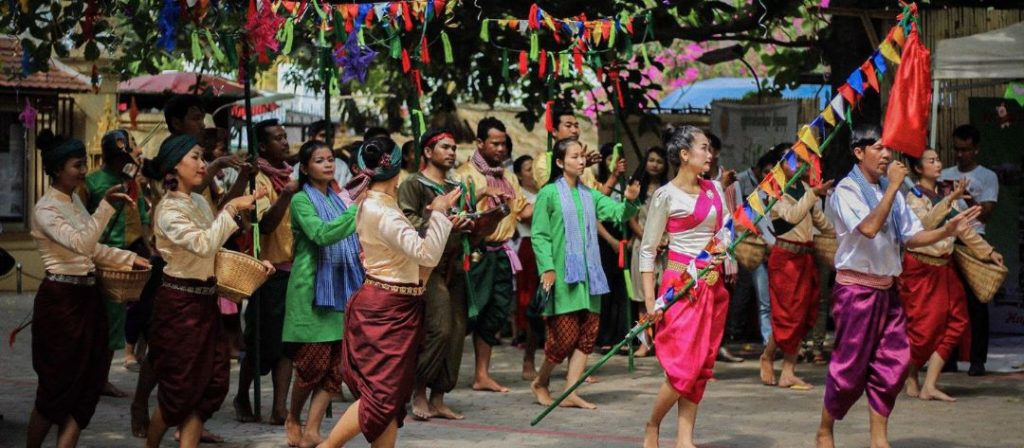
Khmer New Year (Chol Chnam), held in mid-April, is the biggest celebration of all. It lasts three days and marks the end of harvest season:
- Day 1: Homes are cleaned, and offerings are made at temples.
- Day 2: Gifts are given to elders and donations to the poor.
- Day 3: Sand stupas are built, Buddha statues are washed, and elders are blessed.
Other major events include Pchum Ben (Ancestor Day) and the lively Water Festival, which celebrates the reversal of the Tonlé Sap River’s flow.
Other major celebrations include Pchum Ben (Ancestor Day) and the Water Festival, which marks the reversal of the Tonlé Sap River.
Family, Villages, and Social Life
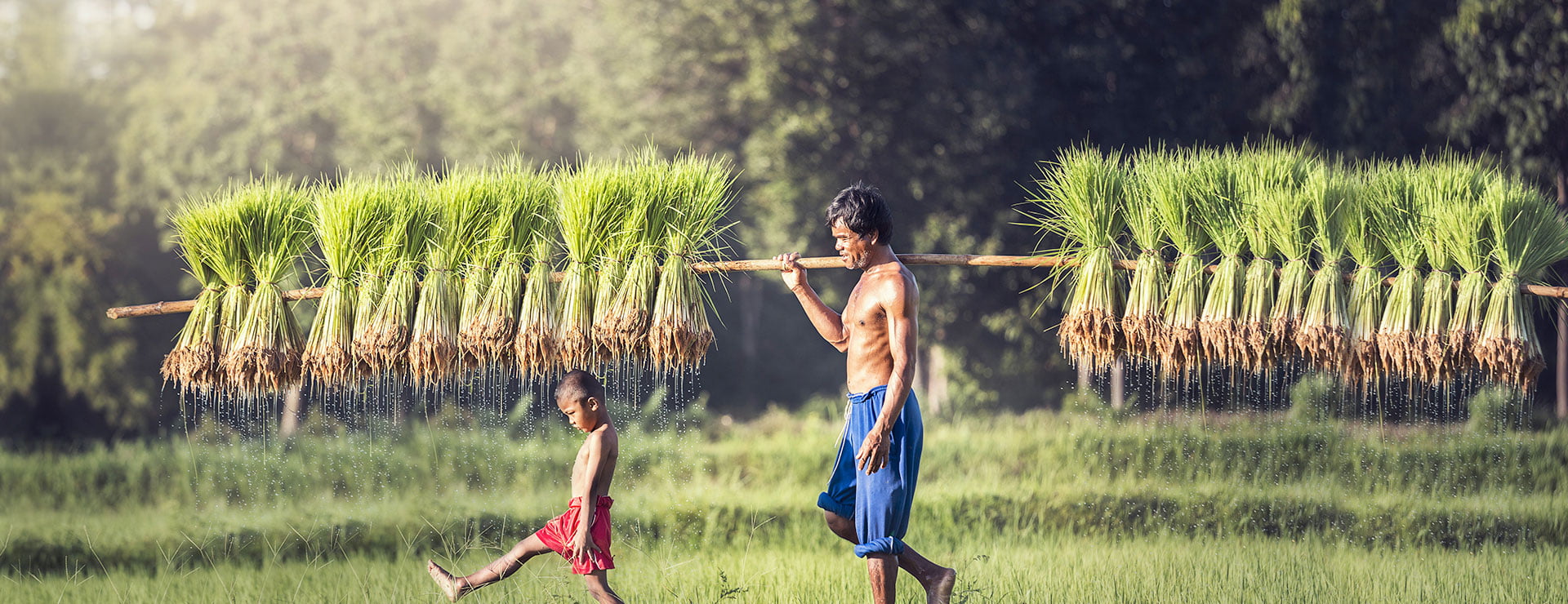
About 60% of Cambodians live in rural areas. Village life revolves around farming, fishing, and extended families. Respect for elders is central, and households often function as shared economic units.
Traditional Cambodian weddings are elaborate and symbolic. They can last several days and include rituals for honoring parents, cleansing the past, and blessing the couple with red strings tied around their wrists.
Chinese Influence on Cambodian Society
Chinese-Cambodians play a major role in Cambodia’s economy, especially in retail, transport, hospitality, and manufacturing. Intermarriage between Chinese and Khmer families is common, creating a blended Sino-Khmer culture.
Chinese New Year is widely celebrated, even beyond the Chinese community, and many homes keep small shrines for Chinese deities alongside Buddhist symbols.
Personality and Cultural Traits
Smiling Culture and Everyday Friendliness
At first glance, what stands out most is the smile. Cambodia people, especially the Khmer majority (around 90% of the population), are known for gentle smiles and calm manners. The smile is not a performance. It is a social signal, meant to put others at ease and keep interactions smooth.
As you spend more time talking with locals, you will also notice their openness. People may ask where you are from, whether you are married, or if you have children. These questions are normal and friendly, not intrusive. Even direct comments about appearance are common and usually come without any negative intent.
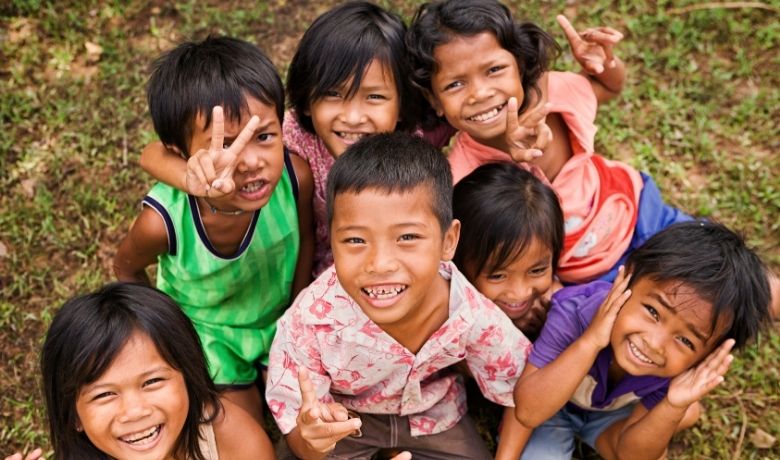
From Friendly Encounters to Real Hospitality
That friendliness often turns into something deeper: hospitality. If your motorbike breaks down or you look lost, help tends to appear quickly. Sometimes, several people will stop at once, each offering advice or assistance.
What makes this remarkable is that generosity exists even where money does not. Families with limited income may still share food or invite visitors to join a family gathering or festival. Mutual support is a strong social value, especially outside major cities.
To truly understand Cambodian kindness, it helps to understand Cambodian history. The country’s modern identity is shaped by survival. During the Khmer Rouge period from 1975 to 1979, an estimated 1.7 million people died.
Despite this trauma, Cambodia rebuilt. That past created a culture of patience, resilience, and appreciation for peace. Today, optimism and emotional strength are woven into everyday life, not as slogans, but as quiet habits.
Daily Life in Cambodia: Rural Communities, Urban Growing Cities
This resilience is easiest to see in rural areas, where daily life remains closely tied to nature. As of 2019, about 61% of Cambodians lived in the countryside.
- Main livelihoods: rice farming, fishing, and small-scale agriculture
- Energy use: nearly 79% of rural households relied on firewood for cooking
- Water access: only 58% had clean drinking water at home
- Housing: around 88.6% had permanent roofs and walls
Life here follows the seasons. Farmers are busiest between November and March. Days start early, move slowly, and often end with shared meals and conversation.
A Shift Toward Urban Cambodia
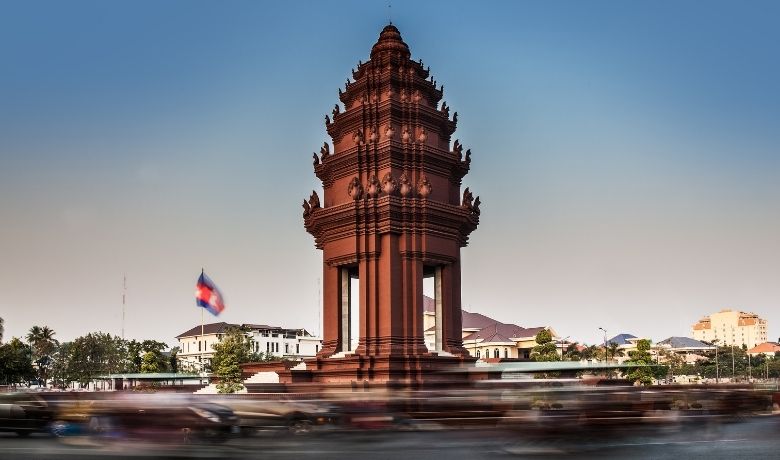
While rural life remains dominant, cities are changing the country fast. Urbanization has accelerated, with the urban population growing from 19.5% in 2008 to 39.4% in 2019.
Major centers include Phnom Penh, Siem Reap, Sihanoukville, and Battambang. Phnom Penh is the most crowded, with 3,361 people per km², and offers the widest range of jobs and services.
Urban areas attract young workers with opportunities in tourism, manufacturing, and services. Foreign companies often employ more women than men. Chinese business influence is also visible, from signage to schools and media.
The Younger Generation and Modern Life
This urban pull is strongest among young Cambodians. Technology plays a major role in this shift.
- Mobile phones: owned by 92% of households (2019)
- Internet access: 45.4% at home, 28.2% through public access
- Youth literacy (ages 15–19): about 96%
Khmer remains the official language, but English and Mandarin are increasingly important for education and employment. Many young people move to cities for work, while some return home when factory jobs disappear.
How Travelers Can Connect With Cambodia People
Connecting with locals in Cambodia goes far beyond polite greetings. It is about attitude, awareness, and the willingness to slow down. When travelers approach daily life with respect and curiosity, meaningful connections often follow naturally.
Respectful Behavior and Cultural Sensitivity
The first step is understanding how social interaction works. Cambodia is shaped by a strong “smiling culture.” People are generally calm, courteous, and welcoming. Travelers who remain relaxed, soft-spoken, and open to humor are often received most warmly.
It is also helpful to understand common communication styles. Curiosity is normal. Locals may ask about your job, age, or family life as a way to build rapport. This is not invasive by local standards, but friendly. Blunt honesty is also common. Comments about height, weight, or age are rarely meant as criticism. They are simply observations.
Underlying these interactions is a deep sense of humility and respect. Elders are treated with care, and family bonds are highly valued. In traditional ceremonies, such as weddings, rituals explicitly honor parents and ancestors. Travelers who show patience and respect, especially toward older people, often earn genuine trust.
Religion and Everyday Awareness
Religion shapes daily behavior in subtle but important ways. Around 97% of Cambodians practice Theravada Buddhism, and pagodas remain central to community life. Many people work hard not only to support their families, but also to make offerings and gain spiritual merit.
Travelers should also be mindful of religious diversity. In Cham communities, which follow Sunni Islam, customs differ. Women may wear hijabs, and pork is avoided. These traditions were suppressed during the Khmer Rouge era but are now freely practiced again. Respecting dress codes and food customs is essential when visiting these areas.

Ethical Tourism and Supporting Communities
Building real connections also means understanding Cambodia’s resilience. Between 1975 and 1979, an estimated 1.7 million people died under the Khmer Rouge regime. Many families were separated, and religion was banned. Acknowledging this history, even quietly, shows cultural awareness and respect.
Supporting local livelihoods is another meaningful way to connect. Buddhist ideas of “right livelihood” influence how many Cambodians view work. Buying from local markets, eating at family-run restaurants, or hiring local guides directly supports households and communities.
In northeastern provinces such as Ratanakiri and Mondulkiri, indigenous Khmer Loeu groups like the Phnong and Tampuan face land and cultural pressures. Ethical travel here means choosing community-based experiences and avoiding visits that exploit or disrupt daily life.

Best Places to Meet Locals
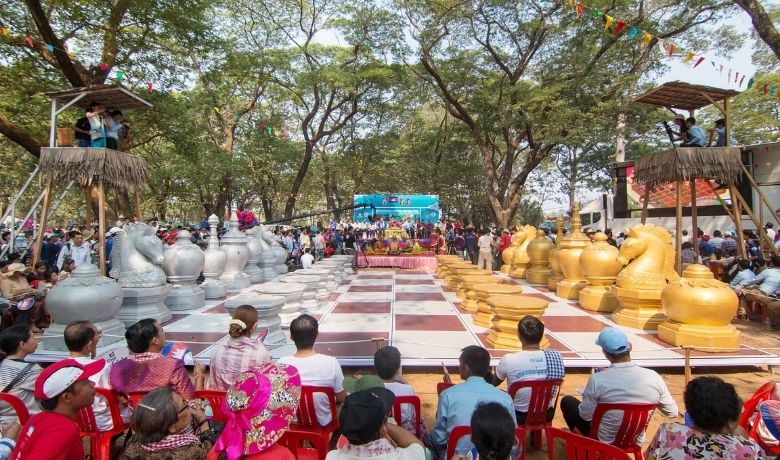
Certain places naturally encourage interaction. Festivals are among the best opportunities. Khmer New Year in April is the biggest celebration of the year, when people gather at temples, offer food to monks, and play traditional games. Pchum Ben, or Ancestor Day, is another important time to witness family and spiritual life.
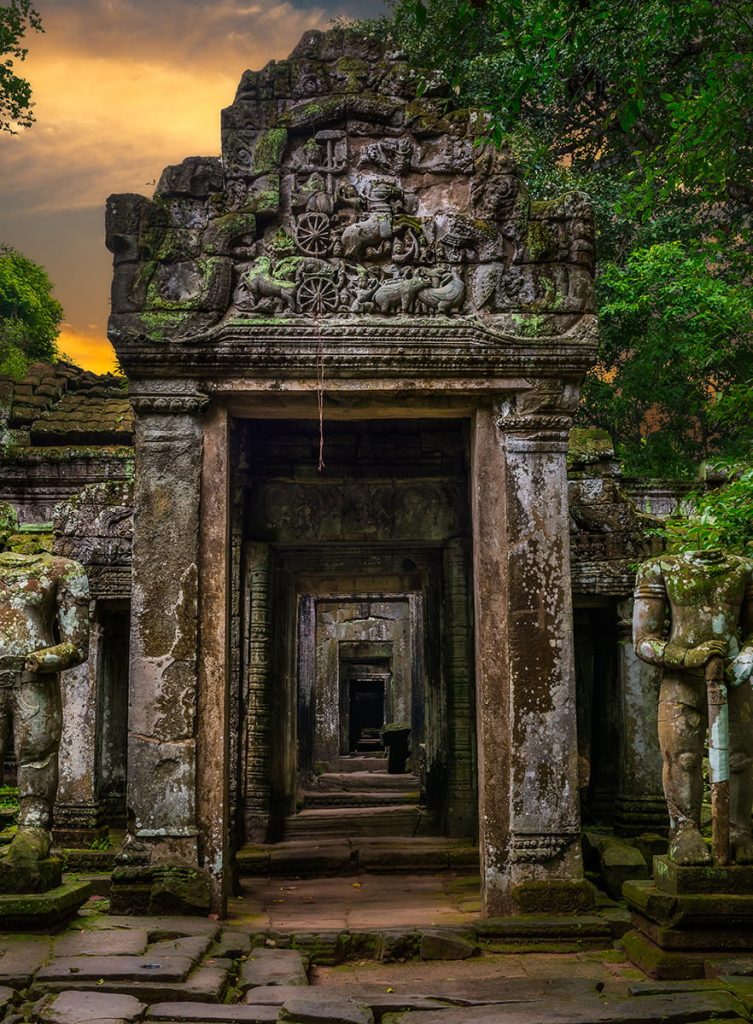
Pagodas are also social centers. For centuries, monks were the main educators in rural Cambodia. Today, temples remain places where travelers can observe rituals and everyday routines respectfully.
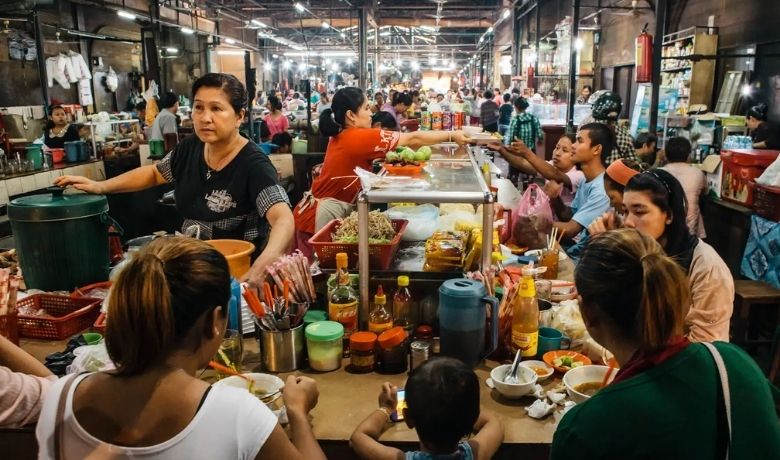
Markets offer another window into local life. In cities like Phnom Penh, daily commerce brings together Khmer, Chinese-Cambodian, Vietnamese, and Cham communities. These markets reflect Cambodia’s diversity through food, language, and trade.
For deeper connections, rural villages are key. As of 2019, about 61% of Cambodians lived in rural areas, where life revolves around rice farming and fishing. Along the Mekong and near Tonlé Sap, travelers may also encounter Cham villages and Vietnamese floating communities, each with distinct traditions.

For travelers willing to slow down, listen, and meet Cambodia on its own terms, connections come naturally. A shared laugh at a market, a simple conversation at a pagoda, or an invitation into a family home can reveal more than any guidebook. Cambodia’s greatest richness is human, and those who travel with patience and humility often leave with something lasting: understanding, perspective, and a deep respect for the Cambodia people.
Ready to experience Cambodia beyond the guidebooks? Craft your trip with Asia Pioneer Travel and connect deeply with its people, culture, and everyday life.