Planning Cambodia and Vietnam in 2 weeks can feel overwhelming when you want depth, comfort, and real experiences without rushing. This guide simplifies the journey by presenting three carefully designed itineraries, each with a different travel style. From luxury highlights to authentic local adventures and cultural immersion, these routes help you experience both countries smoothly, balance must-see icons with everyday life, and make the most of two unforgettable weeks in Southeast Asia.
Why Choose Cambodia and Vietnam in 2 Weeks
Combining Cambodia and Vietnam into a single two-week journey is a smart travel choice, allowing you to experience Southeast Asia’s cultural depth, historical complexity, and natural diversity in one seamless route.
Shared History, Contrasting Cultures
Vietnam and Cambodia share a 1,158 km land border and deep roots in wet-rice civilization, yet their cultural identities feel strikingly different. Both were part of French Indochina, leaving colonial architecture visible in cities like Hanoi, Ho Chi Minh City, and Phnom Penh.
However, modern history diverged sharply, from the Vietnam War to the Khmer Rouge era, shaping distinct national narratives. Vietnam reflects strong East Asian and Confucian influences with fast-paced urban life and balanced cuisine, while Cambodia is deeply shaped by Indian culture and Theravada Buddhism, creating a calmer, more spiritual atmosphere.

Temples, Cities, Nature, and Local Life in One Journey
A two-week route allows you to experience Southeast Asia’s full spectrum without repetition. You move from historic capitals to sacred landscapes, from the limestone karsts of Ha Long Bay and the river scenery of Ninh Binh to the floating communities of the Mekong Delta and Tonlé Sap.
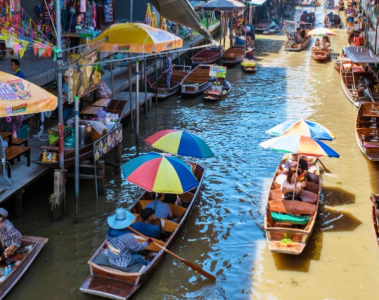
The journey culminates at Angkor Wat, the world’s largest religious monument, covering more than 400 square kilometers. Along the way, daily life unfolds through floating markets, traditional villages, and centuries-old crafts, offering depth beyond headline sights.

Smart Benefits of a Well-Planned Cross-Border Trip
Logistically, combining Cambodia and Vietnam is efficient and cost-effective. Flights from Ho Chi Minh City to Siem Reap take around 1.5 hours, while buses and Mekong river routes offer scenic alternatives.
Both countries share a dry season from November to April, making it easy to plan a weather-friendly itinerary. Visa processes are straightforward with e-visas or visa on arrival, even at land and river crossings.
Most importantly, switching between Vietnam’s energy and Cambodia’s slower rhythm prevents travel fatigue, keeping the experience fresh from start to finish.
Top 3 Day-by-Day Cambodia and Vietnam in 2 Weeks Itinerary
With two full weeks at your disposal, the key to a great Cambodia–Vietnam journey is choosing the right route and travel rhythm. The following three itineraries are carefully designed to match different travel styles, balancing must-see highlights, meaningful local experiences, and realistic pacing.
Itinerary 1: A Luxury Vietnam & Cambodia Journey
If you want a trip that feels big, but never hectic, this Cambodia and Vietnam in 2 weeks route is a great fit. You start with Cambodia’s headline temples and floating lake life, then slide into Vietnam for a greatest hits mix of Hanoi’s energy, a luxury Ha Long Bay cruise, imperial Hue, beachy Hoi An, and the food-driven buzz of Saigon.
It’s paced like a smart family vacation, with VIP airport help, private transfers, and enough downtime to actually enjoy the hotels, not just sleep in them.
Day 1 – 2: Siem Reap & Angkor Temples
- VIP arrival support in Siem Reap with fast-track visa assistance, followed by a smooth transfer to a luxury green resort surrounded by rice fields.
- Introduction to Angkor history at Angkor National Museum to build context before temple visits.
- Full-day Angkor exploration including Ta Prohm, Angkor Thom, Bayon, and Angkor Wat with expert storytelling.
- Classic car ride, royal Khmer lunch, and relaxed evenings at the resort to recover from temple walks.
Day 3 – 4: Tonle Sap Life & Hanoi Arrival
- Jeep journey to Kompong Khleang floating village on Tonle Sap Lake for an authentic look at lake life.
- Private boat exploration through canals, stilt houses, pagoda visits, and open lake scenery.
- Afternoon flight to Hanoi with VIP arrival assistance and private transfer to a central hotel.
- Half-day Hanoi city highlights, cyclo ride through the Old Quarter, and home-hosted dinner with a local family.
Day 5 – 6: Ha Long Bay Cruise & Flight to Hue
- Scenic drive through the Red River Delta before boarding a luxury overnight cruise in Ha Long Bay.
- Kayaking, pearl farm visit, Ti Top Island hike, and sunset activities onboard the cruise.
- Sunrise Tai Chi session followed by cave exploration and brunch while cruising back to port.
- Seaplane flight back to Hanoi and short onward flight to Hue for a relaxed evening arrival.
Day 7 – 8: Imperial Hue & Journey to Hoi An
- Full-day Hue heritage tour including the Imperial Citadel, royal tombs, pagodas, and Truc Chi art workshop.
- Royal cuisine lunch paired with historical storytelling about the Nguyen Dynasty.
- Scenic drive over Hai Van Pass with stops at Marble Mountains and the Cham Sculpture Museum.
- Arrival in Hoi An and leisure time at a beachfront luxury resort.

Day 9 – 10: Hoi An Culture & Leisure
- Morning at leisure with options for yoga, spa treatments, or beach relaxation.
- Afternoon walking tour of Hoi An Ancient Town and the Precious Heritage Museum.
- Lantern-making workshop followed by a guided street food discovery experience.
- Full free day for tailoring, cooking classes, café hopping, or relaxing by the sea.
Day 11 – 12: Ho Chi Minh City & Cu Chi Tunnels
- Flight to Ho Chi Minh City and check-in at a centrally located luxury hotel.
- City highlights include Notre Dame Cathedral, Central Post Office, Reunification Palace, and skyline viewpoints.
- Early-morning speedboat journey to Cu Chi Tunnels to avoid crowds and heat.
- Guided tunnel exploration with optional underground sections and lunch served onboard.
Day 13 – 14: Mekong Delta & Return to Saigon
- Ben Tre exploration by xe lôi, private sampan, cycling routes, and village cottage industries.
- Coconut candy making, fruit tasting, and peaceful cruising through shaded canals.
- Overnight stay in Can Tho with an early visit to Cai Rang Floating Market.
- Return to Ho Chi Minh City for a relaxed final evening and departure preparation.


Itinerary 2: Local Life and Living Culture in Vietnam & Cambodia
Instead of spending most nights in major tourist hubs, this itinerary slows down in rural valleys, river communities, and working villages, where daily life becomes the main attraction.
Cycling between rice fields, sharing meals in family homes, and moving along waterways are as important as visiting temples and cities. Over two weeks in Vietnam and Cambodia, the journey connects landscapes through movement and interaction. It is ideal for travelers who value learning, participation, and meaningful cultural exchange more than comfort-driven sightseeing.
Day 1 – 2: Hanoi Arrival and Street Food Exploration
- Arrive in Hanoi and settle into the Old Quarter, with time to rest before an evening street food walking tour.
- Sample classic northern dishes such as bun cha, banh cuon, banh mi, and Hanoi-style egg coffee.
- Explore Hanoi by vintage Vespa, passing Train Street, the Opera House, West Lake, and historic government landmarks.
- Visit a Red River island village and a kumquat farm to understand rural life near the capital.
Day 3 – 4: Mai Chau Villages and Ninh Binh Countryside
- Transfer from Hanoi to Mai Chau and cycle through rice valleys and White Thai stilt-house villages.
- Share home-cooked meals with local families and enjoy unhurried village conversations.
- Experience bamboo rafting in Mai Hich before continuing south to Ninh Binh.
- Discover Hoa Lu Ancient Capital, followed by a sampan boat ride through Tam Coc and village cycling.
Day 5 – 6: Lan Ha Bay Cruise from Ha Long Bay
- Travel north to Ha Long Bay and board a luxury overnight cruise toward quieter Lan Ha Bay.
- Kayak sea caves, swim at Ba Trai Dao Beach, and relax on deck between limestone karsts.
- Join a cooking class or sunset cocktail session onboard before a peaceful night at anchor.
- Start the next day with Tai Chi, explore Dark and Light Cave, then return to shore.

Day 7 – 9: Ho Chi Minh City and the Mekong Delta
- Fly south to Ho Chi Minh City and get a first look at Vietnam’s most energetic metropolis.
- Take a full-day excursion into the Mekong Delta, cruising coconut-lined canals in Ben Tre.
- Visit brick kilns, coconut candy workshops, and riverside villages by bike or xe lôi cart.
- Explore Ho Chi Minh City highlights, including Notre Dame Cathedral, Reunification Palace, and War Remnants Museum.
Day 10 – 11: Siem Reap and the Temples of Angkor
- Fly to Siem Reap and visit Artisans d’Angkor to learn about traditional Khmer craftsmanship.
- Explore Angkor Thom, Bayon, Preah Khan, Ta Prohm, and the iconic Angkor Wat complex.
- Learn how the Khmer Empire shaped Southeast Asia through architecture, religion, and art.
- Enjoy evenings at leisure to recover from temple walks and tropical heat.
Day 12 – 14: Tonlé Sap, Phnom Penh, and Departure
- Cruise through floating villages on Tonlé Sap Lake and learn how water shapes daily life.
- Fly to Phnom Penh and discover the capital’s layered history along the Mekong River.
- Visit the Royal Palace, Silver Pagoda, Tuol Sleng Museum, and Russian Market.
- Depart Phnom Penh with a deeper understanding of both Vietnam and Cambodia.

Itinerary 3: From the Bay to Angkor – A Cultural Flow
This journey follows a natural cultural arc, moving from Vietnam’s limestone bays and imperial cities to the spiritual heart of Angkor. Instead of chasing speed, the route builds depth day by day, letting landscapes, history, and local life unfold in sequence.
Designed for travelers who want a smooth transition from Vietnam to Cambodia, this two-week itinerary in Vietnam and Cambodia suits culturally curious couples, families with older kids, and travelers who value storytelling, heritage, and immersive pacing over adventure-heavy travel.
Day 1 – 2: Hanoi Arrival and City Life
- Private airport transfer and relaxed first afternoon in the Old Quarter to recover from travel fatigue.
- Full-day Hanoi exploration covering political history, Confucian heritage, and colonial contrasts.
- Guided street food discovery with signature dishes like chả cá, bún chả, and egg coffee.
- Cyclo ride and Old Quarter walk to experience daily life beyond major landmarks.
Day 3 – 4: Ha Long Bay Cruise and Flight to Hue
- Scenic drive through the Red River Delta to Ha Long Bay and an overnight junk cruise.
- Kayaking, cave visits, and downtime on deck among limestone karsts.
- Sunrise Tai Chi, brunch onboard, then return to Hanoi for a short flight south.
- Evening arrival in Hue with time to rest and settle by the Perfume River.
Day 5 – 6: Imperial Hue and Hai Van Pass to Hoi An
- Guided exploration of the Imperial Citadel, royal tombs, and Thien Mu Pagoda.
- Buddhist lunch at a local nunnery and hands-on Trúc Chỉ paper workshop.
- Coastal drive over Hai Van Pass with mountain and sea viewpoints.
- Walking tour of Hoi An Ancient Town with lantern making and street food tasting.

Day 7 – 8: Hoi An Countryside and Leisure
- Cycling through fishing villages, rice fields, and coconut forests.
- Basket boat ride and farming activities in Tra Que village
- Free day for beaches, tailoring, cooking classes, or relaxed town wandering
Day 9 – 10: Ho Chi Minh City and Cu Chi Tunnels
- Flight south and introduction to Vietnam’s modern commercial capital.
- Cu Chi Tunnels visit with historical context and an optional tunnel crawl.
- City highlights include the Reunification Palace, museums, and colonial architecture.
Day 11 – 12: Mekong Delta and Arrival in Siem Reap
- Boat and village exploration in Ben Tre with coconut workshops and sampan rides.
- Afternoon flight to Siem Reap and transition from Vietnam to Cambodia.
- Full-day Angkor temple exploration, including Ta Prohm and Angkor Thom.
Day 13 – 14: Angkor Wat Depth and Departure
- Sunrise visit and in-depth exploration of Angkor Wat and Banteay Srei.
- Jungle walk to Kbal Spean and cultural stops like the Land Mine Museum.
- Farewell evening with Phare Circus before departure from Siem Reap.


FAQs about Cambodia and Vietnam in 2 Weeks
1. Is 2 weeks enough for Cambodia and Vietnam?
Yes, 2 weeks is enough for a highlights-focused trip covering both Vietnam and Cambodia. Most travelers visit 2–3 destinations per country, such as Hanoi or Hoi An in Vietnam and Siem Reap or Phnom Penh in Cambodia. The key is limiting travel time and avoiding overpacking the itinerary.
2. What is the best itinerary for Cambodia and Vietnam in 2 weeks?
A common route is Vietnam first, Cambodia last: Hanoi → Ha Long Bay → Hoi An → Ho Chi Minh City → Siem Reap → Phnom Penh. This flow works well with flights and border crossings. The best itineraries balance cities, culture, and downtime instead of chasing every destination.
3. Should I visit Vietnam or Cambodia first?
Most travelers start in Vietnam and end in Cambodia. Vietnam has more flight connections and a gentler travel learning curve. Ending in Cambodia, especially Siem Reap, feels slower and more reflective, which suits the end of a long trip. However, both directions work with proper planning.
4. How many days should I spend in each country?
A practical split is 8–9 days in Vietnam and 5–6 days in Cambodia. Vietnam is larger and more diverse, while Cambodia’s key highlights are more concentrated. This balance allows time for major sights without rushing.
5. How do you travel between Vietnam and Cambodia?
The most efficient option is a short flight between Ho Chi Minh City and Siem Reap or Phnom Penh. Overland travel by bus or river boat is possible but slower. Flights save time and energy, which matters on a 2-week itinerary.
6. How much does a 2-week Cambodia and Vietnam trip cost?
Mid-range travelers typically spend USD 2,500–3,500 per person, excluding international flights. This covers hotels, internal flights, guides, and activities. Budget travel can be cheaper, while private or luxury itineraries can cost significantly more.
7. Do I need visas for both Vietnam and Cambodia?
Yes. Most travelers need separate visas for each country. Vietnam offers e-visas for many nationalities, while Cambodia provides visas on arrival or e-visas. Always check entry rules before departure, as policies change.
8. Are Cambodia and Vietnam safe for tourists?
Yes, both countries are considered safe and welcoming. Violent crime against tourists is rare. The biggest concerns are traffic, petty theft in cities, and travel fatigue. Using reputable transport and guides reduces most risks.
Choosing the right way to explore Cambodia and Vietnam in 2 weeks can turn a busy itinerary into a smooth, meaningful journey. Each of these routes is designed to strike a balance between highlights, local experiences, and a realistic travel pace. If you want a trip tailored to your interests, travel style, and comfort level, Asia Pioneer Travel can help design a seamless journey that truly fits you. Reach out today and start planning a two-week adventure made just for you.