

Wondering when is the best time to travel to China? Not sure which season gives you the best mix of comfortable weather and memorable scenery? China’s huge size means weather can vary dramatically from Beijing to Yunnan, Tibet, and the southern coast. This guide breaks down China weather by month, regional climate, the best time for major destinations, and key holidays to avoid, so you can choose the right time and plan a smoother trip.
When Is the Best Time to Travel to China for a Seamless Experience?
The best time to visit China for a comfortable and seamless trip is spring (March – May) or autumn (September – November). These seasons generally offer mild temperatures, lower humidity, and better conditions for sightseeing and long-distance travel.
- Autumn (September – November):
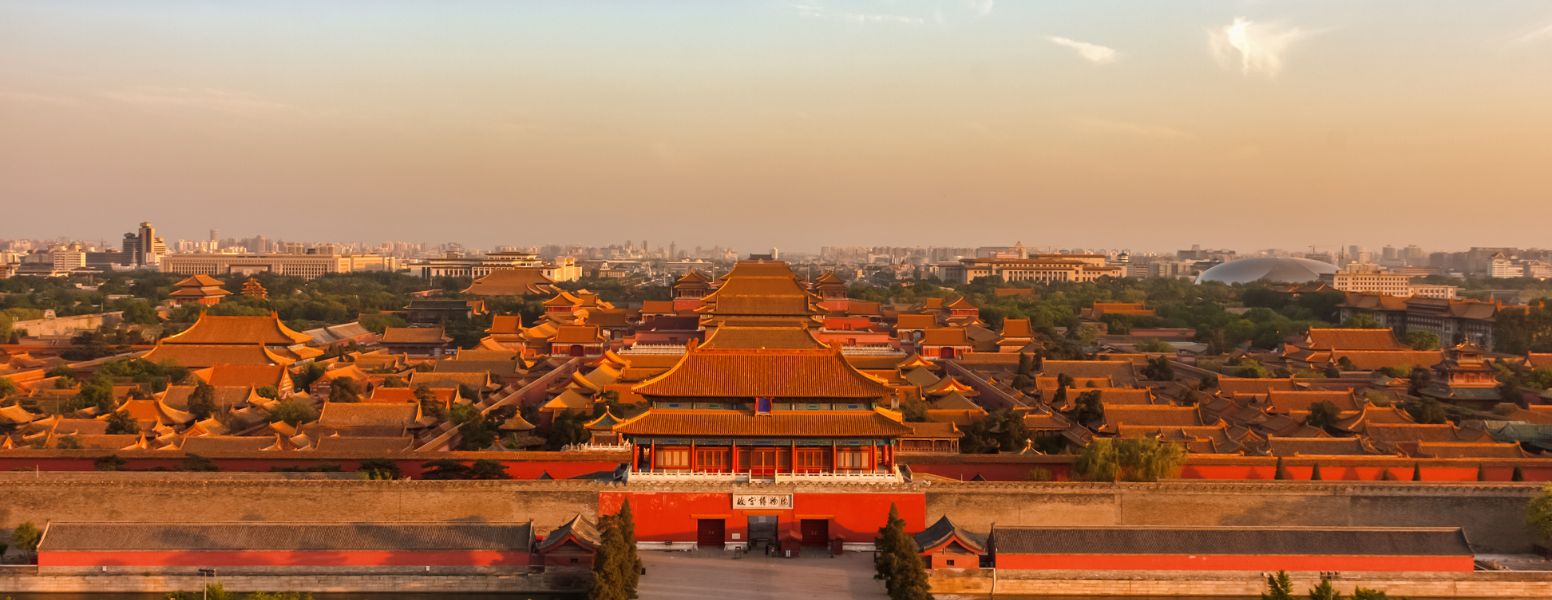
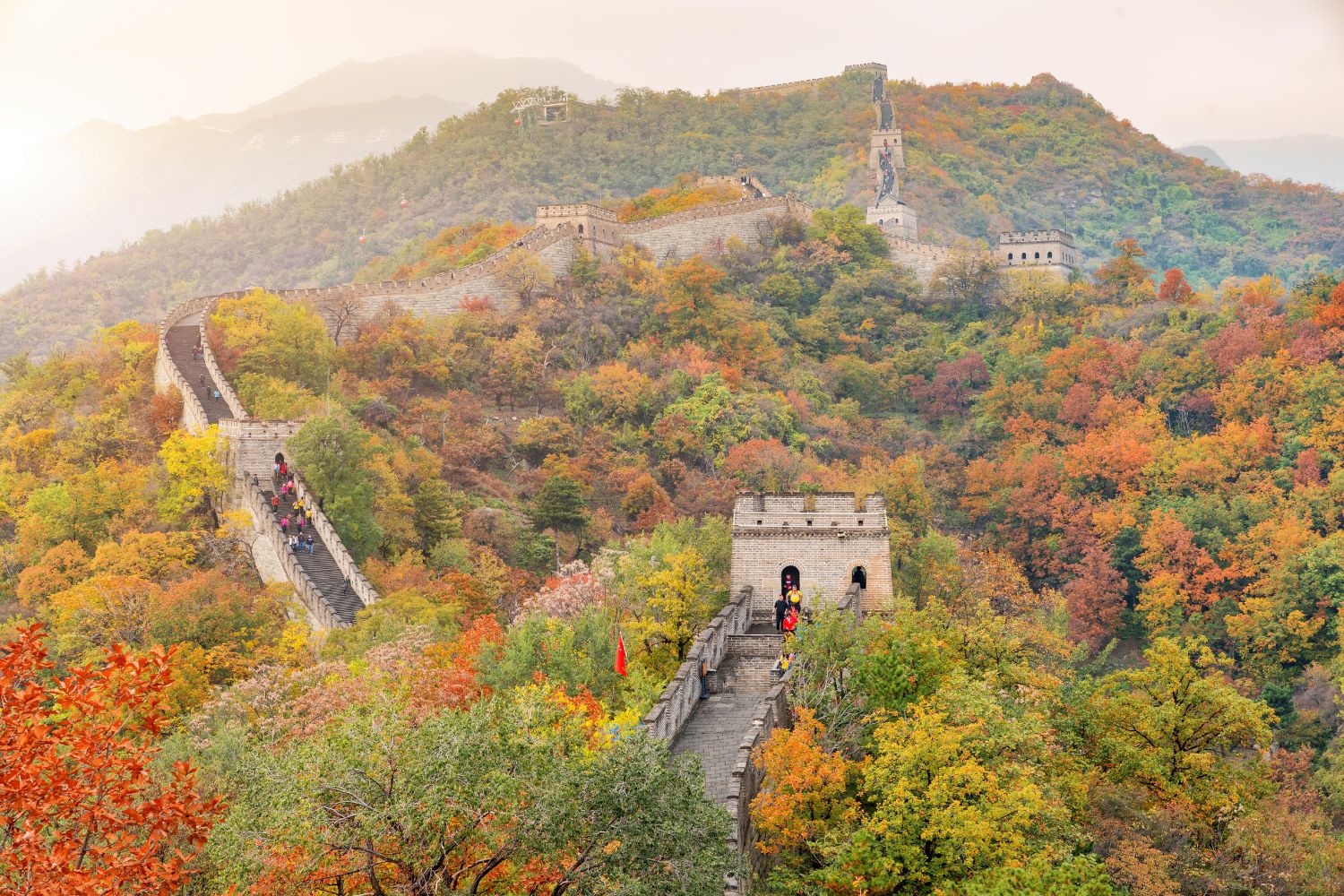
Daytime temperatures across most regions are comfortable, typically around 15 – 25°C, though northern cities such as Beijing cool down significantly by late October and November (often dropping to 0 – 10°C). September and October offer ideal, crisp weather for visiting the Great Wall, the Forbidden City, and other outdoor attractions.
In scenic spots such as Jiuzhaigou, autumn foliage creates spectacular views. The primary travel consideration is the heavy surge of domestic visitors during China’s National Day Golden Week (October 1 – 7).
- Spring (March – May):
Temperatures generally range from 15 – 25°C, although northern and higher-altitude areas can still be cool. Flowers, fresh greenery, and mild weather make this season appealing for sightseeing in Shanghai, Hangzhou, and Suzhou, as well as scenic areas such as Guilin and Yangshuo. April and May can also be busy around public holidays, so advance planning is useful.
China Climate and Weather Overview Across Key Regions
China’s climate varies widely across the country, so understanding China climate and weather by region helps you choose the right season and plan a more comfortable trip. The main differences are between northern China, the humid eastern and southern regions, and the mountainous southwest.
Northern China: Beijing, Xi’an, and Harbin
Northern China has a dry continental monsoon climate. Winters are long and cold, with Beijing temperatures often below 0°C and Harbin reaching -20°C to -30°C. Summers are warm to hot, with occasional heavy showers.
Autumn, especially September – October, brings clear skies and dry air, making it ideal for visiting the Great Wall and Forbidden City. High-speed trains also make travel between major cities convenient.
Eastern and Southern China: Shanghai, Hangzhou, Guangzhou, and Guilin
These regions have a humid subtropical climate, with hot, humid summers and relatively mild winters. The Meiyu rainy season typically runs from mid-June to early July, while coastal areas face typhoon risks from July to September. During rainy spells, indoor attractions such as the Shanghai Museum and art exhibitions offer practical alternatives.
Southwestern and Highland China: Yunnan, Sichuan, and Tibet
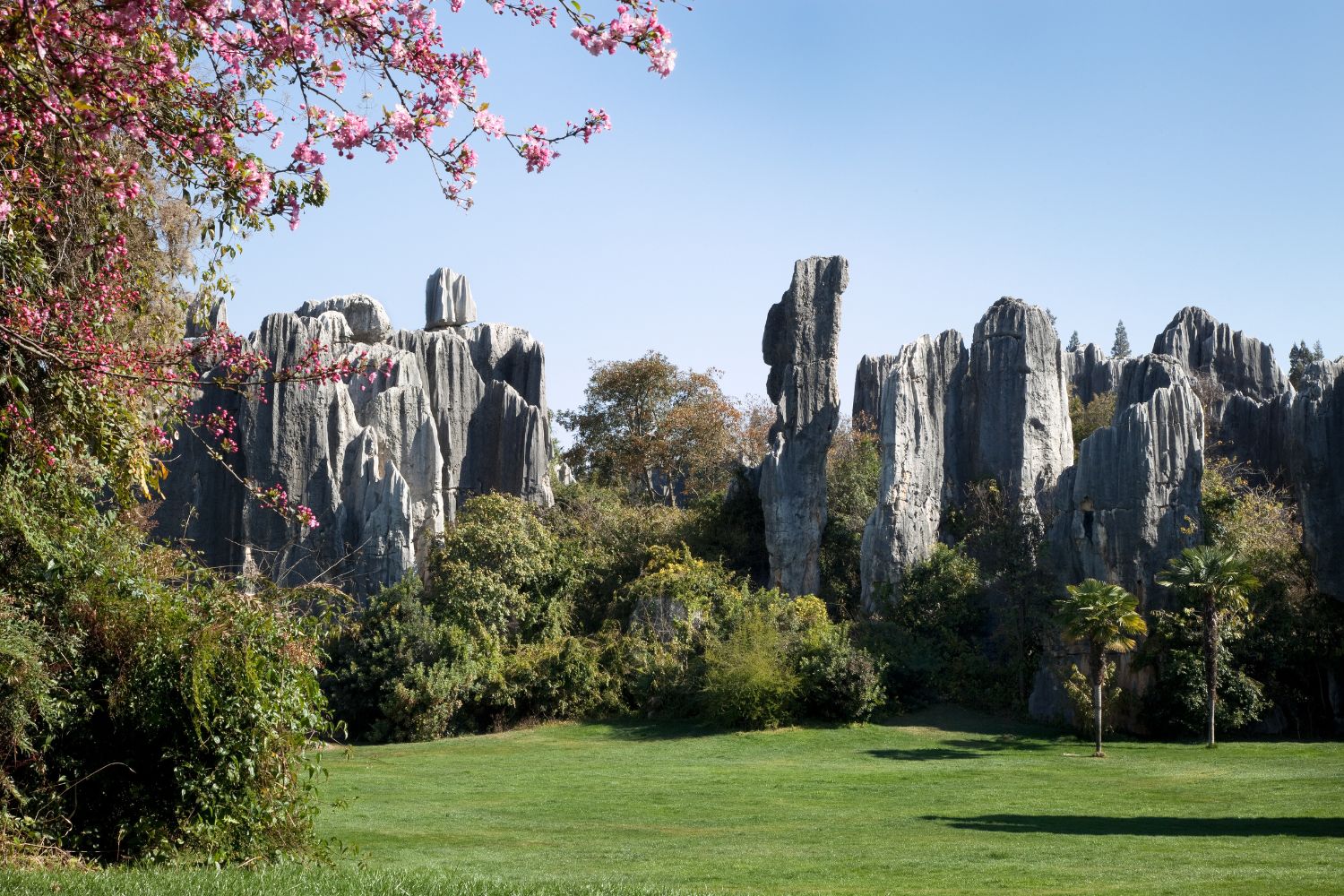
Mountainous terrain and high elevations create varied conditions. Kunming, known as the “Spring City,” typically enjoys temperatures of 15 – 25°C throughout the year. Sunny days can contrast with much colder nights, particularly at higher elevations.
Month by Month Guide to China Weather and Tourism
China weather by month can vary dramatically between the frozen north, subtropical south, eastern coastal cities, and high-altitude southwest. The guide below shows typical temperatures, seasonal highlights, and the main travel considerations for each month.
| Month | Typical temperatures | Best places to visit | Main thing to watch |
|---|---|---|---|
| January | Beijing -5°C to 5°C; Harbin -15°C to -30°C; Guangzhou 10 – 18°C; Sanya 25°C+ | Harbin, Beijing, Sanya | Severe sub-zero cold in the north |
| February | Beijing 0 – 8°C; central/southern China 12 – 20°C | Beijing, Shanghai, Chengdu | Chunyun travel rush & business closures |
| March | North 5 – 15°C; south 15 – 22°C | Wuhan, Hangzhou, Luoping, Wuyuan | Dusty winds in Beijing |
| April | 15 – 25°C in most central/southern areas | Luoyang, Nyingchi, Guilin, Xishuangbanna (mid-Apr Water Festival) | Early April Qingming holiday crowds |
| May | 18 – 26°C | Great Wall, Yunnan, Tibet | May Day holiday crowds (May 1 – 5) |
| June | 25 – 32°C | Guilin, Longji, Tibet, Yunnan | Meiyu rainy season in the Yangtze basin |
| July | 30 – 35°C+ in lowland cities; Yunnan 18 – 24°C | Yunnan, Inner Mongolia, Tibet | Summer holiday crowds and intense heat |
| August | Hot and humid (30 – 38°C+ in central/furnace cities) | Inner Mongolia, Tibet, Qingdao (nightlife/food: Chengdu, Chongqing) | Oppressive heat inland; typhoons and heavy rain on the coast |
| September | 18 – 25°C | Kanas, Jiuzhaigou, Beijing | Crowds around Mid-Autumn Festival |
| October | Beijing 8 – 20°C; central/southern China 18 – 26°C | Beijing, Jiuzhaigou, Zhangjiajie | National Day Golden Week (Oct 1 – 7) |
| November | North 0 – 10°C; south 15 – 22°C; Shanghai/East 10 – 18°C | Tengchong, Guilin, Hangzhou, Shanghai | Early winter chills in the north |
| December | North -5°C to 5°C; Xishuangbanna 20 – 25°C | Harbin, Sanya, Xishuangbanna, Beijing | Sub-zero cold across northern regions |
January: The Frozen North and Tropical South
Northern China is firmly locked in winter throughout January. Beijing ranges from -5°C to 5°C, while Harbin consistently drops between -15°C and -30°C. Further south, conditions are much milder, with Guangzhou around 10 – 18°C and Sanya remaining pleasantly tropical at 25°C or above.
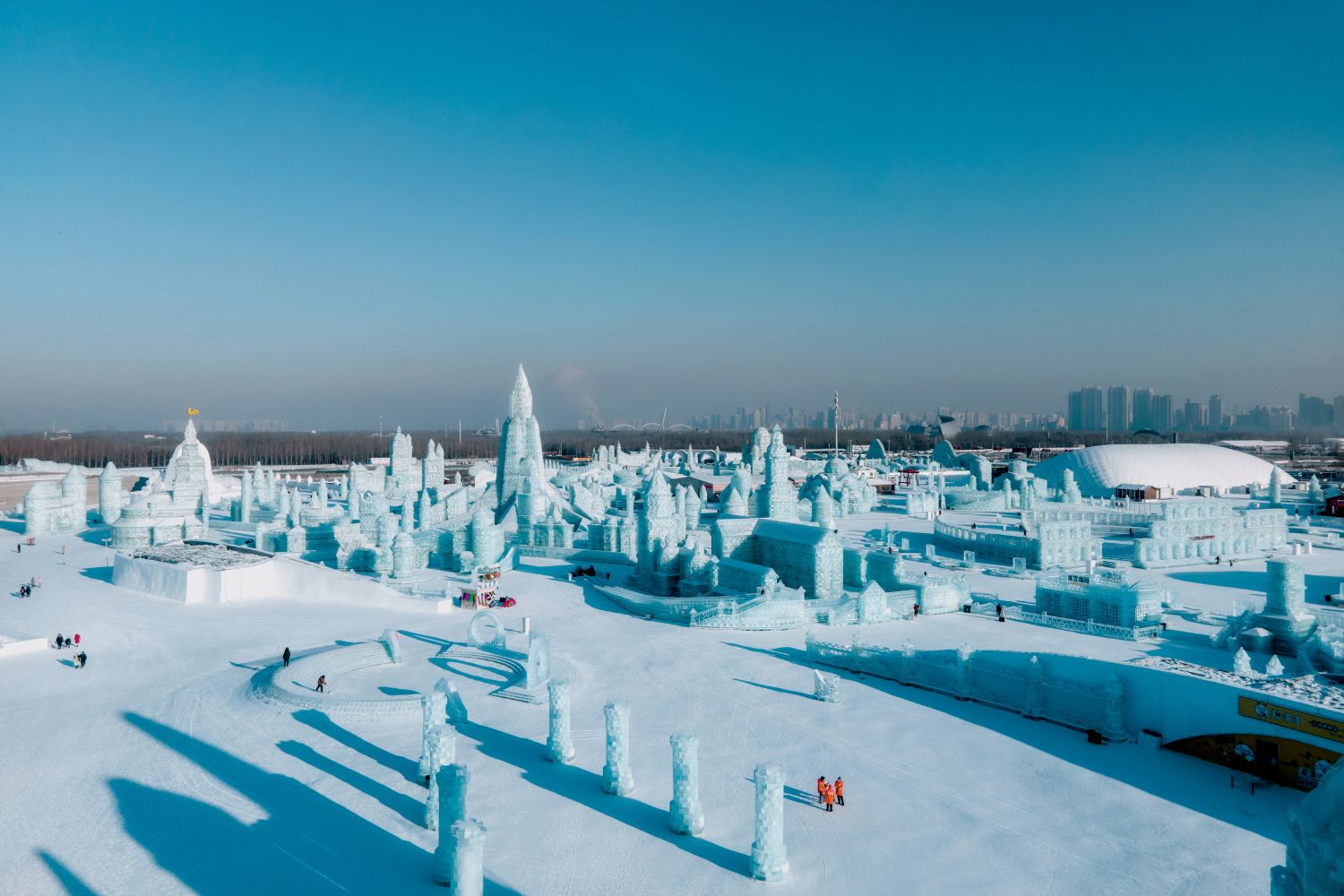
Harbin is the standout destination for winter landscapes thanks to its world-famous International Ice and Snow Festival. Snow also transforms iconic landmarks like the Great Wall into dramatic winter backdrops. Travelers seeking warmth can head south to Sanya for sandy beaches and sunshine.
January is generally a quiet month for international tourism outside of specific snow resorts, meaning attractions are less crowded and standard hotel rates are lower.
February: Festival Celebrations and Early Spring Hints
February remains cold in the north, but temperatures start to rise. Beijing averages around 0 – 8°C, while central and southern China can reach 12 – 20°C.
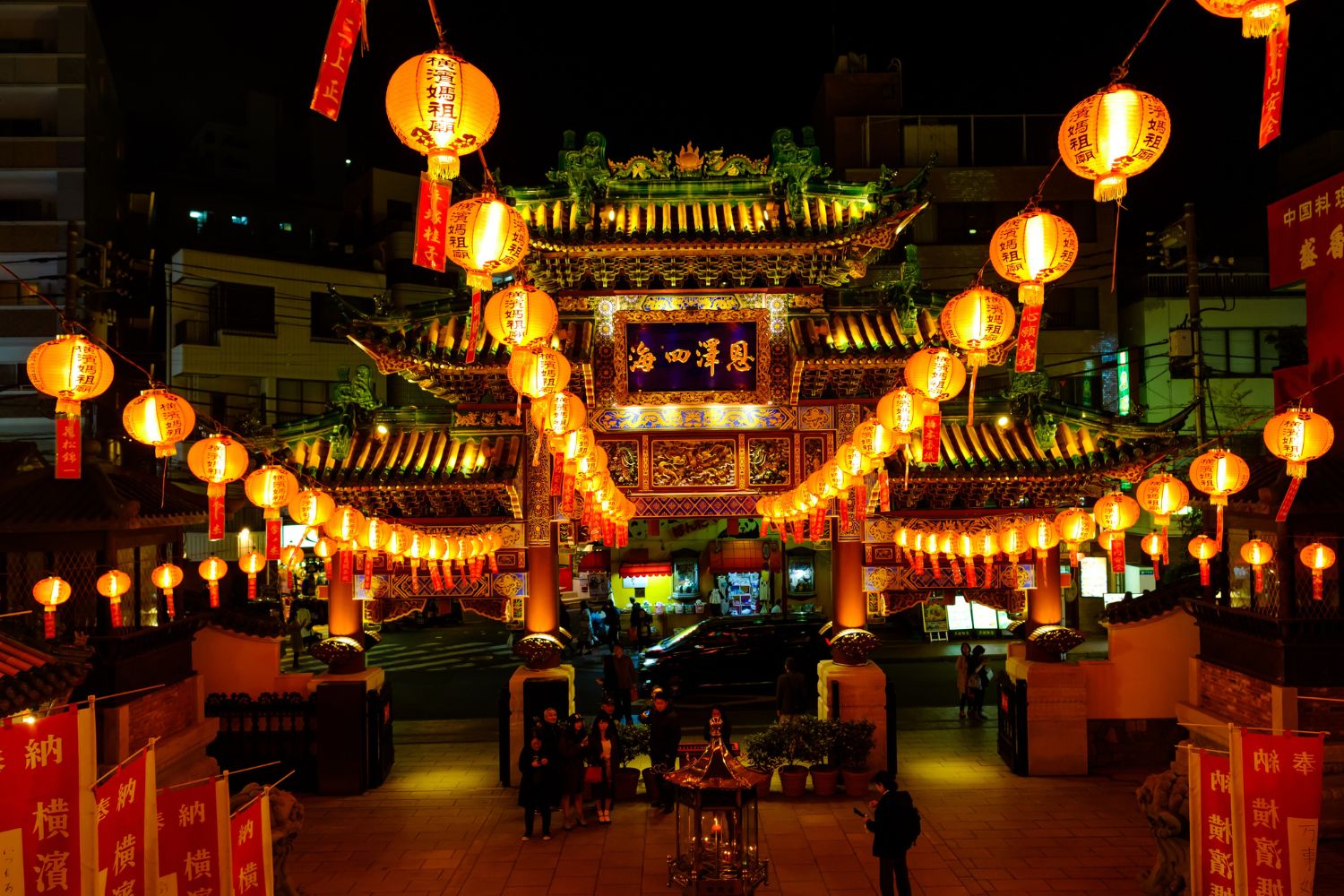
The major attraction is the Spring Festival, followed by the Lantern Festival. Cities fill with red decorations, temple fairs, lantern displays, and traditional celebrations.
The challenge is Chunyun, China’s huge annual travel period around Chinese New Year. Trains and flights become extremely busy, and some small businesses may close for 7 – 15 days. Travel plans should therefore account for both holiday crowds and reduced local services.
March: Spring Blooms and Milder Weather
March brings noticeably milder conditions. Northern China reaches around 5 – 15°C, while southern areas can see 15 – 22°C.
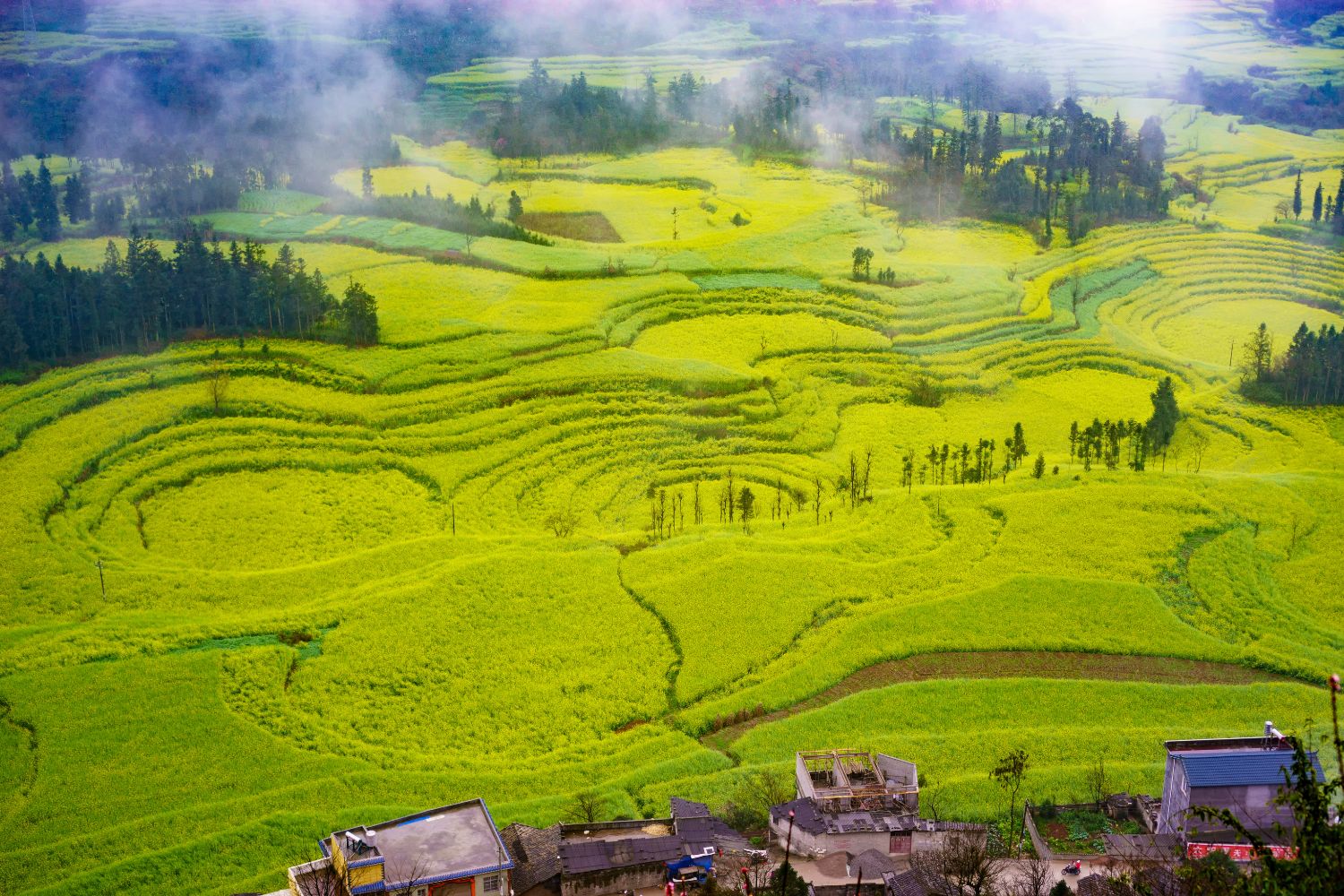
This is a strong month for spring scenery. Cherry blossoms appear in places such as Wuhan and Hangzhou, while Luoping in Yunnan and Wuyuan become known for fields of yellow rapeseed flowers. Jiangnan’s historic water towns are also attractive as greenery returns.
March works well as a shoulder-season travel period, combining comfortable temperatures with moderate visitor numbers. In Beijing, however, early spring can still bring occasional dusty winds.
April: Peak Spring Scenery
April weather in China is generally mild, with temperatures commonly around 15 – 25°C. Northern areas tend to be drier, while southern China can experience occasional spring showers.
Nature is at its most colorful in many destinations. Luoyang’s peonies bloom in spring, Nyingchi’s peach blossoms appear beneath snow-covered mountains in Tibet, and the Li River and Longji Rice Terraces around Guilin are particularly scenic in misty weather.
In Xishuangbanna, Yunnan, the Water Splashing Festival brings lively celebrations. The main crowd warning is the Qingming Festival, which includes around 3 days of holiday in early April.
May: Warm Sunshine and Lush Greenery
May brings comfortable early-summer conditions, generally around 18 – 26°C. It is a good time for hiking, sightseeing, and exploring historic landscapes before the hottest weather arrives.
The Great Wall becomes greener, Yunnan’s mountains are filled with rhododendrons, and Tibet enters a period known for clear skies and strong mountain visibility.
The major issue is the May Day holiday from May 1 – 5. Domestic tourism surges during these 5 days, making major attractions, trains, and hotels considerably busier. Traveling outside this holiday window is much more comfortable.
June: Early Summer and Meiyu Rain
Temperatures rise to around 25 – 32°C, with eastern and southern China becoming increasingly humid. The Meiyu rainy season brings persistent moisture and rain, particularly around the middle and lower Yangtze region.
June is an excellent month for the Longji Rice Terraces near Guilin, when water fills the terraces and creates the famous mirror-like effect. The Dragon Boat Festival also brings races and cultural celebrations along major rivers.
For cooler conditions, higher-altitude destinations such as Tibet and Yunnan are better alternatives. Visitor numbers usually start increasing toward the end of the month as the summer school holiday approaches.

July: Summer Heat and Highland Escapes
China weather in July is hot across much of the country. Major cities in the north, east, and south can reach 30 – 35°C, with high humidity and periods of heavy rain in southern areas.
Higher-altitude destinations offer a clear escape from the heat. Inner Mongolia’s grasslands are green, while Kunming, Lijiang, and Shangri-La in Yunnan can remain around 18 – 24°C. Tibet is another strong choice for mountain landscapes and cooler conditions.
The Torch Festival in Yunnan is another seasonal highlight, generally taking place toward the end of July. July is also the beginning of peak domestic summer travel, so family attractions and popular scenic areas become noticeably busier.
August: Peak Summer and Mountain Adventures
August remains intensely hot and humid across much of inland and southern China. “Furnace cities” like Chongqing and Wuhan, along with lowlands like Chengdu, frequently top 35 – 38°C with high humidity. Coastal and eastern provinces face heightened risks of late-summer typhoons, while northern plains (Beijing, Xi’an) see their highest seasonal rainfall.
For cooler, comfortable conditions, head to highlands and northern grasslands: Inner Mongolia offers vast green prairies, while Yunnan and Tibet provide cool mountain air. If your itinerary includes cultural food hubs like Chengdu or Chongqing, plan for indoor daytime activities (such as museums or teahouses) and save outdoor sightseeing for vibrant, cooler evenings. Coastal Qingdao also draws travelers for its seaside climate and annual International Beer Festival.
September: Clearer Autumn Skies
September marks the transition into autumn. Temperatures generally settle around 18 – 25°C, with cooler, drier air gradually replacing the summer heat.
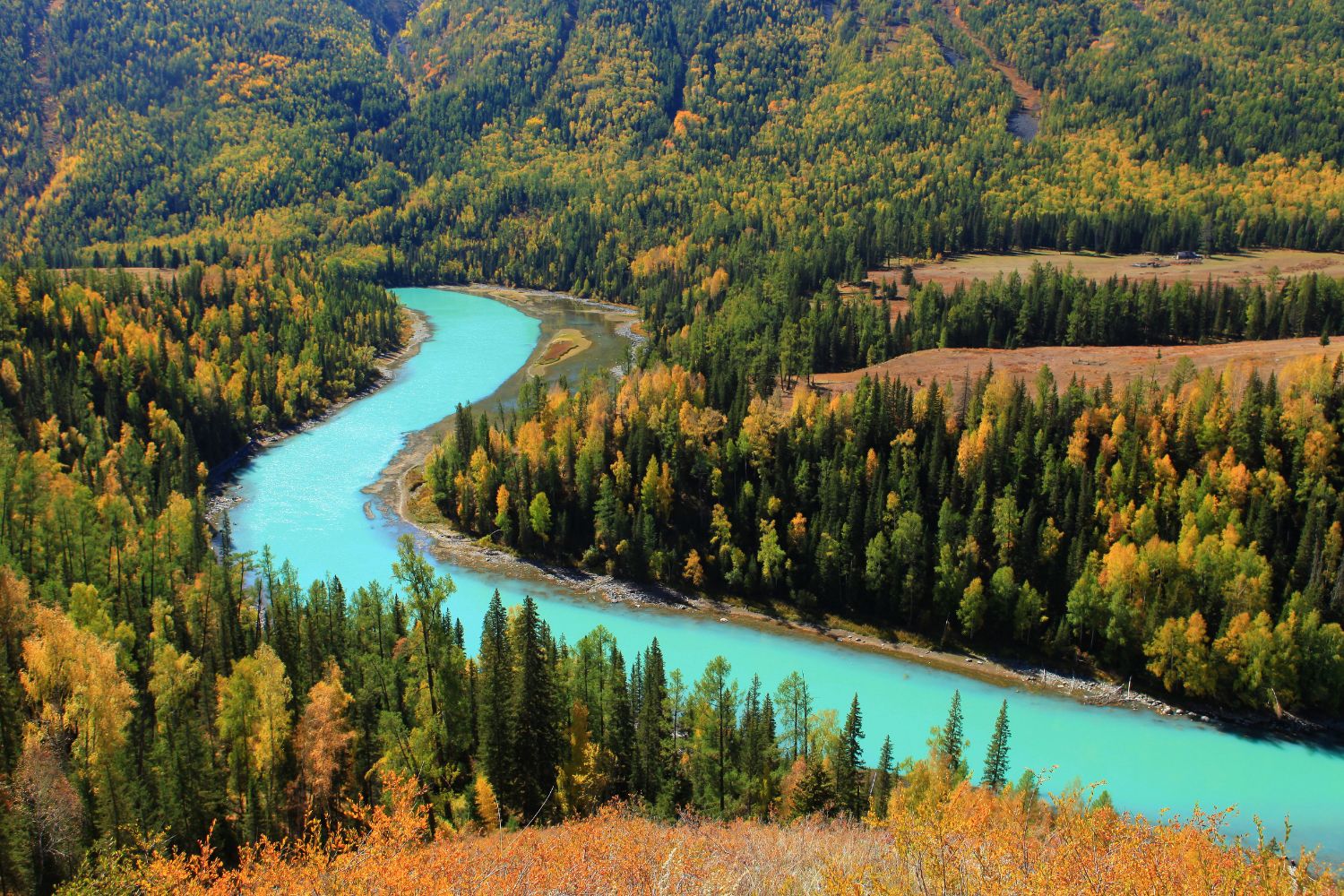
Early autumn colors begin appearing in Kanas in Xinjiang and Jiuzhaigou, making September an attractive month for nature trips. The Mid-Autumn Festival also brings lanterns, mooncakes, and family celebrations across the country.
For a quieter trip, the middle to late part of September, before September 30, is a particularly useful window. Weather is comfortable and domestic travel pressure is usually lower than during the October holiday.
October: Golden Autumn and Beijing’s Best Weather
Beijing October weather is typically cool and dry, around 8 – 20°C (cooling down noticeably toward late October), with clear skies, light sunshine, and relatively little rain.
Autumn foliage reaches its peak in many parts of China. The Great Wall and Forbidden City become especially photogenic, while Jiuzhaigou offers colorful forests reflected in clear mountain lakes. Zhangjiajie is another strong choice for autumn landscapes.
The major exception is Golden Week from October 1 – 7. Domestic travel reaches an extreme peak during these 7 days, so major attractions, transport hubs, and hotels can become exceptionally crowded. From October 8 onward, conditions are generally much more relaxed.
November: Crisp Air and Quieter Autumn Travel
November brings the first clear signs of winter. Northern cities can fall to 0 – 10°C, while southern destinations such as Guangzhou, Guilin, and Hong Kong remain milder at around 15 – 22°C.
Late autumn scenery is still available in places such as Tengchong in Yunnan, known for its golden ginkgo trees. The Li River in Guilin and West Lake in Hangzhou also take on a quieter autumn atmosphere.
November is generally a calmer travel period, making it easier to visit major attractions without the crowds of October. Temperatures in northern China, however, can become noticeably cold toward the end of the month.
December: Winter Landscapes and Warm Southern Escapes
Winter dominates northern China, with temperatures around -5°C to 5°C in many northern cities. Snow can create dramatic scenery around the Great Wall and Forbidden City, while Harbin begins preparing for its winter ice attractions.
Travelers looking for warmer conditions can head south. Sanya offers a tropical beach escape, while Xishuangbanna in Yunnan can remain around 20 – 25°C.
December is generally a low-season month across much of China, although demand remains high in winter destinations such as Harbin and beach resorts in Sanya. This makes destination choice particularly important when planning a December trip.
Chinese Major Public Holidays and Dates You Should Skip
If you want a smoother trip, avoid China’s three biggest domestic travel periods: Chinese New Year, May Day, and National Day Golden Week. During these holidays, transport hubs and major attractions can become extremely crowded, high-speed train tickets may sell out within minutes, and hotel prices can rise 2 – 3 times.
- Chinese New Year (Spring Festival / Lunar New Year): The holiday usually falls between late January and mid-February. The annual Chunyun travel rush can last up to 40 days, making trains, flights, and intercity transport particularly difficult to book. Many small shops, traditional restaurants, and private services may also close for 7 – 15 days.
- Labor Day / May Day: The holiday lasts 5 days, from May 1 to May 5. It is one of China’s biggest domestic travel periods, with visitor numbers surging at popular attractions and transport networks becoming much busier.
- National Day Golden Week: This 7-day holiday runs from October 1 to October 7. The Mid-Autumn Festival often falls in late September or early October and can sometimes create an extended holiday period. Major attractions such as the Forbidden City and Great Wall can reach their visitor limits during Golden Week.
- How to avoid the crowds: Shift your trip by 1 – 2 weeks after the major holidays. For example, traveling from mid-May or from October 8 onward usually gives you better access to hotels, attractions, and transport, with a more relaxed travel experience.
Best Times to Visit China by Destinations
The best time to visit China also depends on where you are going. Northern hubs like Beijing are ideal in mid-spring and early autumn, while Shanghai and eastern water towns remain comfortable further into late autumn. Zhangjiajie and Guilin are best during the milder, greener months, while Yunnan is particularly pleasant in spring and late autumn. For snow and ice, Harbin is at its best from December to February.
| Destination | Best time to visit | Weather and scenery | Best experiences |
|---|---|---|---|
| Beijing and Northern Hubs | April – May & September – October | Crisp, dry air; clear autumn skies; mild spring breezes (12 – 22°C) | Hiking the Great Wall without extreme heat or ice, visiting the Forbidden City, and seeing golden autumn foliage. |
| Shanghai and Jiangnan (Hangzhou, Suzhou) | March – May & October – November | Moderate humidity; blooming gardens in spring; crisp, comfortable autumns (15 – 24°C) | Strolling the Bund, exploring classical water towns, visiting tea plantations, and West Lake walking tours. |
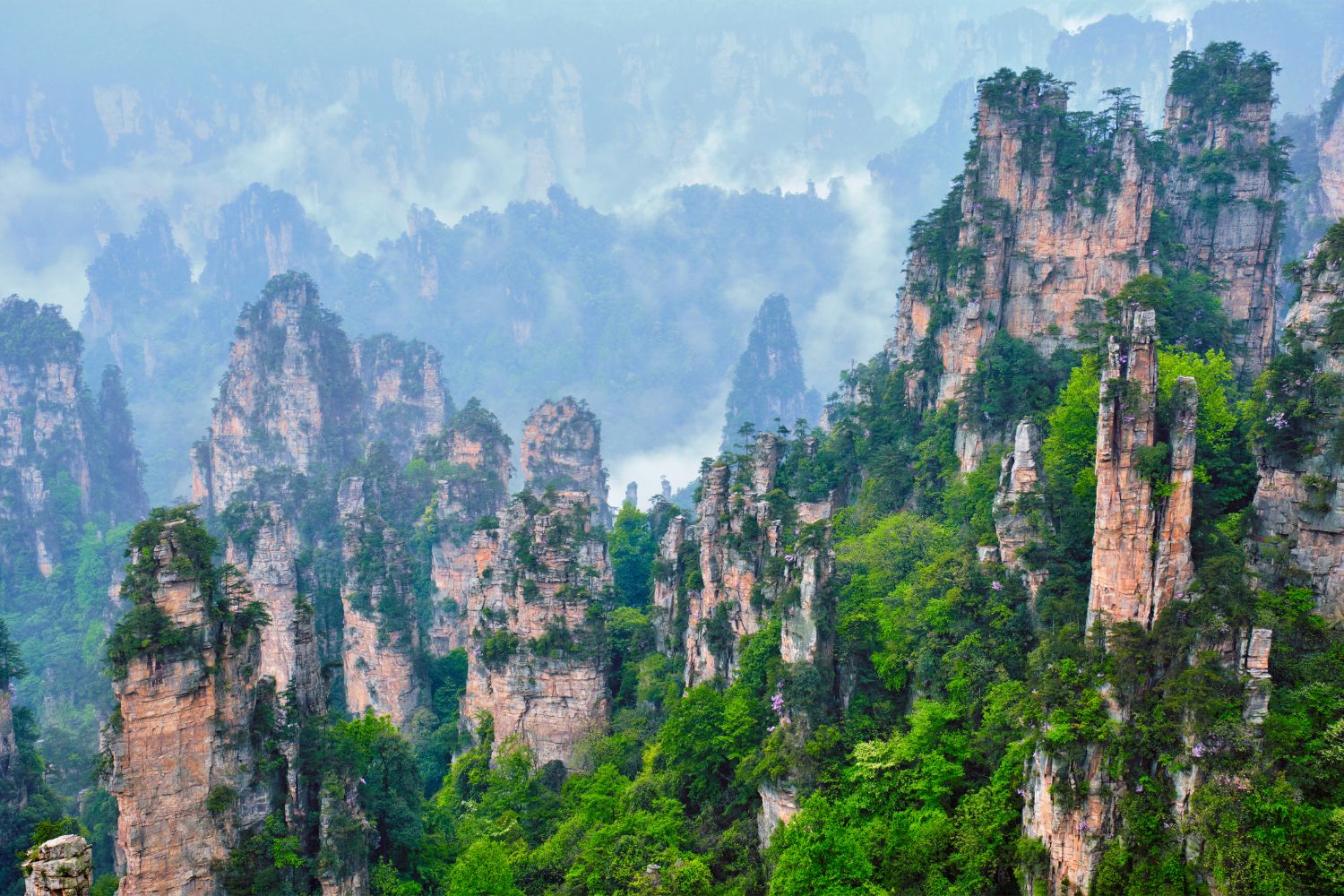
| Zhangjiajie and Guilin | April – June & September – November | Mild temperatures; dramatic mountain mist; vibrant green karst scenery | Exploring karst pinnacles, cruising the Li River, rafting on the Yulong River, and photographing the Longji Rice Terraces. |
| Yunnan: Kunming, Lijiang and Shangri-La | March – May & October – November | Mild plateau climate, crisp mountain skies, dry air, and high sun visibility | Trekking near Jade Dragon Snow Mountain, flower valleys in spring, and walking ancient cobblestone towns. |
| Harbin | December – February | Deep sub-zero conditions (-15°C to -30°C) with continuous ice and snow cover | Touring Harbin International Ice and Snow Sculpture Festival, Siberian Tiger Park, and Russian heritage architecture. |
Essential China Travel Safety and Advisory Tips
A comfortable trip to China comes down to preparing for regional weather changes, altitude, and the conditions you may encounter during different seasons. These practical tips can help you travel more comfortably throughout the year.
- Check the regional forecast before changing cities: China covers a vast area, so weather can be very different between destinations on the same day. Check the forecast for each city before a long-distance journey, especially when combining northern cities with southern or highland destinations.
- Prepare for strong temperature changes at altitude: Places such as Tibet, Shangri-La, and highland Yunnan can feel warm under direct sunlight but much cooler after sunset. Pack layers that can be added or removed easily rather than relying on one heavy jacket.
- Bring sun protection for highland destinations: Higher-altitude areas receive strong sunlight even when temperatures feel comfortable. Sunglasses, a hat, and sunscreen are useful for outdoor sightseeing in Tibet and Yunnan.
- Keep rain gear accessible: A compact umbrella or lightweight rain jacket is useful during the wetter months, particularly in eastern and southern China from June to July. Keeping it in your day bag means you can continue sightseeing comfortably when a short shower arrives.
- Choose breathable clothing in summer: Temperatures in major cities can reach 30 – 35°C during July and August. Lightweight, breathable clothing is more comfortable for walking through large historic areas and outdoor attractions.
- Protect yourself from cold weather in northern China: Winter temperatures can fall below 0°C in Beijing and reach -20°C to -30°C in Harbin. Warm layers, insulated footwear, gloves, and a hat are essential for extended outdoor sightseeing.
- Keep drinking water with you: Dry northern winters and hot summer weather can both make long sightseeing days more tiring. Carry a reusable water bottle, particularly when visiting large attractions such as the Great Wall or mountain areas.
- Check conditions before nature trips: Mountain scenery, rivers, and highland areas can change quickly with weather. Checking local conditions before hiking, river cruises, or mountain excursions helps you choose the most comfortable time of day and adjust your route when necessary.
Frequently Asked Questions About Visiting China
1. What are the absolute best months to travel to China?
April – May and September – November are the best overall months for a China tour. Temperatures in many major destinations are generally around 15 – 25°C, making long sightseeing days more comfortable. Autumn is particularly good for Beijing and Jiuzhaigou (especially September to October) as well as Shanghai and Jiangnan through November, while spring brings flowers and fresh greenery across destinations such as Hangzhou, Suzhou, Guilin, and Yunnan.
2. Is it safe to travel to China on an organized tour package?
Yes. Organized tours can be a convenient way to travel around China, particularly for first-time visitors. Major tourist destinations have well-developed transport and tourism infrastructure. A package also makes it easier to coordinate hotels, intercity transport, attraction reservations, and daily schedules.
3. What should I pack for China if traveling in spring or autumn?
Pack light layers because temperatures can change between morning, afternoon, and evening. A practical combination is a breathable T-shirt, lightweight long-sleeved layer, and light jacket. Comfortable walking shoes are important for large attractions and historic areas. For higher-altitude destinations such as Tibet, Yunnan, and Shangri-La, add warmer layers, sunglasses, sunscreen, and a hat.
Plan Your China Trip Around the Right Season
By now, you should have a clearer idea of the best time to travel to China for your trip. Spring and autumn offer the best overall conditions, but each season brings something different, from Harbin’s winter ice to Yunnan’s cool highlands and Beijing’s colorful autumn scenery.
Now it’s time to match the season with the places you want to see. Planning a China trip? Asia Pioneer Travel can help you put the right destinations, travel dates, and experiences together into one seamless itinerary.