

When travelers talk about Thailand, its vibrant markets are always a highlight. From the bustling streets of Bangkok to serene canals lined with floating markets, these markets are essential to understanding Thailand’s rich culture.
But Thai markets aren’t just about shopping, they’re about diving into the country’s everyday life, savoring world-famous foods like pad Thai and mango sticky rice, and picking up unique souvenirs.
In this guide, we’ll explore everything you need to know about Thai markets. Whether you’re in Bangkok for two days or planning a week-long adventure across Thailand, this guide ensures you’ll find the right Thai markets to include in your trip.
1. Why Visit Thai Markets?
Visiting Thai markets is one of the best ways to experience Thailand beyond its temples and beaches. From morning produce stalls to lively night bazaars, Thai markets offer an authentic glimpse into local life, food culture, and daily traditions. A single visit can introduce travelers to local favorites such as mango sticky rice, grilled skewers, papaya salad, noodle dishes, and seasonal tropical fruits.
Beyond food and shopping, markets fit naturally into any itinerary. They make great stops between sightseeing activities, offering opportunities to eat, explore, and observe local life. The key is choosing the right market, as some are better for food, others for photography, shopping, or cultural experiences.
2. Best Thai Markets for First-Time Visitors in Bangkok and Nearby
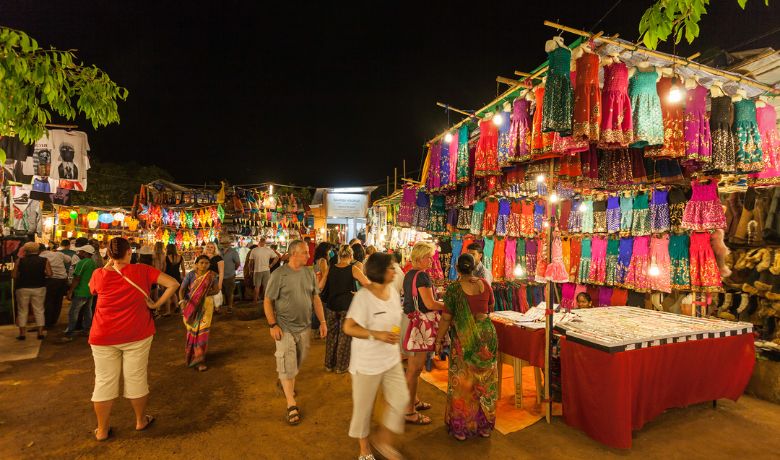
Bangkok is home to some of the country’s most famous Thai markets, making it the ideal place for first-time visitors to explore Thailand’s market culture. From food-focused markets and shopping hubs to floating market experiences, Bangkok offers some of the most diverse Thai markets in the country.
2.1. Chatuchak Weekend Market
Why Visit
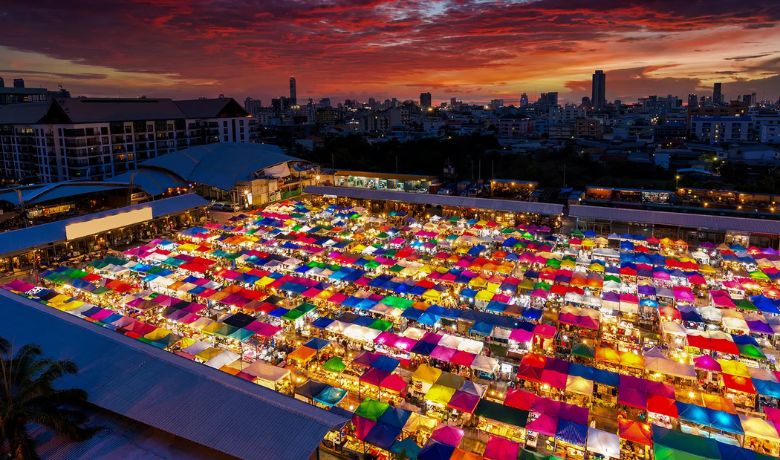
For first-time visitors, Chatuchak Weekend Market is often the easiest way to experience Bangkok’s market culture in one place. Covering a vast area with thousands of stalls, it offers everything from fashion and home décor to local snacks and handmade crafts. Even travelers who are not particularly interested in shopping often enjoy the atmosphere, as the market attracts a mix of locals, expats, artists, and visitors from around the world.
What Makes It Unique
What sets Chatuchak apart is its incredible variety. Unlike markets that focus mainly on food or souvenirs, Chatuchak combines shopping, dining, and local creativity. As you wander through its maze-like sections, you’ll find handcrafted ceramics, vintage clothing, independent designer brands, houseplants, artwork, and traditional Thai products all within walking distance of one another.
The market also offers a glimpse into Bangkok’s contemporary lifestyle. Many local entrepreneurs and artists use Chatuchak as a platform to showcase their products, making it more than just a tourist attraction.
Visitor Information
Chatuchak is best visited on Saturday or Sunday morning when temperatures are cooler and the crowds are still manageable. Plan to spend at least two to three hours exploring, though enthusiastic shoppers can easily stay much longer.
Food is part of the experience, with popular options including coconut ice cream, mango sticky rice, grilled pork skewers, Thai iced tea, and fresh fruit smoothies. The easiest way to reach the market is by BTS Skytrain (Mo Chit Station) or MRT (Kamphaeng Phet Station).
If you’re short on time, focus on a few sections that interest you most rather than trying to see everything. The market is simply too large to fully explore in a single visit.
2.2. Or Tor Kor Market
Why Visit
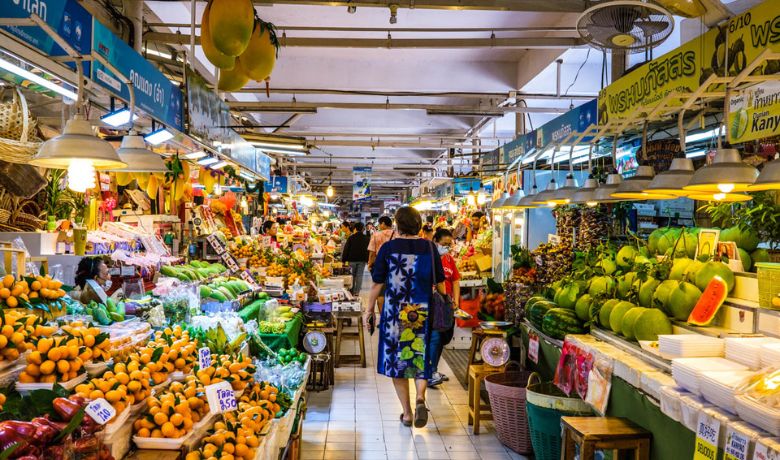
Located next to Chatuchak Weekend Market, Or Tor Kor is one of Bangkok’s best food markets and a favorite among culinary travelers. While Chatuchak focuses on shopping, Or Tor Kor is all about premium produce, ready-to-eat dishes, and authentic Thai ingredients. The market is clean, well-organized, and easy to navigate, making it an excellent introduction to local food culture for first-time visitors.
What Makes It Unique
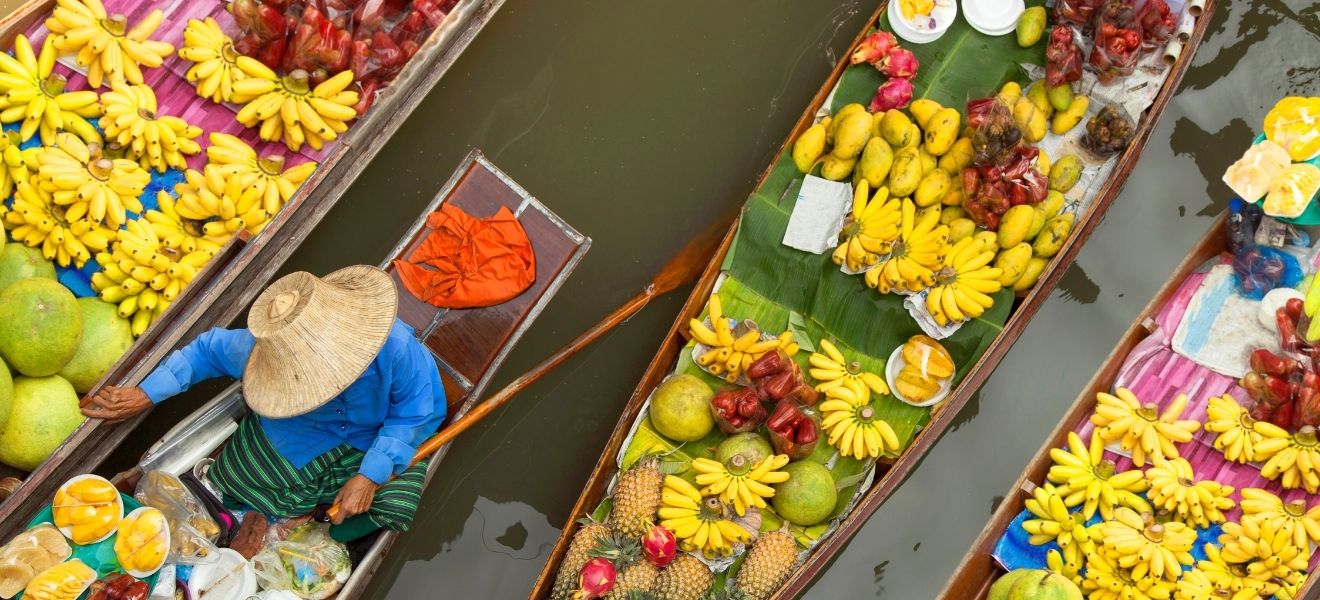
Or Tor Kor is known for quality rather than bargain prices. Here, you’ll find beautifully displayed tropical fruits, fresh seafood, fragrant curry pastes, and ingredients commonly used in Thai cooking, from lemongrass and galangal to Thai basil and kaffir lime leaves. It’s also one of the best places in Bangkok to sample seasonal fruits such as mangoes, mangosteens, rambutan, and even durian, with vendors often happy to help visitors choose the best varieties.
Visitor Information
Visit in the late morning or around lunchtime when both the fresh produce and food stalls are at their best. Popular dishes include mango sticky rice, grilled river prawns, som tam, Thai curries, and fresh coconut desserts. The market is easily accessible via MRT Kamphaeng Phet Station and pairs perfectly with a visit to Chatuchak. Plan to spend one to two hours here, especially if you’re interested in Thai food, local ingredients, or edible souvenirs such as dried fruit, curry pastes, and Thai tea.
Did You Know? Thai fruit is highly seasonal. If you visit during mangosteen, rambutan, or mango season, the market experience can be completely different from a trip at another time of year.
2.3. Damnoen Saduak Floating Market
Why Visit
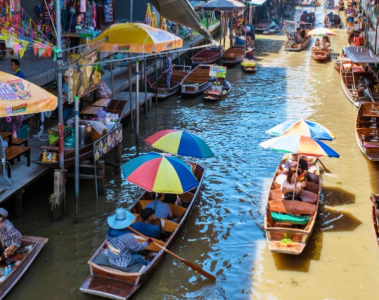
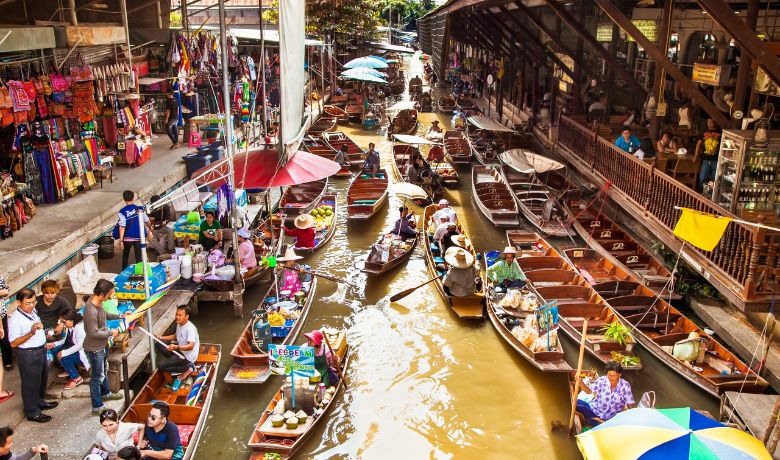
Damnoen Saduak is Thailand’s most famous floating market and one of the easiest day trips from Bangkok. Known for its busy canals and boat vendors selling fruits, snacks, and local products, it offers the classic floating market experience many travelers imagine before visiting Thailand. While it is more tourist-oriented than some smaller markets, it offers an easy introduction to Thailand’s canal culture. and a great choice for first-time visitors.
What Makes It Unique
The market’s biggest appeal is its picturesque canal setting. Visitors can glide through narrow waterways lined with wooden boats loaded with tropical fruits, coconut desserts, souvenirs, and freshly prepared food. The vibrant colors, constant movement, and traditional trading atmosphere create excellent photography opportunities and a distinctly Thai experience. Many travelers also combine a visit with Maeklong Railway Market, making for a varied and rewarding day trip from Bangkok.
Visitor Information
Arrive early, ideally between 7:30 a.m. and 9:00 a.m., to enjoy cooler temperatures and fewer crowds. Popular foods include boat noodles, coconut pancakes, grilled bananas, mango sticky rice, and fresh coconut ice cream. Most visitors spend one to two hours exploring the market before continuing to nearby attractions. The easiest way to visit is by joining a guided tour or hiring a private car from Bangkok.
Common Tourist Mistake: Arriving too late and then feeling disappointed by crowds. Floating markets are morning experiences. If you want better photos and cooler weather, leave Bangkok early.
2.4. Maeklong Railway Market
Why Visit
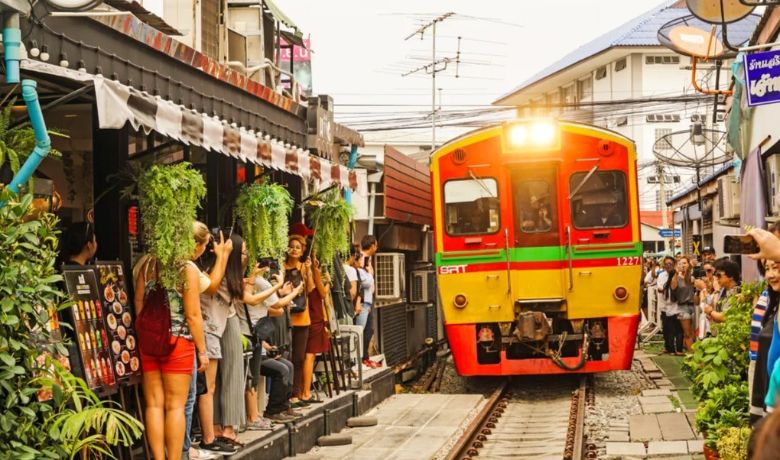
Maeklong Railway Market is one of Thailand’s most unusual market experiences. Built directly along an active railway line, the market becomes famous several times a day when vendors quickly retract awnings and move their goods aside to allow a train to pass through. While it is not a major shopping destination, it offers a fascinating glimpse into local daily life and is a popular stop for travelers looking for something beyond Bangkok’s traditional markets.
What Makes It Unique
The market’s main attraction is the train itself. Watching vendors effortlessly clear the tracks moments before the train arrives, then return everything to its original position once it passes, is a remarkable sight. Beyond the railway spectacle, Maeklong remains a functioning local market selling fresh seafood, produce, herbs, and household goods, giving visitors an authentic look at everyday commerce in Thailand.
Visitor Information
Plan your visit around the train schedule and arrive at least 20–30 minutes early to secure a good viewing spot. Most travelers spend about an hour exploring the market and watching the train pass through. Fresh fruit, Thai sweets, coconut drinks, and local snacks are worth trying while you browse. The easiest way to visit is by private car or guided tour, often combined with Damnoen Saduak or Amphawa Floating Market as part of a day trip from Bangkok.
Insider Tip: Do not stand too close to the tracks for a photo. Follow vendor and staff instructions. The train moves slowly, but the space is narrow and visitors sometimes underestimate how close it comes.
3. Best Thai Markets for Culture, Food, and Handicrafts in Chiang Mai
For travelers looking beyond Bangkok, Chiang Mai offers some of the most rewarding Thai markets for handicrafts, local food, and cultural experiences. These northern Thai markets provide a different perspective on Thailand’s traditions while showcasing the region’s unique cuisine and artisan heritage.
3.1. Chiang Mai Night Bazaar
Why Visit
Chiang Mai Night Bazaar is one of the most popular evening markets in Northern Thailand and a convenient stop for travelers looking to combine shopping, dining, and local entertainment. Located in the heart of the city, it is easy to visit after a day of temple hopping or exploring the surrounding countryside.
For first-time visitors, the Night Bazaar offers a relaxed introduction to Chiang Mai’s market culture. While it is more tourist-oriented than some local markets, its accessibility, variety, and lively atmosphere make it an enjoyable evening experience for many travelers.
What Makes It Unique
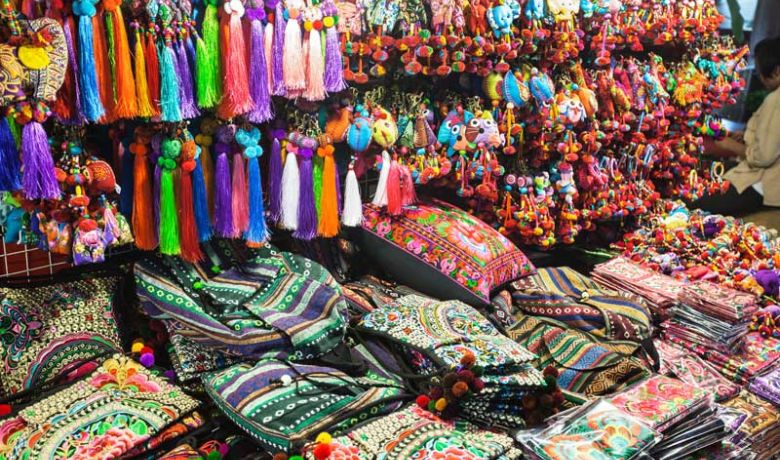
The Night Bazaar is known for its broad selection of handicrafts, textiles, artwork, and souvenirs, alongside food stalls, restaurants, and live performances. The market extends beyond a single street, creating an energetic evening district where visitors can browse, eat, and explore at their own pace.
Unlike local fresh markets that focus on daily life, the Night Bazaar is designed around leisure and entertainment, making it an easy choice for travelers who want a casual night out without venturing far from central Chiang Mai.
Visitor Information
Plan your visit between 7 p.m. and 9 p.m., when the market is at its liveliest and most stalls are fully open. Popular purchases include handmade textiles, cotton scarves, wood carvings, lacquerware, and locally made souvenirs. Food lovers should look out for Northern Thai specialties such as khao soi and sai ua (Northern Thai sausage), alongside classic market favorites like mango sticky rice and fresh fruit smoothies. Most hotels in central Chiang Mai are within walking distance of the market, while tuk-tuks and rideshare services provide convenient alternatives. The Night Bazaar is particularly well suited to first-time visitors, families, and casual shoppers seeking an easy and enjoyable evening experience.
Common Tourist Mistake: Buying from the first stall without comparing prices. Many items repeat across the market. Walk first, then return to the stall with the best quality and price.
3.2. Sunday Walking Street
Why Visit
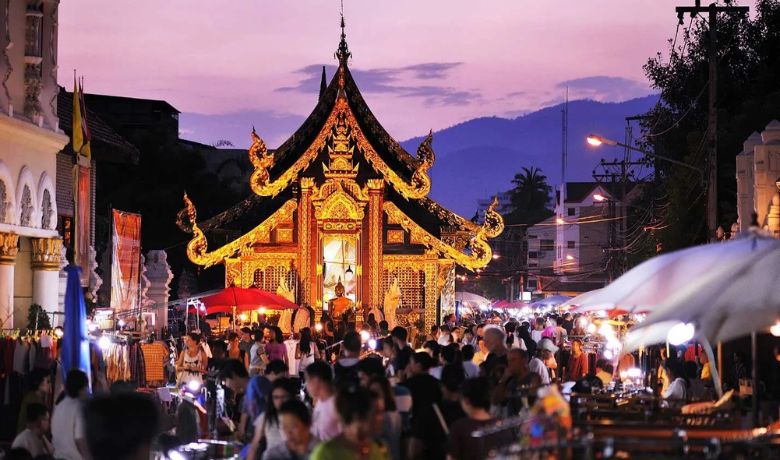
Chiang Mai’s Sunday Walking Street is one of the most rewarding markets in Thailand for travelers interested in local crafts, street food, and cultural atmosphere. Set within the city’s historic Old Town, the market transforms quiet streets into a lively pedestrian zone filled with artisans, food vendors, musicians, and local families.
If you’re interested in a Chiang Mai itinerary around Sunday evening if possible. The market offers a more authentic and community-focused experience than many tourist-oriented markets, making it an excellent place to experience the city’s creative spirit while picking up unique souvenirs.
What Makes It Unique
What sets Sunday Walking Street apart is its location among Chiang Mai’s temples and historic streets. As you explore, you’ll find food stalls tucked into temple courtyards, local performers entertaining crowds, and artisans selling handmade products directly to visitors. The combination of culture, religion, food, and craftsmanship creates an atmosphere that feels distinctly Chiang Mai.
The market is also known for the quality of its handmade goods. From handwoven textiles and ceramics to local artwork and natural wellness products, many items feel more personal and locally crafted than those found in larger commercial markets.
Visitor Information
Arrive between 5 p.m. and 6 p.m. to enjoy the market before the largest crowds arrive. Popular purchases include handmade jewelry, ceramics, cotton clothing, local artwork, herbal products, and woven accessories. Food lovers should try Northern Thai specialties such as khao soi and sai ua, along with coconut desserts, grilled skewers, and local snacks sold throughout the market. Staying within or near Chiang Mai’s Old City makes access easiest, as many roads close to traffic during market hours. Sunday Walking Street is particularly well suited to food lovers, craft shoppers, photographers, couples, and travelers seeking a deeper connection with Chiang Mai’s local culture.
Insider Tip: Bring small cash notes. Many vendors can accept digital payments from locals, but international travelers should not rely on card or mobile payment options at small stalls.
3.3. Warorot Market
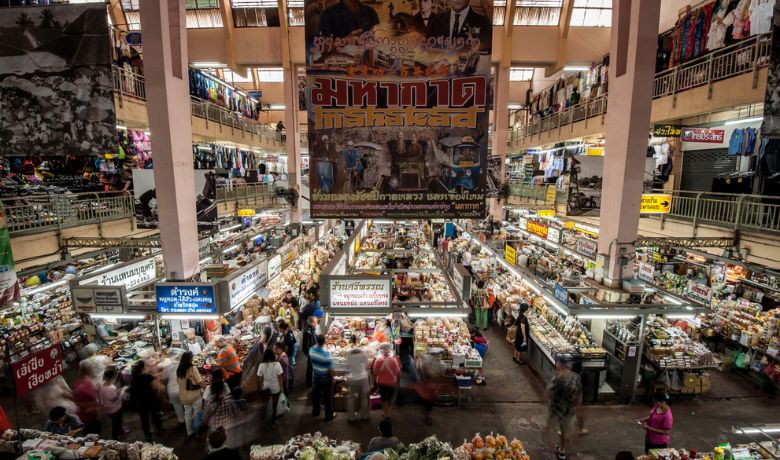
Did You Know? Northern Thai food is often less sweet and more herbal than central Thai food. Markets like Warorot are where you see the ingredients behind that difference.
4. How to Include Thai Markets in Your Thailand Itinerary
3-Day Bangkok Itinerary
If you’re short on time, focus on two or three standout Thai markets rather than trying to see everything. Food lovers should combine Or Tor Kor Market with Chatuchak Weekend Market, while travelers seeking unique experiences can take a day trip to Damnoen Saduak Floating Market and Maeklong Railway Market.
7-Day Central Thailand Itinerary
With a week in Central Thailand, you can comfortably experience several of the country’s most famous Thai markets. Spend time exploring Bangkok’s food and shopping scene at Or Tor Kor and Chatuchak, then dedicate a day to visiting Damnoen Saduak and Maeklong.
Combination of Bangkok and Chiang Mai
For the most diverse market experience, combine Bangkok and Chiang Mai. Bangkok showcases iconic Thai markets such as Chatuchak, Or Tor Kor, Damnoen Saduak, and Maeklong, while Chiang Mai offers a more local perspective through the Night Bazaar, Sunday Walking Street, and Warorot Market. Together, they offer a well-rounded introduction to Thailand’s food, culture, and local traditions.
5. Practical Tips for Thai Market Visits
Bring cash in small notes. Many market vendors do not accept international cards, and small purchases are easier with 20, 50, and 100 baht bills. Keep your cash accessible but secure, especially in crowded markets.
Dress for heat and walking. Lightweight clothing, comfortable shoes, and a small crossbody bag are better than large backpacks. Outdoor markets can have wet floors, uneven pavement, and narrow lanes.
Bargain politely where appropriate. Bargaining is common for clothing and souvenirs, but not usually for food stalls or fixed-price produce. Smile, make a reasonable counteroffer, and walk away kindly if the price does not suit you.
Choose food stalls with high turnover. Freshly cooked dishes are usually safer and better. If you have a sensitive stomach, start with cooked foods such as grilled skewers, noodle soups, fried rice, or coconut pancakes before trying raw salads or seafood.
Avoid overplanning. Two markets in a day is usually enough, especially in Bangkok. Heat, traffic, and crowds make market visits more tiring than they look on paper.
FAQs about Thai Markets
1. What Is the Most Famous Thai Market?
The most famous Thai market is usually considered Chatuchak Weekend Market in Bangkok. It is one of the largest and most visited markets in Thailand, known for its huge range of clothing, Thai souvenirs, home décor, handicrafts, plants, art, antiques, and street food. It is especially popular with first-time visitors.
2. Are Thai Markets Worth Visiting?
Yes, Thai markets are absolutely worth visiting because they show everyday Thailand in a way that malls and major attractions cannot. You can taste regional food, watch local shopping habits, buy handmade goods, and experience Thailand food culture at street level. The best markets also fit naturally into a Thailand travel itinerary.
3. What Can You Buy at a Thai Market?
At a Thailand local market, you can buy Thai street food, tropical fruit, spices, curry pastes, clothes, handmade crafts, ceramics, silk products, woven bags, temple garlands, art, homeware, and small Thai souvenirs. Larger Bangkok markets also sell vintage items, furniture, plants, antiques, and designer-style local fashion.
4. Which Thai Market Is Best for Food?
For food lovers, Or Tor Kor Market in Bangkok is one of the best Thai markets for quality and convenience, while Warorot Market in Chiang Mai is excellent for northern Thai flavors. Amphawa Floating Market is also a strong choice for seafood and riverside snacks, especially on a weekend evening.
6. Ready to Explore Thai Markets Your Way?
Exploring Thai markets is about far more than shopping. Whether you’re tasting street food in Bangkok, browsing handicrafts in Chiang Mai, or visiting a floating market outside the capital, Thai markets offer a unique window into local culture. Including a few carefully chosen Thai markets in your Thailand itinerary can add memorable food experiences, cultural encounters, and a deeper understanding of everyday life in Thailand.
Ready to create your own Thailand adventure? Whether you’re interested in floating markets, local food experiences, or artisan shopping in Chiang Mai, our travel specialists can help design a tailor-made Thailand itinerary that matches your interests, travel style, and pace.