

China is a destination of extraordinary contrasts, where ancient imperial palaces stand alongside futuristic skylines, dramatic mountains rise above peaceful rivers, and centuries-old traditions remain part of everyday life. From walking along the Great Wall in Beijing to discovering the Terracotta Warriors in Xi’an and cruising between the limestone peaks of Guilin, every region offers a different perspective on the country’s rich history and culture.
As one of the best places to travel in Asia, China also offers memorable seasonal experiences, from snowy landscapes in the north to milder weather in the south. Whether you’re planning a cultural journey, a scenic escape, or a comfortable private vacation, this guide explores 10 of the best places to visit in China, with practical advice on what to see, how long to stay, and when to go.
10 Best Cities to Visit in China: Where History Meets Modern Life
1. Beijing: The Great Wall and the Forbidden City
No list of China tourist places starts anywhere else. Beijing has been China’s capital for most of the past 700 years, and its headline sights are genuinely world-class.
Planning a Great Wall of China Tour
The Great Wall is not a single site but thousands of miles of fortifications, and the section you choose shapes the whole experience. For travelers aged 41 and over, Mutianyu is the standout choice: it is fully restored, about 90 minutes from central Beijing, far less crowded than Badaling, and has a cable car that takes you directly to Watchtower 14, the viewing platform used for visiting heads of state. You can walk as much or as little as you like from there.

Mutianyu’s official site lists peak-season hours (March 16 to November 15) of 7:30–18:00 on weekdays and 7:30–18:30 on weekends, with ticket sales ending an hour before closing. A private Great Wall of China tour with a driver and guide removes the logistics entirely and lets you leave early enough to beat the tour buses.
The Forbidden City and Beyond
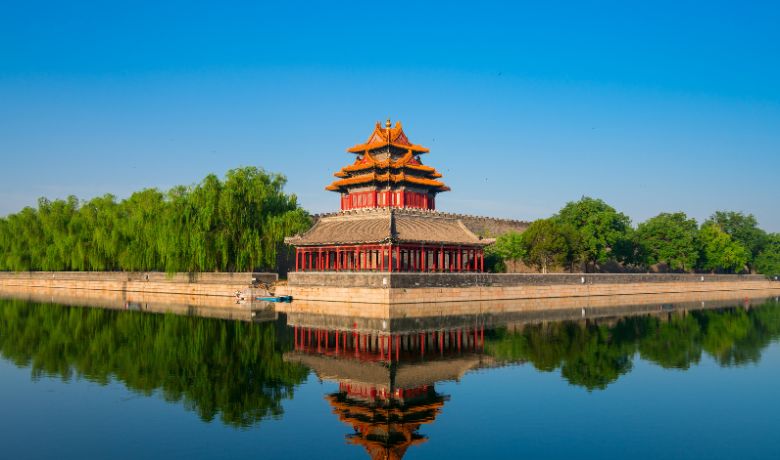
The Palace Museum (Forbidden City) is closed on Mondays and does not sell same-day tickets. Tickets are released seven days in advance, and international visitors must book online with a passport, then present that same passport at the Meridian Gate on the day. Admission is CNY 60 in peak season (April–October) and CNY 40 in low season. Daily capacity is capped, so book the moment tickets open if you are visiting in spring or autumn.
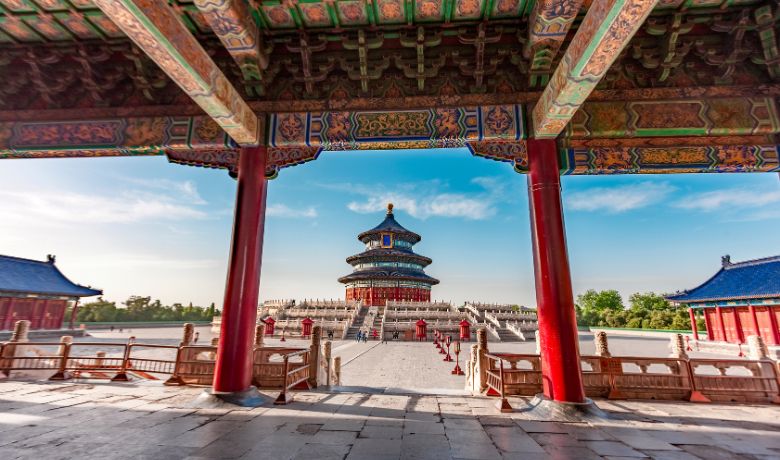
Round out your Beijing days with the Temple of Heaven (go early to see locals practicing tai chi), the Summer Palace’s lakeside walkways, and a rickshaw or walking tour through the hutong lanes around Houhai and Nanluoguxiang. Peking duck at a well-regarded restaurant is a non-negotiable dinner.
2. Xi’an: The Terracotta Army
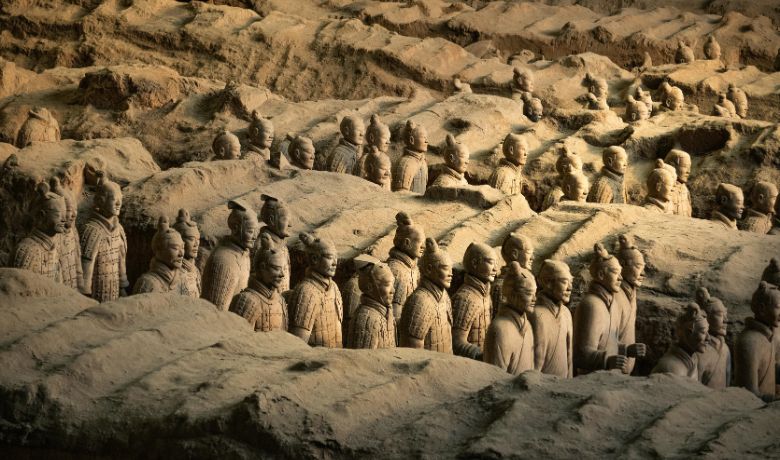
Xi’an was the capital of China’s first unified empire, and the Terracotta Army, discovered in 1974 by farmers digging a well, remains one of the great archaeological sights anywhere. Pit 1, with its ranks of life-size soldiers, is the showstopper; a knowledgeable guide makes a real difference in understanding what you are looking at. Allow a half day including the drive.
Back in the city, cycle or walk a stretch of the intact Ming-era city wall, visit the Shaanxi History Museum, and spend an evening in the Muslim Quarter sampling lamb skewers, hand-pulled noodles, and roujiamo, often described as a Chinese hamburger. Xi’an is roughly 4.5–6 hours from Beijing by high-speed rail, making it a natural second stop.
3. Shanghai: Old and New China on One Riverbank

Shanghai is the best place to go in China if you want energy, architecture, and food in equal measure. The Bund’s colonial-era banks face the Pudong skyline across the Huangpu River, and the contrast is most striking at dusk from a river cruise or a rooftop bar. Climb the Shanghai Tower observation deck, wander the plane-tree-lined streets of the Former French Concession, and visit Yu Garden before the crowds arrive.
Shanghai is also the gateway to two easy excursions. Suzhou (30 minutes by train) is known for its UNESCO-listed classical gardens and canals, while Hangzhou (about an hour) offers West Lake and the Longjing tea terraces. Either works as a day trip or an overnight.
4. Guilin and Yangshuo: Karst Peaks and the Li River

The limestone peaks of Guilin have appeared on Chinese paintings for a thousand years and on the back of the 20-yuan note today. The classic experience is the Li River cruise from Guilin to Yangshuo, around four hours of drifting past mist-wrapped hills, water buffalo, and fishing villages. Yangshuo itself is a relaxed base for bamboo rafting on the Yulong River, cycling through rice paddies, and the Liu Sanjie outdoor light show on the water.
Ninety minutes north of Guilin, the Longji Rice Terraces are spectacular from May (flooded and mirror-like) through October (golden before harvest). Expect steep paths; many viewpoints are reachable by cable car.
5. Chengdu: Pandas and Sichuan Flavors

Chengdu’s Research Base of Giant Panda Breeding is the easiest place in the world to see giant pandas, and arriving at opening time, when the animals are fed and most active, is the single most useful tip. The rest of the city rewards a slow pace: people-watching over tea in People’s Park, exploring the Wuhou Shrine and Jinli Street, and eating. Sichuan cuisine is famous for its numbing-hot flavors, but hotpot can be ordered mild, and dishes like mapo tofu and dan dan noodles are unmissable.
Chengdu is also the launch point for Leshan’s Giant Buddha, carved into a riverside cliff, and the sacred mountain of Emei Shan, both reachable in a day.
6. Zhangjiajie: The Avatar Mountains

Zhangjiajie National Forest Park in Hunan is home to more than 3,000 quartz-sandstone pillars rising out of subtropical forest, scenery that inspired the floating mountains in Avatar. The park is well equipped with cable cars, elevators (including the Bailong Elevator, built into a cliff face), and shuttle buses, so most viewpoints are accessible without strenuous hiking. The nearby Zhangjiajie Grand Canyon Glass Bridge is popular; the Tianmen Mountain cable car and cliffside glass walkway are equally memorable. Plan two days, and avoid Chinese public holidays when queues can run to hours.
7. Yunnan: Lijiang, Dali, and Shangri-La
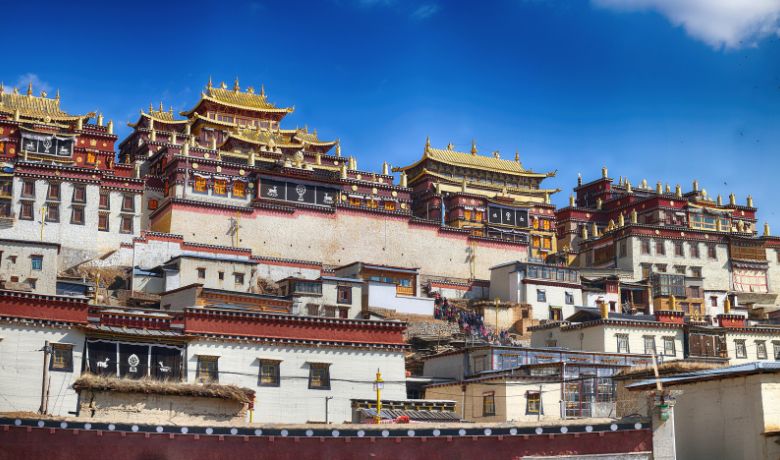
Yunnan, in China’s southwest, feels like a different country: Himalayan foothills, blue skies, and more than two dozen ethnic minority groups. Lijiang Old Town is a UNESCO site of cobbled lanes and canals beneath Jade Dragon Snow Mountain. Dali, two hours south, is quieter, with the Bai minority’s whitewashed villages and the shores of Erhai Lake. Travelers with more time continue north to Shangri-La (Zhongdian) and Tiger Leaping Gorge, one of the world’s deepest river canyons. Altitudes range from roughly 1,900 m in Dali to over 3,200 m in Shangri-La, so ascend gradually and check with your doctor if you have cardiac or respiratory conditions.
8. Guangzhou Places to Visit
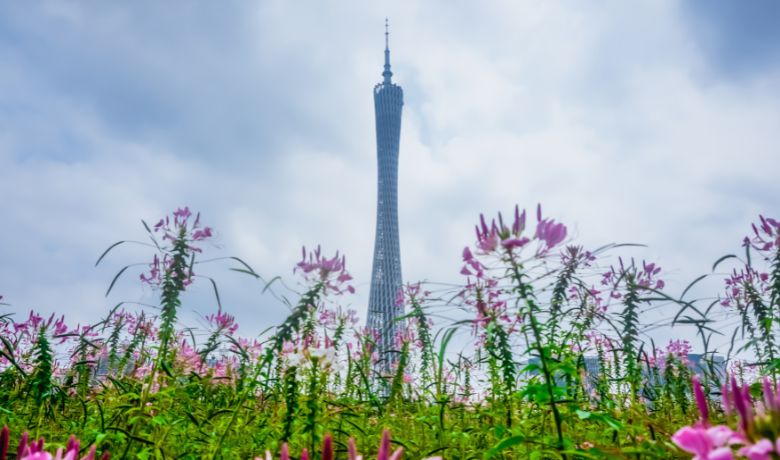
Guangzhou is often treated as a transit city, but it is one of the most rewarding China travel places for food lovers and offers a gentler introduction to the country than Beijing. Among the top Guangzhou places to visit:
- Canton Tower: The 600-meter landmark offers observation decks and an outdoor “bubble tram” ride around the top. Visit near sunset to see the Pearl River light up.
- Chen Clan Ancestral Hall: An exuberant 19th-century academy covered in carved brick, stone, wood, and ceramic figures; now the Guangdong Folk Art Museum.
- Shamian Island: A leafy former colonial concession with restored European buildings, ideal for an unhurried morning walk.
- Yuexiu Park and the Five Rams Statue: The city’s symbolic heart, with the Zhenhai Tower and Guangzhou Museum.
- Pearl River night cruise: An easy, air-conditioned way to see the skyline.
Guangzhou is the birthplace of Cantonese cuisine. A long dim sum brunch, known locally as yum cha, is the essential experience, and the city is a short train ride from Hong Kong and Macau if you are combining destinations.
9. Huangshan: The Yellow Mountains
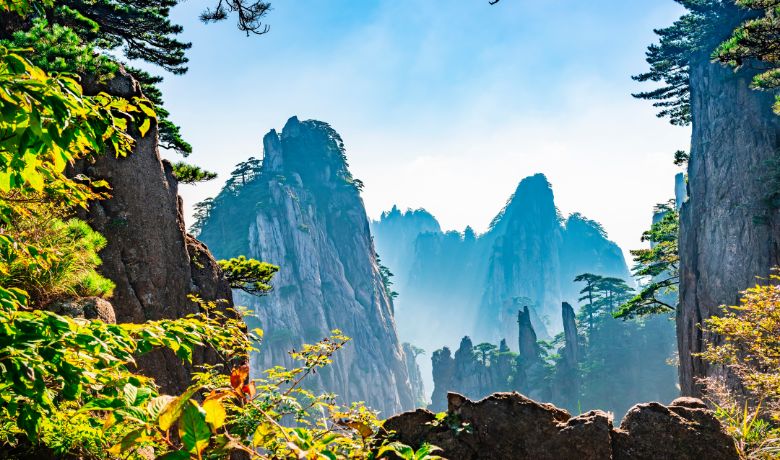
Huangshan is the landscape of classical Chinese scroll paintings: granite spires, twisted pines, and “seas of cloud” that fill the valleys after rain. Cable cars run to the summit area from both sides, and the paved paths between viewpoints are manageable for most reasonably fit travelers, though there are many steps. Staying one night on the mountain for sunrise is worth the modest hotel standards. The nearby villages of Hongcun and Xidi, with their Ming- and Qing-dynasty merchant houses, make an excellent add-on.
10. Hangzhou: West Lake and Tea Country
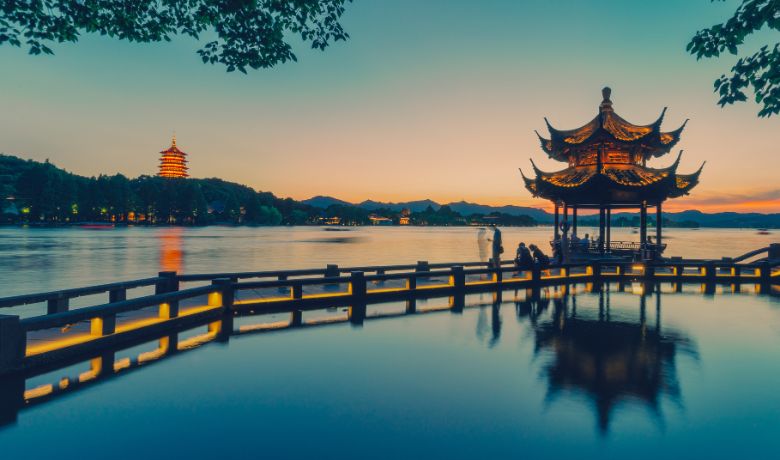
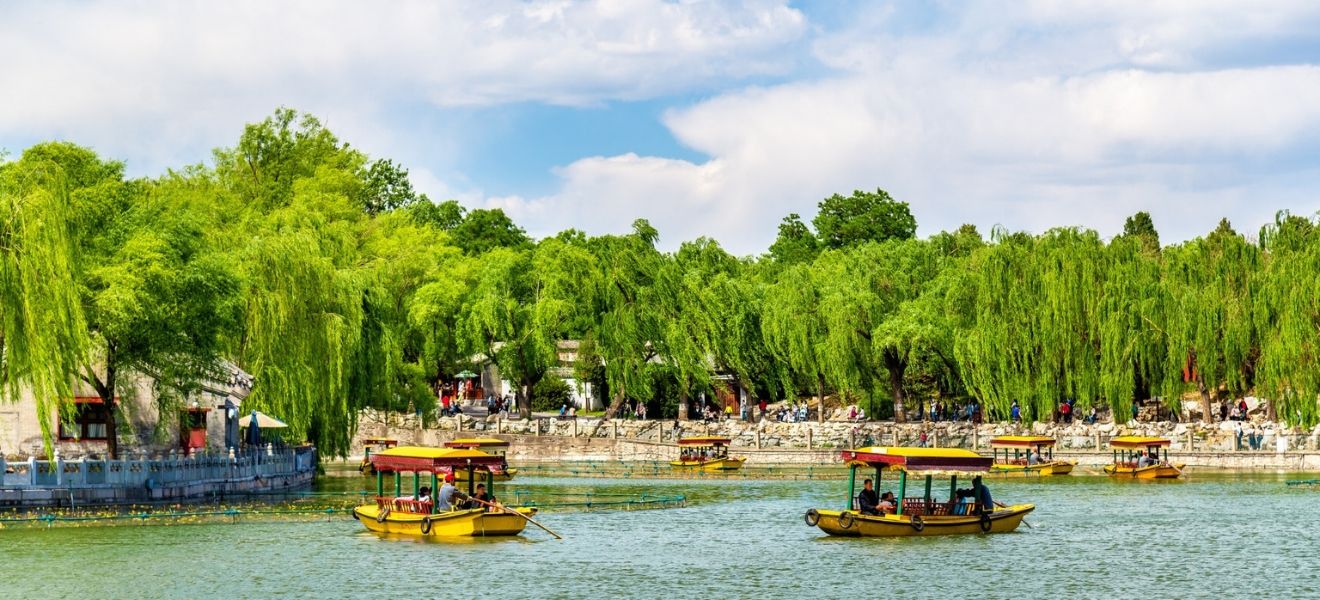
If Beijing and Shanghai feel intense, Hangzhou is the antidote. West Lake, a UNESCO World Heritage site, is ringed by causeways, pagodas, and willow trees, best explored by boat or on foot in the early morning. In the hills behind the lake, the Longjing (Dragon Well) tea villages welcome visitors for tastings, and Lingyin Temple is one of China’s largest and most active Buddhist monasteries.
Best Places to Visit in China by Travel Style
| Travel Style | City | Site |
|---|---|---|
| Iconic history | Beijing, Xi'an | Great Wall, Forbidden City, Terracotta Army |
| Dramatic scenery | Guilin, Zhangjiajie, Huangshan | Karst, sandstone pillars, granite peaks |
| Food-focused travel | Chengdu, Guangzhou, Shanghai | Sichuan, Cantonese, and Shanghainese cuisines |
| Culture and slow travel | Yunnan, Hangzhou, Suzhou | Old towns, lakes, gardens, minority heritage |
| Wildlife | Chengdu | Giant pandas up close |
| First-timers | Beijing, Xi'an, Guilin, Shanghai | The classic "Golden Route" |
When Is the Best Time to Visit China?
China’s size means weather conditions vary considerably between regions. Spring and autumn are often the most comfortable seasons for classic sightseeing itineraries, although local conditions should guide your plans. For more detailed seasonal advice, see our guide to the best time to visit China.
| Season | What to expect | Best suited destinations |
|---|---|---|
| Spring (March–May) | Generally mild in many regions, with flowers and greenery | Beijing, Shanghai, Hangzhou, Suzhou |
| Summer (June–August) | Hot and humid in many cities, with rainy periods | Selected mountain regions and higher-elevation destinations |
| Autumn (September–November) | Often pleasant temperatures and clear scenery | Beijing, Xi'an, Guilin, Huangshan |
| Winter (December–February) | Cold in northern China, generally milder in parts of the south | Guangzhou, selected southern destinations, winter city experiences |
Summer can bring heavy rainfall or typhoons to parts of southern and eastern China. Mountain destinations also have highly changeable conditions.
If possible, avoid major national holiday periods, especially Chinese New Year and the early-October National Day holiday, when popular attractions and transport services can be extremely busy.
Practical Tips for Planning a Comfortable China Vacation
Visas
China’s entry rules have loosened significantly, but they vary by nationality:
- UK, Australian, and Canadian passport holders can currently enter China visa-free for up to 30 days for tourism under a unilateral policy that the Chinese government has extended through December 31, 2026.
- US passport holders are not covered by the 30-day scheme. They can use the 240-hour (10-day) visa-free transit policy if arriving from one country and departing to a different one (Hong Kong and Macau count as separate destinations) through one of the designated ports in 24 provinces, or apply for a standard tourist (L) visa in advance.
Policies change; confirm your eligibility with the Chinese embassy or the National Immigration Administration shortly before departure.
Payments
China is largely cashless, but international visitors are well catered for. Download Alipay or WeChat Pay before you leave, verify your identity with your passport, and link a Visa or Mastercard. Transactions of CNY 200 or less carry no platform fee; larger payments incur a 3% service fee. International cards are accepted at hotels, airports, and major attractions but not reliably at small shops or taxis, so a modest amount of RMB cash remains a sensible backup.

Tickets and Real-Name Booking
Most major attractions, including the Forbidden City and Mutianyu, now use real-name ticketing tied to your passport number, often with daily caps and advance release windows. Book early for spring and autumn travel, and carry your physical passport every day; it is required for museum entry, train boarding, and hotel check-in.
Getting Around
China’s high-speed rail network is the most comfortable way to travel between cities: Beijing to Shanghai takes about 4.5 hours, and Beijing to Xi’an under 6. Tickets can be purchased with a passport through the official 12306 platform or arranged by your tour operator. Within cities, the DiDi ride-hailing app works in English and links to Alipay or WeChat Pay.
Health, Comfort, and Connectivity
Many sites involve steps and uneven paving. Cable cars and shuttle buses are available at nearly every mountain destination, and a private guide can adjust pacing. Pack any prescription medications in original packaging. Many Western apps and websites are blocked in mainland China; an international roaming plan or travel eSIM typically bypasses this, and hotels of four stars and above provide reliable Wi-Fi.
Timing
April–May and September–October offer the best weather nationwide. Avoid the first week of October (National Day Golden Week) and Chinese New Year (late January to February), when domestic travel surges and attractions sell out.
Final Thoughts: Discover the Best of China at Your Own Pace
The best places to visit in China reveal a country of remarkable diversity. Beijing and Xi’an preserve extraordinary imperial history, Shanghai and Guangzhou showcase vibrant modern culture, while Guilin, Zhangjiajie, and Huangshan offer unforgettable natural scenery.
The best place to go in China ultimately depends on what excites you most. For first-time visitors, combining major cultural landmarks with one or two scenic destinations creates a particularly rewarding introduction.
For a journey designed around your interests and preferred pace, explore Asia Pioneer Travel’s tailor-made holidays. With thoughtfully selected accommodations, private guides, and carefully planned experiences, your China vacation can be both enriching and comfortably paced.
FAQs About China Traveling
1. What are the best places to visit in China for a first trip?
Beijing, Xi'an, Guilin, and Shanghai form the classic route, combining the Great Wall, the Forbidden City, the Terracotta Army, the Li River, and the Bund in 10 to 12 days. Add Chengdu for pandas if you have two or three more days.
2. Which section of the Great Wall is best for a Great Wall of China tour?
Mutianyu is the best all-round choice: restored, scenic, less crowded than Badaling, and equipped with a cable car. Jinshanling suits travelers who want a longer, wilder hike.
3. Do I need a visa to visit China?
UK, Australian, and Canadian citizens can currently visit visa-free for up to 30 days (policy extended through December 31, 2026). US citizens need a visa unless they qualify for the 240-hour visa-free transit policy by continuing to a third country or region. Always check official sources before booking.
4. When is the best time to visit China?
April–May and September–October offer mild temperatures and clear skies across most of the country. Avoid Chinese public holidays, especially early October and Chinese New Year.
5. Can I pay with my credit card in China?
Cards are accepted at hotels, airports, and major attractions, but everyday payments run on Alipay and WeChat Pay. Both accept linked international Visa and Mastercard cards; payments under CNY 200 carry no extra fee.
6. How many days do I need in China?
Ten days covers the highlights of two or three regions comfortably. Two weeks allows for pandas in Chengdu, mountains in Zhangjiajie or Huangshan, or the old towns of Yunnan without rushing.