

If you’re asking “Is November a good time to go to Vietnam?”, you’ll be pleased to know that it’s one of the country’s most versatile travel months. The north enjoys cool autumn weather, central Vietnam begins to dry out, and the south welcomes plenty of sunshine. Combined with seasonal festivals, stunning scenery, and comfortable travel conditions, November is an excellent time to experience Vietnam. In this guide, you will discover the weather, top destinations, major festivals, and essential travel tips for visiting Vietnam in November.
Vietnam Weather In November: A Regional Overview
Vietnam’s weather in November varies considerably from one region to another. Northern Vietnam enjoys cool and dry conditions, Southern Vietnam enters the sunny dry season, while Central Vietnam experiences its wettest period of the year. Understanding these regional differences will help you choose the best destinations for your trip.
Northern Vietnam (Cool and Dry)
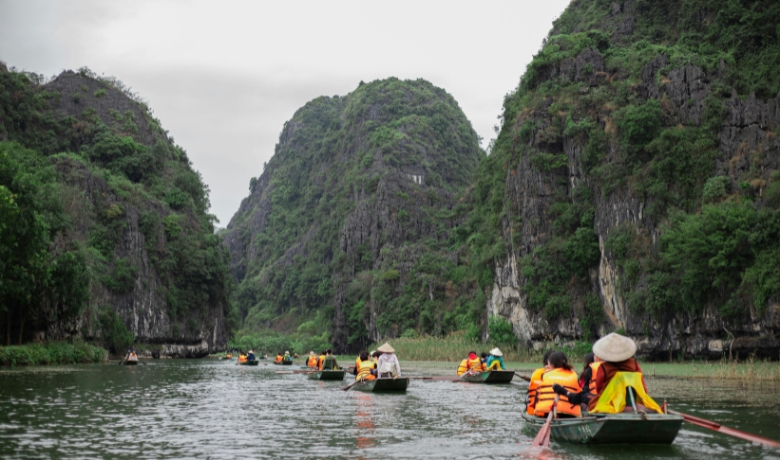
Northern Vietnam enjoys cool, comfortable weather in November, making it one of the best times to explore Hanoi, Ninh Binh, Ha Giang, and Sapa. Temperatures range from 19 – 25°C across the lowlands, while mountain destinations such as Sapa are much cooler at 11 – 18°C, with nighttime temperatures occasionally dropping below 10°C.
November is also one of the driest months in the region. Sapa receives only around 55 mm of rainfall over 5 – 7 rainy days, while humidity averages about 80%. With around 4 hours of sunshine per day and a moderate UV index of 3 – 5, conditions are ideal for trekking, hiking, sightseeing, and cloud hunting.
Southern Vietnam (Warm and Sunny)
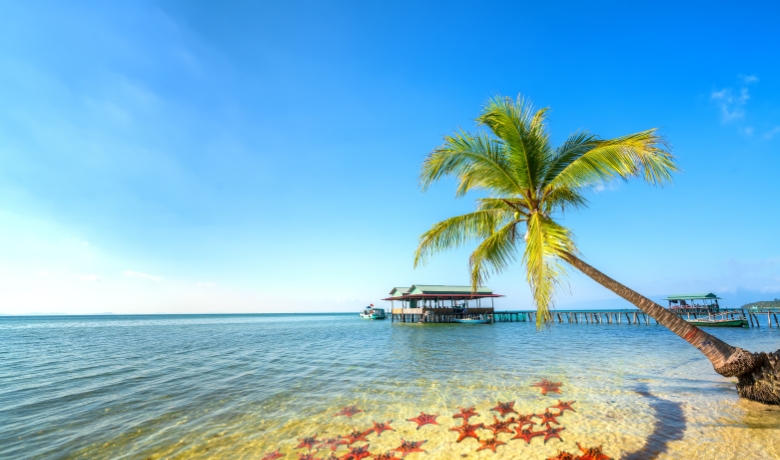
Southern Vietnam marks the beginning of the dry season, bringing warm temperatures and plenty of sunshine. Daytime temperatures typically range between 29 – 32°C, while evenings remain pleasant at 24 – 27°C. Coastal destinations such as Phu Quoc experience similar conditions, with temperatures ranging from 24 – 31°C.
Although November is technically the final month of the rainy season, rainfall drops significantly to around 117 mm. Visitors can also expect 6 – 7 hours of sunshine daily, while sea temperatures remain a comfortable 29°C, making this one of the best times for beach holidays, island hopping, and water activities.
Central Vietnam (Unpredictable and Rainy)
Central Vietnam is generally not the best region to visit in November due to the peak of the rainy and storm season. Temperatures remain comfortable at around 22 – 28°C, but persistent rainfall can disrupt travel plans.
Rainfall is exceptionally high, with Hue receiving an estimated 650 – 900 mm throughout November. Heavy downpours, flooding, and occasional tropical storms are common, particularly around Hue, Da Nang, and Hoi An. If you plan to visit Central Vietnam during this period, it is important to monitor weather forecasts closely and keep your itinerary flexible.
Best Places To Visit In Vietnam In November
One of the biggest advantages of visiting Vietnam in November is the incredible variety of landscapes and weather across the country. While northern mountains welcome cool temperatures and spectacular scenery, southern beaches enjoy warm sunshine, making it possible to experience completely different sides of Vietnam in a single trip.
Sapa or Ha Giang (The Majestic North)
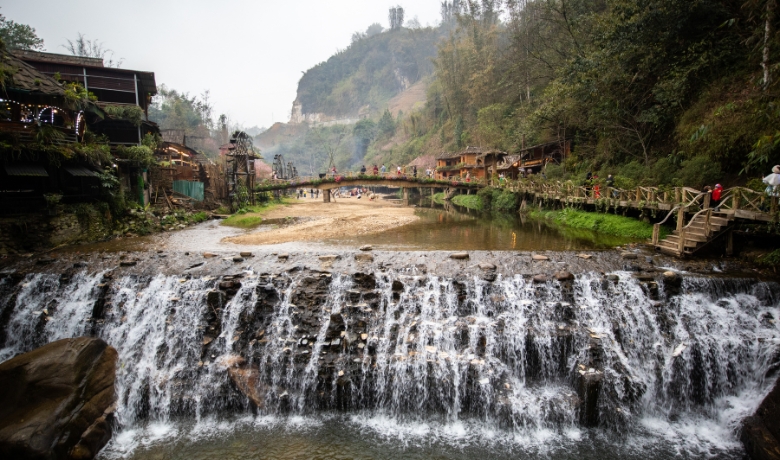
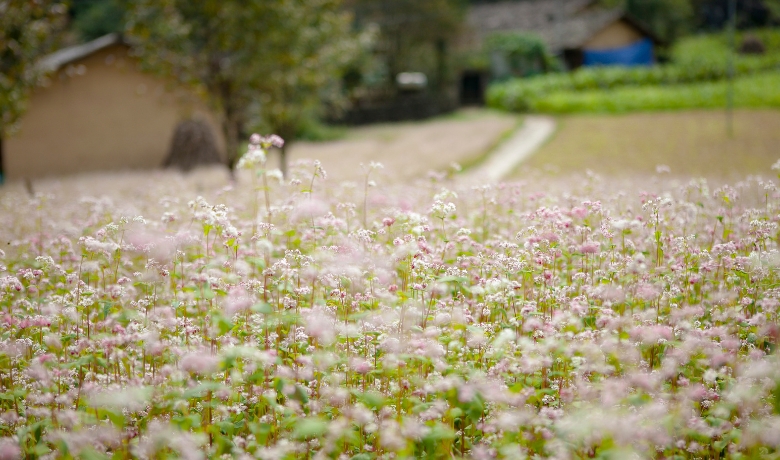
Northern Vietnam reaches one of its most beautiful seasons in November. Sapa enjoys cool, dry weather with temperatures between 11 – 18°C and only around 55 mm of rainfall, creating ideal conditions for trekking and cloud hunting. At the same time, Ha Giang comes alive with the famous buckwheat flower season, when hillsides gradually transform from soft pink to deep purple throughout the month.
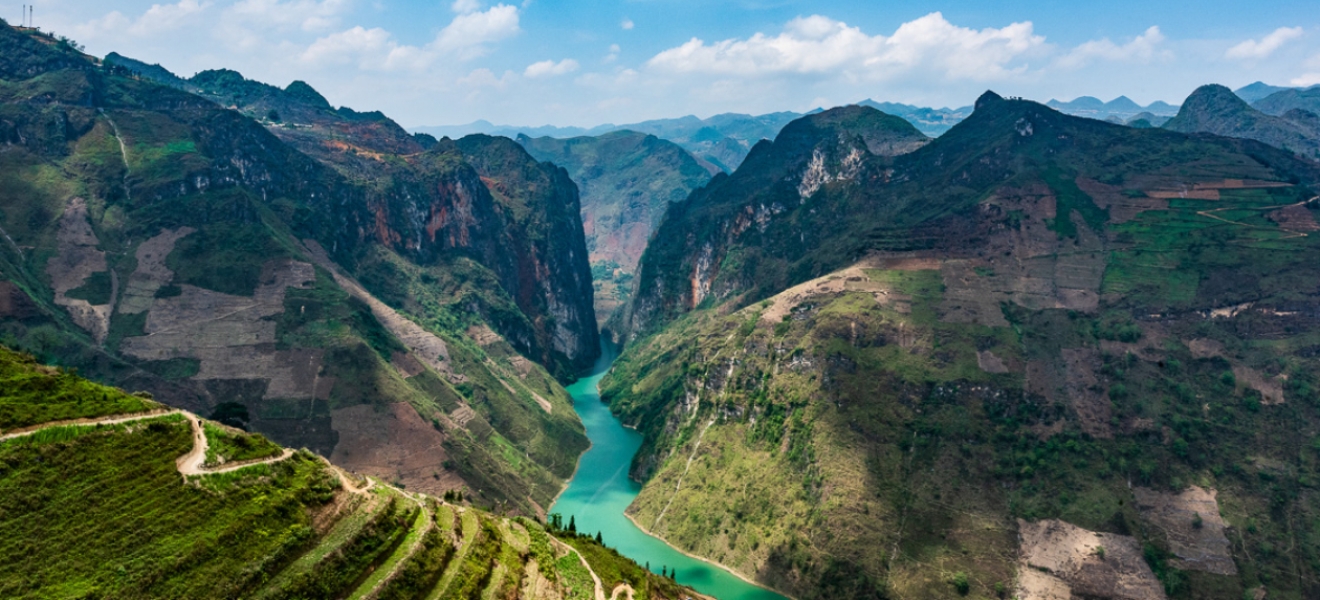
In Sapa, ride the Fansipan cable car, watch the sunset above the clouds from O Quy Ho Pass, trek through villages such as Cat Cat or Ta Van, then relax with a traditional Red Dao herbal bath before enjoying a hot salmon hotpot. In Ha Giang, drive the spectacular Ma Pi Leng Pass, visit Lung Cu Flag Tower, explore the Buckwheat Flower Festival, or experience authentic ethnic culture at local markets in Dong Van and Meo Vac.
Hanoi (Autumn Charm)
November brings some of Hanoi’s most pleasant weather, with temperatures ranging from 19 – 25°C. Clear skies, cool air, and tree-lined streets filled with golden leaves create the perfect atmosphere for exploring the capital on foot.
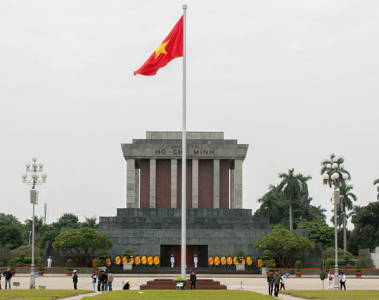
Stroll around Hoan Kiem Lake, visit historic landmarks such as the Ho Chi Minh Mausoleum and the Temple of Literature, then spend an evening wandering through the Old Quarter. November is also one of the best times to experience Hanoi’s street food culture, from a steaming bowl of pho to fresh green rice (com), hot desserts, or a glass of traditional bia hoi.
Phu Quoc Island (Tropical Paradise)
November marks the beginning of the dry season in Southern Vietnam, making Phu Quoc one of the country’s best beach destinations. Temperatures remain between 24 – 31°C, sunshine becomes more consistent, and the sea stays warm at around 29°C. As the international peak season has only just begun, visitors can often enjoy quieter beaches and better accommodation prices.
Relax on beautiful beaches such as Bai Sao, Bai Khem, or Long Beach, snorkel around Hon Thom, join a night squid fishing trip, or experience local fishing tours. Families can spend a day at VinWonders, visit Grand World, or explore wildlife at Vinpearl Safari.
> Read more: Phu Quoc Weather Guide: The Best Time to Visit for a Perfect Trip
Da Lat (City of Flowers)
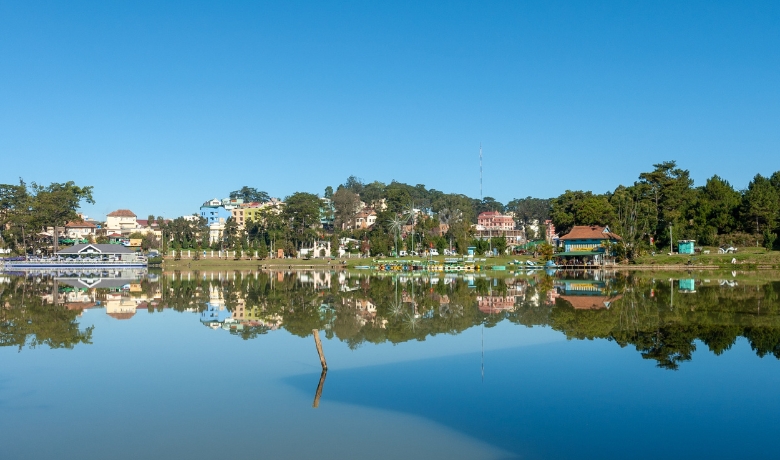
November signals the end of the rainy season in Da Lat, bringing cool temperatures of 16 – 23°C, fresh mountain air, and clear skies. It is also the peak season for blooming wild sunflowers, which paint the surrounding hillsides bright yellow and create some of the city’s most photogenic landscapes.
Walk around Xuan Huong Lake, relax at hillside cafés, or head to Cau Dat Tea Hill before sunrise for cloud hunting. Visitors can also admire landmarks such as Da Lat Cathedral and Linh Phuoc Pagoda, explore local dairy farms, then finish the day at the lively Da Lat Night Market, famous for its warm street food and local specialties.
Top Festivals in Vietnam To Experience In November
Beyond pleasant weather, November is also a season of celebration across Vietnam. Many of the country’s most distinctive cultural festivals take place during this month, giving visitors the opportunity to experience traditions that have been preserved for generations.
Buckwheat Flower Festival (Ha Giang)
The Buckwheat Flower Festival is the biggest annual cultural event on the Dong Van Karst Plateau and one of the highlights of Southeast Asia in November. During this period, the famous buckwheat fields are in full bloom, creating spectacular pink and purple landscapes across the limestone mountains while celebrating the culture of the region’s 19 ethnic groups.
Visitors can watch traditional costume performances, join demonstrations of flax weaving, embroidery, musical instrument making, and traditional handicrafts. On weekends, many cultural tourism villages host folk games, music performances, and community activities. Festival markets also showcase local agricultural products, medicinal herbs, handicrafts, and regional specialties, making it an excellent place to experience Ha Giang’s unique culture.
Ok Om Bok Festival (Mekong Delta)
The Ok Om Bok Festival, also known as the Khmer Moon Worship Festival, is one of the three most important traditional celebrations of the Khmer community in southern Vietnam. Held on the 15th day of the 10th lunar month, usually in November, the largest celebrations take place in Soc Trang, attracting tens of thousands of visitors every year. The festival honors the Moon God and gives thanks for favorable weather and successful harvests.
One of the most memorable experiences is the evening moon worship ceremony at Mahatup (Bat Pagoda), where elders offer flattened rice (com dep), bananas, and sweet potatoes to children while asking about their wishes for the coming year. Visitors can also release sky lanterns or floating lanterns as symbols of peace and good fortune.
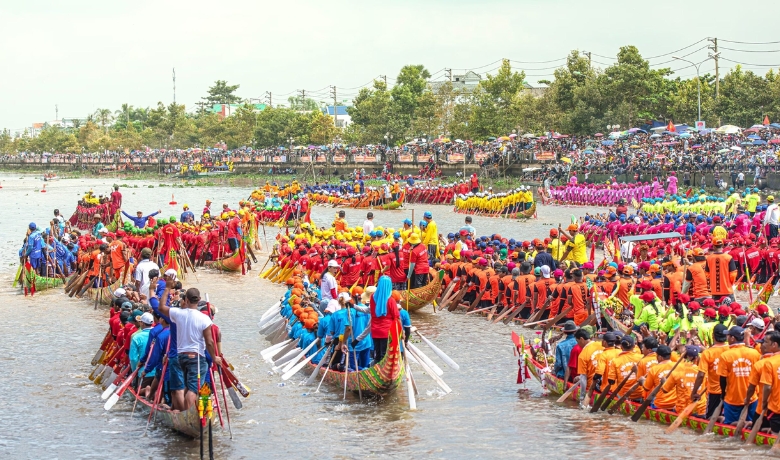
During the day, the famous Ngo boat race on the Maspero River draws huge crowds as 20 – 30-meter-long wooden boats, each powered by up to 50 paddlers, compete in races lasting 3 to 4 hours. Traditional Chhay-dam drum performances, Robam dance, Khmer five-tone music, folk games, and food fairs featuring bun nuoc leo, pia cake, canh xiem lo, and vegetarian curry complete one of the Mekong Delta’s most vibrant cultural celebrations.
Essential Travel Tips for Visiting Vietnam in November
A little preparation goes a long way when traveling around Vietnam in November. Although conditions are generally favorable, the country’s diverse climate means you’ll need different clothing, travel plans, and precautions depending on where you’re heading.
What to Pack
Pack according to the region you’ll be visiting, as temperatures and weather conditions can be very different across Vietnam.
- Northern Vietnam (Sapa, Ha Giang): Nighttime temperatures can drop to 10 – 12°C, so pack warm layers, a jacket, gloves, a scarf, and comfortable trekking shoes. A small first-aid kit with cold medicine, pain relievers, digestive tablets, and snacks is also useful for longer hikes.
- Central Vietnam: November falls within the rainy season. Bring a lightweight rain jacket, a compact umbrella, waterproof shoes, quick-drying clothes, and dry bags to protect your electronics.
- Southern Vietnam (Ho Chi Minh City, Phu Quoc): Warm, sunny weather calls for lightweight clothing, sunscreen, sunglasses, a wide-brimmed hat, insect repellent, and motion sickness medication if you’re planning island boat trips.
- General tips: Carry modest clothing that covers your shoulders and knees when visiting temples or pagodas. It’s also worth keeping some Vietnamese Dong (VND) in cash for local markets, street food stalls, and smaller businesses.
Booking Advice
November offers excellent value in many parts of Vietnam, but demand varies depending on the destination.
- Beach destinations such as Phu Quoc and Nha Trang often have attractive hotel promotions during this shoulder season, making it a good time to find quality accommodation at lower prices.
- In contrast, Sapa and Ha Giang are among the busiest destinations in November thanks to the cloud season and buckwheat flowers. Book accommodation, transportation, and tours well in advance if you plan to visit these regions.
Safety and Weather Monitoring
Weather conditions can change quickly during November, particularly in central Vietnam.
- Check the weather forecast regularly before traveling, especially if your itinerary includes Central Vietnam, where heavy rain or storms can occasionally affect transportation.
- If severe weather is forecast, avoid mountain roads and be prepared to adjust your plans. A flexible itinerary is often the safest way to travel during this time of year.
Culture and Etiquette
Learning a few local customs will help you enjoy a smoother and more respectful travel experience.
- Vietnamese people generally appreciate polite, calm communication. Ask for permission before photographing local people, especially in ethnic minority communities, and dress respectfully when visiting religious sites.
- Tipping is optional but appreciated. In restaurants, a 10% tip is appropriate if a service charge is not already included. For guided tours, many travelers tip around US$10 per day for guides and US$5 per day for drivers. Leaving a small tip for hotel housekeeping before check-out is also a thoughtful gesture.
FAQs
Is Vietnam expensive in November?
Vietnam is still an affordable destination in November, although prices begin to increase with the start of the peak travel season. Booking flights and accommodation early can help you secure the best deals.
Can you swim in Vietnam in November?
Yes. Southern destinations like Phu Quoc and Con Dao offer warm weather and calm seas, while central Vietnam may still experience occasional rain. Northern Vietnam is generally too cool for swimming.
What should you do in Vietnam in November?
November is perfect for trekking, cruising Ha Long Bay, exploring Hoi An, relaxing on southern beaches, and experiencing cultural festivals like the Buckwheat Flower Festival and Ok Om Bok.
What is the weather like in Vietnam in November?
Northern Vietnam is cool and dry, central Vietnam sees improving weather with some rain, and southern Vietnam enjoys warm sunshine and the start of the dry season, making it ideal for outdoor activities.
Conclusion
So, is November a good time to go to Vietnam? Absolutely. November is one of the best months to visit Vietnam, especially if your itinerary focuses on Northern Vietnam or Southern Vietnam. Cool, dry weather in the north creates ideal conditions for trekking and mountain scenery, while the south enjoys warm sunshine perfect for beaches and island escapes. With vibrant festivals, fewer crowds, and diverse seasonal experiences, November offers something for every type of traveler.
If you’re looking for a seamless journey tailored to your interests, Asia Pioneer Travel can help you design a personalized Vietnam itinerary, from mountain adventures in Ha Giang and Sapa to relaxing beach holidays in Phu Quoc and the Mekong Delta. Our local expertise ensures you experience Vietnam at its very best in November.