

Vietnam is a tropical paradise with a stunning coastline that stretches over 3,000 kilometers. The warm, crystal-clear waters make it an ideal destination for anyone who loves the ocean. If you are looking for an easy way to explore underwater life, snorkeling in Vietnam is the perfect activity. You will experience colorful coral reefs, diverse tropical fish, and a peaceful world beneath the waves. This guide will show you the top spots for the best views and provide essential tips for your adventure.
1. Why Choose Snorkeling in Vietnam for an Unforgettable Experience?
If you are looking for a tropical adventure, snorkeling in Vietnam offers a unique combination of comfort and natural beauty. The country’s coastline provides a perfect environment for both beginners and experienced swimmers to explore the ocean.
1.1 Ideal water temperatures all year
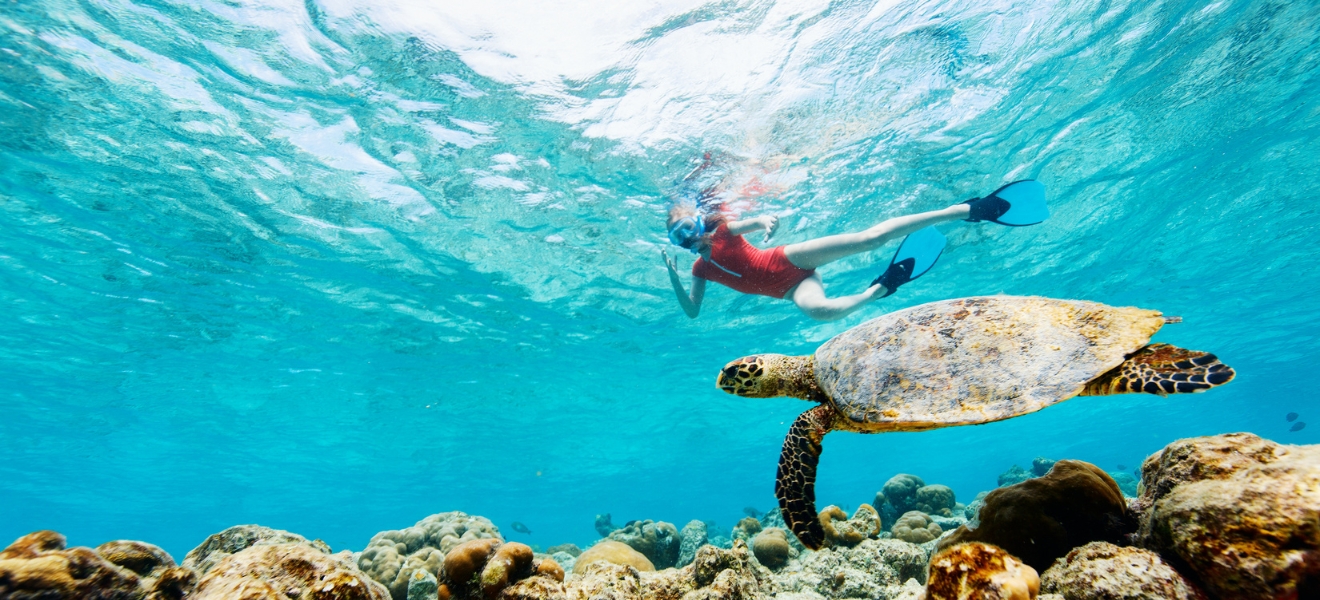
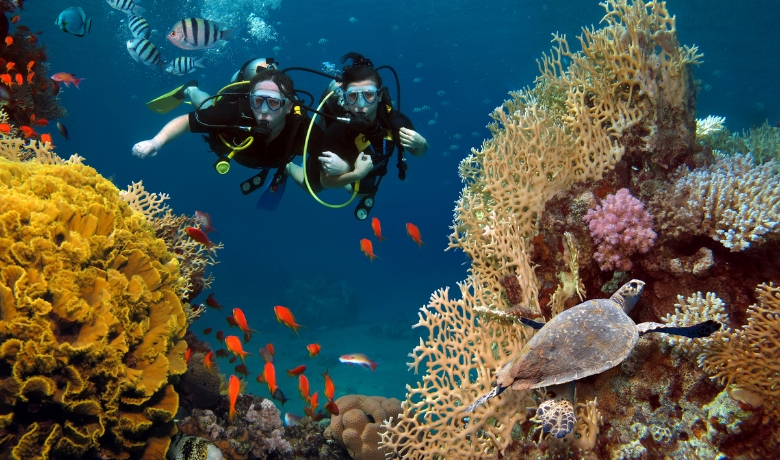
One of the best parts of snorkeling in Vietnam is the comfortable water temperature. Year-round, the sea stays between 21°C and 30°C, so you can float for hours without feeling cold. In these warm waters, you will see a vibrant world filled with clownfish, parrotfish, and even sea turtles or rays if you are lucky.
1.2 Perfect for all skill levels
Many of the best spots feature shallow fringing reefs that are very close to the surface. This makes it incredibly easy to observe the coral and fish from above without needing advanced swimming skills. Most day tours combine island hopping with lunch and provide all the gear, making the experience very convenient.
1.3 Easy access and better conservation
Vietnam is putting more effort into protecting its underwater treasures through dedicated marine parks. These conservation areas help preserve the reefs and keep the water clean. Compared to some overcrowded spots in other countries, these protected areas offer a more peaceful and natural environment for your snorkeling trip.
2. Best Time to Snorkel in Vietnam by Region
The best time for snorkeling in Vietnam depends entirely on which part of the coast you plan to visit. Because the country is so long, the weather changes from north to south, affecting how clear the water stays for your trip.
2.1 Southern Vietnam: November to May
If you are heading to Phu Quoc or Con Dao, the dry season from November to May is the perfect window. During these months, the seas are calm and there is very little rain. You can expect excellent visibility between 10 and 25 meters, making it easy to see every detail of the coral reefs and colorful fish.
2.2 Central Vietnam: February to October
For spots like Nha Trang, the Cham Islands, or Da Nang, the best conditions run from February to October. The peak months are March to August when the water is crystal clear and the currents are very low. This is the prime time for a smooth and relaxing snorkeling experience in these regions.
2.3 Northern Vietnam: April to September
In the north, destinations like Cat Ba or Co To are best visited between April and September. These months offer calmer seas and much better visibility than the winter. It is the ideal time to explore the unique underwater landscapes found near the famous limestone karsts.
2.4 When to Avoid Snorkeling
It is best to avoid the monsoon and rainy periods when waves increase and visibility drops significantly. In Central Vietnam, stay away from October to January. In the South, the rainy season from June to October can make boat trips difficult and the water murky.
3. Top Snorkeling Destinations in Vietnam You Can’t Miss
Vietnam offers a diverse range of coastal treasures, from protected marine parks to hidden island gems, that every ocean lover should explore.
3.1 Phu Quoc Island – Most Popular and Beginner-Friendly
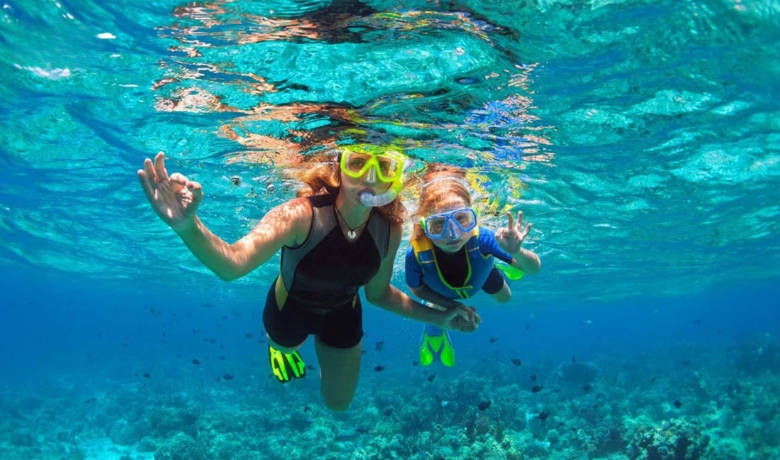
Phu Quoc Island is the top destination for snorkeling in Vietnam, especially if you are a beginner or traveling with family. The island is famous for its calm, shallow waters and diverse marine ecosystem, featuring over 250 species of hard and soft corals.
Most of the best spots are found in the An Thoi Archipelago to the south, including the “coral kingdom” of Hon Gam Ghi, Hon Mong Tay, and the crystal-clear shores of Hon May Rut. You can also explore the unique Starfish Beach at Rach Vem in the north, where vibrant red starfish gather on the white sandy floor.
Because many reefs sit just 1 to 3 meters below the surface, even those who aren’t strong swimmers can easily enjoy the view of colorful cabbage corals and flower corals. Under the clear water, you will see a bustling world of clownfish, butterflyfish, and occasionally sea turtles gliding through the reefs. To get the most out of your Phu Quoc island hopping, plan your visit during the dry season from November to April when visibility is at its peak, often reaching 20 meters.
3.2 Nha Trang – Diving Capital with Protected Reefs
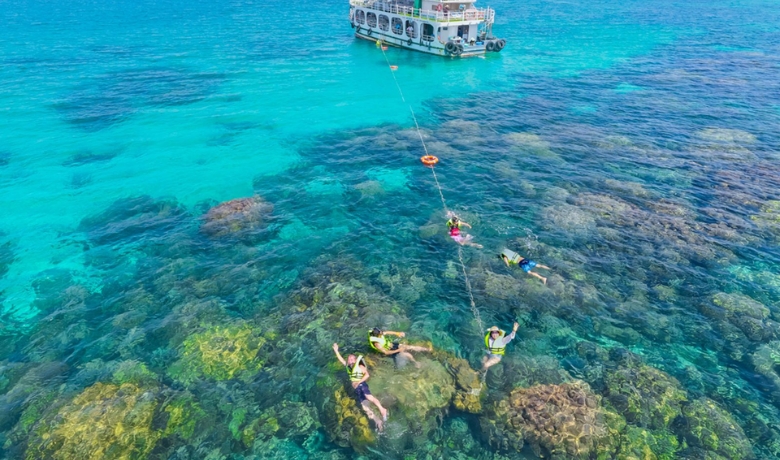
Known as the diving capital of the country, Nha Trang is home to Hon Mun Marine Protected Area, the first of its kind in Vietnam. This underwater “tropical forest” boasts over 350 species of hard and soft corals. While snorkeling here, you can explore famous spots like Madonna Rock, Hon Tam, and Monkey Island, where visibility can reach an impressive 20 to 30 meters.
The marine life in these protected reefs is incredibly vibrant and diverse. As you float above the colorful coral, you will encounter large groupers, bright nudibranchs, and elegant moray eels. It is also common to see schools of tropical fish darting through the water, and lucky snorkelers might even spot a harmless small reef shark patrolling the deeper sections of the reef.
To enjoy the best conditions, plan your Nha Trang hopping between March and September when the sea is calm and crystal clear. Many tours offer a mix of snorkeling, sea walking, and professional scuba diving just a short boat ride from the city center. Remember to follow local conservation rules by avoiding single-use plastics.
3.3 Con Dao Islands – Pristine and Untouched Hidden Gem
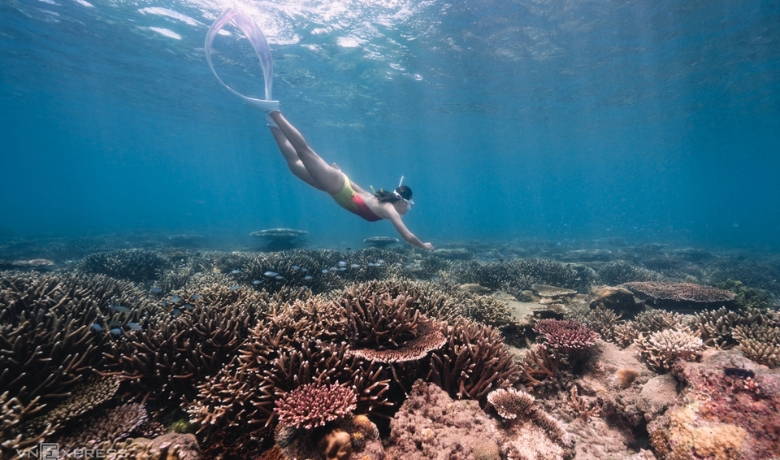
For travelers seeking a pristine and untouched underwater world, Con Dao is the ultimate destination. Located within a strictly protected National Park, these waters boast an incredible coral cover of over 42%. You can explore crystal-clear spots like Bay Canh Island and Cau Island, where the reefs stretch from shallow flats down to 15 meters deep, offering perfect visibility for snorkeling in Vietnam.
The marine life here is truly rare and majestic. As the largest nesting ground for sea turtles in the country, you have a unique chance to swim alongside gentle Green turtles and Hawksbills in their natural habitat. If you are lucky, you might even spot the elusive Dugong (sea cow) grazing on seagrass, or see giant barracudas and colorful giant clams resting among the massive coral forests.
To make the most of your trip, visit between March and September when the sea is calm and the water is at its clearest. This period also overlaps with the turtle nesting season, allowing you to combine a snorkeling boat trip with a nighttime eco-tour to watch mother turtles lay eggs.
> See tour: 12 days Splendorous Vietnam Beach Tour
3.4 Cham Islands (near Hoi An) – UNESCO Biosphere Reserve
Just a short boat ride from the historic town of Hoi An, the Cham Islands are a protected UNESCO Biosphere Reserve. This group of eight islands offers some of the best snorkeling in Vietnam within its healthy, shallow reefs. Because the water is only 1 to 4 meters deep in many spots, even beginners can easily see the vibrant underwater world clearly from the surface.
While floating through the crystal-clear water at sites like Coral Beach or Hon Nhon, you will encounter a busy community of marine life. Bright clownfish dart in and out of anemones, while colorful parrotfish and damselfish swim among the diverse coral formations. If you look closely into the rocky crevices, you might even spot a shy moray eel watching the reef.
To experience the best visibility and calmest seas, plan your trip during the dry season from April to August. Because of its protected status, visitors are encouraged to use reef-safe sunscreen to help keep the coral gardens pristine for years to come.
3.5 Vinh Hy Bay – The Pristine Emerald of Ninh Thuan
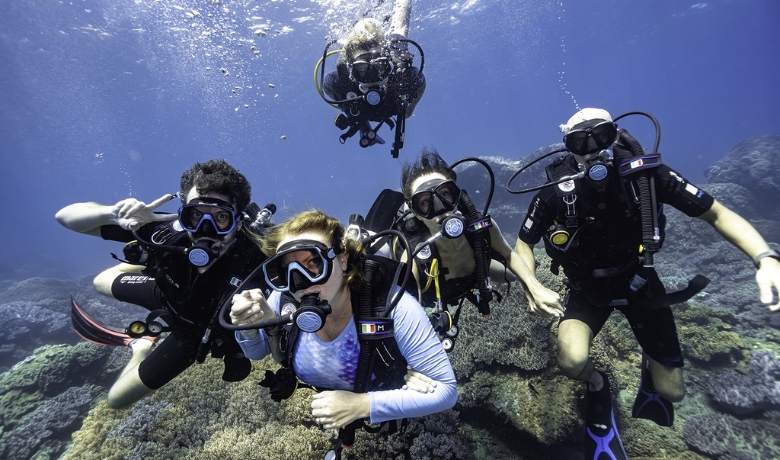
Nestled against the majestic Nui Chua National Park, Vinh Hy Bay in Ninh Thuan is a hidden gem known for its emerald waters and untouched natural beauty. This peaceful bay offers a stunning landscape where rugged mountains meet the sea. It remains one of the most pristine spots for snorkeling in Vietnam, far away from the heavy crowds of larger tourist cities.
The underwater world here is incredibly accessible, with healthy coral reefs located very close to the shore. For families or those who prefer not to swim, the bay is famous for its glass-bottom boat tours, allowing you to see vibrant corals and schools of small fish right beneath your feet. More adventurous travelers can also try sea walking to explore the colorful marine life up close.
For the best experience, plan your visit between May and August when the sun is bright and the sea is as calm as a mirror. After a morning of snorkeling near landmarks like Turtle Island or Robot Rock, you can relax at Coc Beach to enjoy fresh seafood served right on floating wooden rafts. Please remember that a small conservation fee of about 20,000 VND is required to help protect this delicate ecosystem.
3.6 Phu Quy Island: The Rising Star of Pristine Beauty
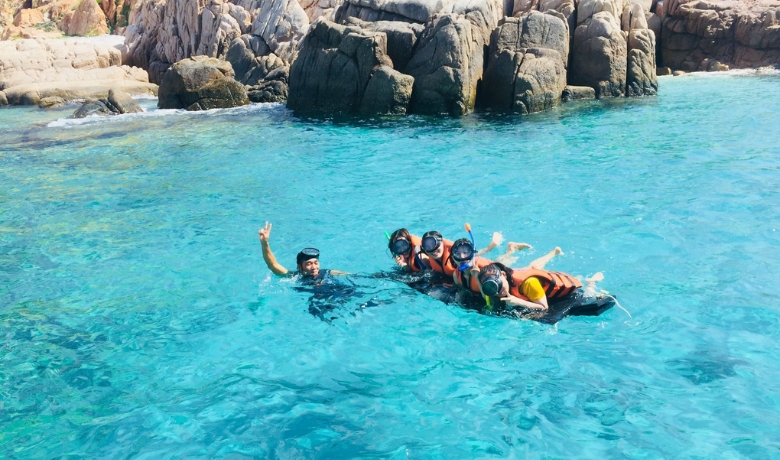
Rising as a favorite destination for nature lovers, Phu Quy Island (also known as Cu Lao Thu) remains beautifully wild and untouched by mass tourism. The most vibrant and healthy coral reefs are found at Bai Can, Ganh Hang, and especially Hon Tranh, which locals consider the safest and most stunning spot for snorkeling in Vietnam.
The experience on the island is simple and authentic, often involving local wooden boats or small canoes to reach the nearby islets. While professional diving centers are not as common here as in larger cities, you can easily combine snorkeling with stand-up paddleboarding (SUP) or traditional fishing. The incredibly clear and clean water allows for great visibility, even in shallow areas close to the shore.
Beneath the surface, you will find a unique marine landscape featuring lush green sea grapes and diverse coral shapes like cabbage and table corals. Brightly colored schools of tropical fish dart through these formations, creating a lively scene against the crystal-clear backdrop. For the best visibility and calmest waves, plan your visit between December and June when the sun is out and the sea is at its most peaceful.
3.7 Other Notable Spots
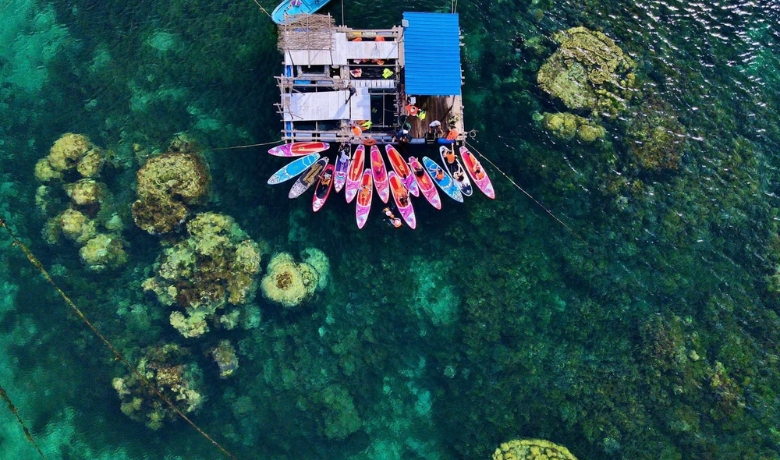
If you are looking for a more secluded experience, snorkeling in Vietnam also extends to the tranquil waters of the Son Tra Peninsula in Da Nang and the remote Co To Islands in the North. Areas like Bai Nghe and Tien Sa in Da Nang, or the smaller islets around Co To, offer peaceful alternatives to the busier diving hubs. These spots are perfect for travelers who want to escape the crowds and enjoy nature at a slower “rhythm.”
The underwater world in these emerging locations is remarkably vibrant and full of life. You can expect to find beautiful coral gardens and a diverse range of tropical fish similar to those in the more famous marine parks. The water in these areas remains relatively untouched, providing a clear and serene environment for observing the local marine ecosystem in its most natural state.
4. Practical Snorkeling Tips for All Levels in Vietnam
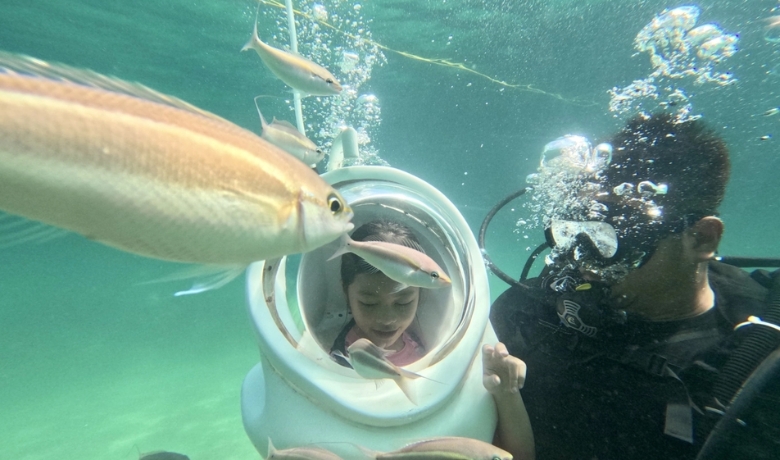
To make the most of your underwater adventure, following a few simple guidelines will ensure your safety and comfort. Whether you are a first-time swimmer or an experienced diver, these practical tips will help you enjoy snorkeling in Vietnam to the fullest.
- Gear up correctly: Always rent high-quality masks, fins, and life vests from reputable operators. A well-fitting mask is essential to prevent water from leaking in while you are observing the reefs.
- Protect the ocean and yourself: Use reef-safe sunscreen to protect the delicate coral, or wear a rash guard to prevent sunburn. Don’t forget to bring a waterproof camera to capture the vibrant marine life.
- Choose the right spot: Beginners should favor calm, shallow areas like Phu Quoc or the Cham Islands. To make your trip completely worry-free, you can join an all-inclusive tour with Asia Pioneer Travel. We craft a personalized itinerary that fits you perfectly, taking care of all the logistics and gear.
- Prepare for the boat ride: If you are prone to seasickness, take motion-sickness medication about 30 minutes before boarding. Most of the best snorkeling sites require a boat trip, so staying comfortable on the water is key to enjoying the day.
- Stay hydrated and energized: Bring a bottle of water and a light snack for the boat. Snorkeling can be surprisingly tiring, so keeping your energy up will help you stay in the water longer.
- Bring a waterproof camera: Vietnam’s underwater visibility is often excellent, so don’t forget a waterproof camera or a secure phone pouch. Capturing a photo of a bright clownfish or a sea turtle is the best souvenir you can take home.
5. Safety, Conservation, and Responsible Practices
To protect the fragile beauty of the ocean, every traveler must follow a few essential rules of the sea. Practicing snorkeling in Vietnam responsibly ensures that the vibrant reefs and marine life remain healthy for future generations.
- Never snorkel alone: Always swim with a buddy and stay within sight of your boat or group. It is important to follow your guide’s instructions regarding currents, which can be stronger at certain Con Dao sites compared to calmer bays.
- Check the local weather: Before heading out, always confirm the daily forecast. High winds or sudden rain can decrease visibility and make the water choppy, so it is safer to reschedule for a clear, calm day.
- Keep your hands off the reef: Never touch, kick, or stand on the coral. These are living organisms that can be easily killed by a single footprint. Even a small scrape can take years for the reef to repair.
- Avoid feeding the fish: While it might seem fun, feeding fish disrupts their natural diet and the balance of the ecosystem. It is much better to simply observe their natural behavior in the “tropical forest” of the sea.
- Choose biodegradable sunscreen: Regular sunscreens contain chemicals that cause coral bleaching. Switch to a reef-safe, biodegradable version or wear a long-sleeved rash guard to protect your skin and the ocean.
- Support conservation efforts: Choose eco-friendly tour operators who use mooring buoys instead of dropping anchors on the reef. By supporting protected marine parks and turtle conservation programs, you help preserve the magic of the underwater world.
6. FAQs
Where is the best place for snorkeling in Vietnam?
Con Dao and Phu Quoc are often considered the best. Con Dao offers the most pristine coral and a chance to see sea turtles, while Phu Quoc has many calm, shallow reefs that are perfect for beginners.
Can I snorkel if I cannot swim?
Yes, you can still enjoy snorkeling in Vietnam if you are not a strong swimmer. Most tour operators provide high-quality life vests that keep you floating effortlessly on the surface, and guides are always nearby to assist you in the water.
What should I bring on a snorkeling trip?
You only need to bring swimwear, a towel, and reef-safe sunscreen. Most tours provide the mask, snorkel, and fins. If you want to capture the "tropical forest" beneath the waves, bringing a waterproof camera or a phone pouch is a great idea.
Are there sharks in Vietnam's snorkeling areas?
You might occasionally see small blacktip reef sharks in deeper areas, but they are harmless and generally shy away from humans. The waters are very safe, and there are no dangerous large sharks in the popular snorkeling zones.
Is it safe to snorkel during the rainy season?
It is usually not recommended. During the rainy season, the waves are stronger and the underwater visibility drops significantly, making it hard to see the coral. It is best to plan your snorkeling in Vietnam during the dry season for the clearest water.
7. Plan Your Snorkeling Trip in Vietnam and Booking Advice
Planning a trip to see the underwater wonders of Vietnam is straightforward if you follow a few simple steps. Most travelers start by flying into major coastal hubs like Nha Trang, Da Nang, or Phu Quoc, where you can easily find high-quality beach resorts to relax between your ocean adventures.
It is a good idea to book your snorkeling sessions in advance, especially during the peak dry season when the water is at its clearest. Most local operators provide all the necessary gear, but you should always ensure your travel insurance covers water activities for a completely safe and memorable experience.
To make your journey even easier, you can incorporate these activities into a broader itinerary with Asia Pioneer Travel. We help you plan a seamless trip that combines the best coastal spots with nearby cultural highlights, ensuring everything is organized and stress-free.
From the rare sea turtles in Con Dao to the vibrant coral gardens of Phu Quoc, we focus on providing authentic encounters with the country’s marine treasures. This allows you to focus on the beauty of the reef while we handle the logistics of your coastal adventure.
Ready to dive into the blue? Contact us today to start planning your perfect snorkeling adventure.