

There’s something magical about walking through Vietnam museum halls. Each artifact whispers stories of ancient kingdoms, revolutionary struggles, and the vibrant cultural tapestry of this nation – from Dong Son bronze drums to powerful modern photographs.
With dozens of museums nationwide, how do you choose? This guide takes you through the most fascinating collections – from iconic exhibits in Hanoi and Saigon to hidden gems in smaller towns. Whether you’re a history buff, art lover, or curious traveler, let’s step inside and start exploring Vietnam’s rich heritage.
1. Vietnam Museums: A Window Into The Soul Of The Nation
Vietnam’s museums form a vibrant cultural map, reflecting the nation’s journey through thousands of years of history. They are not just for history enthusiasts but have become dynamic spaces for art and creativity, captivating visitors of all ages.
The museum scene flows along two main streams:
- Historical & Cultural Museums: house stories of ancient dynasties, wars of resistance, and daily life of 54 ethnic groups. Stepping inside is like traveling back in time, witnessing priceless artifacts from prehistoric eras through modern independence struggles.
- Specialized & Art Museums: celebrate intangible heritage and human creativity. From contemporary art and ancient Champa sculptures to exhibits on traditional craft villages, these spaces offer profound perspectives on Vietnamese culture.
What makes Vietnam’s museums compelling today is the harmonious blend of tradition and modernity. Many now feature interactive displays, 3D visuals, and audio guides, creating immersive experiences. Whether in Hanoi, Ho Chi Minh City, or elsewhere, visiting a local museum is the quickest way to understand the unique character of each region.
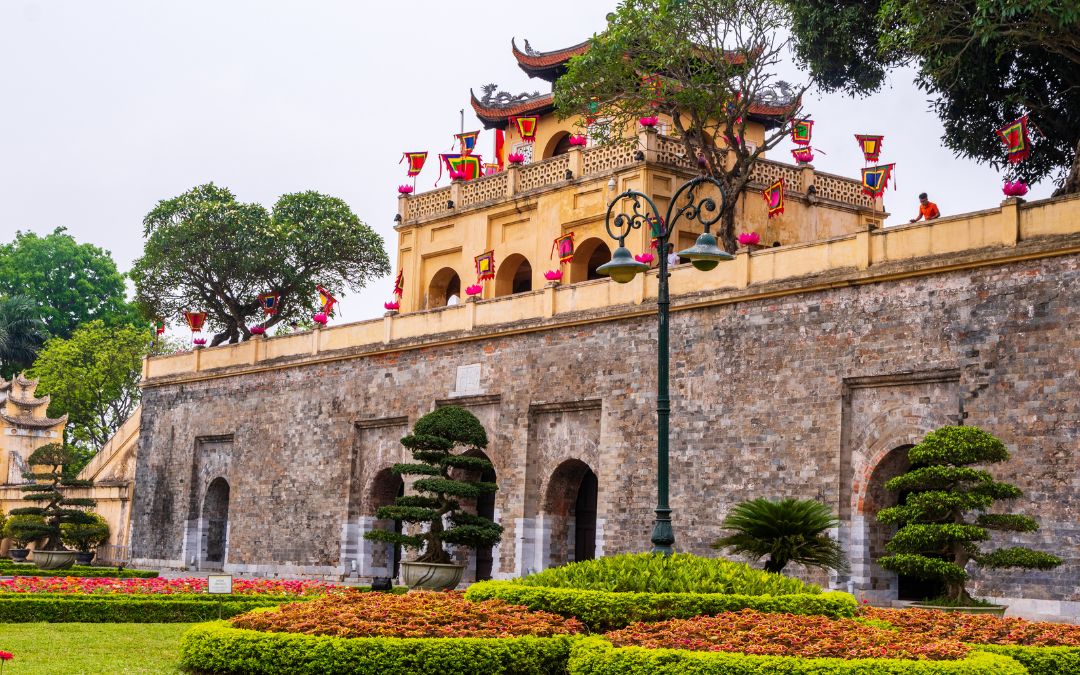
From North to South, Vietnam boasts numerous historical museums, preserving pieces of time that visitors simply cannot miss.
2. Hanoi – The Cradle Of Northern Culture
2.1. Vietnam National Museum of History
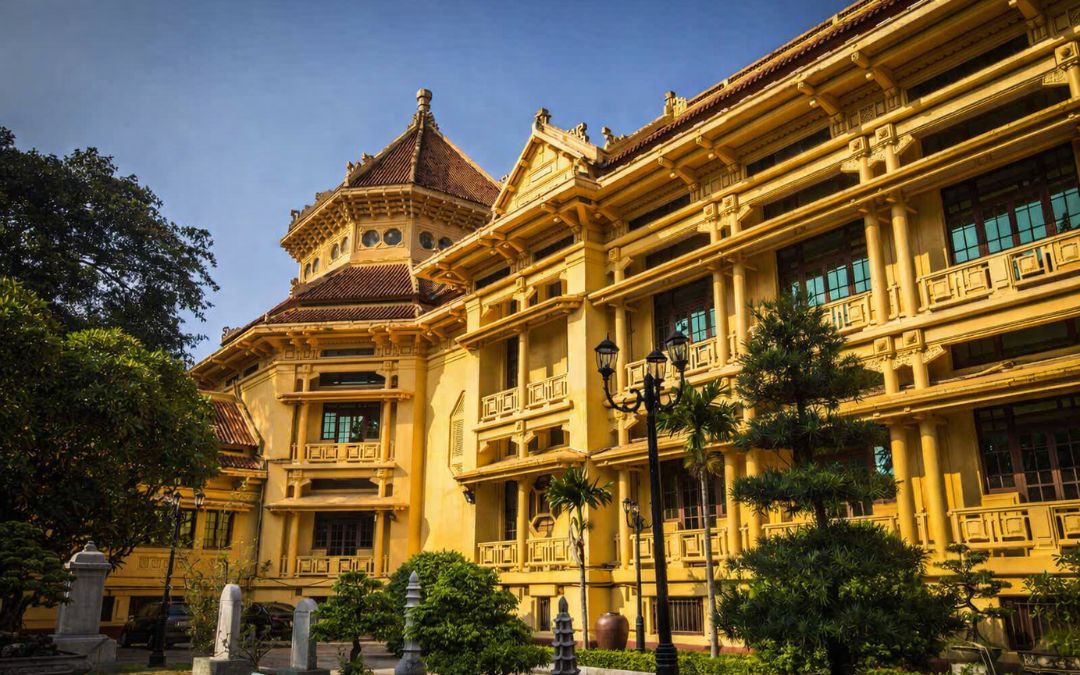
This museum conveniently located near the Opera House and is easily accessible from the city center.
- Address: 1 Trang Tien Street, Hoan Kiem Ward, Hanoi.
- Opening Hours: The museum is open daily from 8:00 AM to 4:30 PM.
- Entry fee: approximately $1.60 for adults and just $0.40 for children, making it an incredibly affordable cultural experience for international travelers.
Housed in a stunning colonial-era building, the Vietnam National Museum of History is a treasure trove of artifacts tracing the country’s development from prehistoric times to the modern era. It is widely considered one of the most important museums for understanding the foundational stories of the nation.
The journey begins with remarkable artifacts from the Dong Son Culture, famous for its sophisticated bronze casting and iconic bronze drums. As you move through the galleries, the narrative unfolds through the rise and fall of great dynasties, with exhibitions dedicated to the Ly, Tran, and Nguyen dynasties being particularly captivating, featuring royal artifacts, opulent clothing, intricate ceramics, and detailed architectural models that reflect the grandeur of imperial Vietnam.
The museum is also devoted to Vietnam’s modern history, chronicling the struggle for independence through powerful documents, revolutionary memorabilia, and photographs that offer a poignant look into the 20th-century wars and the nation’s resilience.
2.2. Ho Chi Minh Museum
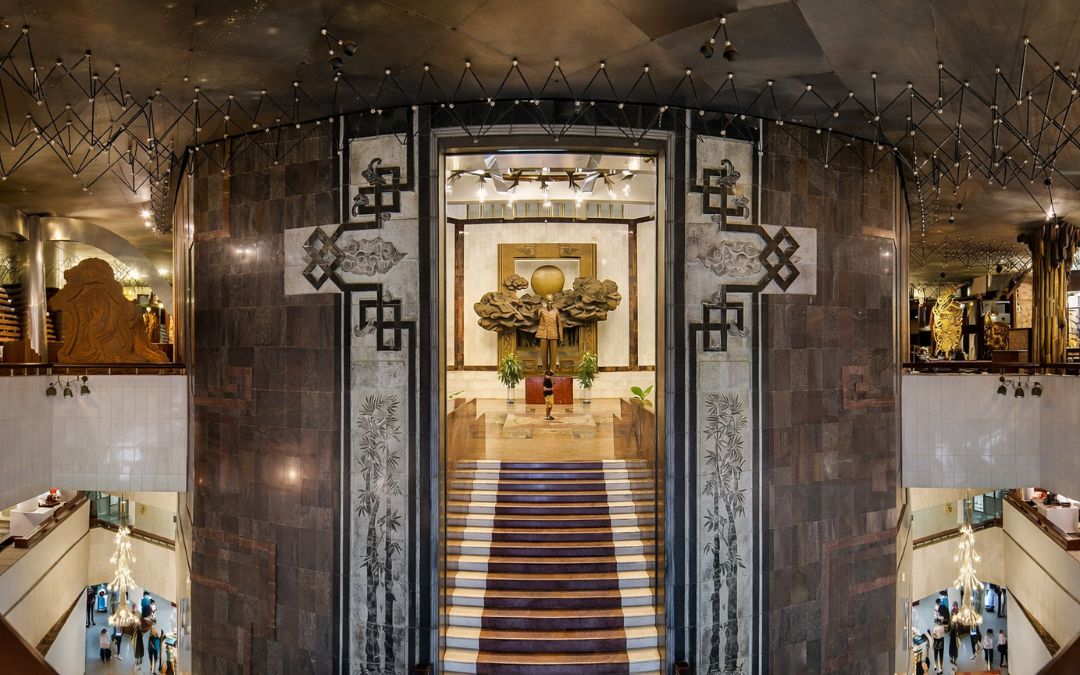
The museum sits within the prestigious Ho Chi Minh Complex right next to the Presidential Palace.
- Address: Located at 19 Ngoc Ha Street in Ba Dinh District.
- Opening Hours: Open from Tuesday to Sunday, 8:00 AM to 4:30 PM.
- Entry Fee: Approximately $1.60 for adults, with discounted rates for students and children.
Dedicated to Vietnam’s most beloved revolutionary leader, the Ho Chi Minh Museum offers an in-depth and inspiring look at the life, career, and enduring legacy of the man who liberated the nation. The museum houses an extensive collection of artifacts and documents from President Ho Chi Minh’s life, including rare photographs, handwritten manuscripts, and personal belongings that offer an intimate glimpse into his humble lifestyle and revolutionary journey.
The building itself is a work of art, designed as a symbolic lotus flower representing the purity, humility, and dedication that defined Ho Chi Minh’s character, while its modernist architecture creates a striking contrast with the traditional Vietnamese motifs incorporated throughout the design.
2.3. Vietnam Museum of Ethnology
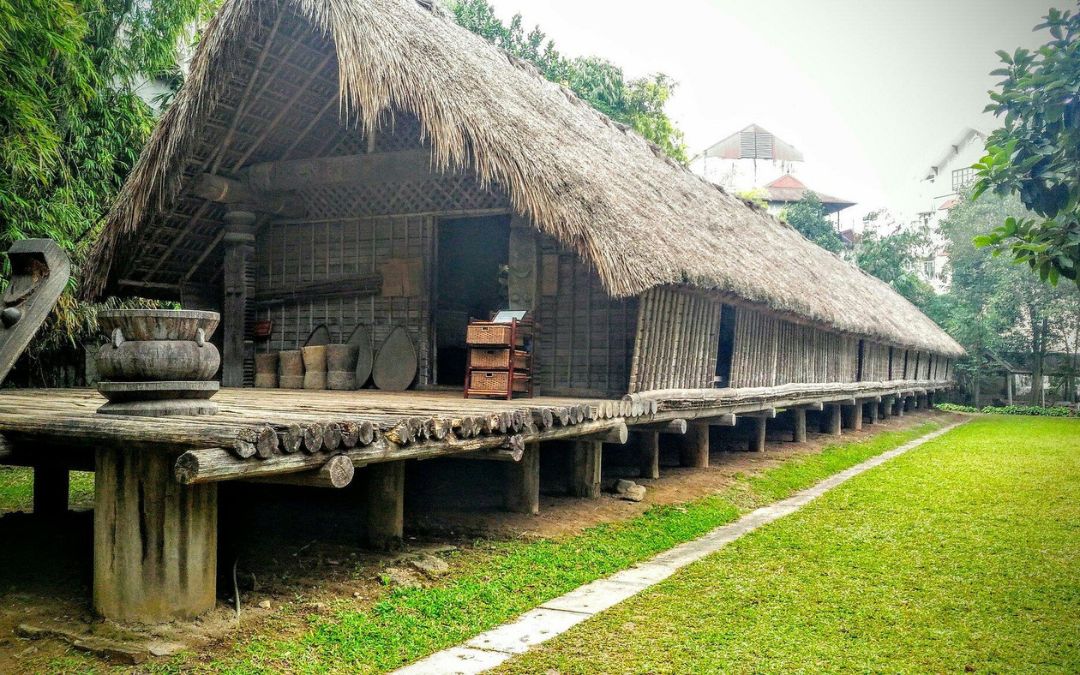
Ede longhouse – Traditional living space of Central Highlands people.
- Address: Situated at Nguyen Van Huyen Street in Cau Giay Distric.
- Opening hour: The museum welcomes visitors daily except Monday from 8:30 AM to 5:30 PM
- Entry fee is approximately $1.60 for adults and discounted rates for students and children.
The Vietnam Museum of Ethnology is a celebration of the incredible cultural diversity of Vietnam’s 54 official ethnic groups. Inside the museum, the indoor exhibits showcase an extraordinary collection of traditional clothing, intricate jewelry, tools, musical instruments, and ritual objects that reveal the unique customs and beliefs of ethnic minorities such as the Hmong, Dao, Thai, and Ede.
The true highlight, however, lies outdoors, where the museum grounds feature full-scale traditional homes reconstructed with authentic materials and techniques, allowing visitors to walk through and experience the actual dwellings of groups like the Tay, Bahnar, and Cham as if stepping into a remote village.
2.4. Fine Arts Museum
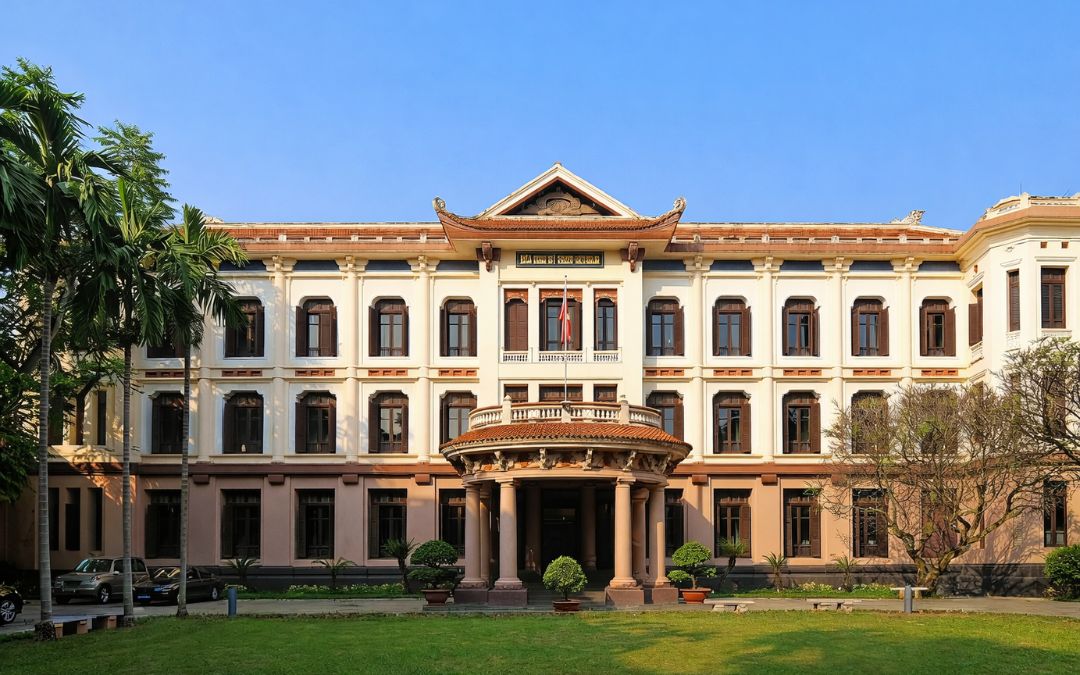
The exterior view of the Fine Arts Museum, which is just a short walk from the Temple of Literature.
- Address: Located at 66 Nguyen Thai Hoc Street in Ba Dinh District.
- Opening hour: The museum is open daily from 8:30 AM to 5:00 PM.
- Entrance fee: approximately $1.60 for adults.
The Fine Arts Museum showcases a stunning collection of Vietnamese art spanning centuries, from traditional lacquer paintings and ancient sculptures to bold contemporary works by modern masters. Housed in a beautiful colonial-era building that was once a boarding school for daughters of French officials, the museum itself is a piece of history.
The museum’s extensive collection features ancient Buddhist sculptures and folk art, including beautifully preserved wooden Bodhisattva statues and intricate stone carvings from the Champa civilization. Visitors can explore galleries dedicated to modern Vietnamese artists like Nguyen Gia Tri and To Ngoc Van, where famous works depict rural life and revolutionary struggles. The museum also showcases exquisite lacquerware and silk paintings that demonstrate the unique techniques perfected by Vietnamese artisans over generations.
2.5. Hoa Lo Prison Relic
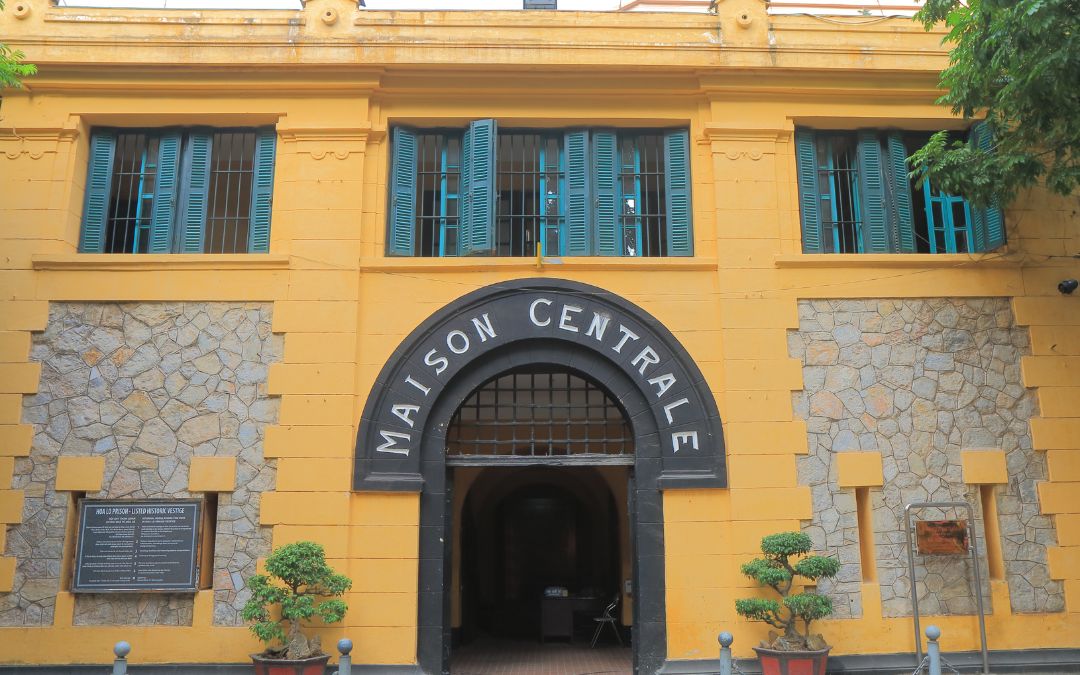
Hoa Lo – Historical witness in the heart of Hanoi.
- Location: 1 Hoa Lo Street, near Hoan Kiem Lake
- Opening Hours: Daily from 8:00 AM to 5:00 PM
- Admission Fee: $1.50 for adults
Hoa Lo Prison – infamously known as the “Hanoi Hilton” during the American War – offers a haunting glimpse into Vietnam’s turbulent colonial and wartime history. Built by the French in 1896 to house political prisoners, it witnessed some of the most brutal chapters in Vietnam’s struggle for independence. Today, the preserved sections serve as a powerful memorial and educational site drawing visitors from around the world.
The museum presents two contrasting narratives. The first documents the French colonial period, where original cells with iron shackles and the restored guillotine room stand as chilling reminders of colonial brutality. The second section tells the surprising story of American POWs, including John McCain, who received medical care and celebrated Christmas – creating a complex historical narrative that continues to spark discussion among visitors from all nations.
3. Central Vietnam – Imperial Heritage And Ancient Civilizations
3.1. Hue Royal Antiquities Museum
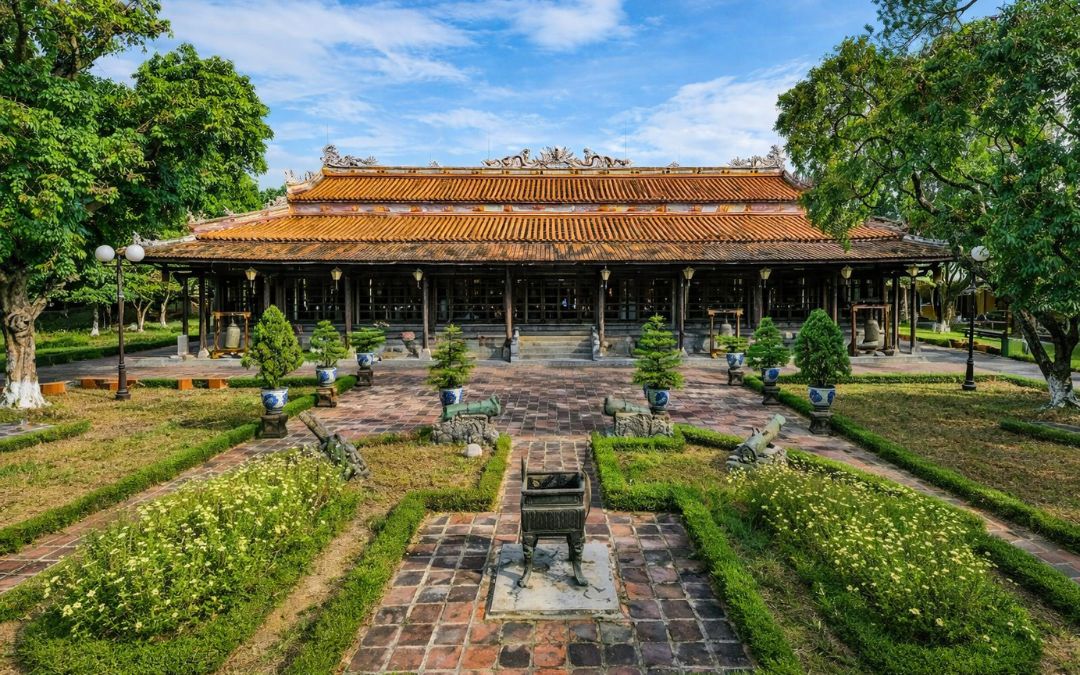
The Hue Royal Antiquities Museum occupies a beautiful building that was once the Dien Long An palace.
- Address: Situated within the Imperial City at 3 Le Truc Street.
- Opening hour: Open daily from 7:00 AM to 5:30 PM
- Entry fee: an admission fee of $2 (included in the Imperial City ticket).
The museum showcases the opulent lifestyle of the Nguyen emperors who ruled Vietnam from 1802 to 1945. The collection includes gold and silver ceremonial objects, royal costumes, furniture, porcelain, and personal belongings of the imperial family. The building itself is a masterpiece of traditional Vietnamese architecture, with intricate wood carvings and a magnificent throne room that transports you back to the dynastic era.
The museum’s gardens offer a peaceful retreat from the busy Imperial City, with frangipani trees and traditional landscaping. Morning light is best for photographing the building’s ornate details, while late afternoon creates beautiful shadows in the garden.
3.2. Quang Tri Citadel Museum
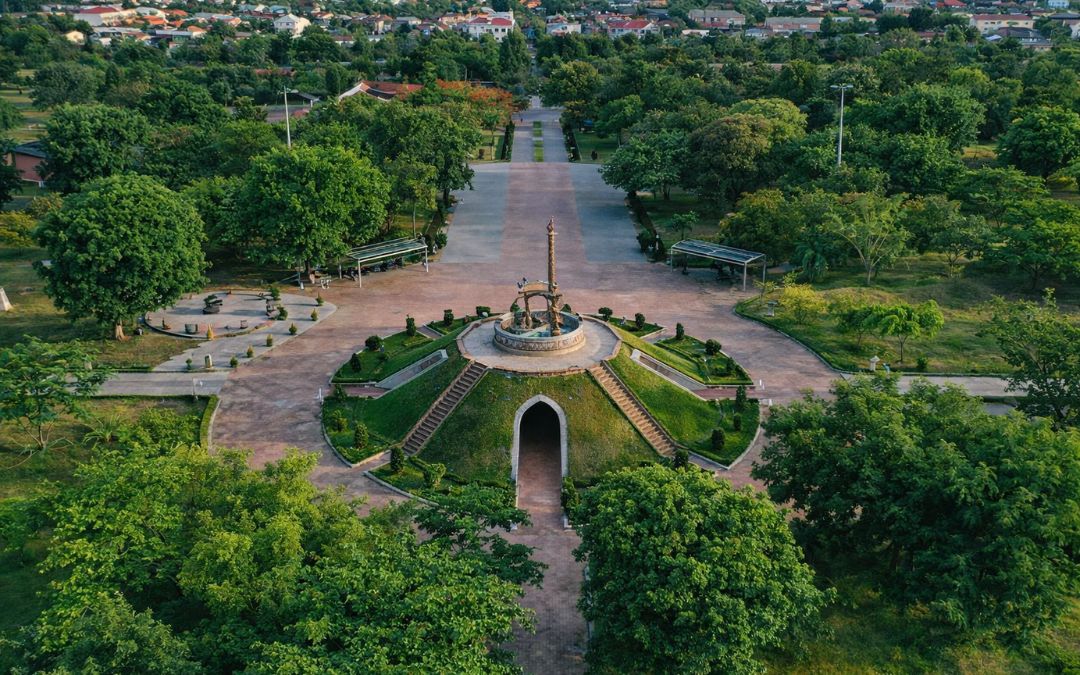
The ancient citadel of Quang Tri lies in ruins, with greenery sprouting from the rubble.
- Address: Located in Dong Ha Town, about 30 minutes north of Hue, the Quang Tri Citadel Museum stands on the grounds of one of the Vietnam War’s most brutal battlefields.
- Opening hour: This is open daily from 7:00 AM to 5:00 PM.
- Entry fee: free admission.
The museum tells the story of the 81-day battle for Quang Tri Citadel in 1972, one of the war’s longest and bloodiest engagements. The citadel was nearly destroyed by bombing, and the museum preserves the remnants—crumbled walls, bomb craters, and bullet-pocked gateways. Inside, photographs and artifacts document the battle from both Vietnamese and American perspectives, creating a powerful testament to the war’s human cost.
The site is deeply moving, especially the nearby memorial cemetery where thousands of soldiers are buried. Visit with a local guide who can explain the battle’s significance, and the experience is sobering for understanding Vietnam’s modern history.
4. Ho Chi Minh City – The Dynamic South
4.1. War Remnants Museum
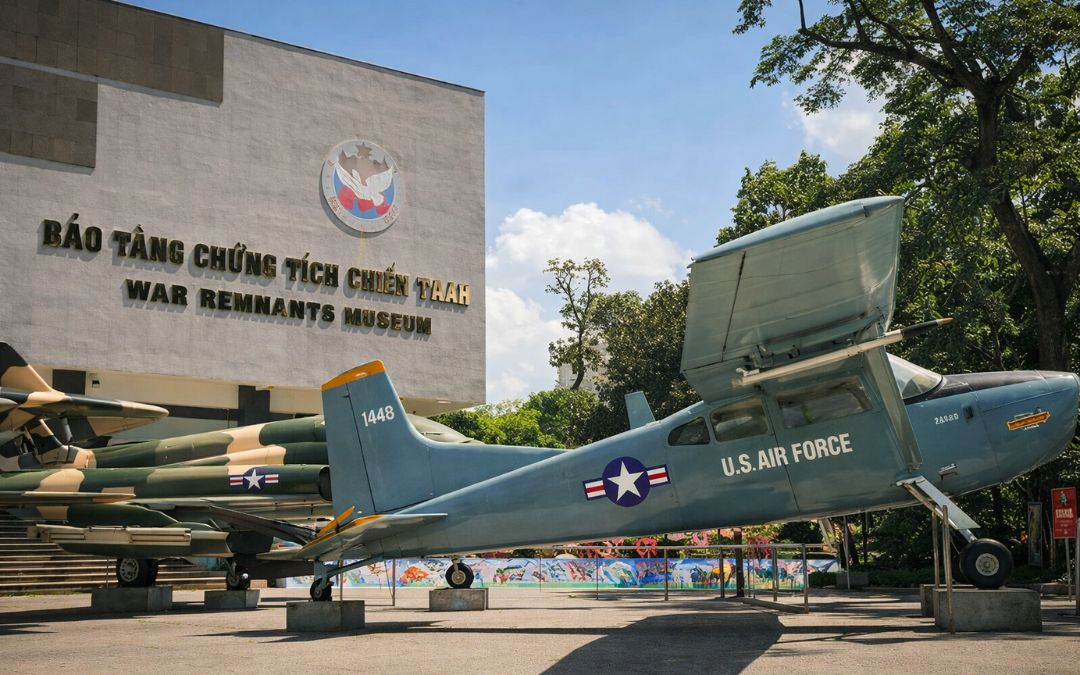
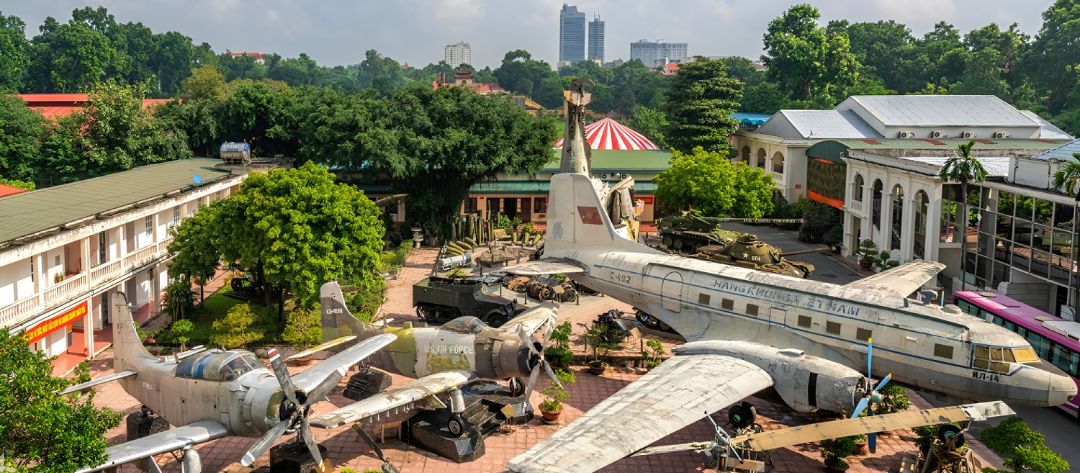
A display area featuring tanks and military aircraft from the wartime period at the War Remnants Museum.
- Address: Situated at 28 Vo Van Tan Street in District 3.
- Opening hour: Open daily from 7:30 AM to 6:00 PM, including weekends and public holidays.
- Entry Fee: Approximately $0.80 per person, making it one of the most affordable and accessible museums in the city.
A poignant reminder of the Vietnam War, the War Remnants Museum offers a stark and unfiltered insight into the impact of decades of conflict from a Vietnamese perspective. It is one of the most visited museums in the country, leaving a lasting impression on every visitor.
The experience begins outdoors with massive military hardware – tanks, helicopters, and fighter jets used during the war. Inside, the “Agent Orange” and “War Crimes” galleries document the devastating long-term effects of chemical defoliants through photographs and personal testimonies. A haunting collection of war photography by renowned photojournalists from both sides captures the human toll of conflict in images that have become iconic worldwide.
4.2. Ho Chi Minh City Museum
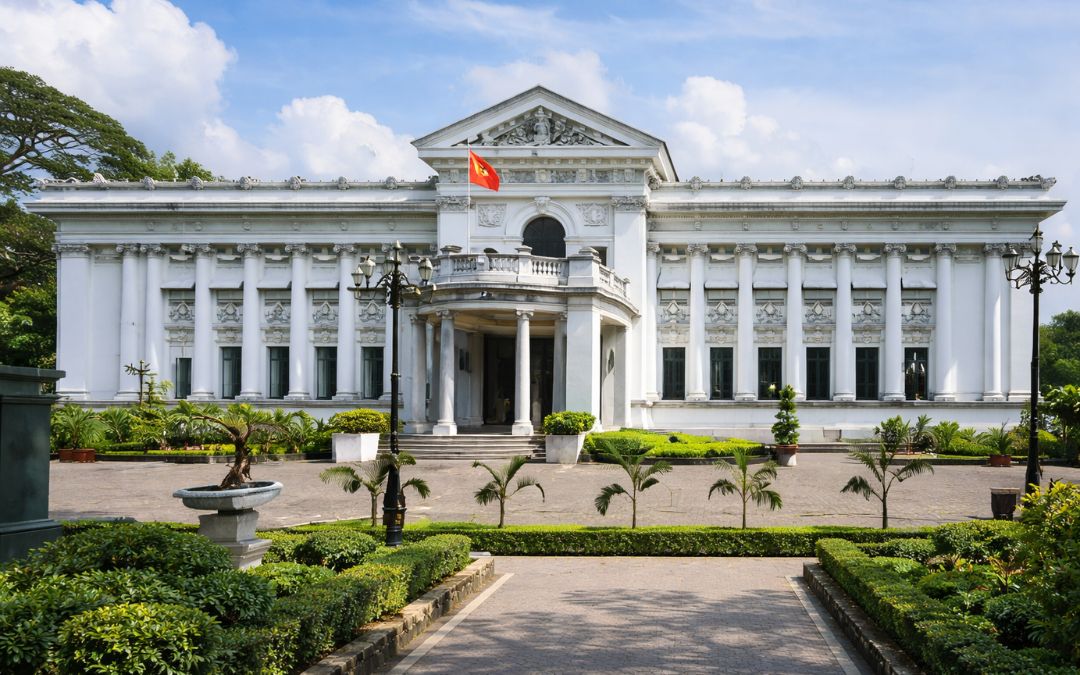
The museum’s architecture is that of an old building that has changed many functions throughout the ups and downs of history.
- Location: 65 Ly Tu Trong Street, District 1, Ho Chi Minh City
- Opening Hours: Daily from 8:00 AM to 5:00 PM
- Admission Fee: $1.50 for adults
Located in a grand neoclassical building that was once the Gia Long Palace, Ho Chi Minh City Museum tells the story of Saigon from its founding as a Khmer fishing village to its transformation into Vietnam’s economic powerhouse.
The ground floor traces Saigon’s early history through archaeological artifacts and vintage shop signs from its “Pearl of the Far East” era. The first floor preserves the actual room where surrender was announced on April 30, 1975, complete with original furnishings and military maps. Upper floors showcase Ho Chi Minh City’s dynamic development as Vietnam’s economic and cultural hub. The building’s grand colonial architecture, with sweeping stone staircases and arched windows, makes it a photographer’s dream.
5. General Visiting Tips For Vietnam Museums
Best Times to Visit
Most Vietnam museums open between 7:30 and 8:00 AM and close around 5:00 PM. Visiting right at opening time helps you beat both the heat and the crowds, creating a more contemplative experience. Many museums close for lunch, typically from 11:30 AM to 1:30 PM, so plan your visits around these breaks.
Mondays are the most common closure day, though some museums close on Tuesdays instead—always check current hours before heading out.
What to Wear
While Vietnam museums aren’t as strict as temples, air conditioning can be fierce inside, so bring a light layer for comfort. Some museums within historical or religious sites require modest dress covering shoulders and knees—this applies particularly to the Ho Chi Minh Museum and any museum within temple or pagoda complexes.
Comfortable walking shoes are essential, as you’ll be standing and walking for hours. During the rainy season (May to October), bring an umbrella as you may need to walk between buildings.
Photography Guidelines
Most museums allow photography without flash, which can damage sensitive artifacts. Some museums charge an additional photography fee, typically $1-2, which is usually posted at the ticket counter.
Always check signage before photographing—some sensitive exhibits, particularly those containing human remains or particularly sacred objects, ban photography entirely. Flash photography is almost universally prohibited.
Money-Saving Tips
Many museums offer student discounts with valid international student ID. Some combination tickets exist, like the Imperial City complex in Hue which includes several museums. The biggest savings come from visiting during national holidays (September 2, April 30, May 1) when admission is sometimes free, though these are also the busiest times.
Children under certain heights or ages often enter free—check individual museum policies. The Southern Women’s Museum in Ho Chi Minh City offers completely free admission year-round.
Frequently Asked Questions (FAQs)
1. Are Vietnam museums worth visiting?
Yes, Vietnam museums are absolutely worth visiting. They offer a deep insight into the country’s history, culture, and art, with many featuring modern interactive exhibits that enhance the experience.
2. Which city should I start visiting museums in Vietnam?
Hanoi and Ho Chi Minh City are ideal starting points, as they are home to many major museums covering history, war, art, and culture.
3. Which museum is best for understanding Vietnam’s history?
The Vietnam National Museum of History is one of the best choices, as it presents a comprehensive timeline from prehistoric times to the modern era.
4. Can I take photos inside museums in Vietnam?
Usually yes, but flash photography is not allowed. Some areas may prohibit photography, so always check the signs.
5. How much time should I spend at a museum?
On average, 1.5 to 3 hours is enough. Larger museums may require half a day to fully explore.
Final Words
Vietnam museums offer far more than dusty displays and timelines. They present living stories of a nation that has survived centuries of occupation and decades of war to emerge as one of Southeast Asia’s most dynamic countries.
Whether you’re a history enthusiast, art lover, or curious traveler, these museums will transform how you see Vietnam. Take your time, ask questions, and let these collections speak. The Vietnam you’ll understand after visiting its museums is far richer than the one seen from a tour bus window.
Ready to experience Vietnam’s cultural heritage? Let Asia Pioneer Travel craft your perfect museum itinerary. Our expert guides bring these collections to life with stories you won’t find in any guidebook – from dedicated museum tours to customized journeys blending culture with stunning landscapes.