

Planning a trip to Vietnam can feel overwhelming, but focusing on a few core Vietnamese things makes it much easier. From historic cities and mountain villages to island beaches and street-food districts, Vietnam is packed with experiences that fit every travel style and budget. Think of these “things” as a practical roadmap: they help you decide where to go, how long to spend in each region and what truly deserves a spot in your itinerary.
The 9 Essential Vietnamese Things for a Complete First-Time Journey
Planning your trip becomes easier when you know the core experiences that define a journey through Vietnam. These essential Vietnam things help you balance cities, countryside, food, culture and landscapes in a way that suits your travel time.
Cruising Through the Limestone Peaks of Ha Long Bay
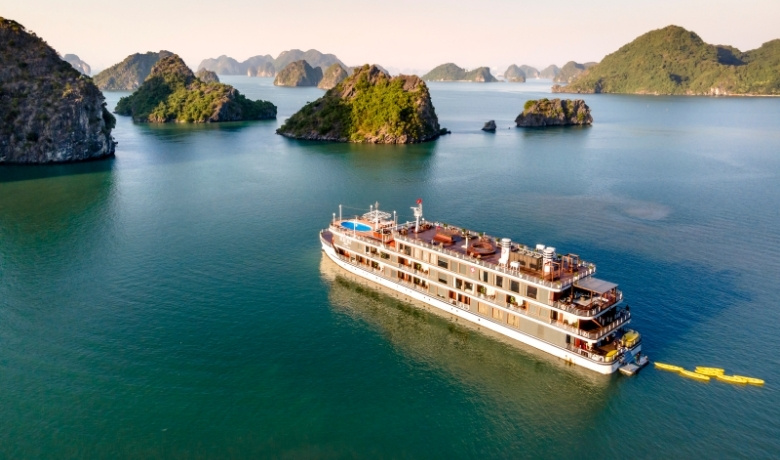
Cruising Ha Long Bay is one of the most iconic Vietnamese things to add to any itinerary. Located in northern Vietnam and listed as a UNESCO World Heritage Site, the bay is known for more than 1,600 limestone karsts rising from quiet, emerald waters.
Travellers can explore the area on traditional wooden junk boats, with options ranging from day cruises to premium overnight or two-night itineraries. Longer journeys often include kayaking, cooking classes, or small-group excursions around hidden lagoons.
Scenery is the main highlight. Limestone cliffs stand like stone cathedrals, and sailing between them offers an easy way to appreciate Vietnam’s dramatic coastal landscapes. Sunset is especially memorable—many guests relax on deck with a drink as the bay turns gold. Popular add-ons include visiting Thien Cung Cave, known for its colourful stalactites and wide chambers.
Multi-day, all-inclusive Halong Bay cruises are widely available through local operators and can be more convenient and cost-efficient than arranging activities independently. The best time to visit is October to April, although December–January can be cold in northern Vietnam.
Wandering Hoi An’s Ancient Streets and Lantern-Lit Nights
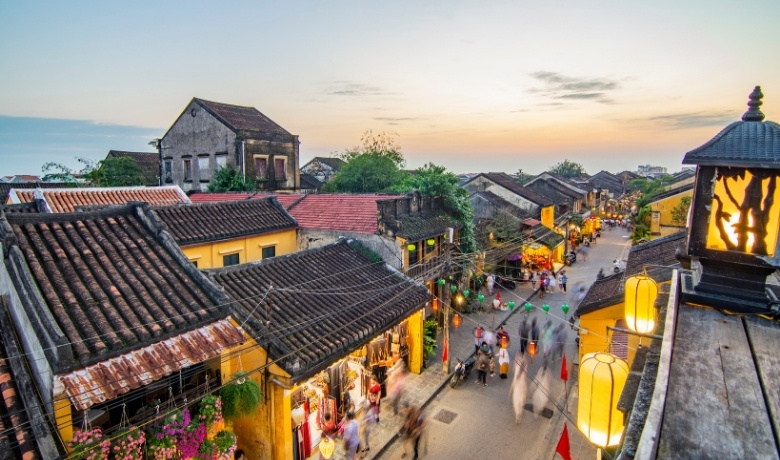
Hoi An stands out as one of Vietnam’s best-preserved heritage towns, recognised by UNESCO for its 16th–18th century trading-port architecture. Today, Hoi An Ancient Town is especially known for its lantern culture, which transforms the streets each evening into a carefully lit urban landscape.
As night falls, thousands of Hoi An lanterns appear along shopfronts, alleys, and riverside paths, creating a distinct identity unique to this historic town. Travellers exploring Hoi An often combine walking routes with stops at craft shops, cafés, and small temples scattered across the pedestrian zone.
Popular activities include joining a Hoi An lantern workshop, cycling through rice fields, and taking a lantern boat ride in Hoi An to see floating lanterns drift across the Thu Bon River. The Japanese Covered Bridge, dating to the 1590s, remains the town’s most documented architectural landmark.
Hoi An is also a major centre for custom tailoring, with dozens of reputable shops offering suits, dresses, and casual wear made within 24–48 hours. To avoid heat and crowds, visit in early morning or evening. The best season for exploring Hoi An is from late November to May, when central Vietnam experiences dry, stable weather.
Tips: For lantern nights, choose riverside restaurants that clearly display hygiene ratings or have an open kitchen.
Exploring the Cu Chi Tunnels and Vietnam’s Modern War History
Vietnam’s modern history can be understood clearly through its wartime landmarks. These places show how people lived, fought, and adapted during the conflict, with real artefacts and explanations that help travellers connect events to actual locations.
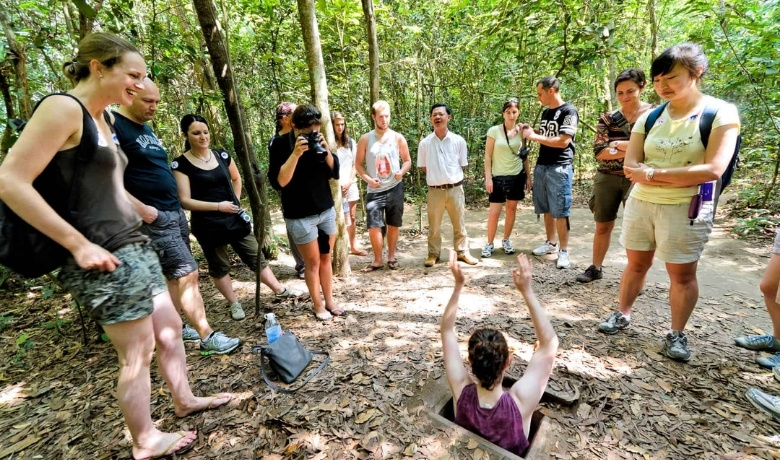
One of the most popular sites is the Cu Chi Tunnels, about 60 km from Ho Chi Minh City. This underground system served as living quarters, supply routes, and hiding places for Viet Cong forces. Parts of the tunnels are now widened so visitors can walk or crawl through and see how they were built.
A visit usually includes short walks, optional tunnel sections, and demonstrations of tools and survival methods. Many travellers join half-day tours with guides who explain how the tunnels worked during the war.
For a deeper look, the War Remnants Museum in Ho Chi Minh City offers detailed exhibits, photos, and equipment. Most visitors spend one to two hours learning about the war and its impact on Vietnam.
Riding Through Ninh Binh, the “Ha Long Bay on Land”
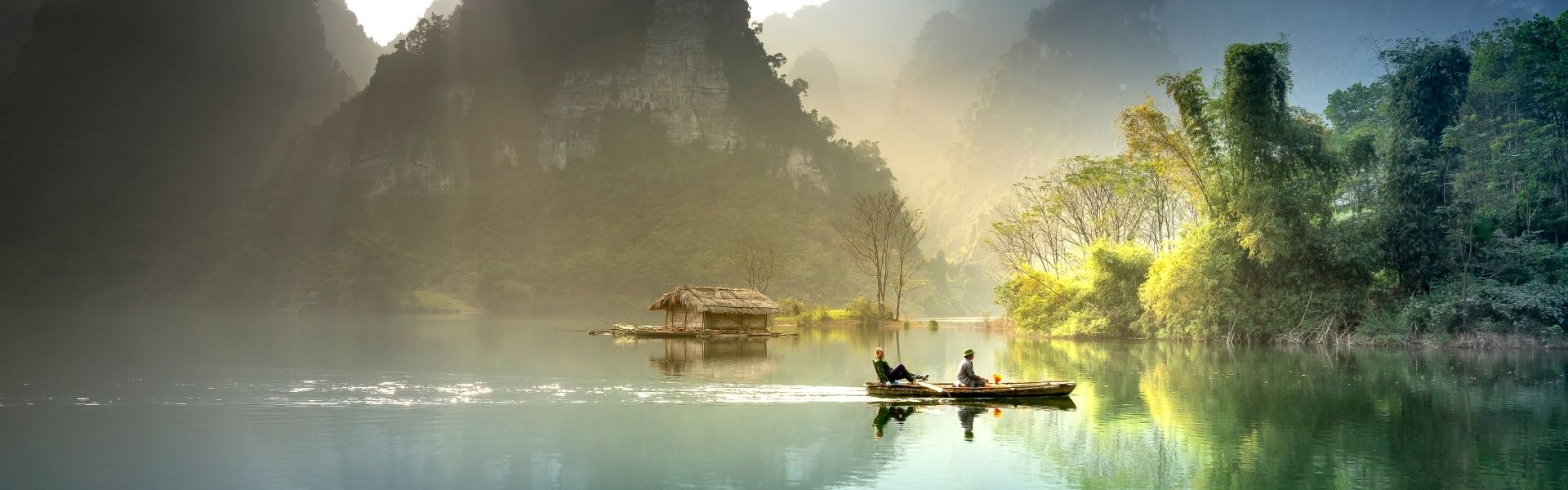
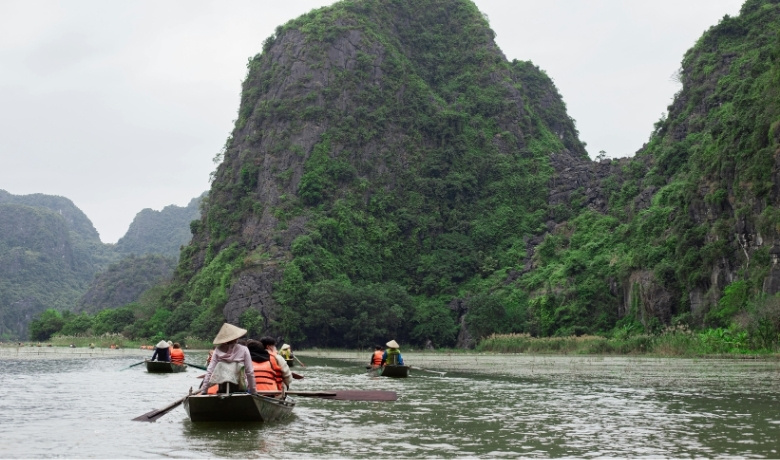
Ninh Binh, in northern Vietnam, is widely known for its dramatic limestone formations and is often referred to as “Ha Long Bay on land.” The landscapes in Tam Coc showcase vertical cliffs, quiet rice paddies, and winding waterways that give the area its distinctive character.
A classic Ninh Binh travel experience is taking a Tam Coc boat ride along the Ngo Dong River or joining a Trang An boat tour through cave systems and temples. Local rowers often paddle with their feet, allowing you to move smoothly past limestone pillars, dark grottoes, and lush countryside scenes.
Travellers frequently note that Tam Coc remains one of Vietnam’s most photogenic places, with a quieter atmosphere than Ha Long Bay. Trang An, meanwhile, is often described as cinematic because of its tall cliffs and calm, reflective waterways.
Popular options include a Ninh Binh day trip from Hanoi covering Hoa Lu, Trang An, and the Mua Cave viewpoint, or a half-day visit focusing only on Tam Coc or Trang An. For those staying overnight, Tam Coc Garden Boutique Resort is a well-reviewed choice surrounded by gardens and open landscapes.
Seasonal tip:
- Lotus season (June–July) transforms Tam Coc into fields of pink blossoms—ideal for photography.
- Rice harvest season (late May–early June) offers bright golden fields along the Ngo Dong River, considered the most scenic time for boat rides.
Diving Into Local Markets and the Mekong’s Floating Life
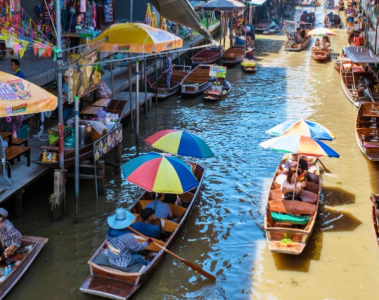
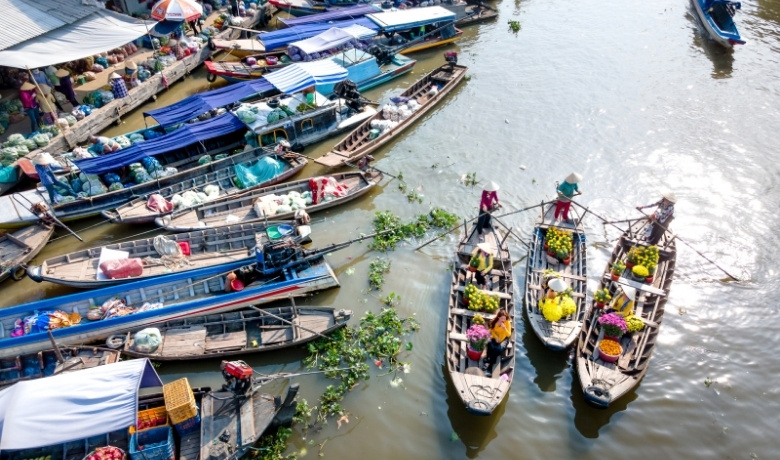
The Mekong Delta, in southern Vietnam, is known for its river-based communities, fertile orchards, and dense canal network. Many Mekong Delta tours include early-morning visits to floating markets, allowing travellers to see how rivers shape transportation, farming, and trade.
A classic Mekong floating market experience involves taking a small boat through narrow canals to watch vendors sell produce directly from their boats. Along the way, you’ll pass stilt houses, fruit gardens, and quiet rural villages that reflect long-standing traditions. Some tours can feel designed for visitors, but they still provide a clear introduction to life along the Mekong.
Boat rides often continue past wooden houses, rice paddies, and small workshops where locals make rice noodles or coconut candy. Most travellers choose a day trip from Ho Chi Minh City, but overnight stays in orchard homestays are available.
Vietnam’s local markets offer a different kind of immersion. They are full of fresh produce, cooked dishes and everyday interactions, making them one of the most authentic Vietnamese things to experience. Markets are also great places to try Vietnam street food, and choosing stalls with many locals is usually the safest choice.
Market tips:
- Haggling is expected; start around 50% of the asking price.
- Vendors sometimes quote higher prices to tourists—smile, stay polite, and adjust gradually.
- Carry small denominations of Vietnamese Dong, as most local markets in Vietnam do not accept cards.
Well-known options include Ben Thanh Market (Ho Chi Minh City), Dong Xuan Market (Hanoi), and the Hoi An Night Market, each offering a clear window into local routines and food culture.
Discovering Hue’s Imperial Citadel and Royal Tomb Traditions
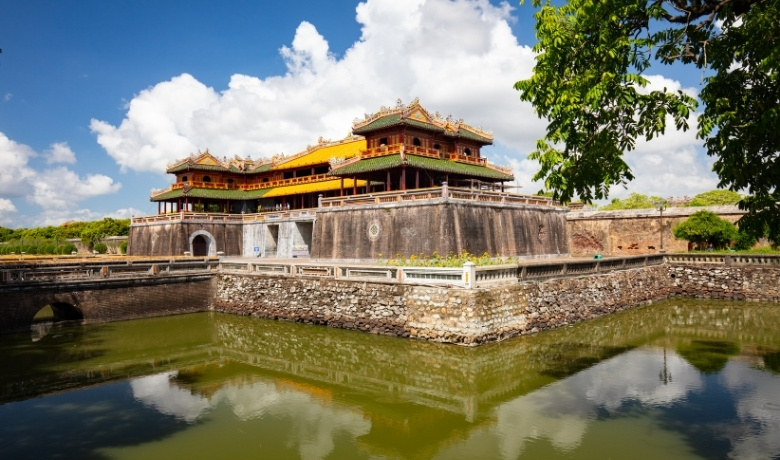
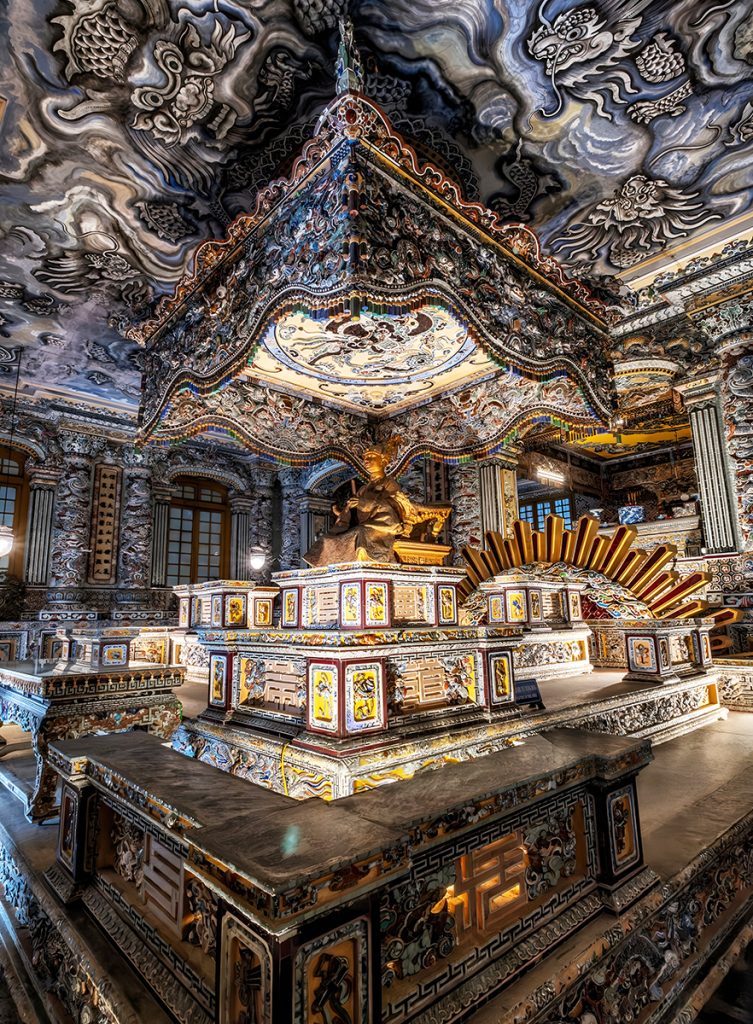
Hue is in central Vietnam and is the place where the country’s imperial history is best preserved. Visiting Hue’s ancient sites is often considered one of the most meaningful Vietnamese things for travellers interested in culture.
The city is home to the Imperial Citadel, historic temples and the royal tombs of former emperors. Travellers can also take a slow dragon boat ride on the Perfume River to see the city from the water.
Hue feels calmer than many other destinations in Vietnam, which makes it ideal for slow exploration. Full-day tours to the Imperial Citadel are available from Da Nang or Hoi An, and many visitors choose to stay at peaceful boutique resorts such as Pilgrimage Village.
The best time to visit central Vietnam, including Hue, is from late November to May when the weather is dry. Hue is also located near the Hai Van Pass, a scenic coastal route that links Da Nang and Hue and is popular among road travellers.
Unwinding at Vietnam’s Beaches and Island Getaways
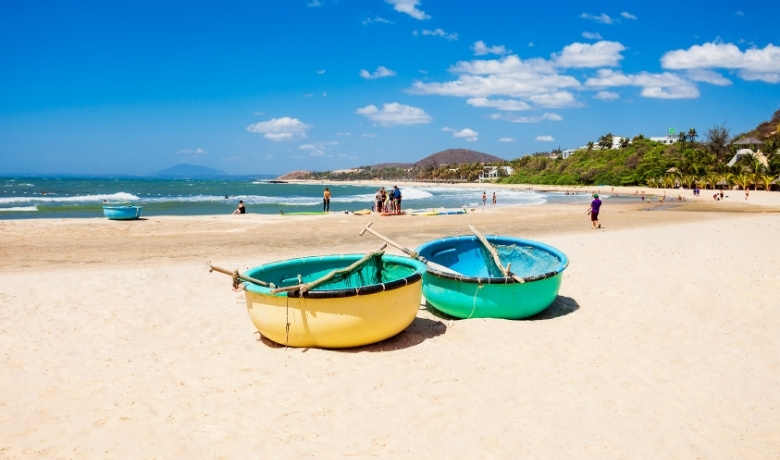
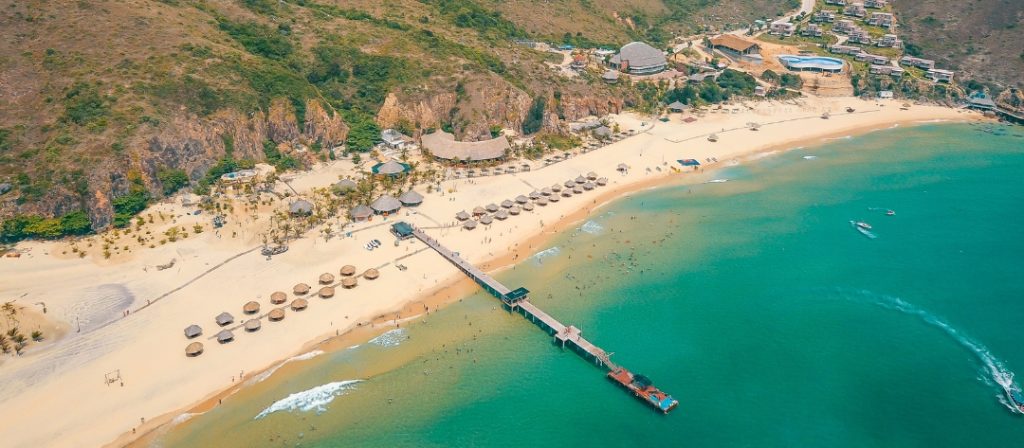
Vietnam has a long coastline with several popular Vietnam coastal destinations, especially Nha Trang and Phu Quoc. Although Vietnam is known more for culture and cities than for world-famous beaches, these regions still offer beautiful scenery and comfortable Vietnam beach resorts.
Nha Trang
Nha Trang is a lively coastal city in central Vietnam and often highlighted in guides to Nha Trang beaches. Travellers can enjoy soft sandy shores, vibrant nightlife, seafood restaurants and calm turquoise waters popular for scuba diving.
Island hopping, historical landmarks and coastal viewpoints add variety to a typical visit. The best time to go is from late November to May. InterContinental Nha Trang is a well-rated hotel with ocean views and strong service standards.
Phu Quoc Island
Phu Quoc, in southern Vietnam, is known for long stretches of white sand and clear water. Many visitors come for Phu Quoc island travel, especially the island’s famous sunset spots.
Long Beach and Sunset Sanato are two of the most photographed areas. Activities include a four-island speedboat tour, the scenic cable car, water parks and snorkeling sites. Salinda Resort is a popular option for its private beach and peaceful setting.
Other Islands
The Cham Islands near Hoi An are ideal for snorkeling and day trips with coral viewing and quiet beaches. The Con Dao Islands are known for protected nature, historical sites and calm coves. Other places such as Hon Tre, Ly Son and Monkey Island also appear in many Vietnam island hopping itineraries.
Trekking and Staying Local in Sapa’s Mountain Villages
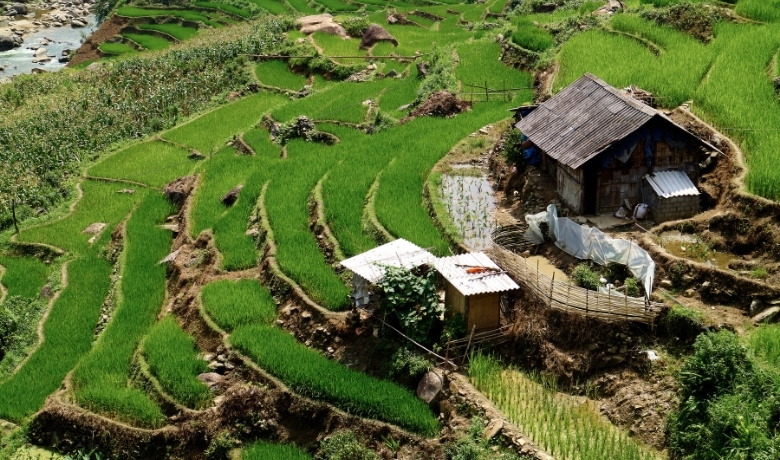
Sapa, in northern Vietnam, is one of the best regions for rural cultural activities and traditional mountain life. Joining local treks and staying with ethnic minority families is considered one of the most authentic Vietnamese things for travellers seeking real community experiences.
The area is known for dramatic mountains and terraced rice fields that are often ranked among the most beautiful in the world. Most visitors choose guided treks that pass through rice terraces and small farming villages. Overnight homestays in places such as Ta Van and Lao Chai are common options.
Sapa homestays are simple but cozy, with fireplaces, home-cooked meals and traditional herbal baths. Northern and northeastern regions are ideal for travellers who prefer quieter landscapes and a more rural atmosphere.
The best seasons for trekking are September to November and March to May. Before or after your trek, Sapa Clay House – Mountain Retreat is a relaxing place to stay with wide mountain views.
Many travel agencies offer packaged 2- or 3-day trekking programs that include guides, meals and homestays. For another meaningful cultural moment, travellers can wake early in Hanoi to join locals practicing tai chi around Hoan Kiem Lake, a calm routine that reflects everyday Vietnamese life.
Browsing Crafts and Getting Clothes Tailor-Made in Hoi An
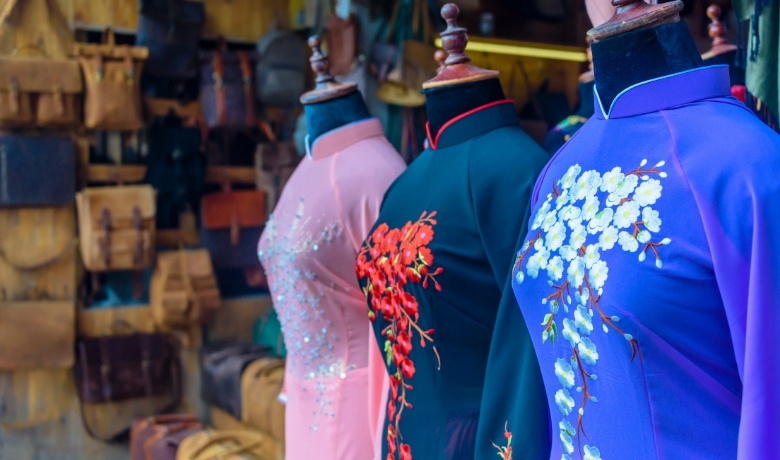
Shopping for handicrafts and tailor-made clothing is one of the most enjoyable parts of visiting Hoi An and Vietnam’s major markets. The town is especially known for Hoi An tailoring, where visitors can have clothes made quickly and affordably.
Hoi An tailors offer custom suits, dresses and blazers using a wide range of fabrics. Many shops work from photos, so travellers often bring screenshots or designs on their phone. Some visitors even share examples of having two formal suits completed in under two days, showing how fast custom tailoring in Vietnam can be.
Popular options include Peace Tailor, known for strong craftsmanship, and Bebe Tailor, often chosen for stylish everyday wear. These shops provide fitting sessions, adjustments and clear price ranges, making the process simple for first-time customers.
Hoi An is also a centre for traditional crafts. Walking through the Ancient Town, travellers can browse Hoi An crafts such as lanterns, woodwork and handmade souvenirs. A lantern-making class in Hoi An is an easy, relaxing activity where you create a lantern to take home.
Vietnam’s street markets offer another layer of shopping. These places are full of colour, local produce and street food, making them ideal for Vietnam market shopping. Well-known spots include Dong Xuan Market in Hanoi, Ben Thanh Market in Ho Chi Minh City and the lively Hoi An Night Market.
Bargaining is expected in most Vietnam street markets. Vendors may start with higher prices, so it helps to negotiate politely and begin around half the asking amount. If the price is not right, walking away calmly usually works.
Advice for Putting “Vietnamese Things” into Your Itinerary
1. How many “things” to pick based on the time you have?
For a 5–7 day trip, choose three or four experiences that mix city, countryside, coast and culture. For a 10–14 day trip, you can comfortably include five to seven Vietnamese things without rushing.
2. How many days do I need to cover the essential Vietnamese things?
A 10-day first-time trip is enough to cover about six core experiences. This structure follows common Vietnam routes such as the one used in the Classic Vietnam itinerary from Ho Chi Minh City to Hanoi.
3. Which region should I begin in (north/central/south)?
Travel usually works best when moving north to south or south to north to minimise flight time and avoid unnecessary backtracking.
4. When is the best time of year to experience these things?
Weather varies by region: the north has four seasons, the central coast has typhoons from September to November, and the south has wet and dry seasons. Plan according to the experiences you prioritise.
5. What do I have to prepare for a smooth travel?
Travellers should check visa rules, entry requirements and passport validity before arrival. It also helps to prepare basic currency knowledge, as Vietnam uses the Vietnamese Dong and card acceptance varies by location.
6. How can I travel around Vietnam during my trip?
Domestic flights connect major cities quickly and are the most time-efficient option. Trains and roads provide scenic alternatives, especially on well-traveled routes such as the central coastline.
7. Are there any local Vietnam things that a first-time traveler must know?
Understanding basic local etiquette improves interactions, such as being respectful in temples and asking before photographing people. For food and health, choose busy eateries and drink safe water to avoid common issues.
Exploring Vietnam through its landscapes, food, culture and local life is what makes the country so memorable. Whether you cruise Ha Long Bay, wander lantern-lit Hoi An, trek in Sapa or ride through Ninh Binh, each experience adds something different to your journey. The key is finding the right balance for your time, budget and travel style.
If you want a trip that feels effortless from start to finish, Asia Pioneer Travel can help you build your Vietnam itinerary—custom routes, handpicked stays and flexible planning included. Ready to design your adventure? Reach out and start building your trip today.