

Can Tho, the heart of the Mekong Delta, offers a unique mix of river life, floating markets, fresh food, and authentic local culture. Unlike the more touristy destinations, Can Tho remains affordable and easy to explore, making it perfect for a 2–3 day visit. You’ll get to visit bustling floating markets, explore local villages, taste fresh Mekong Delta specialties, and uncover vibrant cultural sites. This guide covers what to do in Can Tho, suggested itineraries, practical tips, and the best places to eat, ensuring you have an unforgettable experience.
Can Tho, The Heart of the Mekong Delta
Why visit Can Tho?
Can Tho is the “rice bowl” of Vietnam, but for the traveler, it’s much more than an agricultural hub. It offers an immersive taste of life that feels worlds away from the frantic energy of Hanoi. It’s famous for its iconic floating markets, where the river serves as a highway, a marketplace, and a living room.
Beyond the markets, you’ll find narrow canals to glide through, lush orchards to get lost in, and a blend of Vietnamese, Khmer, and Chinese cultures that keep the food scene incredibly diverse.
Best Time to Visit Can Tho
The best time to visit Can Tho depends on the season you prefer, as the city’s tropical climate brings different experiences throughout the year.
- Dry season (December to April): This is the ideal time for a visit. The weather is dry with clear skies and manageable humidity. It aligns with the Tet Holiday (Lunar New Year), a festive time when the city comes alive with flower markets and celebrations, making it a vibrant period to experience local culture.
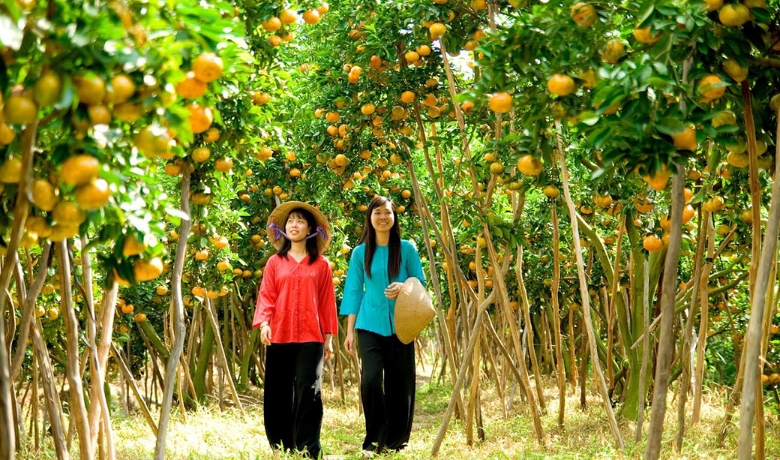
- Fruit season (June to August): If you love tropical fruits like mangoes, durians, and mangosteens, this is the season to visit. Orchards are overflowing with ripe fruit, making it perfect for a garden tour or fruit picking.
- Flooding season (September to November): During this period, the rivers swell, creating stunning water landscapes. While there may be short rain bursts, the lush greenery and fewer tourists offer a peaceful and scenic experience.
How Many Days Do You Need? (Suggested Itineraries)
Most people rush through in a day, but if you want to actually feel the pace of the Mekong, you need to slow down.
The 2-Day “Quick Look”
Focus on the essentials. Spend your first evening at the Ninh Kieu Night Market. On Day 2, hit the Cai Rang Floating Market at dawn, explore the small canals by sampan, and visit the Binh Thuy Ancient House before heading out.
The 3-Day “Deep Dive” (Recommended)
This is the best way to see the city without burning out.
- Day 1: Settle in, walk the promenade, and grab a sunset drink by the river.
- Day 2: Start early at Cai Rang, then head to Phong Dien—a smaller, more local floating market. Spend the afternoon in a cooking class or a cacao farm.
- Day 3: Rent a bike. Explore the rural villages, visit the Bang Lang Stork Sanctuary at dusk to see thousands of birds return home, or take a boat to Con Son Islet for some eco-tourism.
More than 4 Days: The Delta Base
Use Can Tho as your hub. From here, you can easily take day trips to the pottery villages of Vinh Long or the floating villages of Chau Doc near the Cambodian border.
> Read more: What To See In Mekong Delta Of Vietnam: Top Attractions And Experiences
What to Do in Can Tho: Top Activities for an Unforgettable Mekong Delta Experience
From exploring vibrant floating markets to relaxing canal cruises, Can Tho offers a unique blend of cultural immersion and natural beauty. Below are the best things to do to make your trip unforgettable:
Visit Cai Rang Floating Market at Dawn
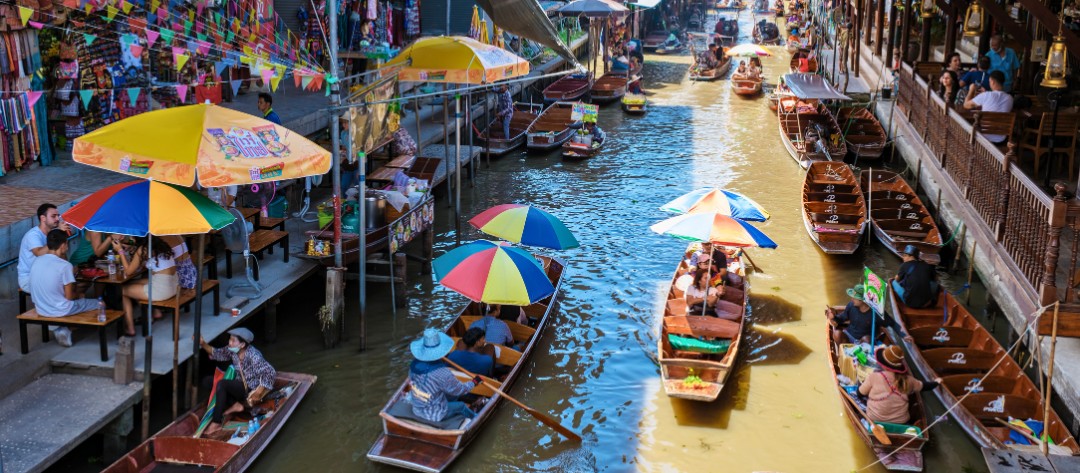
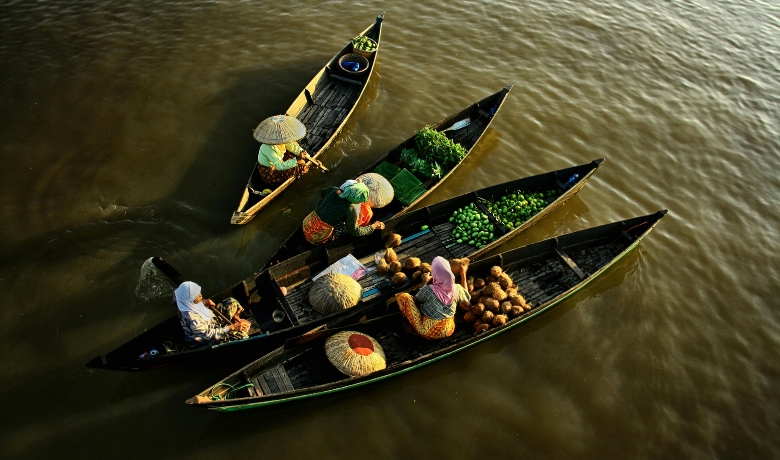
Cai Rang isn’t just a tourist attraction. It’s the largest wholesale floating market in the Mekong Delta. Located at the confluence of the Hau and Cai Rang rivers, this is where hundreds of boats congregate, laden with everything from mountain-high piles of pineapples to stacks of fresh cabbage. It’s a chaotic, colorful symphony of commerce where goods are traded directly from boat to boat.
You’ll see vendors shouting deals across the water, the smell of Vietnamese coffee wafting from “coffee boats,” and the incredible sight of the sun rising over the hazy river. It’s the perfect place to grab a bowl of hu tieu (noodle soup) from a floating kitchen. Anthony Bourdain famously did it, and it remains one of the most iconic “street food” experiences in the world, even if your “street” is a waterway.
- Price: Boat tours from Ninh Kieu Wharf typically cost 300,000–600,000 VND ($12–25 USD). This usually covers the boat and a guide, and often includes breakfast. A private sampan is often the best value for small groups.
- Opening hours: The action starts around 4:00 AM and peaks between 5:00 AM and 7:00 AM. It’s mostly wrapped up by 9:00 AM, so get there early for the best light.
Tips for tourists:
- Set your alarm early; most tours depart between 4:30 AM and 5:00 AM.
- Wear layers, a hat, and plenty of sunscreen. The sun gets intense quickly.
- Bring small bills (cash) for snacks and coffee from the boat vendors.
Discover Phong Dien Floating Market (Less Crowded Alternative)
If Cai Rang feels a bit too “industrial” or busy for your taste, Phong Dien is its quieter, more soulful cousin. Located about 20 km southwest of the city, this market focuses more on retail and local daily needs rather than massive wholesale loads.
Because it’s further out, you get a much more genuine glimpse of Mekong rural life. There are fewer engines roaring and more hand-paddled boats. You’ll see locals exchanging produce and snacks in a laid-back setting surrounded by lush greenery. It’s the ideal spot for photographers looking for that “timeless” Mekong shot and wondering what to do in Can Tho without a dozen other tour boats in the frame.
- Price: A private boat tour costs roughly 250,000–650,000 VND ($10–28 USD) for 2–4 people. These are often 2–5 hour trips that can be combined with a visit to Cai Rang or the small canals.
- Opening hours: Best visited between 5:00 AM and 8:00 AM.
Tips for travelers:
- Since this is less touristy, English is rarely spoken—bring a translation app or just use simple gestures.
- Combine this with a tour of the smaller canals to make the long boat ride worth it.
- It’s a great spot for a slower, more meditative pace of sightseeing.
Take a Private Sampan Boat Tour Through Canals
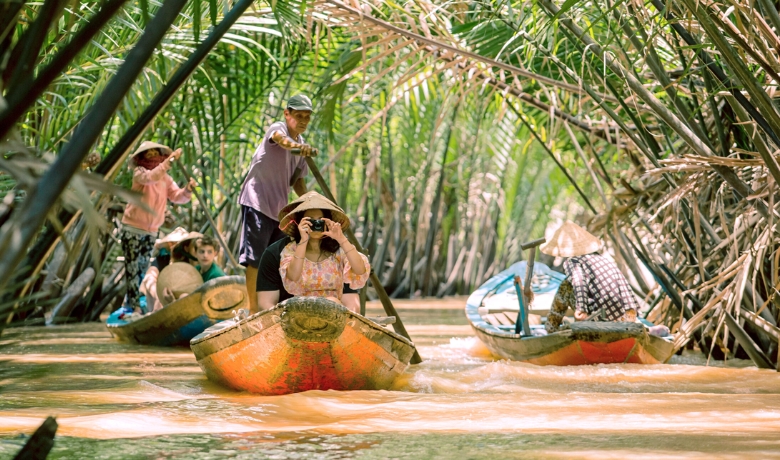
While the big rivers are the highways of the Delta, the narrow canals are its back alleys. Hopping into a traditional wooden sampan, a small, narrow boat allows you to slip away from the main traffic and into the “hidden” Mekong.
As you glide through these narrow waterways, you’ll pass stilt houses, drooping mangroves, and vibrant fruit orchards. You’ll see people washing clothes by the river, kids playing on the banks, and local fishermen at work. It’s an intimate, quiet experience that highlights the biodiversity and the simple, rugged beauty of the Delta’s backyard.
- Price: A private sampan usually runs 300,000–600,000 VND ($12–25 USD) for 2–4 people for a few hours. All-inclusive tours with fruit tastings might cost $30–50 USD per person.
- Opening Hours: You can go anytime, but early morning or late afternoon offers the best lighting and cooler temperatures.
Tips for travelers:
- Book a private boat so you can ask the driver to stop whenever you see something interesting.
- Don’t forget the insect repellent; the mosquitoes in the mangroves are no joke.
- Life jackets are usually provided. Make sure you wear one, as these boats sit very low in the water.
Cruise the Mekong at Sunset or Evening
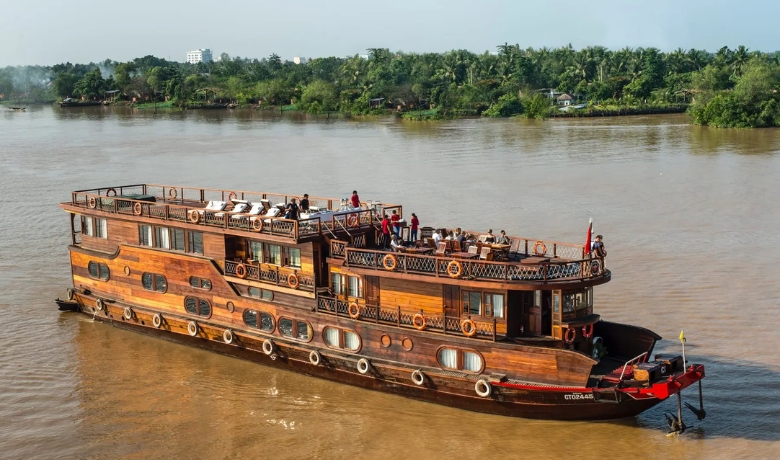
After a day of exploring, there is no better way to unwind than watching the sky turn orange over the Hau River. An evening cruise offers a completely different perspective of Can Tho, as the city lights begin to reflect off the water and the heat of the day finally breaks.
You can find everything from simple sunset cruises to more elaborate dinner boats. It’s a romantic, peaceful way to see the silhouette of the palm trees against the horizon and enjoy the cool breeze. Some tours even include stops for street food or vegan dinners along the banks, making it a great way to wrap up your day.
- Price: Expect to pay $25–50 USD (600,000–1,200,000 VND) per person depending on whether it’s a group or private tour and if dinner is included.
- Opening hours: Most cruises depart between 4:00 PM and 5:00 PM to catch the sunset (usually between 5:30 PM and 6:30 PM).
Tips for travelers:
- If you’re traveling with a partner, book a private boat for a more romantic experience.
- Bring a light jacket; even in the tropics, the breeze on the river can get chilly once the sun goes down.
- Avoid booking during the peak of the rainy season (June–October) if you’re strictly looking for a clear sunset.
Step Inside Binh Thuy Ancient House
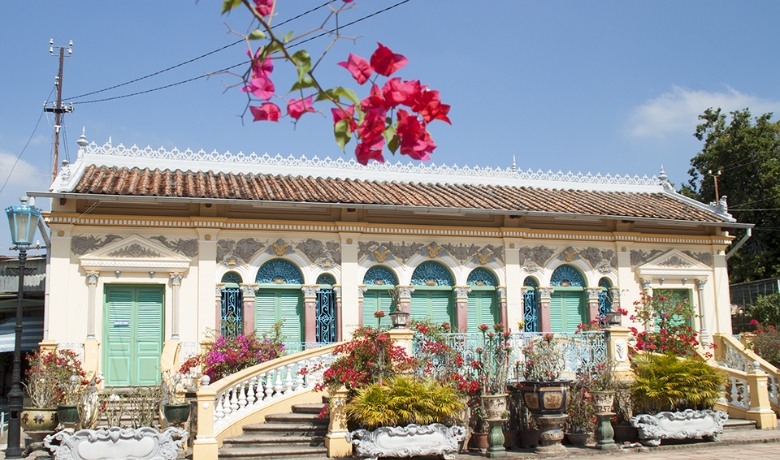
For a break from the water, head to the Binh Thuy Ancient House. Built in 1870, this national heritage site is a stunning example of colonial-era architecture, blending French, Chinese, and Vietnamese styles. If it looks familiar, that’s because it was a primary filming location for the 1992 film The Lover.
The house is packed with ornate woodwork, vintage furniture, and a surprising collection of family heirlooms. It feels less like a museum and more like a time capsule. It’s a quiet, elegant place to wander and appreciate the wealthy history of the region’s landowning class.
- Price: Entrance is around 15,000–20,000 VND ($0.60–0.80 USD).
- Opening hours: Daily from 8:00 AM–12:00 PM and 2:00 PM–6:00 PM (they close for a lunch break).
Tips for tourists:
- The house is about 9 km from the city center; a taxi or Grab motorbike is the easiest way to get there.
- This is a private home and a place of cultural significance. Dress respectfully (shoulders and knees covered).
- It’s a quick visit, so pair it with a trip to a nearby fruit garden to maximize your afternoon.
Admire the Cham and Khmer Temples (Ong Temple and Munirensay Pagoda)
Can Tho is a melting pot of cultures, and nowhere is this more evident than in its spiritual architecture. Ong Temple, located right near the Ninh Kieu Wharf, is a vibrant Chinese temple dedicated to Guan Yu. Inside, the air is thick with the scent of massive circular incense coils hanging from the ceiling.
A short distance away is the Munirensay Pagoda, a Khmer Buddhist temple that looks like it was plucked straight out of Cambodia. With its golden spires and Angkor-inspired designs, it serves as a serene reminder of the ethnic diversity that has shaped the Mekong Delta for centuries.
- Price: Entry is free, though a small donation or a few thousand VND for parking is appreciated.
- Opening hours: Ong Temple is generally open 7:00 AM–8:00 PM; Munirensay Pagoda is open 8:00 AM–6:00 PM.
Tips for tourists:
- Always remove your shoes before entering the temple buildings.
- Silence your phone and be mindful of people who are there to worship.
- Ong Temple is very central, making it an easy stop while you’re walking along the riverfront.
Explore Can Tho Museum for Local History
If you want to understand the “why” behind what you’re seeing, spend an hour at the Can Tho Museum. This is one of the largest museums in the Delta and does a great job of showcasing the history of the Kinh, Hoa, and Khmer people.
The exhibits range from ancient archaeological finds to displays on local crafts and the region’s role in various wars. It’s a bit old-school in its presentation, but the artifacts and wildlife displays give you a solid foundation of the Delta’s heritage.
- Price: Often free, though some sources mention a small fee of 25,000–50,000 VND.
- Opening hours: Tue–Thu: 8:00 AM–11:00 AM and 2:00 PM–5:00 PM; Weekends/Holidays: 8:00 AM–11:00 AM and 6:30 PM–9:00 PM.
Tips for tourists:
- The museum is centrally located, so you can easily walk there from Ninh Kieu.
- English labels are available for most major exhibits, but a translation app helps for the smaller details.
- This is a perfect “rainy day” activity if a sudden Mekong downpour ruins your outdoor plans.
Visit Bang Lang Stork Sanctuary for Birdwatching
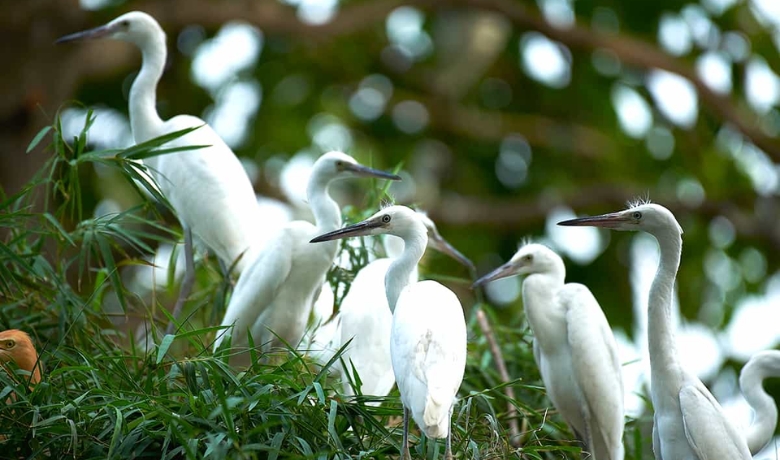
For a true immersion into the Delta’s wild side, head about 45 km north of the city center to the Bang Lang Stork Sanctuary. This massive protected wetland is home to thousands of storks and various bird species. It’s a noisy, chaotic, and utterly mesmerizing display of nature. The best way to see it is from the elevated viewing platform, which gives you a bird’s-eye view (pun intended) of the white storks blanketing the green canopy.
The experience is all about timing. If you arrive at dawn, you’ll see the mass departure as thousands of birds take flight to find food. It’s a breathtaking example of what to do in Can Tho to see the Delta’s wilder side. At dusk, the sky fills again as they return to their nests. It’s one of those rare eco-tourism spots that feels genuinely raw and unpolished.
- Price: Entrance is roughly 20,000 VND ($0.80 USD) to access the observatory platform.
- Opening Hours: Open daily; peak activity is at dawn (6:00–7:00 AM) or sunset (4:00–6:00 PM).
Tips for tourists:
- It’s about an hour’s drive from the center; a round-trip Grab or taxi will cost between 150,000–300,000 VND.
- Bring binoculars or a camera with a decent zoom lens if you want a close-up look.
- Wear insect repellent. The wetlands are prime mosquito territory.
Stroll Ninh Kieu Night Market for Street Food
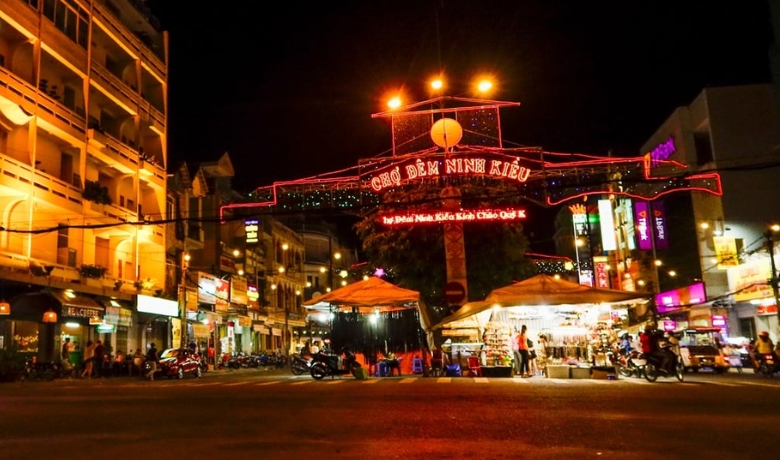
When the sun goes down, the action shifts to the Ninh Kieu Night Market along Hai Ba Trung Street. This is the place to go if you want to graze on a dozen different things without breaking the bank. You’ll find stalls selling everything from grilled skewers and chicken sticky rice to tropical fruits and traditional Vietnamese desserts.
It’s more than just a place to eat; it’s a social hub. You’ll see families out for a stroll, students hanging out, and a general festive energy that’s infectious. It’s easily one of the most vibrant ways to spend an evening when deciding what to do in Can Tho.
- Price: Most street food items range from 5,000–50,000 VND ($0.20–2 USD).
- Opening hours: Daily from 5:00 PM or 6:00 PM until 11:00 PM.
Tips for tourists:
- Bring cash, as most vendors don’t take cards.
- The market gets crowded on weekends when the area becomes a pedestrian zone, so keep an eye on your belongings.
- Try the “point-and-order” method if you don’t know the names of the dishes.
Join a Cooking Class or Fruit Orchard Tour
To understand the flavors of the Mekong, you have to see where they come from. Many local families offer cooking classes that start with a trip to a fruit orchard. You can wander through rows of dragon fruit, pineapple, and pomelo trees, picking ingredients before heading to a kitchen to learn the secrets of bánh xèo (savory pancakes) or fresh spring rolls.
It’s a fantastic way to support community-based tourism and get a hands-on education in Delta life. Plus, you get to eat everything you make in a peaceful garden setting.
- Price: Tours typically cost $30–60 USD (700,000–1,500,000 VND) per person, including transport and a full meal.
- Opening Hours: Usually offered as half-day morning or afternoon tours.
Tips for tourists:
- Ask your guesthouse for local operator recommendations.
- Wear comfortable clothes that you don’t mind getting a little messy in.
Walk Along Ninh Kieu Wharf and Riverfront Promenade
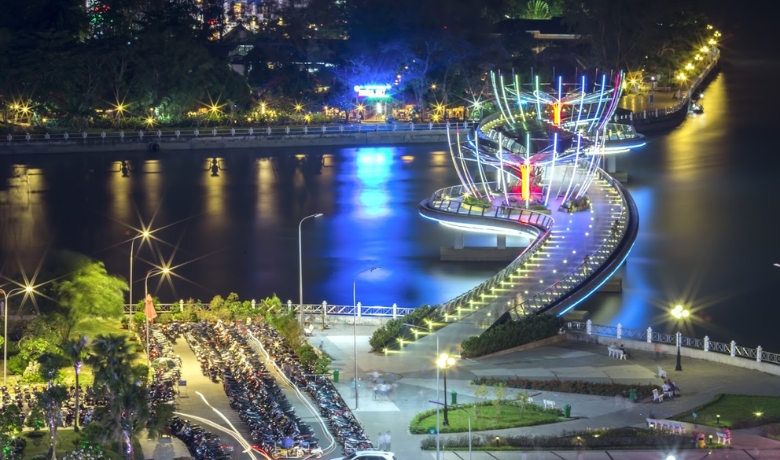
Ninh Kieu Wharf is the heart of the city’s social life. The riverfront promenade is a beautifully landscaped area perfect for a sunset stroll. You can walk the pedestrian bridge for panoramic views of the Hau River, watch locals practicing Tai Chi or Zumba, and enjoy the cooling breeze that comes off the water.
At night, the area lights up with colorful illuminations, making it a great spot for photography or just sitting on a bench to watch the river traffic go by.
- Price: Completely free.
- Opening Hours: Open 24/7, but best from 5:00 PM onwards.
Tips for tourists:
- Walk the full 1–2 km stretch to see the different statues and parks along the way.
- The Ninh Kieu pedestrian bridge is a must-cross for the best views of the city skyline.
Relax at Con Son Islet or Nearby Nature Spots
Con Son Islet (Son Islet) is a hidden gem in the middle of the Hau River. It’s an eco-tourism community where locals open their homes and gardens to visitors. You can wander through orchards, visit floating fish farms, and even try a “Koi foot massage” where tiny fish nibble at your feet.
It’s a peaceful escape that feels worlds away from the city center, despite being just a short boat ride away. It’s the perfect place to experience “community-based tourism” in action.
- Price: Boat and entry fees total roughly 100,000–300,000 VND ($4–12 USD).
- Opening hours: Usually 7:00 AM–5:00 PM daily.
Tips for tourists:
- Try your hand at making traditional “folk cakes” (banh dan gian) with the local families.
- Dress modestly as you are visiting people’s homes and gardens.
- Combine this with a visit to the Binh Thuy Ancient House for a perfect half-day trip.
> See tour: The Very Best of Vietnam Tour
Practical Tips for travelers in Can Tho
How to Get to and Around Can Tho
Can Tho is the hub of the Delta, making it incredibly straightforward to reach, whether you’re coming from the chaos of Saigon or flying in from the north.
Getting to Can Tho:
- From Ho Chi Minh City: This is the most popular route. Express buses like Phuong Trang (Futa) or Thanh Buoi run almost every 30 minutes from Mien Tây Bus Station. In 2026, tickets cost roughly 165,000–240,000 VND ($7–10 USD) for a sleeper or limousine bus. It’s a 3–4 hour ride through the heart of the Delta.
- By air: Can Tho International Airport (VCA) is just 10 km from the center. Domestic flights from Hanoi take about 2 hours and cost between $60–90 USD. A Grab or taxi from the airport to the wharf area should run you about 150,000–200,000 VND ($6–8 USD).
Getting around Can Tho:
- Grab (Bike/Car): This is my top recommendation. The app is in English, the prices are transparent (around 30,000–60,000 VND for most city hops), and you won’t have to haggle.
- Motorbike Rental: For those who want to explore the rural orchards on their own, rentals cost 100,000–200,000 VND ($4–8 USD) per day. The traffic here is lighter than Saigon, but still keep your wits about you.
- Boat/Sampan: For the markets and canals, you’ll need to hire a boat. Private tours from Ninh Kieu Wharf usually cost 300,000–600,000 VND ($12–25 USD).
Where to Stay in Can Tho (Best Areas and Hotels)
If it’s your first time, stay near Ninh Kieu Wharf. This is the city’s pulse, walkable to the night market, the best riverside cafés, and the docks where your sunrise boat tour will depart.
- Luxury/High-end: The Sheraton Can Tho offers modern high-rise luxury, while the Azerai Can Tho is a minimalist, design-led retreat on its own islet. For colonial charm, the Victoria Can Tho Resort is a classic.
- Mid-range/Boutique: Wink Hotel Can Tho at Ninh Kieu Wharf is trendy and high-tech. Charmant Suites offers a more classic boutique feel right in the center.
- Budget/Backpacker: There are plenty of guesthouses around the wharf for $15–30 USD per night. Tay Ho Hotel is a local favorite for its old shophouse atmosphere.
- Eco/Rural: If you want to wake up to birds instead of scooters, look into homestays like Mekong Daniel Bungalow or Phi Yen Eco Resort outside the city center.
What to Pack and What to Wear
The Delta is a tropical swamp. It’s hot, humid, and unpredictable. Pack light and prioritize breathability.
- Breathable, quick-dry fabrics are your best friend. Bring a light pair of pants for the evening to protect against mosquitoes.
- High-SPF sunscreen and a wide-brimmed hat—the sun on the river is brutal.
- Insect repellent (look for DEET) for canal tours and evenings.
- A light rain jacket if you’re visiting during the wet season (May–November).
- Comfortable sandals or flip-flops that are easy to slip on and off for boat rides.
Safety, Money, Tipping and Internet Tips
Can Tho is remarkably safe, even for solo travelers, but a little common sense goes a long way.
- Safety: Violent crime is almost non-existent. Just keep an eye on your bag in the crowded night market and always use reputable boat operators.
- Money: The Vietnamese Dong (VND) is king. In 2026, the exchange rate is roughly 25,000 VND to $1 USD. While cards are fine for hotels, you’ll need cash for every street food stall and boat vendor.
- Tipping: It’s not mandatory, but 10,000–20,000 VND for a driver or 50,000 VND for a boat guide after a long tour is a gesture that goes a long way.
- Internet: Wi-Fi is everywhere in cafés and hotels. Grab a local SIM (Viettel or Mobifone) at the airport for about $5–8 USD to stay connected for maps and Grab.
FAQs
1. What is the best thing to do in Can Tho?
The best thing to do in Can Tho is undoubtedly an early-morning boat trip to Cai Rang Floating Market, combined with a peaceful exploration of the surrounding narrow canals. This gives you a glimpse into authentic Mekong Delta life, boats trading fresh produce, locals sipping coffee, and lush green waterways. Many travelers also enjoy adding a visit to fruit orchards, a noodle factory, or a cacao farm for a more immersive experience.
2. Is Cai Rang Floating Market worth the early wake-up?
Yes, Cai Rang Floating Market is worth the early wake-up! While it’s busiest from 5–7 AM, it’s filled with vibrant, colorful boats and authentic Mekong commerce. The early morning light and the chance to enjoy breakfast on the boat make it a memorable experience. For a more authentic experience, opt for a private boat tour to avoid crowds. If you’re not a morning person, Phong Dien Floating Market offers a quieter alternative.
3. How to visit floating markets in Can Tho?
To visit Cai Rang or Phong Dien markets, book a boat tour, ideally a private or small-group tour for flexibility and fewer crowds. You can easily book through your hotel, local apps, or directly at Ninh Kieu Wharf. Be sure to depart around 4:30–5 AM to catch the market at its peak. Cash is needed for buying local snacks, and remember to wear comfortable clothes and sunscreen.
4. Where to eat the best food in Can Tho?
Can Tho offers delicious local cuisine, with fresh river and seafood, fermented fish, and herbs at affordable prices. Try floating market breakfasts, like Hu Tieu or Bun Rieu Cua from the vendors at Cai Rang, or enjoy grilled snakehead fish and fermented fish hotpot at local riverside spots like Que Minh or Lua Nep. For street food, don’t miss Ninh Kieu Night Market where you can savor grilled skewers, fresh fruits, and mung bean cakes.
Can Tho is a city that doesn’t demand much from you other than a bit of curiosity and a willingness to wake up before the sun. Whether you’re navigating the river commerce of the early morning or cycling through the quiet, fruit-laden paths of the countryside, the “Western Capital” offers a raw, authentic slice of Vietnam that stays with you long after the humidity has faded.
If you are still mapping out your itinerary and wondering what to do in Can Tho to make the most of your 2026 trip, Asia Pioneer Travel can help you narrow it down. Contact us today to build your own trip!