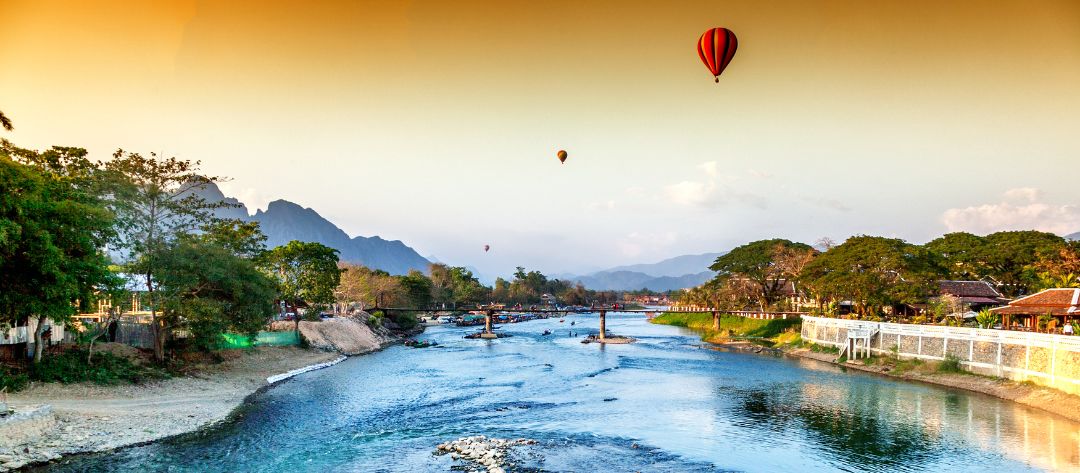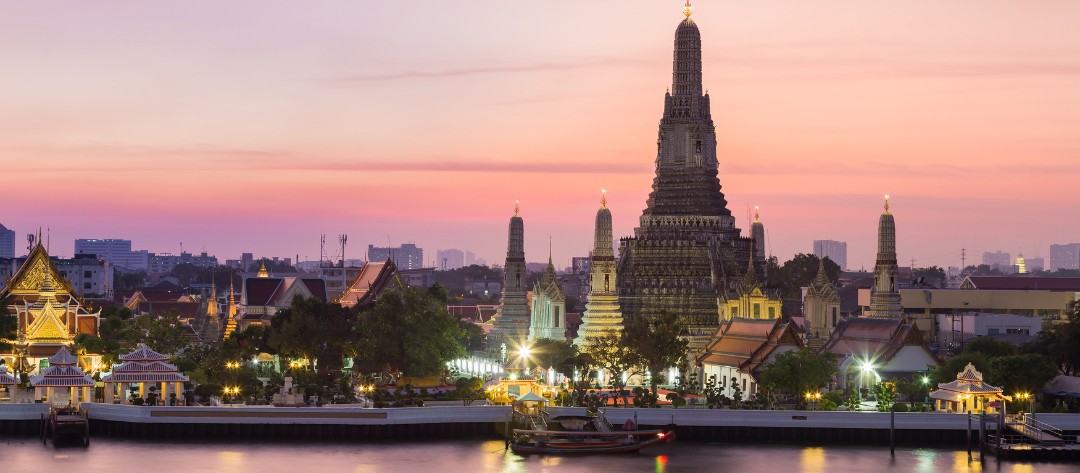


If you’re craving more than a postcard‑perfect snapshot, this guide gives you the real Vietnam experience — immersive journeys into remote villages, floating markets, mountain passes, and everyday local life. Now, check out the details of signature “beyond‑tourist‑trail” adventures, along with a practical checklist which helps choose and book an authentic travel tour.
Why “Experience” Matters More Than Just Visiting
In recent years, many travellers, especially from North America and Europe, no longer want to just tick famous landmarks off a list. Instead, they seek immersion, authenticity, and deeper connection with a place. In fact, a 2024–2025 international travel survey shows that 57% of travellers say “experiences” significantly influence their choice of destination.
Because of that shift, travel has moved beyond sightseeing: it’s now about stories, culture, and personal transformation. That’s why for many, the “Vietnam experience” isn’t a quick beach holiday, it’s about living, even if for a few days, in the rhythm of villages, mountains, rivers and local life.
Here are three major benefits of this immersive Vietnam experience:
- Cultural connection: meeting real people, traditions, and everyday life
By choosing homestays, community‑based tourism or village stays, travellers get a chance to interact with local families, learn about traditions, share meals, and see daily routines up close — not from behind a tourist barrier. That connection builds empathy and understanding.
Such encounters offer a more meaningful perspective than what you see in guidebooks or photo reels; they turn a trip into a personal story rather than a postcard moment.
- Nature, landscapes & stillness: remote places, calm paths, real breathing space
Immersive travel often takes people off the crowded routes, into mountain passes, remote villages, calm rivers or quiet rice terraces. Such places are where you can listen to birds instead of bus engines, watch sunrise over misty hills, or glide through narrow canals without a crowd.
These moments of stillness foster a sense of calm and balance that busy cities and resort‑heavy destinations rarely offer.
- Unique memories and stories that differentiate your trip
When you meet a local family in a village, have a home‑cooked meal, or travel a rugged road through mountain villages, you collect memories no one else has. Immersive trips often bring surprises — unexpected kindness, shared laughs over dinner, lessons in local customs — that stay with you long after the trip ends.
In the next section we’ll showcase some of the most authentic Vietnam experiences that deliver on this promise.
Signature “Beyond Tourist Trail” Experiences in Vietnam
Now, we’ll show you a selection of unforgettable destinations that bring the real Vietnam experience to life.
Ha Giang Loop & Hill-Tribe Villages (Northern Vietnam)
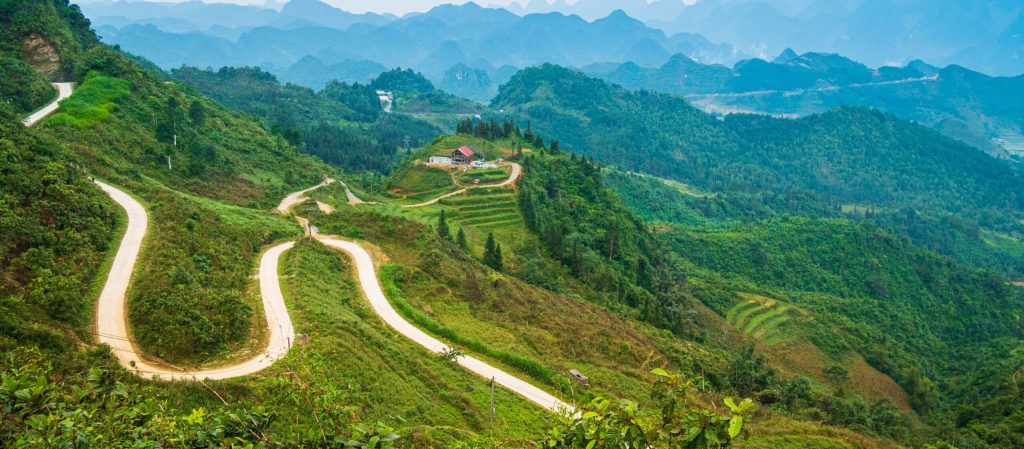
The Ha Giang Loop is a roughly 300‑kilometre circuit through the remote northern highlands of Vietnam, weaving past dramatic mountain passes, rolling karst plateaus and deep valleys.
Whether on a motorbike or in a jeep, this journey for Vietnam experience offers sweeping views, such as the steep cliffs of Ma Pi Leng Pass, the gorge of the Nho Que River, the limestone plateaus of the Dong Van Karst Plateau Geopark, and the peaceful valleys with terraced fields and traditional villages.
Why It’s Authentic
- Diverse, living ethnic cultures stable over time
The region has 17–20 ethnic groups, with Hmong, Dao, Tay, Lo Lo among the largest. Each group preserves its own language, customs, architecture (stilt‑houses, stone or clay homes), clothing, crafts, and seasonal traditions. Villages deliver the authentic Vietnam experience rather than tourist shows.
- Far fewer tourists than mainstream spots
Compared to places like Sapa, where tourism has already altered many villages, Ha Giang remains largely off‑the‑beaten‑path. As a result, cultural interactions are more genuine, and the landscape retains its raw, rugged beauty.
Practical Tips
- Stay in a homestay (run by local families) in order to gain real access to village life and support local communities.
- Use a local guide or join a small‑group tour, who will help you communicate with villagers, navigate mountain roads safely, and ensure respectful, responsible travel.
- Allocate at least 3–4 days for the Loop, which allows time to ride, rest, explore villages, enjoy scenery and soak in the rhythm of highland life without rushing.
Fits for
- Adventure travellers
- Culture-seekers
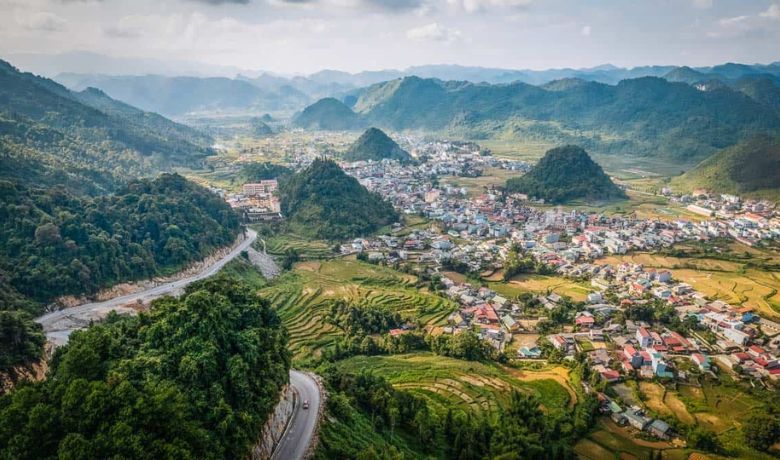
Ha Giang’s ancient hill-tribe villages nestle among some of Vietnam’s most breathtaking mountain scenery.
Mekong Delta Life & Floating Markets (Southern Vietnam)
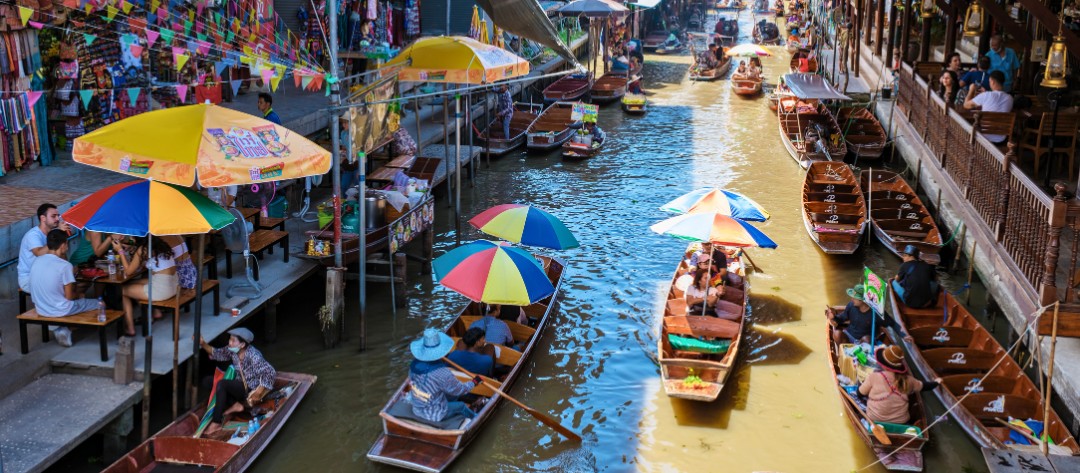
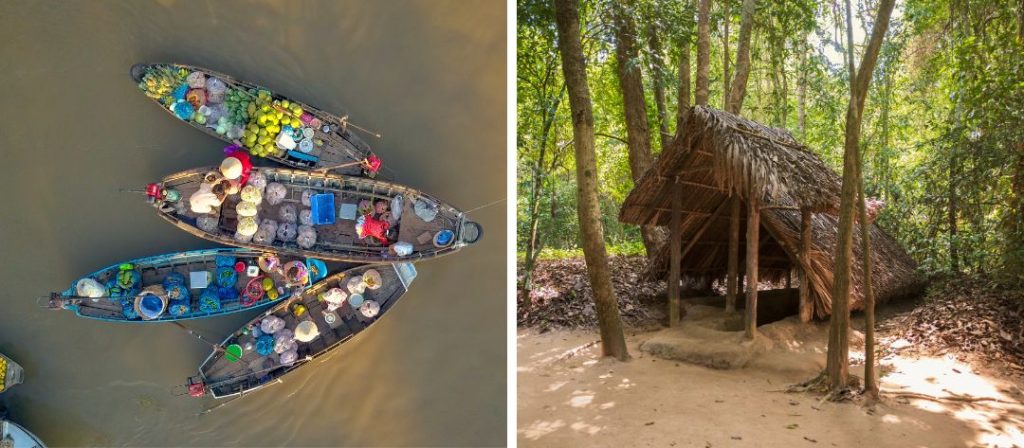
Drifting along the maze of canals and rivers that form the Mekong Delta, you’ll discover a world shaped by water. Early in the morning, dozens (sometimes hundreds) of small wooden boats gather at Cai Rang Floating Market, Cai Be Floating Market or other local floating markets. They’re laden with fresh tropical fruits, vegetables, herbs, even ready-to-eat breakfasts and coffee served right from the boat.
Beyond the bustle of the market, life flows gently on the water: stilt houses along riverbanks, small villages connected only by boat paths, fruit orchards and rice fields lining canals, and families whose rhythm follows the rise and fall of tides, not traffic lights.
Why It’s Authentic
- Living traditions on water, preserved through generations
Floating markets began centuries ago when rivers were main trade routes. Here, trading from boats remains a core way of life, long before tourism existed.
- A peek into real local life, not resort-style tourism
Rather than staying in gates of a resort, you might share a meal in a wooden house on stilts, drift along narrow canals in a sampan, watch locals fish or paddle at dawn, or see baskets of mangoes and coconuts hung on bamboo poles to catch buyers’ eyes.
Practical Tips
- Arrive early, before sunrise. Floating markets are busiest at dawn: vendors begin as early as 4:00 – 5:00, and by mid-morning many boats leave. That’s the time to catch the full spectacle.
- Stay overnight in a village lodge or homestay along the canals. It gives you a deeper Vietnam experience of river-life rhythms, local hospitality, and a chance to see quieter Delta scenes after tourist boats leave.
- Hire a small boat or sampan, ideally with a local guide. Narrow canals, many floating shops, and local customs make a guide helpful to navigate water-paths and understand what’s happening.
- Dress simply and travel lightly as moving by boat or foot around canals is easier with minimal luggage; also be respectful of local life and environment.
Fits for
- Families
- Slow-travelers
- Nature lovers
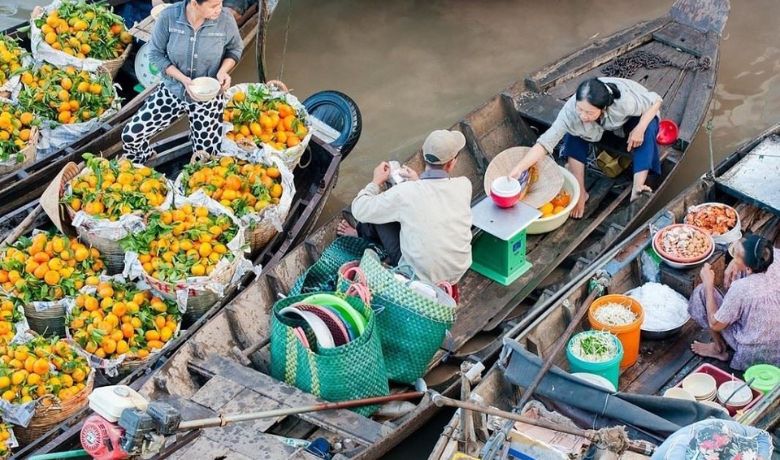
Wooden boats laden with tropical fruits gather at Cai Rang Floating Market.
Pu Luong & Ethnic Villages (North Central Vietnam)
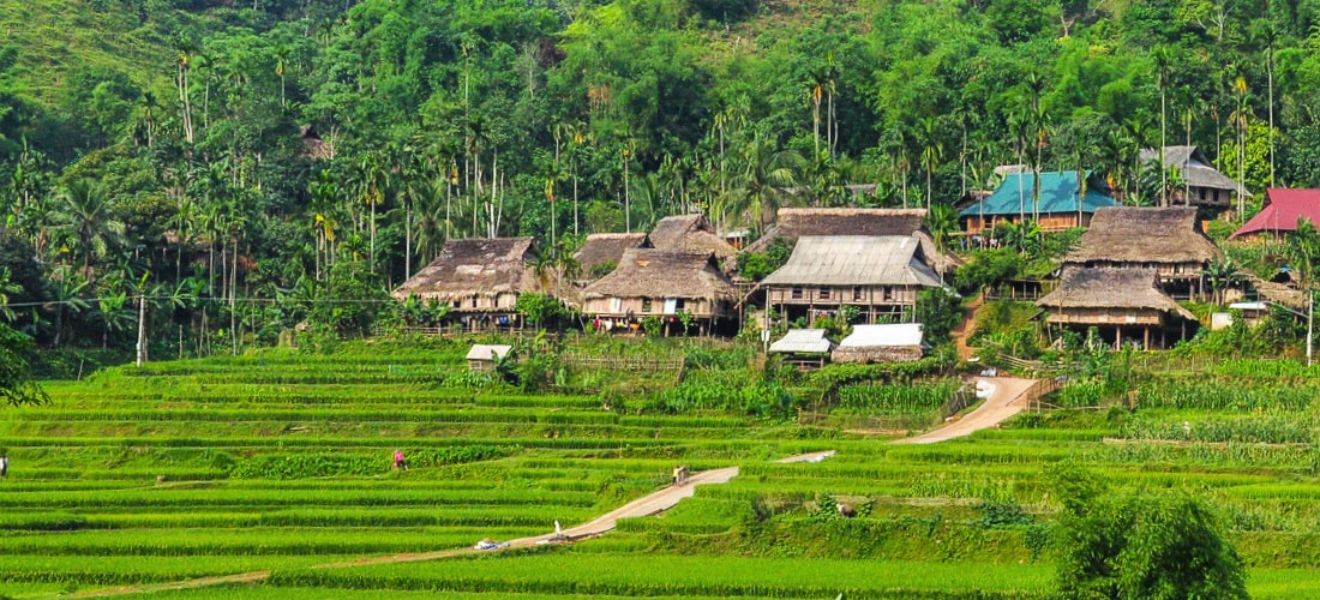
Pu Luong is a lush, quiet nature reserve tucked between mountains and valleys, where emerald rice terraces, bamboo forests, and mist-covered peaks frame a slow, genuine rhythm of life. The area is home to Thai and Muong ethnic communities living in traditional wooden stilt houses.
Walking or biking through villages like Ban Don, Uoi, Lan, Hieu, or Kho Muong, you’ll stroll past terraced rice fields, see flowing streams irrigated by old bamboo water-wheels, and hear children’s laughter mixing with forest sounds.
For nature-lovers, you can trek along trails linking villages, drift gently on a bamboo raft along Cham Stream, or refresh yourself under waterfalls such as Hieu Waterfall — a hidden natural pool set among mountains and forest.
Why It’s Authentic
- Still calm and largely untouched
Pu Luong remains far quieter than better-known spots. Despite being relatively easy to reach from Hanoi, its remote villages and dense forests give a sense of genuine wilderness and escape from busy tourist circuits.
- Living ethnic-village culture preserved
Thai and Muong families still live in traditional stilt houses, working in rice terraces, tending vegetable gardens, using bamboo water wheels to irrigate fields, and keeping customs such as local crafts, traditional dances, and communal farming alive. All these offer travelers a rare window into Vietnam’s ethnic heritage.
Practical Tips
- Choose an eco-lodge or village homestay to support local communities and give you a chance to live like locals rather than tourists.
- Walk or bike local trails between villages to fully soak in the rice terraces, forest paths, and valley views. It’s slow travel at its best.
- If the weather allows, include a bamboo-raft ride or a water-stream walk (especially along Cham Stream).
- Try to visit during rice-terrace seasons (when paddies are green or ripe) for the most stunning landscapes and a deeper sense of rural life in sync with nature.
Fits for
- Couples
- Wellness-seekers
- Off-beat travellers
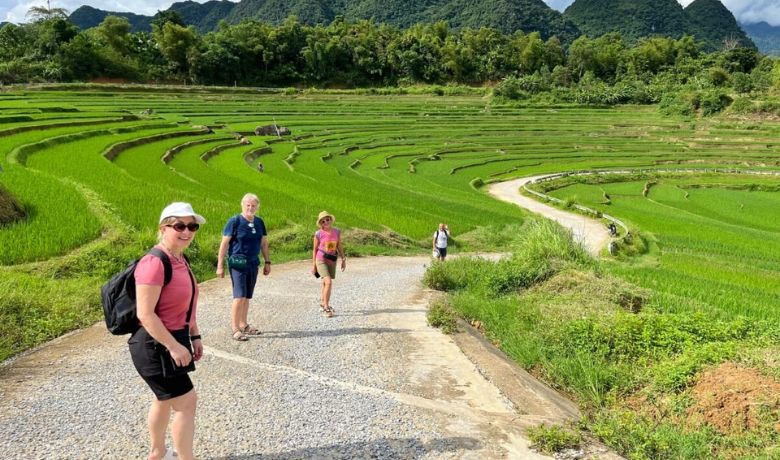
Emerald rice terraces cascade through Pu Luong Nature Reserve.
Con Dao Islands & Undiscovered Beaches (Southern Coast)
Con Dao is a quiet archipelago of forest-clad islands, long white beaches, and clear blue water — a place where nature still sets the pace. Here you’ll find pristine shorelines, dense marine life, and a living history (from French-era prisons to wartime relics), all within a short hop from the mainland.
The islands are also one of Vietnam’s most important sea-turtle nesting sites. In the first half of 2025, Con Dao National Park helped release nearly 4,500 baby turtles back into the sea as part of its conservation work. This mix of untouched beaches, rich underwater world and active conservation gives visitors a rare chance to connect with nature and learn about island ecology.
Why It’s Authentic
- Escape mass tourism and find real solitude
With relatively limited access (flights/ferries, fewer tourists), many beaches and coves remain empty even in high season, which gives you space to breathe and earth to hear your footsteps.
- Thriving underwater world and coral reefs
The marine area around Con Dao supports high biodiversity — coral reefs, seagrass beds, mangroves — and counts dozens of rare species, making it a top spot for snorkeling, diving, and marine discovery.
- A layered history giving depth to your beach stay
Beyond the sun and sea, Con Dao carries stories: from colonial-era prisons, wartime relics, to sites of memory and resilience. This Vietnam experience brings a sense of respect, reflection, and connection to Vietnam’s past, adding meaning to the natural beauty.
Practical Tips
- Book ahead, especially for accommodation and inter-island transport, because Con Dao has limited rooms and flights/ferries can fill up in nesting and holiday seasons.
- Turtle nesting generally runs from spring through early autumn, with hatchings often visible mid-year onward. Always follow park guidance and join supervised programs rather than approaching nests alone.
- Traveling just outside peak holiday weeks (and avoiding high-wind months) increases your chances of having stretches of sand to yourself.
- Book a guided snorkeling/diving trip or a visit to the conservation station to learn about coral protection and turtle recovery efforts.
Fits for
- Nature lovers
- Honeymooners
- Low-crowd seekers
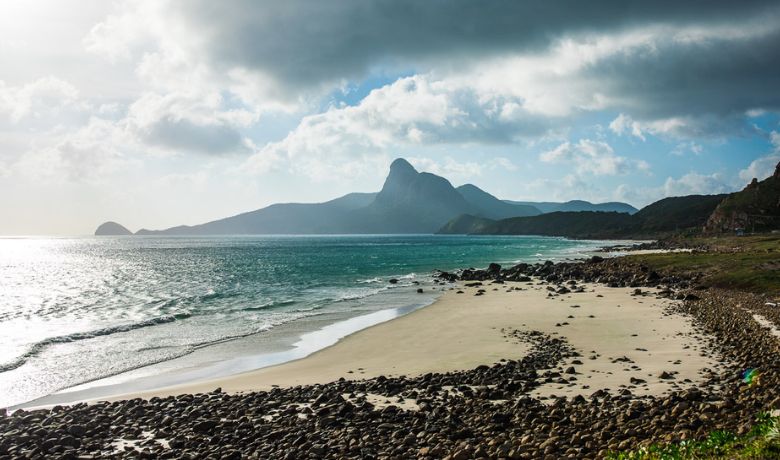
Con Dao Islands – a protected archipelago where sea turtles nest and solitude still reigns.
Culinary & Local-Life Experiences (across Vietnam)
There’s no faster way to understand Vietnam than through its food and the people who prepare it. From fragrant street corners in Hanoi to floating kitchens in the Mekong Delta, every meal carries stories about family traditions, local pride, and centuries-old techniques. Joining hands-on cooking classes, street-food adventures, or communal meals in villages gives you more than a full stomach, it lets you step into the rhythm of everyday life.
Why It’s Authentic
- Food as a cultural language
Vietnamese people communicate care through cooking and eating together. When you sit on a tiny stool to enjoy a hot bowl of Pho or help prepare herbs in a local home, you’re invited into the warmth and hospitality that define daily life across the country.
- Local people become your guides
Rather than watching from afar, you get to connect with real food artisans — the noodle maker kneading dough at dawn, the market vendors offering herbs grown behind their homes, or the grandmother teaching you her family recipe. Their personal stories make every dish memorable.
- A journey through regional flavors
Vietnam’s geography shapes its cuisine in exciting ways. The north leans toward light, herbal flavors; the central regions prefer spicier, more complex dishes; and the south embraces sweetness and tropical ingredients. Experiencing these differences firsthand helps you understand how landscapes and local histories create unique food cultures.
- Hands-on techniques you’ll take home
Rolling Banh Cuon, pounding fresh spices for Bun Bo Hue or grilling seafood the coastal way — these lessons teach skills passed down through generations, giving you a deeper appreciation for the craftsmanship behind each bite.
Practical Tips
- Choose small-group workshops for more interaction and deeper storytelling.
- Ask for classes hosted by local families or social enterprises, so your visit supports the community directly.
- Be adventurous, try unfamiliar ingredients or dishes you’d never find at home.
- Go with a local guide on market walks; they’ll show you how to spot fresh produce and help you understand traditions behind each ingredient.
Fits for
- Food-focused travellers
- Families wanting interactive stays
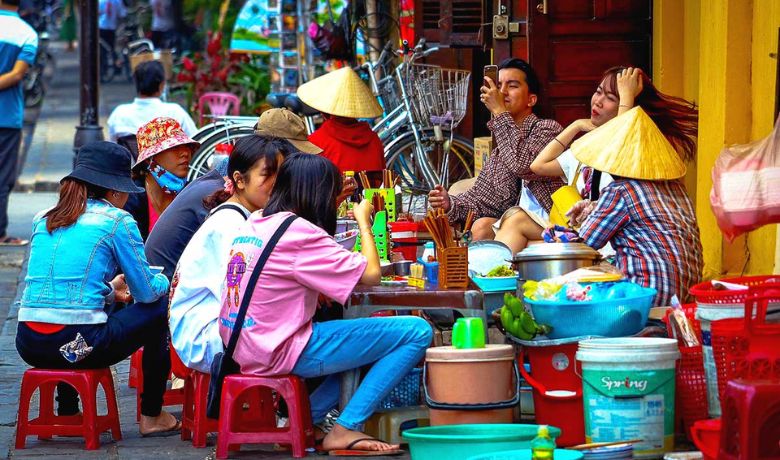
Tiny plastic stools and steaming bowls of street food reveal Vietnam’s culinary soul.
How to Choose & Book Your “Vietnam Experience”
Here’s a checklist to make sure that you prepared well for the most authentic trip.
A Checklist of What to Look for
Authenticity
- Choose homestays or locally run guesthouses — places where you stay in real homes, often with local families. This way you immerse yourself in daily life, especially in rural or ethnic-minority areas.
- Use local guides or community-based tours instead of large, anonymous bus tours. Tours run by locals — ethnic guides in northern hills, artisans, fishermen, or villagers — help keep tourism income within communities and preserve cultural integrity.
Diversity
- Avoid itineraries that focus only on well-trod cities or famous landmarks. Instead, look for trips that combine culture, rural life, natural landscapes, and maybe even local craft or food experiences.
- Explore lesser-known destinations such as remote villages, nature reserves, floating-village areas or minority communities. These often offer a more genuine Vietnam experience and fewer crowds, preserving both peace and authenticity.
Pace
- Seek itineraries that give downtime, slow travel, and space for exploration, rather than cramming too many places into one trip. This helps you appreciate details, connect with locals, and respond naturally to unplanned opportunities. Many sustainable-travel guides in Vietnam recommend “travel slow, travel deep.”
- Try to avoid rigid bus-tour crunches as they often prioritize volume over quality and can reduce immersive experiences to short glimpses. Opt instead for flexible, smaller-group tours or self-planned journeys with local stays and few fixed times.
Responsible Travel
- Prefer tours and accommodations that practice eco-friendly habits: minimizing plastic waste, using sustainable supplies, and encouraging responsible waste management.
- When booking, choose community-based tourism providers who involve local people in planning and benefit-sharing. This doesn’t just give you an authentic Vietnam experience, it also helps preserve culture, supports livelihoods, and encourages sustainable development.
Booking Flexibility
- Given Vietnam’s varied weather, infrastructure in remote areas, and sometimes unpredictable transport, pick tours or homestays with flexible booking or cancellation policies. This gives you leeway if plans shift, or if weather or local conditions change.
- Choose operators that communicate clearly: you should know what’s included (meals, guide, transport), what’s optional, and what local rules or customs apply (e.g., how to dress, how to behave, environmental respect). That transparency helps avoid surprises and ensures a smoother, more respectful trip.
Trusted Sources to Back Points
When you plan an immersive Vietnam experience, having reliable references helps you avoid tourist traps, protect the environment, and connect authentically with local communities. Below are some solid sources to guide your decisions, especially if you aim for a real Vietnam experience.
- Asia Pioneer Travel: Specializes in customized Vietnam itineraries combining local culture, adventure, and responsible tourism for authentic and memorable experiences.
- Vietnam Timeless Charm: Official advice on eco-friendly and community-based tourism in Vietnam, with tips on homestays, cultural respect, and low-impact travel.
- Vietnam Beyond Travel: Offers community-based tours and immersive experiences that focus on culture, nature, and slow travel, helping travelers go beyond typical tourist paths.
Practical Tips
Best Months & Regions
- For northern mountain areas (like Ha Giang Loop, Pu Luong Nature Reserve, Sapa), the shoulder seasons — September to November or March to May — offer cool weather, clear skies, and fewer crowds, making it ideal for trekking, village visits, and rice‑terrace scenery.
- In Central Vietnam (heritage towns, coast, countryside), February to May tends to bring warm, dry weather suited for exploring cultural sites, cooking classes or beachside escapes, before heavier summer heat or rainy seasons.
- For southern zones — rivers, deltas, islands — the dry season (December to April) is often the best time for boat trips, floating markets, beach visits and island stays. This season offers sunny skies and more reliable travel conditions.
- If you prefer a greener, quieter Vietnam and don’t mind occasional rain, the shoulder or low‑tourist months (outside peak festive or holiday seasons) can offer more authentic, calm experiences with fewer tourists and often lower costs.
How Long Should to Stay
- Instead of rushing through with a short 4‑day city visit, aim for about 10–14 days. This allows enough time for a richer mix of Vietnam experience with breathing room to relax and absorb the local rhythm.
- Build in rest days or buffer days, especially after long travel legs or remote‑area visits, to make sure your trip feels relaxing, not exhausting.
How to Avoid Tourist‑Trap Versions of “Local Experiences”
Before you book or sign up:
- Check reviews carefully: Look for recent travellers’ comments, photos, and feedback about how “local” and genuine a Vietnam experience felt. Be cautious of glowing descriptions without evidence of real local involvement.
- Ask what’s included: Whether the stay is in a real family‑run homestay or a resort; if local guides are used; whether meals are local and home‑cooked or tourist‑style; how many people per group.
- Avoid large‑group tours masquerading as “authentic”: Tours with 20+ people, fixed fast schedules, or mass‑market vehicles are rarely immersive. Prefer small‑group or individually tailored trips.
- Check for transparent pricing and ethics: Make sure operators clarify how they treat local staff, respect the environment, and support communities (not “take advantage of locals for a cheap shot”).
With Asia Pioneer Travel, your journey goes beyond sightseeing — stay with local families, explore hidden villages, and immerse yourself in the real culture and rhythm of Vietnam. Get in touch with us to create a custom Vietnam experience.
Sample Itinerary: 15-Day “The Very Best Of Vietnam”
Here’s a full 15-day journey that takes you through the best immersive Vietnam experience.
Day 1: Arrival in Hanoi
- Arrive in Hanoi and transfer to your hotel.
- Evening stroll through the Old Quarter, exploring street food and local markets.
- Dinner at a local restaurant serving traditional Hanoi cuisine.
Day 2: Hanoi City Exploration
- Visit Ho Chi Minh Mausoleum and One Pillar Pagoda.
- Explore Temple of Literature, Vietnam’s first university.
- Cyclo ride through colonial streets and hidden alleys.
- Evening water puppet show or optional street-food tour.
Day 3: Day Trip to Ninh Binh
- Travel to Ninh Binh (~2 hours from Hanoi).
- Trang An boat ride through limestone karsts and river valleys.
- Visit Bich Dong Pagoda or Hoa Lu Ancient Capital.
- Overnight stay in a countryside homestay.
Day 4: Start Ha Giang Loop
- Transfer to Ha Giang province (~6–7 hours drive or flight + car).
- Stop at local villages along the way for photos and tea.
- Evening check-in at homestay in Ha Giang town.
Day 5: Ha Giang Loop Adventure
- Begin the Ha Giang loop by motorcycle or car.
- Visit remote Hmong and Dao villages, interact with local families.
- Trek to viewpoints and enjoy dramatic mountain passes.
- Overnight stay in hill-tribe homestay.
Day 6: Continue Ha Giang Loop
- Morning village visits and cultural exchange.
- Explore local markets in small towns.
- Return to Ha Giang town and overnight at homestay.
Day 7: Travel to Pu Luong Nature Reserve
- Drive to Pu Luong (~5–6 hours).
- Stop at scenic viewpoints and terraced fields along the way.
- Evening check-in at eco-lodge or local homestay.
Day 8: Pu Luong Hiking & Village Life
- Guided hike through bamboo forests and terraced rice fields.
- Visit Thai-ethnic villages, participate in cooking or handicraft activities.
- Enjoy the sunset over the valleys.
Day 9: More Pu Luong Exploration
- Short morning hike or cycling in nearby villages.
- Free time to relax and soak in the tranquil surroundings.
- Overnight at eco-lodge or homestay.
Day 10: Travel to Mekong Delta
- Fly or drive to southern Vietnam (Can Tho or nearby town).
- Boat transfer to rural riverside homestay.
- Evening stroll along riverbanks, observe village life.
Day 11: Mekong Delta Immersion
- Early morning visit to floating markets.
- Explore canals and local workshops.
- Optional fruit orchard visit and village cooking class.
- Overnight in the riverside lodge.
Day 12: Mekong Delta Leisure
- Boat tour of smaller canals and remote hamlets.
- Participate in local daily activities: fishing, farming, or cooking.
- Evening free to relax by the water.
Day 13: Travel to Con Dao Islands
- Flight or ferry to Con Dao Islands.
- Check-in at the beachfront eco-lodge.
- Relax on pristine beaches, optional snorkeling or swimming.
Day 14: Con Dao Exploration
- Morning visit to turtle nesting sites or marine conservation programs.
- Explore historical sites and old prison ruins.
- Afternoon free for kayaking, swimming, or beach relaxation.
Day 15: Ho Chi Minh City Departure
- Fly or transfer to Ho Chi Minh City.
- Short city tour: Ben Thanh Market, Notre Dame Cathedral, Central Post Office.
- Optional street-food tasting before departure.
Contact Asia Pioneer Travel now to enquire for this itinerary or ask to customize it to your travel style now!
Your Truly Authentic Vietnam Experience Awaits Here!
Vietnam is famous as a travel destination, but the authenticity goes beyond sightseeing — it takes careful planning, the right resources, and a willingness to explore off the beaten path. With the insights in this blog, you can uncover the best Vietnam experience, while knowing how to choose and book at the right way and the best time.
Asia Pioneer Travel is always ready to help you craft a custom Vietnam journey, connecting you with memories that last a lifetime.