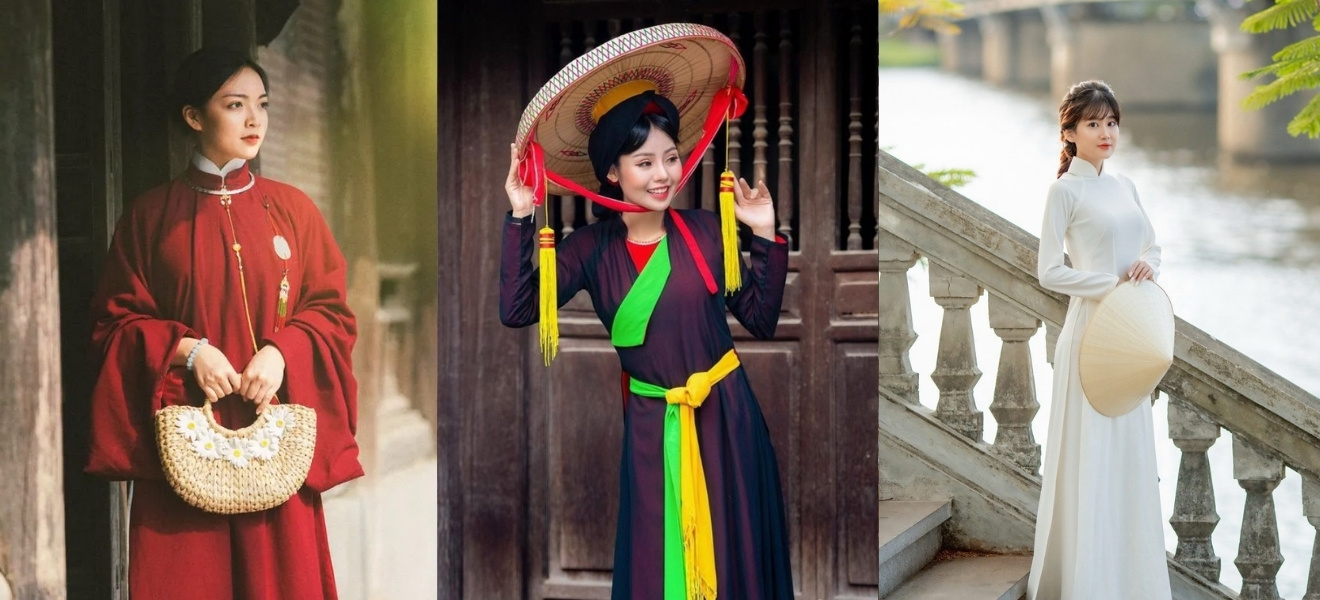


The ao dai is traditional Vietnamese clothing, a perfect blend of history and modern beauty. Influenced by Chinese, French, and Cham cultures, it represents elegance, grace, and cultural pride. As the national dress, the ao dai is the ideal attire for couples, offering a romantic and sophisticated look perfect for wedding photos, honeymoons, and couple photoshoots. It suits both men and women, making it a timeless symbol of Vietnamese charm. In this article, we will guide you on where to wear the ao dai, the best spots for photoshoots, and how to embrace this beautiful tradition during your travels.
What is Traditional Vietnamese Clothing? A Quick Overview
The traditional Vietnamese clothing is ao dai. It is a reflection of centuries of history, cultural evolution, and national pride. Its roots date back to the Nguyen Dynasty in 1744, when Lord Nguyen Phuc Khoat introduced the ao ngu than, a five-part garment with front buttons, to distinguish the people of Southern Vietnam from those in the North, who wore the older ao tu than (four-panel dress).
In the 1930s, a major transformation of this traditional dress occurred, led by Hanoi artist Nguyen Cat Tuong (also known as Le Mur). Tuong simplified the ao dai design, extending the front flap to the ankles, creating a two-part garment, and tailoring it to fit the female body. This blend of Western tailoring techniques and traditional Vietnamese aesthetics resulted in the modern ao dai that is cherished today.
Vietnam’s diverse geography and rich cultural heritage have given rise to a variety of regional and ethnic attire:
- Northern Vietnam: The ao tu than is a four-part dress symbolizing the modesty and hardworking nature of rural Northern women. This flowing outer tunic is typically worn over a halter top and paired with a crow-beak headscarf.
- Southern Vietnam: The ao ba ba is a practical and comfortable garment often worn in the hot, humid climate of the Mekong Delta. It consists of a button-down tunic with a scooped neckline, paired with loose pants. The ao ba ba reflects the simple yet rustic charm of the Southern Vietnamese people.
- Ethnic minority costumes: Vietnam’s 54 ethnic groups each have their own distinct traditional attire, such as the H’Mông people’s embroidered garments, the Dao people’s red turbans, and the Ê Đê people’s sarong-style skirts. Exploring regions like Sapa and Dong Van offers the chance to witness their vibrant attire and silver craftsmanship firsthand.
- Men’s traditional outfits: While men’s traditional clothing is simpler than that of women, it remains elegant and dignified. For special occasions such as weddings and festivals, men typically wear the ao the or men’s ao dai, often completed with a traditional coiled cloth turban.
By embracing these traditional garments, Vietnam showcases a beautiful tapestry of cultural heritage, each piece telling its own story of the country’s history, people, and identity.
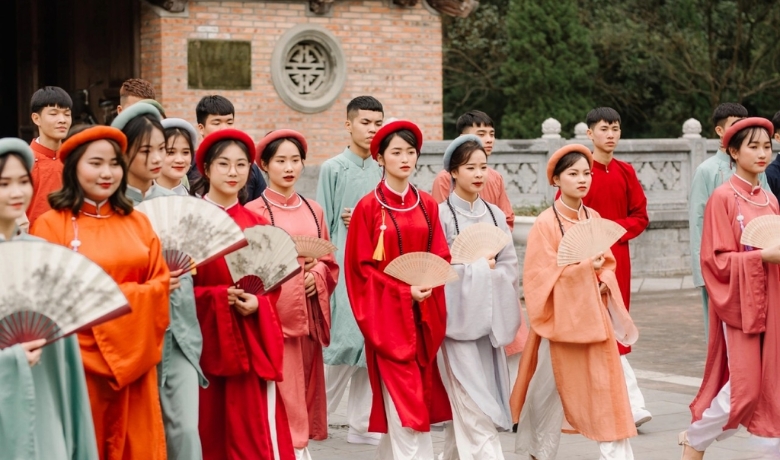
The Iconic Ao Dai – Perfect Traditional Vietnamese Dress for Couples
The ao dai is an integral part of modern Vietnamese life and culture. It is a required uniform for female high school students and teachers, often seen in the iconic image of white ao dai in schools. It is also the preferred attire for weddings and traditional festivals such as Tet and Mid-Autumn, where families and communities come together to celebrate.
The ao dai can be seen frequently in service industries, where it is worn by flight attendants, receptionists, and luxury hotel staff to present a polished, elegant image that represents the welcoming spirit of Vietnam.
Symbolism
The ao dai is celebrated for its elegance and grace, embodying modesty and femininity in its female form, and dignity and masculinity in the male variation. Beyond its beauty, the ao dai carries spiritual symbolism. Its intricate motifs, such as lotus flowers, bamboo, birds, and clouds, reflect the Vietnamese cultural philosophy of living in harmony with nature.
Modern Ao Dai
In recent years, the modernized or fusion ao dai has gained immense popularity, particularly among the younger generation. These modern interpretations feature practical changes such as shortened, above-the-knee hemlines, boat necks, and the use of breathable, casual fabrics.
These tweaks make the garment more versatile and suited for contemporary lifestyles, allowing for ease of movement, whether on a bicycle or motorcycle. The fusion ao dai has been embraced by Vietnamese designers on international catwalks and widely adopted by influencers, merging traditional beauty with modern trends to create a dynamic cultural expression.
> See tour: Immersive Vietnam Cultural Tour
Best Places in Vietnam to Wear Traditional Vietnamese Clothing
Vietnam offers countless breathtaking locations to capture the beauty of the traditional ao dai. Whether you’re exploring ancient towns or remote mountain villages, each destination provides a unique setting to celebrate this iconic garment. Here are some of the best places to wear traditional Vietnamese clothing:
Hoi An Ancient Town (UNESCO World Heritage Site)
Hoi An is arguably the most picturesque destination for an ao dai photoshoot, thanks to its charming yellow walls, moss-covered tiled roofs, and the serene Hoai River. This enchanting town offers stunning backdrops, making it ideal for couples looking for romantic, timeless photos.
- Rental and tailoring: Renting an ao dai for a photoshoot is highly recommended, with rental prices ranging from 200,000 to 500,000 VND ($10 to $15 USD). If you prefer a custom-fit garment, Hoi An is famous for its world-renowned tailors who can craft a bespoke ao dai in as little as 1 to 3 days.
- Photo spots: The areas around the Japanese Bridge, Hoai River, and the lantern-lit streets are perfect for capturing beautiful photos.
Hue Imperial City and Perfume River
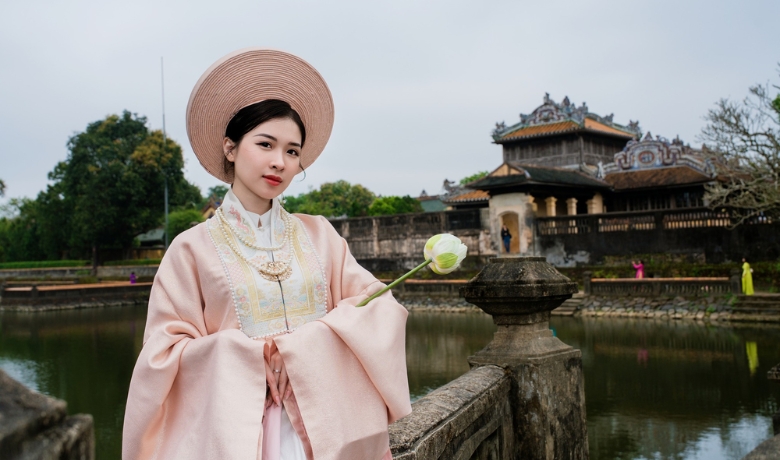
As the former imperial capital of Vietnam, Hue is a majestic destination that exudes historical charm. Known for its association with the ao dai and the iconic non la (conical hat), it’s the perfect location for those seeking a regal, traditional atmosphere for their photoshoot.
- Royal costumes: For a truly immersive experience, couples can wear royal costumes from the Nguyen Dynasty, such as the ao nhat binh for women and the ao ngu than for men.
- Photo spots: The royal tombs, Perfume River, and Thai Hoa Palace provide stunning, mystical backdrops, ideal for capturing elegant, romantic photos.
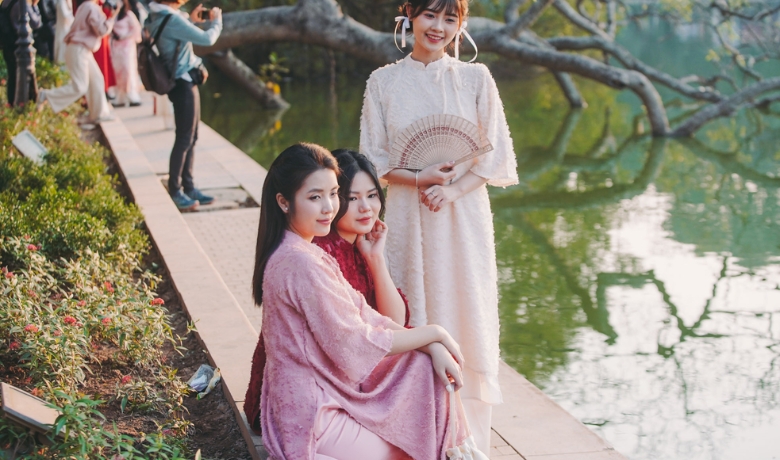
Hanoi Old Quarter and Hoan Kiem Lake
Hanoi offers a lively blend of street culture and historical landmarks, making it a fantastic destination for an ao dai photoshoot. The bustling streets of the Old Quarter and the tranquil Hoan Kiem Lake provide iconic settings.
- Tailoring: If you’re looking to buy or tailor your own ao dai, head to Luong Van Can Street in Hanoi, a famous area for getting fitted.
- Photo spots: Capture the essence of Hanoi with stunning photos of the ao dai by the lake during sunset or amidst the vibrant streets filled with life.
Da Nang / My Son Sanctuary
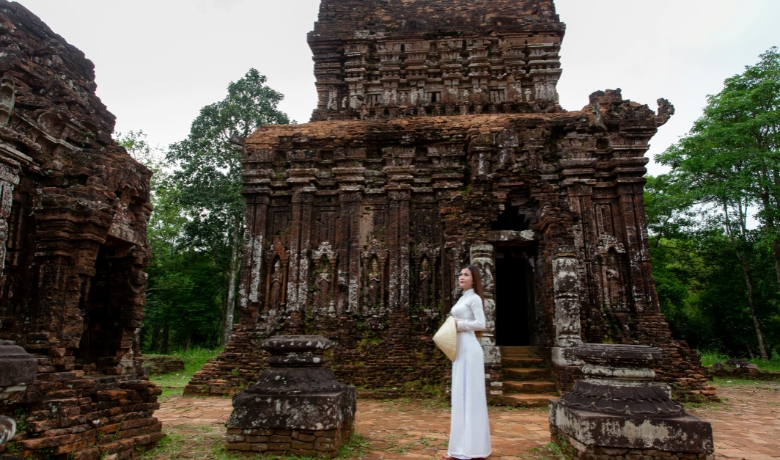
Though not as widely noted for ao dai photoshoots, Da Nang offers a great blend of natural beauty and cultural heritage. The historical Cham culture, reflected in the architecture of My Son Sanctuary, greatly influenced the development of Vietnam’s traditional clothing.
- Cham influence: The soft, breathable fabrics suited for tropical climates, developed by the Cham people, make My Son a great spot to combine cultural heritage with the beauty of traditional clothing.
- Photo spots: While specific photo services are not detailed, My Son’s ancient temples and the nearby Da Nang beaches can serve as striking backdrops for your photoshoot.
Sapa and Ethnic Minority Villages
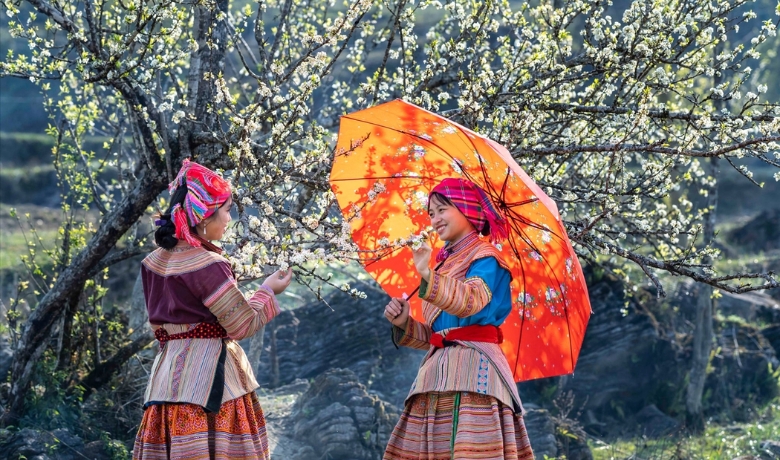
For couples seeking a diverse and culturally rich experience, the northern highlands of Sapa and the ethnic villages in Ha Giang are perfect destinations. The vibrant, traditional clothing worn by ethnic groups like the H’Mông and Red Dao adds a unique element to the photoshoot.
- Ethnic costumes: You can try on beautiful, intricately embroidered traditional garments of the H’Mông and Red Dao people, known for their signature scarlet turbans and silver jewelry.
- Photo spots: The scenic beauty of the mountains, terraced rice fields, and traditional village settings create a picturesque backdrop for capturing vibrant, cultural photos.
Practical tips for your photoshoot
- Timing: To avoid the heat and heavy tourist crowds, plan your photoshoot early in the morning or in the late afternoon/evening, when places like Hoi An are beautifully illuminated by lanterns.
- Photoshoot services: Booking a professional photoshoot service ensures beautifully edited, high-definition pictures. Many services, such as those in Hue, offer packages for couples, typically priced between 2 to 5 million VND ($80 – $210 USD).
- Accessories: Complete your traditional look with accessories like the non la (conical hat), khan dong (turban), or a rattan bag, which are available at rental shops for an authentic experience.
> Read more: 21 Unique Vietnam Souvenirs That Travelers Should Buy
Where to Rent or Buy Traditional Vietnamese Clothing in Vietnam
If you’re looking to wear traditional Vietnamese clothing, whether for a photoshoot, special occasion, or simply to immerse yourself in the culture, here is a detailed guide on where to rent or buy an ao dai and other traditional garments in Vietnam.
Hoi An: The Hub for Fast Tailoring and Rentals
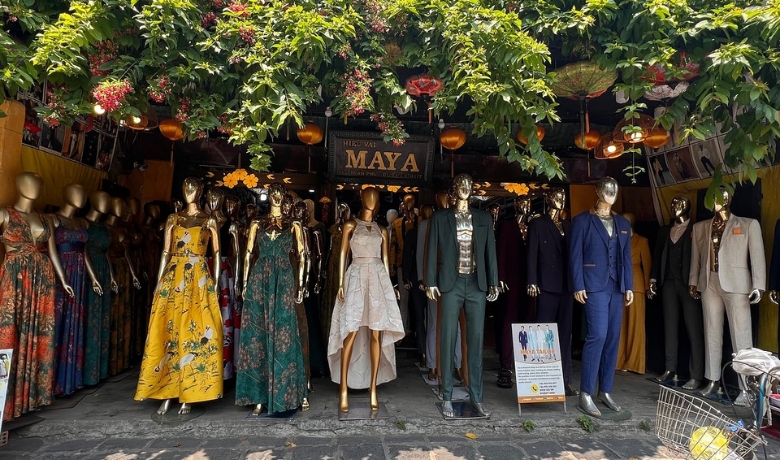
Hoi An, famed for its charming streets and beautiful ancient town, is also a haven for custom ao dai tailoring. Known worldwide for its fast and quality craftsmanship, Hoi An offers a range of rental and custom tailoring options, perfect for anyone wanting to experience traditional Vietnamese clothing.
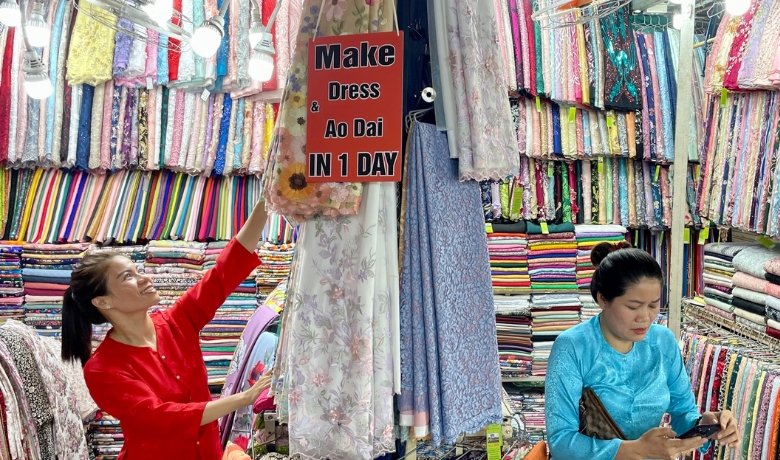
The town’s skilled tailors can craft a custom ao dai in as little as 1 to 3 days. Prices for these garments typically range from $20 to over $150 USD (500,000 VND to over 3.7 million VND), depending on fabric choice and designer.
Renting an ao dai is a highly popular option, especially for tourists. Prices generally range from:
- 80,000 to 150,000 VND per day for a basic/traditional ao dai.
- 120,000 to 250,000 VND for a men’s ao dai.
- 200,000 to 400,000 VND for designer or royal ceremonial outfits (like the Nhat Binh or Ao Tac).
Reputable rental shops:
- Sweet Hoi An offers a variety of elegant, colorful options.
- HoiAn Outfit is known for its affordable, youthful styles.
- MAYA Hoi An specializes in cultural and royal costumes.
- HoiAn AoDai Rental is a great choice for quick and convenient rentals.
Hanoi: Historic Streets and Tailors
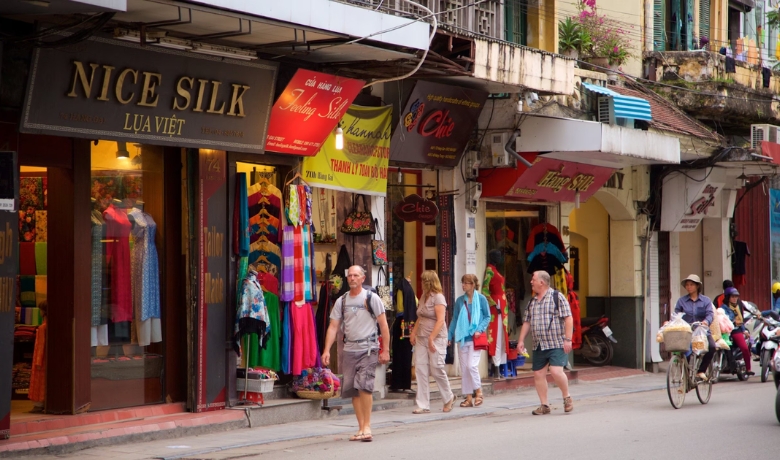
Hanoi is the heart of Vietnamese history, and its streets reflect the traditional craftsmanship of the ao dai. For a tailored fit or to purchase a garment, Luong Van Can Street is one of the city’s best-known spots, offering a selection of tailors skilled in creating exquisite ao dai. Notable tailoring shops include Tien Trach and Thanh Mai, both renowned for their quality work.
Note: While Hang Gai Street and shops like Ao Dai Hanoi may offer similar services, it’s a good idea to verify their current status before visiting.
Ho Chi Minh City: Markets and Designer Boutiques
In Ho Chi Minh City, you’ll find everything from fabric markets to luxury boutiques offering both traditional and modern ao dai. Ben Thanh Market and Tan Dinh Market provide a wide array of ready-made traditional wear and fabric choices, perfect for those who want to purchase their own fabric or buy a ready-made garment.
For high-end designer styles, particularly modernized ao dai, Le Si Hoang’s boutique is a must-visit. His celebrity-level designs are praised for their elegance and contemporary twist on traditional Vietnamese clothing.
Online/International Purchases
For those living abroad or looking to shop from home, online retailers are a great option for purchasing traditional Vietnamese clothing.
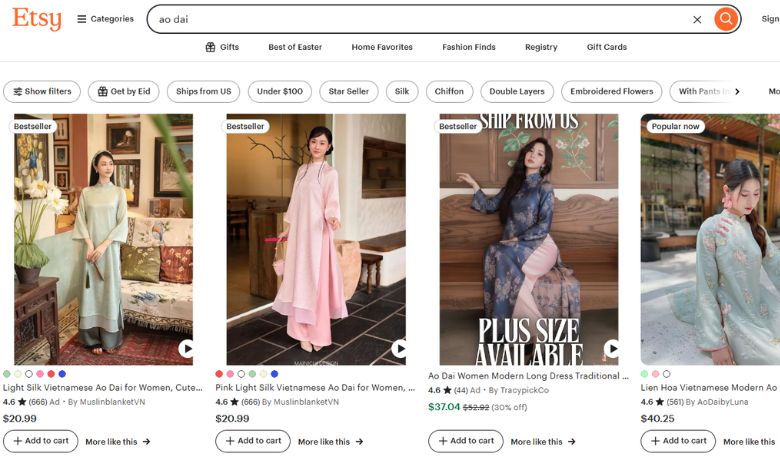
Websites like Etsy and Ao Dai by Cute Sass are known for offering traditional Vietnamese costume, including size-inclusive options. While these retailers aren’t detailed in the provided sources, they are popular internationally for those seeking to buy ao dai and other ethnic clothing online.
Tips for Wearing Traditional Vietnamese Clothing
When wearing traditional Vietnamese clothing, there are a few simple rules and tips to keep in mind to ensure you wear it with respect and elegance.
- Always wear trousers: The ao dai is designed to be worn over loose silk trousers, so it’s important to make sure you’re wearing the full outfit, not just the tunic.
- Temple modesty: When visiting temples or pagodas, it’s essential to dress modestly. Cover your shoulders and thighs, and avoid wearing sheer or revealing fabric. Even though the ao dai covers most of the body, be mindful of how tight or see-through the fabric is. If you’re unsure, bringing a light scarf or jacket can easily cover you up.
For romantic occasions, traditional clothing is a perfect fit.
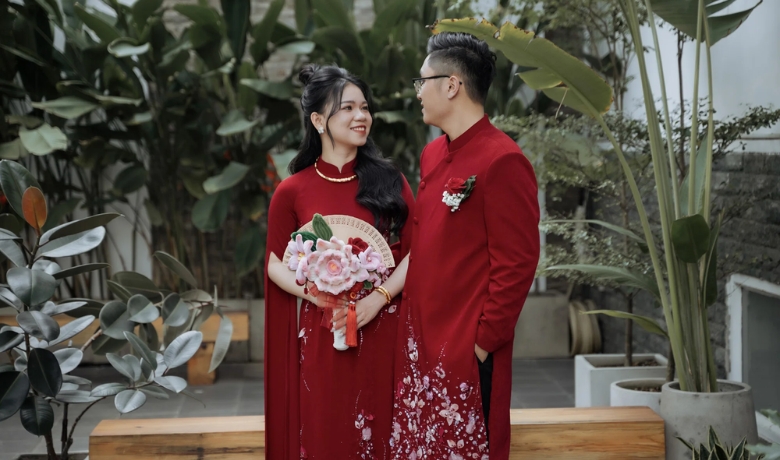
- Tet and weddings: The ao dai is the go-to attire for weddings, Tet (Lunar New Year), and other formal events. Red is a popular color for weddings, symbolizing love and prosperity.
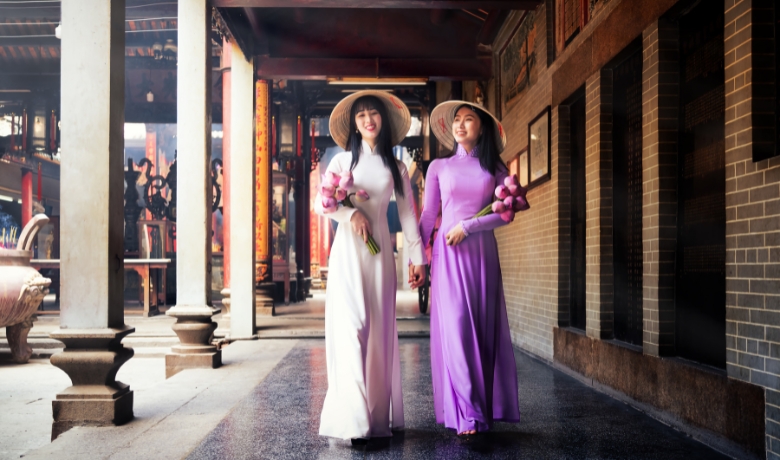
- Couple photoshoots: If you’re taking commemorative photos, wearing matching ao dai sets creates a beautiful sense of unity and elegance.
Weather plays a role in choosing the right clothing.
- In the summer: Choose a modernized áo dài for cooler, more breathable fabric. The áo bà ba, especially popular in the South, is also a great choice for hot, humid weather.
- In the winter: Traditional silk ao dai might not keep you warm in colder weather. If you’re wearing it in winter, consider layering underneath or adding a stylish jacket or scarf to stay comfortable.
> Read more: Vietnam Tet Holiday 2026: Ultimate Guide to Plan Your Trip During Super Tet
FAQs
1. What is the traditional Vietnamese dress called?
The traditional Vietnamese dress is called the áo dài. It consists of a long, form-fitting tunic worn over loose trousers and is often made from silk.
2. Can tourists wear Ao Dai in Vietnam?
Yes, tourists can absolutely wear the áo dài in Vietnam. It's a great way to immerse yourself in the culture, and many rental shops offer áo dài for tourists to wear during their visit.
3. Where can families rent Ao Dai for photos in Hanoi or Hoi An?
In Hoi An, there are numerous rental shops such as Sweet Hoi An, HoiAn Outfit, and MAYA Hoi An. In Hanoi, Luong Van Can Street is famous for its tailors, and there are also rental options around the Old Quarter.
4. Is it okay for couples to wear matching Ao Dai for a photoshoot?
Yes, wearing matching ao dai for a photoshoot is a popular and beautiful choice for couples. It creates a harmonious and elegant look, perfect for commemorating special occasions like anniversaries or engagements.
5. What should kids wear when visiting temples or pagodas in Vietnam?
Children should wear modest clothing when visiting temples or pagodas in Vietnam. It's important to cover shoulders and thighs, and avoid sheer or revealing fabrics. Simple, respectful attire is the best choice for these sacred places.
In conclusion, traditional Vietnamese clothing such as the ao dai is a beautiful and meaningful part of Vietnam’s cultural heritage. Whether you’re capturing memories through a photoshoot or simply immersing yourself in local traditions, wearing this iconic garment is a memorable experience.
At Asia Pioneer Travel, we craft tailored tours with local guides who can assist you in choosing the perfect áo dài for your photoshoots or cultural exploration. If you’re interested in experiencing this beautiful tradition, contact us today for personalized advice and recommendations.