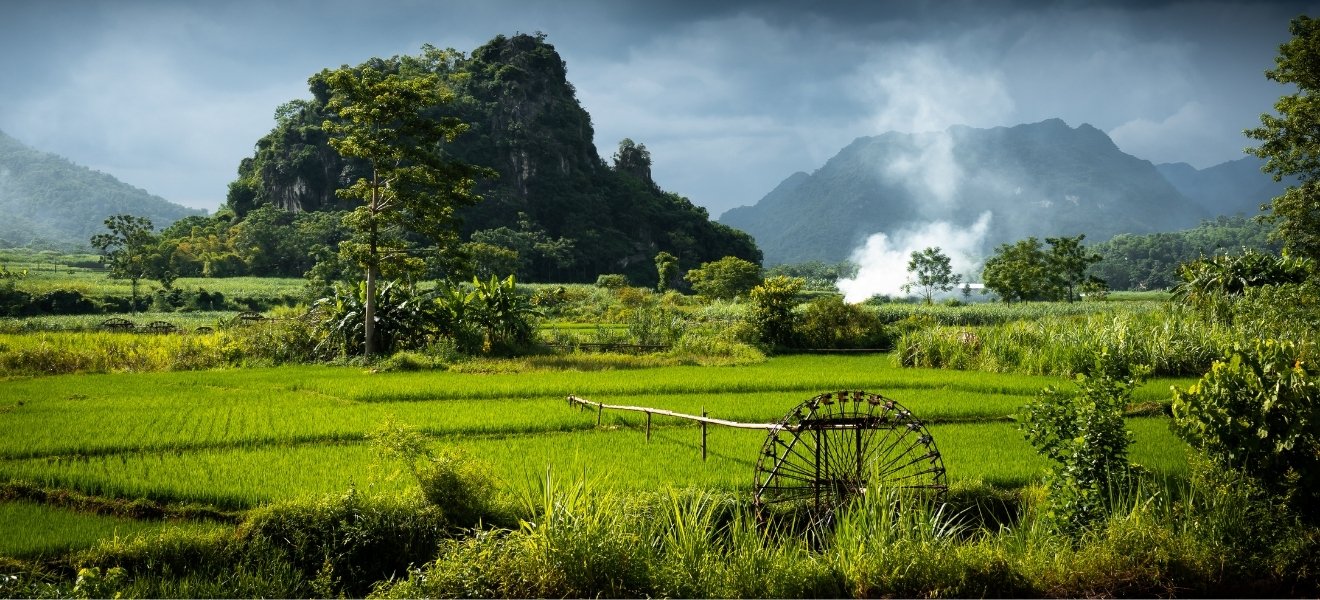


Pu Luong Nature Reserve stands out as one of northern Vietnam’s best-kept secrets. It is a peaceful escape where golden rice terraces cascade down valleys, ancient bamboo water wheels turn slowly by clear streams, and Thai ethnic villages keep traditions alive without the crowds. You get raw karst mountains, pristine forests, waterfalls, and genuine local life that many travelers miss. If you’re after authentic nature, easy treks, refreshing swims, and homestay dinners under the stars, Pu Luong delivers that rare mix of adventure and calm. This complete guide covers everything you need to plan your trip right.
What is Pu Luong Nature Reserve?
Pu Luong Nature Reserve is one of northern Vietnam’s most pristine protected areas, blending dramatic karst mountains, golden rice terraces, cascading waterfalls, and traditional ethnic villages. Established to safeguard its rich biodiversity while supporting sustainable local communities, it provides an authentic, unspoiled alternative to more commercialized mountain destinations.
Location and Geography
Pu Luong sits in Ba Thuoc and Quan Hoa districts, Thanh Hoa province. It’s about 160-180 km southwest of Hanoi, a smooth 4-4.5 hour drive. That’s way easier than heading to farther spots.
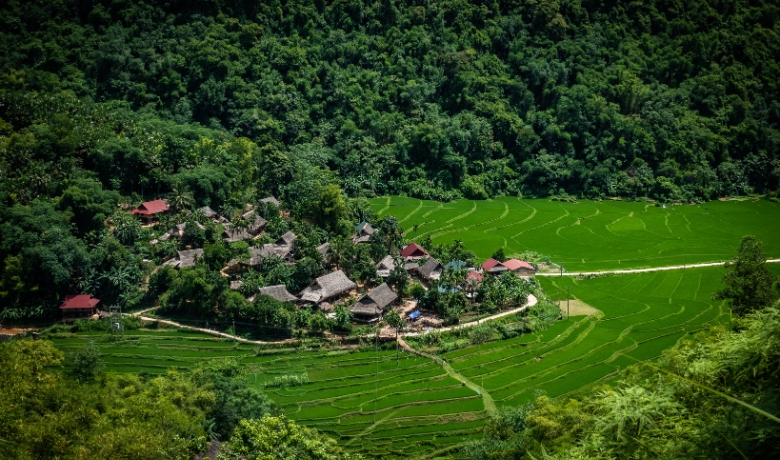
The reserve covers over 17,662 hectares of dramatic karst mountains, deep valleys, and endless rice terraces. You’ll see thick primary forests, bamboo groves, rivers, waterfalls, and small Thai villages tucked into the hills.
Elevation ranges from 300m to 1,700m, so the air stays cool and fresh year-round. It’s super easy to combine with Mai Chau (just 1.5-2 hours north), Ninh Binh, or Cuc Phuong National Park for a great loop trip.
History and Protection Status
Pu Luong was officially established in 1999 as a nature reserve, becoming one of the largest protected areas in northern Vietnam dedicated to preserving its primeval forest ecosystems.
Roughly two-thirds of the reserve is designated as strictly protected forest, ensuring the conservation of its untouched wilderness, while the remaining one-third supports sustainable habitation by Thai ethnic communities. This harmonious model allows visitors to experience genuine rural life without environmental disruption.
Culturally, Pu Luong preserves the vibrant heritage of the Thai people, including traditional stilt houses (nhà sàn), gong performances, silk weaving, and time-honored cuisine featuring local staples like sticky rice, grilled meats, and wild herbs. Unlike heavily touristed spots, Pu Luong remains remarkably authentic and uncommercialized, offering the raw, soulful charm that many travelers seek in Vietnam’s mountains.
Biodiversity and Landscape Highlights
Pu Luong is a biodiversity hotspot with tropical forests, bamboo groves, and over 1,000 plant and animal species, including rare primates like gibbons and langurs. Its landscapes are stunning, especially during the rice harvest season when the terraced fields turn a golden yellow.
Visitors can explore the majestic Hieu Waterfall, the mysterious Doi Cave, traditional waterwheels, and the crystal-clear Cham Stream. For those seeking Instagram-worthy spots, the villages of Don, Kho Muong, Hieu, and Son-Ba-Muoi offer breathtaking 360-degree views of the valleys.
Pu Luong or Sapa or Mai Chau – Quick Comparison for Tourists
Pu Luong wins big on being closer to Hanoi than Sapa, way quieter than both, with rice terraces just as gorgeous, and more genuine cultural experiences than Mai Chau’s busier valley. Here’s a simple breakdown to help you pick:
| Feature | Pu Luong | Sapa | Mai Chau |
|---|---|---|---|
| Distance from Hanoi | 160-180 km (4-4.5 hrs) | 300+ km (5-7 hrs) | 140 km (3-4 hrs) |
| Crowd level | Low – peaceful and authentic | High – very touristy | Medium – relaxed |
| Trekking difficulty | Easy to moderate (gentle paths) | Moderate to hard (steep) | Easy (flat valley walks) |
| Cost | Affordable (homestays cheap) | Higher (more developed) | Affordable |
| Best for | Nature lovers wanting quiet and real culture | Adventure and big views | Families or chill vibes |
| Rice terraces | Stunning and less crowded | Iconic but packed | Pretty and green |
If you want that classic northern Vietnam mountain feel, misty peaks, golden fields, village homestays, but without the crowds and long travel, Pu Luong is the perfect choice in 2026. It’s still real, peaceful, and one of the best off-the-beaten-path spots in the country.
> Read more: How to Plan the Perfect Northern Vietnam Tour: Culture, Nature & Local Charm
How to Get to Pu Luong Nature Reserve
Getting to Pu Luong is straightforward once you leave Hanoi. The roads are scenic, winding through mountains and valleys, and most options drop you right near your homestay or village. No matter your budget or group size, there’s a way that fits. Let’s break it down so you can pick the easiest one for your trip.
From Hanoi (Most Popular Route)
Hanoi to Pu Luong is about 160-180 km, taking 4-4.5 hours depending on traffic and stops. Here are the best options:
Shuttle bus / Limousine
This is the easiest and most popular choice for solo travelers or couples. Companies like Pu Luong Express, Hanasa Shuttle, Pu Luong Excursions, Sani Express, and others run daily services. Departures usually start around 7:00-7:30 AM from spots like Hanoi Opera House or Big C Tran Duy Hung.
Many offer hotel pickup in the Old Quarter. Prices range from 400,000-550,000 VND (~$16-22 USD) one way. Expect comfy seats, AC, WiFi, and a midway break. Book ahead online or via your homestay, super convenient and hassle-free.
Private car / Limousine van
Great for families, groups, or anyone wanting flexibility. A 4-7 seater costs 1.8-2.5 million VND (~$70-100 USD) one way for the whole vehicle. You can stop for photos, food, or even detour through Mai Chau. Door-to-door service makes it feel luxurious without breaking the bank if you split the cost.
Self-drive motorbike
For experienced riders who love the open road. The route via Mai Chau or Lung Van Pass is gorgeous, twisty roads, epic views, and fresh air. It takes 6-7 hours, but go slow and safe on those mountain bends. Rent a good bike in Hanoi, pack light, and enjoy the freedom.
Group tour
Perfect if it’s your first time or you want everything sorted. 2-day/1-night packages start around 2.5 million VND (~$100 USD) per person, including transport, English-speaking guide, homestay, meals, and some hikes.
From Other Cities (Ho Chi Minh City, Da Nang, Ninh Binh)
If you’re coming from farther away, plan a connection through Hanoi or Thanh Hoa for the smoothest trip.
From Ho Chi Minh City
Fly to Hanoi (2 hours) or Thanh Hoa (1 hour), then take a shuttle bus or private car to Pu Luong. Total travel time is about 8 to 10 hours. Flying to Hanoi and then taking a shuttle is the most affordable and convenient option.
From Da Nang
Fly to Thanh Hoa (1 hour), and then take a private car or taxi for a 2-hour drive to Pu Luong. This route is quicker than going through Hanoi.
From Ninh Binh
Ninh Binh is only 3.5–4 hours away by private car or motorbike. This is an easy add-on to your itinerary, and the drive takes you through the beautiful Cuc Phuong National Park. Many visitors combine the temples and boat trips in Ninh Binh with a visit to Pu Luong.
Note: Direct public buses from distant cities are rare, so private transfers or tours are the most reliable choices.
Best Transport Options by Budget and Time
This is a quick breakdown to help you decide:
| Budget Level | Option | Approx. Cost (USD one way) | Time | Best For |
| Budget | Shuttle bus + local transport | $12–$22 | 4–5 hrs | Solo travelers, backpackers |
| Mid-range | Limousine van or shared private | $20–$40 (shared) | 4–5 hrs | Couples, small groups |
| Luxury | Private car with driver | $80–$110 per car | 4–6 hrs (flexible) | Families, those seeking comfort |
Pro Tip: If you’re traveling in a group of 4, sharing a private car brings the cost down to about $20–$25 USD per person, which is cheaper than multiple shuttle rides.
Eco-friendly electric or hybrid shuttle vehicles are increasingly available, offering a greener way to travel at no extra cost. Be sure to book your transport early, especially during peak seasons like the rice harvest (May–June, September–October).

Best Time to Visit Pu Luong Nature Reserve
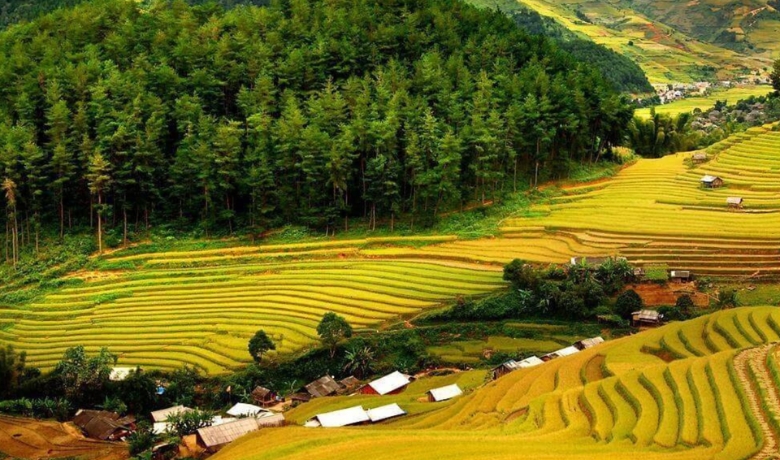
The best time to visit Pu Luong Nature Reserve is September to October. This golden harvest season brings stunning rice terraces glowing yellow across the valleys, mild weather around 18-25°C, clear skies for epic photos and hikes, and a chance to catch Thai harvest festivals.
Season by Season Breakdown
Pu Luong has two rice harvest seasons each year, creating two standout “golden” periods alongside quieter months.
- Green season (May–June): The terraces burst with fresh, vibrant green rice shoots after planting. Skies are mostly clear, rain is light, and temperatures hover around 20–28°C. This is prime time for trekking, photography, and enjoying lush valleys without extreme heat. It’s one of the most photogenic windows.
- Golden harvest season (September–October): The absolute highlight for many. Terraces turn brilliant gold as rice ripens, creating postcard views across the mountains. Weather is pleasant and cool (18–25°C), perfect for hiking and exploring. Expect more visitors and local harvest festivals.
- Cool dry season (November–February): Cooler air (often 15–22°C), morning mist, and foggy sunrises add a dreamy feel. Fewer tourists mean peaceful trails and lower homestay prices.
- Rainy season (July–August): Heavy showers make paths slippery and limit outdoor activities. Waterfalls like Hieu swell to their most powerful, but trekking and rafting can be tricky. Crowds drop, and it’s still good to visit if you don’t mind rain.
Weather, Crowds and Festivals
Average temperatures stay comfortable at 18–25°C year-round, with cooler nights at higher elevations. Crowds peak in September–October during harvest, then thin out from November to March when the reserve feels truly serene.
Festivals add cultural depth. The Thai ethnic harvest festival (often in October) features traditional prayers for good crops, folk dances with gongs, silk weaving demos, and shared meals. Join locals in villages for authentic experiences like cooking sticky rice or watching performances. It’s a highlight of the golden season.
Top Things to Do in Pu Luong Nature Reserve
Pu Luong Nature Reserve offers the perfect combination of adventure, nature, and authentic Thai culture. With fewer crowds than Sapa or Mai Chau, you can enjoy trekking through golden rice terraces, swimming under waterfalls, rafting on bamboo boats, and staying in traditional stilt houses. Here are the top experiences with practical details to help you plan your trip.
Trek the Most Scenic Rice Terrace Trails
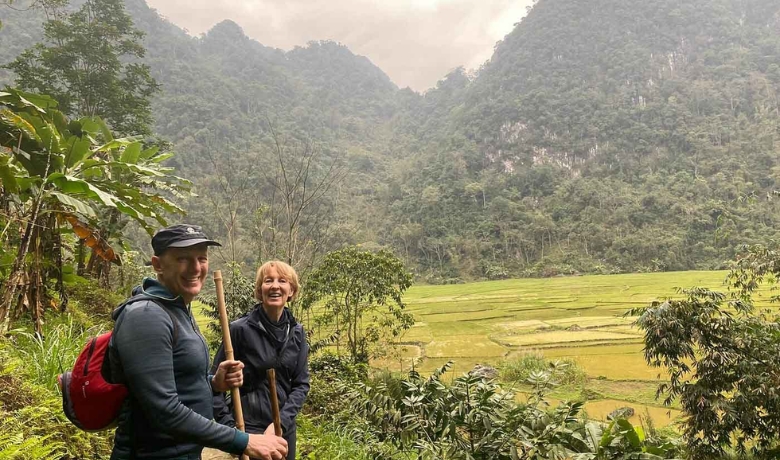
Trekking ranks as the top activity in Pu Luong Nature Reserve and reveals its most beautiful rice terraces and hidden valleys. Easy walkers enjoy the popular 6-8 km Ban Don to Kho Muong loop. This gentle half-day trail winds through emerald or golden paddies, crosses small streams, and passes traditional stilt houses with minimal elevation gain.
For a moderate challenge, hike to Pu Luong Peak at 1,700 m. The 12 km round-trip route climbs 800 m over 6-8 hours and ends with breathtaking 360-degree panoramas of the entire reserve.
Experienced trekkers choose multi-day adventures, such as the 30 km three-day valley circuit that crosses primary forest and includes overnight stays in homestays right among the terraces. Trails received new signage and wooden walkways in 2025, making navigation easier. Local guides add safety and fascinating stories about Thai farming life.
Swim and Picnic at Hieu Waterfall
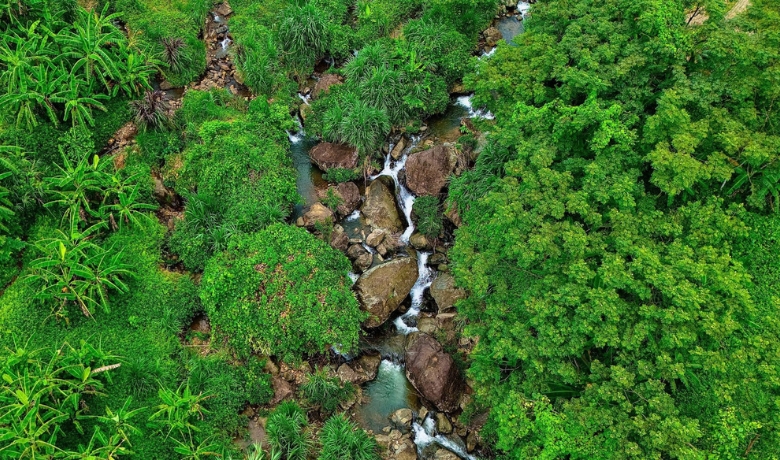
Hieu Waterfall stands out as one of Pu Luong’s most refreshing highlights. Located in Hieu village, the multi-tiered cascade stretches over 800 meters along mossy limestone rocks and creates dozens of natural swimming pools filled with crystal-clear, cold water.
Visitors swim, jump from small rocks, or simply sit with feet in the stream while enjoying a picnic on the surrounding boulders. The light turns magical between 3-5 PM, painting the falls in golden hues.
Stay overnight in a village homestay for sunrise views when mist rises over the pools. The short 10-15 minute walk from the parking area makes it accessible for families and couples. Bring a swimsuit, towel, and snacks. In dry season the water stays cool and inviting; after rain the falls roar with extra power.
Explore the Mysterious Bat Cave (Doi Cave)
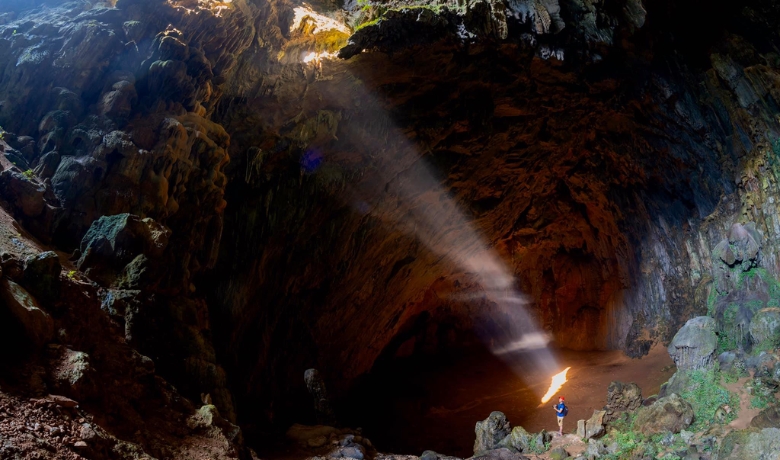
Doi Cave, also known as Bat Cave or Hang Doi, is Pu Luong’s largest underground wonder and sits deep in Kho Muong village. This limestone cavern stretches more than 2.5 km, formed by ancient underground rivers over millions of years. Inside you find impressive stalactites, dripping water, cool air, and thousands of bats clinging to the ceiling.
The trek from Kho Muong village takes 30-45 minutes through rice fields and a squeaky wooden bridge. A local guide is highly recommended for navigation and safety. Entrance costs around $1, and basic facilities like a small shop are available at the entrance. Turn off your flashlight inside to hear the echoes and experience the cave’s natural silence. Combine it with a full-day trek for the best adventure.
Raft on Bamboo Boats Along Cham Stream
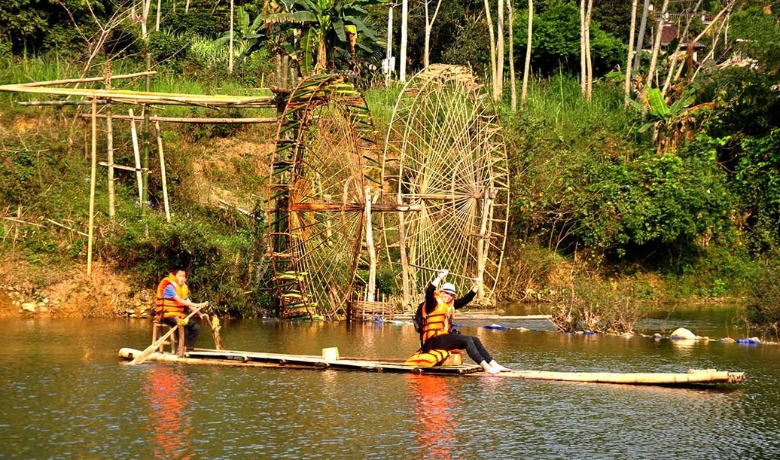
Bamboo rafting on Cham Stream offers one of the most relaxing activities in Pu Luong Nature Reserve. Sit back on a traditional hand-tied bamboo raft and float gently for 45 minutes to 2 hours (1.5-3 km) past towering rice terraces, thick bamboo forests, and working water wheels.
The slow current lets you trail your hands in the cool water while birds and dragonflies fly overhead. Locals often point out ancient irrigation systems and share stories about daily village life. The activity suits families, couples, and anyone seeking a peaceful break from hiking.
Many tours combine rafting with a short walk to see the largest concentration of bamboo water wheels. Book through your homestay for a private raft and optional picnic lunch on the water.
Immerse in Thai Ethnic Village Life
Staying in a Thai ethnic village delivers the most authentic experience in Pu Luong Nature Reserve. Base yourself in Ban Don for stunning terrace views, Kho Muong for cave access, Hieu for the waterfall, or the remote Son-Ba-Muoi trio at 1,200 m elevation.
Sleep in traditional stilt houses, join morning farming, learn silk weaving on hand looms, cook local dishes such as bamboo-tube rice or grilled stream fish, and listen to bronze gongs during evening gatherings. Try rice wine (rượu cần) shared from a communal jar.
Visit Pho Doan Market on Thursday or Sunday mornings to see locals trading fresh produce, handicrafts, and livestock in colorful traditional dress. Homestays arrange cooking classes, weaving workshops, and cultural performances. This low-key immersion feels genuine and welcoming.
Cycle Through the Valleys and Water Wheels
Cycling offers a fantastic way to explore Pu Luong’s scenic valleys at your own speed. Rent a mountain bike from any homestay (80,000-150,000 VND per day) and ride the easy 12 km Valley Discovery Route or the moderate 25 km Terrace Panorama Circuit on quiet dirt roads.
The highlight is passing dozens of centuries-old bamboo water wheels along Cham Stream. Some wheels stand over 4 m tall and have operated for more than 120 years without metal parts. Stop to watch them lift water into the rice fields and photograph the turning paddles against the green terraces.
The best stretch runs from Ban Don to Hieu village, with gentle hills, grazing buffaloes, and smiling children waving hello. Early morning rides avoid heat and capture misty valley light.
Capture Epic Photos at Sunrise and Sunset Hotspots
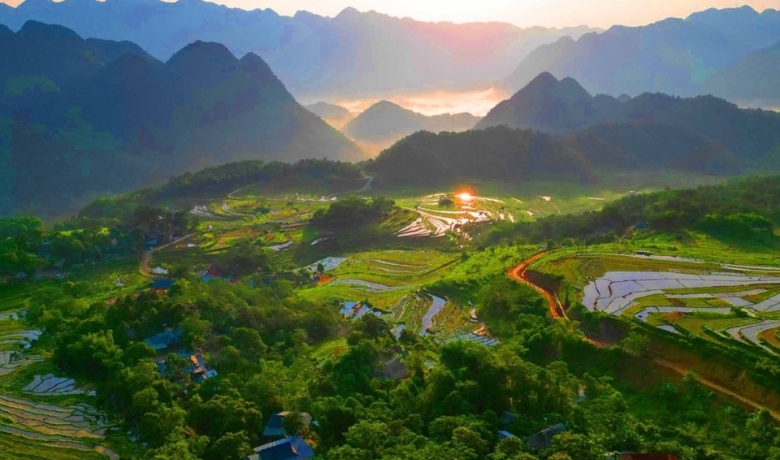
Pu Luong Nature Reserve serves up world-class photography locations from dawn until dusk. Head to the hilltop behind Ban Don village for sunrise over layered rice terraces wrapped in golden mist. Kho Muong valley offers dramatic morning light on green or yellow paddies with smoke rising from morning fires.
In the afternoon, Hieu Waterfall glows beautifully between 3-5 PM as sunlight filters through the trees onto cascading pools. For sunset, climb the small hill behind many eco-lodges to watch the entire valley turn deep blue and orange while layers of karst mountains fade into the distance.
Bring a wide-angle lens and drone (check local rules) for sweeping shots. Harvest season (September-October) transforms the landscape into glowing gold; dry season adds dramatic fog. Local guides know the exact timing for each viewpoint.
> See tour: Scenic Northern Vietnam Tour
Where to Stay in Pu Luong – Best Homestays and Resorts 2026
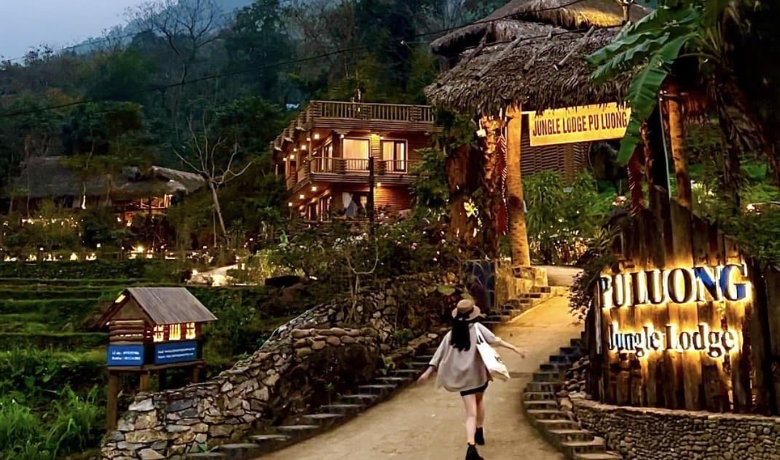
Pu Luong Nature Reserve offers a fantastic range of places to stay, from simple family-run homestays to eco-lodges and boutique resorts. Most options sit in scenic villages like Ban Don, Hieu, or Kho Muong, with stunning rice terrace or mountain views. Prices vary by season (higher in harvest months September-October), but you get great value with included meals at many spots.
Best Budget Homestays (Under $30/night)
These authentic homestays keep things simple, comfortable, and deeply connected to local Thai life. Expect stilt houses, shared meals, and warm hospitality.
- Pu Luong Happy Home (Hieu or nearby): $18-25 USD/night. Friendly family-run spot with clean basic rooms, mountain panoramas, and easy access to Hieu Waterfall; highly rated for genuine welcomes and value.
- Ban Hieu Garden Lodge (Hieu village): $20-28 USD/night. Peaceful garden setting near the waterfall, simple but comfy beds, outdoor seating; ideal for nature lovers wanting quiet mornings.
- RiceRoad Homestay (Kho Muong or valley): $15-25 USD/night. Scenic spot amid terraces, basic yet charming rooms, excellent homemade food; perfect base for treks to Doi Cave.
- Mr Ba Homestay (Ban Don): $20-28 USD/night. Welcoming local host, clean fan rooms, balcony views; strong reviews for helpful tips and authentic village immersion.
Mid-Range Eco-Lodges with Stunning Views
These lodges step up comfort with private rooms, pools, and eco-design while staying affordable and nature-focused. Great for couples or small groups wanting relaxation after hikes.
- Pu Luong Riverside Lodge (near Cham Stream): $40-70 USD/night. Riverside bungalows with valley views, infinity pool, garden; eco-friendly vibe, tasty meals, and easy rafting access.
- Pu Luong Eco Garden (Bang or mountain area): $50-80 USD/night. Deluxe rooms and suites overlooking infinity pool and terraces; rock gardens, outdoor bathtub options, strong eco-focus.
- Puluong Natura Bungalows (Don or central): $45-75 USD/night. Spacious bungalows with mountain panoramas, pool, restaurant; praised for clean design and peaceful setting.
- Valley Home (valley spots like Don): $40-65 USD/night. Cozy homestay-style with pool, bar, garden; family rooms available, great for relaxed valley exploration.
Luxury and Boutique Resorts
For a pampered escape, these high-end spots blend luxury with the reserve’s wild beauty, think private pools, spas, and top-tier service without losing the authentic feel.
- Hanasa Pu Luong Resort (Don village): $150-250+ USD/night. Mountain-side deluxe rooms, bungalows with private plunge pools; multiple pools, fine dining, eco-luxury design; often ranked as the top upscale choice.
- Pu Luong Retreat (hillside in Don): $100-180 USD/night. Thatched bungalows and villas with infinity pool, rock gardens; panoramic rice terrace views, strong community connection.
- Ciel de Puluong (Don village center): $120-200 USD/night. Boutique style mixing European and Thai elements; infinity pool, restaurant, pub; family suites and great valley overlooks.
- Pu Luong TreeHouse (elevated spots): $90-160 USD/night. Unique treehouse-style units with forest immersion; modern comforts, views, and a fun adventurous luxury feel.
What and Where to Eat in Pu Luong
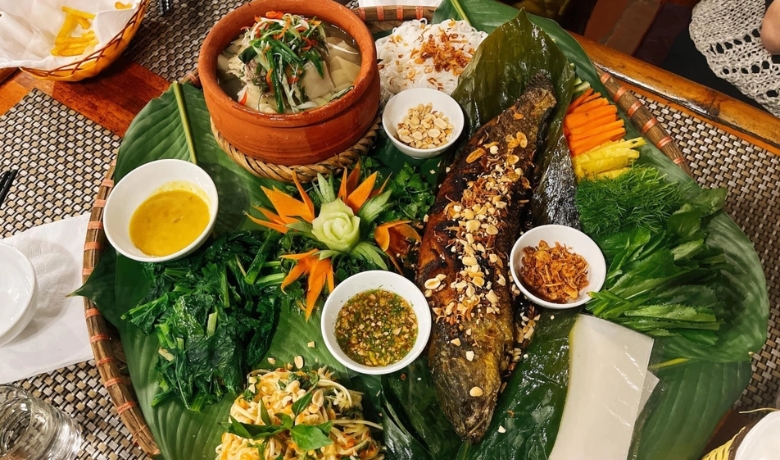
Pu Luong’s food scene centers on fresh, farm-to-table Thai ethnic cuisine. Meals use local ingredients like mountain herbs, stream fish, and rice from the terraces you hike past. Most travelers eat at homestays where families cook daily using local produce, but a few dedicated spots offer variety. Portions are generous, and meals often come family-style.
Must-Try Thai Ethnic Dishes
These authentic dishes highlight Pu Luong’s mountain heritage—grilled, herbal, and full of forest freshness.
- Bamboo-tube sticky rice: Sticky rice packed into fresh bamboo and grilled over an open fire, giving it a smoky, fragrant flavor. It’s often served with sesame salt or grilled meat — a Thai classic you have to try.
- Grilled Co Lung duck: This local breed from Hieu village is tender and flavorful with crispy skin, simply marinated and grilled to perfection. It’s sweet, juicy, and one of Pu Luong’s top specialties.
- Hill chicken: Free-range chickens, fed on local grains, are grilled or steamed with herbs, resulting in lean, aromatic meat packed with natural flavor.
- Bitter leaf soup: A wild forest leaf soup that’s slightly bitter but balanced with spices. It’s refreshing and healthy, perfect for a local touch.
- Bitter bamboo shoots: Young bamboo shoots that are boiled, stir-fried, or pickled, offering an earthy and addictive flavor unique to the highlands.
- Grilled stream fish: Fresh river fish marinated with mountain herbs and grilled over charcoal, giving it crispy skin and tender flesh.
- Wild boar or forest pork: Grilled or stir-fried wild boar from free-range pigs, with a rich, gamey flavor that’s both bold and satisfying.
- Fried grasshoppers: A seasonal crunchy snack, seasoned with spices. It’s an adventurous and surprisingly tasty treat.
Pair these dishes with rice wine served from a communal jar for an authentic Pu Luong experience.
Vegetarian and Dietary Options
Vegetarian options exist thanks to abundant wild greens, mushrooms, tofu, beans, and rice-based dishes. Many homestays prepare forest vegetables, stir-fried mushrooms, boiled greens, and tofu versions of local recipes. Bamboo rice and bitter leaf soup work well without meat.
Strict vegetarians or vegans should notify your homestay or lodge in advance. Places like Pu Luong Epic Restaurant offer vegetarian-friendly and vegan options on the menu.
Gluten-free is easier with rice-heavy cuisine, but confirm sauces. Inform early for allergies; rural spots may have limited alternatives, so flexibility helps.
Practical Travel Tips for Tourists to Pu Luong Nature Reserve
Pu Luong offers a peaceful retreat for those ready to explore its scenic trails and welcoming villages. To ensure a smooth and safe journey, here are some practical travel tips for tourists.
Packing List for Pu Luong
- Trekking shoes or sturdy sneakers (trails can be muddy/slippery)
- Lightweight rain jacket or poncho (sudden showers possible)
- Sunscreen, hat, sunglasses (strong UV at elevation)
- Basic meds (motion sickness, painkillers, anti-diarrhea, bandages)
- Power bank (limited outlets in remote spots)
- Insect repellent, quick-dry clothes, swimsuit (for streams/waterfalls)
- Reusable water bottle (boiled/filtered water available at stays)
Money, Internet and Safety
- Cash is king. ATMs in Ba Thuoc town (nearest); bring VND (small bills for homestays/markets).
- 4G/Internet spotty in deep valleys, works okay in Ban Don/Hieu but weak elsewhere; use offline maps.
- Very safe overall (low crime, friendly locals), watch belongings on trails, avoid solo night walks.
Sustainable Tourism and Responsible Travel
- Pack out all trash. No bins in villages.
- Respect Thai customs (ask before photos, remove shoes in homes).
- Support locals: Choose family homestays, buy handicrafts at markets, join ethical treks with local guides.
Common Mistakes to Avoid
- Visiting in rainy season (July-August) without rain gear.
- Not booking transport/homestay early (peak harvest fills up fast).
- Wearing flip-flops for treks. Poor grip on hills.
- Assuming easy access to shops, stock up in Hanoi/Thanh Hoa.
Health and Insurance Advice
- Bring personal meds (allergies, chronic issues).
- Get travel insurance covering trekking/activities (remote medical help limited).
- Stay hydrated, use bug spray (mosquitoes in evenings), boil/filter water.

Frequently Asked Questions (FAQ)
Is Pu Luong worth visiting compared to Sapa?
Yes, Pu Luong is definitely worth visiting, especially if you prefer a more peaceful and authentic experience. Unlike Sapa, which can get crowded with tourists, Pu Luong offers stunning landscapes of terraced rice fields, waterfalls, and traditional Thai villages without the commercialized feel.
How many days do I need in Pu Luong?
For most visitors, 2 to 3 days is ideal to explore Pu Luong. This allows time for trekking, visiting local villages, swimming in waterfalls, and soaking in the serene environment. If you're planning on doing a multi-day trek or exploring in-depth, 4 days would be more comfortable.
Can I visit Pu Luong on a day trip from Hanoi?
While it is possible to visit Pu Luong on a day trip from Hanoi, it is not recommended due to the 4–4.5 hour travel time one way. A day trip would leave you with very little time to explore and enjoy the reserve. For a more relaxed experience, staying at least one night is ideal.
Is Pu Luong suitable for families or couples?
Yes, Pu Luong is suitable for all types of travelers. For families, the calm environment and easy treks make it a great destination. Couples will find the serene landscapes and homestay experiences perfect for romantic getaways.
What is the cost of a trip to Pu Luong in 2026?
The cost of a trip to Pu Luong can vary depending on your style of travel. For budget travelers, staying in homestays and using shuttle buses may cost around $50–$70 USD per day. For mid-range travelers, a private car, guided tours, and nicer accommodations could bring the cost to $100–$150 USD per day. Luxury options with private drivers, upscale lodges, and guided treks could range from $150–$250 USD per day.
Pu Luong Nature Reserve is a truly special place, offering a mix of stunning natural beauty, authentic local culture, and a peaceful atmosphere perfect for disconnecting from the hustle and bustle. If you’re looking to explore this breathtaking destination, Asia Pioneer Travel is here to help craft the perfect itinerary for you. Whether you want a guided tour, help with transport, or tips on local spots, our team ensures a seamless and memorable experience. Contact us today to start planning your adventure in Pu Luong!