Nestled on the peninsula where the Mekong River and Nam Khan River meet, Luang Prabang offers a rare blend of serene natural beauty, deep spiritual tradition, and architectural heritage — all wrapped within a mellow river-town rhythm that feels like a retreat from modern rush. The city is recognized as a UNESCO World Heritage Site for its well-preserved legacy of ancient Lao temples, colonial-era buildings, and communal village life, all set amid narrow lanes and riverside markets.
This guide walks you through the best Luang Prabang itinerary: from temples and viewpoints to waterfalls, markets, river trips, and cultural immersion. Whether you’re drawn by contemplative mornings, nature escapes, or local food and markets — this itinerary ensures you see more than the postcard pictures: you’ll feel the pulse of a living heritage city.
What to Expect in the Luang Prabang Itinerary
- UNESCO heritage + timeless charm: Luang Prabang is a preserved blend of Lao-Buddhist tradition and colonial architecture, often cited among Southeast Asia’s most atmospheric small cities.
- Best trip length: 3–5 days — 3 days for core highlights, 4–5 days or more for deeper cultural immersion (waterfalls, river trips, local villages, slow-travel vibes).
- Top experiences: pre-dawn alms-giving ceremony, historic temples and royal palace, sunset from hilltop viewpoints, turquoise waterfalls nearby (e.g., Kuang Si Falls), Mekong-river boat trip to caves, vibrant night market and riverside dining.
- Seasons & travel timing: Dry season (November–February) offers crisp weather and blue skies; rainy season (May–October) brings lush landscapes and fewer crowds — though afternoon showers are common.
- What you’ll carry home: memories of golden-roofed temples, misty mountain air, sticky-rice breakfasts, slow-flowing rivers, lantern-lit evenings, and the warm hospitality of its people.
Why Visit Luang Prabang?

Luang Prabang stands apart from other Southeast Asian cities because its pace is unhurried, its spiritual life is lived openly, and its heritage has remained intact for centuries. While many destinations evolve into modern capitals, Luang Prabang has preserved more than 30 active temples, historic royal residences, and hundreds of traditional Lao teak houses, creating a living city museum surrounded by rivers and mountains. This preservation is recognized globally — UNESCO classifies Luang Prabang as one of the most well-maintained heritage towns in Asia, praising the rare coexistence of Buddhist architecture and French-colonial influence.
The cultural rhythm here is not staged — it continues because it is daily life. Morning almsgiving begins under soft dawn light as silent lines of monks walk barefoot through the old quarter. In the evenings, lanterns appear across the night market where villagers and artisans sell textiles, wooden crafts, natural dyes, and handmade silver — skills passed through generations in nearby ethnic communities. For travelers seeking authenticity over rush, Luang Prabang offers one of the most organic introductions to traditional Laos.
Nature surrounds the city like a protective cradle. Within 45 minutes, travelers can reach Kuang Si Waterfall, known for turquoise limestone pools and forest trails, or take a riverboat along the Mekong, one of the world’s longest and most culturally significant rivers. Visitors can also join weaving workshops, sponsor rescued bears, visit cave shrines, or simply spend an afternoon beside the river watching fishing boats, saffron robes drying in the sun, and mountains fade into violet at dusk.
In short, people come to Luang Prabang not just to see, but to slow down. It’s a destination made for travelers who appreciate heritage, landscapes, and the quiet details of everyday beauty — and for those who want an itinerary that balances temples and tradition with waterfalls, nature, and unforced cultural connection.
Ideal 5 Days of Luang Prabang Itinerary
Day 1 — Old Town & Temple Circuit

- Witness the Morning Almsgiving Ritual (Pre-Sunrise Start)
Before dawn, monks from various monasteries walk through the streets to collect alms, with locals offering sticky rice and seasonal foods to support them. Visitors may observe, but it’s important to do so respectfully: maintain a modest distance, avoid flash photography, and dress with shoulders and knees covered. Offer food only if you understand the traditions. This event is a living expression of Buddhist culture, and appreciating it quietly is essential.
- Explore the Royal Palace Museum
After sunrise, visit the Royal Palace Museum, the former home of the Lao monarchy until 1975. The museum features royal artifacts, traditional regalia, ceremonial swords, and a throne hall with mirrored walls reflecting relics from the Lane Xang Kingdom. It also houses the Phra Bang statue, believed to protect the country and give the city its name. Exploring the museum provides important context for understanding temple iconography, royal patronage, and the blend of lowland Lao culture and Buddhist identity.
- Visit Wat Xieng Thong — The Crown Jewel of Luang Prabang
A short walk north leads to Wat Xieng Thong, the most architecturally significant temple in the city. Its low-slung roofs represent northern Lao design, while the sim (ordination hall) features stunning mosaics of daily life, myths, and Buddhist teachings. Notable attractions include the Red Chapel and the gold funeral carriage of Laos’s last king. Plan to spend at least an hour exploring the intricate wood carvings, gilded naga serpents, and the tranquil grounds shaded by frangipani trees.
- Old Quarter Wandering + Riverside Break
Late mornings are perfect for exploring Luang Prabang. The charming lanes feature courtyards, silk ateliers, and small cafés where life is relaxed. Along the Mekong River, boats drift while locals wash vegetables, weave baskets, and prepare for temple offerings. Stop for Lao coffee, coconut pancakes, or khao jee—a popular baguette breakfast. Take your time to enjoy the town’s atmosphere without rushing.
Day 2 — Kuang Si Waterfall + Bear Rescue Center + Nature Day

- Getting There
Kuang Si lies approximately 30 kilometers southwest of Luang Prabang, a scenic drive through rice fields, hill villages, and patches of mountain forest. Travelers can reach it by tuk-tuk, minivan, private car, or motorbike rental; a private vehicle is recommended for comfort, flexibility, and the ability to stop for viewpoints along the way. Early departure is ideal — leaving town around 8:00 AM avoids crowds and allows cooler weather for hiking.
- Slow Approach through Tat Kuang Si Bear Rescue Center
The entrance path leads through the Tat Kuang Si Bear Rescue Center, a sanctuary for sun and moon bears rescued from the illegal wildlife trade. Elevated walkways allow visitors to observe the bears in a natural environment. Though small, the sanctuary raises awareness about conservation challenges in Laos, and visitors can support wildlife protection through donations or souvenir purchases.
- Short Hikes, Viewpoints, and Picnic Opportunities
A marked trail leads to a viewpoint above the main drop of the falls—ideal for hikers with sturdy footwear. At the summit, you can cross a bamboo bridge to a quieter side of the falls. Consider bringing a light packed lunch or buying snacks from the base stalls, which offer grilled chicken, sticky rice, fresh fruit, and coconut. Shaded picnic areas let you relax and enjoy the surroundings, making Day 2 feel immersive rather than rushed.
- Sunset Return to Town
Return to Luang Prabang in the late afternoon. After a nature-heavy day, a relaxed evening is ideal: stroll the riverfront, dine at a bamboo terrace restaurant, or browse handwoven textiles at the night market. The contrast between Day 1’s temple pathways and Day 2’s jungle water creates the balance that defines a strong Luang Prabang itinerary.
Day 3: Sacred Landscapes, Waterfalls & Rural Laos Life

- Visit Pak Ou Caves (Tham Ting & Tham Theung)
Begin Day 3 with a scenic long-tail boat ride along the Mekong to Pak Ou Caves, a spiritual pilgrimage site containing thousands of Buddha images placed over centuries. Allocate 2–3 hours, allowing time to explore both caves and stop by riverside artisan stalls. The journey itself is part of the experience—calm waters, karst mountains, and slow village life unfolding along the riverbank.
- Kuang Si Falls + Tat Kuang Si Bear Rescue Centre
Continue with Luang Prabang’s most iconic natural wonder: Kuang Si Waterfall. The tiered pools shine a milky-turquoise due to mineral deposits—ideal for swimming, photography, and easy jungle trails. Before entering the falls, spend time at the Bear Rescue Centre, home to endangered Asiatic black bears rescued from poaching.
- Dinner by the Mekong
Return to town before sunset and enjoy dinner at a riverside restaurant or bamboo-terrace café. Grilled Mekong fish, creamy Lao curries, and sticky rice paired with cold Beerlao make an excellent end to a nature-rich day.
Day 4: Almsgiving Ceremony, Handicrafts & Sunset on Mount Phousi

- Early Morning: Tak Bat (Almsgiving Ceremony)
Day 4 starts before dawn with Tak Bat, a deeply respected Buddhist ritual where locals offer sticky rice to saffron-robed monks. Observe quietly or participate mindfully—dress modestly, remain silent, and avoid flash photography. This moment often becomes one of travelers’ most profound reflections on Laos’ spiritual heart.
- Late Morning: Explore Wat Xieng Thong
Visit Wat Xieng Thong, one of Southeast Asia’s most elegant temple complexes, known for mosaic artwork, sweeping multi-tiered roofs, and royal burial chapels. Spend at least one hour walking the grounds and admiring centuries-old craftsmanship.
- Afternoon: Ban Xang Khong & Bamboo Paper Workshops
A short tuk-tuk ride brings you to Ban Xang Khong, a traditional weaving village renowned for hand-spun silk and mulberry paper. Meet artisans, watch the dyeing process, or shop for sustainable handmade products—ideal gifts to bring home.
- Sunset: Mount Phousi Panorama
Climb 300+ steps to the summit of Mount Phousi for Luang Prabang’s most iconic sunset. The golden spire, city skyline, and Mekong-Nam Khan confluence below create a postcard-perfect ending to the day.
- Dinner Suggestion
Try Khao Soi, grilled lemongrass chicken, or buffalo jerky paired with local wine. Either a night market or an old-town bistro works well.
Day 5: Leisure, Wellness & Optional Extensions
- Slow Morning: Spa or Yoga Retreat
Luang Prabang’s calm rhythm is best appreciated with a slow final day. Start with a herbal spa treatment, Lao massage, or riverside yoga to unwind after days of exploration.
- Optional Experiences (choose one or two depending on energy level)
1. Full-day excursion to Nong Khiaw – limestone cliffs, river kayaking, remote village landscapes
2. Cooking class with market visit – learn to prepare dishes like laap, or lam with fresh herbs
3. Mekong Slow Cruise – ideal for relaxation before onward travel
4. Elephant Sanctuary (ethical only) – observe, feed, walk; avoid facilities offering rides
- Evening: Farewell Dinner & Night Market
For your last evening, stroll back through the Night Market for final souvenirs—textile scarves, silverwork, bamboo crafts—before enjoying a farewell meal under lantern-lit streets. Lao tasting menus or family-run eateries provide authentic, memorable final bites of the city.

Best Time to Visit Luang Prabang: Month-by-Month Insights

Luang Prabang is a year-round destination, but the best time to visit is from November to March, when the weather is cool, dry, and ideal for sightseeing, outdoor excursions, and long Mekong boat journeys. Even so, different months offer distinct moods—whether you prefer festival energy, lush landscapes after the rains, or quiet, low-season serenity.
Overview of Seasons in Luang Prabang
| Season | Months | Weather & Travel Notes |
|---|---|---|
| Dry & Cool Peak Season | November – March | Comfortable temperatures, clear skies, best for trekking and cultural touring |
| Hot Season | April – May | Warm to very hot mid-afternoons, fewer tourists, excellent deals |
| Rainy/Green Season | June – October | Afternoon showers, rice fields at peak vibrancy, waterfalls at their strongest |
Month-by-Month Travel Highlights
- November – December
The city enters its most pleasant phase—25–28°C average days, crisp mornings, minimal rainfall. Ideal for cycling, almsgiving ceremonies, and long river excursions without humidity fatigue. Hotels fill early, so advance booking is recommended.
- January – February
Cool, photogenic months with clear blue skies. Trekking in Nong Khiaw, Kuang Si hiking routes, and rural village tours are at their best. Expect higher visitor volume, but the atmosphere remains calm compared to other Southeast Asian hubs.
- March
Transition month into warmer weather. Excellent for trips combining Laos + Northern Thailand. Forests remain green, waterfalls still flowing well, and Tonkin jasmine fragrance lingers through town.
- April – May
Temperatures rise sharply, particularly mid-afternoon. Early starts are key to comfortable exploration. Great period for budget pricing and quieter temples. Perfect for spa retreats, slow mornings, and evening river dining.
- June – July
Rain increases, but typically in short bursts—leaving plenty of dry windows for sightseeing. Rice paddies begin their emerald transformation and Kuang Si Waterfall becomes thunderous with volume.
- August
Wettest month of the year. A good choice for travelers who enjoy dramatic skies, jungle freshness, and low-season discounts. Boat trips may be more weather-dependent; flexibility helps.
- September – Early October
Rain tapers off gradually. The countryside is lush and photogenic, and the humidity becomes manageable. A peaceful window before peak season begins.
- Late October
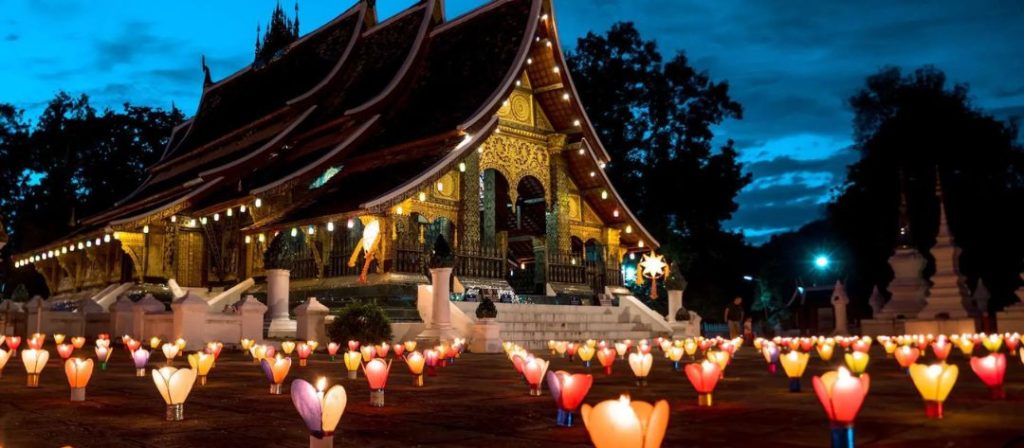
One of the most culturally vibrant periods, with the End of Buddhist Lent (Boun Ok Phansa) and Festival of Lights (Boun Lai Heua Fai). Lanterns drift on the river, temples glow with candlelight, and evening streets become beautifully ceremonial. Many travelers consider this the most magical moment to experience Luang Prabang.
FAQs About Visiting Luang Prabang
1. Is Luang Prabang safe for tourists?
Yes. Luang Prabang is considered one of the safest destinations in Southeast Asia. Violent crime is infrequent, and the city is calm, well-organized, and visitor-friendly. Standard precautions apply—keep valuables secure, avoid unlicensed transportation, and choose reputable tour operators for rural excursions.
2. What currency is used in Laos, and can I pay with USD?
The local currency is the Lao Kip (LAK). USD is accepted in some hotels and high-end restaurants, but not widely elsewhere. ATMs and currency exchange counters are available throughout the city. Travelers should carry small-denomination kip notes for markets, tuk-tuks, and street food.
3. What should I wear when visiting temples?
Modest clothing is required. Both men and women should cover their shoulders and knees. Lightweight trousers, long skirts, and breathable cotton shirts are recommended. Shoes must be removed before entering the temple interiors.
4. When is Kuang Si Waterfall at its most beautiful?
Kuang Si is most impressive during and shortly after the rainy season (July–October) when water volume is highest and the jungle appears vivid and dense. For clear swimming conditions and more stable weather, November–March is ideal.
5. Do I need a guide in Luang Prabang?
A guide is not mandatory, but having one significantly enriches the experience. Local guides explain temple symbolism, historical context, and cultural etiquette—especially for morning almsgiving, village visits, and craft workshops. For rural activities and multi-day itineraries, booking a guide is highly recommended.
6. Is Wi-Fi reliable in Luang Prabang?
Wi-Fi is widely available in hotels, cafés, and restaurants. Speeds vary; luxury properties and newer boutique hotels generally offer the most reliable connections. For travelers needing stable data, purchasing a local SIM card is a good backup option.
7. What is the etiquette for observing the morning almsgiving ceremony?
Travelers should maintain quiet, keep a respectful distance, dress modestly, avoid flash photography, and refrain from touching monks. If you wish to participate, rice and offerings should be purchased from local markets rather than street vendors to avoid low-quality products.
8. Is Luang Prabang suitable for families?
Yes. The city’s gentle pace, safe environment, and easy-to-access attractions make it family-friendly. Children enjoy waterfall swimming, boat trips, bamboo weaving workshops, and visits to nature sanctuaries. Private car transfers help families move comfortably between sites.
9. How do I get around the city?
Walking is the best way to explore the UNESCO Old Town. For longer distances, tuk-tuks and hired cars are available. Renting a bicycle is popular, but motorbike rentals should be approached with caution due to local traffic rules and varying road conditions.
10. What food should I try in Luang Prabang?
Signature dishes include khao soi Luang Prabang, laap, mok pa (steamed fish in a banana leaf), lam (peppery stew), and grilled Mekong river fish. The night market food court is ideal for sampling a wide range of local flavors in one place.
Your Journey Into Luang Prabang Starts Here
Luang Prabang is more than a UNESCO-listed town; it is a destination where sacred traditions, forest landscapes, and Mekong rhythms merge into a kind of slow travel that is increasingly rare in Southeast Asia. And a well-designed itinerary makes all the difference, letting Luang Prabang transform from a quiet historic town into a place of discovery, connection, and meaning.
Asia Pioneer Travel specializes in tailor-made journeys across Laos and greater Indochina, ensuring every detail—from hotel selection to cultural experiences—is aligned with your travel style. Whether you want a family-friendly cultural escape, a romantic Mekong retreat, or a multi-country adventure in Laos, Vietnam, and Cambodia, our team will design a personalized plan that lets you experience Luang Prabang exactly the way you envision it.
Start your journey with confidence. Plan your personalized Luang Prabang itinerary with Asia Pioneer Travel today.