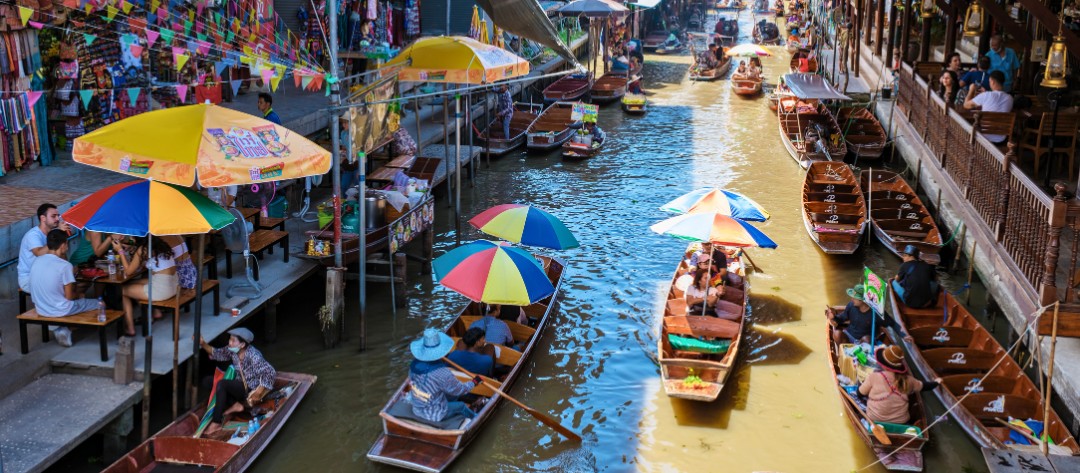
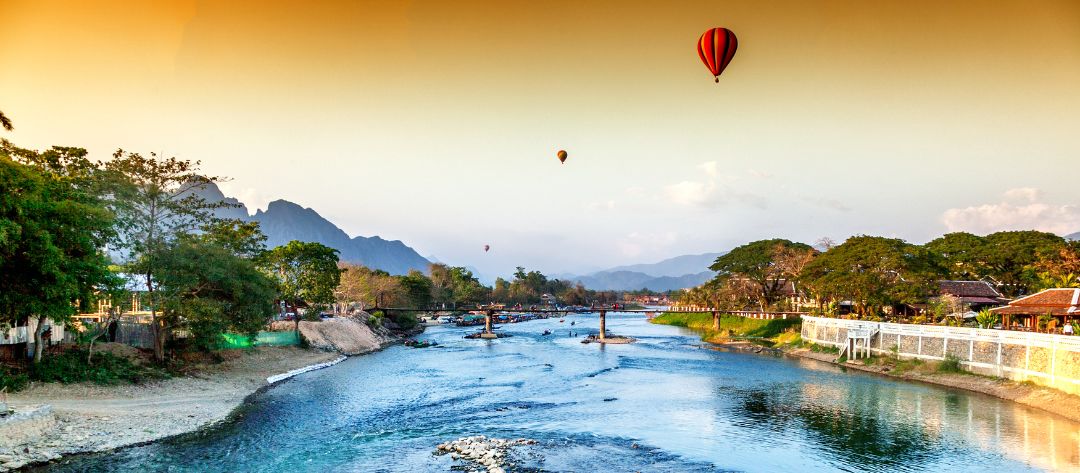
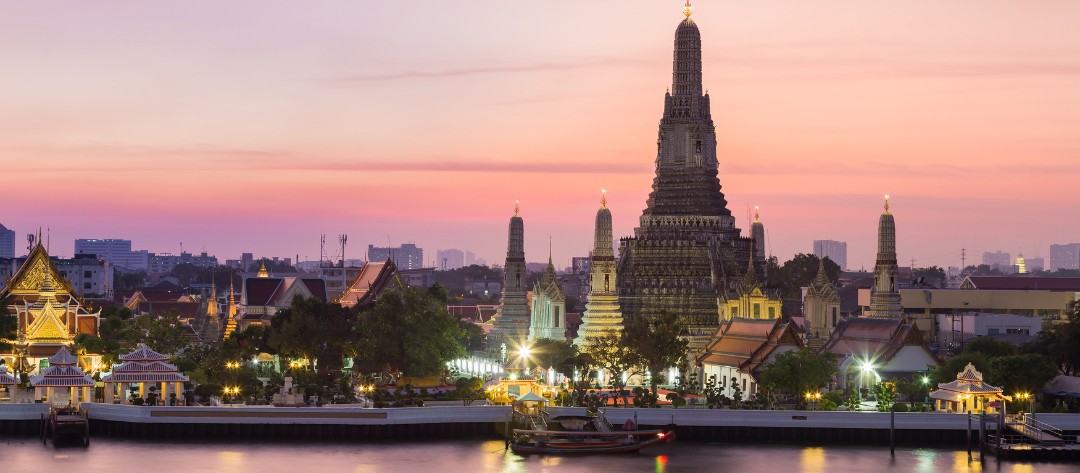
Myanmar is a country where ancient capitals, sacred temples and quiet coastal towns all sit within a day’s travel of each other. If you’re wondering what the best places to visit in Myanmar are, the truth is that the country offers a mix of history, culture and natural beauty you won’t find anywhere else in Southeast Asia. From the golden stupas of Yangon to the endless temples of Bagan, the hill trails around Kalaw and the peaceful shores of Ngapali, each region gives you a different way to experience the country’s heart.
Top Cultural & Historic Places to Visit in Myanmar
Yangon
Yangon is one of the best places to visit in Myanmar, a city defined by the gleaming Shwedagon Pagoda, grand colonial streets, and some of the country’s most important Buddhist sites. It’s a place where sacred traditions shape everyday life, yet the atmosphere still feels calm and deeply local.
You should visit Yangon because nowhere else blends spiritual power and historic character quite like this. Shwedagon alone is worth the trip — a 99-meter golden stupa said to enshrine relics of four Buddhas. Around it, Yangon’s old streets, lakes, and vibrant local markets show a side of Myanmar that remains authentic and wonderfully raw.
Best things to do in Yangon
- Visit Shwedagon Pagoda in late afternoon and stay until nightfall. The golden stupa glowing under the lights is unforgettable.
- Explore Chaukhtatgyi Pagoda to see the giant 66-meter Reclining Buddha, one of the city’s most impressive statues.
- Wander the colonial quarter around Pansodan Street, with crumbling facades, old banks, and lively tea shops.
- Stroll around Kandawgyi Lake and admire the Karaweik Palace shimmering over the water.
- Stop by local markets like Bogyoke Aung San for crafts, gems, and easy street-food tasting.
You only need 1–2 days to cover the highlights, making Yangon a perfect entry point before exploring the rest of the country.

Travel tips
- Choose sunset for Shwedagon to see the stupa shift from warm gold to deep amber. Wear modest clothing as most temples have strict dress codes.
- Carry crisp USD bills because older or folded notes are often rejected.
- If time allows, take the Circle Line Train for a slow, charming look at daily life in the city.
Bagan
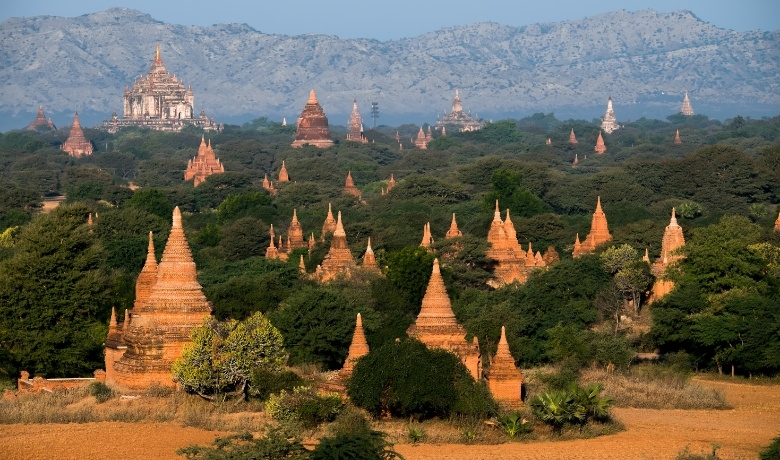
Bagan feels like a dreamscape the moment you arrive, a vast plain dotted with more than two thousand ancient temples glowing softly in the morning light. Sunrise is magical here, with hot air balloons drifting above the ruins and the whole landscape wrapped in a warm, hazy calm. It is one of those Myanmar sightseeing highlights that stays with you long after you leave.
What makes Bagan so captivating is how naturally history blends into daily life. This was once the beating heart of the Pagan Kingdom, and more than 2,000 temples still rise from the fields. At dawn, hot-air balloons drift above the plain, transforming the entire area into one of the most photogenic sights in Myanmar.
Things to see and do in Bagan
- Hop on an e-bike and wander between iconic temples like Ananda, Shwezigon, Dhammayangyi, and Htilominlo. The freedom to explore at your own pace is unbeatable.
- Join a sunrise or sunset lookout — the light gliding across the brick pagodas is something you won’t forget.
- Take a hot-air balloon flight (Oct–Apr) for a bird’s-eye view of the entire archaeological zone.
- Visit Mount Popa on a half-day trip to see the cliff-top monastery and enjoy panoramic views.
- Browse local markets for lacquerware and small crafts, some of the most charming cultural experiences in Myanmar.
- Most travelers need 2–3 days to explore comfortably, though it’s easy to stay longer if you like slow travel and open landscapes.
Travel tips
- Start exploring early before the heat picks up. Download offline maps since the signal is patchy.
- E-bikes are fun, but sandy paths can be tricky, so ride carefully.
- Remember to buy the Bagan Archaeological Zone pass, required for all major temples.
Mandalay
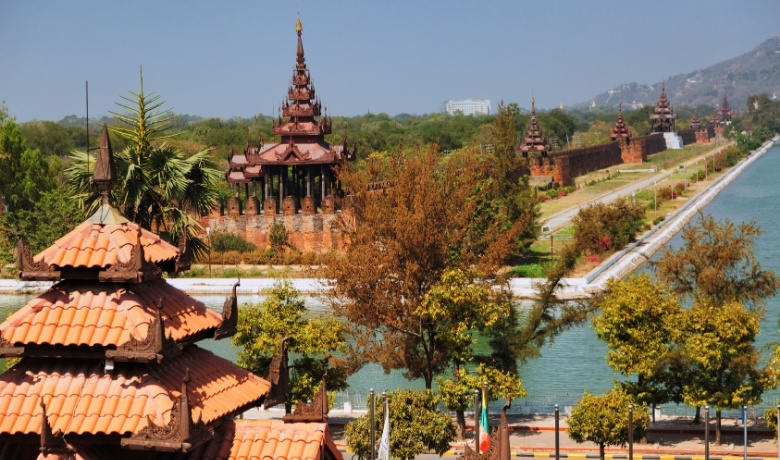
Mandalay feels like a living archive of Myanmar’s royal past. The city is known for its palace walls, the calm rhythm of monastic life and the teak curve of U Bein Bridge stretching across Taungthaman Lake. It is also home to Kuthodaw Pagoda, famous for its 729 marble shrines that hold the world’s largest book, a true treasure for anyone interested in Myanmar travel experiences.
You should visit Mandalay if you want a place where history and daily life blend in a very natural way. The royal palace grounds tell stories of the last Burmese kings while the hills and monasteries offer peaceful views over the plains. Around the city you will also find four old capitals filled with temples, stupas and river scenes that add depth to any journey.
Things to do in Mandalay
- Visit the U Bein Bridge near sunset and watch local farmers and monks cross the long teak walkway.
- Explore Kuthodaw Pagoda early in the morning when the courtyards are quiet.
- Climb Mandalay Hill for a soft evening breeze and wide views of the Irrawaddy River.
- Take a ferry to Mingun to see the giant unfinished stupa and the massive bronze bell.
- Stop by workshops that make gold leaf or carved wood to see how traditional crafts are still kept alive.
Most travelers spend 2 full days, and an extra day helps if you want to explore Ava, Amarapura or Sagaing.
Travel tips
- Start your days early because Mandalay heats up fast.
- Dress modestly when entering temples and bring light clothing for the walk up Mandalay Hill.
- If you want to move between old capitals, hire a taxi for a day to save time and avoid long transfers.
Mrauk U
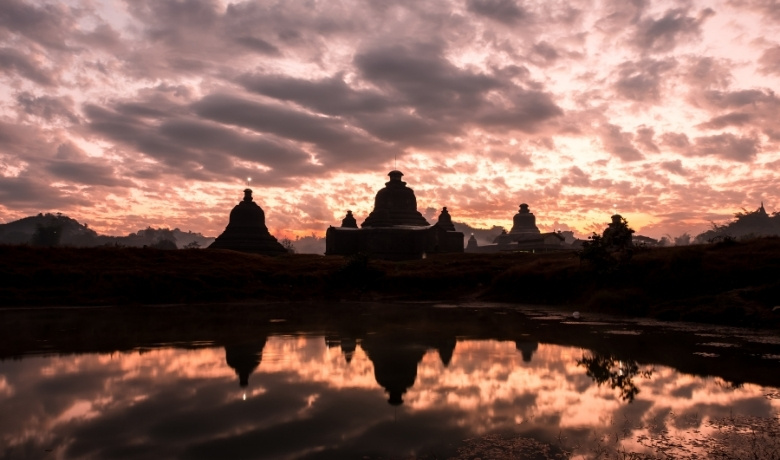
Mrauk U offers a very different rhythm from the big cities and major temple zones. The old stone shrines rise gently from rice fields and quiet hills, creating a landscape that feels almost untouched. Many travelers see it as one of the Myanmar sightseeing highlights for anyone wanting history without the crowds.
Visitors come here to experience a former trading capital that once connected Myanmar with Bengal. The temples are smaller and built from stone, giving them a rugged character that sets them apart from Bagan’s brick monuments. The remote setting also adds a sense of discovery, as if the ruins are waiting for you alone.
Top things to do in Mrauk U
- Wander through the ancient shrines during the early morning when soft mist covers the fields.
- Climb small hills around the site for wider views of pagodas scattered across the countryside.
- Visit nearby villages to see daily life shaped by farming and traditional crafts.
- Spend time at temples like Shittaung and Htukkanthein to appreciate their stone corridors and quiet chambers.
Plan at least 1 to 2 days so you can explore at a relaxed pace and enjoy the silence that defines this region.
Travel tips
- Road access can be slow, so carry essentials and expect a gentle, unhurried journey.
- Hire a local guide if you want deeper stories about the kings and traders who once ruled here.
- Early mornings and late afternoons offer cooler weather and beautiful light for photography.
Bago
Bago sits just a short drive from Yangon, yet it feels like you have stepped into an older chapter of Burmese history. This former Mon capital is known for its record-breaking pagodas, peaceful monasteries and enormous reclining Buddhas resting quietly in open halls. Many travelers include it in their Myanmar itinerary ideas because it offers depth without long travel hours.
What draws visitors first is the scale. The Shwethalyaung Reclining Buddha stretches an impressive 55 metres, while some sources cite an earlier version reaching up to 76 metres. Nearby, Shwemawdaw Pagoda rises higher than any other stupa in the country and dominates the skyline with its bright golden crown. The town remains very local, which gives each temple visit a close look at daily religious life.
Best things to do in Bago
- Visit Shwethalyaung to see one of the largest reclining Buddhas in Southeast Asia.
- Walk around Shwemawdaw Pagoda and notice how its height surpasses even Shwedagon in Yangon.
- Stop by the Snake Pagoda, where a massive python is cared for by devotees who believe it carries spiritual meaning.
- Explore small neighbourhood markets for snacks and simple Mon dishes. If time allows, visit Mahazedi Pagoda or the remains of old palace grounds.
Most travellers treat Bago as a half-day or full-day stop, making it an easy side trip on the road between Yangon and central Myanmar.

Travel tips
- Start early if you want cooler weather for temple visits. Dress modestly as most sites require covered shoulders and knees.
- Consider hiring a local driver so you can move quickly between temples, since the main attractions are spread across town.
Best Nature & Scenic Destinations in Myanmar
Inle Lake
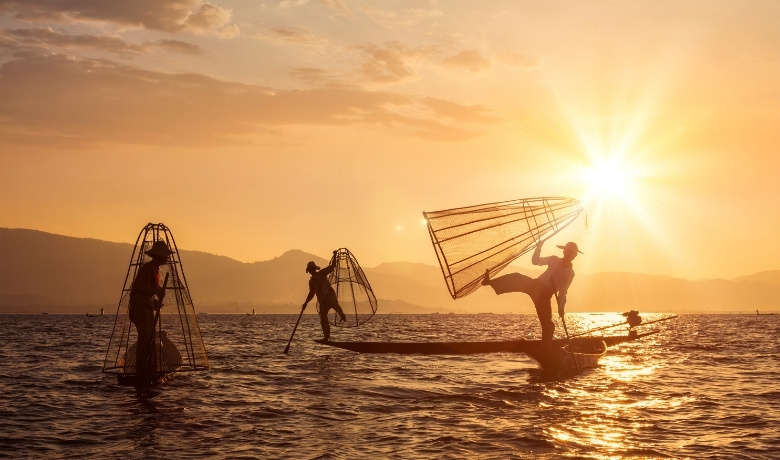
Inle Lake easily earns its place among the top attractions in Myanmar. It is a serene highland lake surrounded by floating gardens, stilt villages, and the iconic leg-rowing fishermen of the Intha people. The setting feels almost unreal, wide, open water reflecting the sky, mountains rising on both sides, and slow, peaceful rhythms that make the lake one of the most atmospheric stops on any Myanmar journey.
Visitors come to Inle Lake for its rare blend of culture and nature. Life here unfolds on water: families live in wooden homes balanced on stilts, farmers grow vegetables on floating plots, and fishermen navigate the lake using a one-leg rowing technique found nowhere else in the world. Add in ancient pagoda fields, craft workshops, and overwater stays, and you get one of the richest Myanmar travel experiences.
Best things to do around Inle Lake
- Take a full-day boat trip starting from Nyaung Shwe to explore floating gardens, stilt houses, and calm inlets hidden between villages.
- Visit Indein, a remarkable site with hundreds of crumbling stupas — an otherworldly place that surprises even travelers who have seen Bagan.
- Wake up early for a sunrise ride to watch fishermen balance on one leg and cast their nets against the soft morning light.
- Stop by local craft houses, from lotus-silk weaving to silversmiths and cigar-rolling workshops.
- Explore Hpaung Daw U Pagoda or wander through Maing Thauk’s long wooden bridge for a closer look at lakeside life.
You’ll need 1–2 days to experience the highlights, though adding an extra day helps if you plan to visit Indein or venture farther into the hills.
Travel tips
- Bring warm layers if you visit during the rainy or cool season — temperatures on the lake can be surprisingly chilly.
- Plan and negotiate your Indein stop in advance, as it requires a longer ride.
- And when meeting long-neck Kayan women, choose ethical visits in their home regions if you want a more respectful cultural encounter.
Mount Popa
Mount Popa is one of the most striking stops near Bagan, often chosen by travelers looking for a quick break from temple plains. The mountain rises sharply from the dry landscape, and the Taung Kalat monastery sits on top like a tiny fortress in the sky. Many visitors see it as one of the top attractions in Myanmar thanks to its blend of spirituality and dramatic scenery.
People come here to understand the deep connection between Myanmar’s Nat worship and local beliefs. Taung Kalat is lined with shrines dedicated to powerful guardian spirits, and the climb becomes a small pilgrimage of its own. The views are the real reward, opening out to wide plains and old volcanic ridges once you reach the summit.
Things to do at Mount Popa
- Climb the famous 777 steps barefoot, following a sheltered walkway up the steep rock.
- Enjoy the panoramic lookout points near the top where you can see Bagan’s plains on a clear day.
- Spend time inside the Nat shrines to learn how spirit worship blends with Buddhism.
- If you travel by road, stop at small villages along the way to watch peanut winnowing or take photos of the volcanic cliffs.
A half-day visit is enough for most travelers, especially if you start early to avoid the heat.

Travel tips
- Prepare to walk barefoot for the entire climb because shoes are not allowed. Watch out for cheeky monkeys that like to grab food or loose items.
- Consider visiting in the morning when the stairs are cooler and the views are less hazy.
- Mount Popa is usually paired with a Bagan itinerary, so booking a round-trip taxi makes the trip easy and flexible.
Kalaw
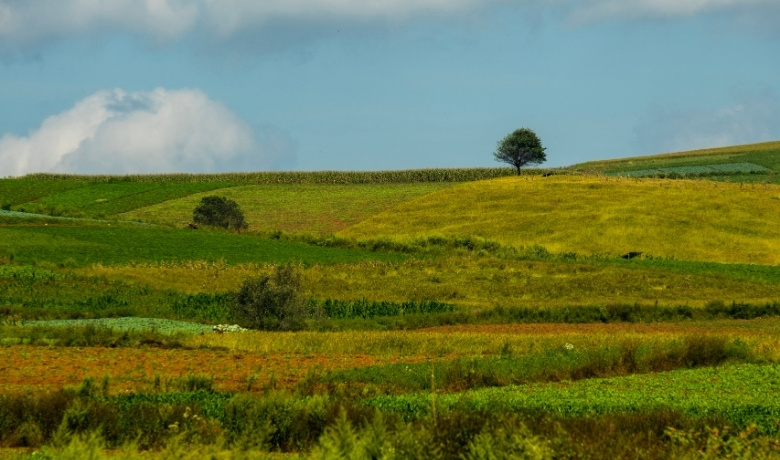
Kalaw sits high in the hills of central Myanmar and offers a refreshing break from the heat of the plains. The cool weather, quiet pine forests and gentle mountain air make it an easy place to slow down. Many travellers include it among their cultural experiences in Myanmar thanks to its famous trekking routes and close connection to rural life.
People choose Kalaw for its outdoor appeal. The trek from Kalaw to Inle Lake is one of the country’s best known multi-day walks, crossing farmland, stony paths and patches of forest. Along the way, visitors stay with local families, sharing simple meals and seeing how mountain communities live from day to day.
What to do in Kalaw
- Join a 2 or 3 day trek to Inle Lake, a route praised for its shifting scenery and easy pace.
- Spend time chatting with farmers and shopkeepers you meet on the trail to learn how life unfolds in the highlands.
- Wander around the town in the late afternoon when the cool breeze settles and small tea shops begin to fill with locals.
- If you have extra time, explore nearby villages or short trails around the hills before starting the main trek.
Most visitors plan 2 to 3 days, especially if they want to complete the full walk to Inle Lake.
Travel tips
- Book a guide early. Small group companies like Uncle Sam are often recommended because they keep groups limited and support local homestays.
- If you visit during the rainy season, be flexible because some paths can flood and guides may suggest an alternate route.
- Pack light layers for the cooler nights and keep an open mind when staying in village homes, as the simple hospitality is one of the highlights of the journey.
Dee Dote Waterfall, Pyin Oo Lwin
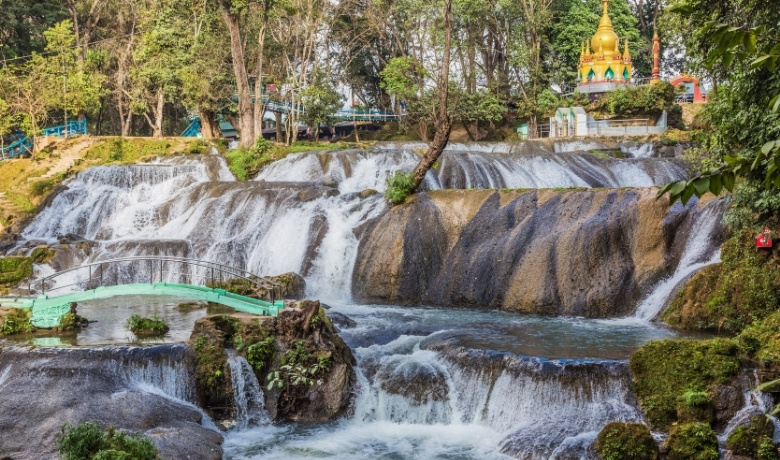
Pyin Oo Lwin sits high in the hills and charms visitors with its cool air, quiet streets and traces of British-era architecture. Old mansions, leafy avenues and a relaxed pace make the town feel very different from the lowland cities. Just outside the centre, Dee Dote Waterfall adds a flash of turquoise to the landscape and is often included in unique activities in Myanmar for nature lovers.
Travellers come here for the mix of history and scenery. The hill station once served as a summer escape for colonial officers, and many buildings still reflect that past. At the same time, the countryside is alive with strawberry fields, coffee farms and small villages that show a softer, rural side of Myanmar.
What to do in Pyin Oo Lwin and Dee Dote
- Swim in the clear pools of Dee Dote Waterfall. The colour shifts from pale blue to bright turquoise depending on the light, making it a favourite spot for a short hike and a refreshing dip.
- Wander through the expansive botanical gardens, one of the town’s highlights, for quiet paths and cool shade.
- Visit coffee and macadamia plantations or stop by The Croft Organic Farm, where a small entrance fee includes a drink and homemade treats.
- Explore local bakeries and sweet shops run by Indian families, or spend time in the National Landmarks Garden to see miniature versions of key sites from across the country.
Most people experience Pyin Oo Lwin as a day trip or short overnight stay, with Dee Dote handled as a separate outing.
Travel tips
- Renting a motorbike makes exploring the hills easy and gives you full flexibility.
- Dee Dote requires buying something from the small restaurant at the entrance, so bring a bit of cash.
- Early mornings offer cooler weather and quieter roads, ideal for reaching the waterfall before the crowds.
Best Beaches and Island Getaways in Myanmar
Ngapali Beach
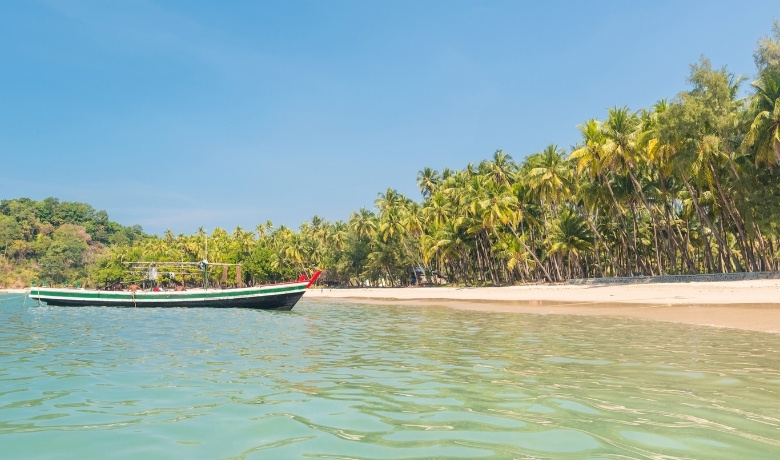
Ngapali Beach stretches along the Bay of Bengal with soft white sand and calm blue water that feels almost unreal. Palm trees line the shore, small fishing boats rest on the waves and the whole coastline moves at a slow, easy pace. Many travellers consider it one of the most relaxing where to go in Myanmar options thanks to its quiet setting and gentle tropical scenery.
Visitors often choose Ngapali when they want time to unwind. The beach is spacious and never feels crowded, so it is easy to spend long mornings reading under the shade or floating in clear water. Even though there are resorts, the area still keeps a friendly local feel, especially if you walk toward the fishing village at the southern end.
What to do at Ngapali Beach
- Swim or snorkel in the calm shallows, where visibility is often good enough to spot small fish near the rocks.
- Take a bike or motorbike and explore the coastline, stopping for fresh seafood at simple beach cafés.
- Visit the fishing village at sunrise to see boats returning with their catch.
- Climb up to Taka Mubuda Hill for a broad view of the bay, especially beautiful in the late afternoon.
- If you prefer a slower day, stay by the beach and enjoy a kayak ride or a quiet hour of sunbathing.
Most travellers stay a few days to fully enjoy the calm rhythm and give themselves time to recharge.
Travel tips
- Some regions may have travel restrictions depending on the political situation, so always check updated advice before planning your visit.
- Early mornings and evenings are the best times for light winds and soft golden views along the shore.
Mergui Archipelago
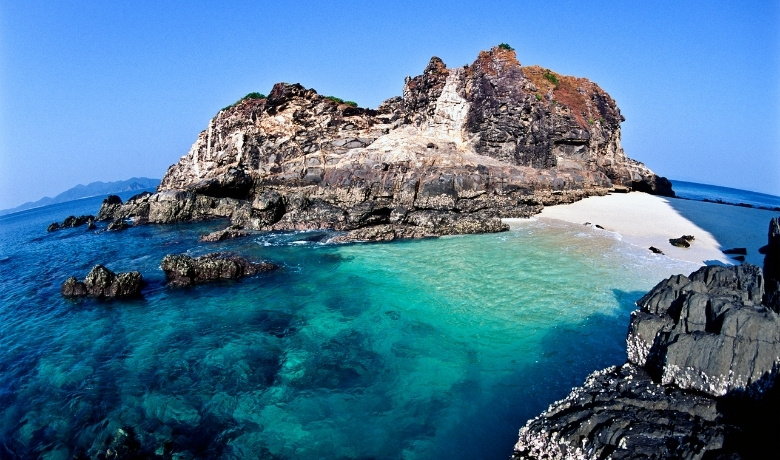
The Mergui Archipelago sits far to the south of Myanmar, scattered like a chain of emerald stones across the Andaman Sea. With more than 800 islands spread over a vast stretch of ocean, the area remains strikingly untouched and wonderfully remote. Its isolation is exactly why many travellers consider it one of the rare Myanmar sightseeing highlights for nature-focused trips.
Stepping into Mergui feels like entering a coastline lost in time. Powder-soft beaches curve around quiet coves, and the water is so clear that you can see colour gradients shifting from pale green to deep cobalt. The entire region carries an old-world atmosphere, similar to Southeast Asia before the tourism boom, and the presence of the Moken sea-nomad communities adds a cultural depth that is unique to these islands.
Top things to do in the Mergui Archipelago
- Time on the islands is often spent exploring by boat. Sailing between forest-covered islets gives you access to hidden beaches perfect for swimming or snorkelling.
- Eco-trails on larger islands open up views of dense jungle and wildlife, while village visits offer insight into Moken traditions.
- Some routes include Lampi National Park, a major conservation zone with rich marine and terrestrial biodiversity.
- Resorts like Wa Ale provide kayaking, diving and gentle hiking for travellers wanting a land-based stay.
Most itineraries involve multi-day cruises, usually a week or more, allowing enough time to explore a good mix of islands and remote bays.
Travel tips
- Kawthaung serves as the main entry point, with flights and cross-border options from Thailand.
- Accommodation remains extremely limited, reflecting the archipelago’s low-impact development.
- Because certain islands are still restricted for military reasons, checking updated travel rules is essential.
- Wildlife encounters can happen on forested islands, so follow guide instructions during hikes.
- Planning well in advance helps secure boats during peak sailing months.
Ngwe Saung
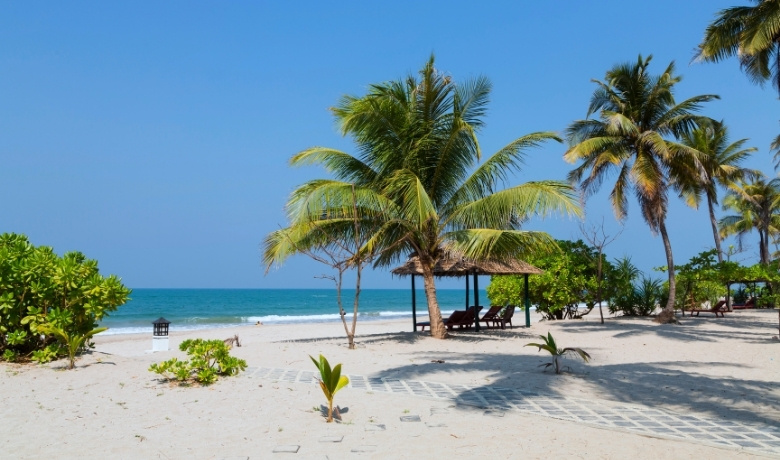
Tucked along Myanmar’s western coastline, Ngwe Saung Beach offers a long sweep of white sand and warm turquoise water that feels surprisingly untouched. The setting is calm, simple and wonderfully slow, making it an appealing escape for anyone craving rest after a busy itinerary. Many travellers describe it as a quieter counterpart to Myanmar’s more famous beach destinations.
One of the reasons people choose Ngwe Saung is the sense of space. The shoreline stretches wide and smooth, free from big resorts or noisy bars, so you can walk for long distances without seeing many others. Its powdery sand and gentle waves give the beach a soft, tropical feel, almost like a “Burmese Hawaii” but without crowds.
Things to do around Ngwe Saung
- Spend the day swimming, sunbathing or trying easy water sports like windsurfing and snorkelling.
- Cycle into nearby villages to see local markets or take a boat ride to offshore islands.
- Fresh seafood is served all along the main beach road, and UM Café’s nightly fire-dancing show at 7:30 pm is a favourite evening activity.
Travel tips
- Even with few foreign visitors, the town is well set up with beach shops, restaurants and English menus.
- Luxury hotels often let outside guests use pools and sunbeds for the price of a drink, especially in shoulder seasons like May.
- Peak travel time is from November to March, although warm weather continues into May with steady sea breezes.
- If you want to explore more of the coast, Chaung Tha Beach sits just two hours north.
Essential Myanmar Travel Tips for First-Time Visitors
Safety situation and updated considerations
- Myanmar is a fascinating country to explore, but it requires more preparation than most places in Southeast Asia. First-time visitors should be aware that the political situation remains unstable, even though the main destinations stay relatively calm.
- Stick to the “tourist kite” (Yangon, Bagan, Mandalay, Inle Lake), where movement is generally allowed.
- Many areas outside this zone may be restricted or completely off-limits due to civil conflict. Always check updated travel advisories.
- Expect challenges such as stray dogs, occasional snakes in rural plains, and frequent power cuts.
- Some locations require special permits and photography can be restricted, especially near government or military zones.
- Myanmar is better suited for travellers with solid travel experience, not absolute beginners.
Visa requirements and entry rules
- Entering Myanmar isn’t complicated, but you must plan ahead. All foreign travellers need a visa before arrival.
- Apply through the official e-visa portal (evisa.moip.gov.mm).
- The visa usually allows a 30-day stay and costs around 50 USD.
- Keep printed copies of your visa approval and passport ID page for hotel check-ins.
How to get around Myanmar
- Distances are long, so choosing the right transport makes a big difference.
- Overnight buses are the most convenient for long routes, costing about 20 USD per trip.
- Domestic flights are surprisingly efficient and safe, ideal for a 10–12 day itinerary.
- Trains are extremely cheap but not recommended due to dirty cabins and insects.
- E-bikes are the perfect way to explore Bagan’s 2,200 temples (4–5 USD/day).
- Boats are the classic way to see Inle Lake or enjoy sunset views near U Bein Bridge.
- Private cars are possible but expensive (e.g., 750 USD for 8 days for a family).
Best time to visit Myanmar
Weather shapes the entire travel experience, especially for outdoor sights. The ideal season is November to February, when the air is cool and skies are clear.
March–April are still good but can be very hot. Rainy season (June–October) brings cloudy skies, muddy paths, and weaker sunrise/sunset views, especially in Bagan.
Money, ATMs and budget expectations
Myanmar remains a cash-dependent country, so plan your spending carefully.
- USD is king, and only perfect, crisp bills are accepted. Even a tiny crease can cause rejection.
- ATMs exist but charge 3.50–4.50 USD per withdrawal and sometimes run out of cash.
- Daily costs are low: around 60 USD/day for food, accommodation and transport.
- Meals range from 6–9 USD locally and 20–25 USD in tourist restaurants.
- Balloon flights in Bagan start from 230–400 USD, while trekking is far cheaper.
Cultural etiquette and responsible travel advice
Understanding customs will make your trip smoother and far more meaningful.
- Myanmar people are famously warm and welcoming, and many students or monks enjoy short chats to practice English.
- At religious sites, remove shoes and socks, dress modestly, and keep noise low.
- Do not photograph soldiers or security posts.
- Be mindful of ethical issues such as visiting Kayan long-neck villages; choose respectful, non-exploitative options when possible.
- When interacting with locals, a gentle tone and patience go a long way. Thanakha, the golden face paste, is widely used and often sparks friendly conversations.
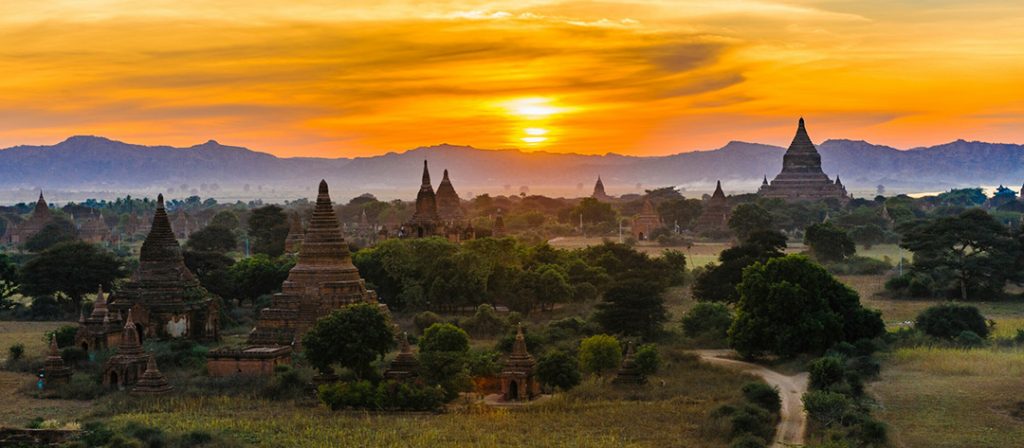
Exploring the best places to visit in Myanmar means moving through landscapes shaped by ancient kingdoms, sacred mountains, quiet lakeside villages and untouched tropical shores. Each region reveals a different side of the country, yet all share the same gentle rhythm of daily life and genuine warmth that makes Myanmar so memorable. Whether you’re wandering temple fields at sunrise or relaxing on a silent beach far from the crowds, this is a destination that rewards slow, curious travel.
If you’re ready to turn these ideas into a real journey, Asia Pioneer Travel can help you craft a trip that fits your style. Our team builds custom itineraries, connects you with trusted local guides and makes sure every detail feels personal, flexible and stress-free.
Ready to go? Start planning your Myanmar adventure today.