

When planning a journey between Hanoi and Ho Chi Minh City, travelers often face the challenge of choosing the best mode of transport. With a distance of approximately 1,700 km (1,050 miles) to cover, the decision typically boils down to time vs. cost vs. experience. Should you prioritize speed and take a flight, or do you want to immerse yourself in Vietnam’s landscape with a slower, scenic train or bus ride? In this guide, we will explore the main travel methods: flights, trains, buses, and cars/vans to help you decide the best ways to travel from Hanoi to Ho Chi Minh City.
Quick Comparison: Time, Cost & Experience at a Glance
When deciding between different travel options from Hanoi to Ho Chi Minh City, it’s important to balance time, cost, and experience. Here’s a quick breakdown of the major transport methods to help you choose the best fit for your trip.
| Transport | Avg Duration | Price Range | Best For |
| Flight | 2-4 hours total | $40–$100+ | Time-pressed, business travelers, budget-conscious |
| Train | 32–37 hours | Affordable to mid-range | Scenic experience, relaxed travelers |
| Bus | 30–45 hours | Most budget-friendly | Budget travelers, backpackers |
| Car/Van | 30 hours | Varies | Flexible stops, road-trip enthusiasts |
Flying – Fastest Travel Option in Vietnam
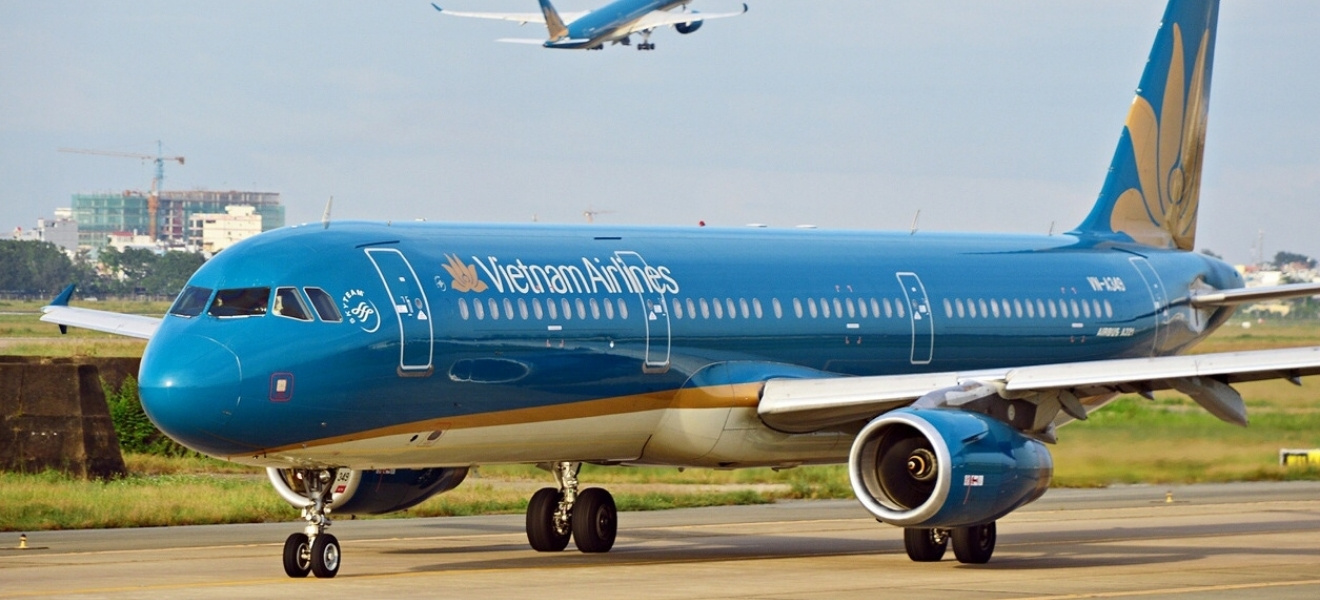
Flying is the most efficient way to travel from Hanoi to Ho Chi Minh City. The distance is around 1,276 km by air, and a direct flight takes just about 2 hours and 15 minutes, compared to the 30+ hours it would take by train or bus. This makes flying an excellent option if you’re short on time or want to maximize your itinerary without wearing yourself out.
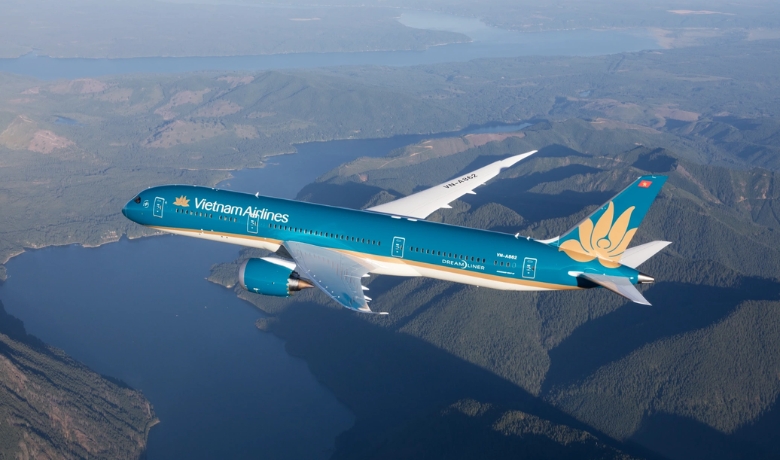
Domestic flights between Hanoi and Ho Chi Minh City are extremely frequent, with multiple airlines operating daily. The total can be around 70+ flights per day across carriers like Vietnam Airlines, VietJet Air, Bamboo Airways, Pacific Airlines, Vietravel Airlines, and SunPhuQuoc Airways.
Booking tips:
- When booking, consider the total price rather than just the base fare. Low‑cost carriers like VietJet often advertise attractive fares, but extras like checked bags, seat selection, and meals can push up the final cost.
- Booking 4–8 weeks in advance can usually help you secure better fares, and checking airline apps or signing up for newsletters can alert you to promotions.
- Price comparison tools like Kayak, Skyscanner, or Google Flights are excellent for comparing flight prices across different carriers, helping you secure the best deals.
- It’s also smart to keep some flexibility in your plans during the rainy/typhoon season (May–October), as weather can occasionally cause delays.
Airport tips:
Noi Bai International Airport (HAN) in Hanoi is about 45 km from the city center, and Tan Son Nhat International Airport (SGN) in Ho Chi Minh City is just 8 km away. Taxis, shuttle buses, and ride-sharing apps are available at both airports.
- Arrival & procedures: Arrive at least 2 hours early for domestic flights to allow enough time for check-in and security. During peak travel times, such as holidays, arrive 3 hours early to avoid delays. Online check-in is highly recommended to save time at the airport.
- Carry-on luggage: Be mindful of strict carry-on limits, especially with budget carriers. For example, VietJet Air allows only 7 kg of carry-on luggage, and any excess weight could incur additional charges. Ensure your carry-on complies with airline regulations to avoid surprises at the boarding gate.
Train – Scenic Journey from Hanoi to Ho Chi Minh City
If you have the time and want to experience the stunning landscapes of Vietnam, traveling by train from Hanoi to Ho Chi Minh City is the perfect way to go. The Reunification Express is a series of trains running along the North-South Railway, covering a distance of around 1,730 km. The journey typically takes 32 to 37 hours, making it one of the longest train rides in Southeast Asia.
What makes this journey special is the scenic views that unfold as the train rolls across the country. From the Hai Van Pass between Da Nang and Hue, considered one of the most beautiful sections of rail in Southeast Asia, to the tranquil landscapes of the Mekong Delta, this train ride offers a rare opportunity to soak in Vietnam’s natural beauty.

Comfort options:
Vietnam’s long‑distance trains offer several types of seating and sleeping choices so you can pick what works best for your trip.
- Hard Seat and Soft Seat: These are basic seating options in air‑conditioned carriages. Soft seats are more comfortable than hard seats and good for daytime travel or shorter hops between cities, but neither includes beds and can feel cramped on a long overnight journey.
- Hard sleeper (6‑Berth cabin): This cabin has six bunks stacked three high and is a budget‑friendly choice for overnight travel. The beds are simple but let you lie flat for the long journey.
- Soft sleeper (4‑Berth cabin): The most popular choice for long trips, soft sleepers have four beds in a private compartment, thicker mattresses, bedding, and often a lockable door. It’s a big step up in comfort and privacy, and ideal if you want to rest well on a 30+‑hour trip.
- VIP berth: On some trains, you may find VIP cabins with just two beds and even more space and amenities. These are rarer and usually cost more, but they’re the most comfortable way to travel if privacy and space matter to you.
Tips for train travel
Train travel in Vietnam is not like hopping on a commuter line; it’s an experience, and a little preparation goes a long way.
- Booking early is key, especially for sleeper cabins. Unlike flights, train seats and berths can sell out quickly, particularly on popular routes like Hanoi to Ho Chi Minh City. You can reserve tickets on the official Vietnam Railways site, but third‑party platforms like Baolau and 12Go Asia usually offer easier booking with instant e‑tickets and mobile confirmations.
- Pack snacks, water, and entertainment. While some trains offer food carts and hot water for instant meals, the selection can be limited, so having your own supplies makes the journey easier.
- Sleeper cabins offer more comfort for long trips. If you know you’ll be on the train overnight or for more than a day, paying extra for a soft sleeper cabin is worth it for the privacy and ability to sleep properly.
- Bring light bedding or a blanket. Even though trains are air‑conditioned, temperatures can vary a lot, and having a hoodie, scarf, or light blanket will keep you warm. It’s a small item that makes a big difference.
Bus – Budget-Friendly Overland Travel
If you’re on a tight budget but still want to travel from Hanoi to Ho Chi Minh City, the bus is a great option. While it’s the most affordable way to travel overland, the journey can be long and tiring, spanning around 1,718 km by road. Depending on the provider and the route, the trip usually takes 30 to 45 hours.
The “Open Bus” concept is popular for travelers who want to stop and explore along the way. Companies like The Sinh Tourist, Phuong Trang/Futa, and Hanh Cafe offer Open Bus tickets that allow you to hop off at key destinations like Hue, Da Nang, and Nha Trang, before continuing on your journey with the same bus company.
Bus travel is much cheaper than flights or trains, with prices ranging from $17 to $34 for standard sleepers. Buses often drop passengers directly at popular tourist centers (like Sapa or Phong Nha), while train stations may be located outside town, requiring an additional transfer.
Comfort options:
There are several bus classes available, ranging from basic to more luxurious options:
- Standard sleeper buses feature three rows of bunk beds stacked two high. These can get crowded, and the aisles tend to be narrow.
- VIP/Cabin buses offer wider spaces with more privacy, making the ride slightly more comfortable.
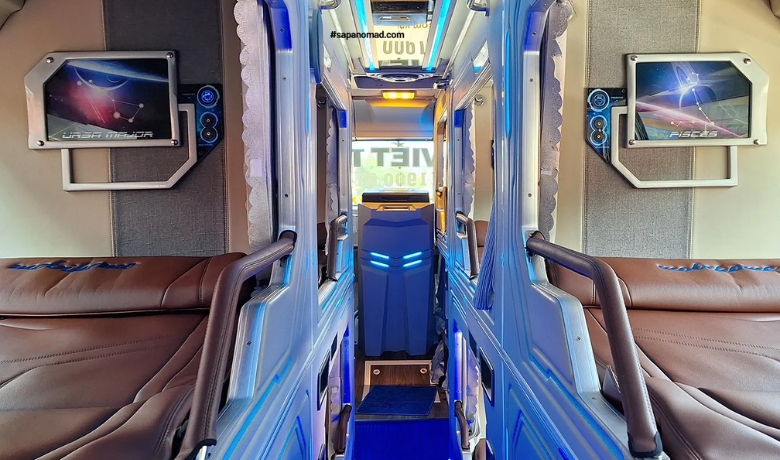
- Luxury/Limousine sleepers are the premium option, with lie-flat beds, personal entertainment systems, and privacy curtains. These are perfect for taller travelers, as standard bunks often don’t accommodate those over 180 cm (about 5’11”).
Onboard, you’ll need to remove your shoes before boarding, and air conditioning is typically very cold, so it’s advisable to bring warm clothing or a scarf.
Bus travel tips:
- The toilet: Many sleeper buses lack onboard toilets, and the ones available are often cramped and poorly maintained. Most buses make stops every 2 to 3 hours for bathroom breaks at rest stops, but it’s a good idea to bring your own toilet paper and hand sanitizer as hygiene varies.
- Packing: Keep important items like your passport, phone, and wallet on your person while sleeping, as petty theft can occur. Also, earplugs and an eye mask are essential since bus drivers tend to use their horns frequently, making it hard to sleep.
- Seat selection: For a more comfortable ride, aim to book seats in the middle of the bus and choose the bottom bunk. The back of the bus is bumpier, and the top bunks can feel unsteady on winding roads.
For booking your bus tickets, Vexere, 12Go, and Baolau are reliable platforms for foreigners. These sites allow you to filter for VIP or limousine options to ensure a more comfortable journey. Booking online in advance is recommended, especially if you prefer specific seat locations like the middle/lower bunks. Booking early also helps you avoid ending up on a standard bus when you wanted a VIP one.
Car/Van – Flexible Road Trip Across Vietnam
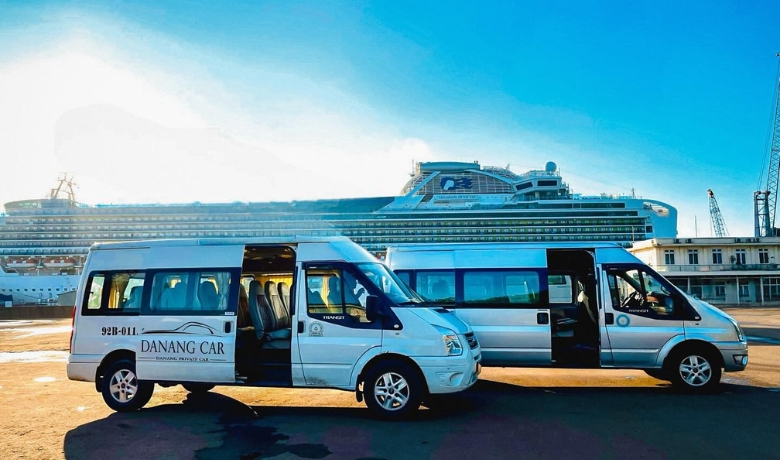
Taking a road trip for a Vietnam tour from Ho Chi Minh to Hanoi spans approximately 1,594 km along National Highway 1, Vietnam’s longest highway. A direct drive could take around 19 hours and 41 minutes, depending on traffic, but in reality, the journey is likely to take about 30 hours due to stops, rest breaks, and potential delays.
One of the main advantages of cars or vans is its flexibility. You can break up the journey and explore key destinations along the way. Ninh Binh (Trang An), Quang Binh (Phong Nha Ke Bang), Hue, Da Nang, Hoi An, and Nha Trang are just a few of the places you can visit, allowing you to experience a variety of Vietnam’s landscapes and culture.
Traveling by car or van is also an ideal choice for families and larger groups, as it provides more space and comfort compared to motorbikes. With private transport, you control your schedule and enjoy a more comfortable environment than public transport.
Road trip tips for Vietnam
- International Driving Permit (IDP): Make sure you have an International Driving Permit (IDP), which serves as a translated version of your domestic driver’s license. It’s required to drive legally in Vietnam.
- Cost considerations: Renting a car in Vietnam is significantly more expensive than renting a motorbike, typically costing three to four times more. Don’t forget to budget for fuel, as it can be a major expense, especially on long trips.
- Navigating busy cities: Be prepared for heavy traffic and limited parking, especially in busy cities like Hanoi and Ho Chi Minh City. Traffic congestion can be stressful, so plan your routes accordingly and allow extra time for travel.
- Break the trip into segments: The journey from Hanoi to Ho Chi Minh City is long, so it’s best to break it up into smaller segments. This will make the trip more manageable and less tiring, allowing you to enjoy the scenery and explore along the way.
Pro Travel Tips & Hacks for Traveling from Hanoi to Ho Chi Minh City
When choosing the best way to travel from Ho Chi Minh City to Hanoi or vice versa, there are several ways to optimize your time and comfort. Here are some pro travel tips and hacks to help you navigate your journey effectively.
Strategic route planning
To get the most out of your 1,600+ km journey, consider combining different modes of transport. This allows you to balance speed, cost, and the incredible scenery that Vietnam offers.
- Fly the long hauls: For the longest stretches, like Hanoi to Ho Chi Minh City, a flight saves you valuable time. A direct flight takes about 2 hours and 15 minutes, whereas the bus or train would take over 30 hours. Flying lets you avoid the lengthy road trip and still see plenty of Vietnam.
- Train for scenery: Use the train for specific segments, especially the route between Hue and Da Nang, which offers breathtaking coastal views along the Hai Van Pass. The train also gives you a chance to relax and enjoy the journey, as it’s often more scenic than flying.
- Break the journey: Don’t attempt to travel straight through from north to south. Instead, split your journey into smaller tours. Stop in Ninh Binh, Quang Binh, Hue, Da Nang, and Hoi An to explore the landscapes and culture at a more leisurely pace.

Survival tips for ground transport
Road travel in Vietnam, whether by bus or train, can present some challenges, but with the right preparation, it can be manageable and enjoyable.
- The freezing reality: Both buses and trains tend to crank the air conditioning to very low temperatures. Always pack a hoodie, scarf, or light blanket to stay warm.
- Hygiene hacks: Rest stops along bus routes can be hit or miss in terms of cleanliness, so always pack toilet paper and hand sanitizer. Onboard train toilets can also get messy on long trips, so it’s wise to come prepared.
- Footwear: You’ll need to remove your shoes when boarding sleeper buses. Wear slip-on shoes to make things easier, especially when making rest stops.
- Safety & security: Keep your passport, phone, and wallet on your person, or store them in a secure location while sleeping. Theft can happen, so always stay vigilant.
In conclusion, whether you prioritize speed, comfort, budget, or the scenic experience, choosing the right transportation to travel from Hanoi to Ho Chi Minh City is key to having a memorable trip. From the quick convenience of flying to the immersive journeys by train, bus, or car, each option offers a unique experience. Let Asia Pioneer Travel help you fine-tune your itinerary and select the best transportation options tailored to your preferences and travel style. Reach out today to plan your perfect Vietnam adventure!
FAQs
Is flying cheaper than taking the train?
Flying is often comparable to or even cheaper than taking the train, especially when you factor in the comfort level of train options. A budget flight can cost as little as $26, whereas a comfortable soft sleeper berth on the train can range from $45 to $90. However, trains have a “hidden” cost. Hard seats are cheaper at about $35, but they’re not suitable for the long journey. In contrast, budget airlines like Vietjet offer lower base fares, while full-service airlines such as Vietnam Airlines average around $150, which includes baggage.
How far is Hanoi from Ho Chi Minh City?
The distance between Hanoi and Ho Chi Minh City varies based on your mode of transport. By air, the distance is approximately 1,137 km to 1,276 km, with a flight duration of around 2 hours and 15 minutes. By train, the distance increases to 1,730 km, and the journey takes about 32 to 37 hours. If traveling by road along National Highway 1, the route spans 1,594 km to 1,718 km, and the drive could take 30 to 45 hours depending on traffic and stops.
Can I take a break or stop along the way?
Yes, but the flexibility depends on your mode of transport. If you’re traveling by train, you cannot hop on and off with a single ticket; you must buy separate tickets for each leg of the journey. For buses, however, you can use Open Bus tickets from companies like Sinh Tourist and Phuong Trang, allowing you to stop at major cities such as Ninh Binh, Phong Nha, Hue, Da Nang, Hoi An, and Nha Trang before continuing your journey. Breaking your journey into smaller segments helps to avoid travel fatigue and gives you a chance to explore more destinations along the way.
Which transportation option is the most comfortable?
The most comfortable option to travel from Hanoi to Ho Chi Minh City is flying, as it saves you time and offers more comfort during the journey. If you want the best option for sleeping, train travel in a 4-berth soft sleeper cabin offers a flat bed, bedding, power outlets, and more privacy compared to buses. For a premium experience, consider luxury tourist carriages like Livitrans or Violette, which offer added comfort and service. Sleeper buses offer variable comfort, VIP buses provide lie-flat beds and privacy, but standard sleeper buses can be uncomfortable due to cramped space and noise.