

You’ve seen the images, and they’re almost too perfect to be real. Saffron-robed monks gliding through misty morning streets, their bare feet silent on the cool pavement. Waterfalls of impossible turquoise cascading into jungle pools, inviting you into their embrace. Elegant, time-worn French villas draped in curtains of fuchsia bougainvillea, hinting at a colonial past. This is the postcard image of Luang Prabang, the spiritual heart of Laos.
For decades, it has been whispered about in traveler circles as a kind of Shangri-La, a place preserved in amber. But with its UNESCO World Heritage status now firmly on the global map, the crucial question on every savvy traveler’s mind is,is Luang Prabang worth visitingtoday? Or has its soul been sold to tourism? Let’s get real. If you’re considering a trip, you deserve the honest truth about what you will find.
The Undeniable and Enduring Magic of Luang Prabang
Before dissecting the impact of tourism, you need to understandwhythis small town captivates nearly everyone who sets foot in it. The allure of Luang Prabang isn’t found in a single monument; it’s a pervasive atmosphere woven from three distinct threads.
First is its living heritage, a captivating blend of worlds that coexist in gentle harmony. Picture yourself waking to the faint sound of temple drums reverberating through the morning haze. You step out from your guesthouse, and the air is thick with the sweet scent of frangipani blossoms and the rich aroma of freshly baked baguettes from a local cafe—a delicious legacy of its French colonial past.
Gilded temple roofs, with their gracefully curved eaves, shimmer in the sun, standing shoulder-to-shoulder with centuries-old monasteries and elegant, shuttered mansions. This fusion of devout Buddhist spirituality and bygone European charm creates a streetscape, and indeed a soulscape, that you simply won’t find anywhere else.
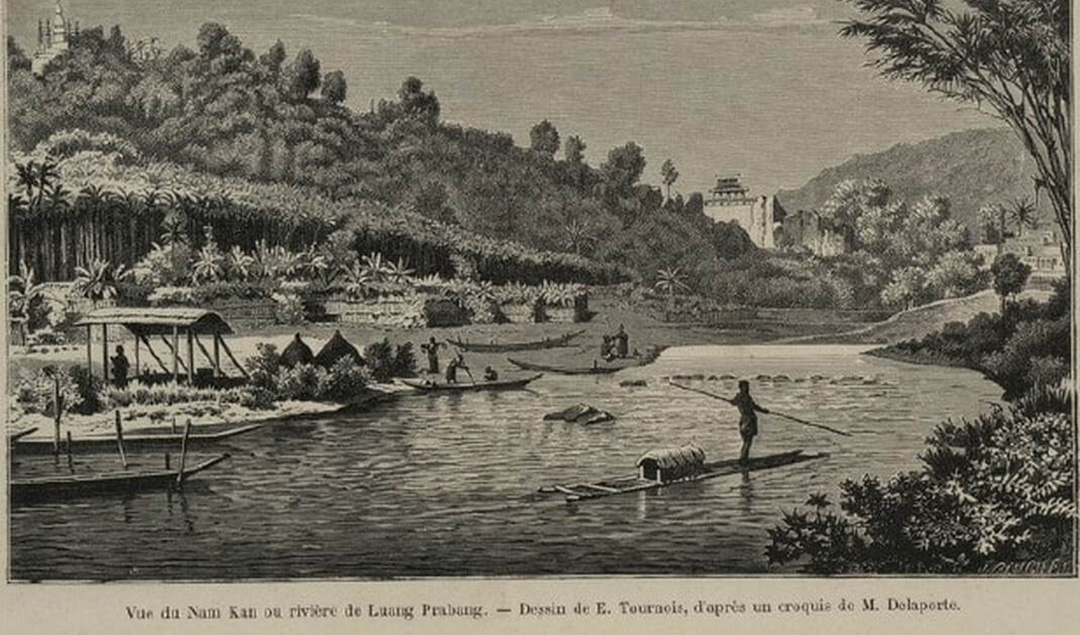
Luang Prabang has a slow and peaceful way of life. This town does not try to grab your attention with a long list of tourist attractions. Instead, its charm lies in quiet moments.
One of these is the early morning alms-giving ceremony, called Tak Bat, which starts around 5:30 AM. This is not a show; it is a spiritual ritual where many monks walk in line to collect sticky rice from local people.
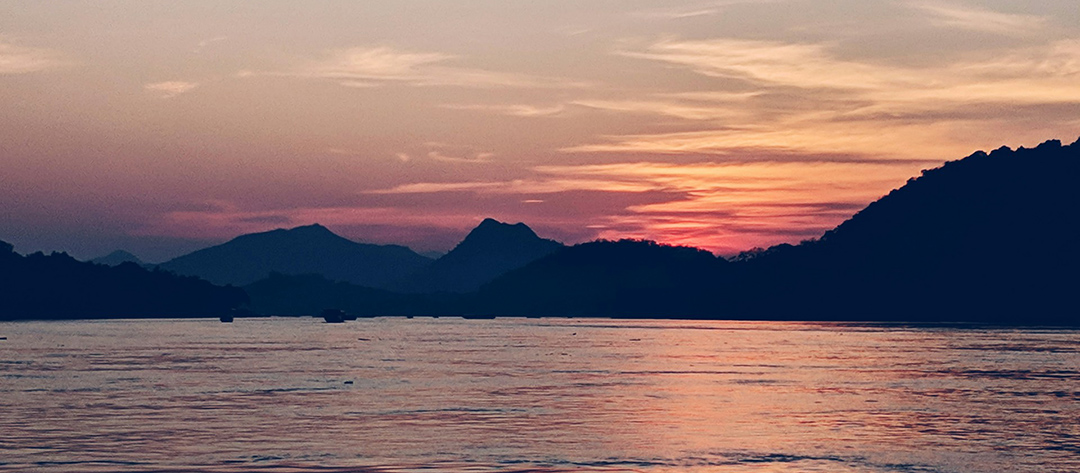
You can also enjoy the town’s calm by renting a bicycle and exploring the quiet side streets. Another way to relax is to find a wooden chair at a riverside cafe and watch the Mekong River flow by as the sun sets. In Luang Prabang, taking time to do nothing becomes a special way to enjoy life.
The people of Luang Prabang are warm and welcoming. Unlike many tourist spots where interactions can feel impersonal, the locals here greet you with “Sabaidee” and a friendly smile. You can feel a strong sense of community.
Instead of aggressive selling, you’ll notice a gentle curiosity from the locals. This friendly atmosphere makes your visit more than just a trip; it creates real human connections.
So, Is It Too Touristy or Still Authentic?
Let’s tackle the obvious issue. Luang Prabang is a popular destination, and you won’t have the town to yourself, especially during peak season. However, does that mean it is a tourist trap? When people ask if Luang Prabang is worth visiting, they are usually wondering if it still feels authentic. The answer is a resounding yes.
The key difference lies in the character of tourism that Luang Prabang fosters. The town has successfully avoided the downsides of mass tourism; you won’t find sprawling mega-resorts or noisy bar streets here.
Instead, Luang Prabang has established strict preservation guidelines as part of its UNESCO status, including a city-wide curfew at 11:30 PM, which ensures peaceful evenings. This approach attracts visitors who seek culture and tranquility.
When you compare Luang Prabang to its regional neighbors, the distinction becomes clearer. Chiang Mai, Thailand, is a bustling hub, with its streets constantly alive with activity. In contrast, Luang Prabang feels like a serene, contemplative village.
Unlike Siem Reap in Cambodia, which, while magnificent, primarily serves as a base for visits to Angkor Wat, Luang Prabang’s main appeal is the town itself—a vibrant cultural landscape.
The authenticity here is not a performance; it forms the foundation of daily life. The temples are active places of worship, and the morning market primarily serves the local community.
Unforgettable Experiences You Can Only Have in Luang Prabang
Beyond the intoxicating atmosphere, the town and its lush surroundings are dotted with experiences that will become cherished memories.
Swim in Paradise at Kuang Si Waterfall
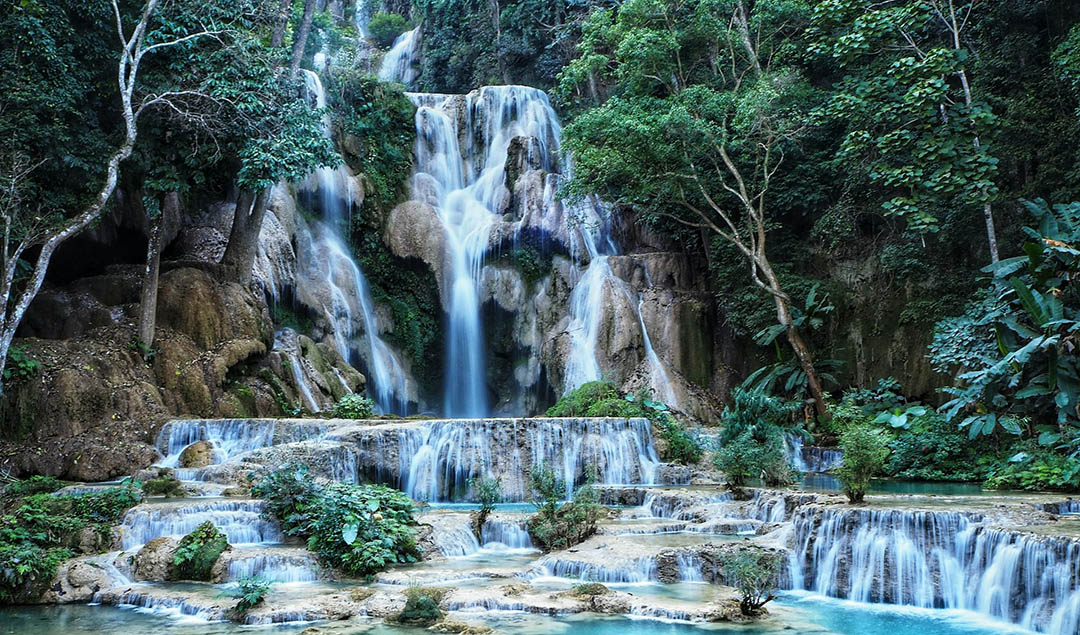
Kuang Si is a stunning natural wonder located just 45 minutes away. This breathtaking series of cascading waterfalls tumbles over limestone terraces, creating dozens of pools filled with brilliant turquoise water.
The main waterfall drops an impressive 60 meters, but the true delight is found in swimming in the smaller, terraced pools. The entrance fee is typically around $8 USD. For the most magical experience, try to arrive around 8:30 AM to avoid the afternoon crowds.
Also, be sure to visit the Tat Kuang Si Bear Rescue Centre near the entrance, which serves as a wonderful sanctuary for Asiatic black bears.
Discover the Mystical Pak Ou Caves
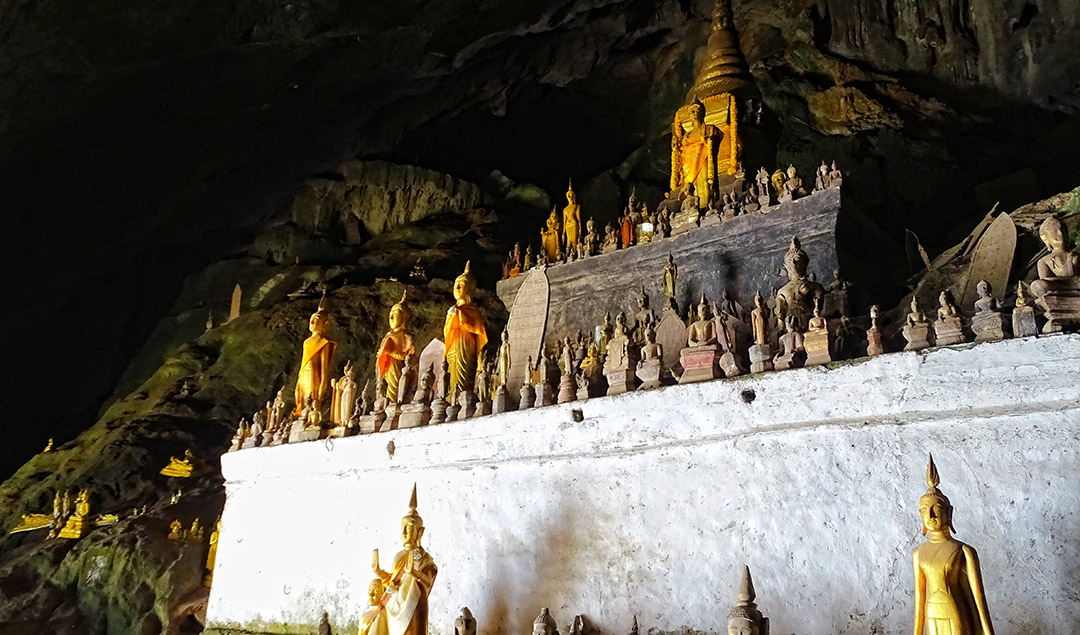
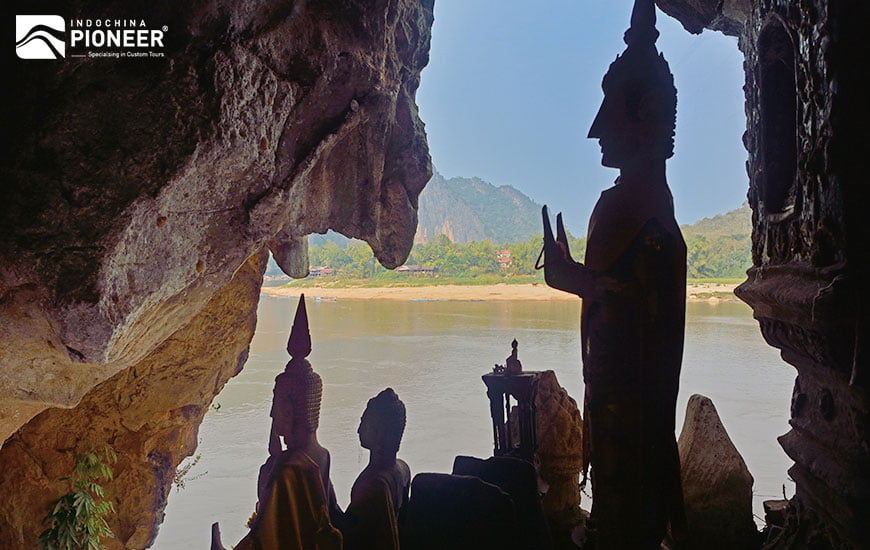
Two hours up the Mekong River by traditional slow boat lies one of the most sacred sites in Laos. The journey itself is soothing, as you pass by sleepy fishing villages and towering limestone karsts. Eventually, you arrive at the Pak Ou Caves, two grottoes carved into a cliff face.
Over the centuries, pilgrims have left thousands of Buddha images inside. The entrance fee is minimal, usually around $2.50 USD. Standing in the quiet darkness, surrounded by countless serene faces, creates a powerful spiritual experience that connects you to generations of unwavering faith.
Marvel at the Elegance of Wat Xieng Thong
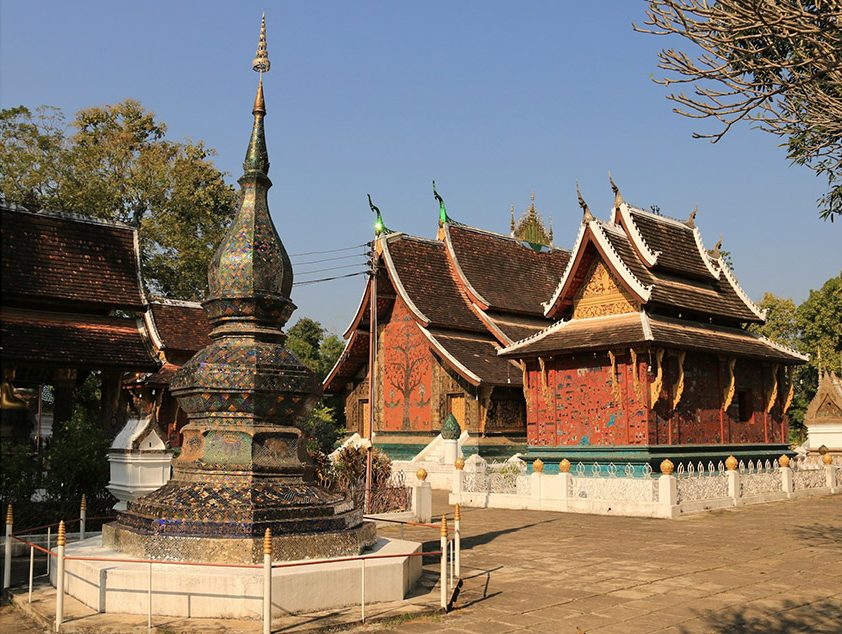
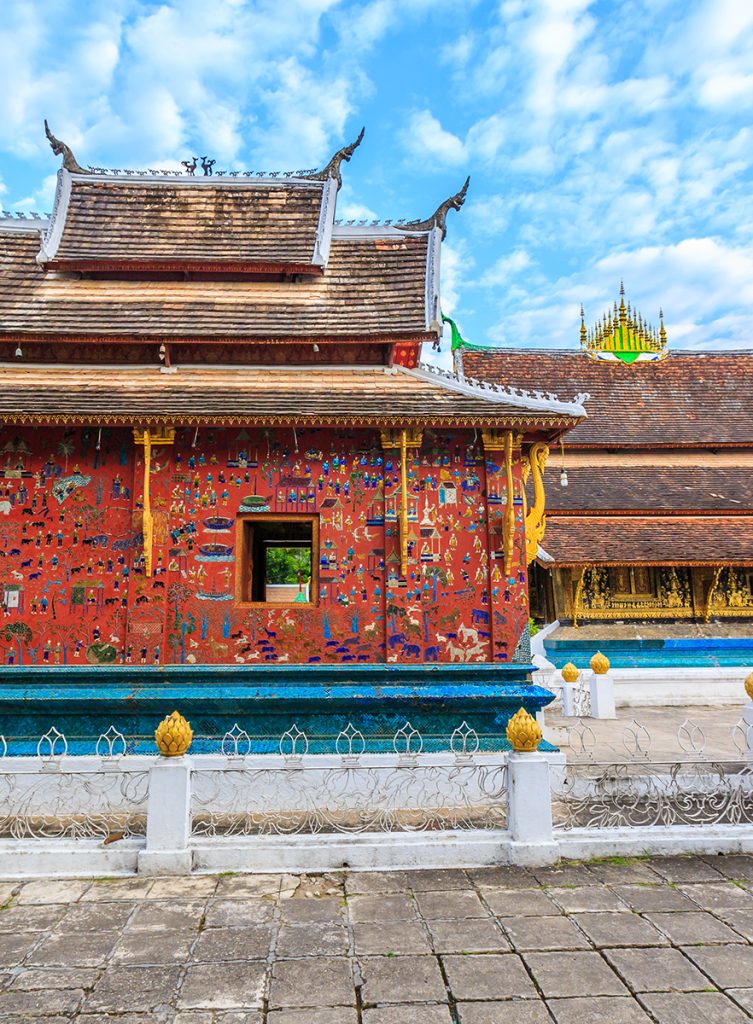
If you visit only one temple, make it Wat Xieng Thong. This temple is located at the picturesque tip of the peninsula where the Mekong and Nam Khan rivers converge, and it represents the essence of classic Lao temple architecture.
One of its most striking features is the graceful, multi-tiered roof that slopes low to the ground. Be sure to admire the stunning ‘Tree of Life’ mosaic on the western exterior wall, where its colored glass shimmers beautifully in the afternoon sun. To fully appreciate the temple’s beauty, take the time to explore the smaller chapels around the complex.
Climb Mount Phousi for a Sunset Spectacle
Rising from the center of the old town, Mount Phousi provides the best panoramic views in Luang Prabang. The climb consists of a few hundred steps, but the path is shaded.
Once you reach the gilded stupa at the summit (with an entry fee of about $2.50 USD), you are rewarded with a breathtaking 360-degree vista. This spot is the most popular place to watch the sunset, and for good reason. Sharing that collective moment of awe as the sun dips below the mountains around 5:30 PM is an essential experience in Luang Prabang.
Wander the Night Market and Get Lost in the Old Quarter
Every evening at 5:00 PM, the main street transforms into one of the most charming night markets in Southeast Asia.
The atmosphere is wonderfully relaxed. Tidy red-roofed stalls display an incredible array of local handicrafts, ranging from intricate silverwork to beautiful hand-woven textiles. Beyond the market, take time to explore the quiet side alleys of the Old Quarter during the day, where you can discover hidden temples and traditional wooden houses.
Your Practical Travel Plan for Luang Prabang
Are you convinced yet? Here’s the essential information you need to plan your trip.
- Best Time to Visit: The most pleasant time to visit is during the cool, dry season from November to February. During this period, daytime temperatures are comfortable, and humidity is low.
- How Long to Stay: To fully appreciate the town’s relaxed pace, plan to stay for at least 3 to 4 full days.
- Getting There: Luang Prabang International Airport (LPQ) is well-connected with direct flights from Bangkok, Hanoi, and Vientiane. Additionally, a high-speed train offers a modern alternative for traveling from Vientiane.
- Where to Stay: The town is known for its charming boutique accommodations. You can find excellent family-run guesthouses starting at around $25 USD per night, while luxurious boutique hotels typically range from $80 USD and up.
Ready to Experience Luang Prabang in the Most Authentic Way?
If Luang Prabang is calling your name — with its timeless temples, golden sunrise alms-giving rituals, and waterfalls hidden in emerald jungle — Asia Pioneer Travel can turn your dream into a seamless, meaningful journey.
Our travel designers craft personalized itineraries based on your travel style, budget, and pace. Whether you’re a culture lover, foodie, photographer, or slow traveler in search of peace, we’ll curate experiences you won’t find in guidebooks — from local home visits to private boat trips on the Mekong River.
Tell us how you want to travel — we’ll take care of the rest. Let’s make your Luang Prabang experience unforgettable.