

If you’re planning your next big trip and wondering about the best months to visit Southeast Asia, here’s the quick answer: November to February. These are the months when most of the region is at its driest, coolest, and easiest to explore. But Southeast Asia is huge, diverse, and packed with micro-climates – meaning the “best time” can shift dramatically from one country to the next. While Thailand and Vietnam shine in winter, Indonesia might be perfect in mid-year, and the Philippines has its own rhythm altogether.
Southeast Asia Weather Overview
Mainland Southeast Asia (Thailand, Vietnam, Cambodia, Laos, Myanmar)
The best months to visit mainland Southeast Asia are November to February, when the region is at its driest and coolest. Days are sunny, humidity is lower, and conditions are ideal for exploring cities, temples, and west-coast beach hubs like Phuket, Krabi, and the Phi Phi Islands. This is also festival season, so expect great weather and big crowds.
The shoulder seasons bring two distinct moods. March to May is the hot stretch, with temperatures that can spike above 35–40°C. However, you’ll find cheaper hotels, clearer seas, and fewer tourists.
September and October sit at the tail-end of the monsoon: rains are still around (September is the wettest), yet October often feels cooler, greener, and crowd-free – a surprisingly good time for Vietnam, Cambodia, and parts of Thailand.
The rainy season, driven by monsoon winds, runs from June to October. Expect short but intense showers, lush landscapes, lower prices, and the occasional storm-related disruption. If you don’t mind some rain, it’s a peaceful and budget-friendly way to explore the region.
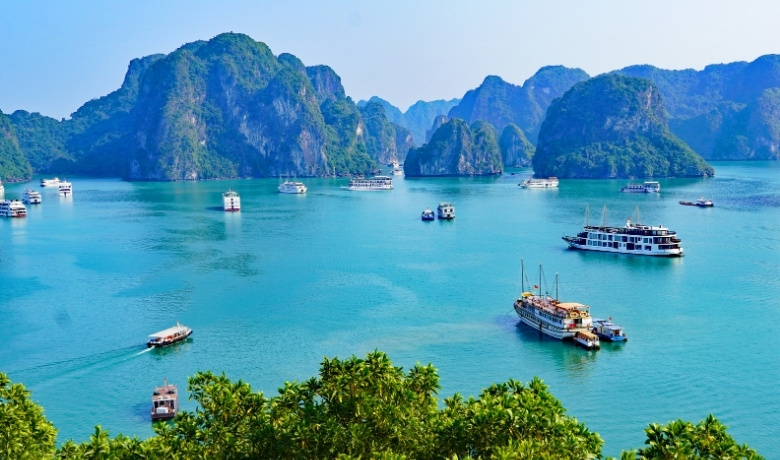
Maritime Southeast Asia (Indonesia, Malaysia, Singapore, Brunei)
Traveling through maritime Southeast Asia is all about knowing its equatorial rhythm. Unlike the mainland, the region follows a simple pattern: a dry season from April to September and a wetter stretch from October to March. Temperatures stay steady at 28–33°C, but rain is the real game-changer.
The best months to visit Maritime Southeast Asia are April to September, when skies clear, seas calm, and places like Bali, Komodo, and Lombok hit peak diving and beach weather. July and August are the busiest, but also the brightest.
Once October arrives, monsoon rains pick up and certain coasts get rougher, though travel is still doable with flexible plans. Singapore breaks all the rules and stays visitable year-round thanks to short, predictable tropical showers.
If you’re budget-minded, the shoulder months of May, June, and September are perfect: fewer crowds, sunnier days, and better rates—all without losing that classic island-hopping vibe.
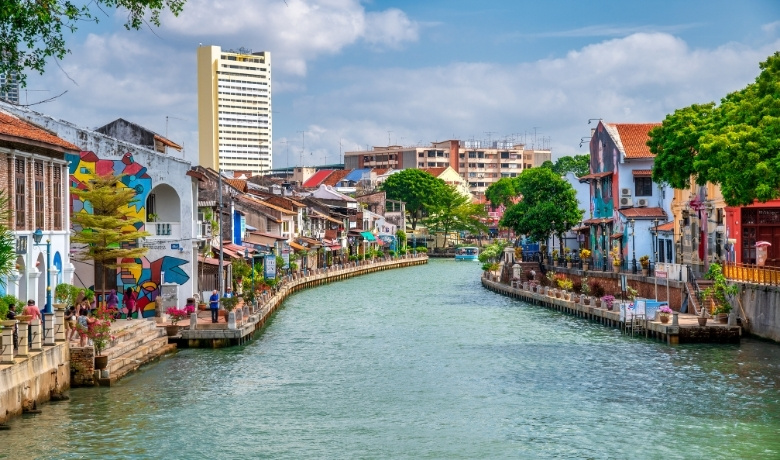
Philippines Weather Pattern
If you’re mapping out a trip to the Philippines, think in three seasons. The best months fall between December and May, when the country settles into its dry, warm groove. Days hover around 20–30°C, skies stay clear, and islands like Palawan, Bohol, and Siargao look their best. January is peak travel season, packed with festivals like Ati-Atihan and Sinulog, so book ahead.
From June to November, the monsoon and typhoon season takes over. Storms can be intense, especially in July–October, when rainfall peaks and travel disruptions are common. Still, shoulder months like June and November offer decent conditions if you’re flexible.

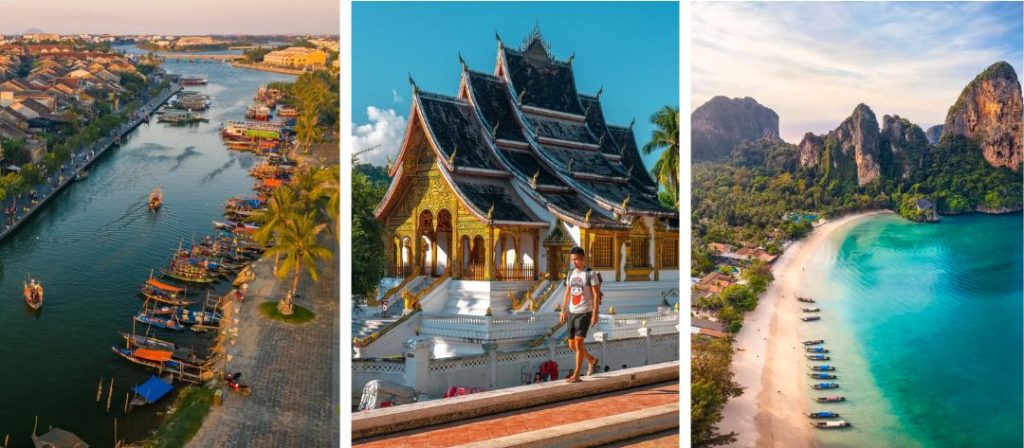
> Read more: Top 10 Best Holiday Destinations in December Around Southeast Asia
Best Months to Visit Southeast Asia by Country
Thailand
Thailand’s climate varies by coast so choosing the right months is important. The west coast, including Phuket and Krab,i is best from November to March when seas are calm and monthly rainfall often stays under 80 mm.
The east coast such as Koh Samui enjoys its finest weather from May to September with long sunny days and steady winds. March to May can reach 35 to 38°C. October to December brings heavier monsoon showers on the Gulf side. Early June still offers a good balance across both coasts.
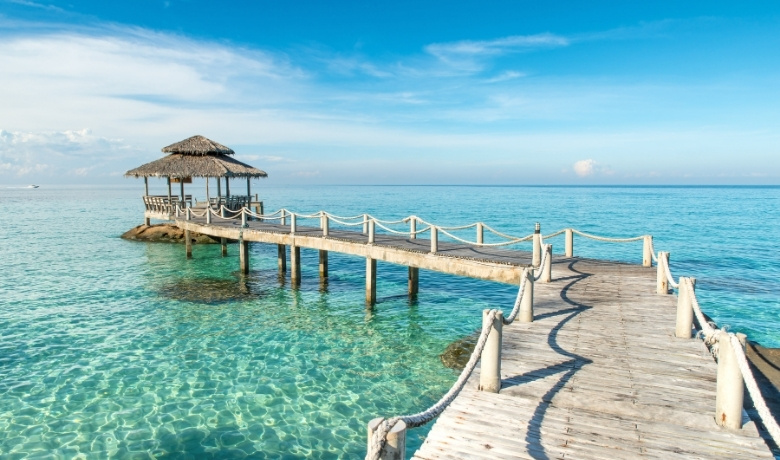
Vietnam
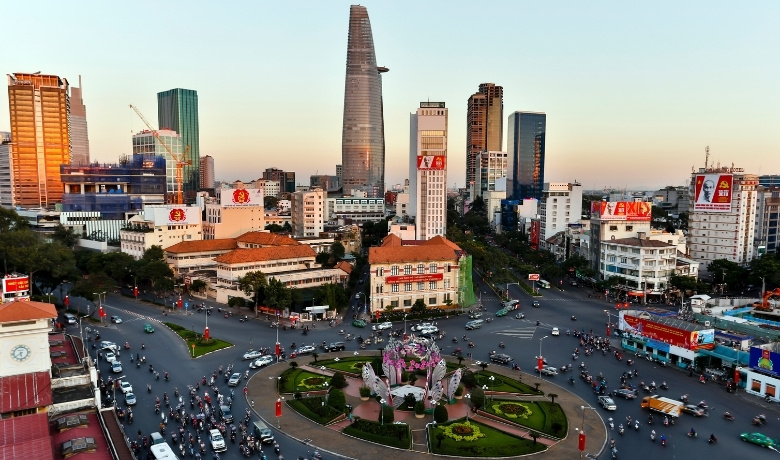
Vietnam stretches across several climate zones so the ideal months differ by region. The north from Hanoi to Ha Long Bay is most pleasant from October to April with cool and dry conditions around 17 to 23°C.
The central coast from Hue to Hoi An is best from February to August with bright skies and calmer seas. The south from Ho Chi Minh City to Phu Quoc enjoys its dry season from December to April with rainfall often below 30 mm. Central Vietnam may experience typhoons from September to November.
Cambodia
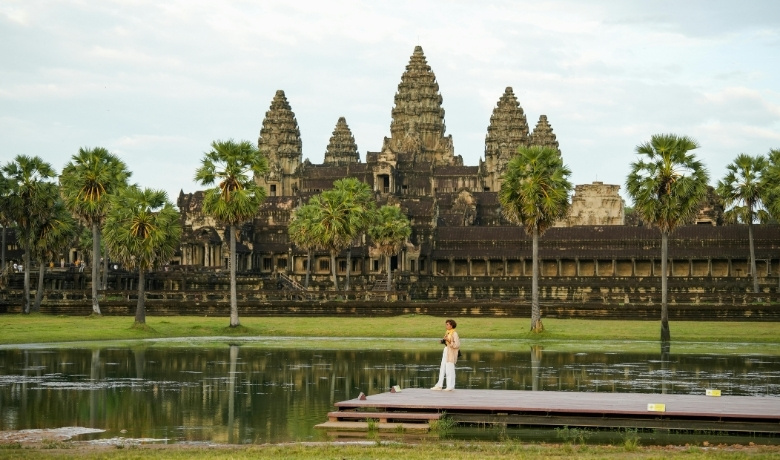
Cambodia is at its best from November to February when temperatures average 25 to 30°C and humidity is lower. This period suits temple visits and coastal breaks. From March to June heat intensifies and many days exceed 35°C.
The rainy season from July to October brings short but heavy afternoon showers that refresh the landscape and reduce crowds. Rural roads may soften after prolonged rainfall yet major routes remain easy to travel. Budget travellers enjoy excellent value at this time of year.
Laos
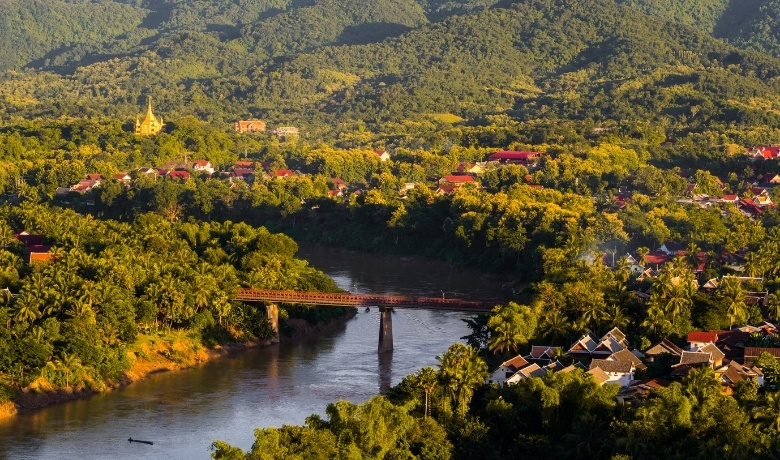
Laos is most comfortable from November to February when mornings in Luang Prabang can fall to 14 to 18°C and days remain dry. Outdoor activities such as trekking and river cruising are ideal in this period.
From March to May heat builds across the country with temperatures regularly reaching 35 to 40°C. Rain increases from June to October and brings greener valleys and fuller waterfalls. Showers usually arrive in short bursts allowing travel plans to continue with only minor adjustments.
Indonesia
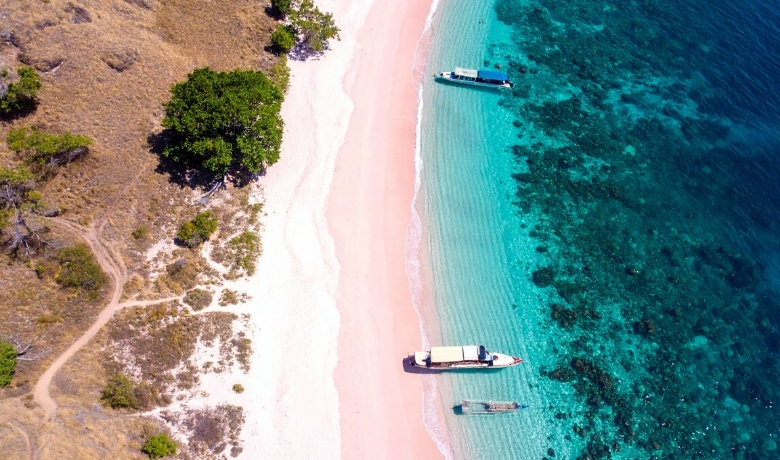
Indonesia including Bali, Java, Lombok and Komodo offers its best weather from May to September during the dry season. Humidity drops and conditions for diving often give visibility of 20 to 30 meters especially around Komodo.
June to August is the busiest period with warm days and steady breezes. May and September are excellent alternatives for travellers seeking sunshine with fewer crowds. The monsoon grows stronger from October and peaks between December and February with frequent tropical downpours.
Malaysia
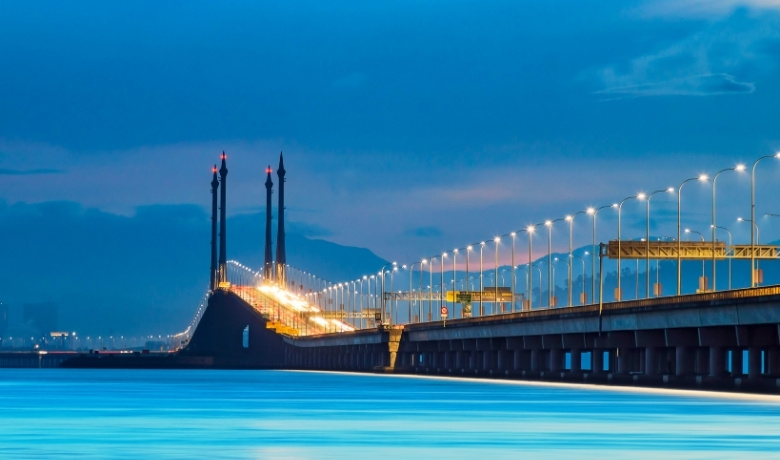
Malaysia experiences two distinct coastal patterns. The west coast including Penang and Langkawi is driest between November and March with clear skies in January and gentle sea conditions.
The east coast including Perhentian and Tioman is best from April to September especially from June to August when waters are calm and visibility improves for snorkeling. Heavy monsoon rains affect the east coast from October to February and many resorts close. Temperatures across the country stay near 28 to 33°C year round.
Singapore
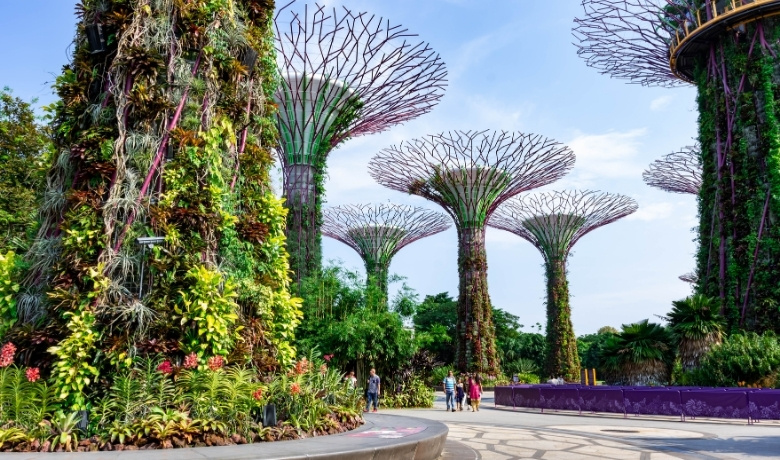
Singapore can be visited at any time of year because temperatures remain stable around 30 to 33°C and rain appears in quick tropical bursts. July and August tend to be slightly drier which helps with outdoor sightseeing.
November to January record the highest rainfall often over 250 mm per month yet this period is still peak season due to festivals and holidays. Humidity stays high throughout the year so indoor breaks and evening walks help balance the warm climate.
Philippines
The Philippines enjoys its best weather from December to May when skies are clear and temperatures range from 22 to 32°C. January and February are popular months with calm seas and major cultural festivals.
Rain and typhoons dominate from June to November and the highest risk occurs from July to October when storms may disrupt flights and ferry routes. June and November can still work for flexible travellers. For the most reliable conditions the period from January to April is ideal.
Best Months Based on Travel Style in Southeast Asia
Best Months for Beaches in Southeast Asia
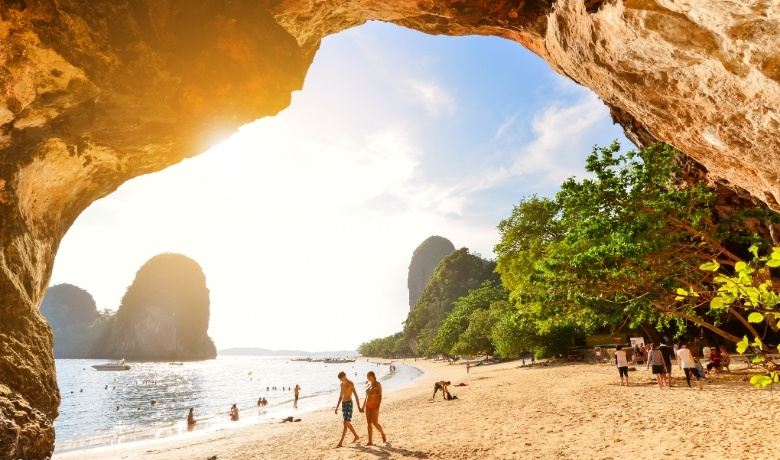
Beach seasons in Southeast Asia follow two opposite climate patterns. From November to April, mainland beaches enjoy their driest skies. The west coast of Thailand including Phuket, Krabi and Phi Phi reaches its peak weather in this period with calm seas and golden sunshine.
Southern Vietnam from Ho Chi Minh City to Phu Quoc matches this pattern with reliable dry days from November to March. Cambodia’s coast also enjoys clear blue skies and pleasant temperatures throughout November to April.
Island destinations follow a different cycle. Indonesia from Bali to Lombok is best from April to October and shines in May, June and September when crowds ease.
Malaysia’s east coast offers perfect water clarity from April to October with June to August especially ideal. Koh Samui remains a unique case because its dry months stretch from January to September.
Best Months for Adventure & Trekking
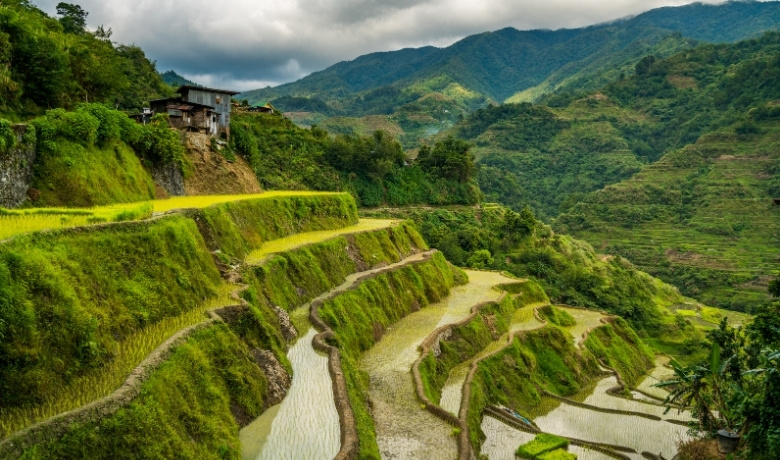
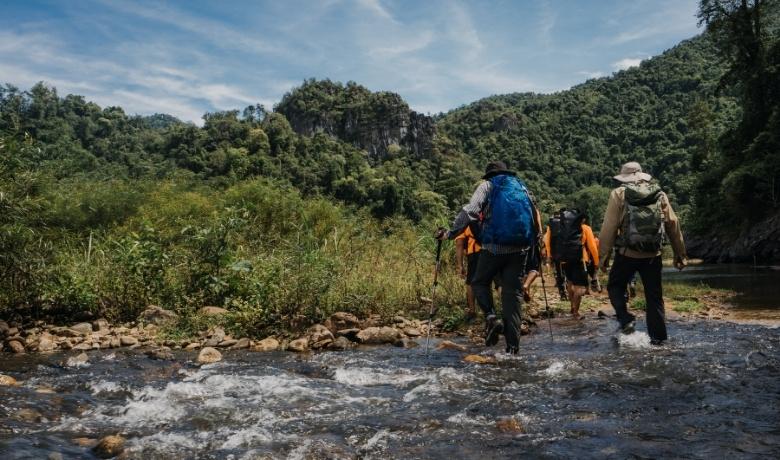
If you’re wondering about the best months for adventure in Southeast Asia, the cool and dry season is your sweet spot. Northern Vietnam shines from October to April, with clear skies and temperatures around 17–23°C. Even when high peaks frost over in December and January, the trekking is still stunning, and September is spectacular thanks to Sapa’s golden rice terraces.
Laos and northern Thailand offer their best hiking weather from November to February, with crisp mornings and daytime highs between 14 and 26°C.
For jungle lovers, Borneo is at its best from April to September. April marks the start of stable weather, May brings great deals, June delivers peak orangutan activity, and August adds the bonus of turtle hatchlings on quiet beaches.
Best Months for Festivals in Southeast Asia
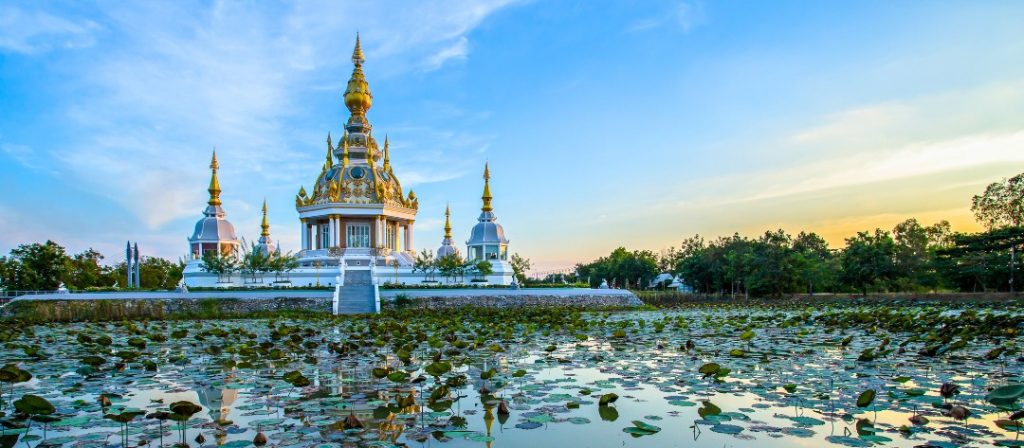
Festival season in Southeast Asia aligns with cultural new years and seasonal shifts. Vietnam celebrates Lunar New Year in January or February with family gatherings, parades and temple visits. Travellers experience a vibrant atmosphere but should expect closures and high demand for transport.
Thailand holds Songkran from 13 to 15 April and the country becomes a joyful water-splashing playground. Myanmar celebrates Thingyan in the same month with similar water rituals.
November brings magical moments across the region. Yi Peng in northern Thailand lights up the sky with lanterns and Cambodia marks Bon Om Touk with traditional boat races on the Tonle Sap. January is significant in the Philippines with the colourful Ati Atihan in Kalibo and Sinulog in Cebu drawing huge crowds.

Best Months for Budget Travel
Budget travellers often find the best deals from June to October which is the low season for most mainland countries. Rain becomes more frequent yet usually falls in predictable patterns such as short afternoon showers.
Flights and hotels often drop sharply and seasonal analyses show airfare savings of up to 23 percent compared with peak periods. Travelling in March as the hot season begins can also unlock attractive hotel promotions.
Shoulder months such as May, June, October and November maintain enjoyable weather while offering fewer crowds, smoother service and lower prices.
Rainy Season in Southeast Asia – Is It Worth A Visit?
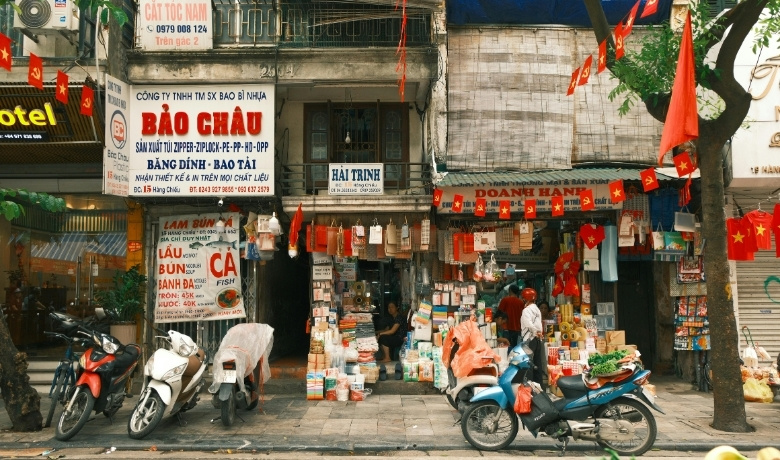
The rainy season in much of mainland Southeast Asia runs from June to October, bringing heavier showers, high humidity, and occasional storms. Yet this period can still be rewarding depending on your travel style and destination.
Benefits of Visiting During Rainy Season
Lower Prices
Airfare and hotel rates drop sharply during low season. Flights booked in the shoulder period can be up to 23 percent cheaper than in peak months. Many hotels and resorts—especially in Thailand and Vietnam—offer deep discounts and flexible deals.
Fewer Tourists
Crowds thin dramatically, especially in September, the wettest month. Popular attractions such as Angkor Wat, Ha Long Bay, and Chiang Mai’s old town feel calmer and more peaceful. With fewer guests, service quality often improves too.
Greener, More Dramatic Landscapes
Monsoon rains transform landscapes into lush, vibrant scenery. Rice terraces in northern Vietnam turn golden in September’s harvest season, waterfalls swell across Laos, and Cambodia’s countryside becomes beautifully green.
Challenges to Consider
Monsoons and Typhoons
June to October brings strong monsoon patterns. September is typically the wettest month across the region. Typhoons can affect Vietnam and the Philippines, occasionally causing flooding or flight cancellations.
Humidity and Heat
Even during rainy months, temperatures often hover around 32–33°C. Expect warm, sticky days with short but intense downpours, usually in the afternoon or evening.
Transport and Service Disruptions
Cruises in places like Ha Long Bay may be cancelled due to safety concerns. Heavy rain can affect road travel in rural regions. Some hotels use this season for renovations, limiting access to certain facilities.
Places That Are Still Great in Rainy Season
Even when most mainland countries are wet, several destinations stay sunny or relatively dry.
- Bali (June to September)
This period is Bali’s dry season. Expect stable sunshine, low rainfall, clear diving visibility, and pleasant beach days. May, June, and September offer ideal weather with fewer crowds.
- Singapore (Year-Round)
Singapore experiences consistent temperatures around 30–33°C and short tropical showers any month. June to August tends to be slightly drier, making sightseeing easy.
- East Coast Thailand (May to September)
Koh Samui, Koh Phangan, and Koh Tao enjoy their driest weather during these months. The Gulf of Thailand has calm conditions while the Andaman coast is in monsoon.
- Borneo (April to October)
This is Borneo’s dry season. Wildlife encounters peak in May, June, August, and September, when orangutans feed on low-hanging fruit and turtle hatchlings appear on beaches.
- Central Vietnam (June to August)
Despite monsoon patterns elsewhere, cities like Da Nang, Hue, and Hoi An often enjoy hot, sunny weather through most of July and August.
Practical Tips for Planning Your Trip
- Booking early for peak season: Reserve flights, hotels, and tours at least three months ahead, especially for December–January, March–April, and August when prices can rise 1.5 to 2 times.
- Avoiding major holidays for cheaper flights: Fly during shoulder weeks (two weeks before or after holidays) to save up to 23% on airfare and avoid Christmas, New Year, Lunar New Year, and Easter price spikes.
- Travel insurance during rainy season: Essential from June to October due to monsoons, typhoons, cruise cancellations in Ha Long Bay, and frequent weather-related delays.
- Visa reminders: Check entry rules for Vietnam, Indonesia, Thailand, Malaysia, Singapore, and the Philippines; verify visa-on-arrival, e-visa requirements, and 6-month passport validity.
- Packing list by season: Bring a rain jacket, dry bag, and quick-dry clothing for rainy months, plus sunscreen, electrolytes, and breathable outfits for the March–May hot season.

If you’re looking for the best months to visit Southeast Asia, the safest and most reliable stretch is November to February. These cool, dry months bring the region’s most comfortable travel conditions, with sunny beaches, pleasant cities, and the lowest rainfall across the mainland.
But if you’re flexible and want fewer crowds or better prices, the off-peak months are great too. March to May suits budget travelers who can handle the heat, while June to October brings green landscapes, quiet temples, and strong deals—especially in Bali, Borneo, and Thailand’s east coast, which stay sunny even when the mainland gets wet.
And if you want help planning a trip that fits your travel style and season perfectly, Asia Pioneer Travel can build a custom itinerary that takes weather, festivals, and your budget into account. Reach out, and they’ll craft a trip that feels seamless from start to finish.